Home Fitness
Peloton Tread Review: A Premium Treadmill Built Around Its Classes
A deep look at the 2021/2022 Peloton Tread, covering hardware, the class platform, running feel, data accuracy, and who should actually buy it.
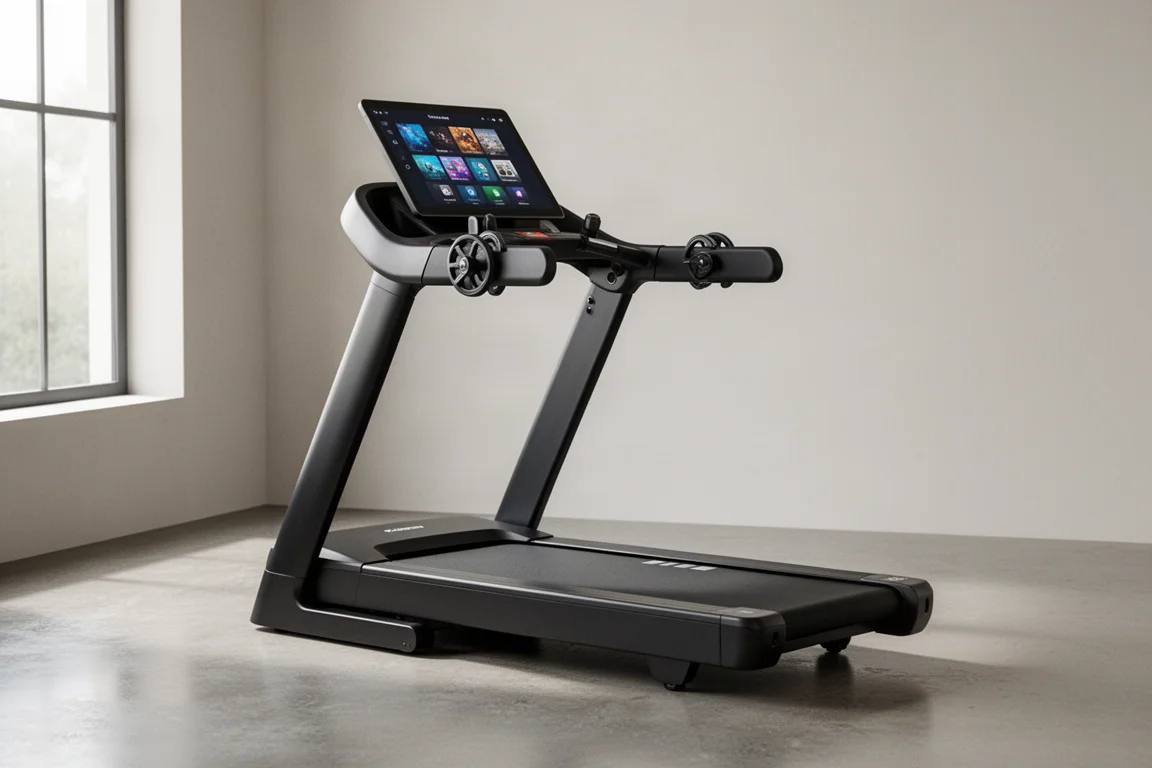
Introduction
The Peloton Tread is not just a treadmill; it is a delivery system for the Peloton class platform. That framing matters, because the hardware itself is solid but the subscription is where most of the value lives. If you have no interest in Peloton classes, this is simply an expensive treadmill. If you do enjoy structured, instructor-led workouts, it is one of the more polished options around.
This review focuses on the late 2021 Tread, produced after the well-documented recall of earlier models. That matters: this version includes the post-recall fixes and the new TreadLock passcode system, so it may differ from older impressions you have read. It was used regularly over an extended period by two different runners in a household, which gives a good sense of how it holds up in daily life.
Delivery and Setup
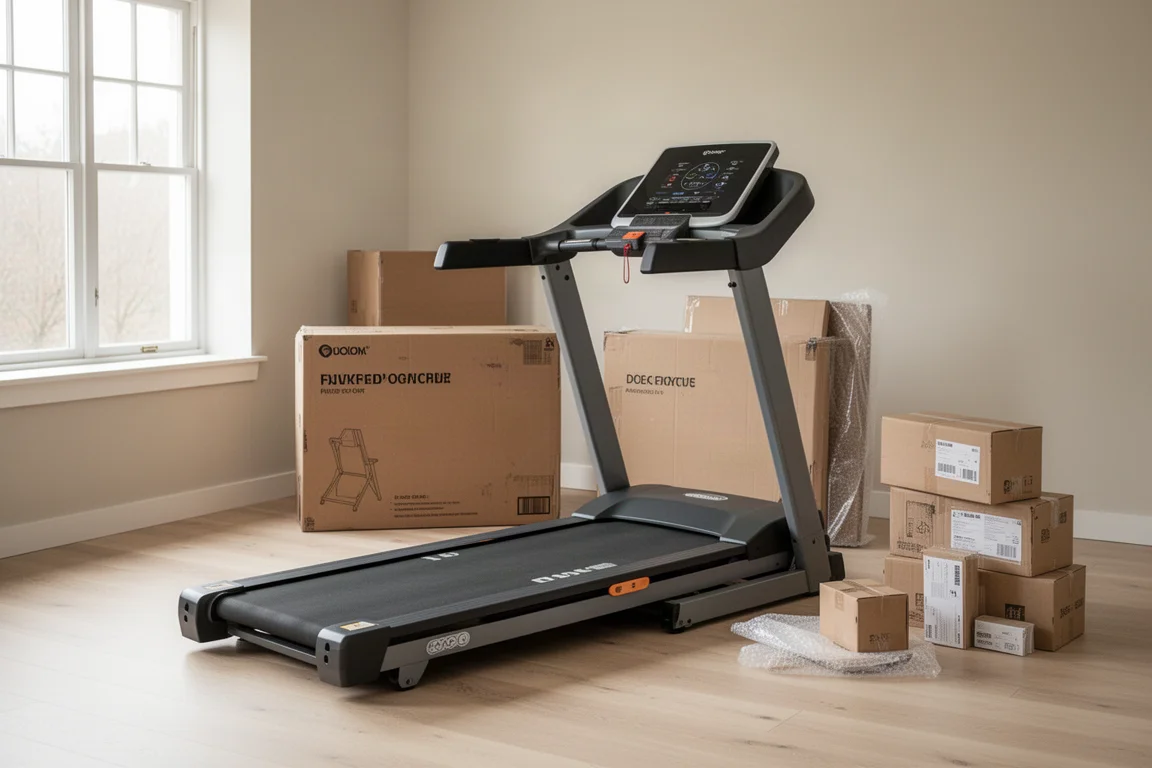
Something this size does not arrive on your doorstep in a box. Peloton runs its own delivery service with technicians who install the treadmill in the room of your choice. That is a genuine advantage for a machine this heavy, though it also means availability depends entirely on whether Peloton delivers to your country.
One practical note: the treadmill has two wheels at the front, so once it is in place it can be rolled around the room without much effort. Getting it into the house is the hard part; moving it afterwards is not.
Hardware and Running Feel
This is a belt-driven treadmill, unlike the slat-based Tread+. The traditional belt is perfectly fine in practice, and it is actually quieter than the Tread+. The 59-inch running belt sits in the middle of the pack for length. The recommended user height range is 4’9” to 6’4”, and even a 6’2” runner near the upper end of that range reported no issues with stride length, even at top speed.
Spec-wise it tops out at 12.5 mph and 12.5 percent incline. One thoughtful design detail: the motor housing is integrated underneath the deck with no front cover, so there is nothing to clip your stride against, a problem common on older treadmills.
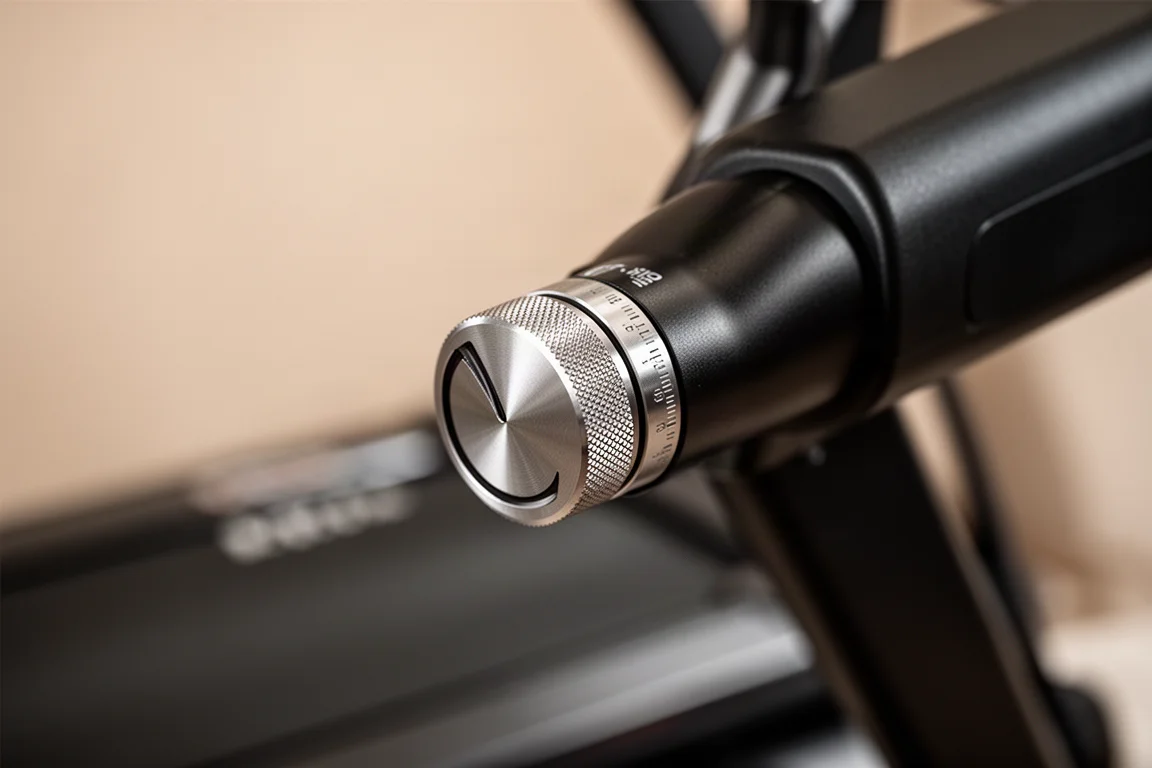
Control happens through two dials on the support arms. Slide the left dial forward to increase incline, pull it back to decrease, and tap the embedded button to step up in one percent increments. The right dial does the same for speed. Safety is well handled: a large emergency stop button sits on the support beam, plus a clip-on safety key. The machine will not start without the key inserted, and Peloton recommends keeping it away from children and pets. You can also clip it to yourself so the belt stops if you fall off the back.
Other hardware touches include two water bottle holders, a 23.8-inch display that slides forward and back (but does not tilt, which limits off-treadmill core workouts), front speakers, a webcam with a physical privacy shield for companion workouts, a USB-C charging port on the back, and a 3.5mm audio jack. At the top end speed of 12.5 mph there is only a tiny bit of screen movement, in line with what you would expect from any treadmill, and the post-recall construction inspires confidence.
Running Experience and Classes
The platform is the heart of the experience. A $40-per-month subscription unlocks the class library, with effectively unlimited free profiles for family members and guests. The home screen shows upcoming live classes, your most-used instructors, daily picks, collections (music-themed, cause-themed, and workout-themed), the live class schedule, and challenges you can join.
Before any run starts, the TreadLock passcode system locks the machine whenever it is idle. Leave the screen untouched for 45 seconds or step off, and the treadmill locks and shuts down after a warning period. It is a small friction cost in exchange for the peace of mind the recall response demanded.
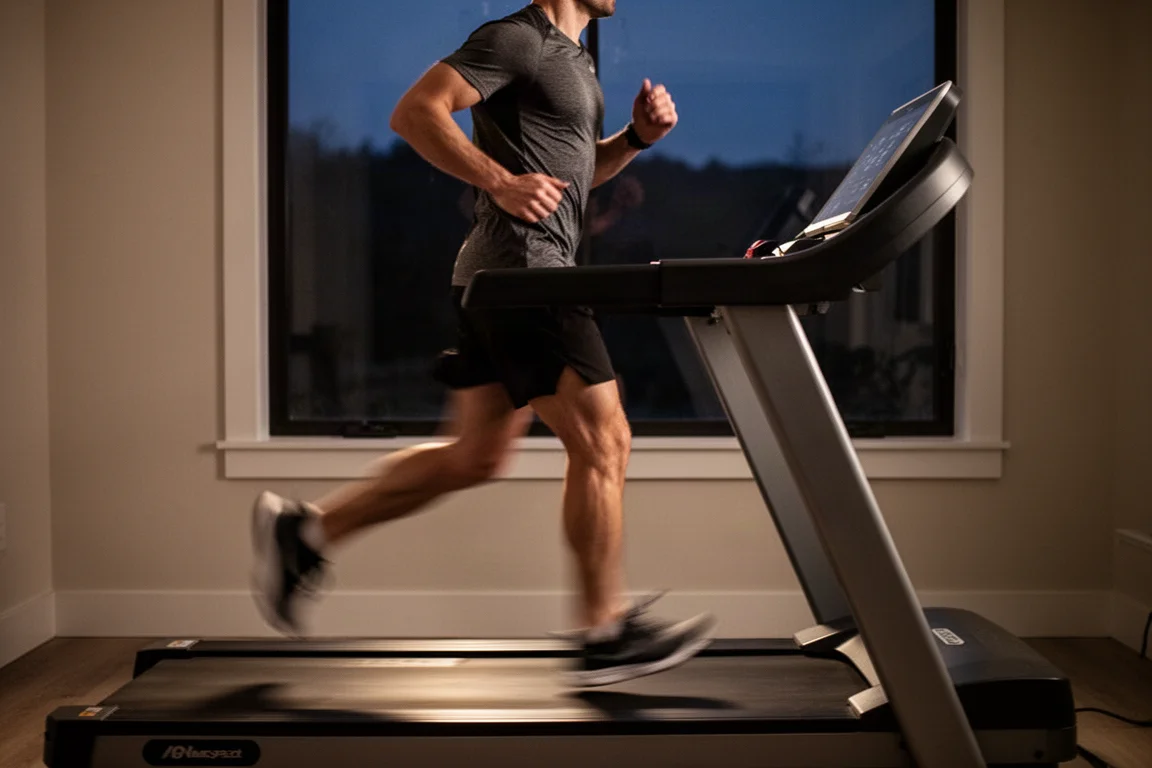
Classes themselves are well structured. Each class preview shows the music, the class plan broken into warm-up, main section, and cool-down, plus target speed and incline ranges so you know exactly what you are signing up for. Beginner-friendly programs like Road to 5K string classes into six-week schedules. Scenic runs come in three flavors: guided runs with an instructor on location, distance-based routes, and time-based runs. The guided scenic runs deserve special mention; the cinematography and music make them genuinely excellent easy-day recovery runs.
During a workout, targets display above the current speed and incline readouts, and you can customize quick-access speed buttons. One honest criticism: tapping the small quick-access box mid-sprint to get back to a recovery pace is tricky, and double-tapping the screen to hide the interface is a nice touch for a cleaner view.
On speed responsiveness, the main weakness is not the 12.5 mph top end but how quickly the belt gets there. Going from a 3 mph walking recovery straight to 12 mph takes roughly 15 seconds, which eats into short sharp intervals. With a jog recovery instead, it ramps up much faster. For most endurance-focused runners this will rarely matter.
Instructor quality varies by taste, as with any coaching. Runners who prefer focused, no-nonsense coaching over high-energy cheerleading tend to gravitate toward instructors with genuine competitive running backgrounds; there are plenty of more playful options if that suits you better.
Data, Accuracy, and Third-Party Apps
For a connected fitness machine, accuracy holds up well. Treadmill pace and distance matched closely with an accurate running foot pod worn on the shoe, and the displayed output (power) was virtually a perfect match as well. In one area the Peloton actually did better than the foot pod: with incline increased, the foot pod could not account for the elevation indoors, while the treadmill could.
The bigger limitation is connectivity outward. The Tread does not broadcast pace, distance, or speed to any third-party platform, despite using the same open standards to receive heart rate data and broadcast audio. If you want your runs in other training platforms, you will need a foot pod or a treadmill sensor attached to the machine.
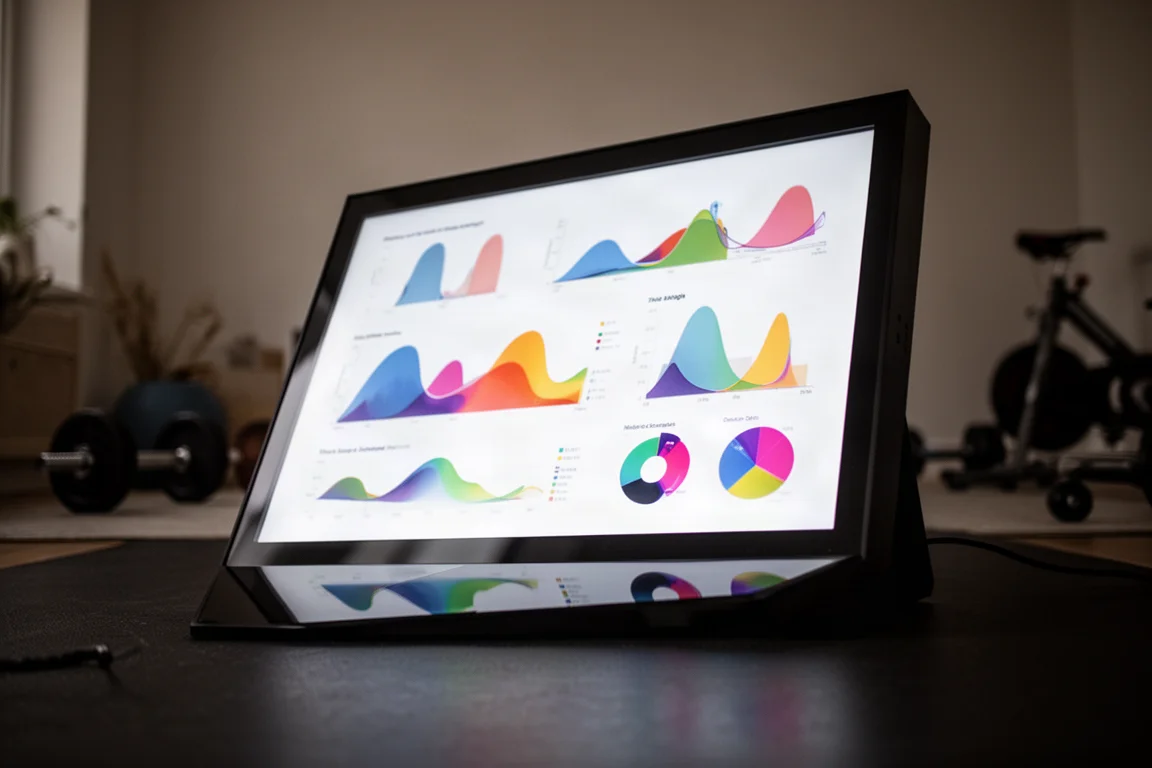
And while the display is essentially a large Android tablet and apps can technically be sideloaded onto it, the TreadLock system kills the belt the moment you switch to a third-party app. So yes, you can install apps; no, you cannot practically use them while running.
Should You Buy It?
The honest answer depends almost entirely on one question: do you want the Peloton platform? If the answer is no, do not buy this treadmill. The hardware is good but the classes are the product.
If you do use Peloton classes, this is an easy recommendation. The build quality is solid, the design is clean, the instructors include genuinely credentialed coaches, and structured workouts here are as good as anything a coach would prescribe for general endurance training. The main platform gap is continuity: workouts are largely one-offs rather than season-long training plans with progressive structure toward a goal race. Long runs exist in 75- and 90-minute formats, or you can stack classes back to back, but a proper half marathon or marathon plan with long runs built in would be a meaningful improvement.
For runners in climates with long stretches of unpleasant weather, it is easy to see this machine earning its floor space quickly. It looks good, it is well built, and the platform is on point.
Conclusion
The Peloton Tread is a well-made treadmill whose real value is inseparable from its $40-per-month subscription. Buy it if you want the classes; skip it if you do not.
Product link
View more details for Peloton Tread
This product is mentioned in the review. Check the specifications, options, and compatibility before buying.
View more details for Peloton TreadFurther reading
Related Reviews
Home Fitness
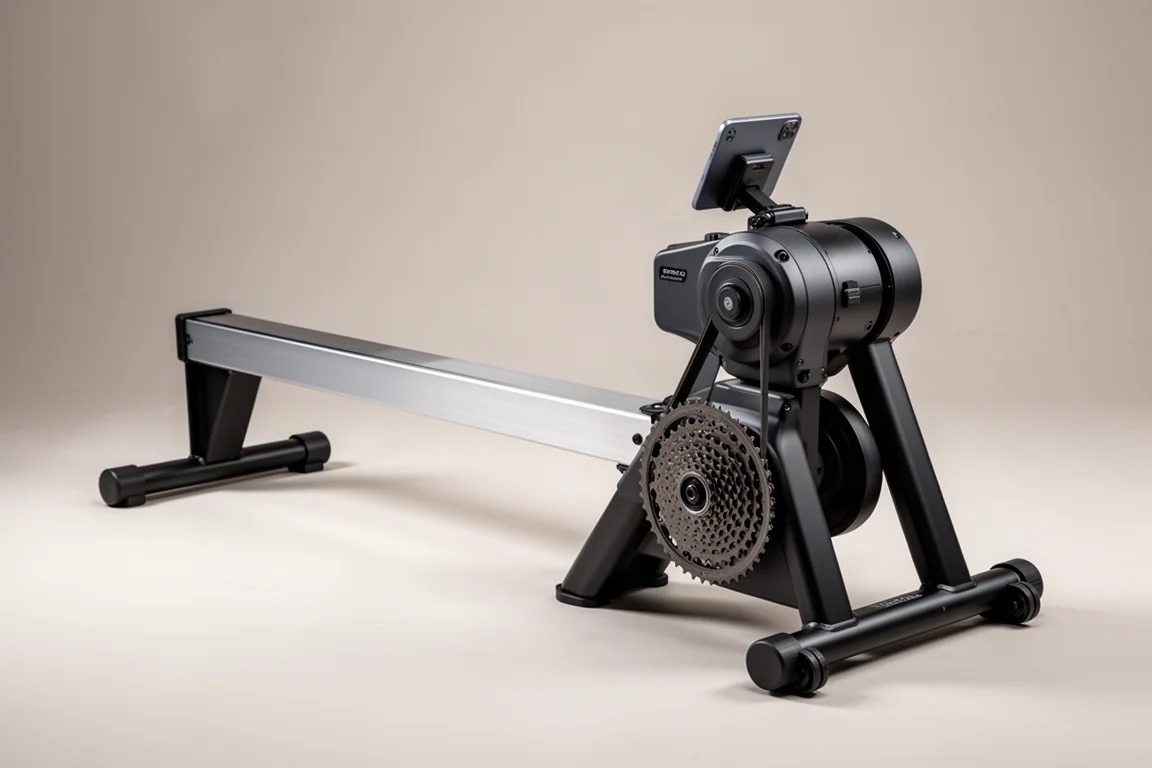
S Rower Review: Turn Your Smart Trainer Into a Rowing Machine
The S Rower converts an existing smart trainer into a rower using standard Bluetooth FTMS control, with a planned $695 price and Q2 availability.
Home Fitness Equipment
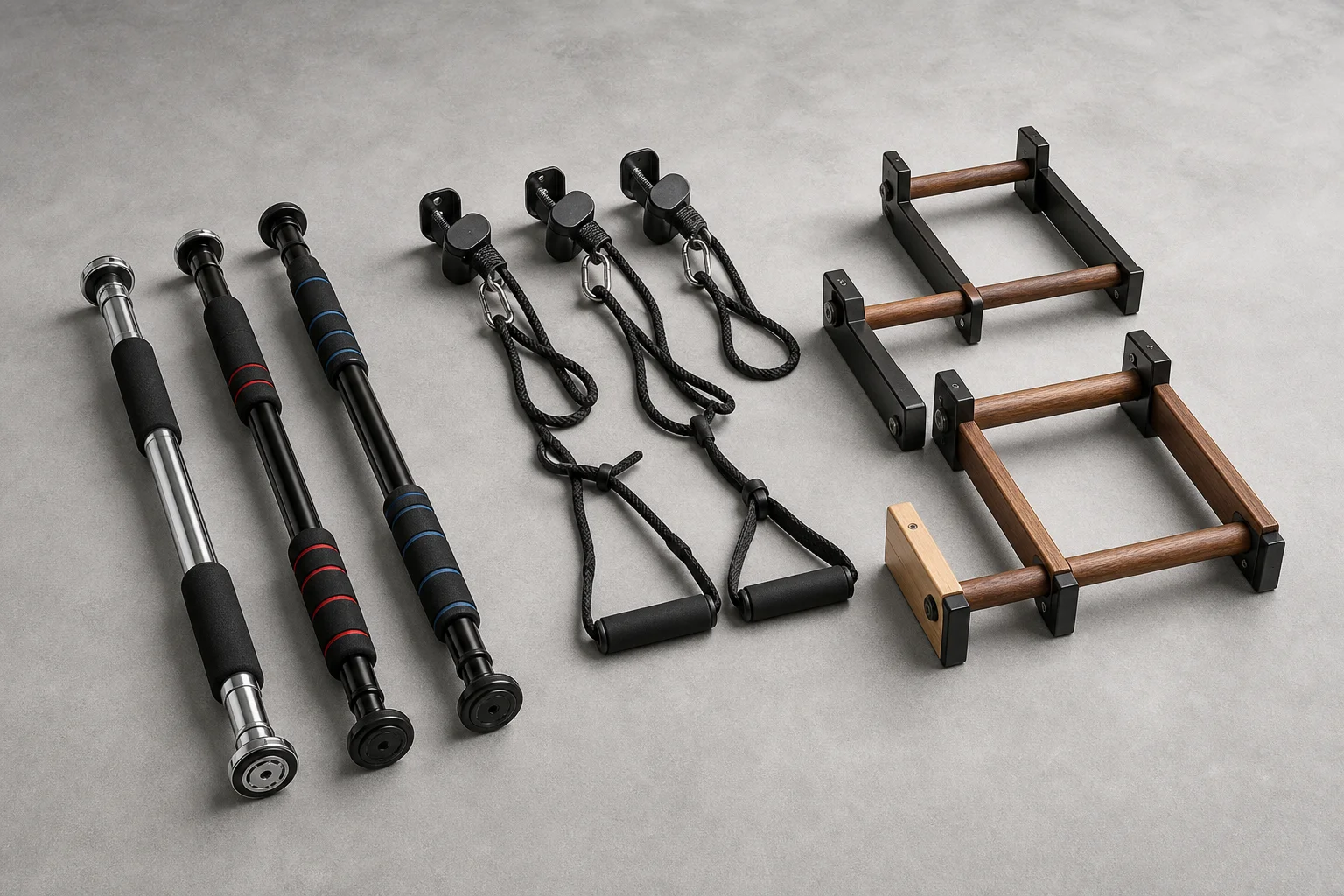
Best Doorway Pull-Up Bars: 10 Models Tested and Compared
A detailed comparison of 10 doorway pull-up bars across three categories: telescopic bars, door handles, and door frame models. Find the right fit for your space and training needs.
Fitness Equipment
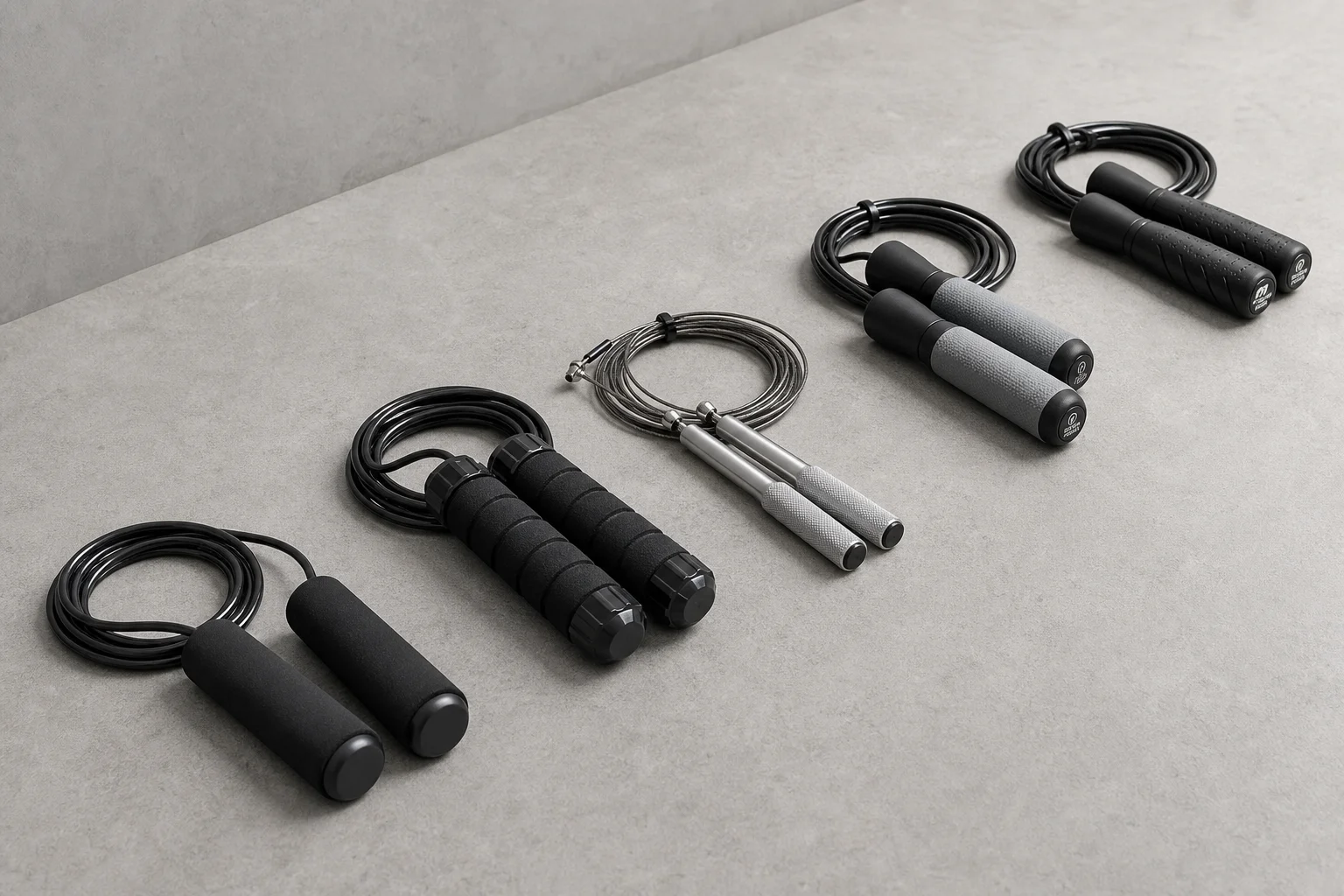
Best Jump Ropes 2026: Five Options for Every Fitness Level and Budget
A practical breakdown of five jump ropes, from budget-friendly entry-level models to premium speed ropes designed for serious athletes and Crossfitters.