Smart Bird Feeders
Peek Perk Smart Bird Feeder Review: Solar Power, AI ID, and a Deep Seed Trough
An almond-shaped smart feeder with an adjustable camera, solar panel support, and AI bird identification. Here is how it performs after a week of real use.
Introduction
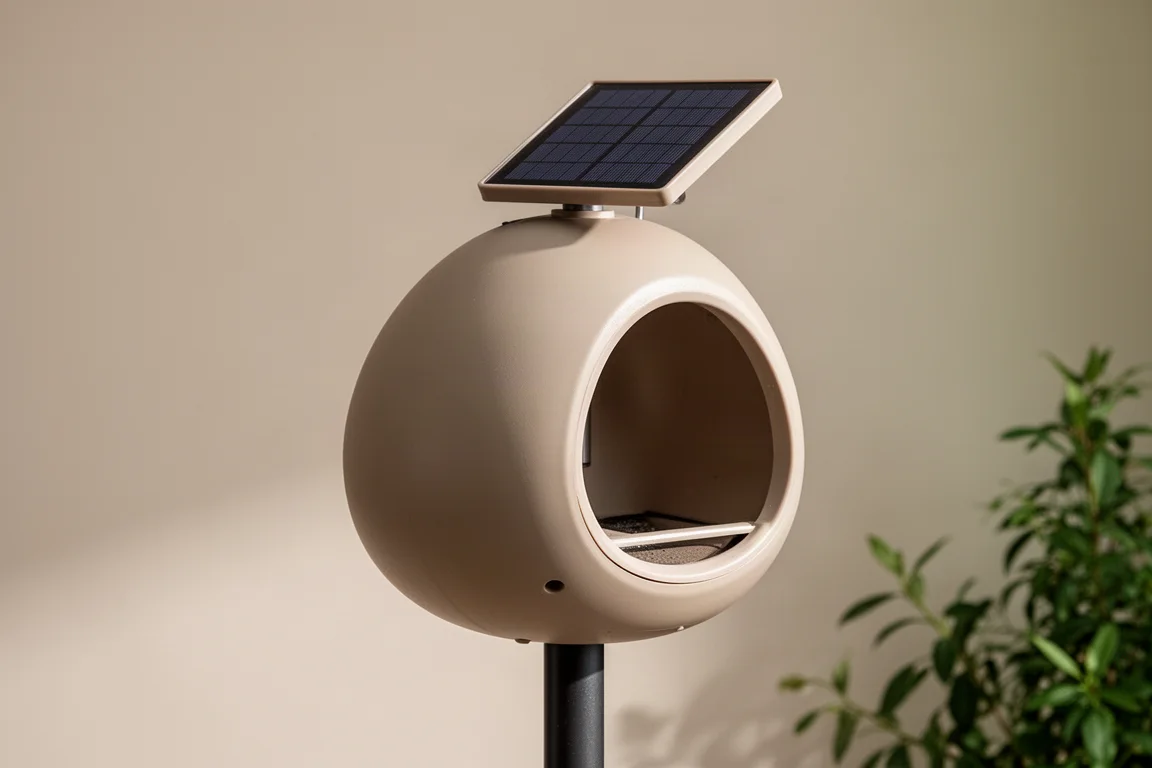
Most smart bird feeders look and work the same, so it is refreshing when one shows up with a genuinely different shape and a few features we had not tested before. The Peek Perk smart bird feeder arrives in an unusual almond-shaped housing, ships with an optional solar panel setup, and includes AI bird identification in its companion app. After assembling it, mounting it on a tree, and running it for about a week, this is what stood out.
Who This Product Is For
This feeder suits backyard bird watchers who want close-up footage of visitors without babysitting battery levels. The solar panel support makes it especially appealing if you do not want to bring the unit indoors to recharge regularly. It also works well for beginners who are curious about AI identification, though experienced birders may not find that feature essential.
Setup and Mounting
Assembly is straightforward. You are basically installing the stand, and small screws on the bottom hold everything together. The camera can be adjusted up or down, although angling it downward gets you the best view of birds on the tray.
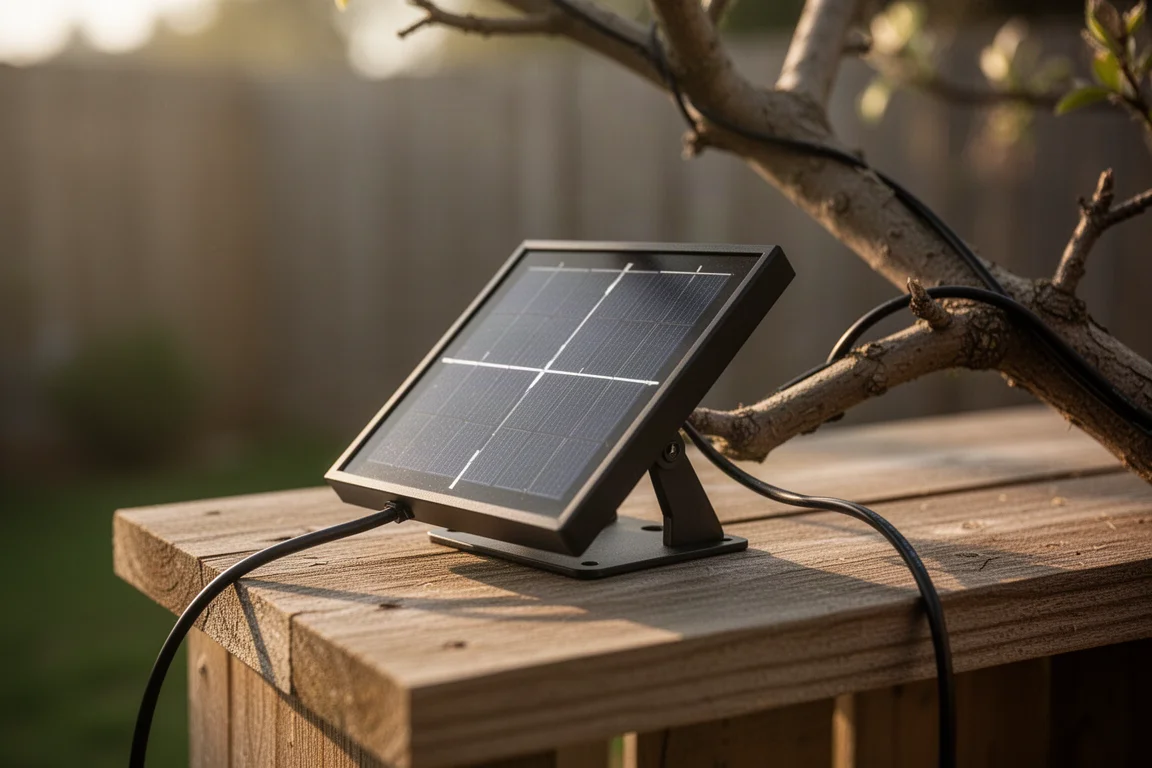
Peek Perk provides a tree strap for hanging, pole mounts, and the option to screw it directly to a surface. The feeder locks onto its mount and slides off easily, which is handy when you need to take it down. A yellow indicator light confirms the solar panel is charging the battery.
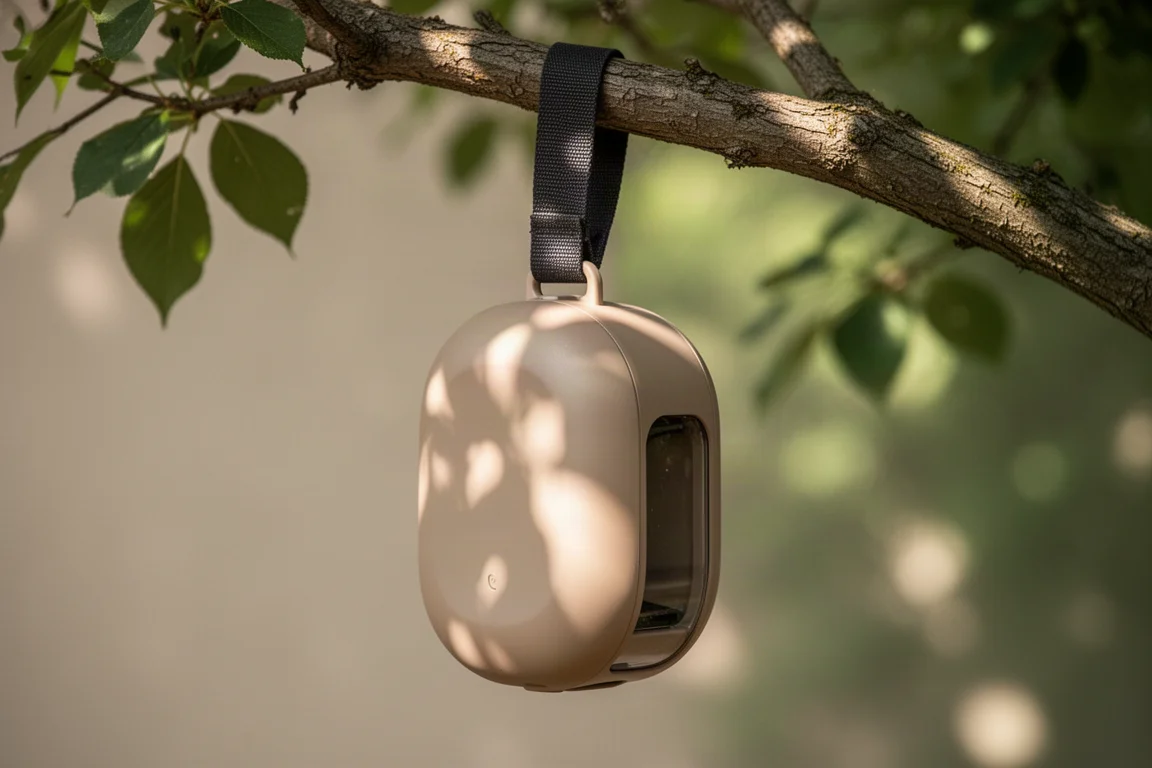
One practical tip: manage the cable between the panel and feeder carefully. Squirrels will happily chew through exposed wiring, so squirrel-proof your setup or route cables out of reach. The all-plastic body also makes the feeder vulnerable in squirrel-heavy areas, so hanging it on a pole with a squirrel baffle is a smart move.
App Experience and AI Bird ID
The app is well put together, though there is a small learning curve at first. Once you know where things are, navigation is easy. It records 10 to 20 second clips depending on your settings and stores them so you can add your favorite captures to an album.
The AI identification produced mixed results during testing. It correctly identified a black-billed magpie, but missed a black-capped chickadee, guessing a Carolina chickadee instead. That is a forgivable error since the two species are nearly impossible to tell apart visually, but it highlights a limitation: the system relies on images alone. Incorporating location data would instantly rule out species far outside their range.
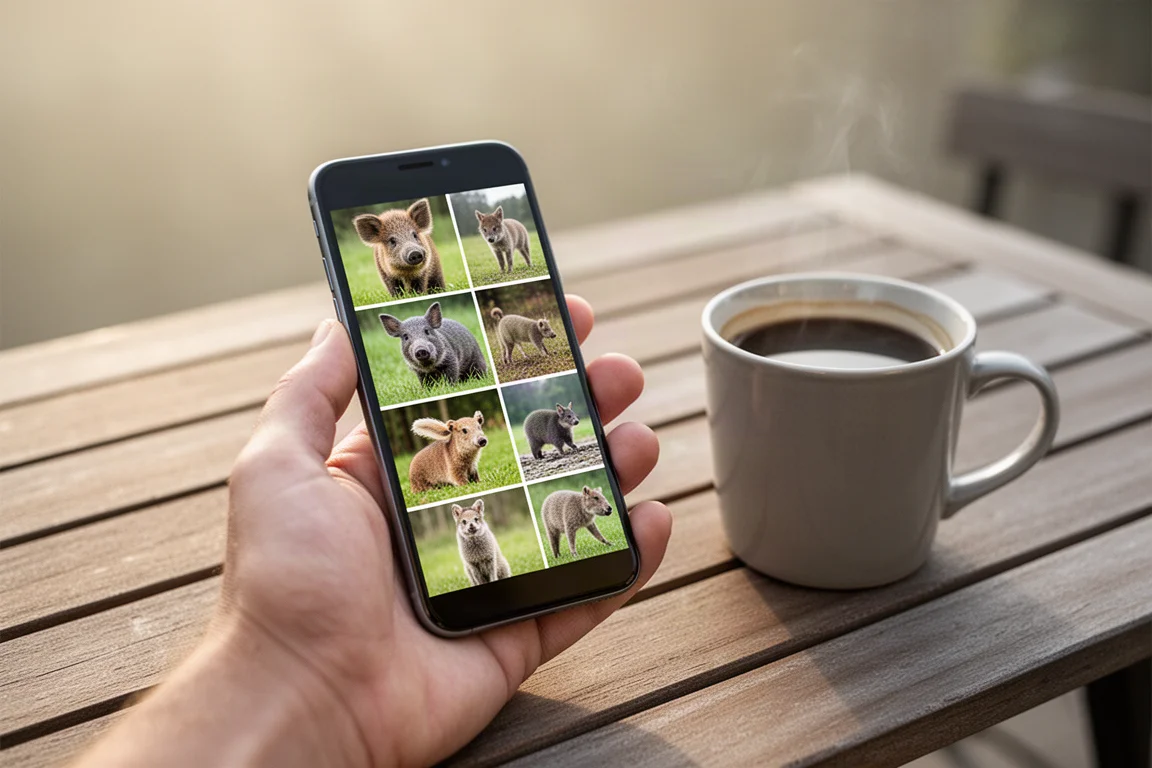
There is also a collections feature meant for tracking species at your feeder, covering over 800 species. It was not working at the time of testing, though the company said a fix is coming in the coming weeks and months. One small gripe: the app displays scientific names rather than common names, which most people will not recognize.
Two features that work nicely right now: a solid live stream view of the feeder, which held a good connection roughly 20 yards from the house, and a micro SD card slot that lets the camera store footage locally if you have no Wi-Fi, effectively turning it into a trail camera. For the best experience, use it with Wi-Fi.
Everyday Feeder Performance
The solar panel is a lifesaver. Most smart feeder brands sell solar panels as a separate purchase, so having one included for testing made a real difference. After a full week outdoors, in an area that is not especially sunny, the battery never dropped below 90 percent. No trips indoors to recharge, no downtime.
The seed trough is another quiet strength. It holds far more seed than it appears to. Halfway filled, it ran for about five days without running dry, so you spend less time refilling than with many other feeders. The camera also includes night vision, which is useful if raccoons or squirrels raid the feeder after dark and you want to catch them in the act.
Things to Consider Before Buying
A few caveats are worth knowing before you buy. The seed trough’s dispensing opening is on the small side, so smaller seed types work best. Black oil sunflower seed is a safe choice since birds perch and pull seeds out themselves.
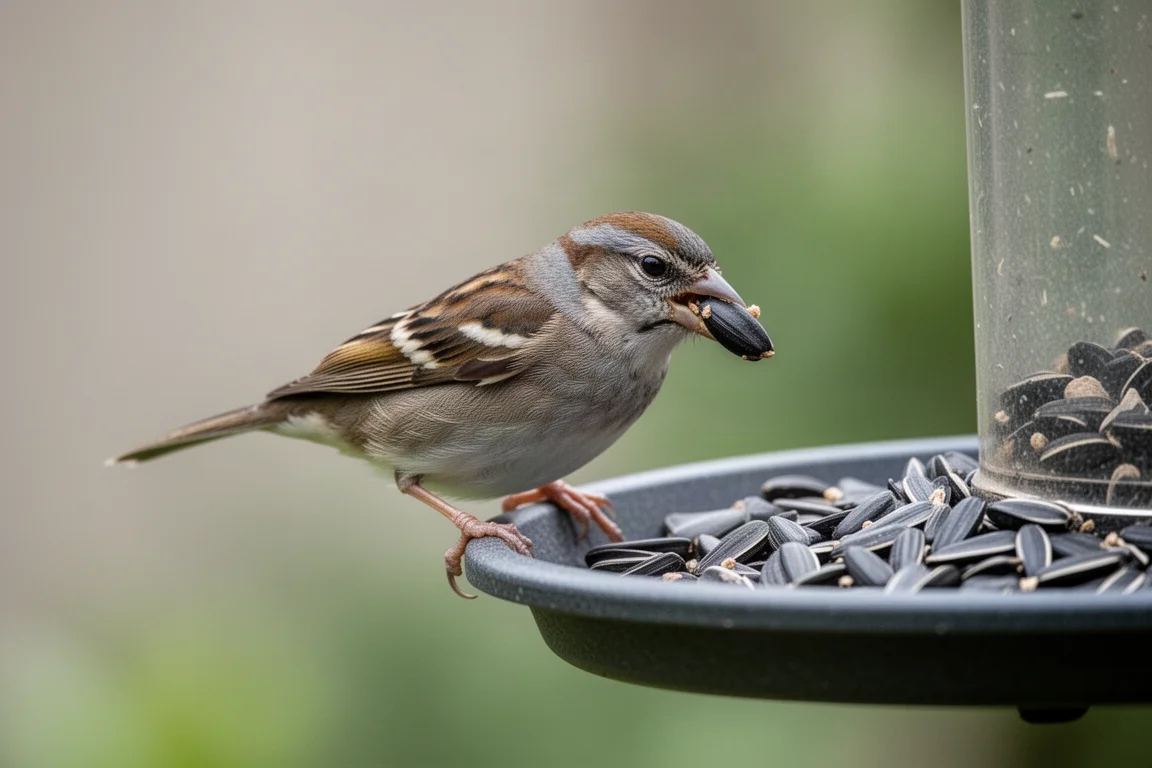
Recharging is also less convenient than on some rivals. The camera does not come out of the housing, so if the battery does run low, you have to detach the whole feeder and bring it inside. That makes adding the solar panel to your bundle a strong recommendation rather than an optional extra.
Buying Advice
The Peek Perk is a well-designed, versatile feeder that runs smoothly and looks sleek on a tree or pole. Get it with the solar panel, use smaller seed, and squirrel-proof the setup, and it delivers a genuinely low-maintenance backyard bird watching experience. The AI is a nice bonus for beginners rather than a must-have, and the live stream plus generous seed capacity are the features you will appreciate daily.
Conclusion
For anyone wanting a smart feeder that does not demand constant charging or refilling, the Peek Perk hits the mark. Its almond-shaped design, deep seed trough, dependable solar charging, and night vision make it one of the more thoughtfully built options we have tested, with AI identification as a fun extra for those still learning their backyard species.
Product link
View more details for Peek Perk Smart Bird Feeder
This product is mentioned in the review. Check the specifications, options, and compatibility before buying.
View more details for Peek Perk Smart Bird FeederFurther reading
Related Reviews
Smart Bird Feeders
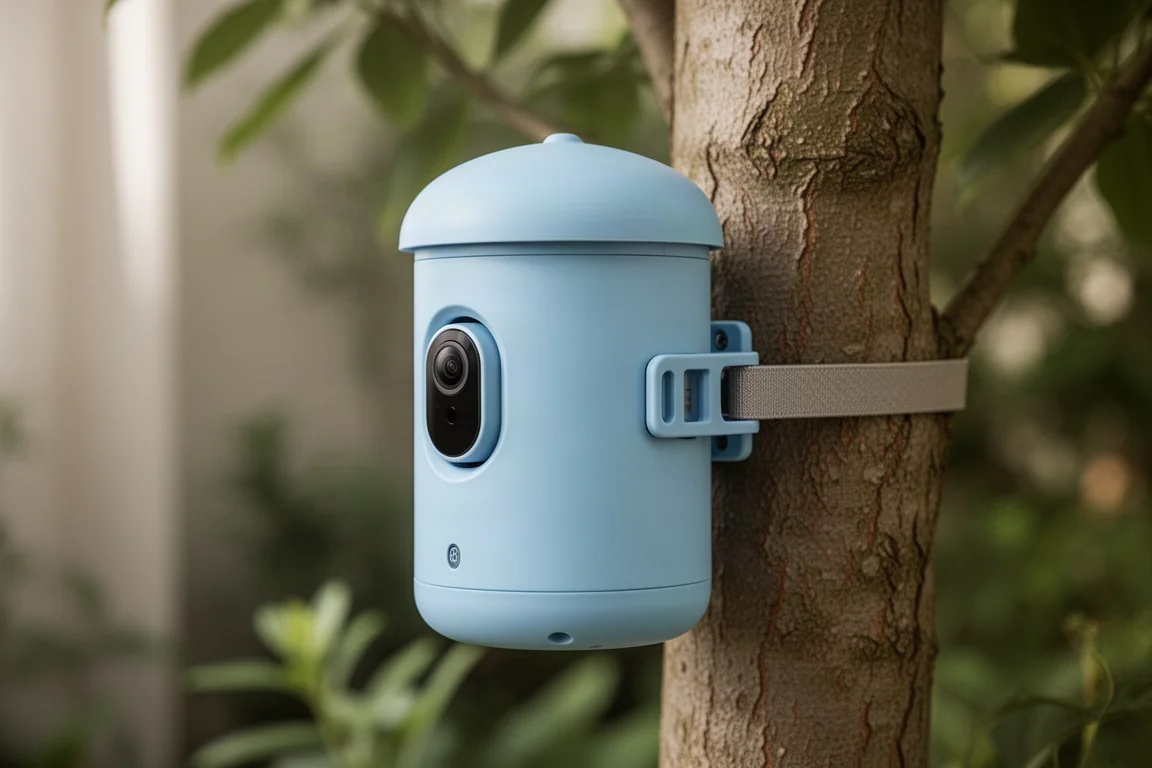
BBP Eco Smart Bird Feeder Review: A Squirrel-Proof Camera Feeder With a Clever Closing Trick
A smart bird feeder with a metal roof, a weight-triggered closing tray, adjustable sensitivity levels, and a camera that syncs with your existing setup.
Smart Bird Feeders
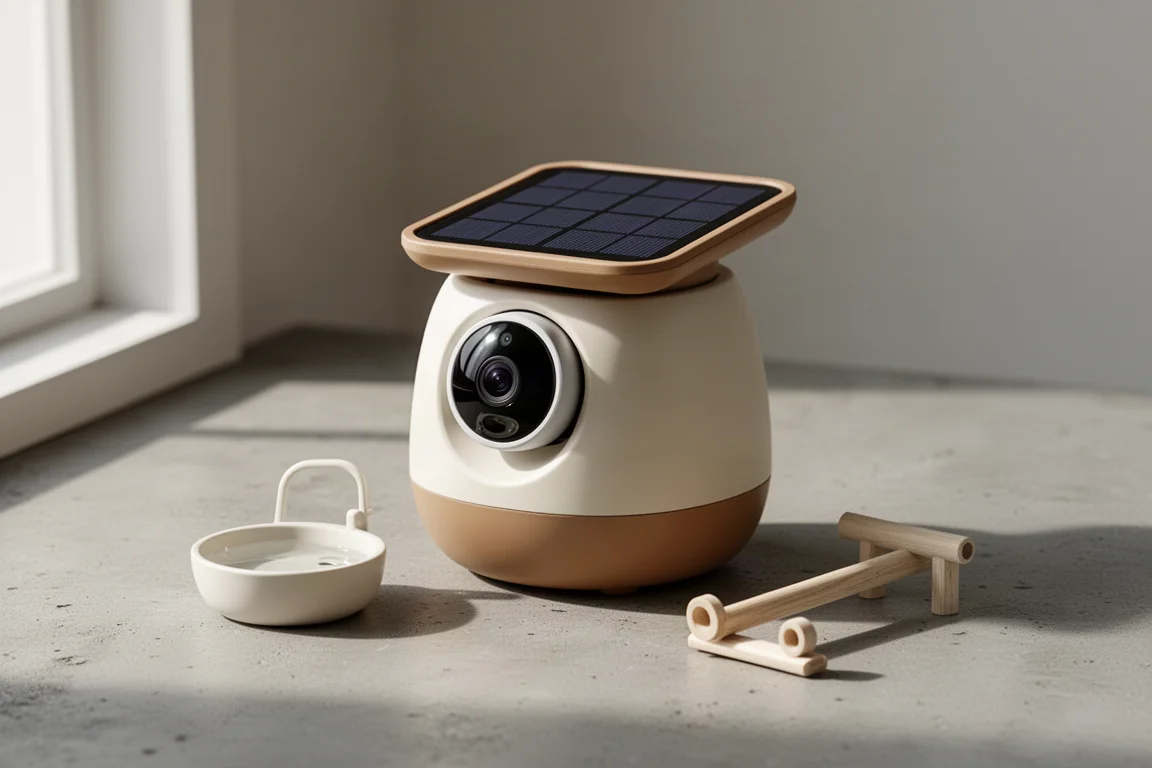
Bird Buddy 2 Review: A Smarter, Sharper Smart Bird Feeder
Bird Buddy 2 adds a swappable portrait-or-landscape camera, dual solar panels, 2K HDR video, and a larger seed tank. Here is what worked, what did not, and who should buy it.
Smart Bird Feeders
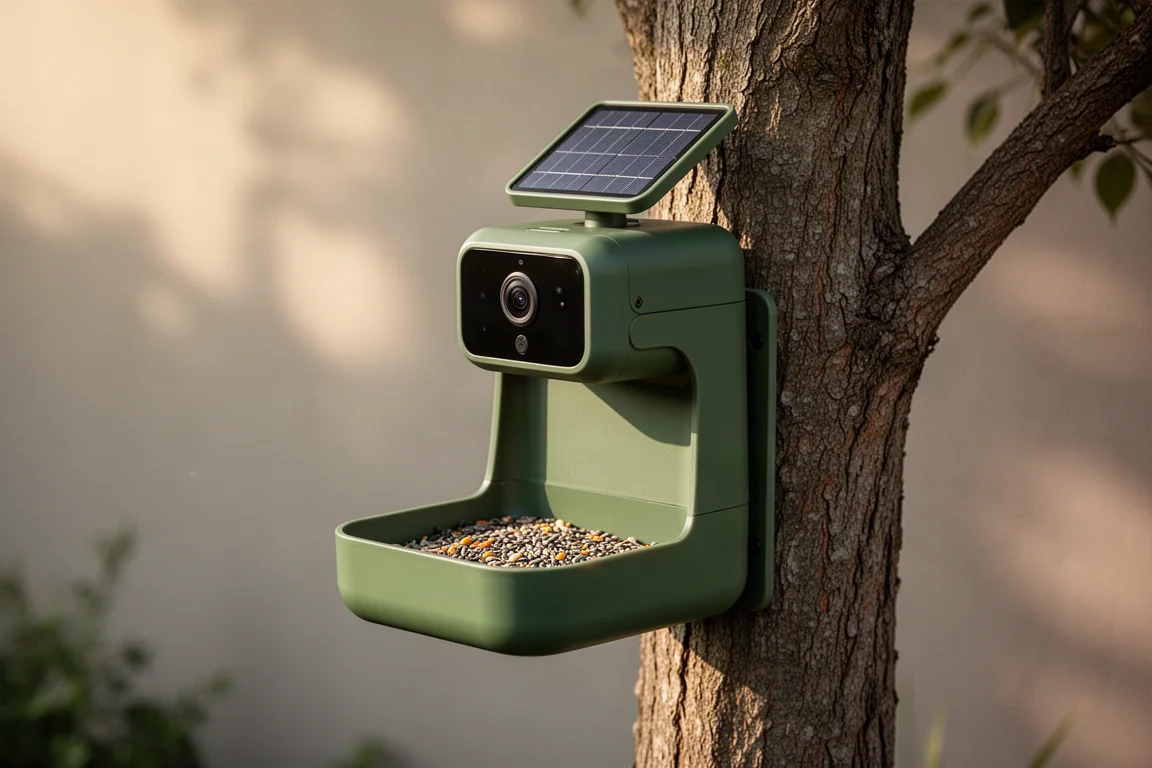
Birdfy Wide View Smart Bird Feeder Review: Dual Cameras and Solar Power in One Feeder
A sturdy, well-built smart feeder with two cameras, solar charging, and AI bird ID that works best for common backyard visitors.