Skis
Peak Skis Review: A Damp, Powerful Ski That Still Needs Refinement
Peak Skis delivers impressive damping and strong crud-cutting performance, but inconsistent turn shape and a clunky tail hold it back from its premium price.
Introduction
Peak Skis arrives with a bold pitch: a damp, powerful all-mountain ski with keyhole technology. In practice, it is a capable ski with real strengths, but it is not the finished, category-redefining product its marketing suggests. It is best understood as a heavy, damp ski for specific riders, with some rough edges that keep it from a broad recommendation. The ski has a 25-meter radius on paper, and that long turn shape is very present on snow.
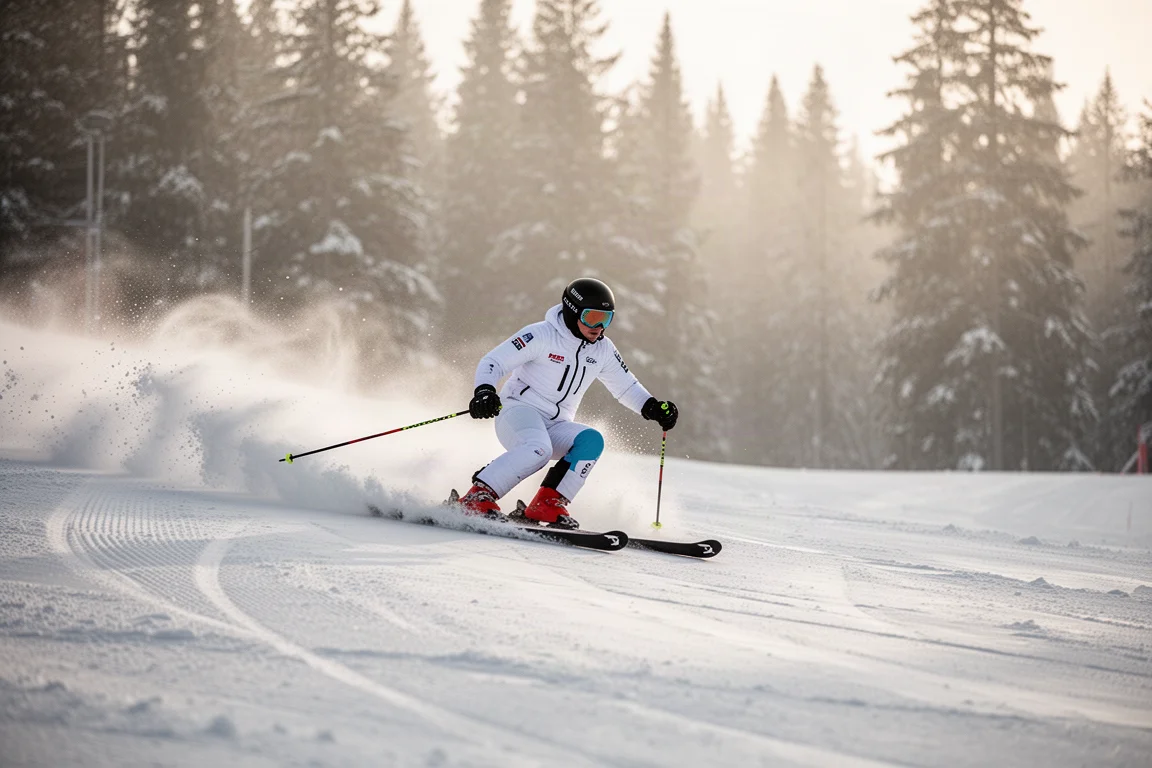
When conditions line up, the ski feels strong and clean. When they do not, it can feel clunky and inconsistent. That split personality is the core of this review.
Who This Product Is For
This ski is for skiers who prioritize dampness and crud-cutting performance. It is a good fit for heavy, thick ski lovers who want a stable platform that powers through chopped snow and variable conditions. It also does well in sticky or slushy snow, making it a strong option for spring days or wet snow. If you want a ski that feels surfy and light, this is not the right direction. If you want a damp, substantial ski for open turns and crud, it has appeal.
Main Strengths
When the turn is right, Peak Skis feels excellent. It supports you through the arc and releases energy out of the tails, especially in wide open Super G turns. It is damp in spades, and that dampness is one of its clearest strengths. It performs well in sticky snow and slush, where it does not get hung up. Off-trail performance is pretty good, though not great. The keyhole technology is real but subtle: it contributes a slight surfy feel when the ski is loaded, adding a little buoyancy in breakaway snow.
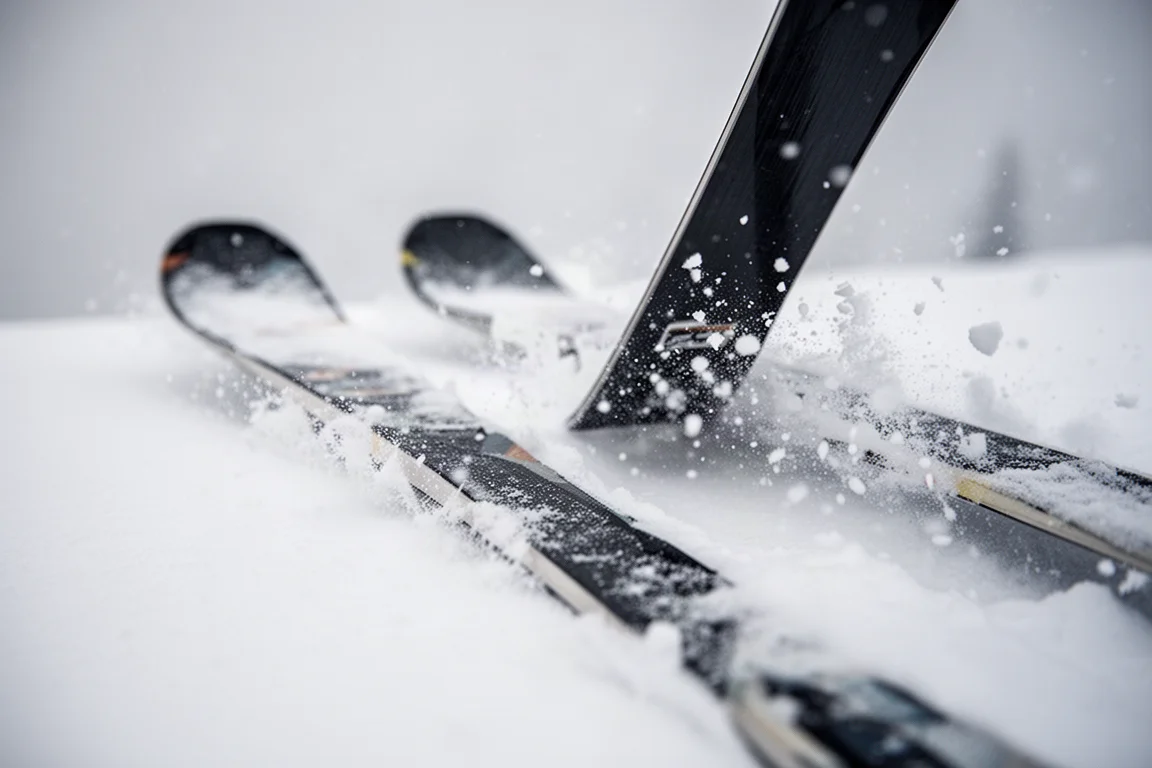
The ski also carves well when you get it on edge with enough momentum. In those moments, it feels clean and effective, and it can rocket you out of a turn. For skiers who value a powerful, damp feel over quick turn initiation, those strengths are meaningful.
Things to Consider Before Buying
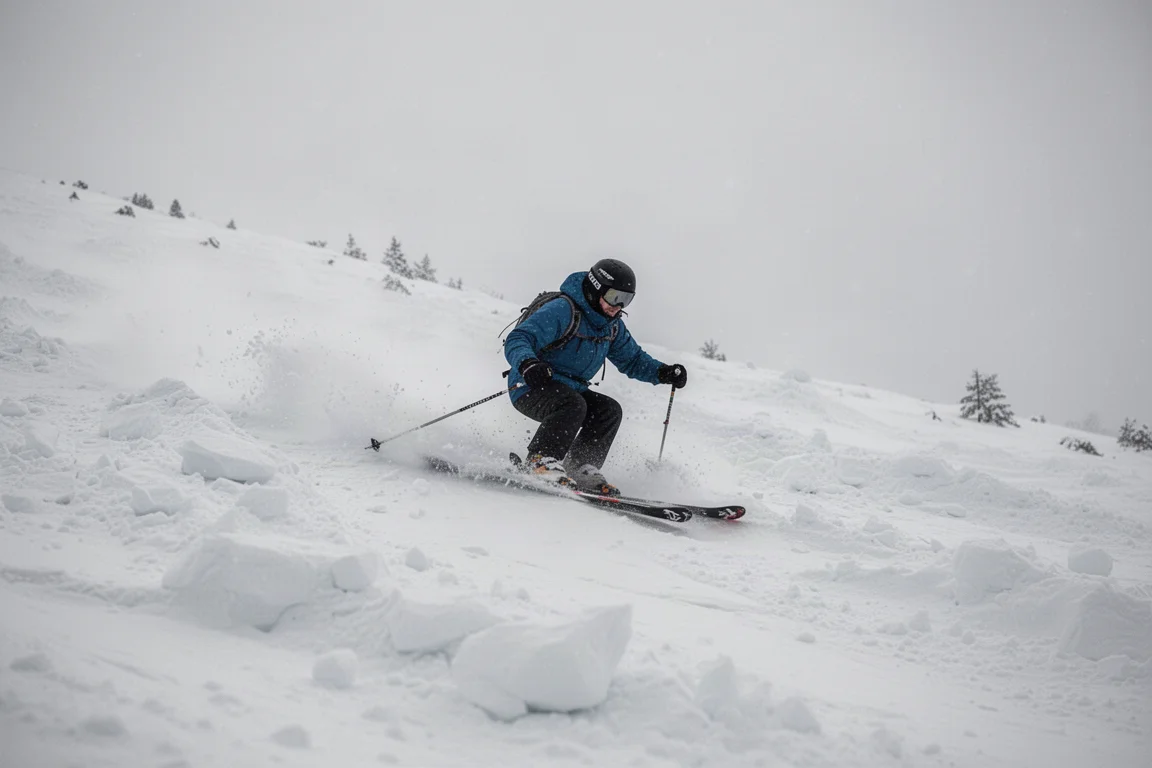
The biggest issue is consistency. The turn has to be nearly perfect and wide open for the ski to feel clean. Short-radius turns and medium turns can feel clunky, and the tail does not finish turns cleanly. The tail is wide and high, and it grabs onto things it should not, which can ruin an otherwise good turn. The ski needs hip movement and angulation to initiate, rather than pressure alone. It has a long turn radius and feels like a large GS ski, so it lacks maneuverability off-trail and does not offer much turn diversity.
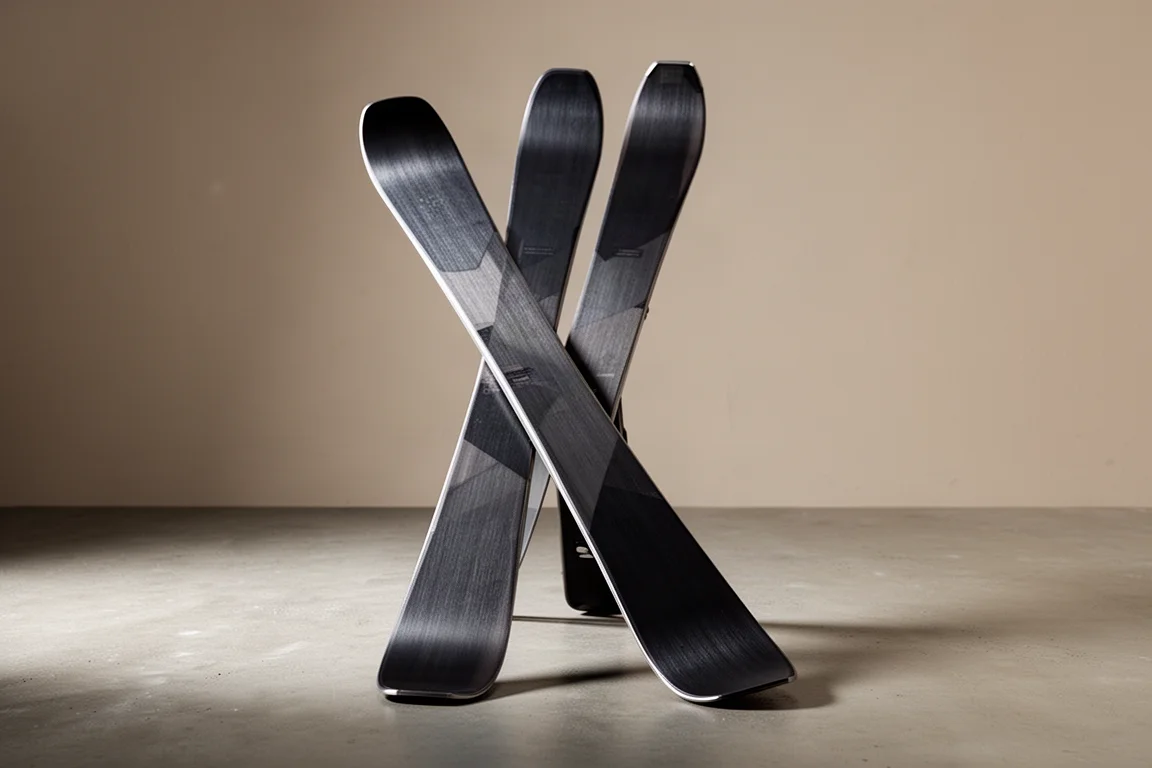
The topsheet also deserves attention. It looks like brushed metal or stainless steel online, but it is not a metal top sheet. It is more of a fiberglass top with a brushed finish. That may not matter functionally, but it can feel less premium than the metallic look suggests, especially at this price. The keyhole technology is also overplayed in the marketing. It is a real feature, but it is a small part of the ski’s personality, not a revolutionary shift. The ski can feel like it has an identity crisis, caught between a surfy powder ski and a strong carving ski.
Buying Advice
Peak Skis retails for almost $1,100, and at that price the refinement is not there yet. It is a good ski for a specific rider, but it is not a consistently clean turn and it is not a $1,100 ski in terms of polish. If you like a heavy, damp ski and you want to support a small ski company, it can make good turns and it is capable. If you want a refined all-mountain ski that performs across turn shapes, it is worth waiting for future versions or looking at more established options.
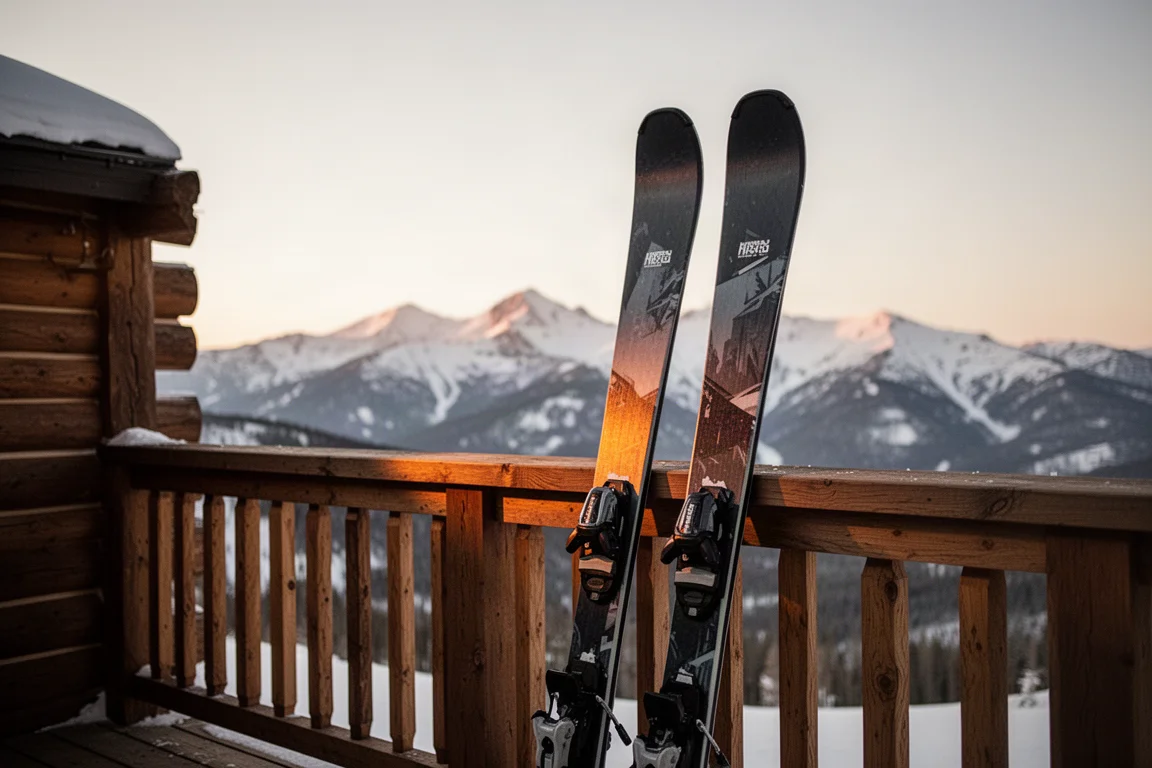
Moving the bindings two clicks forward from the factory default was suggested to change the feel. It did help short-radius turns, but it made the tail an even bigger hindrance. The factory mount is the more balanced setup overall. The ski is a 7 out of 10, and that is a generous score. There is a good ski in here, but it needs more tuning before it can be easily recommended.
Conclusion
Peak Skis is not a bad ski. It is a damp, powerful ski with real strengths in crud and sticky snow. But inconsistent turn shape, a clunky tail, and a premium price hold it back. It is best for skiers who specifically want a heavy, damp ski and are willing to accept the trade-offs. For everyone else, it is a promising work in progress that needs more refinement before it can live up to its marketing.
Product link
View more details for Peak Skis
This product is mentioned in the review. Check the specifications, options, and compatibility before buying.
View more details for Peak SkisFurther reading
Related Reviews

Skis
Armada Anti Matter 82 W Review: A Light, Approachable All-Mountain Carver
Armada's Anti Matter 82 W pairs a lightweight Karuba and carbon build with an easygoing all-mountain shape, aimed at intermediates through lighter-footed advanced skiers.

Skis
Armada Anti Matter 88W Review: A Light, Playful 88mm All-Mountain Ski Plus Two Alternatives
The Armada Anti Matter 88W returns unchanged in spirit from its Reliance 88C days, and it remains one of the most versatile 88mm skis around. We also look at the Nordica Santa Ana 87 and Anti Matter 92 W as alternatives.

Skis
Armada ARV 100 vs Atomic Bent 100: Which 100mm Freestyle Ski Should You Buy?
Two of the best all-mountain freestyle skis of the season compared: one leans playful and park-ready, the other holds up better everywhere else.