Skis
Peak Skis 88 and 104 Review: Damp, Stable, and Built for Speed
A close look at the Peak Skis 88 and 104: strong off-trail composure, damp performance in rough snow, a clear preference for speed on groomers, and premium pricing to weigh up.
Introduction
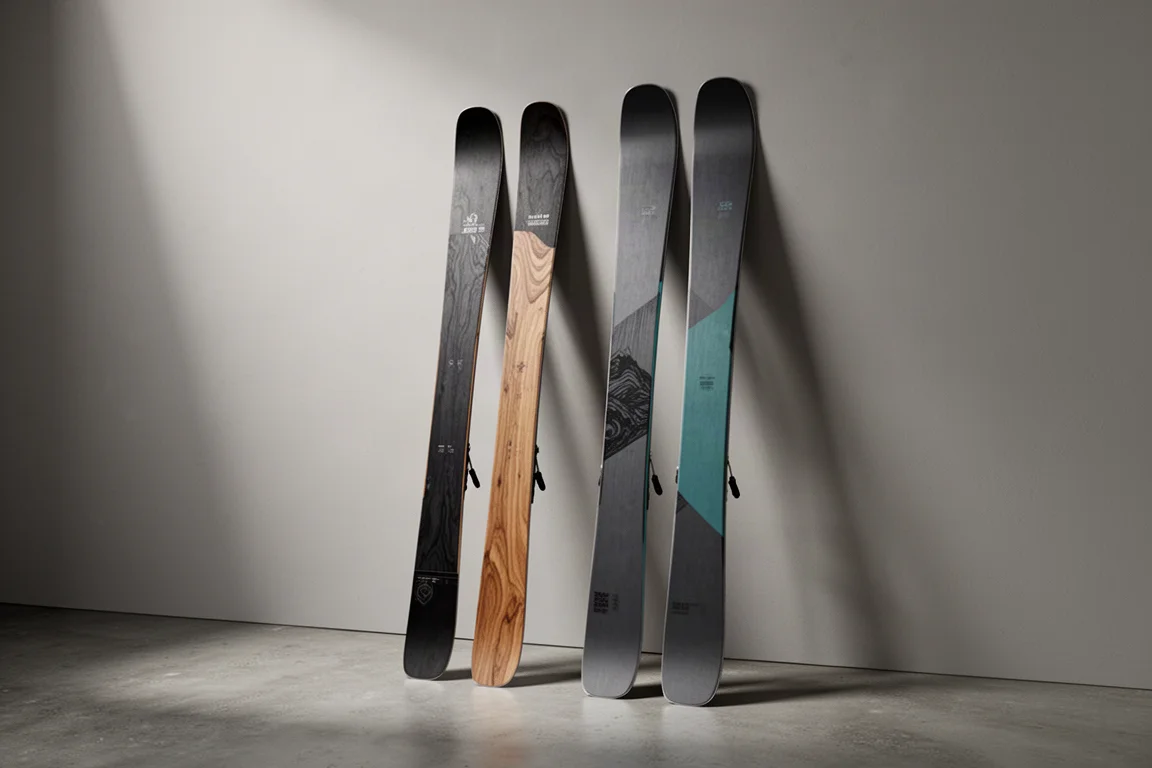
Peak’s skis look heavier on paper than they feel underfoot, and that gap between expectation and reality shapes almost everything about the way they ski. Across a mixed day of early-season conditions, including ice, rugged off-piste terrain, small pockets of powder and a long open groomer, the Peak Skis 88 and 104 showed a consistent personality: damp and composed when the snow is bad, genuinely strong off trail, and at their best when the rider is willing to let them run.
That combination makes the line interesting, but also specific. This is not a ski that flatters a slow, relaxed pace, and it is priced as a premium product. The sections below cover where it works, where it does not, and which kind of skier gets the most out of it.
Off-Trail Performance: Where These Skis Shine
Off trail is where the Peak skis make their case. They hold up alongside the best in that category, with a stable, solid platform that still feels nimble. Short radius turns and jump turns come around easily, which makes tight lines and smaller chutes a natural fit, and edge-to-edge transitions in the trees feel immediate rather than delayed.
There was also a small pocket of powder, roughly two to three inches deep, and the skis handled it comfortably. The only wish was for more of it, on steeper terrain and longer lines, which says something about where the design wants to be used.
Groomer and Firm Snow Behavior
On groomers the story changes with speed. Below a certain pace the skis feel sluggish, and the turn has to be waited on before it engages. Once up to speed they come alive and reward a longer radius carve, feeling closer to a wide, fast turn than a snappy short one. On shallower blue runs, and especially on crowded ones where turn shape has to change constantly, a livelier ski would be easier to manage.
Firm and icy terrain was the surprise. The skis tracked through rough, icy snow with very little chatter, feeling smooth and stable rather than deflected. That damping is one of their clearest strengths, and it is the trait that makes them appealing on days when the snow is not cooperating.
The Peak Skis 88
The 88 is the narrower model in the pair and carries the same character: light underfoot for its appearance, damp through rough snow, and quick to come around in short radius turns. It is the version to consider if most of your days involve firmer snow, tighter lines and short turns, with the understanding that it still wants speed before it feels lively on groomers.
The Peak Skis 104
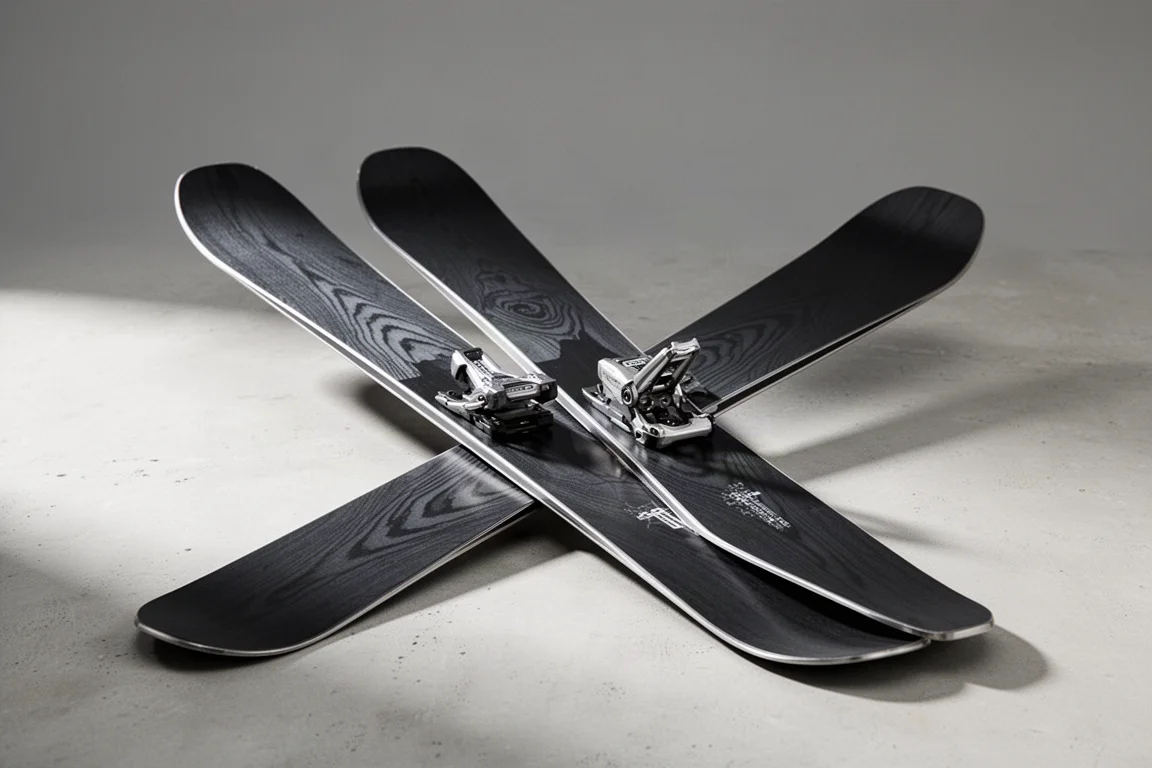
The 104 is the wider option and the more natural match for soft snow, small powder pockets and the chop left behind after a storm. It keeps the same stable, damp platform and the same willingness to be pushed hard, and it remains easy to bring around despite the extra width. Like the 88, it asks for speed and a longer turn on groomers.
Weight, Swing Weight, and Tail Feel
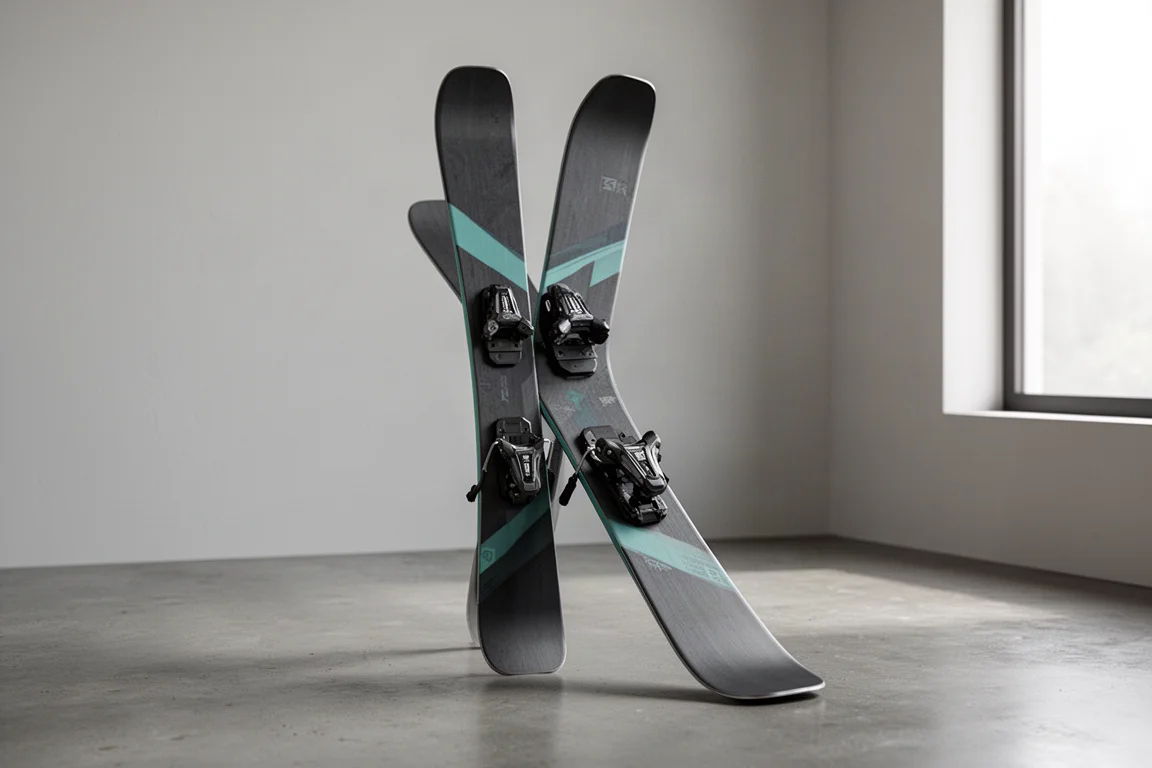
The first impression on seeing these skis is that they look like big, heavy metal skis. They are not. Weight came in lighter than expected, and swing weight was not an issue even at a longer length than some riders normally use. That matters for a ski with a long turn radius, because a heavy feel would make it tiring to bring around.
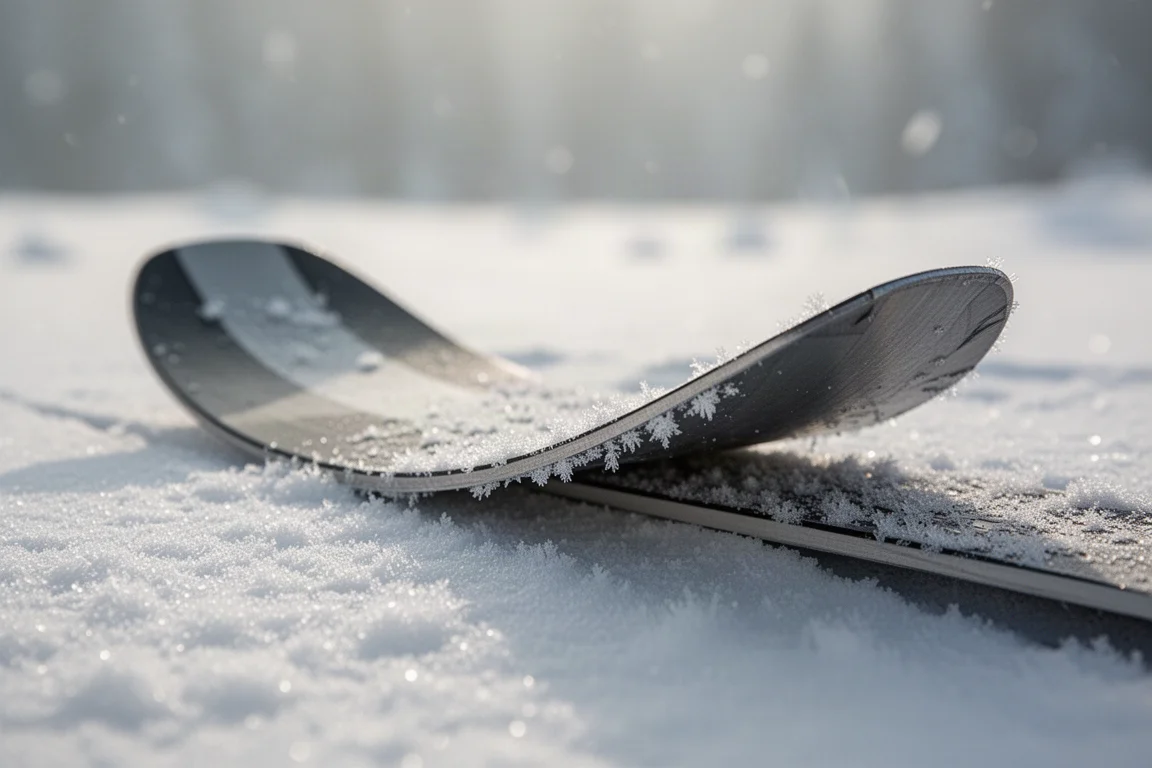
Tail behavior is the one place where impressions were mixed. The tail could occasionally feel as though it dragged or caught during medium radius turns on the front side, while a more aggressive, faster approach produced no such sensation at all. That points to a style-dependent trait rather than a hard flaw, and it never appeared in short radius turns.
Value: What You Pay and What You Get
The Peak skis are a premium purchase at around $1,080 before bindings. At full price that is a lot for a ski that works best as part of a quiver rather than a single do-everything option, and there are cheaper skis that perform well, including models that cost roughly half as much. Seasonal promotions change the math considerably: summer buy-one-get-one offers have been available, and holiday deals have included bindings, which brings the effective cost closer to $800. Those promotions may not be permanent, so it is worth checking what is running at the time of purchase.
Two further points matter to some buyers. The skis are designed in America, which is meaningful for riders who want to support domestic design, and the expectation is that direct contact with the brand is straightforward if something goes wrong, which is not always the case with larger manufacturers.
Who Should Buy the Peak Skis
This is a ski for a specific rider. It suits someone who spends most of their time off trail, skis at speed and wants a damp platform that stays composed in chop and variable snow. It is also a sensible addition to a quiver as the powder-oriented option that can still handle tracked-out conditions afterwards. It is not a daily driver for most people, and it is a poor match for a skier who stays on shallower groomers or prefers a snappy, low-speed feel.
Riders on smaller, more crowded mountains, including much of the East Coast, are likely to get less out of it. It cuts through ice fine and short radius turns are a genuine strength, but the ski needs room and speed to show what it can do, and those resorts rarely offer either in abundance.
Conclusion
The Peak Skis 88 and 104 are a strong off-trail tool, with unusually good damping in rough snow and a light feel that defies their substantial appearance. They ask for speed, they prefer a longer turn on groomers, and they are priced as a premium product that makes most sense as one part of a quiver. If your days are mostly soft snow, steep lines and open terrain, they are an easy recommendation. If your skiing is slower, more groomer-focused or confined to crowded slopes, they are much harder to justify.
Further reading
Related Reviews

Skis
Armada Anti Matter 82 W Review: A Light, Approachable All-Mountain Carver
Armada's Anti Matter 82 W pairs a lightweight Karuba and carbon build with an easygoing all-mountain shape, aimed at intermediates through lighter-footed advanced skiers.

Skis
Armada Anti Matter 88W Review: A Light, Playful 88mm All-Mountain Ski Plus Two Alternatives
The Armada Anti Matter 88W returns unchanged in spirit from its Reliance 88C days, and it remains one of the most versatile 88mm skis around. We also look at the Nordica Santa Ana 87 and Anti Matter 92 W as alternatives.

Skis
Armada ARV 100 vs Atomic Bent 100: Which 100mm Freestyle Ski Should You Buy?
Two of the best all-mountain freestyle skis of the season compared: one leans playful and park-ready, the other holds up better everywhere else.