Hiking Gear
Peak District Wild Camping Gear List: 10 Items That Earned Their Place
A three-day wild camping kit list tested in the Peak District, covering solar charging, satellite safety, shelter, sleep comfort, footwear and water treatment.
Introduction
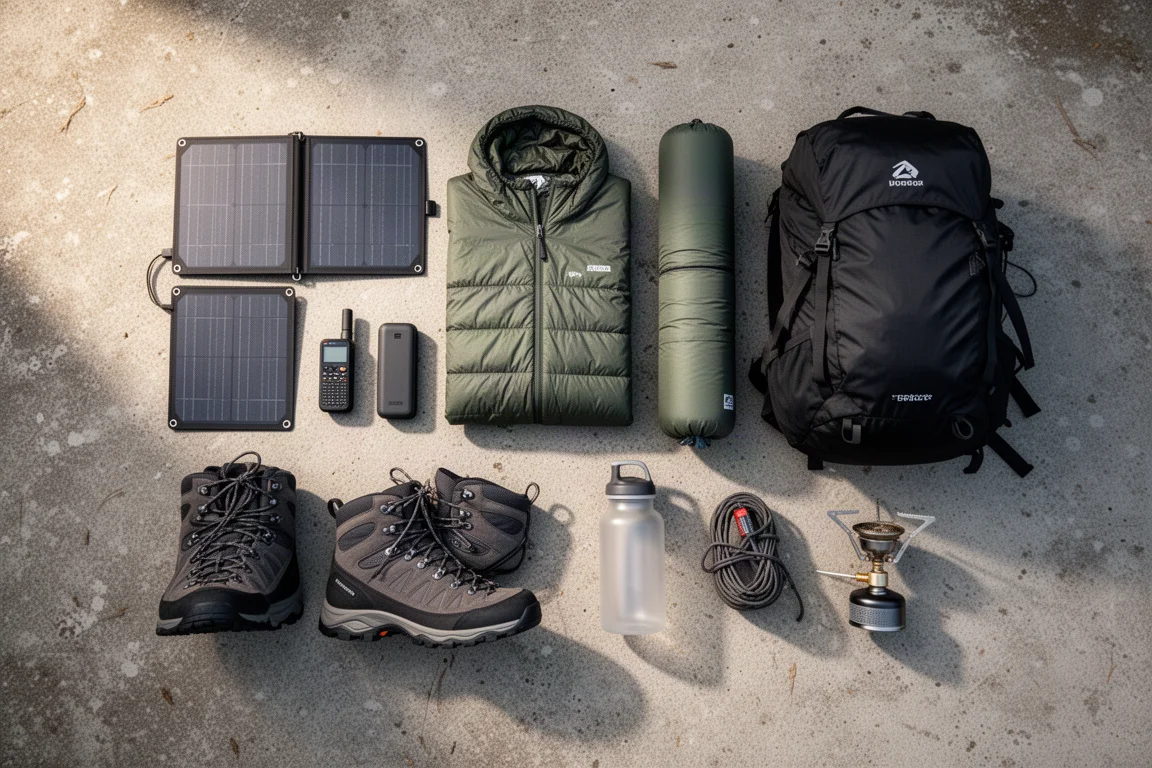
Three days of hiking and wild camping in the Peak District is a useful test of a kit list. It is long enough for small irritations to show up and short enough that nothing can be blamed on wear and tear. This list covers what went into the pack, which items performed well, and what would change on the next trip.
The overall approach was not extreme ultralight. Weight matters, but not at the cost of comfort, warmth or safety, and a few items carried a little more bulk than strictly necessary because they made the trip noticeably better.
How This Gear List Was Chosen
Every item had to justify its place in a pack carried over three days. The load was never weighed and there was no target number to hit. Instead, the choices were guided by two questions: does this keep the trip comfortable, and does this keep it safe?
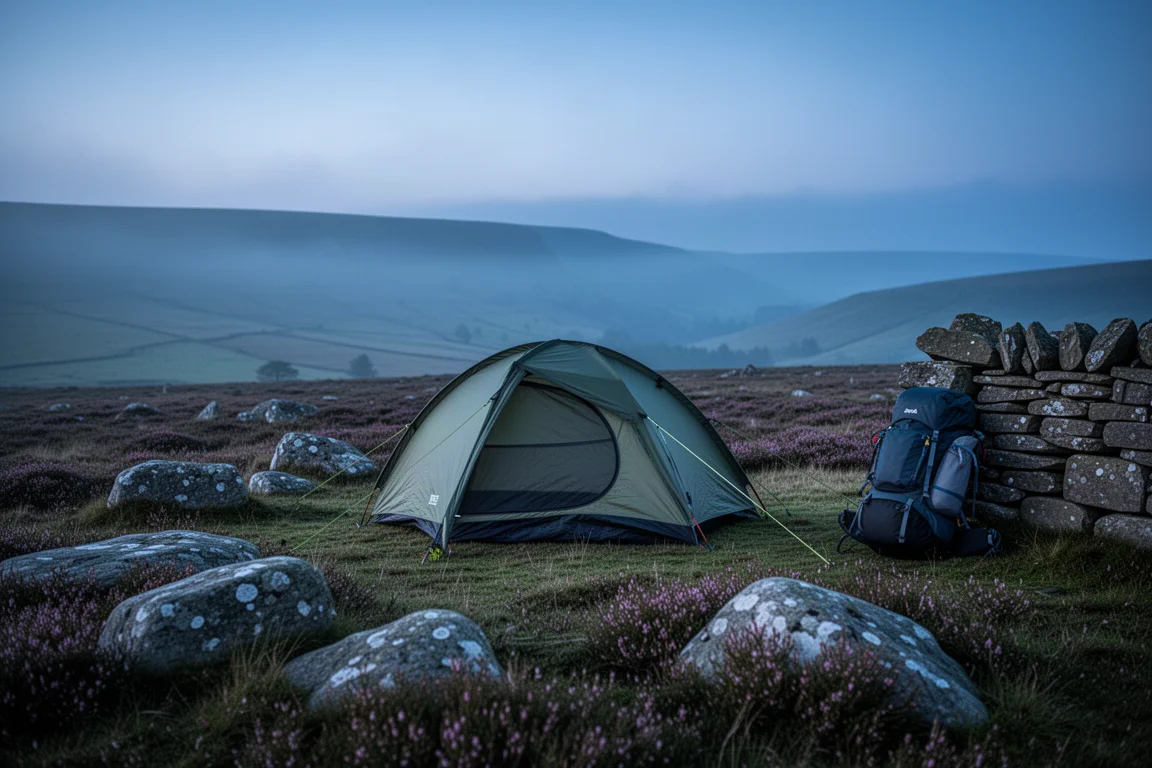
Two conditions shaped the final list. First, the water in this part of the Peak District is heavily stained by peat, so filtration is essential rather than optional. Second, large areas have no usable phone signal, which changes how emergency communication is planned.
Goal Zero Nomad 10: Solar Charging That Actually Worked
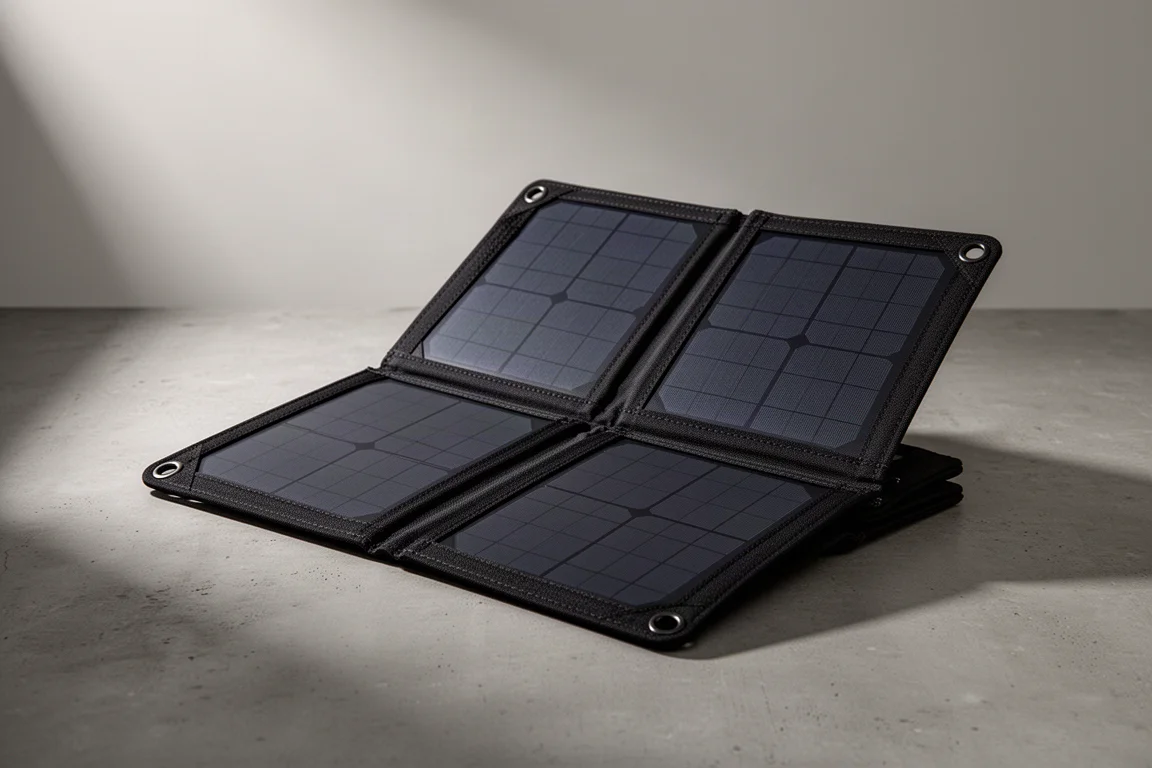
The panel rode on the outside of the pack and was used to top up a phone and a power bank. Across roughly nine miles of walking it took the power bank from 50 percent to 100 percent, which is a realistic return for a small panel rather than a spectacular one. Cloud cover cuts output significantly, so expectations should stay modest on grey days.
For a multi-day trip the panel earned its place. For a single overnight it is probably not worth the space.
Garmin inReach Mini: Signal Insurance
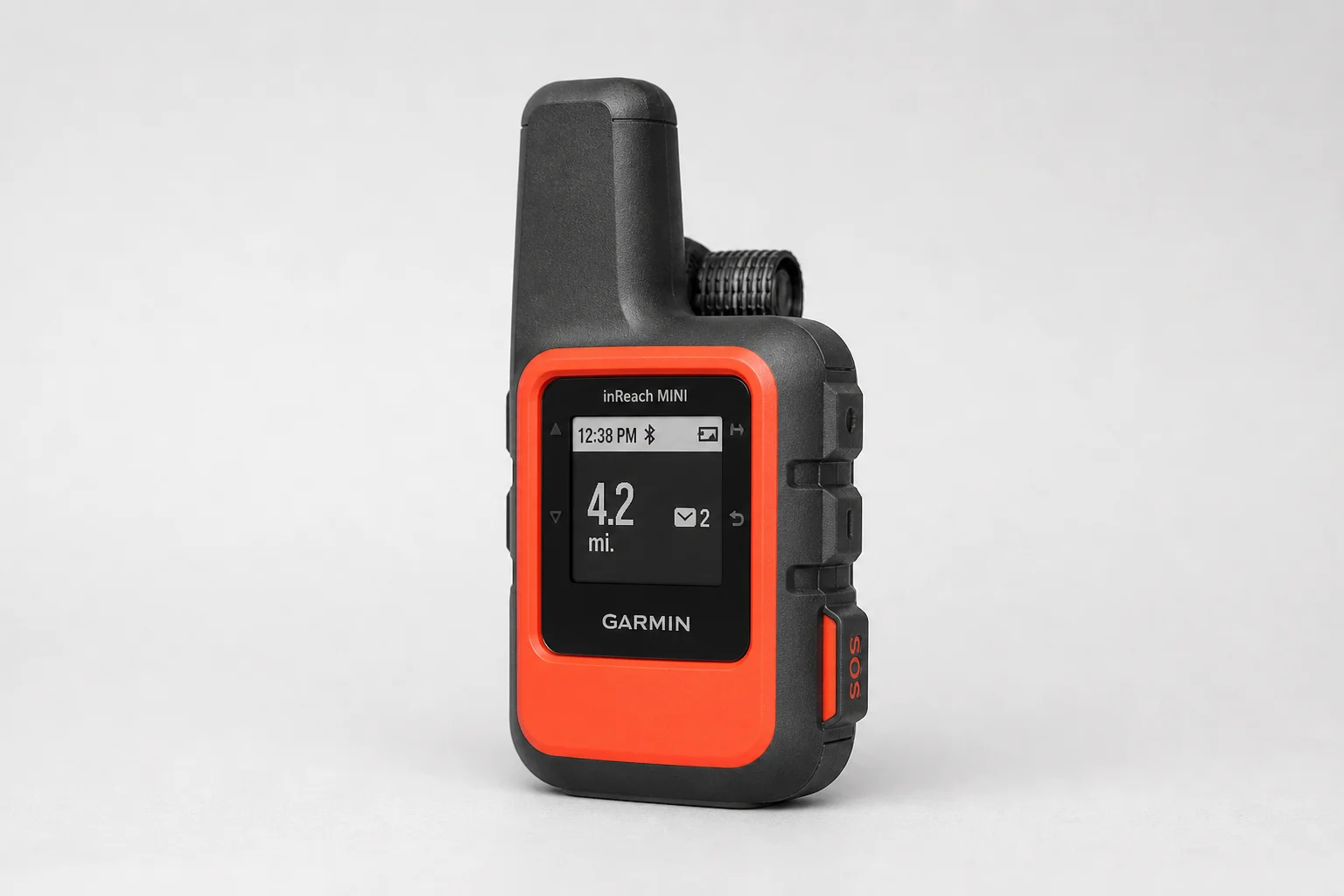
With so much of the route outside phone coverage, a satellite communicator was carried as an insurance policy. It was not needed on this trip, which is exactly the point: this is the item you hope stays unused. It is small enough to live permanently in the pack without a second thought.
Goal Zero Venture 35: Waterproof Backup Power
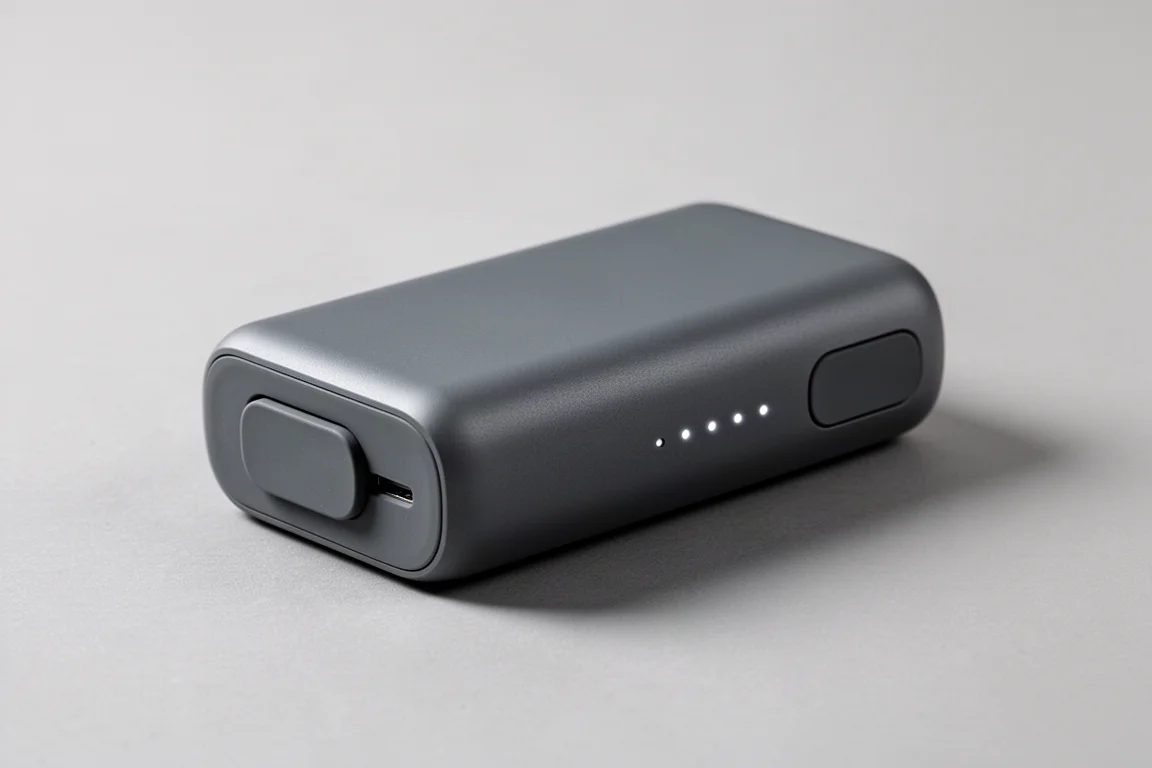
The power bank is waterproof, which matters when the weather turns and everything is being handled with wet hands. It paired well with the solar panel and held its charge reliably through the trip.
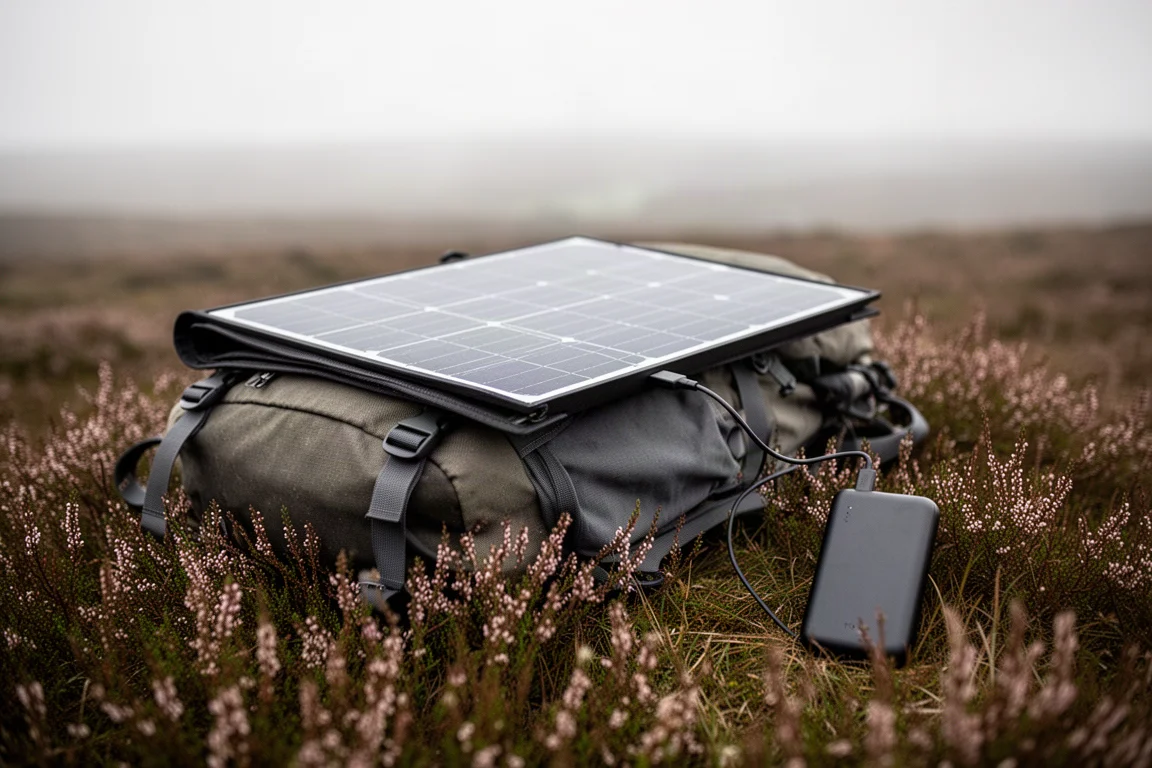
It costs noticeably more than a typical power bank, and that is the main trade-off to weigh up. Charging was managed so that the phone and the power bank were never both flat at once, with a small emergency battery pack carried as a fallback that turned out to be unnecessary.
Outdoor Research Helium 2: A Shell That Disappears Into the Pack
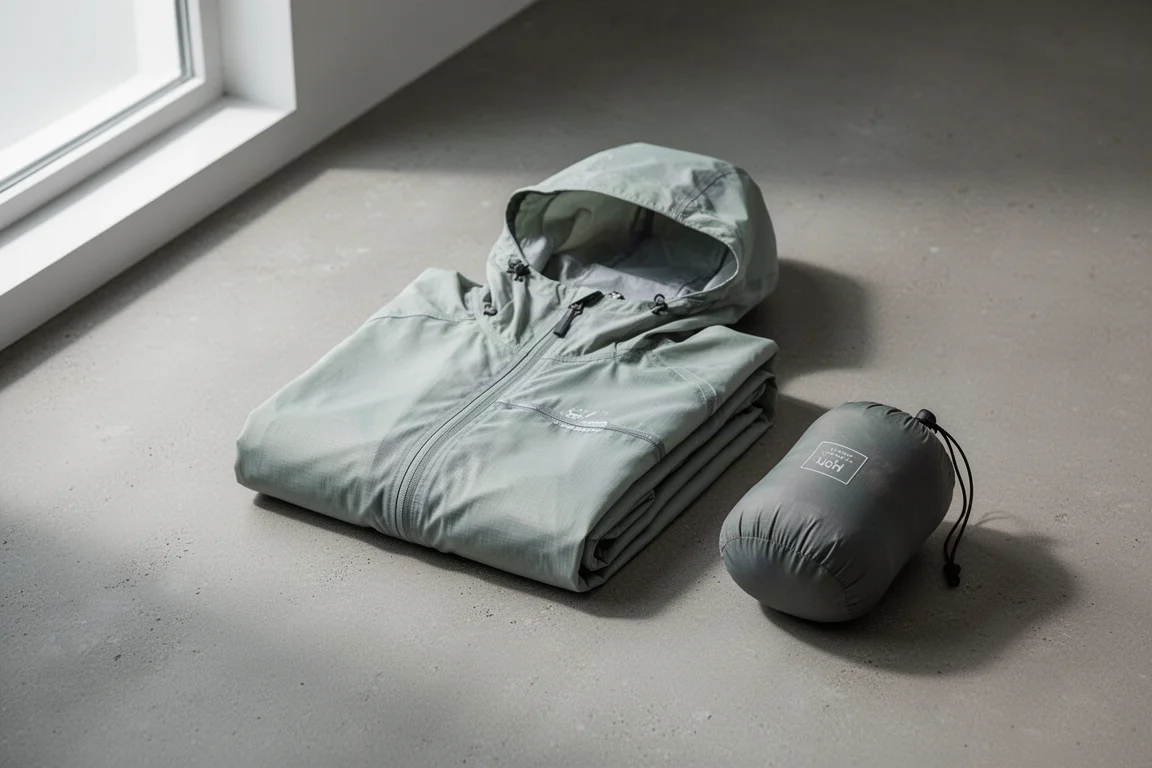
The waterproof jacket packs down to next to nothing, so it lives in the large stretchy front pocket of the pack and is always within reach. It kept the rain out when it was needed. On a trip where showers come and go, a shell that takes up almost no room is easy to justify.
Terra Nova Laser Photon 1: Small Shelter, Careful Packing
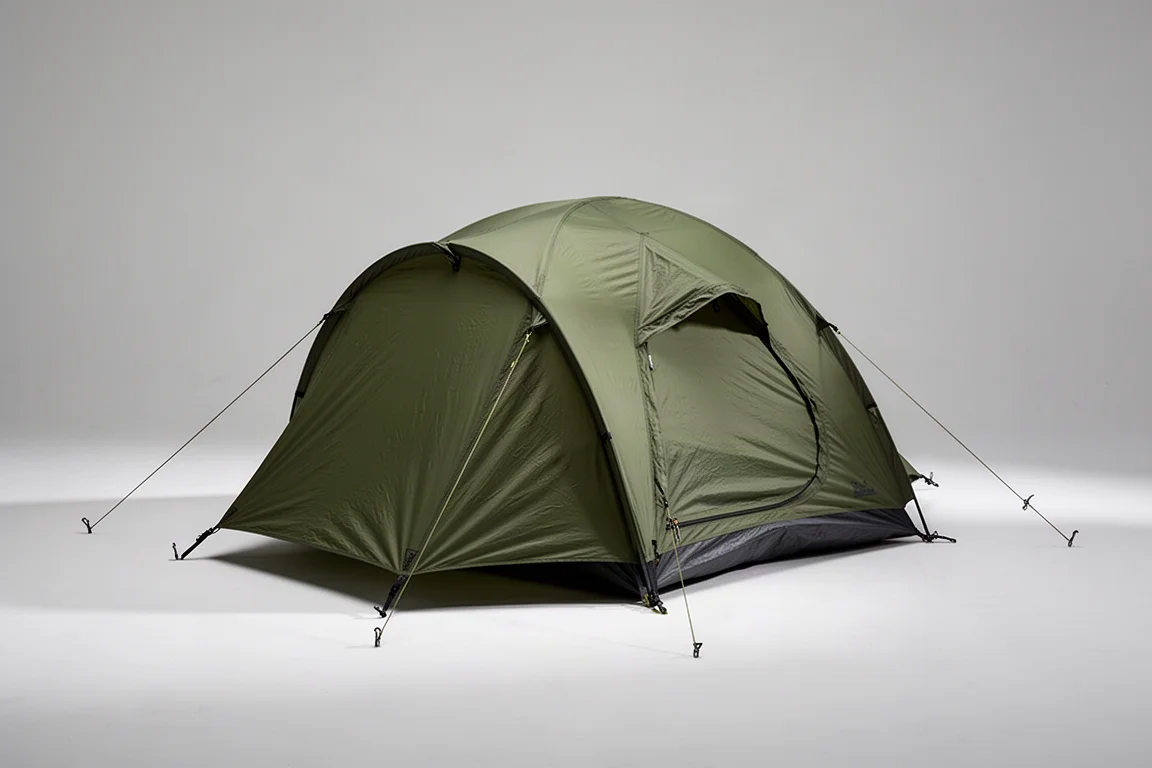
This single-person shelter travels as two parts. The fly alone compresses incredibly small and weighs around 400 grams, while the inner travels separately in an old stuff sack. Pitching the fly and groundsheet first creates somewhere dry to get out of the weather, change out of wet clothing and wipe the groundsheet down. The inner goes in at bedtime.
The trade-off is interior space: it is a solo shelter, so gear has to be kept organised rather than spread out.
Therm-a-Rest NeoAir X-Lite: Sleep Comfort Worth Carrying
Comfort was the one area where extra weight was accepted rather than avoided, and this pad delivered. It was the difference between a restless night and sleeping well after a long day on the hills.
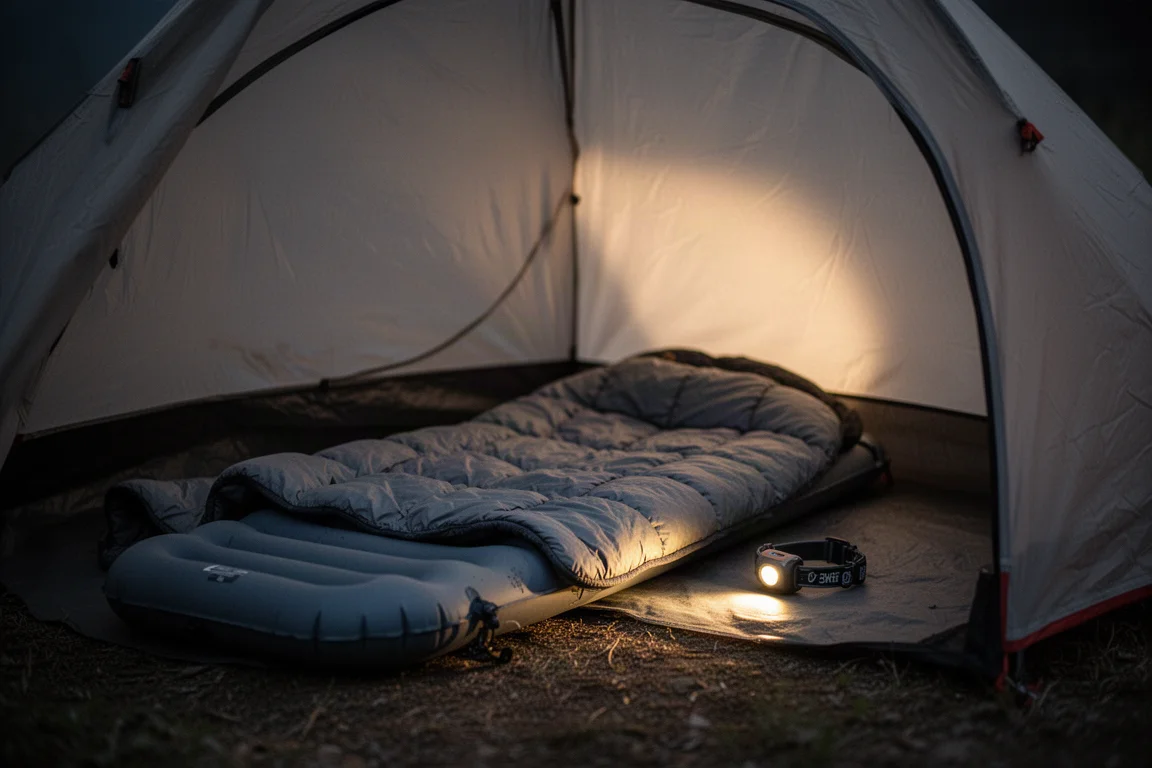
A small hand pump in the kit bag made inflating it quick at the end of the day, and a pump dry sack doubled as a backup and as a dry surface to stand on when the ground was wet.
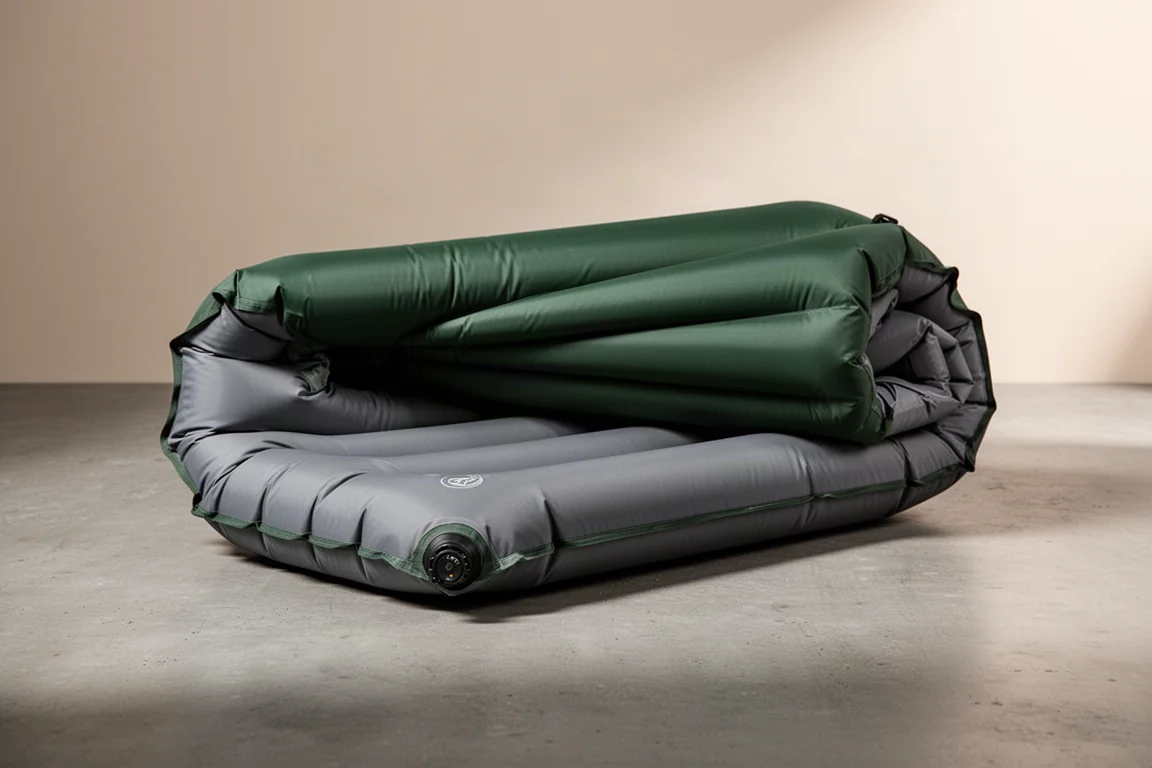
UGQ Outlaw Hybrid Quilt: One Piece, Two Uses
The quilt can be used either as a sleeping bag or as a blanket, and on this trip it was used as a blanket over the sleeping pad. It kept the user warm through the night. That flexibility is genuinely useful when temperatures shift across a trip, because the same piece of kit covers both warmer and colder nights.
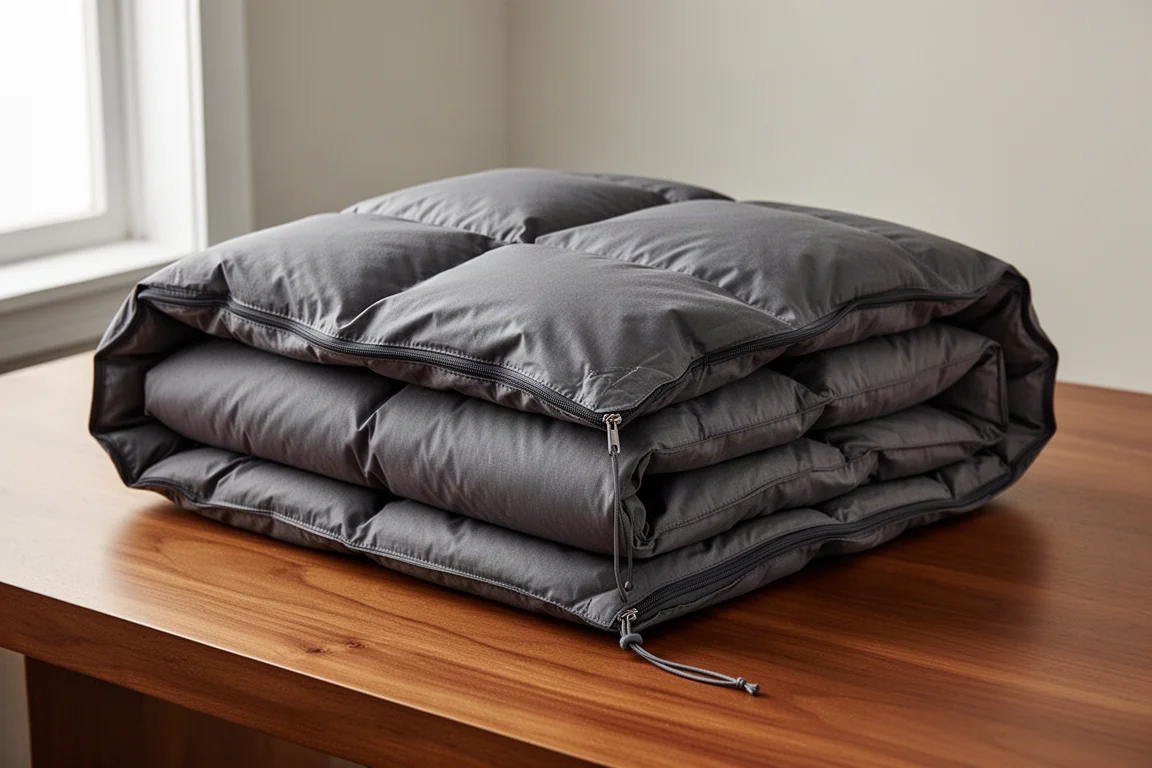
Atom Packs EP 50: A Pack That Carries Weight Well
This pack has been in use for the last several trips and remains comfortable over long days. The hip belt takes most of the load, which is what makes a heavier comfort kit workable in the first place. Stretchy pockets and side pockets add usable space without adding bulk, and the fabric is effectively waterproof as it is sewn.
A liner is still recommended inside the main compartment, and everything here travelled in a large dry bag.
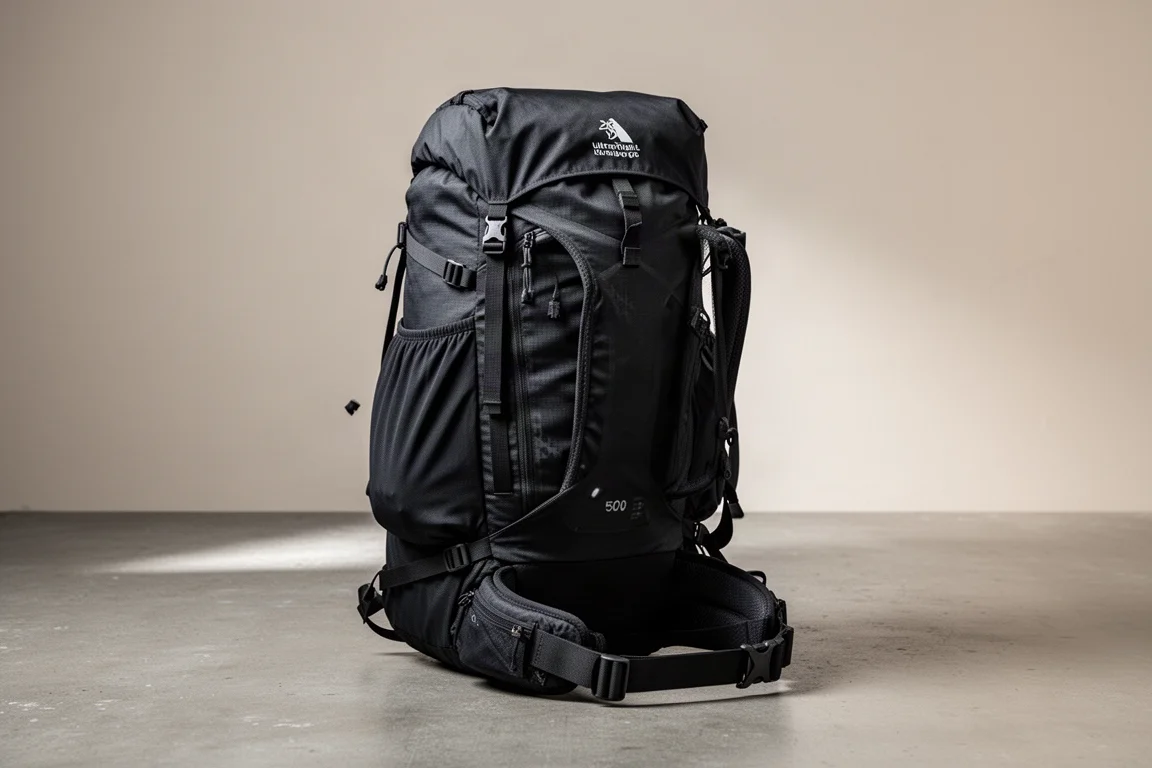
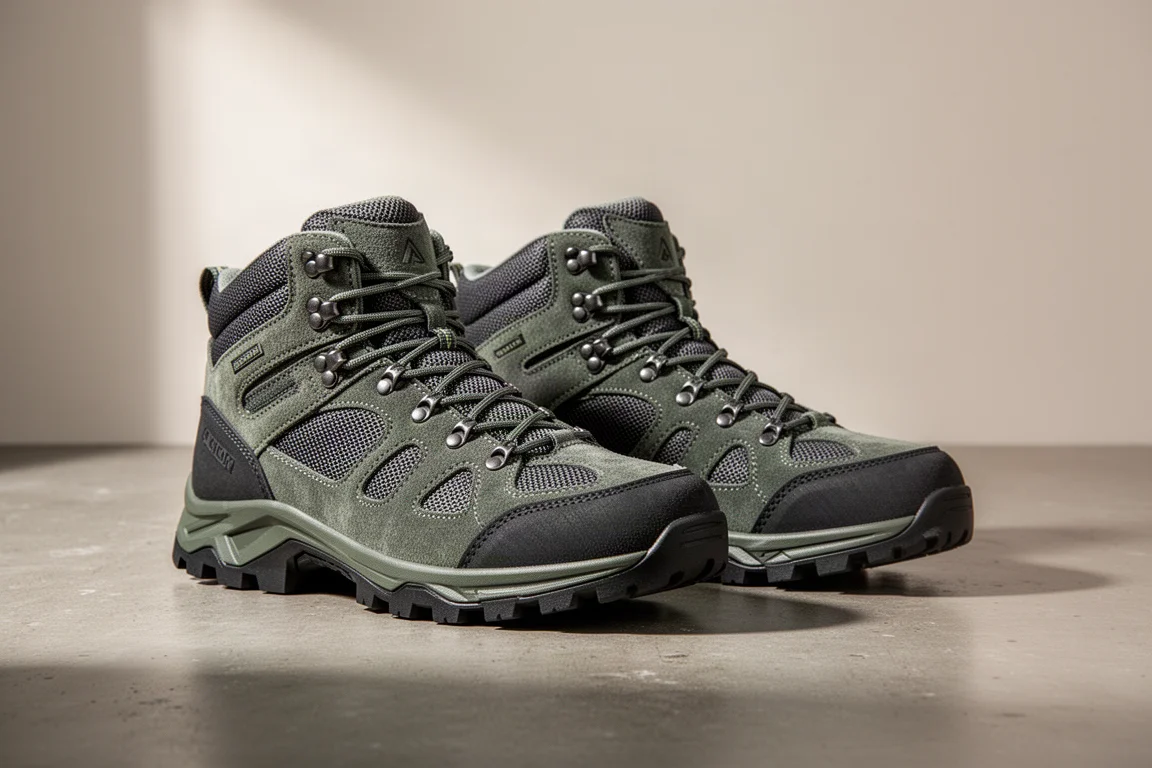
Salomon X Ultra Mid GTX: No Blisters Over Three Days
Three days of walking produced no blisters, which is the main thing to ask of a boot. Waterproofing from this brand has not always been a favourite, but these mid-cut boots did their job well on wet ground and stayed comfortable throughout.
Katadyn BeFree: Filtering Peat-Stained Water
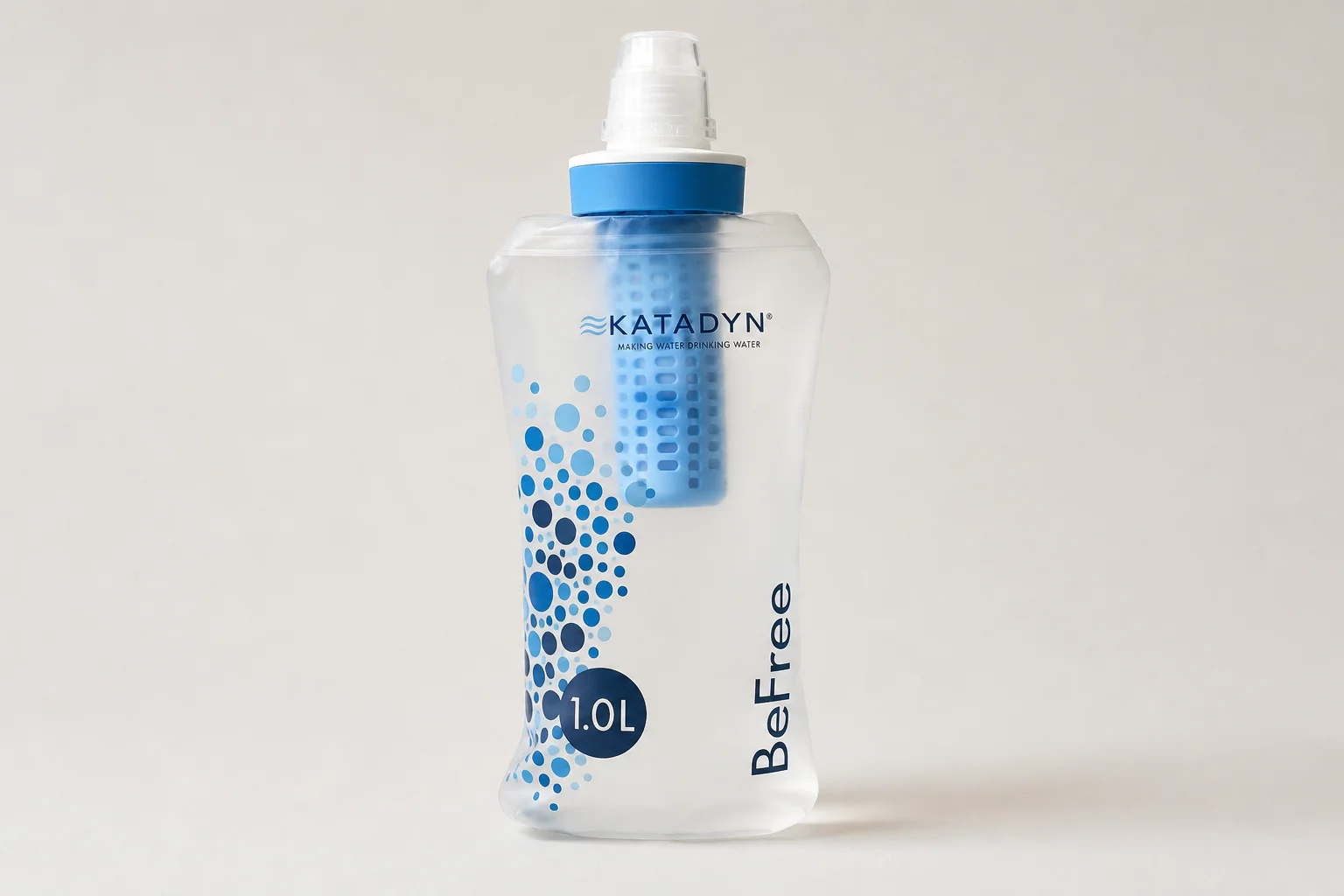
Peat-stained water is the reality of filtering in the Peak District, and this filter handled it without complaint. A filter roughly a year old had clogging problems on the same trip, while this newer one did not, which is a useful reminder that filters slow down over time and eventually need replacing or backflushing.
When this one does start to slow, a backflushable design is worth considering for longer trips.
Overall Buying Advice
Start with sleep and safety, because those are the categories where saving weight costs the most. The sleeping pad and the quilt were the two items that most obviously improved the trip, and a satellite communicator is worth carrying wherever phone signal is unreliable.
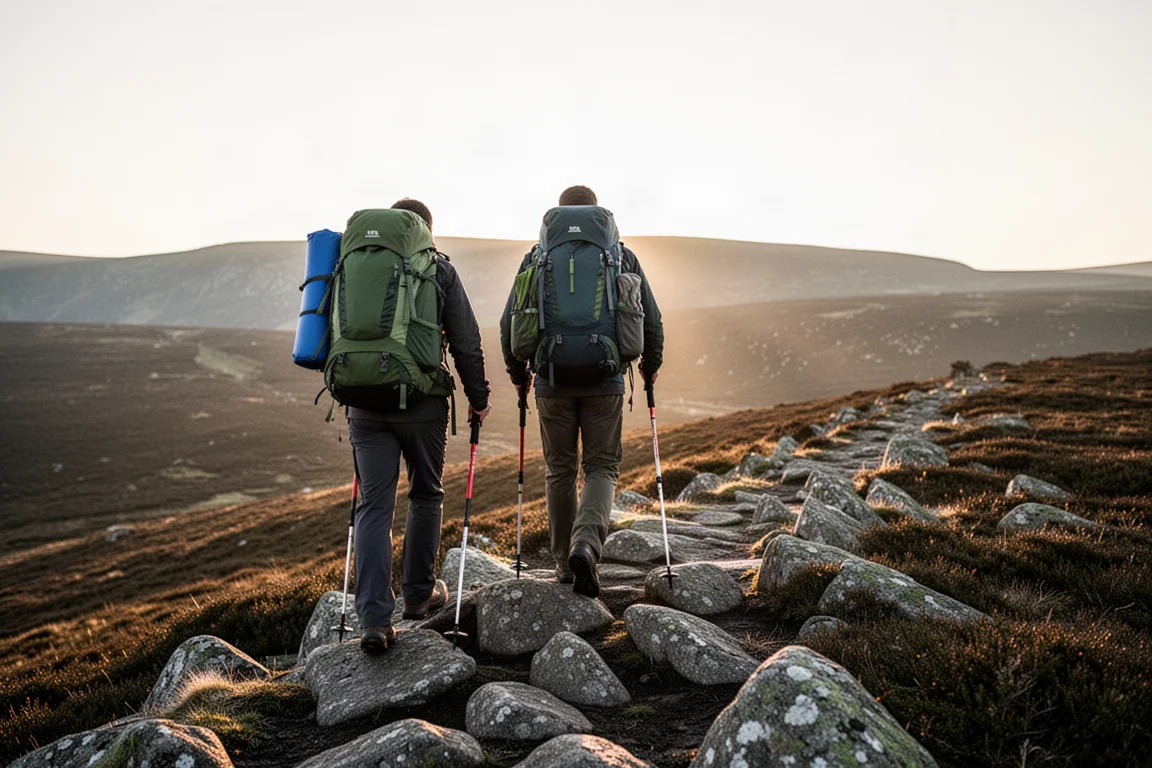
Then look at the smaller decisions. Trekking poles were left unused on the first day and made a clear difference on the second and third, so they are worth carrying from the start. More high-calorie snacks would have helped, since energy intake was not matching the distance covered. A lighter, more packable pair of waterproof trousers and a proper pillow in place of an unused spare fleece are the other changes worth making. Solar charging only makes sense on multi-day trips, not overnighters.
Conclusion
Ten items, one three-day route, and very little that failed. Shelter, sleep system, water treatment, power and safety gear all did their jobs, and the changes for the next trip are mostly about trimming what went unused and adding a little more food and comfort.
That is a good sign for a kit list. The gear was not perfect, but it was reliable, and every item on this page has a clear reason to be in the pack rather than a vague one.
Further reading
Related Reviews
Hiking Gear
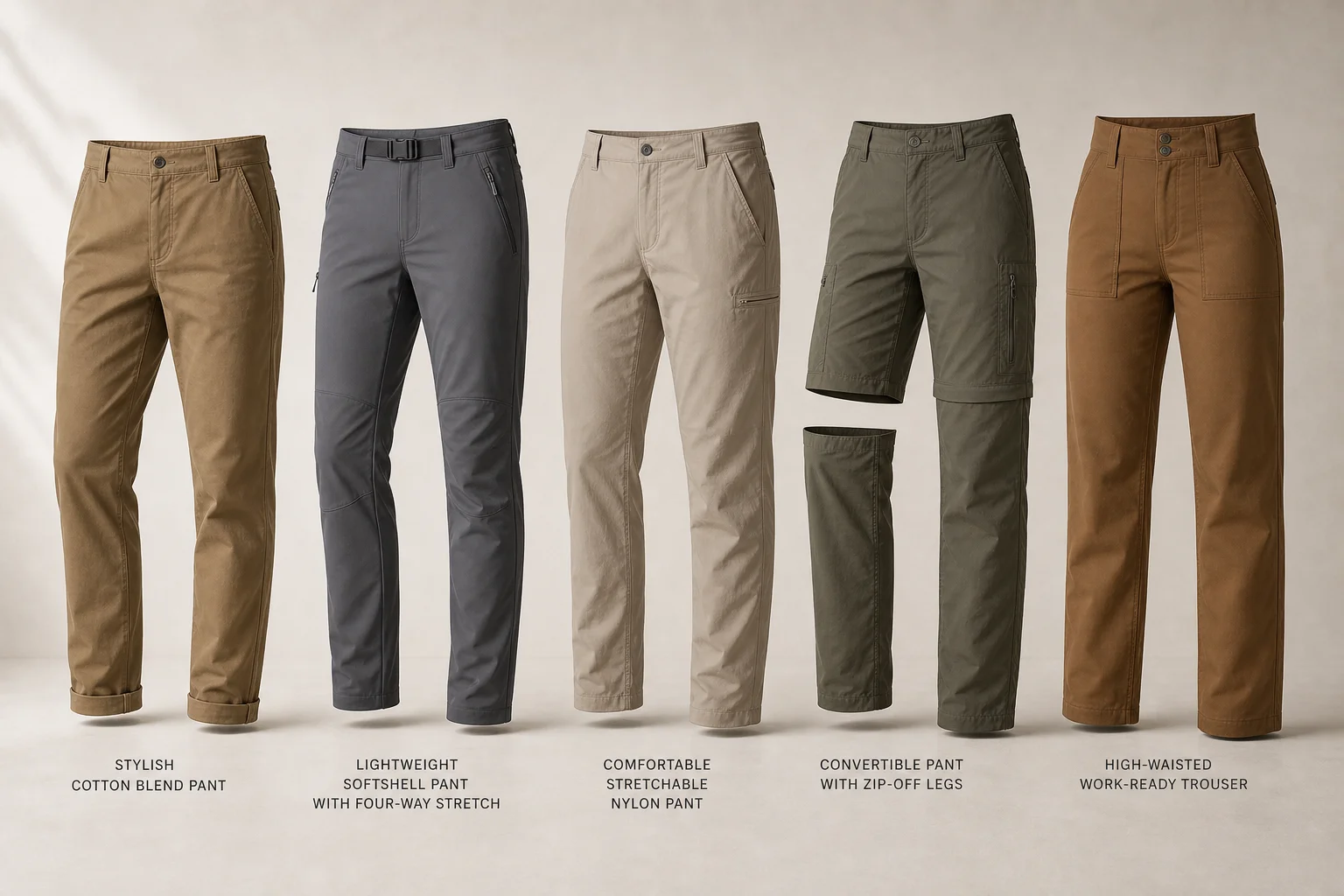
Best Hiking Pants on Amazon: Five Practical Options for Different Needs
A practical review of five hiking pants with clear strengths and trade-offs, from lightweight convertible styles to durable work-ready trousers.
Hiking Gear
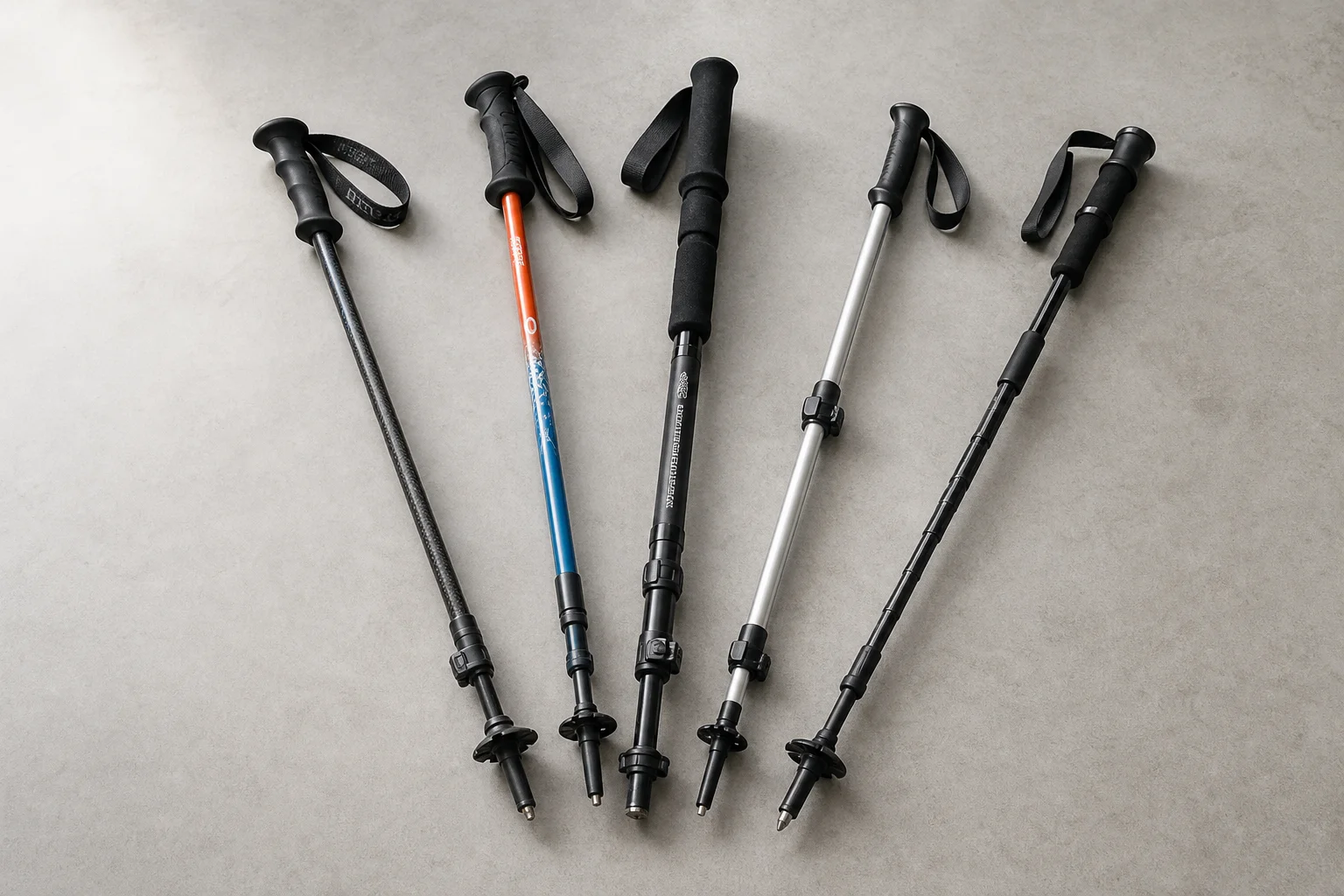
Best Hiking Poles 2026: Five Options for Different Trail Needs
A practical review of five hiking poles, from lightweight carbon designs to versatile all-terrain options, with clear strengths and trade-offs for each.
Hiking Gear
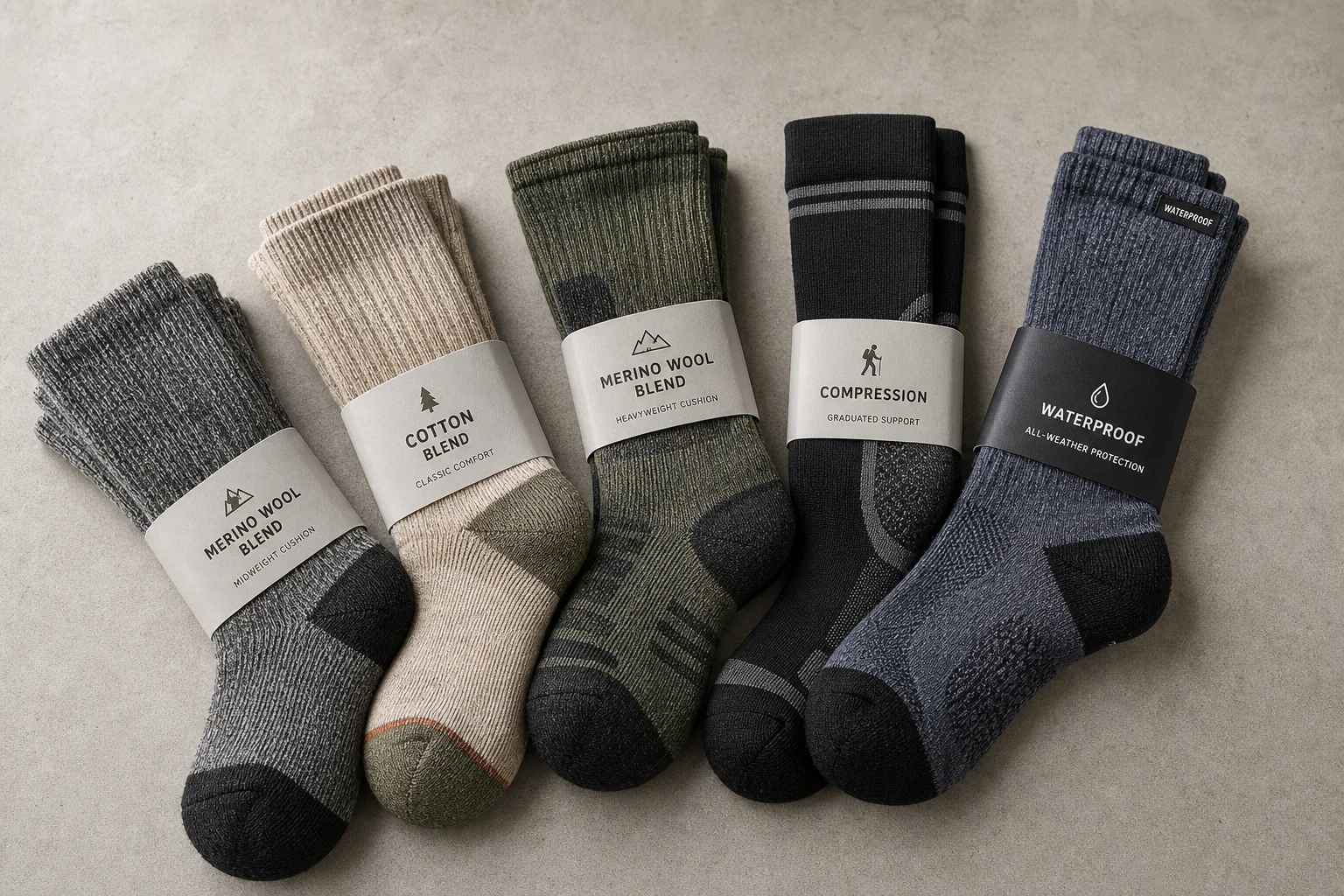
Best Hiking Socks 2026: Five Top Choices for Different Trail Needs
A practical roundup of five hiking socks, from lightweight merino options to heavy-duty compression styles, with clear guidance on which suits your outdoor activity.