Skis
Peak 104 Review: Why Mount Position Changes the Ride
An independent powder ski that transforms when the binding moves two positions back from the factory mark, with a revised score of 8.7 out of 10.
Introduction
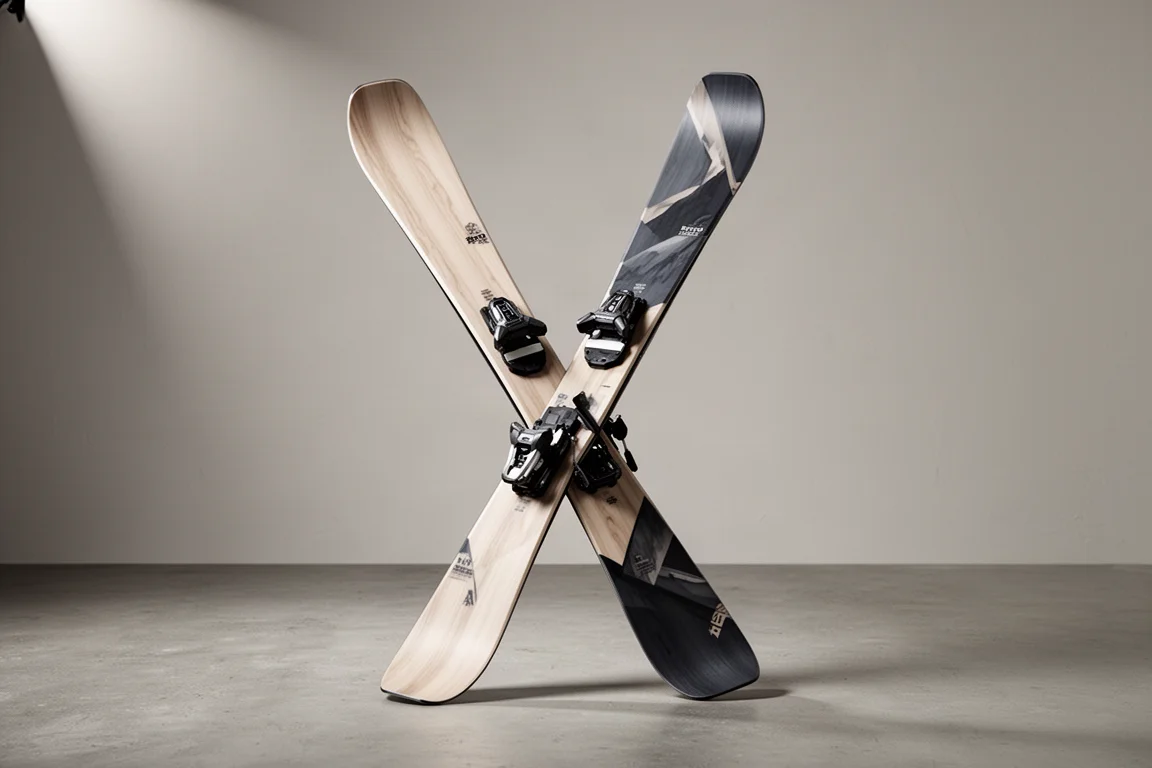
The Peak 104 is an independent powder ski built around the brand’s Keyhole technology, and our first assessment of it was mixed. Mounted at the factory recommended position, the ski fought back in heavy snow: the tips grabbed, the tail dragged, and the whole platform chattered through turns. A long stretch of experimenting with binding positions changed that conclusion. Set two positions back from the factory mark, the Peak 104 becomes a different ski altogether, and it now earns 8.7 out of 10 in our assessment, up from 7 out of 10 at the original mount point.
That single variable, mount position, is the most important thing to understand before buying. Everything below explains what the ski does at each position, where it shines, and where it still asks for patience.
Who the Peak 104 Is For
This is a powder ski for riders who like to sit on the back of the ski, pivot quickly, and still carve on the way down. Body type matters more than usual here. At roughly 6 ft 1 in and 230 lb, the factory mount point pushed the rider over the front of the ski in warm, heavy snow. Lighter or shorter skiers may feel less of that, but taller and heavier riders are the ones most likely to notice the difference.
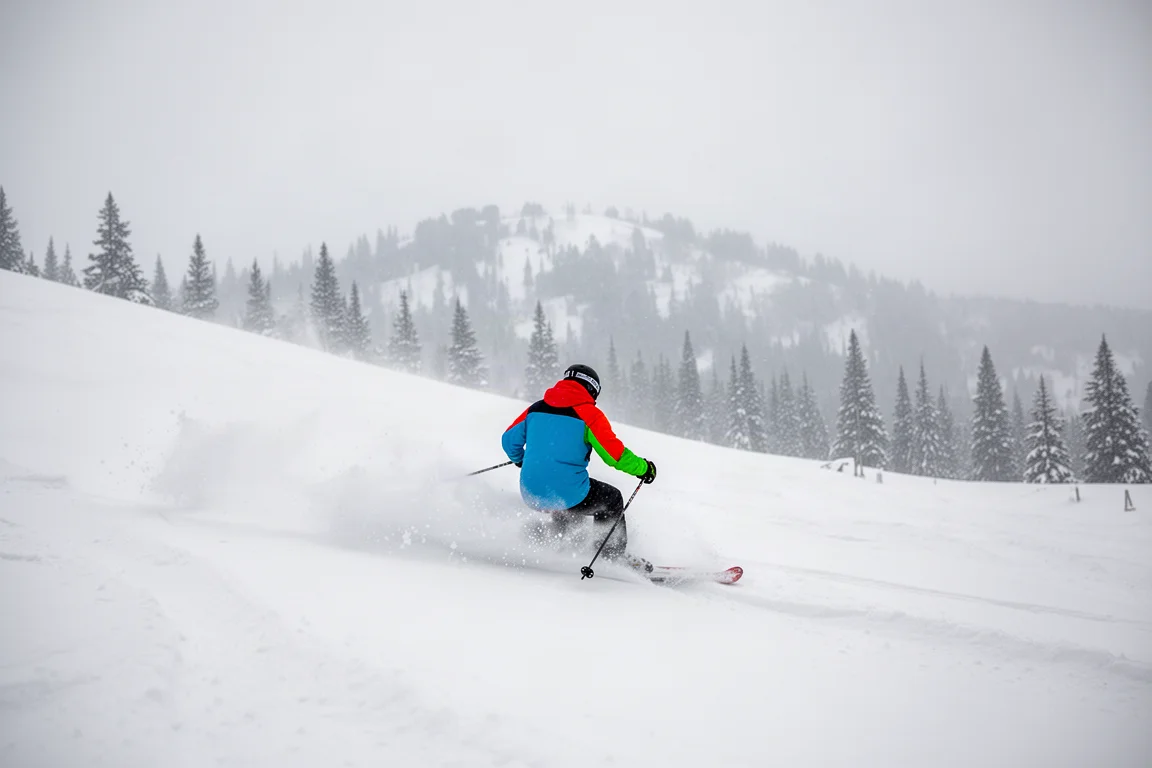
It also suits anyone willing to spend a session or two dialing in the setup. If you want a ski that performs at its best straight out of the box and you never plan to touch the binding position, that is worth knowing before you commit. Riders who spend their days weaving through tight trees may prefer something with a quicker, more maneuverable feel in that specific terrain.
The Mounting Question and Keyhole Technology
The brand describes Keyhole technology as a way to keep stability while carving with low swing weight, and to let the ski flex in a way that pivots turns quickly. That description is worth holding onto, because it matches what the ski actually does once it is set up correctly.
At the factory recommended mount point, the experience was the opposite of stable. The tips caught in warmer, wetter powder, the wide tail dragged, and the ski chattered. It was easy to get too far forward and feel the tips grab.
Mounting forward, which the brand itself suggested, did not help. It exaggerated the problems: more tip grab, worse tail drag, less control overall.
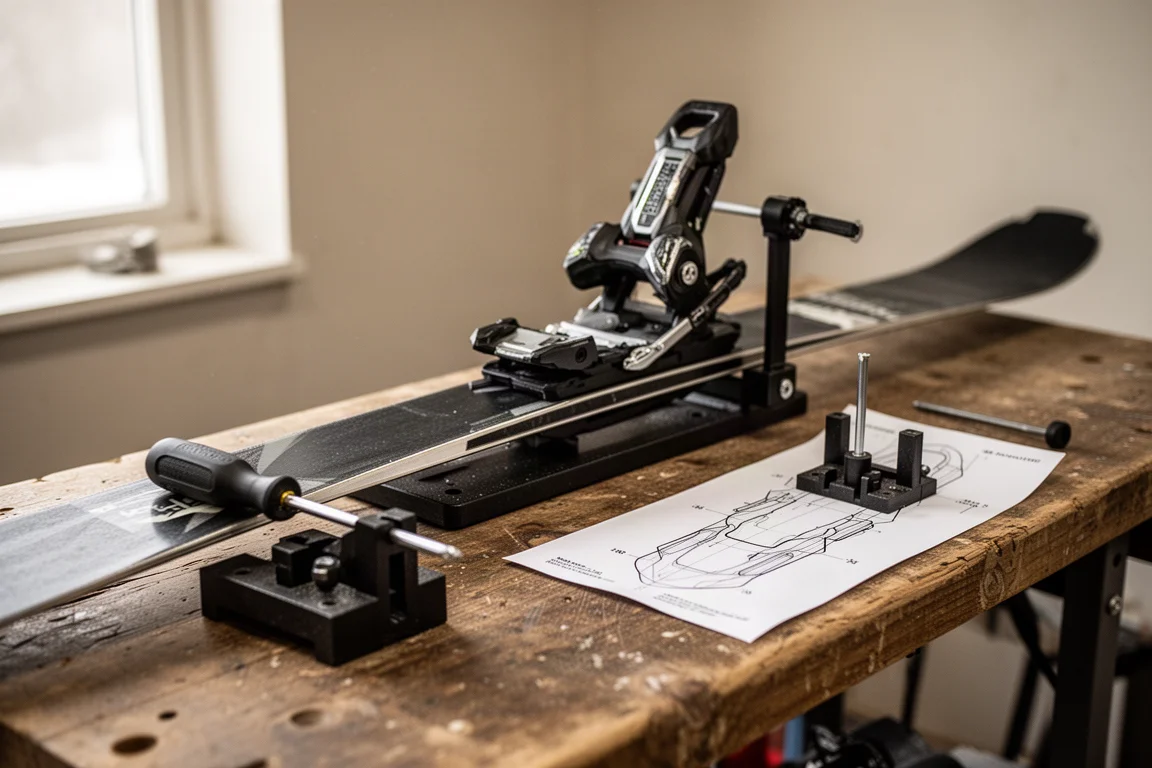
Working backward from the factory mark produced the answer. One position back felt good, and it is a sensible starting point for taller or heavier skiers. Two positions back was the sweet spot, where the ski pivoted on demand, floated through heavy snow, and allowed the rider to sit on the tail and change direction with a hop or a flick. Three positions back was too far: the ski gained too much runway, started initiating turns on its own, and became cumbersome.
What the Peak 104 Does Well
Two positions back, the float is the first thing you notice. The tips sit on top of the snow instead of grabbing, and the ski moves through heavy, sticky powder with a loose, surfy feel rather than a fight.
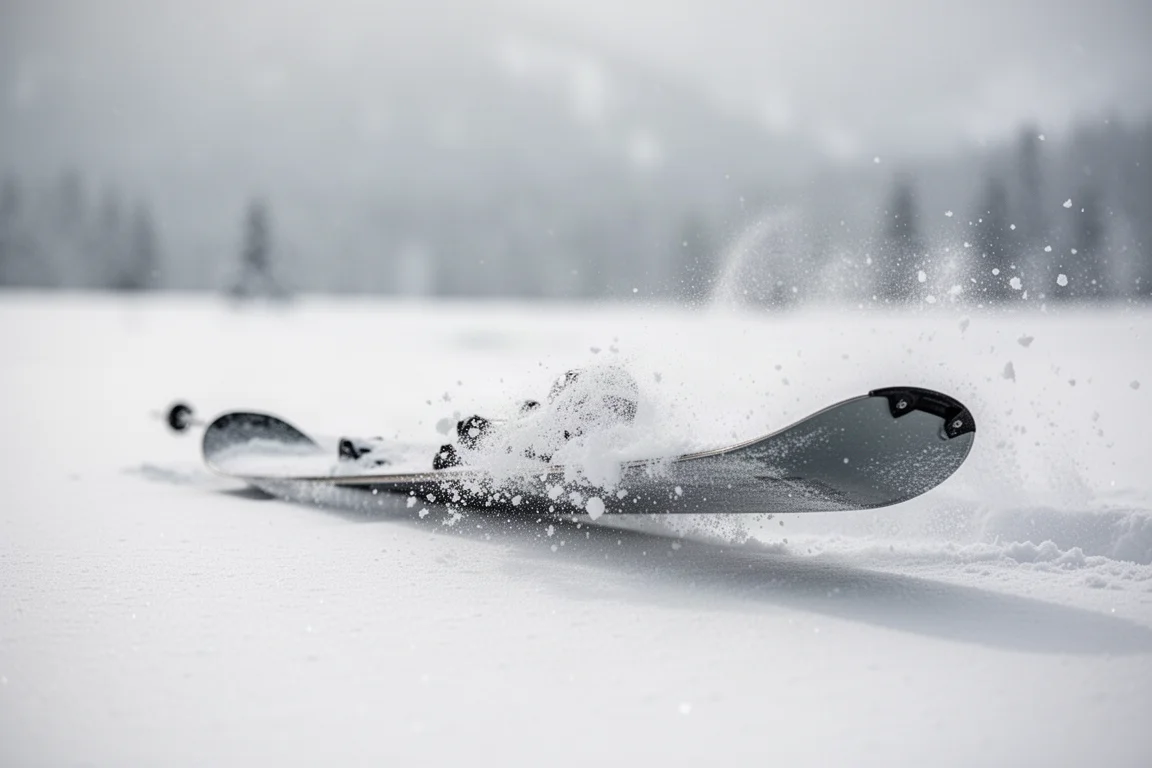
Pivot and hop turns improve just as much. Sitting on the splayed tail gives a platform to flick the ski around, and the sensation will be familiar to anyone who has leaned back on a snowboard to wash out a turn.
Carving benefits too, which is unusual for a powder ski. With more tip available to flex, turns initiate gradually and smoothly, the wider radius feels stable and satisfying, and chatter drops noticeably. The ski springs out of turns rather than skidding through them.
On the last powder day of the season it was simply fun, and it handled both deep snow and carved turns better than most powder skis manage.
Where the Peak 104 Still Falls Short
The factory mount point remains the biggest issue. The ski does not show its best self at the default position, and the position that transforms it is not the one it ships with. Most buyers will not remount a brand new ski.
Remounting has a real cost. Each new position means new holes, and a ski only accepts so many mounts before the mounting area is compromised.
It is also not the absolute best powder ski on the market. Something like the Atomic Bent 110 is quicker to maneuver between trees, while the Peak 104 leans more toward floating on the tails. Go three positions back and the ski becomes cumbersome enough that it stops being fun.
How the Mount Point Compares to Other Skis
An interesting detail emerged when the Peak 104 was set two clicks back and lined up next to a Salomon QST 106 and a Head Core 105 at their factory recommended marks. The mounting positions lined up almost exactly.
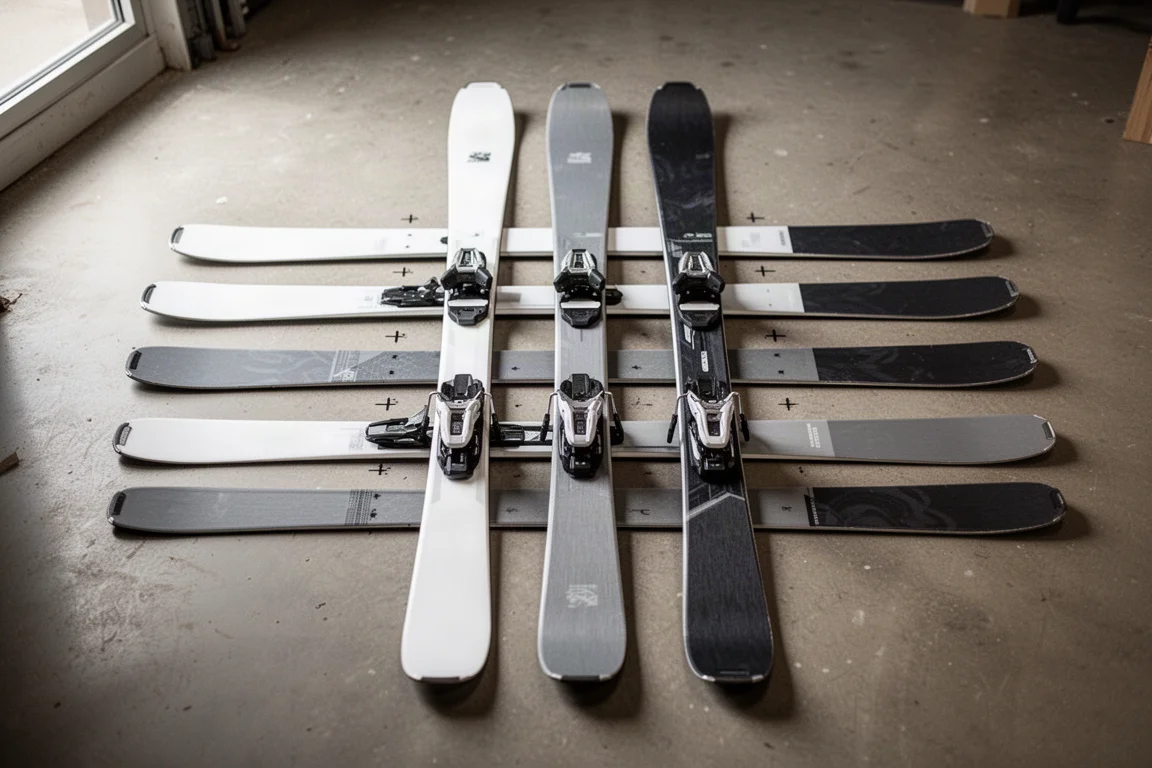
This is not a knock on any of the three brands. It is simply a useful data point: two positions back on the Peak 104 lands where two other manufacturers place their factory recommendation, which supports the case for moving the default.
Value and Availability
Promotions have appeared from time to time, including buy-one-get-one offers and pairs priced around $500. Availability and pricing move, so it is worth checking current offers before buying.
The return policy has been described as generous, which matters for a ski whose performance depends heavily on mount position.
Buying Advice
If you buy the Peak 104, plan to mount it two positions back from the factory mark, especially if you are taller or heavier. One position back is a reasonable starting point if you want to move gradually. Three positions back is worth avoiding.
For riders who want a powder ski with a smooth flex, a floaty tail, and carving manners that hold up on groomers, this is a strong choice once it is set up right. If maximum agility between trees is the priority, a quicker ski will serve you better.
Before you buy, confirm that your shop can mount the ski at the position you want, and factor in the cost of a remount if you start at the factory setting.
Conclusion
The Peak 104 rewards anyone willing to move the binding two positions back. That single change turns a ski that fought the rider into one that floats, pivots, and carves with a smooth, stable flex, and it is why the score moves to 8.7 out of 10 and why it takes our nod as an independent powder ski of the year. Judge it at the right mount point, and it is a very rewarding ski.
Product link
View more details for Peak 104
This product is mentioned in the review. Check the specifications, options, and compatibility before buying.
View more details for Peak 104Further reading
Related Reviews

Skis
Armada Anti Matter 82 W Review: A Light, Approachable All-Mountain Carver
Armada's Anti Matter 82 W pairs a lightweight Karuba and carbon build with an easygoing all-mountain shape, aimed at intermediates through lighter-footed advanced skiers.

Skis
Armada Anti Matter 88W Review: A Light, Playful 88mm All-Mountain Ski Plus Two Alternatives
The Armada Anti Matter 88W returns unchanged in spirit from its Reliance 88C days, and it remains one of the most versatile 88mm skis around. We also look at the Nordica Santa Ana 87 and Anti Matter 92 W as alternatives.

Skis
Armada ARV 100 vs Atomic Bent 100: Which 100mm Freestyle Ski Should You Buy?
Two of the best all-mountain freestyle skis of the season compared: one leans playful and park-ready, the other holds up better everywhere else.