Hiking Gear
PCT Thru-Hike Gear List: 10 Pieces That Earned Their Place
A practical thru-hiking gear list built from more than 2,000 miles on the Pacific Crest Trail, with honest ratings, real flaws, and clear buying priorities.
Introduction
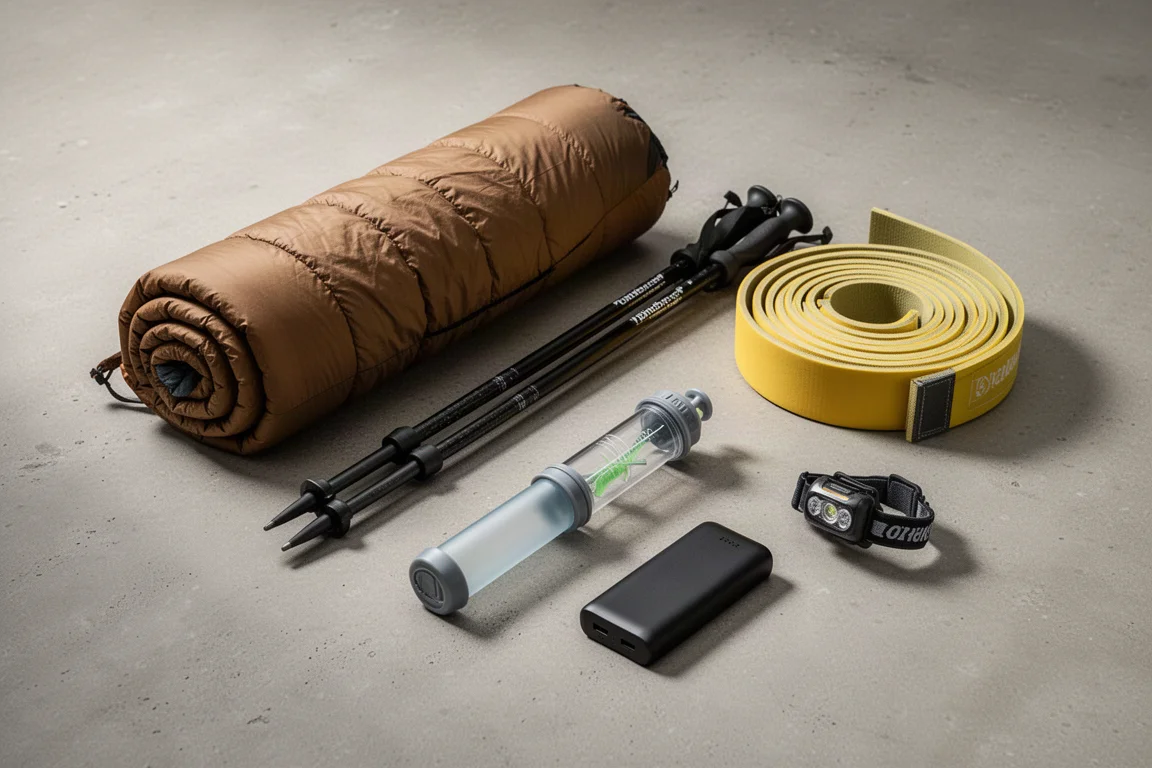
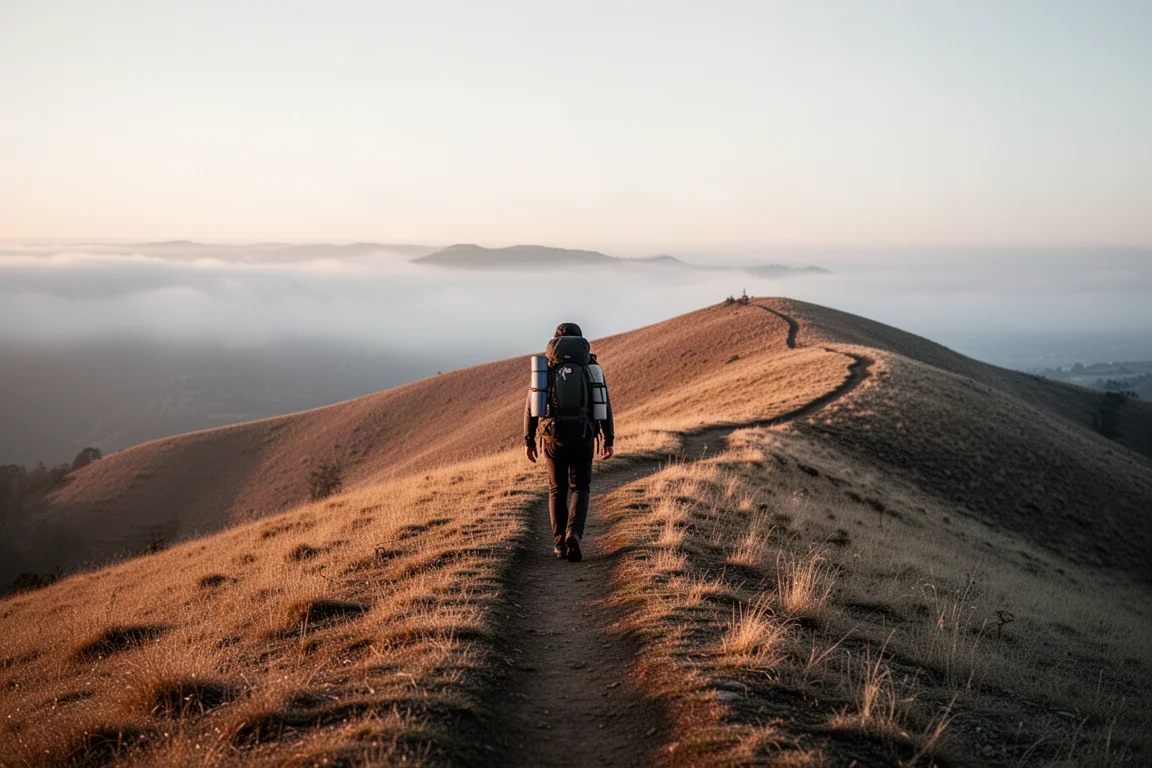
Thru-hiking gear is judged differently from weekend gear. A shelter, a quilt, or a water filter only proves itself after weeks of daily use, repeated packing and unpacking, and weather that refuses to cooperate. The ten items below were carried across more than 2,000 miles of the Pacific Crest Trail, and each rating reflects how the gear behaved on the trail rather than how it looked on a spec sheet.
The list covers everything from the sleep system to the electronics, and two entries are deliberately budget picks. Not every part of a kit needs to be expensive to work well, but the parts you rely on every single night deserve real scrutiny.
How These Ratings Work
Every item was rated from one to five. A five means the gear did its job without drama and would be packed again without hesitation. A four means it performed well but has one clear flaw. A three means it is usable and worth considering for shorter trips. Anything below three caused genuine problems over a long distance.
Weight was measured in ounces, since that is the unit most backpackers use when building a pack list, and every gram gets questioned once a pack is carried for months. Cost was weighed against durability rather than against the cheapest available alternative, because replacing gear mid-trail is expensive and time consuming.
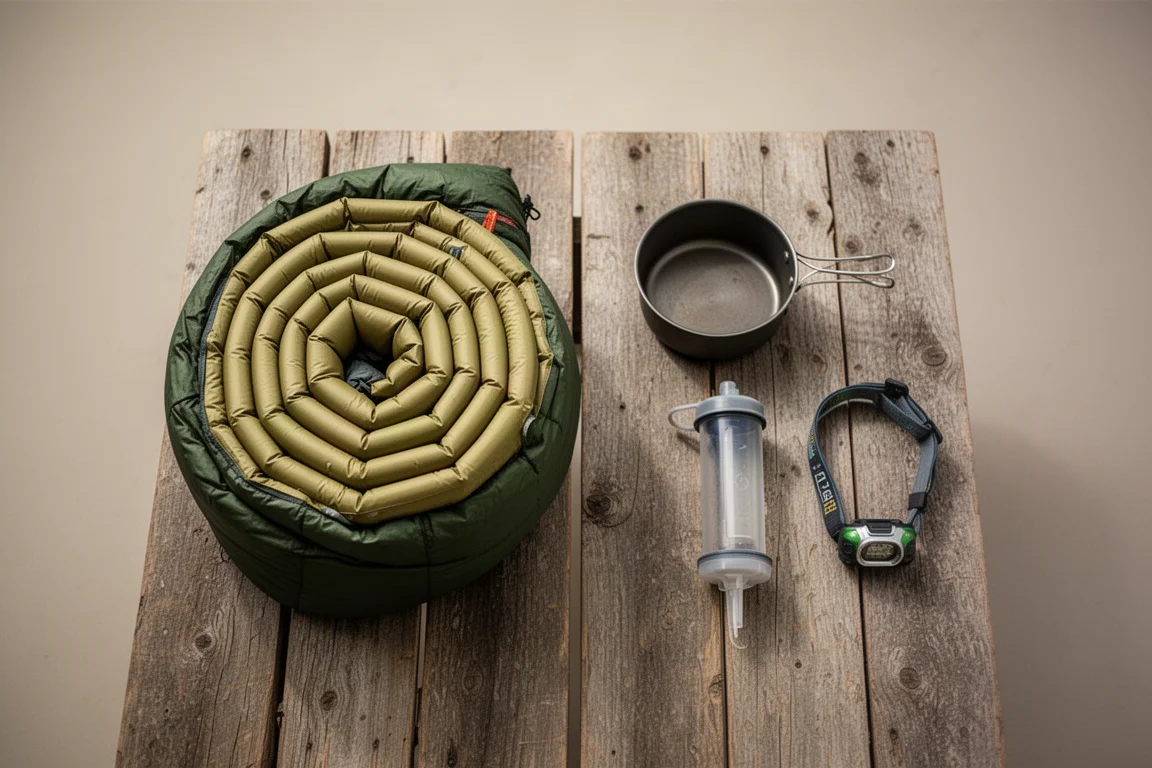
Durability mattered more than any single number. Zippers, valves, seams, and straps are the parts that fail first, and a piece of gear that saves two ounces but tears in the first month is not a saving at all. Comfort was the second filter, because a pad or a pack that keeps you awake at night costs more energy than the weight it saves.
Hammock Gear Econ Burrow Top Quilt: Best Sleep System Upgrade
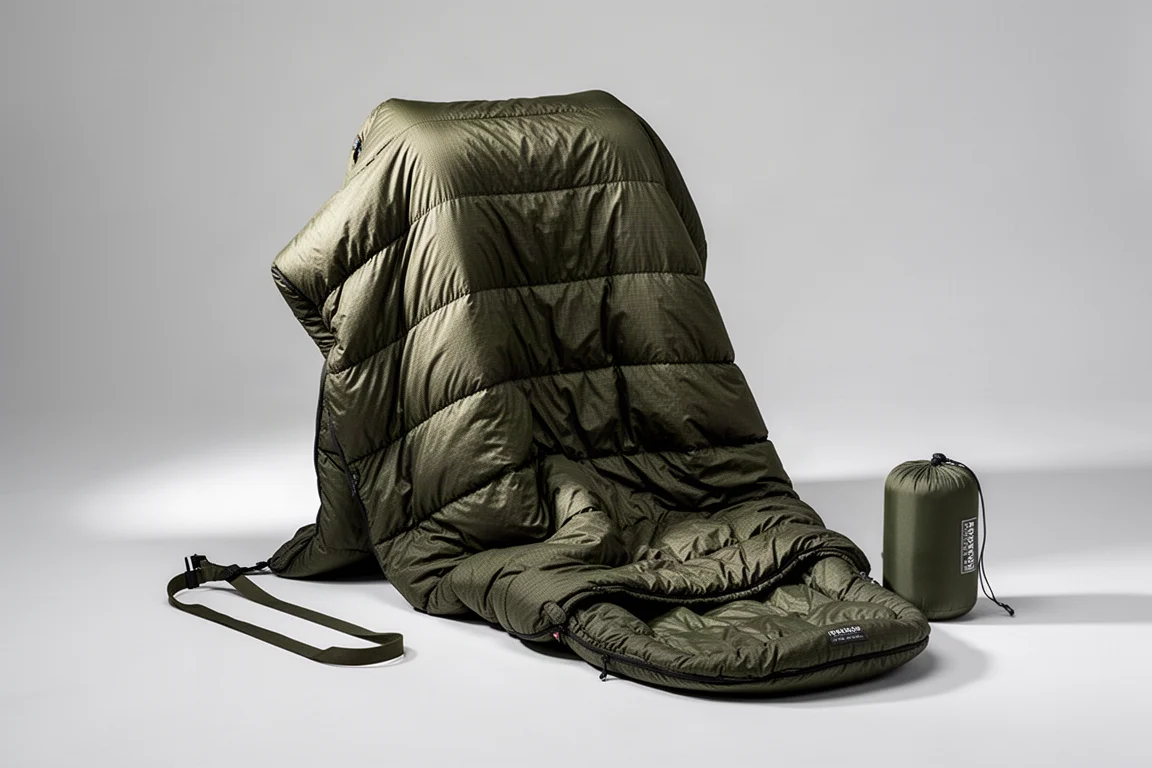
The Econ Burrow was carried in a 30 degree rating with the wide cut and a sewn foot box, at a measured 21.74 ounces. It is a genuinely warm, comfortable quilt, and the sewn foot box removes the draft that can creep in around an open design. It was used every night for months without losing loft or warmth.
Pricing has risen over time, but at around $265 it remains a strong value for the warmth it delivers. The only real complaint is weight. It is light, but not the lightest option with comparable warmth, and the quilts that beat it on the scale generally cost more.
Zpacks Plex Solo: Best Ultralight Shelter
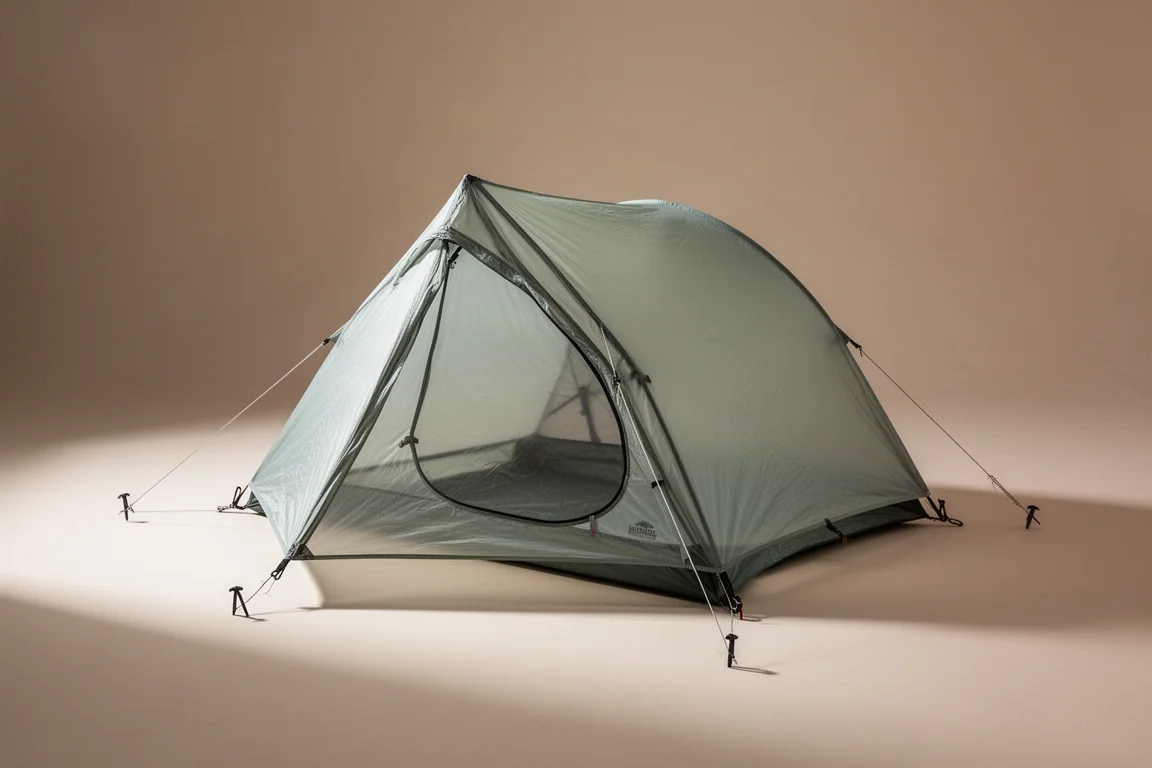
The Plex Solo replaced an earlier shelter partway through the hike, north of the Sierra, and it was a clear improvement. It is light, packs down small, and handled the conditions it met without fuss.
The one flaw is the zipper, which tore shortly after the tent arrived. That is the only reason it does not score a full five. Tent stakes are not included, so plan on carrying a separate set rather than assuming they come in the box.
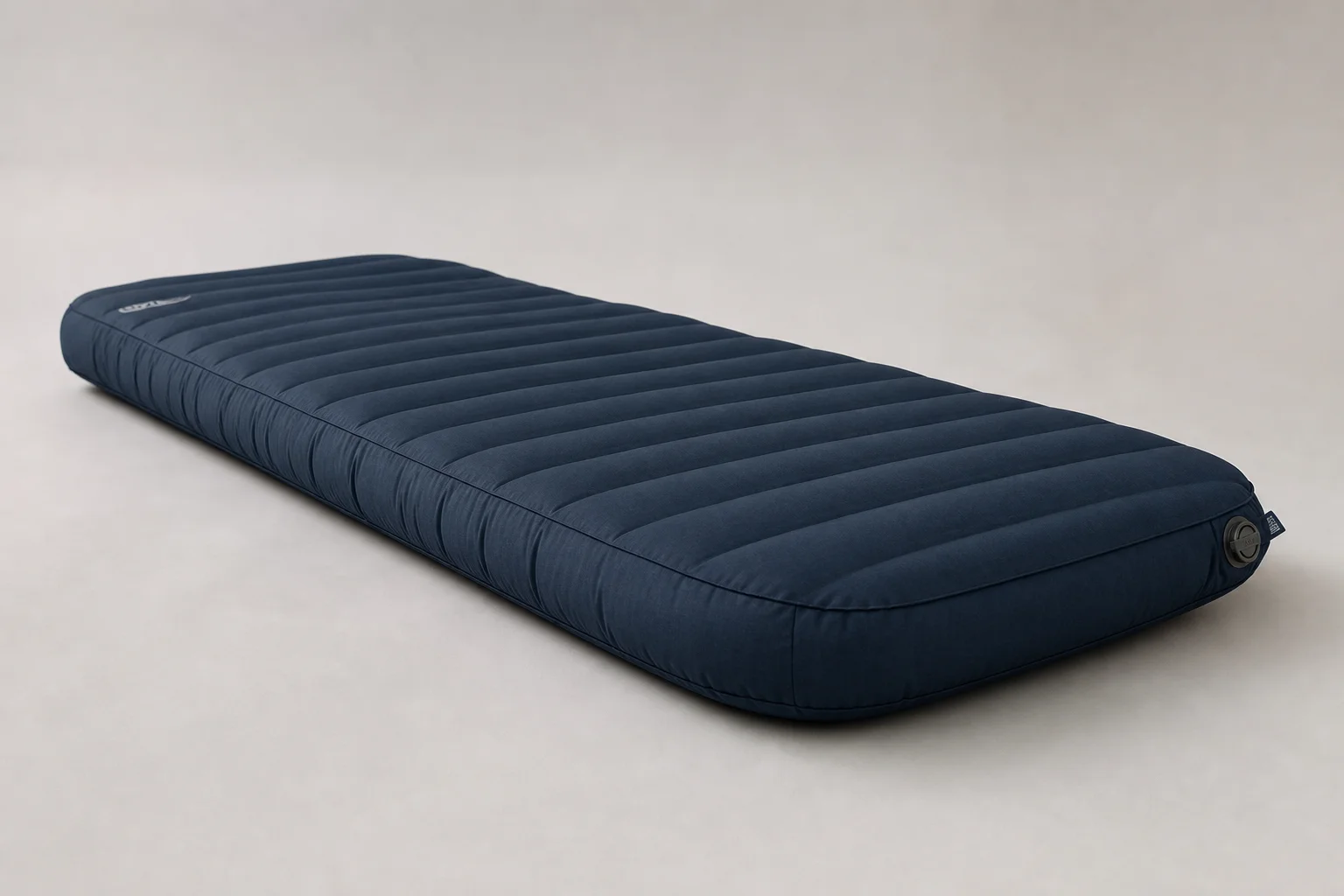
Therm-a-Rest NeoAir XLite: Best Sleeping Pad
At 11.75 ounces, the NeoAir XLite is comfortable and has an excellent warmth-to-weight ratio. The version carried here has been in service since 2020 and survived the entire trail, which says a lot about how the materials and construction hold up over seasons of use.
One thing to check before buying is the valve on current production models. A newer version has shown valve trouble in at least one case, so it is worth inflating and deflating the pad carefully during the return window before committing to it.
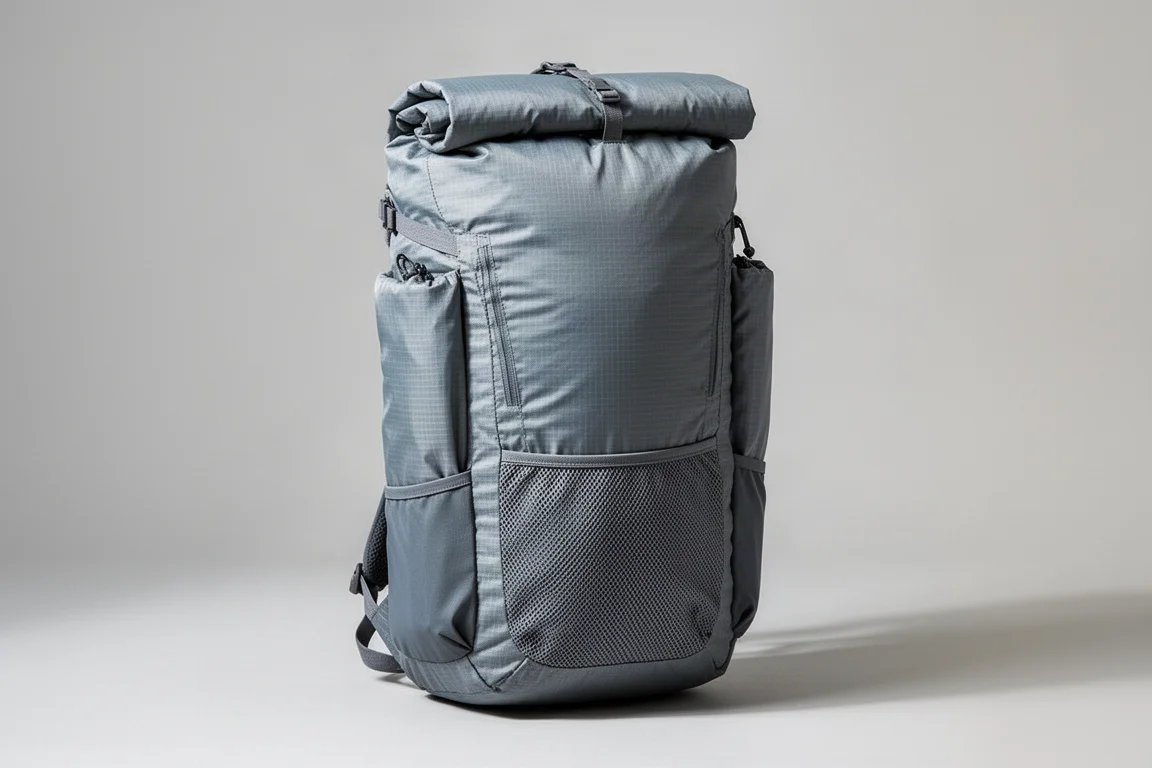
ULA CDT Backpack: Best All-Day Carry Comfort
The CDT weighed 25.43 ounces and has been the pack of choice across several long trails, including the Appalachian Trail in 2018 and the Long Trail in 2016. It carries well over big days, and the design has been refined since the version used here.
The sternum strap broke in the middle of the hike, and the same failure happened to a hiking partner using the same model. That is the only reason for a four rather than a five. A small shoulder-strap pocket, at 1.59 ounces, keeps a phone, sunscreen, and hand sanitiser within easy reach.
Given the mileage these packs had already covered before the strap failed, the break is not a deal breaker, but it is worth carrying a spare buckle or a small repair kit.
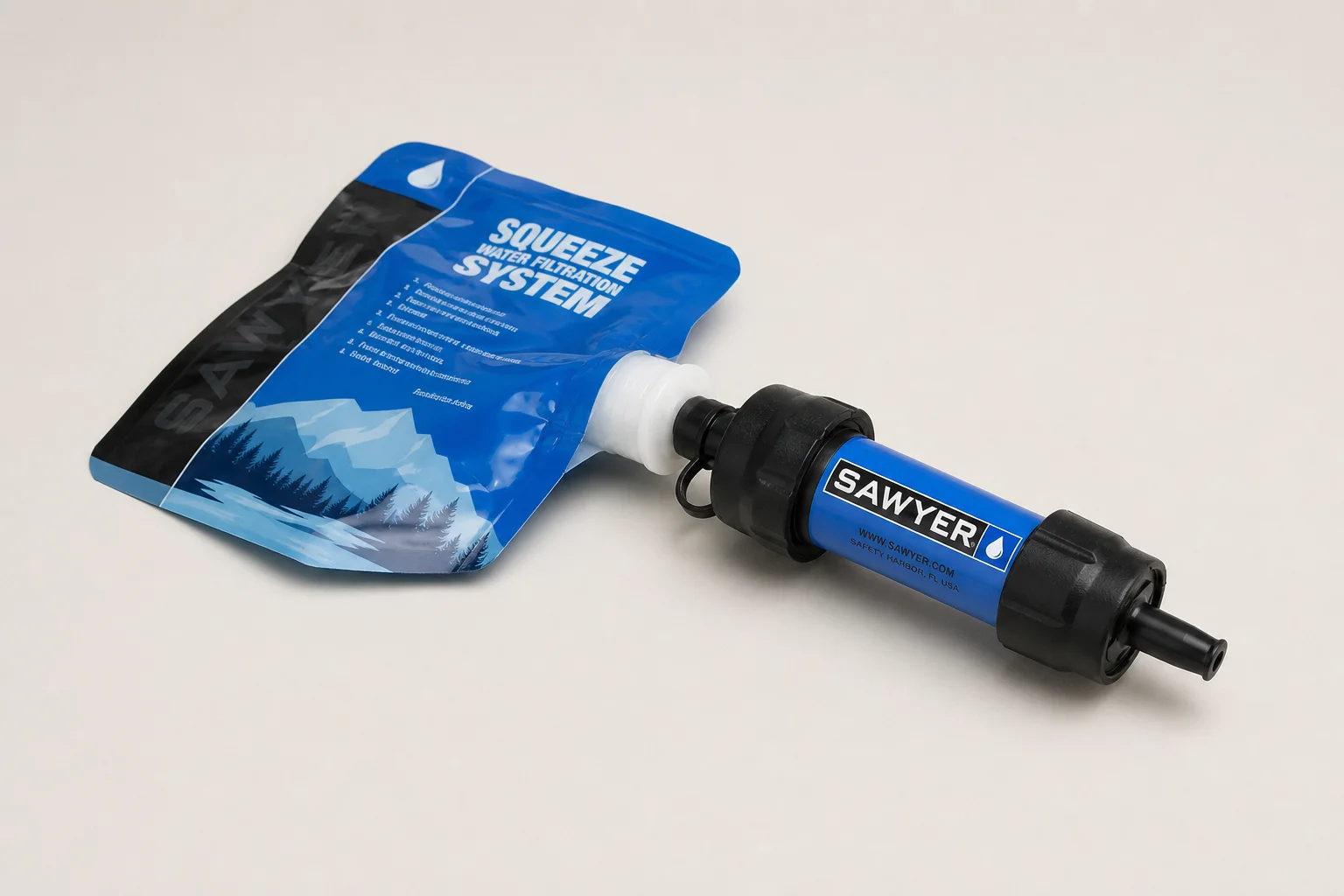
Sawyer Squeeze: Best Water Filter
The Sawyer Squeeze threads directly onto a standard water bottle, which makes it quick to use and easy to keep clean. It is light, simple, and one of the most widely used filters on long trails for good reason.
Flow rate slows down over time as the filter clogs, which is normal for this design and can be managed with regular backflushing. That gradual slowdown is the only real drawback, and it is a fair trade for the weight and simplicity.
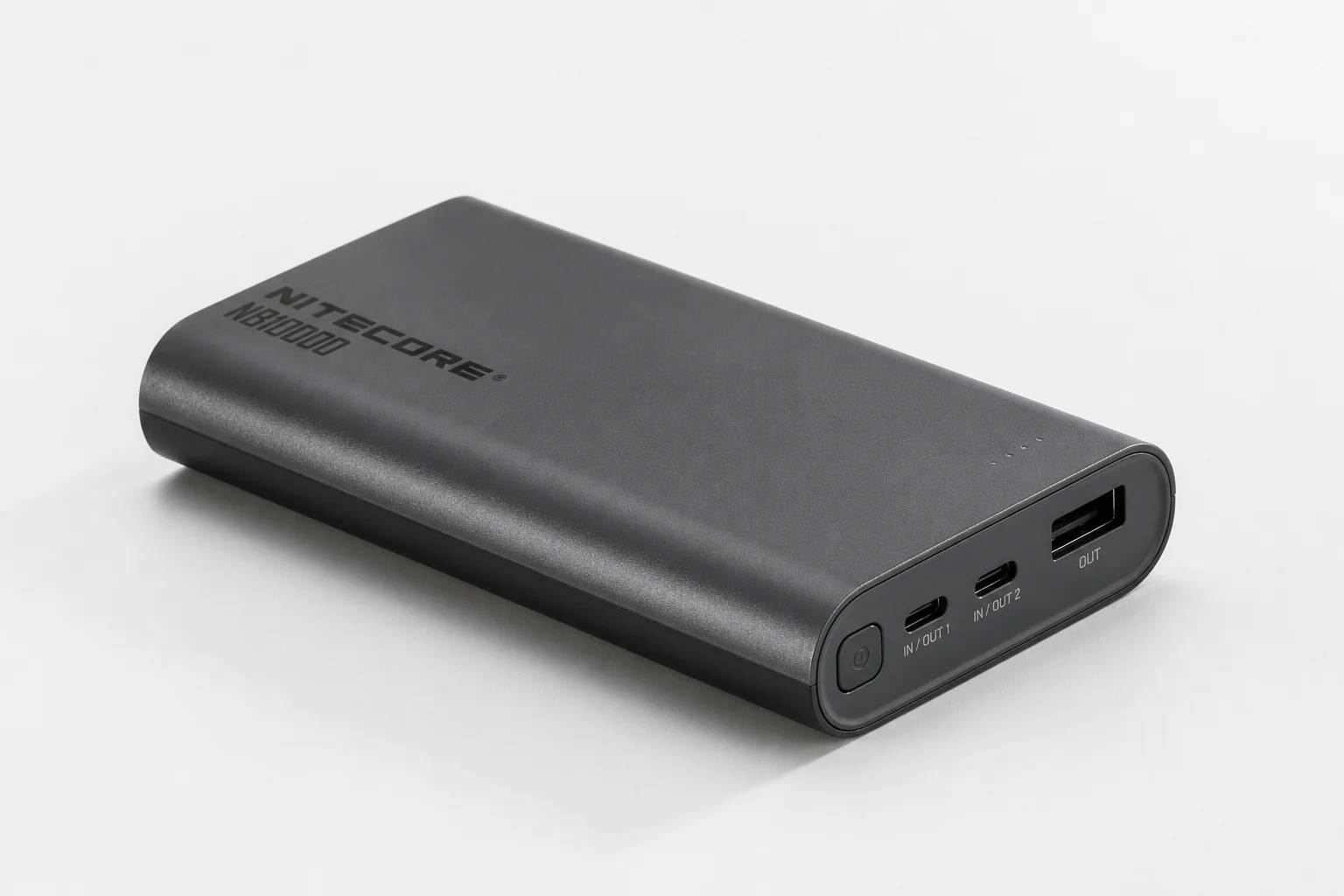
Nitecore NB10000: Best Power Bank
At 5.3 ounces, the NB10000 was never the limiting factor on the electronics side of the kit. It delivered at least two full phone charges per cycle, and the battery never ran out between resupply points, even on longer stretches.
For a power bank at this weight, that combination of capacity and reliability is hard to argue with. It is the sort of item that quietly removes a recurring worry from a long hike.
Nitecore NU25: Best Headlamp
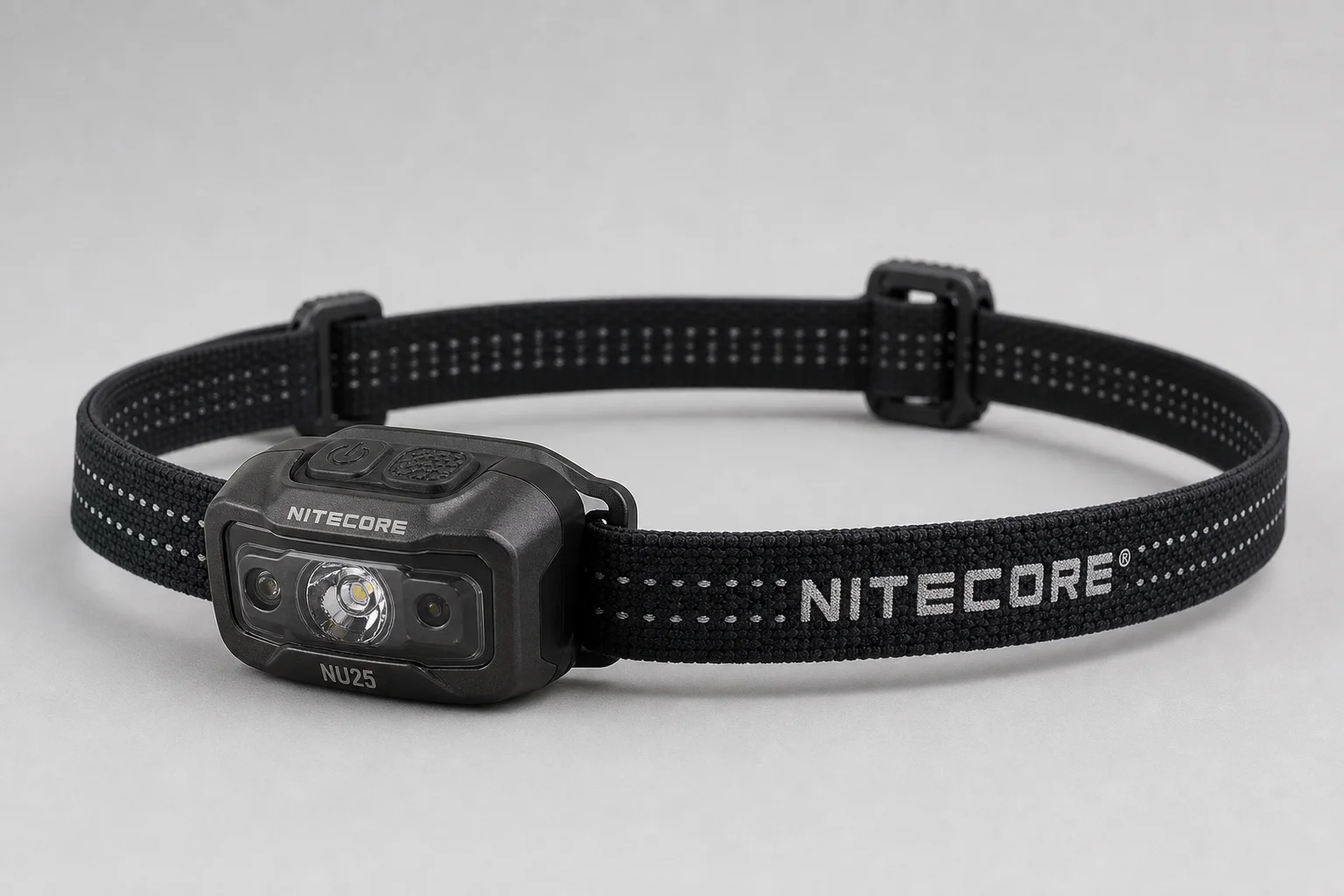
The NU25 weighs 1.9 ounces and does everything a thru-hiker needs from a headlamp. It is light enough to forget about in the pack and bright enough for camp chores, late arrivals, and night walking on trail.
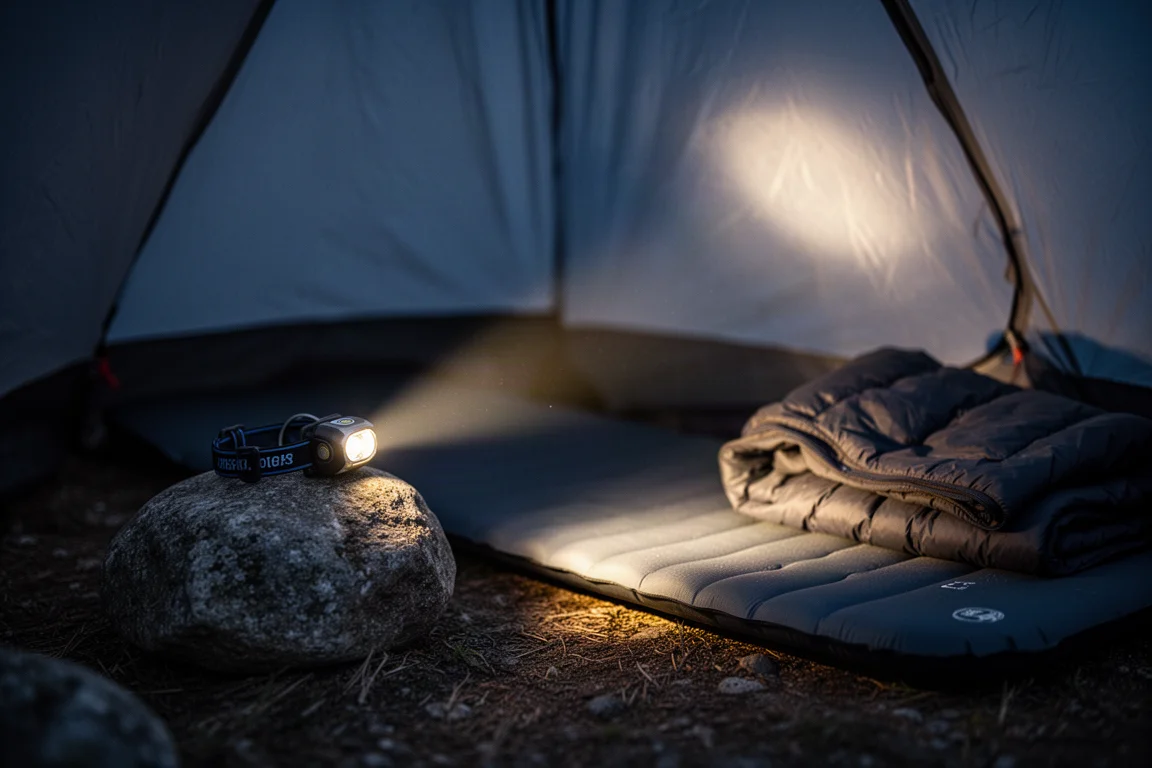
Charging over USB keeps the whole kit simple, since the same cable and wall plug serve the phone and the power bank as well. A newer version of the same light is available for anyone who wants the latest revision.
REI Sahara Shade Sun Hoodie: Best Sun Protection Layer
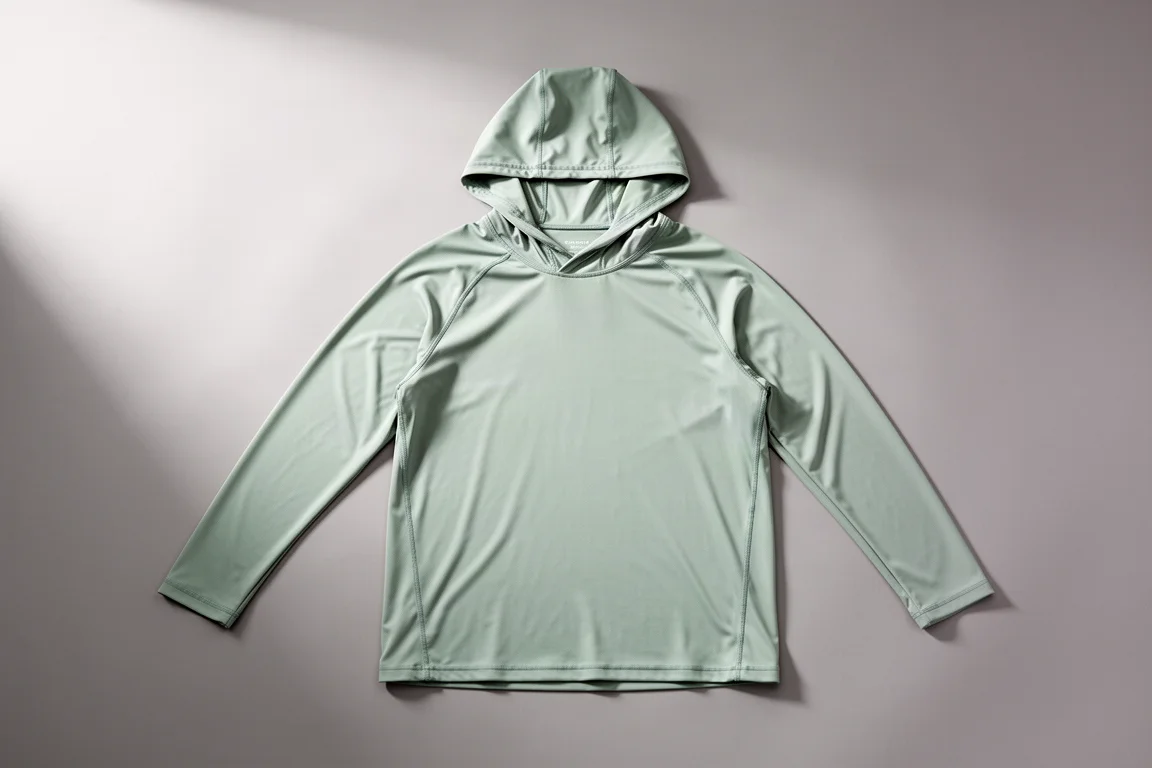
The Sahara Shade hoodie is rated UPF 50+ and delivered full sun protection with no sunburn across months of desert and high-altitude exposure. It breathes about as well as a sun hoodie reasonably can, which was the main concern before committing to it.
The one caveat is colour choice. Lighter colours show sweat and trail grime quickly, so a darker option is easier to live with over a long trip where laundry is a rare luxury.
Sea to Summit Aeros Ultralight Pillow: Best Camp Comfort Upgrade
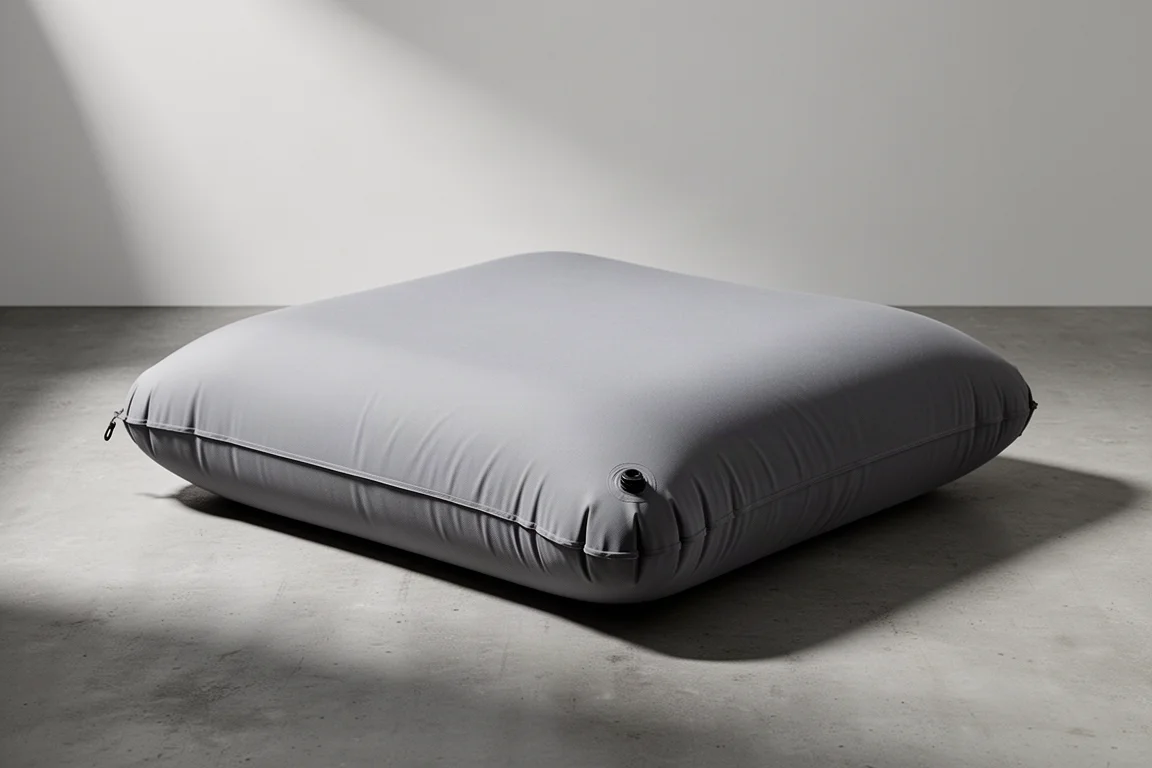
At 2.1 ounces, the Aeros Ultralight is a small luxury that earns its place in the pack. It is comfortable, packs down tiny, and uses a simple valve system that inflates and deflates in seconds.
It was picked up mid-hike as a replacement and proved more comfortable than expected for the weight, which is the usual test for comfort items. Anything that improves sleep without adding meaningful grams is worth considering.
Cascade Mountain Tech Trekking Poles: Best Budget Poles
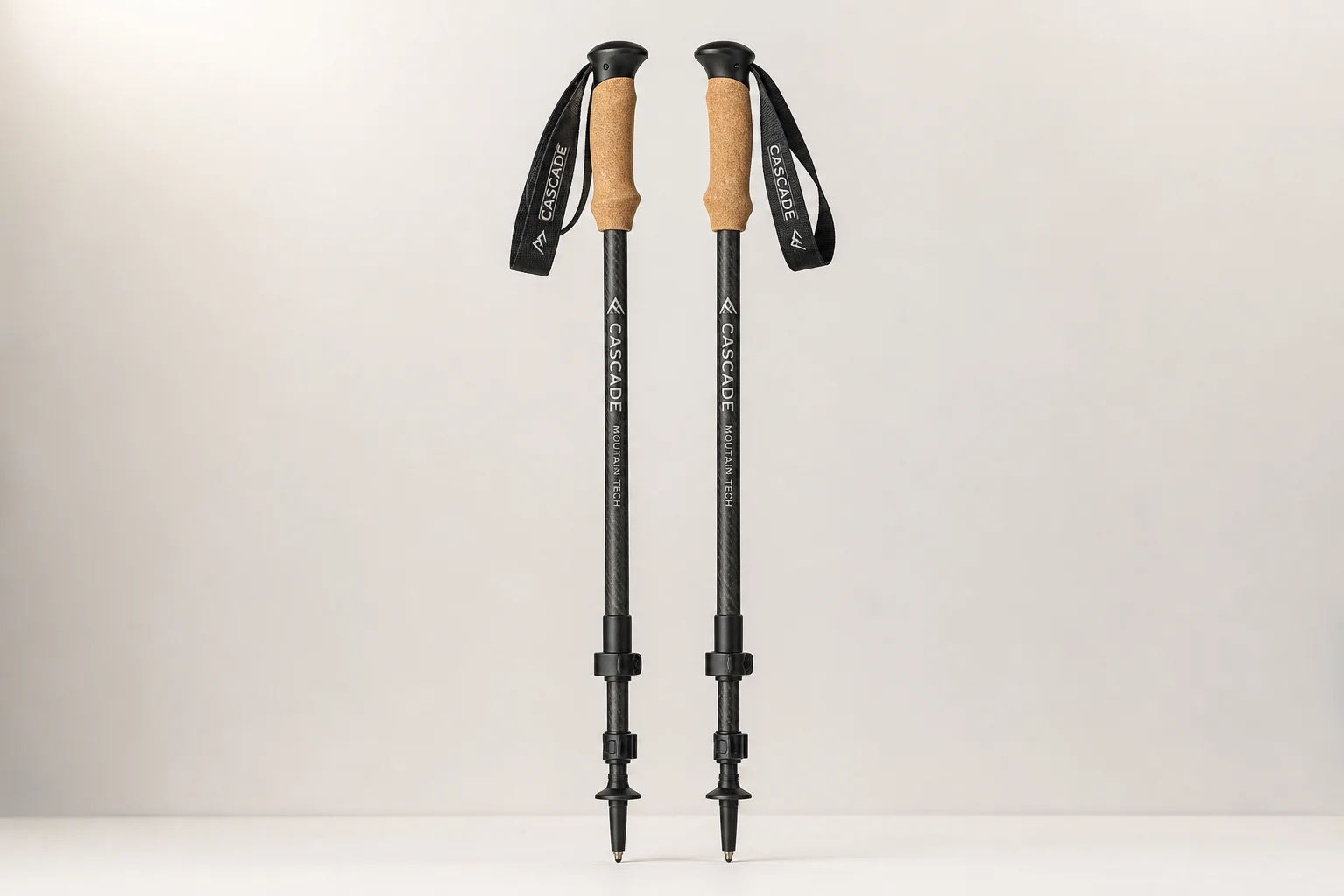
The Cascade Mountain Tech poles weigh 16.51 ounces for the pair and cost far less than premium alternatives. For weekend backpacking and shorter thru-hikes, they are a sensible, affordable choice that does the job without drama.
The trade-off appears over thousands of miles. The tips wear down and are difficult to replace, so anyone planning a multi-month thru-hike should expect to go through more than one pair.
Buying Advice: How to Prioritize
If you are building a kit for a long trail, start with the sleep system and the shelter. These are the items you use every night, and a failure there affects everything else. A quilt that matches your expected low temperatures and a shelter with a reliable zipper matter far more than a few ounces of weight savings.
Electronics are the next place to spend carefully. A power bank and a headlamp that both charge over USB keep the cable count low, and reliability matters more than headline capacity. Water treatment and footwear come next, since both affect daily comfort, followed by clothing layers that suit the conditions you actually expect.
Budget picks make the most sense in the accessories. Trekking poles and smaller comfort items can be bought affordably without much risk, as long as you accept that they may need replacing on a very long trip. Spend where failure is costly, and save where it is not.
Conclusion
The best thru-hiking gear is the gear that disappears into the routine. The items above earned their place by working quietly night after night, and the few flaws noted here are the kind you can plan around with a spare part or a slightly different colour choice. Start with the shelter and the sleep system, keep the electronics simple and reliable, and let the budget picks handle the rest.
Further reading
Related Reviews
Hiking Gear
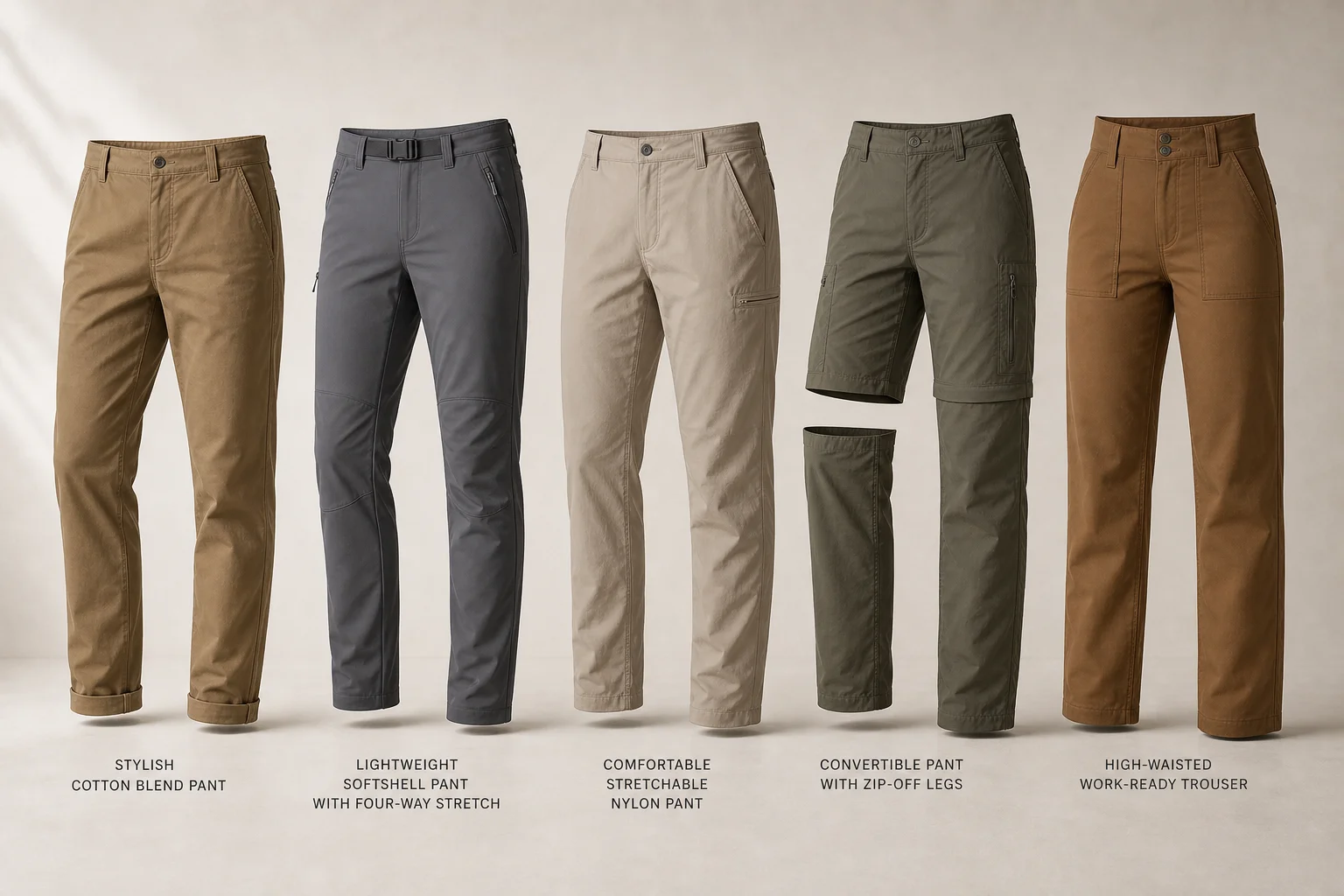
Best Hiking Pants on Amazon: Five Practical Options for Different Needs
A practical review of five hiking pants with clear strengths and trade-offs, from lightweight convertible styles to durable work-ready trousers.
Hiking Gear
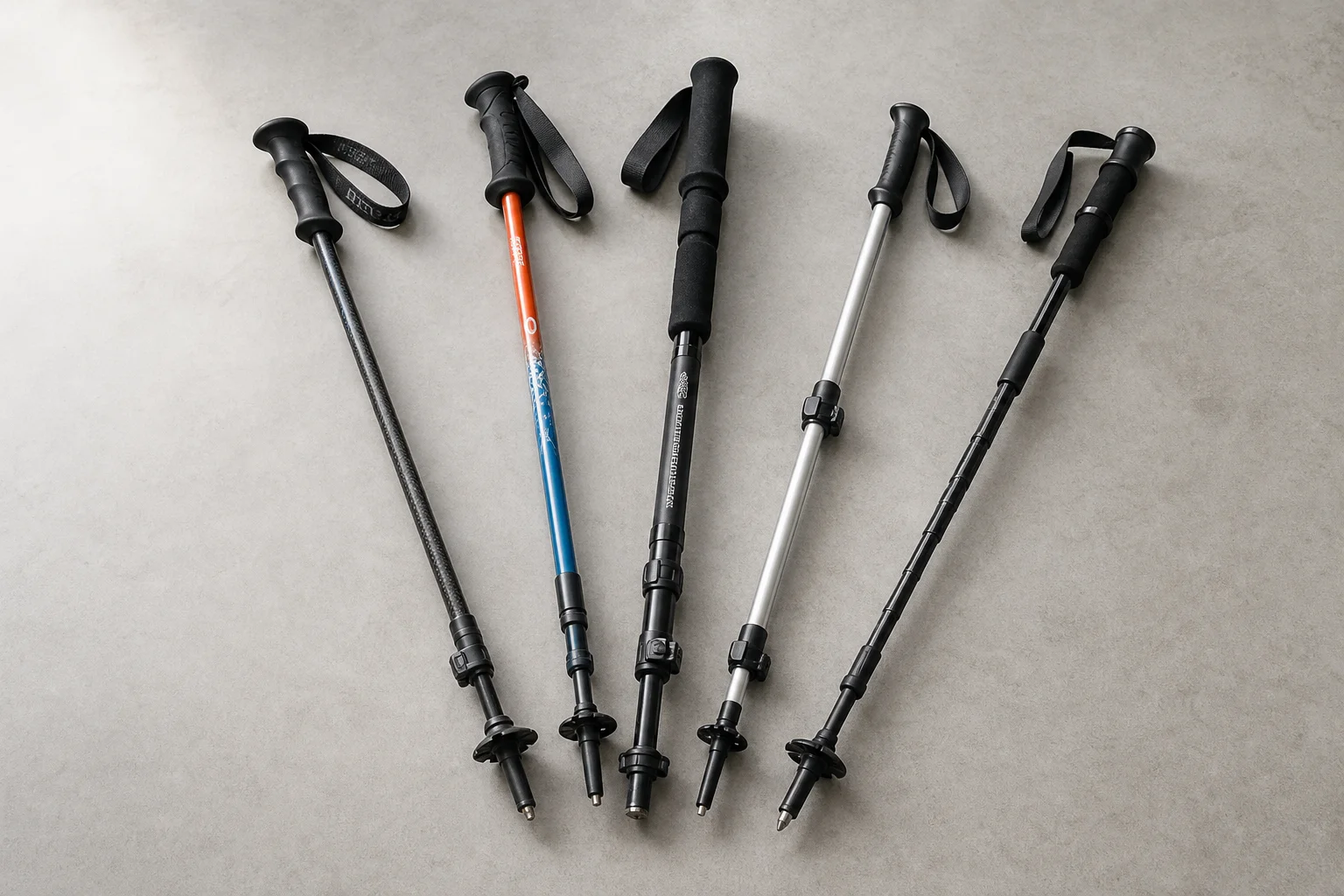
Best Hiking Poles 2026: Five Options for Different Trail Needs
A practical review of five hiking poles, from lightweight carbon designs to versatile all-terrain options, with clear strengths and trade-offs for each.
Hiking Gear
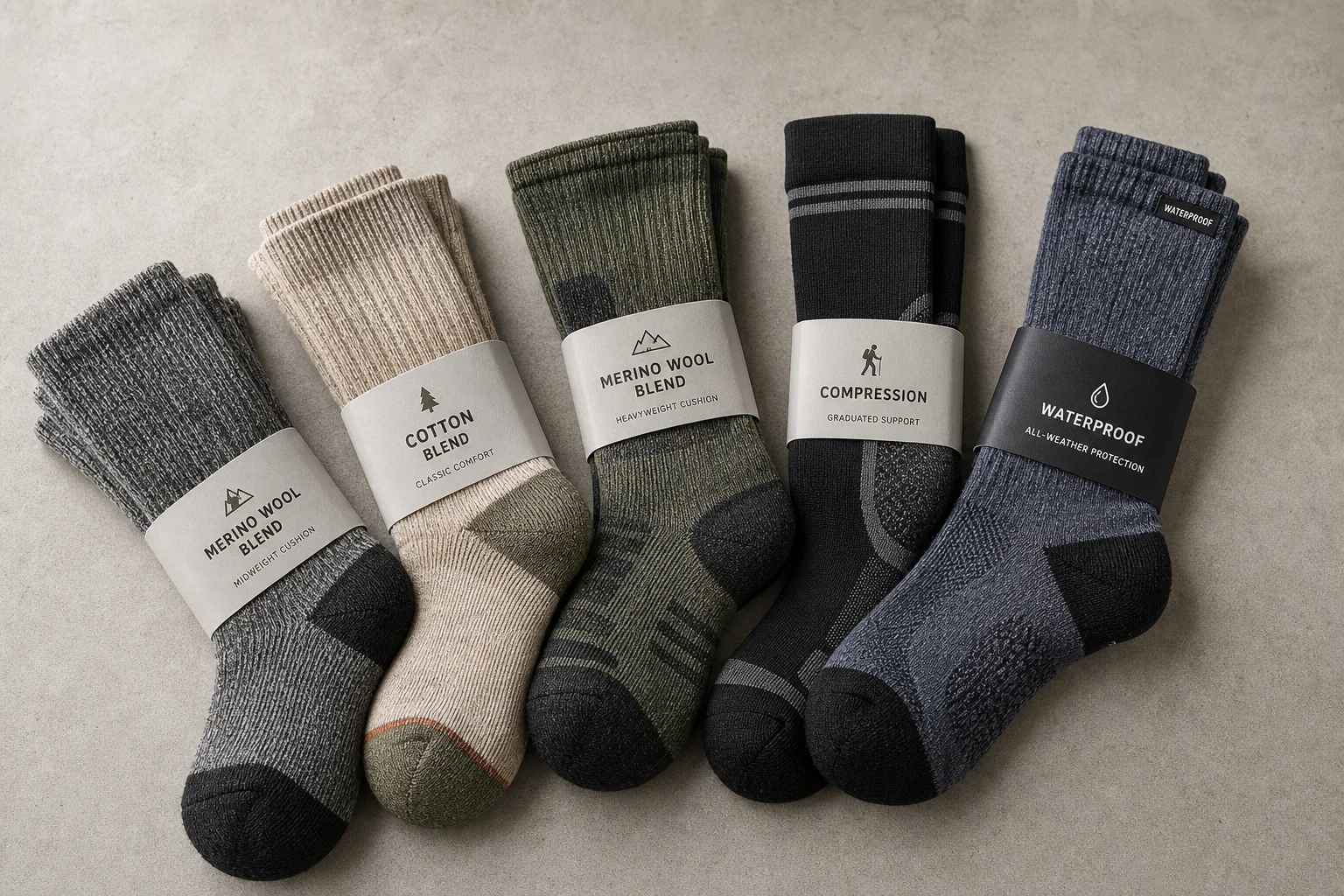
Best Hiking Socks 2026: Five Top Choices for Different Trail Needs
A practical roundup of five hiking socks, from lightweight merino options to heavy-duty compression styles, with clear guidance on which suits your outdoor activity.