Kitchen Knives
Patrick Block Honesuki 145mm Review: A Thick, Sharp Take on a Classic
A 145mm honesuki from Dutch maker Patrick Block that pairs deba-like heft with genuinely sharp honesuki geometry. Tested through three whole chickens.
Introduction
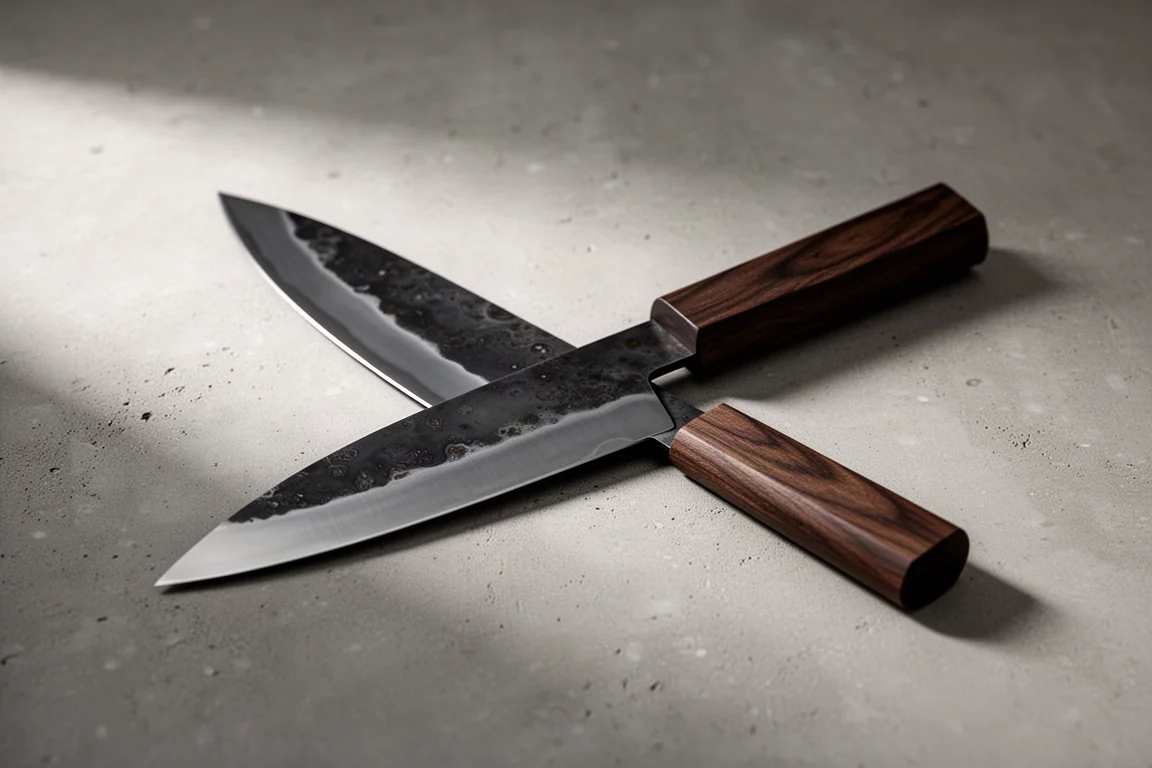
Some knives earn attention by being unexpected. This honesuki from Patrick Block, a part-time maker based in the Netherlands, does exactly that. Where most honesuki are lean and agile, this one is a deliberately thick, heavy blade built around a 145mm length, a SG2/R2-style core framed by beautiful hand-finished iron bevels, and a striking one-piece burl oak mono handle. The blade features a refined kasumi finish with nice kurouchi, and both the spine and the choil are unusually substantial.
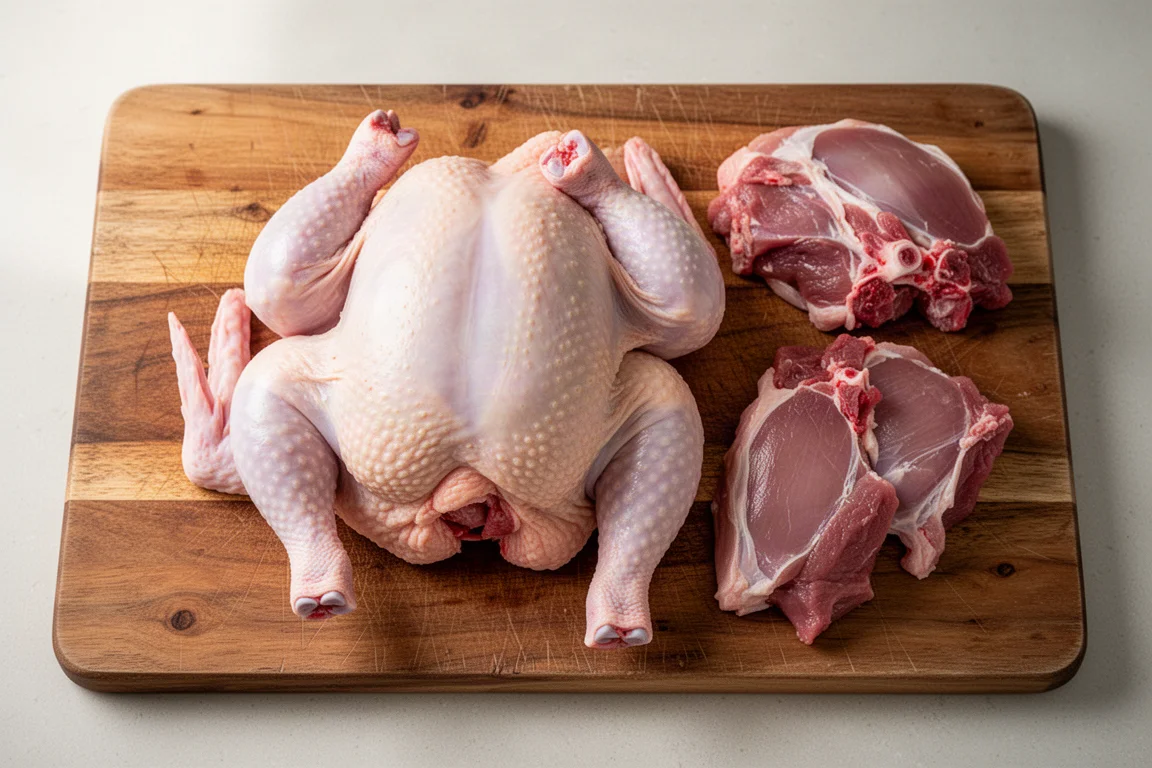
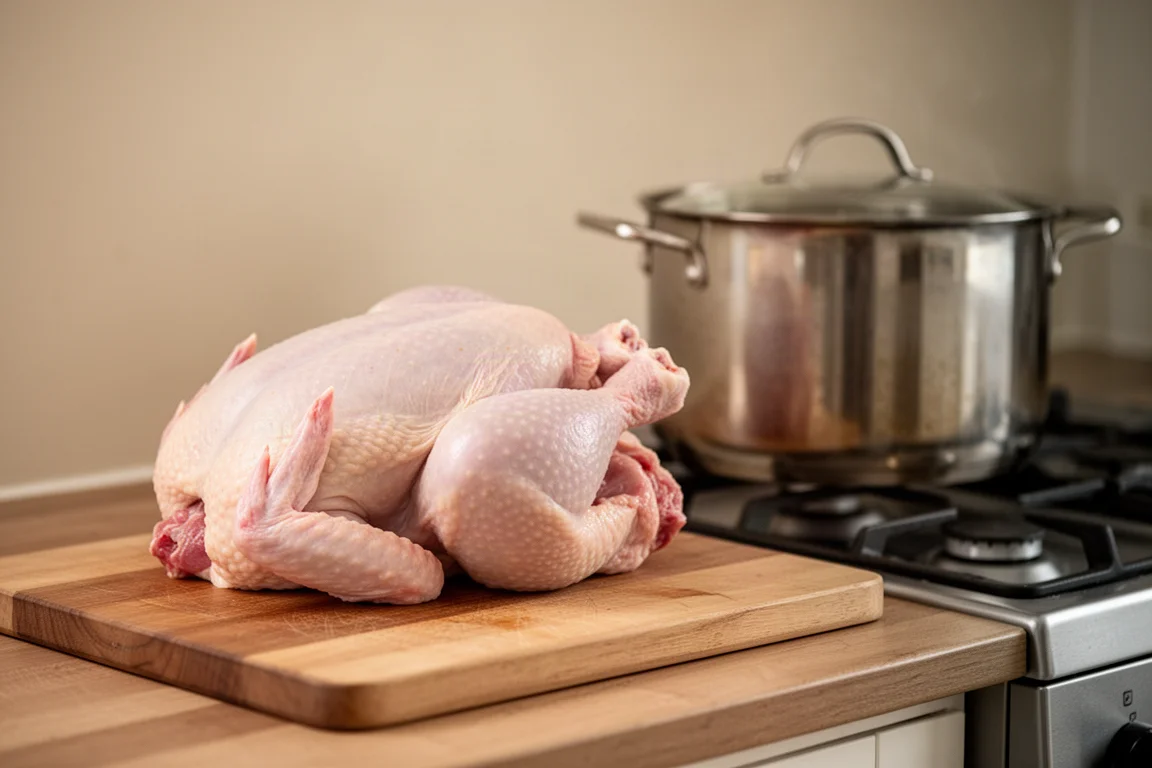
The obvious question: does all that thickness get in the way, or does it help? To find out, this knife was put through three whole chickens for butchery, plus one less conventional test: a carrot, purely because the geometry is so thick that slicing a raw carrot with it became a running joke. Spoiler: the carrot did not go well, and that is entirely the point.
Who This Knife Is For
If you break down whole chickens regularly and want a blade that drives through joints and connective tissue with authority, this knife speaks your language. The thick spine and overall heft act like a deba, pushing the blade forward through poultry with minimal effort, while the honesuki geometry keeps the tip nimble enough for detail work around the wishbone, keel, and joints.
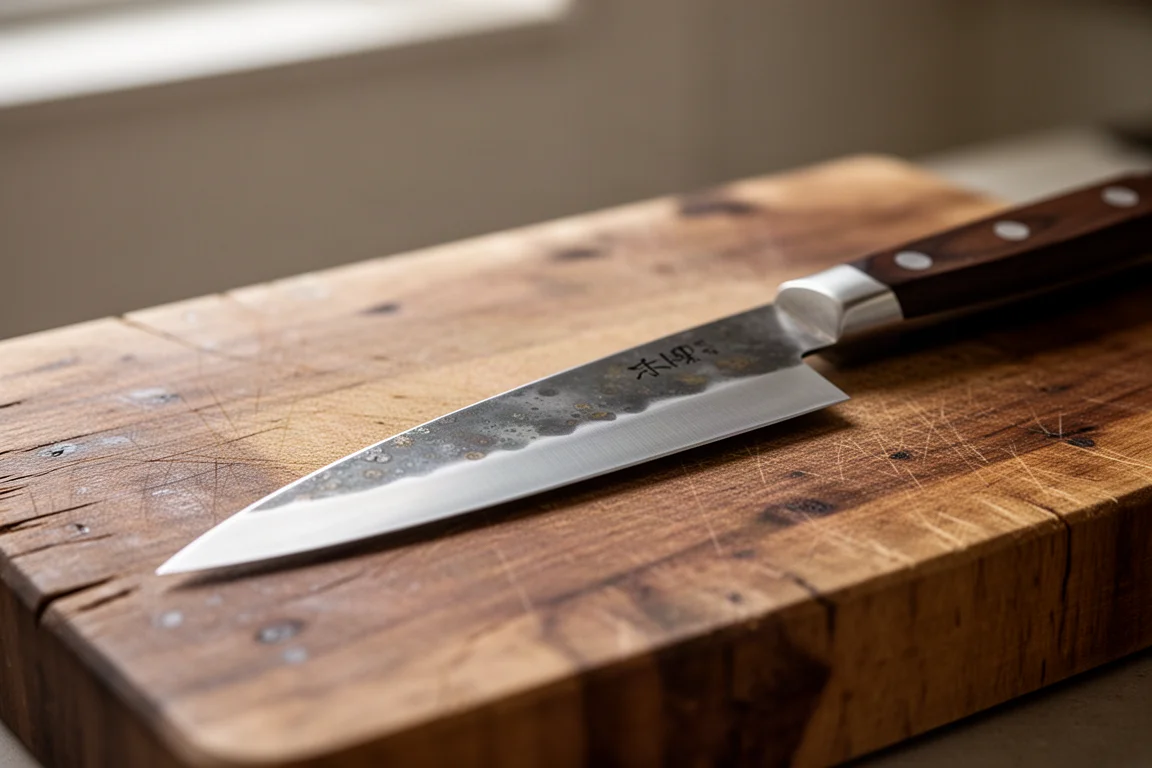
It also suits anyone drawn to handmade knives with personality. Patrick Block is one of the few makers offering both custom honesuki and gatasuji, and this blade reflects a maker willing to take risks on a specialized style that is not typically in demand.
Main Strengths
The first and loudest strength is sharpness. Straight out of the box, this is one of the sharpest honesuki encountered, and it showed immediately during butchery: cuts went deeper than intended more than once because the edge simply kept driving forward.
The second strength is drive force. Thanks to the thick spine and blade weight, the knife pushes through a chicken the way a good deba does, without sacrificing honesuki-style geometry for joint work. At 145mm, the length is described as perfect for an average-size chicken, and the one-piece oak mono handle feels great in hand through long sessions.
Comparison talk is inevitable, so here it is. Against a Masamoto-class single-bevel honesuki (in this case an Isshimitsu), the honest verdict is that the single bevel feels sharper, but comes with edge fragility that this knife simply does not exhibit. Against a deba like a Sakai Takayuki 165, this blade borrows the heft and push-through quality that makes deba so effective on poultry, then wraps it in proper honesuki proportions. It genuinely reads as a fusion of the two.
After three chickens, the verdict was blunt: “Patrick, don’t change a single thing about this knife.” It may even be the best honesuki in a collection that includes respected single-bevel examples, which is high praise for a blade this unconventional.
Things to Consider Before Buying
A few honest caveats. First, the blade is very aggressive out of the box, which means a learning curve: cuts can run past skin and cartilage and into the flesh before you recalibrate. That is a technique adjustment, not a flaw, but worth knowing.
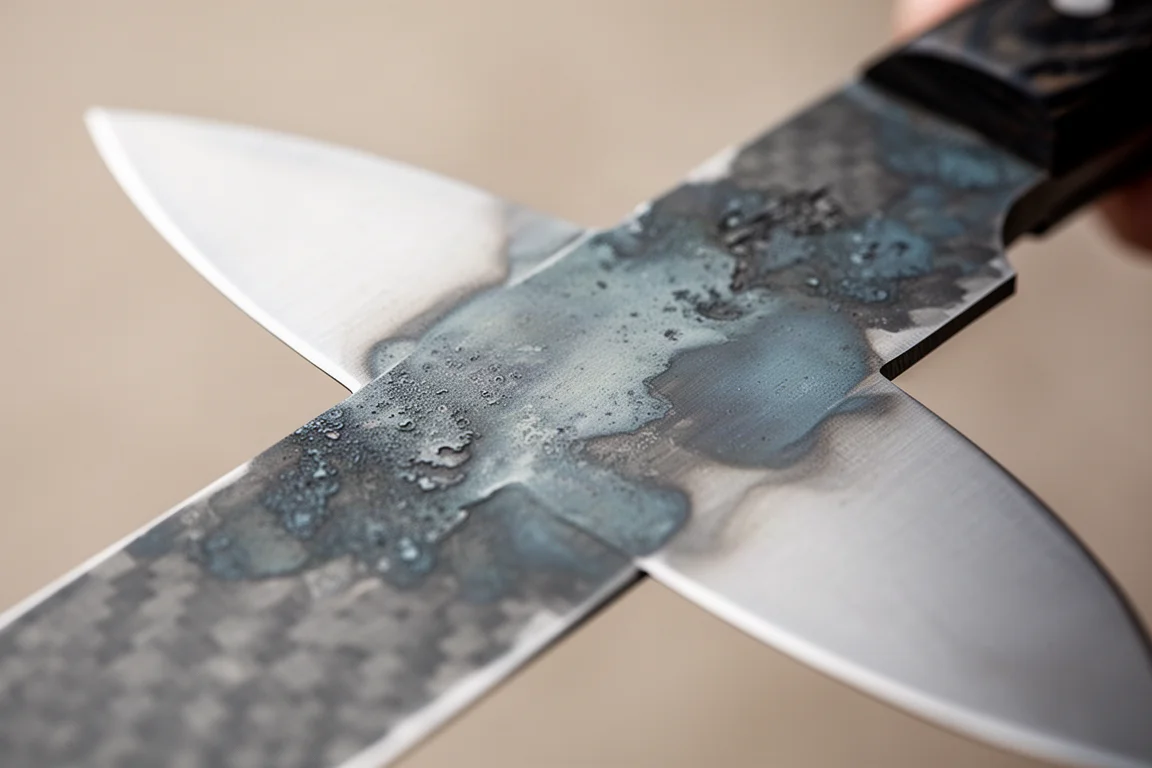
Second, the kasumi finish does not survive chicken one. The beautiful hand-applied finish on both bevels essentially vanished after the first bird, replaced by developing blue patina hues. Functionally this changes nothing, and the patina itself looks great, but if you are buying partly for the finish, temper expectations.
Third, the core steel sits at a claimed HRC of around 60, which is on the softer side for a core steel of this type. When striking cartilage, the edge is more likely to bend than chip, and a light strop between chickens is enough to restore it. A micro bevel had been added at the maker’s end; once popped off, the pure edge of the core steel remained impressive, but the very first-bird performance was slightly better with it on.
Fourth, thickness is a feature and a limitation at once. This is not a knife you take to raw carrots, and it is unapologetically a poultry specialist. Honesuki is already a niche shape, and this interpretation doubles down on that identity.
Buying Advice
If your use case is regular whole-chicken butchery, this knife is close to a dream fit: the weight does the driving, the edge does the cutting, and the handle keeps you comfortable doing it. If you want a delicate, do-everything blade, look elsewhere; this is a purpose-built thick boy through and through.
Worth noting: the maker has taken feedback about running a slightly harder core steel to improve edge retention further, and anyone commissioning from Patrick Block can reasonably expect that level of engagement. As a part-time maker, he has room for care and risk-taking that production shops do not, which shows in the finished knife.
Conclusion
This 145mm honesuki from Patrick Block turned out to be everything hoped for: one of the sharpest honesuki used right out of the box, a rare fusion of deba heft and honesuki geometry, and a handle and finish that feel genuinely handmade. The finish will patina fast, the edge may want a touch of harder steel, and the carrot test will remain a lost cause. None of that changes the core truth: for poultry work, this is a hell of a knife, and a maker worth watching.
Product link
View more details for Patrick Block Honesuki 145mm
This product is mentioned in the review. Check the specifications, options, and compatibility before buying.
View more details for Patrick Block Honesuki 145mmFurther reading
Related Reviews

Kitchen Knives
Best Chef's Knives 2026: 27 Popular Options Tested and Ranked
A comprehensive review of 27 chef's knives ranging from $18 to $380, with honest assessments of handle comfort, blade balance, and real-world performance.

Kitchen Knives
Best Chef's Knives Under $75: Two Tested Recommendations
Two practical 8-inch chef's knives that balance sharpness, comfort, and durability without premium pricing.

Kitchen Knives
Best Chef's Knives 2026: 27 Options Tested and Ranked
A comprehensive review of 27 chef's knives ranging from $18 to $380, with honest assessments of handle design, balance, blade profile, and real-world performance.