Snow Gear
Patagonia PowSlayer Freeride Kit Review: Big-Mountain Shell Gear Built as a System
A lightweight, durable three-layer freeride kit with a fully PFAS-free waterproofing setup, tested on steep resort terrain and backcountry splitboard days.
Introduction
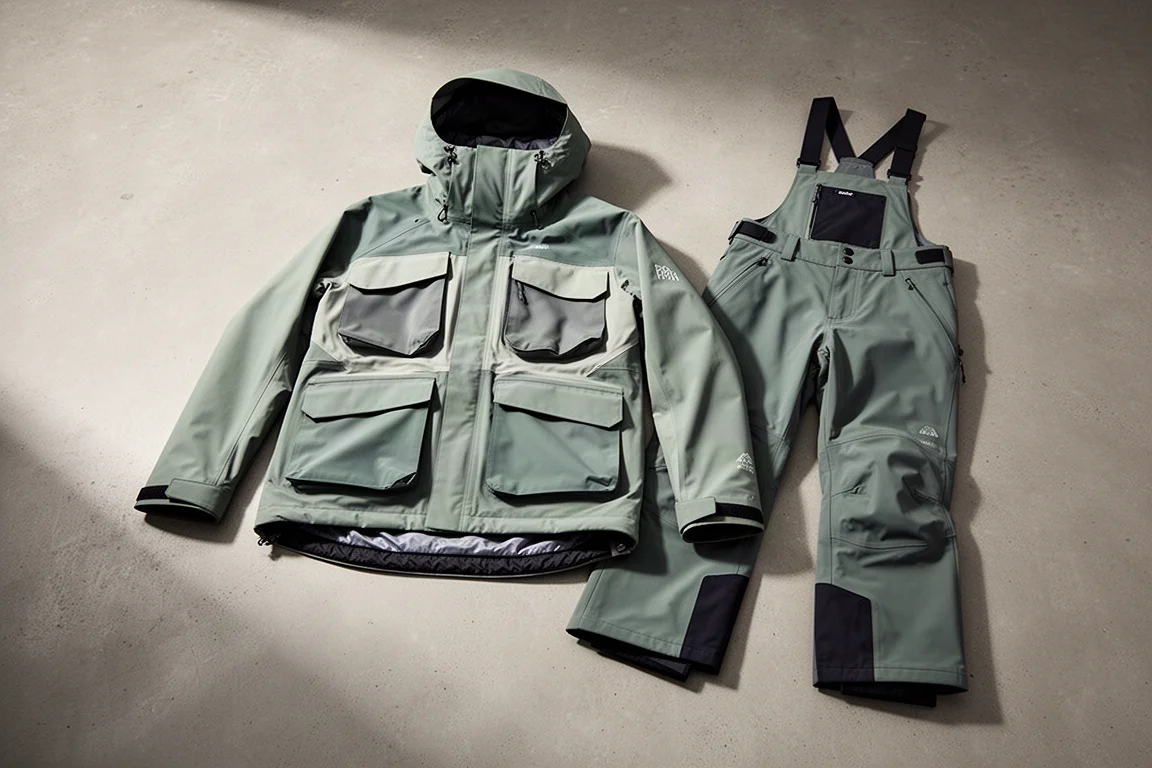
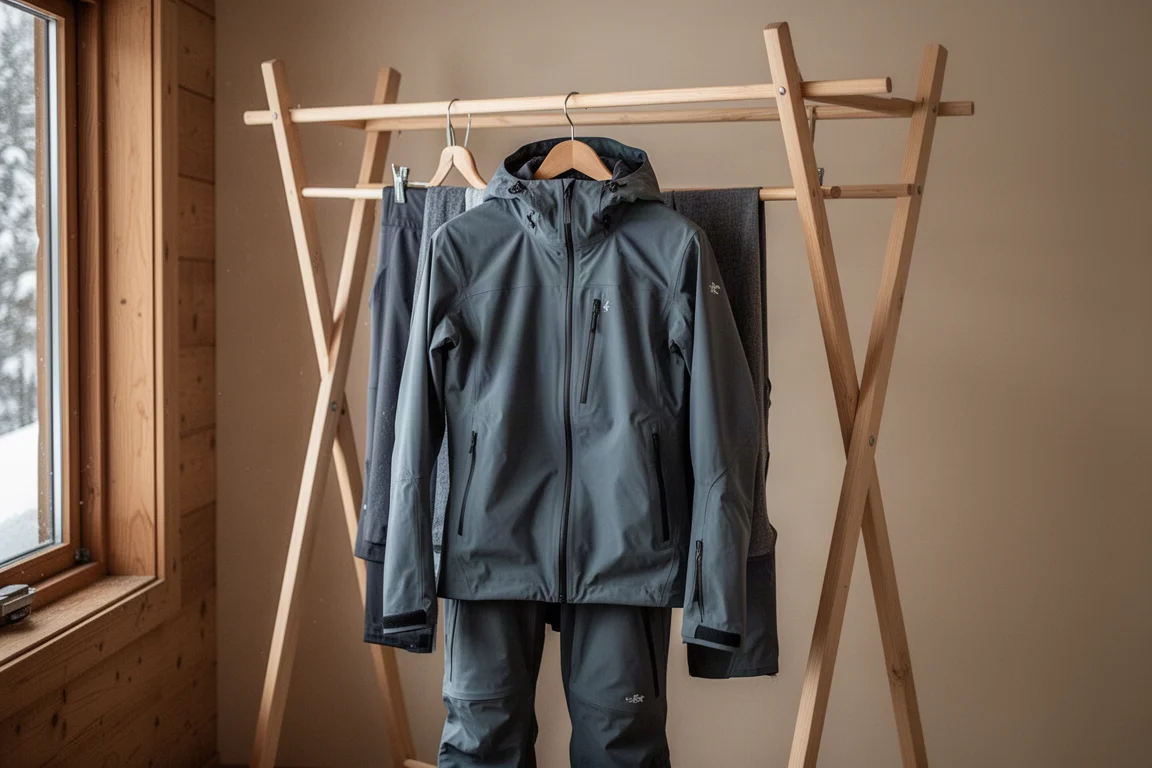
The Patagonia PowSlayer Freeride Kit was put through its paces over several days of steep resort laps and a backcountry splitboard day around Silverton, Colorado, a zone known for serious terrain and serious weather. The kit is built for big days and big mountains: resort riding, splitboarding, hiking, and everything in between. After years in development, its headline change is a complete move away from long-chain fluorinated waterproofing chemistry to a 100% PFAS-free membrane and DWR, without giving up the technical three-layer feel the freeride category demands.
Who This Kit Is For
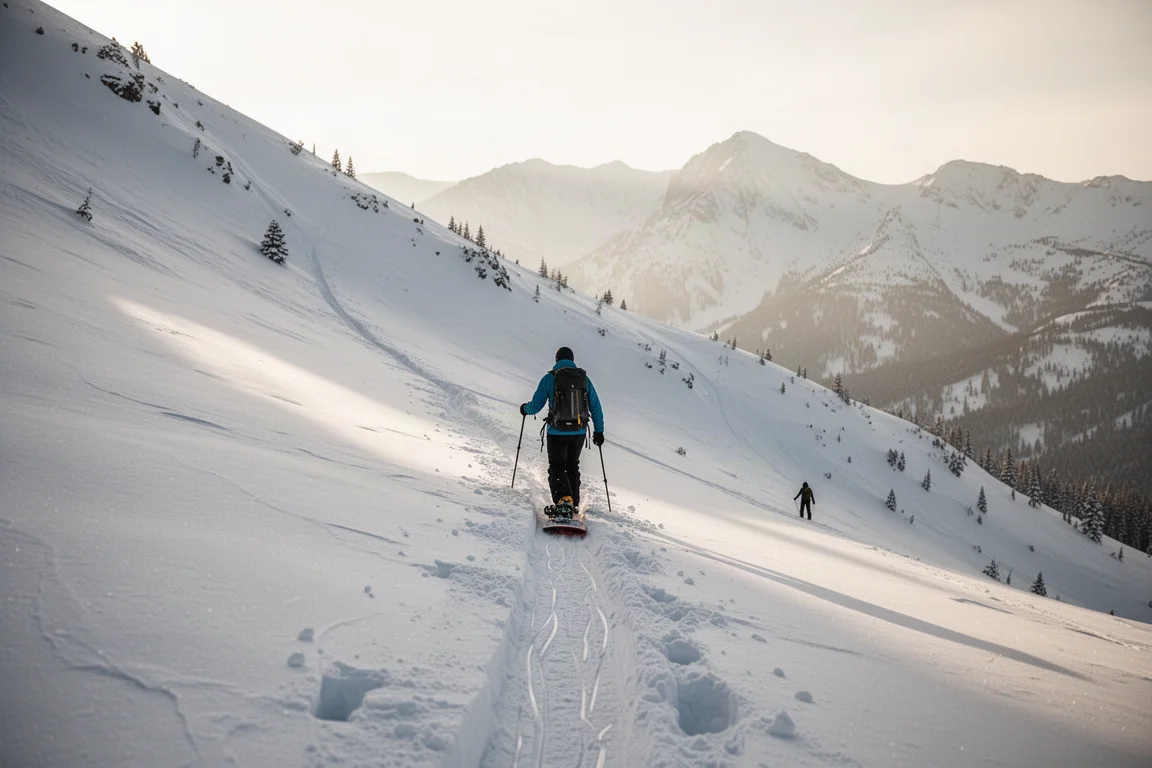
This is gear for riders who treat the mountain like a full-day project. If your day starts before dawn with skins on, involves hiking, overheating on the ascent, venting and shedding layers into a pack, and then getting buttoned back up for the ride down, the PowSlayer is aimed squarely at you. It works equally well for resort laps and backcountry missions, and it is designed to be worn as a system rather than as isolated pieces.
Main Strengths
The first thing that stands out is how lightweight the shell is while still feeling genuinely durable. It has that crisp, slightly crunchy texture you expect from a serious technical three-layer kit. Despite being very thin, it clearly reads as something that will take a beating over long days in the mountains.
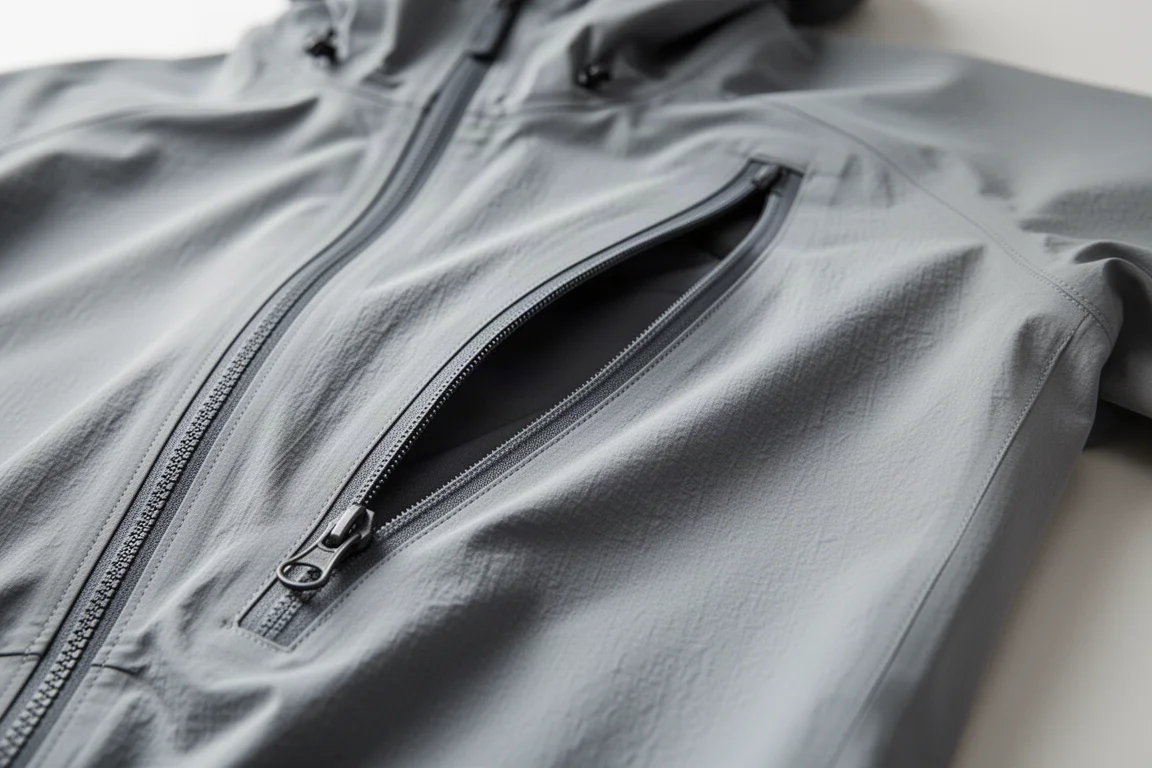
The feature set is thoughtfully resolved. Oversized chest pockets expand outward and can swallow bulky items like skins during transitions in the backcountry. Hidden stretch panels let you pull the hood up without unzipping the jacket. The powder skirt is low-profile and thin, so you barely notice it when it is not in use. Watertight zippers and generous venting round out a standard high-end kit, and they make temperature regulation straightforward during dynamic, stop-and-go activity.
The pants follow the same logic with an articulated design that stays comfortable while hiking or climbing the skin track, plus oversized thigh pockets that expand outward for extra storage.
The fabric itself deserves special mention. The jacket uses 100% recycled 3L Gore-Tex Pro with a shell construction that is super light and packable while still feeling noticeably durable. Combined with the 100% PFAS-free membrane and DWR, you get top-tier storm performance alongside environmentally friendly waterproofing. That PFAS-free overhaul is the big change with this kit and the core of what Patagonia has been working toward for years.
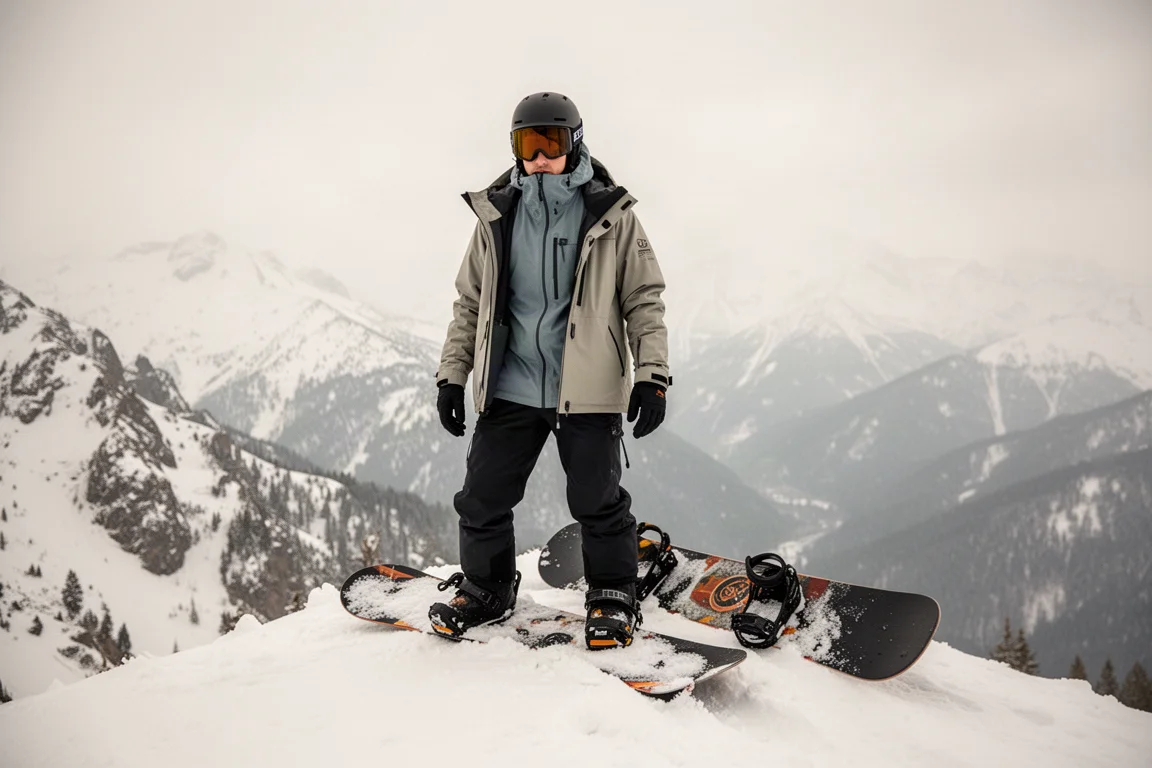
The other strength is that the kit is designed to work together as a system. Everything from base layers to mid layers to outerwear and even the backpack is engineered to function across the whole day and the full range of temperatures. Seams and waterproofing are positioned layer to layer so you stay covered from the skin outwards, and even with a pack on and the hip belt done up, every pocket remains accessible. That integration is executed very well.
Things to Consider Before Buying
The PFAS-free waterproofing does involve a small performance trade-off. It works extremely well and holds up strongly, but it does not quite match the old fluorinated C6 chemistry at its peak. The practical difference is maintenance rather than capability: wash the gear more regularly, and reapply DWR every season or two depending on use. Notably, simply washing and especially drying the gear reactivates the DWR and restores top-tier waterproofing. If you are willing to look after your gear a little better, the environmental benefit is an easy trade to accept.
Buying Advice
This kit makes the most sense for riders who want one cohesive freeride setup rather than mismatched pieces. If you splitboard, hike, or spend long dynamic days in the mountains and you value both storm performance and a smaller environmental footprint, the PowSlayer Freeride Kit is one of the most coherent options available. Just plan on a slightly more attentive care routine to keep the PFAS-free DWR performing at its best.
Conclusion
The Patagonia PowSlayer Freeride Kit delivers lightweight, durable three-layer storm protection with a smart feature set, seamless layer integration, and a genuinely meaningful shift to PFAS-free waterproofing. It rewards riders who care for their gear, and in return it covers them from the skin outwards on the biggest days the mountain can offer.
Product link
View more details for Patagonia PowSlayer Freeride Kit
This product is mentioned in the review. Check the specifications, options, and compatibility before buying.
View more details for Patagonia PowSlayer Freeride KitFurther reading
Related Reviews
Snow Gear
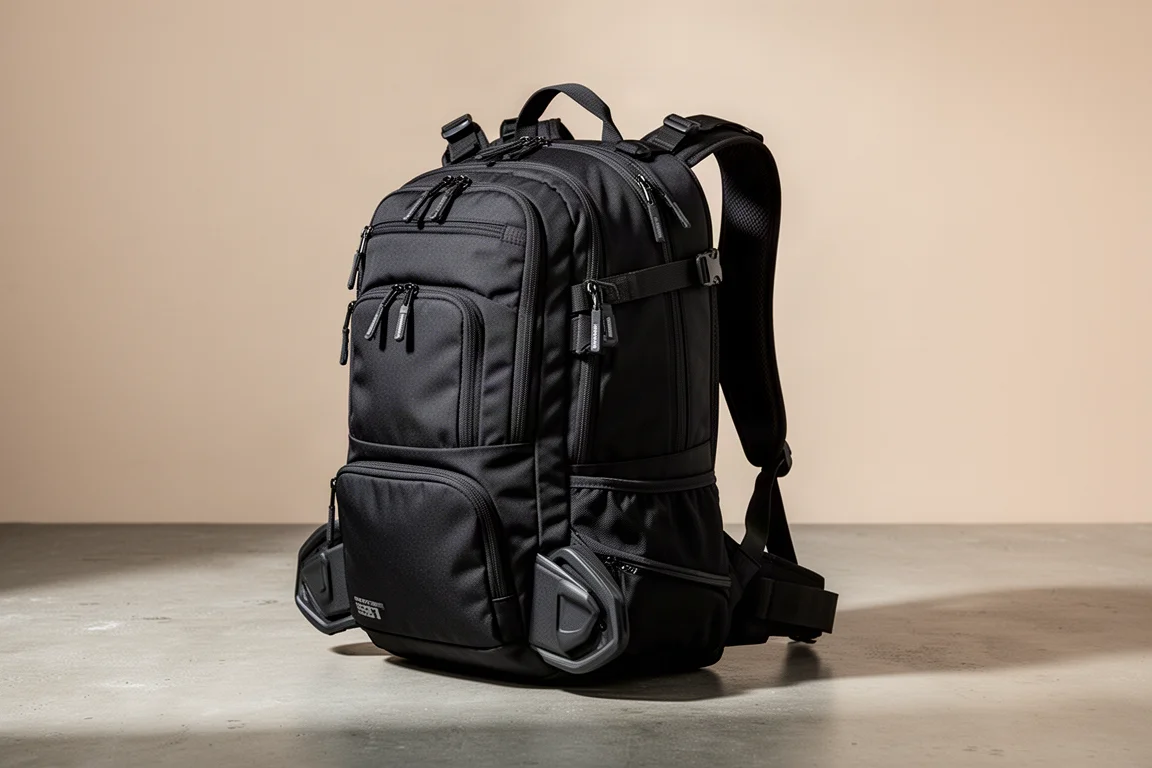
Dakine Poacher 32L Review: A Practical Backpack for Resort Days and Backcountry Trips
A 32L snowboarding backpack with smart pockets, back-panel access, and comfortable carry for long hikes up the mountain.
Action Cameras
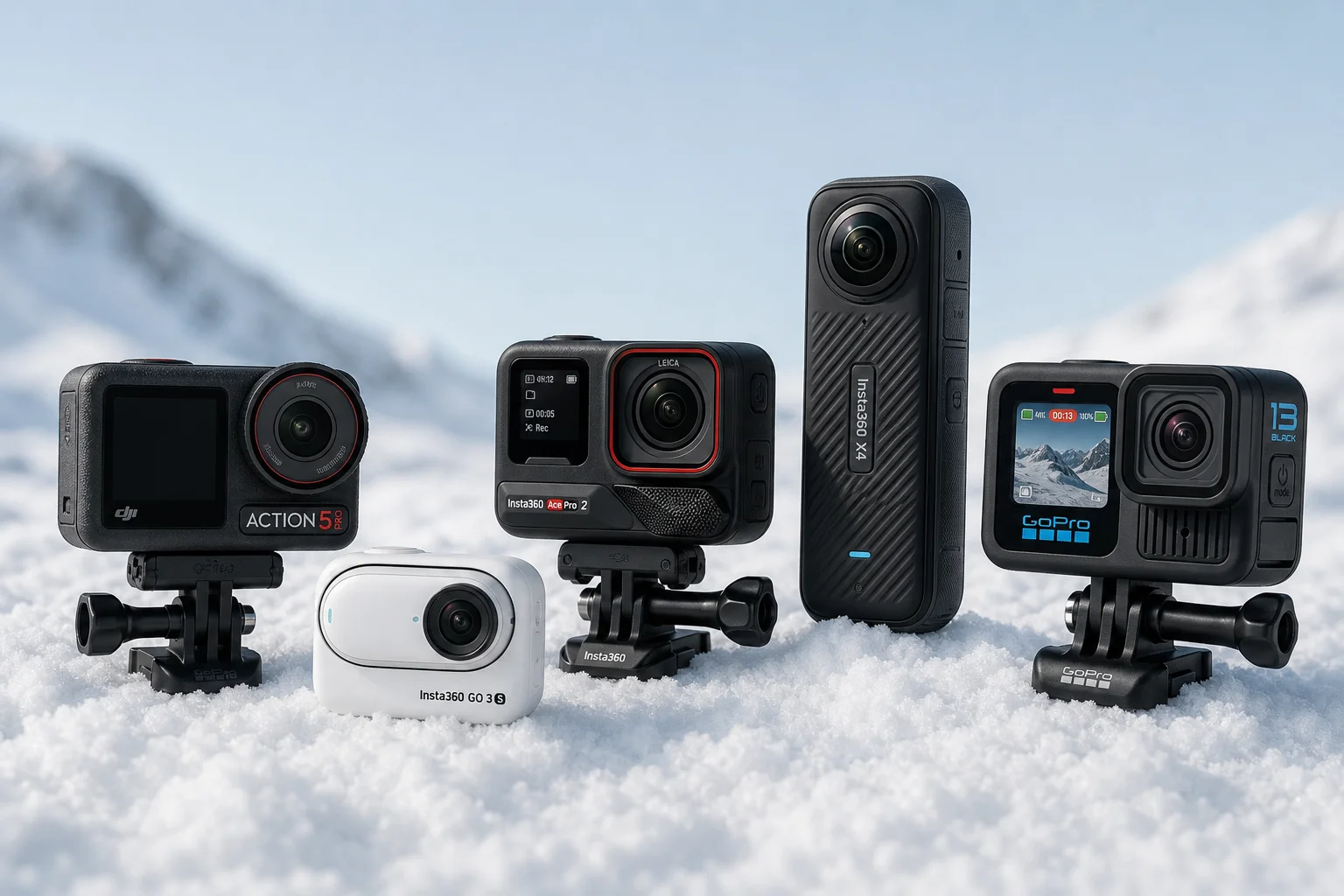
Best Action Cameras for Skiing and Snowboarding: Five Tested Options
Five action cameras tested on the slopes: DJI Action 5 Pro, Insta360 GO 3S, Insta360 Ace Pro 2, Insta360 X4, and GoPro Hero 13. Each excels in different ways.
Backpacking Gear
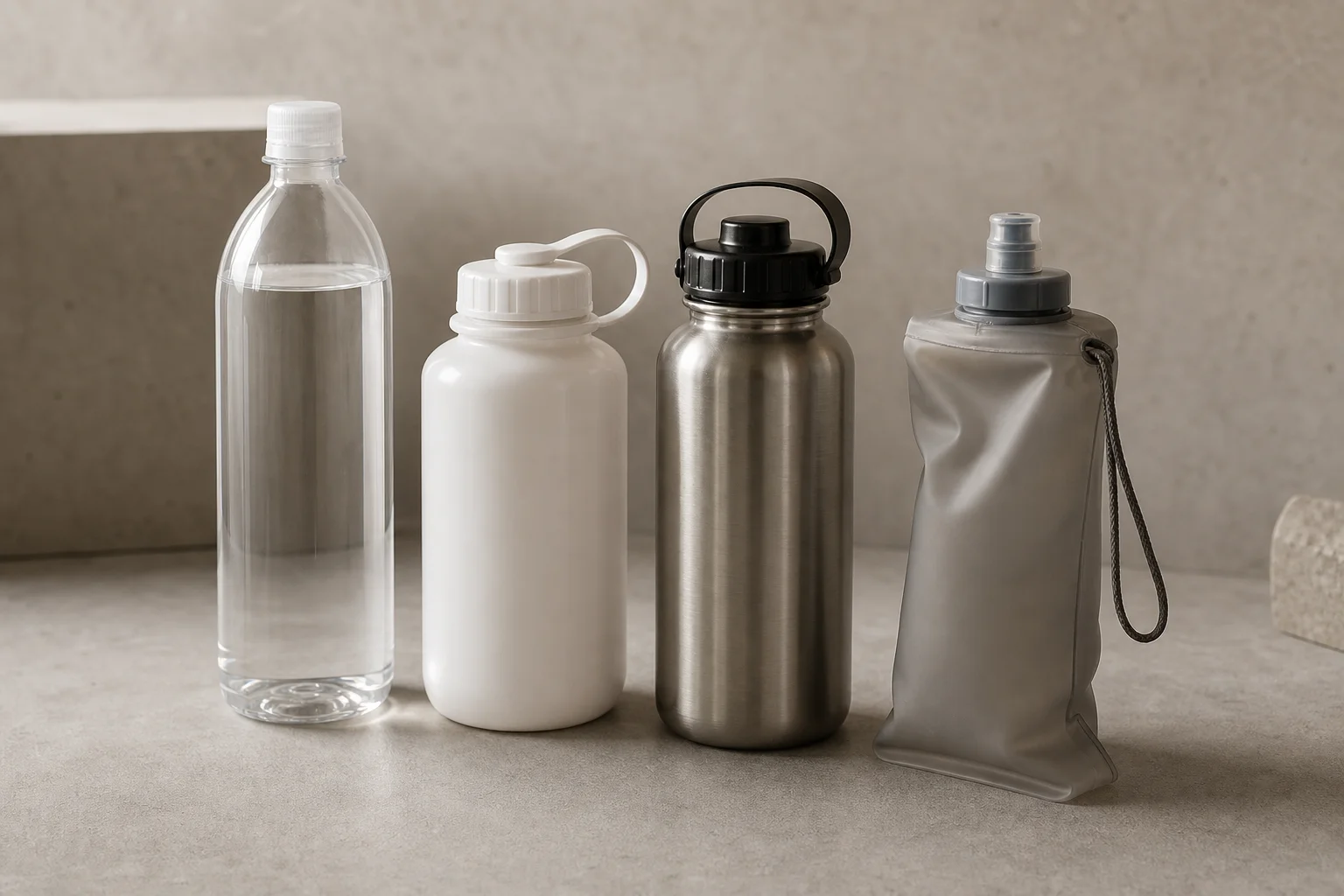
Water Bottle Greenwashing in Backpacking: Why You Don't Need to Buy New
A critical look at trending outdoor water bottles, their environmental claims, and why your existing bottles are likely the better choice.