Travel Backpacks
Patagonia Mini MLC 30 vs tomtoc Navigator 40: Two Travel Backpacks, Two Very Different Ideas
A side-by-side comparison of two duffel-style travel backpacks, covering capacity, materials, organization, and carry comfort to help you pick the right one.
Introduction
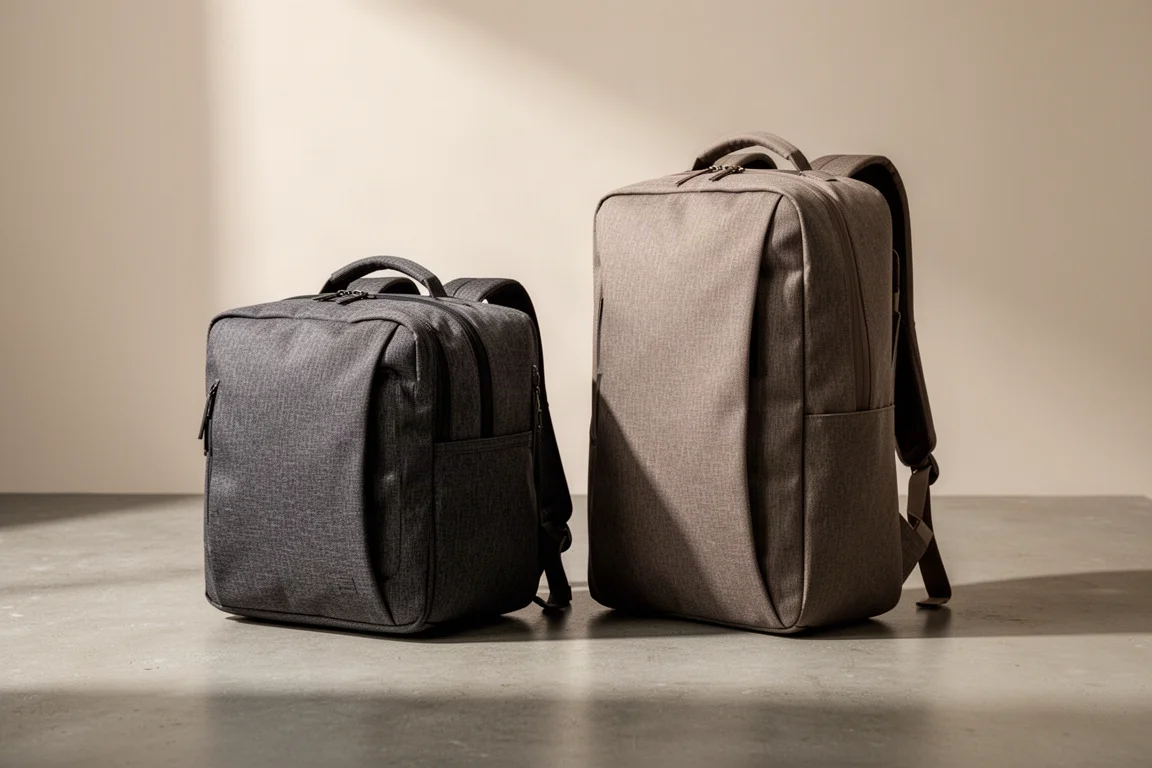
These two travel backpacks look like natural rivals. The Patagonia Mini MLC 30 and the tomtoc Navigator 40 share a lot of the same DNA: a large main opening into a huge duffel-style main compartment, side water bottle pockets, an external laptop compartment, and a comfortable carry system. Put them side by side, though, they don’t actually look that different, and that’s part of what makes this comparison interesting.
The real differences show up in the details. Materials, hardware, interior organization, and price separate these two packs more than their spec sheets suggest, and each one will appeal to a different kind of traveler.
Capacity and Real-World Size
The listed specifications are one of the biggest gaps between these bags, but testing tells a different story. The Mini MLC is listed at 30 liters and, in a packing peanut test, comes in pretty much spot-on at 30 L. The Navigator is listed at 40 liters but measured a little smaller, around 35.5 L. So the practical capacity difference isn’t nearly as large as the numbers imply.
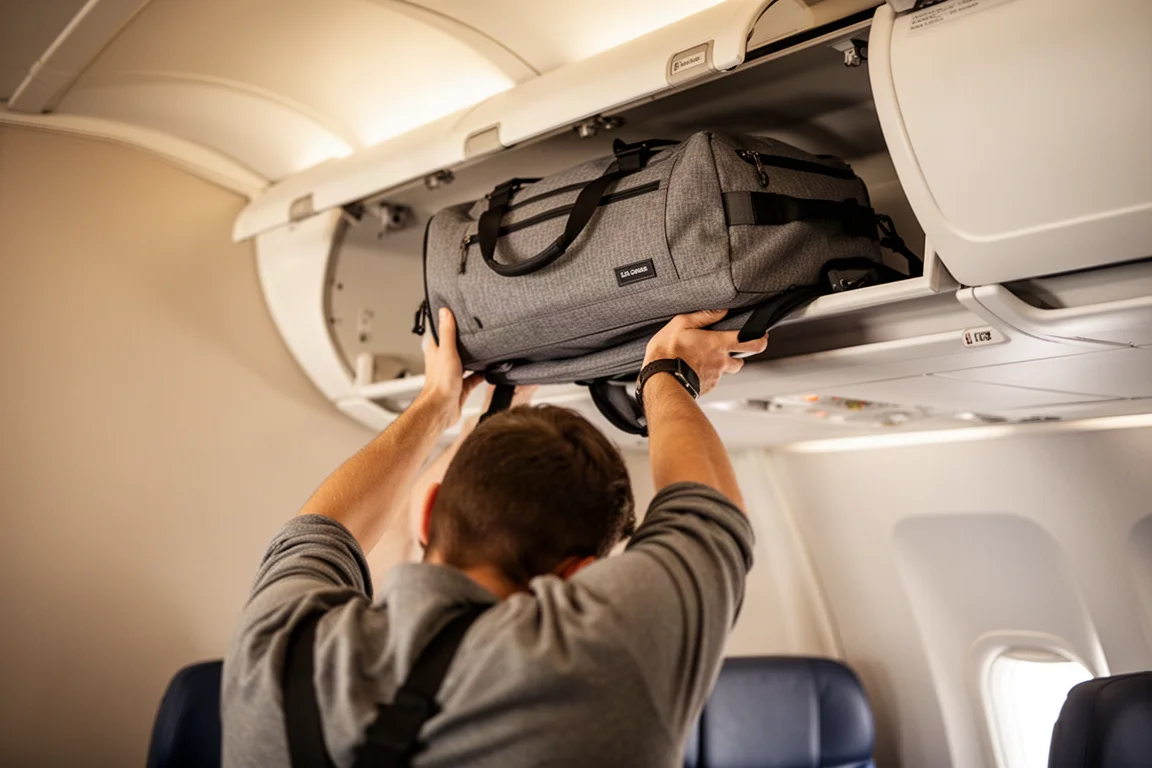
One thing to keep in mind for air travel: the dimensions on both bags are a little large to work as a personal item. You might squeeze them under an airline seat, but they’re really much better suited as carry-ons for the overhead bin. If you specifically want a smaller personal-item-sized pack, the Ula Dragonfly is worth a look as a minimalist alternative.
Materials and Build Quality
This is where the two packs genuinely diverge. Patagonia is well known for making great gear, and the Mini MLC backs that reputation up with a thinner 300-denier ripstop fabric with a TPU laminate. The material is very durable and virtually waterproof, though the bag as a whole isn’t waterproof because the seams aren’t sealed and the zippers will let in water in heavy rain. Hardware is excellent too: larger YKK zippers and higher-quality Duraflex nylon buckles and adjusters. That quality is a big part of why this bag costs more than double the Navigator.
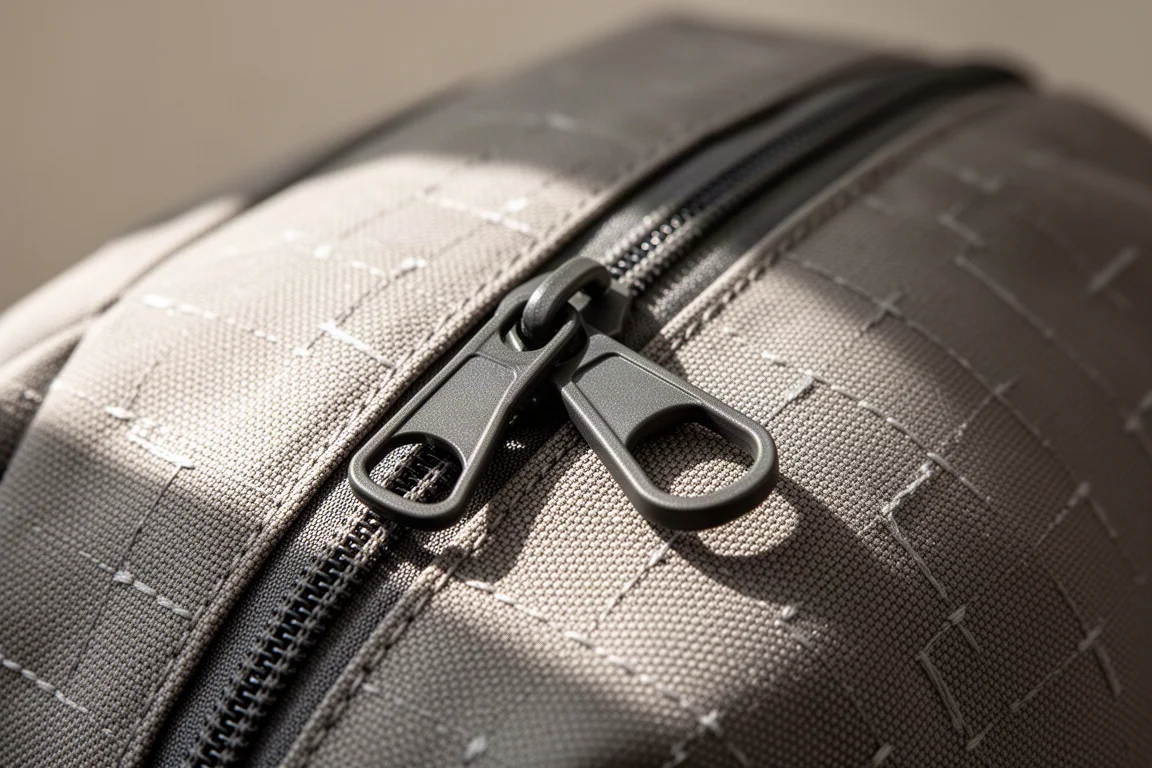
The tomtoc Navigator is also well made for the money. It uses good-quality YKK zippers but pairs them with off-brand, though still decent-quality, nylon hardware. The fabric is a medium-weight polyester with a large weave pattern that resembles fabrics used for air backpacks, just slightly thinner. It’s a budget-conscious build that holds up well; it simply isn’t on the same level as the Patagonia.
External Features Compared
The main compartment orientation is the most visible difference. The Mini MLC opens from the top and folds down, while the Navigator opens from the side like a traditional duffel. Beyond that, the feature sets are remarkably similar: both have side water bottle pockets, an external laptop compartment, and a top slash pocket.
There are a few distinctions worth noting. The Navigator adds an extra front pocket, a side-access pocket that takes up a good chunk of the front panel but is very thin, making it best for small flat gear you want to grab quickly. The Mini MLC’s top pocket is noticeably larger than the Navigator’s, though the Navigator’s is still plenty big enough for sunglasses, charge cords, and cables.
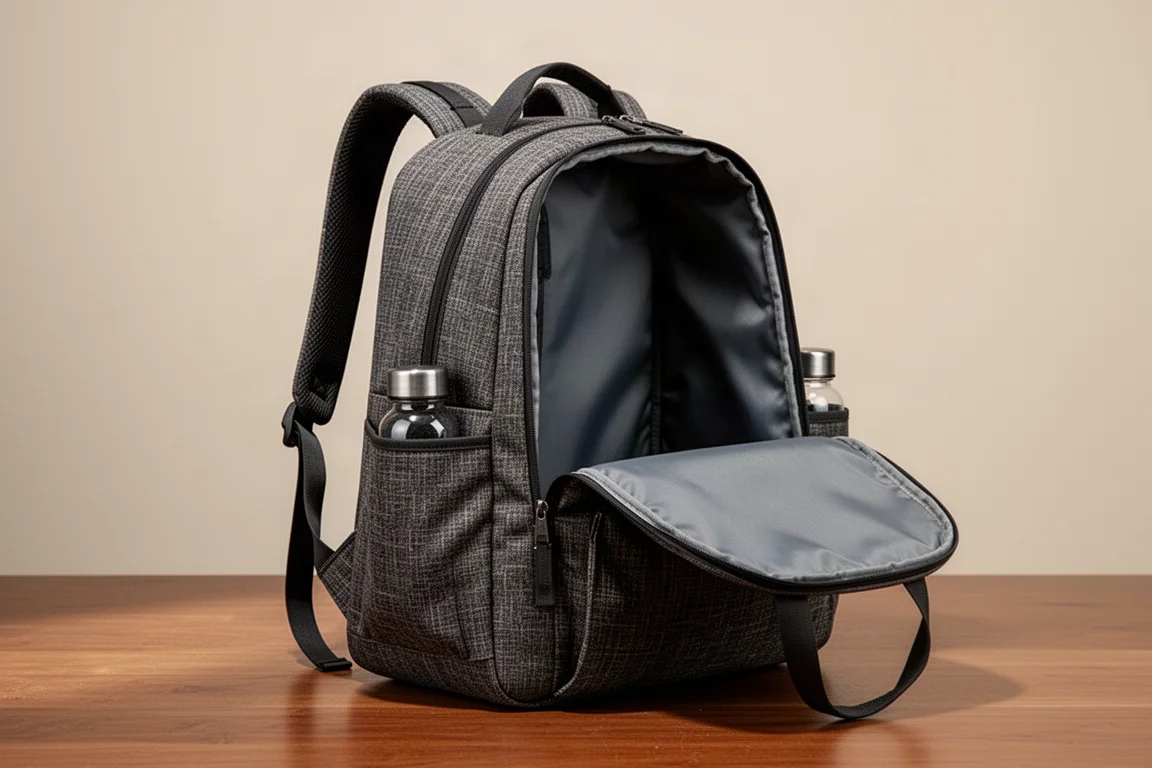
Both bags handle bottles well. The Mini MLC has one deep, stretchy pocket that swallows a 1-liter bottle completely. The Navigator has two pockets in a lay-flat design with side expansion; a 1-liter bottle fits on one side, though it sits a bit tighter and sticks out slightly. The Navigator also gets a side compression strap that can cinch down the top of a bottle.
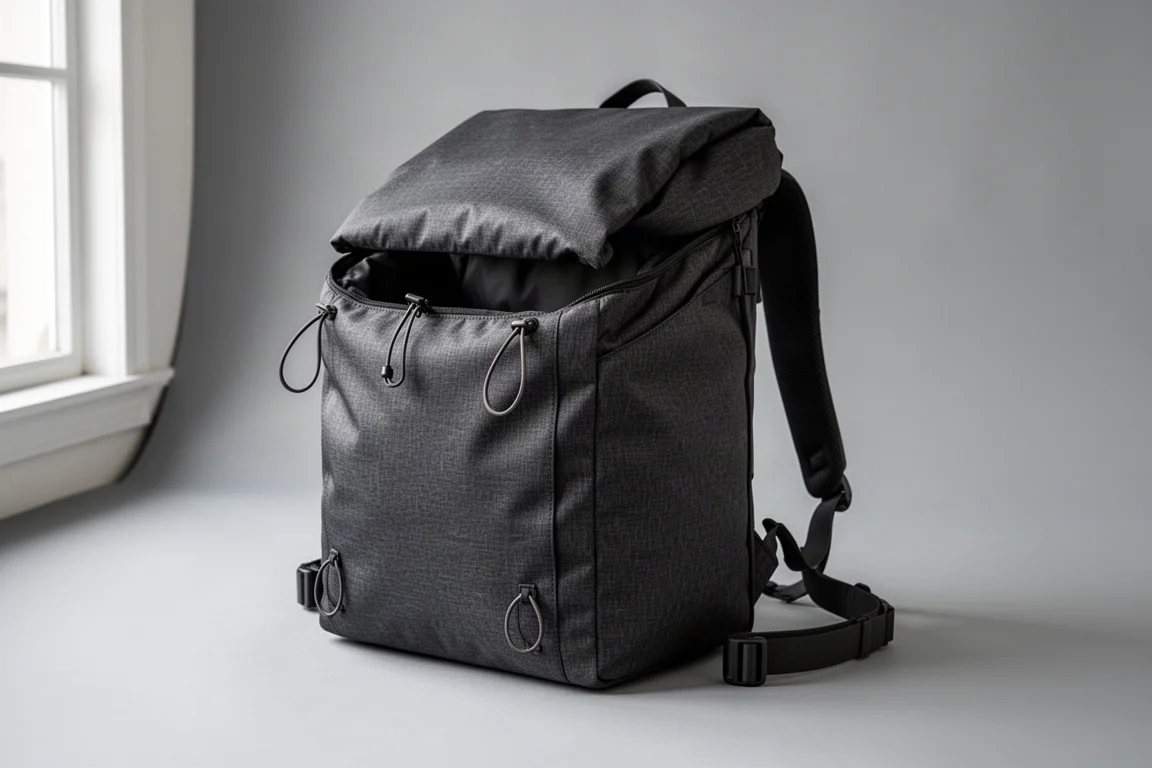
On the Mini MLC, compression straps do double duty: unzip them and they become gear straps for attaching something long, or a towel or jacket, to the side of the bag. It also has gear loops and daisy chains; the top daisy chains pair nicely with the bottle pockets for securing tall gear like a tripod, and the four loops on the front corners work well with cordage for strapping a jacket to the front. With the included elastic shock cord and toggle, you can even double the cord up and use it as a clothesline on the road.
Laptop Compartments
Both bags place the laptop compartment on the back panel with a full-opening, lay-flat zipper design, and both include two sleeves: a larger one for a laptop and a smaller one for a tablet. Padding is similar on both, thinner at the front and thick at the back, with a false bottom.
The difference is capacity. A 15.5-inch laptop fits the Mini MLC almost perfectly, and is also wide enough for the tablet sleeve. The Navigator is considerably larger, holding up to a 17-inch laptop with plenty of wiggle room, though that same laptop doesn’t fit its tablet sleeve.
Interior Organization and Packing
Inside, the Navigator is completely bare: no tie-down straps, no pockets, no dividers. Nothing gets in your way, adds weight, or eats space, which can genuinely be a good thing if you prefer packing with cubes or pouches. It does add one useful feature: a zipper access into the main compartment with small red pull tabs, letting you reach your gear without flipping the bag around.
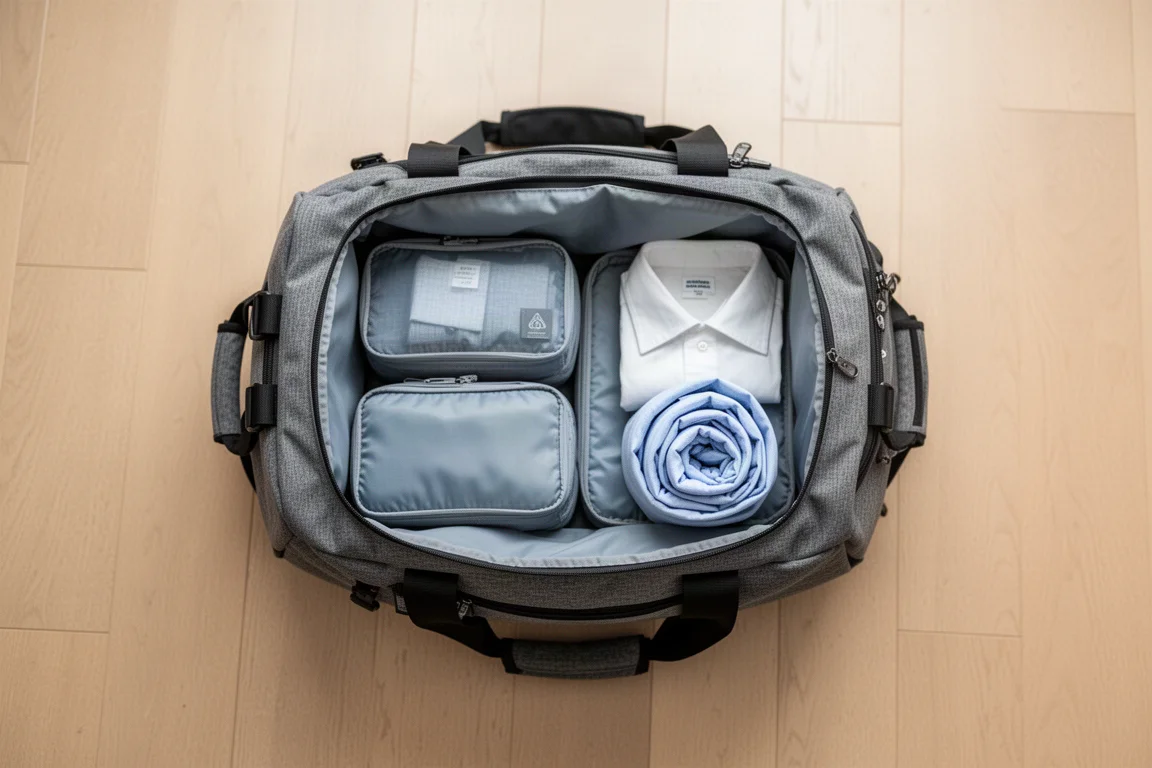
The Mini MLC offers more. A mesh divider keeps gear from shifting around, and the lid pockets add their own volume, sticking out from the lid so they don’t compete with the main compartment. The shape differs too: the Navigator is taller and tapers at the sides, while the Mini MLC is shorter, boxier, and more rectangular. Neither shape is better; it just depends on how you like to pack.
Carry System and Comfort
The carry systems are similar in style, with matching backpack straps and back padding, but the quality gap shows here again. The Navigator’s straps are quite a bit wider and more thickly padded, but the overall design is a very basic backpack style.
The Patagonia has nicer touches throughout: finished seams on the edges of the shoulder straps, better hardware, and back padding that’s the same thickness but feels more durable, higher quality, and softer. Stitching at the strap attachment points is especially telling, since that’s where most of the load pulls. Both bags use bar tack stitching, but the Navigator has it only on the inside of the straps with slightly thin stitching, while the Patagonia has three thick bar tacks covering the full strap length plus an added piece of webbing at the top for extra support.
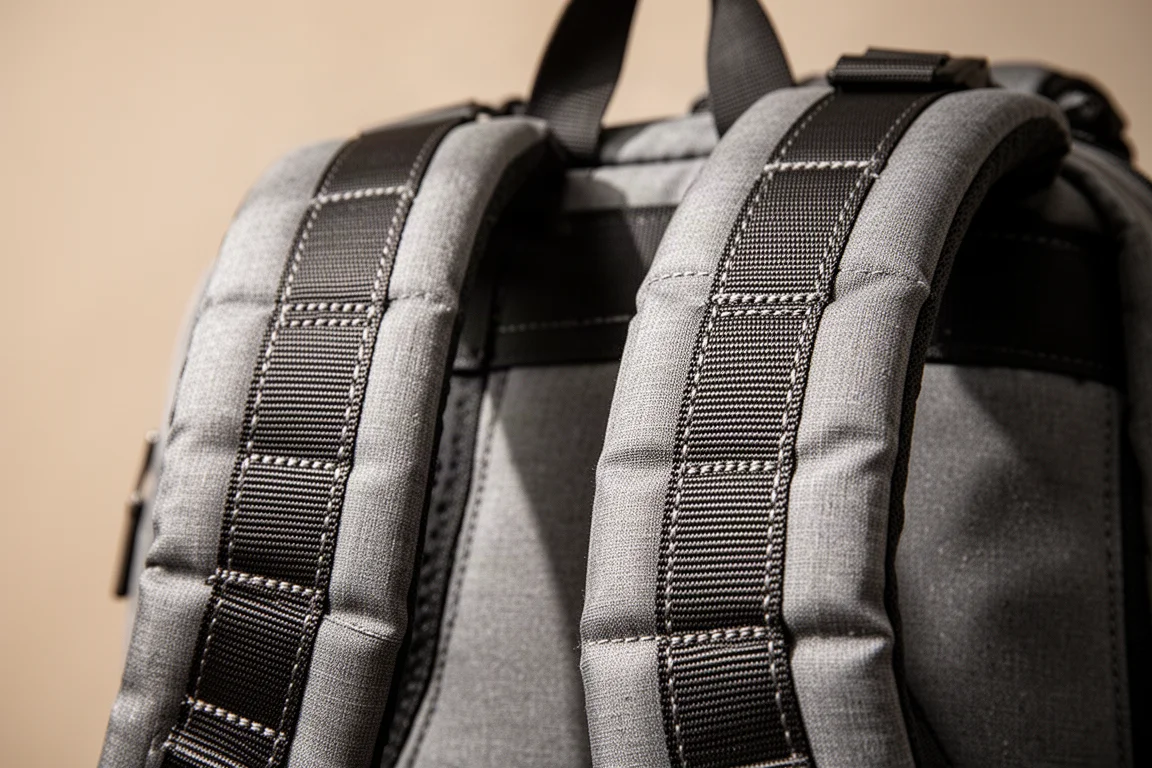
One standout feature on the Mini MLC is the convertible hip/shoulder strap. It works as a hip belt with velcro in the middle to hold it in place, and it pops out to work as a separate shoulder strap, converting the bag into a briefcase-style carry. The only complaint is that the strap runs a little short when fully extended.
Which One Should You Buy?
The tomtoc Navigator is appealing for its sheer simplicity: only two pockets on the outside, none on the inside, and maximum usable volume. It’s a budget backpack, fairly inexpensive, and does a good job offering solid quality for the price.
The Mini MLC is a slightly smaller, easier-to-manage bag at 30 liters, with better small-gear organization in the lid and back panel, ideal if you prefer putting gear in pockets rather than a tech pouch. It isn’t expensive by the standards of travel backpacks these days, and the quality improvements justify the cost, but it is more than double the price of the Navigator.
If you’d rather spend less and live with a simpler, roomier bag, the Navigator is the smarter buy. It’s well constructed, comfortably padded, and its bare-bones interior keeps things light and flexible.
Conclusion
Both of these are great travel backpacks with large, easy-to-pack main compartments and very similar feature sets, which makes choosing between them genuinely difficult. Pick the Patagonia Mini MLC 30 if premium materials, refined details, and built-in organization matter more to you than price. Pick the tomtoc Navigator 40 if you want maximum volume and simplicity at a budget-friendly cost. Either way, you’re getting a capable carry-on that’s built for real travel.
Further reading
Related Reviews
Travel Backpacks
Outdoor Vitals Dakota UL Review: One 45L Pack for Travel and Backpacking
A practical look at the Outdoor Vitals Dakota UL, a 45 liter pack that opens like luggage, carries a laptop, and converts for trail use with a removable frame and detachable hip belt.
Travel Backpacks
Outdoor Vitals Koda UL Review: One Bag From Terminal to Trail
A hybrid travel and backpacking pack with a sleek carry-on shape and a frame tuned for all-day comfort under a real multi-day load.
Travel Backpacks
Outdoor Vitals Kota UL Review: One Pack for Flights, Cars, and Backcountry Camps
A close look at the Outdoor Vitals Kota UL, a travel-first backpack designed to stay comfortable under backpacking loads and still slide into an overhead bin.