Gravel Bikes
Parlee Taos Review: A Mountain Bike Inspired Carbon Gravel Bike
A carbon gravel bike that borrows from mountain bike geometry, with a long reach, slack head angle and tall front end, plus the trade-offs to weigh before buying.
Introduction
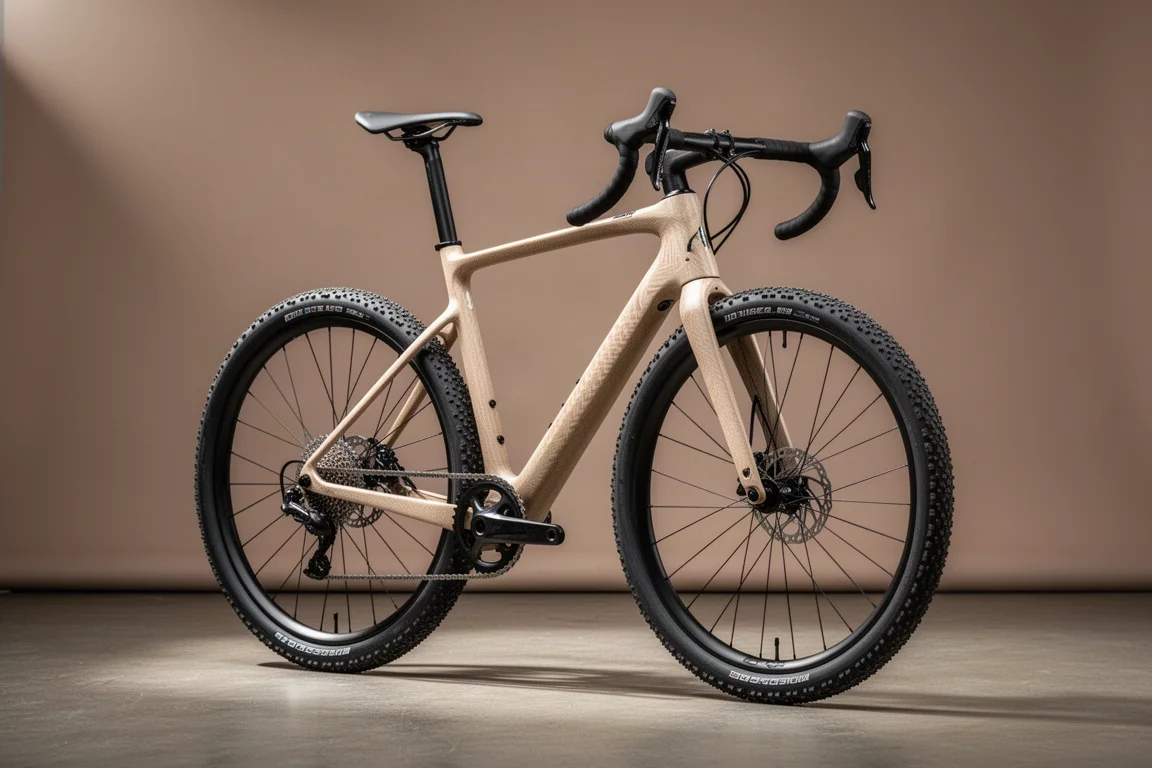
The Parlee Taos is a carbon gravel bike positioned at the progressive end of the category, a machine that takes as much from mountain bike design as it does from aero gravel. The compact front triangle and heavily sloping top tube give it the stance of a mountain bike with a drop bar bolted on, and the numbers follow through: a long reach, a slack head angle, a tall front end and a long wheelbase.
It is a clean break from Parlee’s earlier gravel model, which sat much closer to a road bike. The Taos shares nothing with that bike, from the frame to the geometry philosophy behind it. The result is a bike built around capability off road rather than around race numbers.
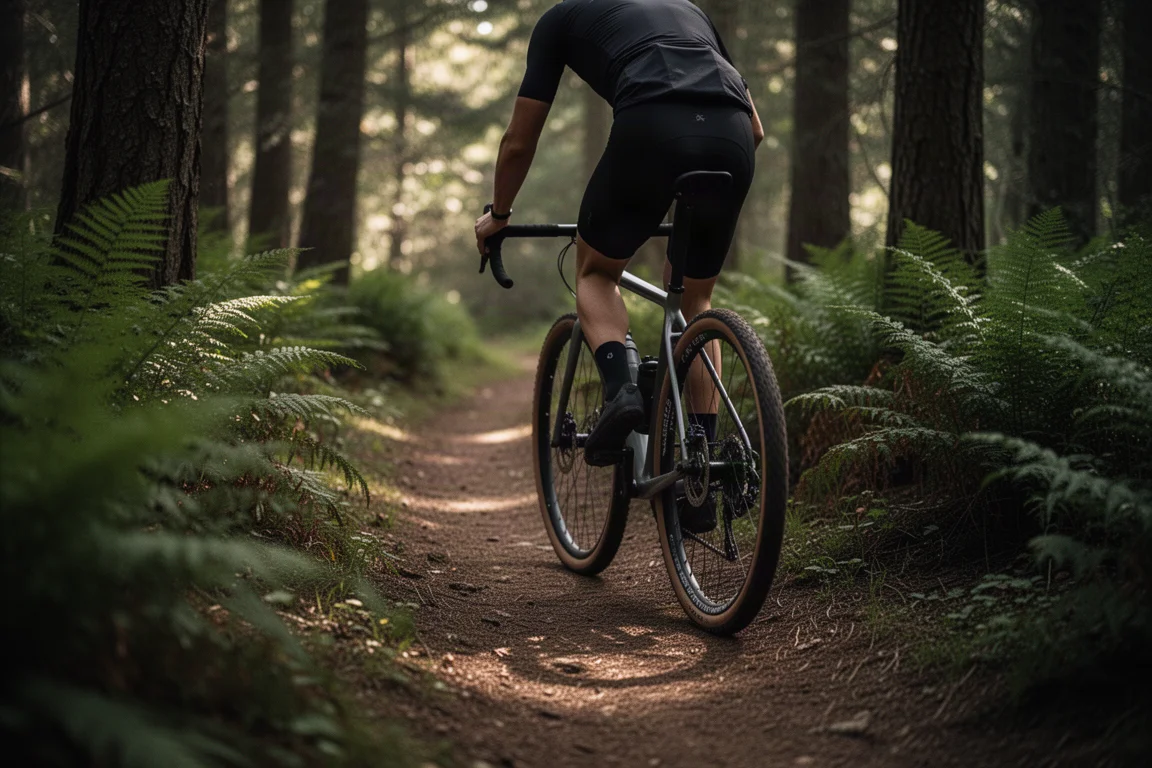
In practice, the Taos belongs in the same conversation as other mountain bike inspired gravel bikes, the sort of bikes with a head angle around 69.5 degrees rather than the 70 to 71 degrees typical of racier gravel machines. That single figure explains most of the ride character, because a slacker front end paired with a longer wheelbase and a higher front end changes how the bike behaves everywhere.
Who This Bike Is For
This is a bike for riders who treat gravel as adventure rather than as a race category. If your idea of a good day involves technical trails, long mixed routes, bikepacking and time spent having fun on rough surfaces, the Taos is designed around exactly that brief. It is not aimed at riders chasing the fastest possible average speed on smooth gravel roads.
It also suits riders who want the option of a suspension fork without wrecking the handling. The frame is designed from the outset to accept a suspension fork, so the geometry stays the same whether you run a rigid fork or a bouncy one. That is a genuinely unusual level of forward planning, and it keeps the door open for riders who want to push the bike further toward mountain bike territory.
Despite that focus, the Taos is not a one-trick machine. It remains a usable road bike, a capable gravel bike and a composed singletrack bike, which matters if your routes mix surfaces rather than committing to one.
Main Strengths
The headline strength is the geometry. The long reach is paired with a short stem and a wide, flared handlebar, which puts more weight higher and further back over the bike and gives noticeably more control when the trail gets twisty. The tall front end takes some adjustment coming from a racier gravel bike or a road bike, but once you are in the woods it makes sense, and it naturally encourages you to use the drops for extra control.
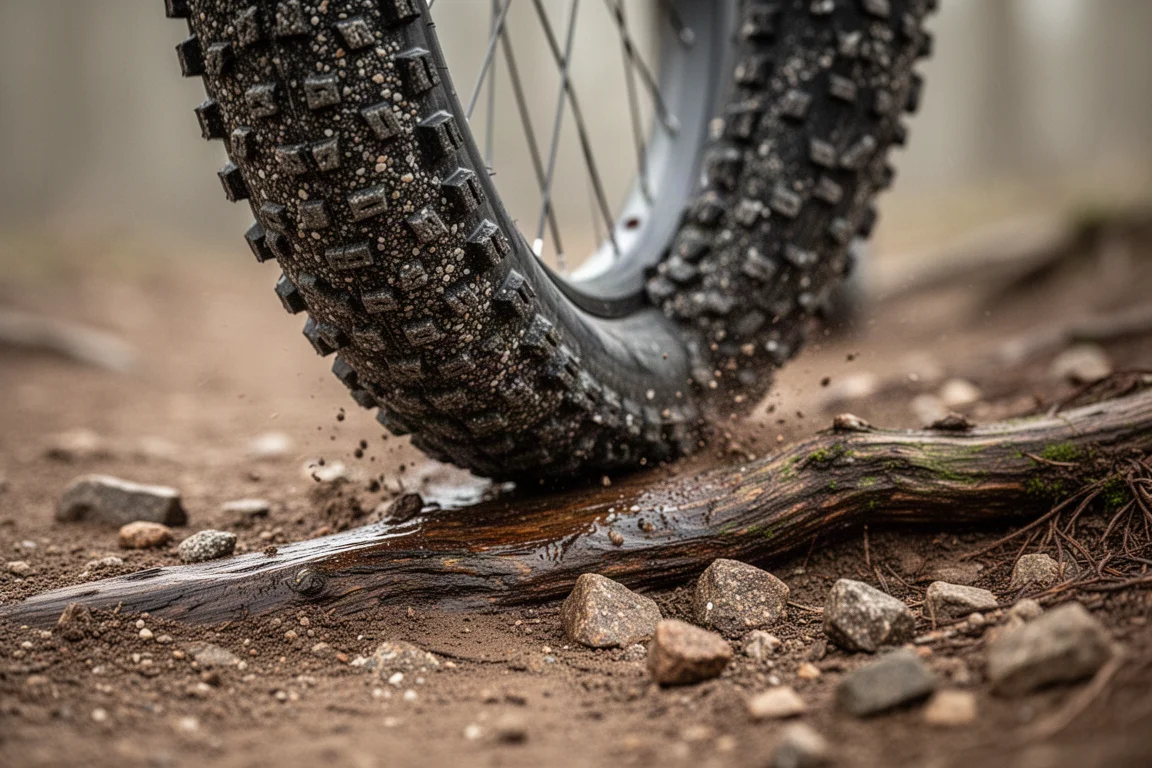
The frame itself is stiff, which shows up in how cleanly it drives power through corners. The Taos carries speed into a turn well, and that high front end puts you in a better position to deal with roots, rocks and whatever else appears in the trail ahead. Visibility is good, and the fit stays comfortable without feeling slammed at the front.
The long wheelbase adds another layer. It makes the bike calm and steadfast at high speed and on rough sections, which is exactly the trait you want from a bike with this much off-road intent. Riders who have spent time on slacker, adventure-focused gravel bikes will recognise the character immediately.
Frame Details and Build Notes
The frame is carbon fibre, and rather than being produced in Asia where most frames are made, it is made in Europe. That is a meaningful point of difference and likely accounts for part of the cost. The nude carbon finish leaves the layup fully on display, which is a deliberate choice: it shows off the workmanship, though raw carbon layout is not always visually tidy in every area of a frame, so the look may divide opinion. Paint options are available for riders who prefer a finished appearance.
Tire clearance is 50mm, which is broadly on trend for this style of bike. Routing is fully internal and compatible with the different systems on the market, and the frame is electronic groupset compatible only, with no mechanical option. There is a UDH dropout, which means the frame can accept SRAM’s newest Explore groupset and whatever Shimano has planned next.
Practical details are well considered. Down tube storage uses a button activated mechanism that works cleanly and stays quiet even with tools or snacks inside. There is down tube bash protection to guard the frame against rock strikes, a round seat post with an external seat clamp, dropper post compatibility, mounts on the top tube and an additional bottle mount lower down. A flip chip in the fork dropout adjusts fork offset and therefore trail, letting you tune the steering feel.
Ride Quality and Trail Handling
The most immediate impression is how high the front end sits compared with a typical gravel race bike. It feels tall at first and may take a few rides to get used to if you are coming from a racier setup. Off road, though, the position pays off, because you are standing taller over the bike with more room to move and more authority over the front wheel.
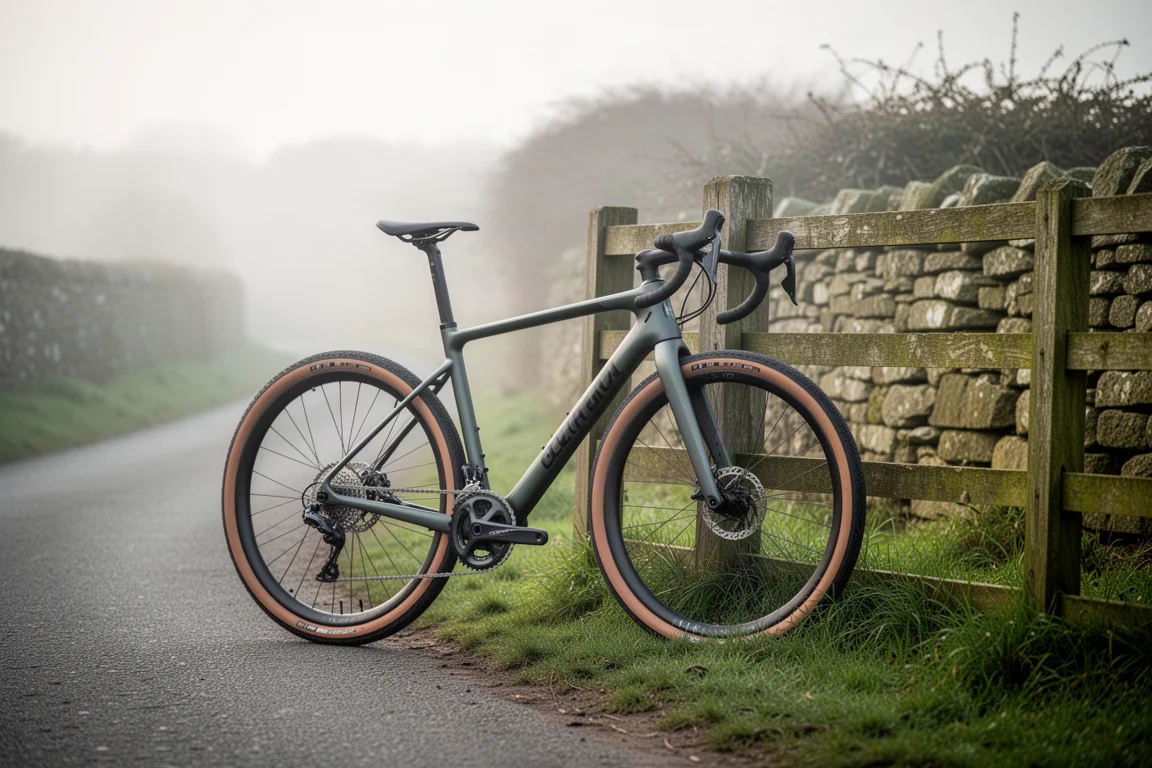
Comfort is good through the saddle and the back of the bike, but the front end is firmer than the rest. At speed over roots, the impact coming through the handlebar and fork is noticeably jarring, and the front of the bike is not as smooth as it could be. Running tires at very low pressure, around 25 PSI, helps, and a suspension fork would be the logical next step given the frame is already corrected for one. Whether that is the right move is a fair question, since at that point a mountain bike becomes a serious alternative.
Tires matter enormously here. The bike arrived with 40mm rubber, which is fine on smooth trails and road but holds back the capability the geometry offers, both in comfort and traction. Switching to 47mm tires, which measured 50mm on these rims, transformed the ride: more comfort, a smoother feel over rough ground and more grip when pushing down a fun singletrack descent. It is a reminder of how much a tire choice shapes a bike like this, and a spec of at least 45mm would give the Taos the rubber it deserves from the outset.
On the road, the Taos holds up well. Even with the big tires fitted it rolls along nicely, delivers excellent comfort on poor road surfaces and offers a relaxed fit similar to an endurance road bike, with a good gear range from the Shimano GRX drivetrain. Drop to a smaller, slicker tire and it becomes quicker still. The flip chip and fork dropout adjustment let you fine tune the steering for the surface you ride most.
Things to Consider Before Buying
The price is the first consideration. The top build retails for around £10,000 in the UK, which is a substantial outlay, though it sits in line with other high-end carbon gravel bikes. Lower priced models exist, and you can buy a frameset and build your own, which is worth weighing up given that the frame is made in Europe rather than in Asia.
There is no mudguard or fender mount, which is a genuine versatility gap for a bike intended for year-round adventure riding. The frame is also electronic groupset compatible only, so mechanical groupsets are off the table entirely.
Sizing deserves care. Because the reach is long and the bike is designed around a short stem and wide bar, the reach figure on the sizing chart can be misleading when read in isolation. Look at reach and stem length together before deciding on a size, and do not assume you need the same reach number as your current gravel bike.
The fork also looks unusual, with a visible gap between the tire and the fork crown. That space exists because the fork is longer from axle to crown to accommodate a suspension fork, so it is a functional detail rather than a styling choice. Finally, consider whether a suspension fork is really what you want. Fitting one pushes the Taos close to mountain bike territory, and for very technical trails a mountain bike may simply be the better answer.
Buying Advice
The Taos makes most sense if your riding leans toward adventure, bikepacking and technical trails rather than race-paced gravel. If you race, or if your gravel is mostly smooth and fast, a racier gravel bike with a steeper head angle and lower front end will likely suit you better. If you want a bike that stays calm and composed on rough, twisty terrain, the geometry here is doing exactly the job it was designed for.

Tires are the single easiest place to get more from the bike. Budget for a wide, fast-rolling gravel tire at 45mm or more and run it at low pressure, because that is where much of the comfort, traction and capability comes from. If you plan to ride very technical ground, weigh a suspension fork against simply buying a mountain bike, since both paths lead somewhere similar.
On sizing, work with reach and stem length as a pair rather than looking at reach alone, and take advantage of the flip chip to adjust steering feel for the surfaces you ride most. If the complete build price feels steep, the frameset route lets you choose your own groupset, wheels and cockpit, and it is a sensible option for anyone who already knows the fit they want.
Conclusion
The Parlee Taos is a well resolved example of the mountain bike inspired gravel bike. It pairs a European-made carbon frame and a raw, honest finish with genuinely capable geometry, useful down tube storage, wide tire clearance, suspension fork readiness and a composed, confident ride on rough and twisty terrain. Riders who value adventure over race pace will find a lot to like.
The trade-offs are clear rather than hidden. It is expensive, it has no fender mounts, it is electronic groupset only, and the front end transmits more impact than the rear. Those are real considerations, not deal breakers. If the riding you actually do involves rough trails, mixed surfaces and long days out, the Taos is a bike worth serious consideration.
Product link
View more details for Parlee Taos
This product is mentioned in the review. Check the specifications, options, and compatibility before buying.
View more details for Parlee TaosFurther reading
Related Reviews
Gravel Bikes
3T Exploro Ultra Review: A Fast Gravel Bike Built for Big Tyres
A close look at the 3T Exploro Ultra, an aero carbon gravel bike designed around wide tyres, with road-like handling, a 980 g frame and genuine rough-terrain capability.
Gravel Bikes
3T Extrema Italia Review: Aero Gravel Speed With Room for 57 mm Tires
The 3T Extrema Italia pairs an aero frame with huge tire clearance, Italian-made carbon and a more comfortable ride than the RaceMax. Here is what to know before buying.
Gravel Bikes
3T Race Max 2 Italia Review: An Aero Gravel Race Bike Made in Italy
A closer look at the second-generation 3T Race Max 2 Italia, covering its aero updates, ride character, tire clearance, internal storage and who it suits.