Kitchen Knives
Parker Asahi Synthetic Rubber Wa Handles: A Fresh Take on Japanese Knife Handles
These lightweight laser-engraved synthetic rubber wa handles bring the qualities of Parker Asahi cutting boards to Japanese knife handles, with a few fit considerations to know first.
Introduction
Most people know Parker Asahi for its synthetic rubber cutting boards, which have earned a strong reputation among professional and home cooks alike. Far fewer have seen the company’s synthetic rubber wa handles for Japanese knives, and that is exactly what makes them worth a closer look.
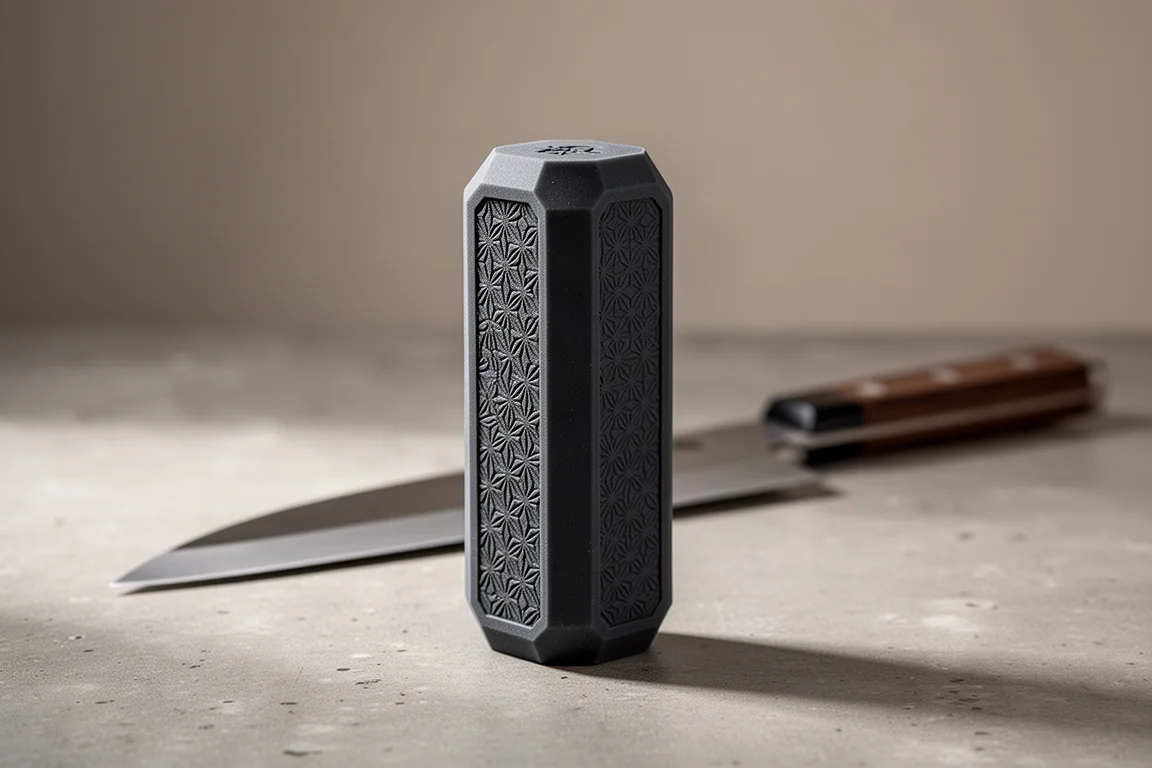
These handles arrive as a new take on a familiar material: the same premium synthetic rubber used in the boards, shaped into a traditional octagonal Japanese handle form, with laser engraving that sets them visually apart from the cutting boards they are known for.
Who These Handles Are For
The clearest audience is professional chefs and restaurant kitchens, where the material’s practical qualities genuinely matter: it is antimicrobial, easy to wash, and tolerant of a scrub with the rough side of a sponge. Home cooks who simply like the look of something different on their knife also fit the bill.
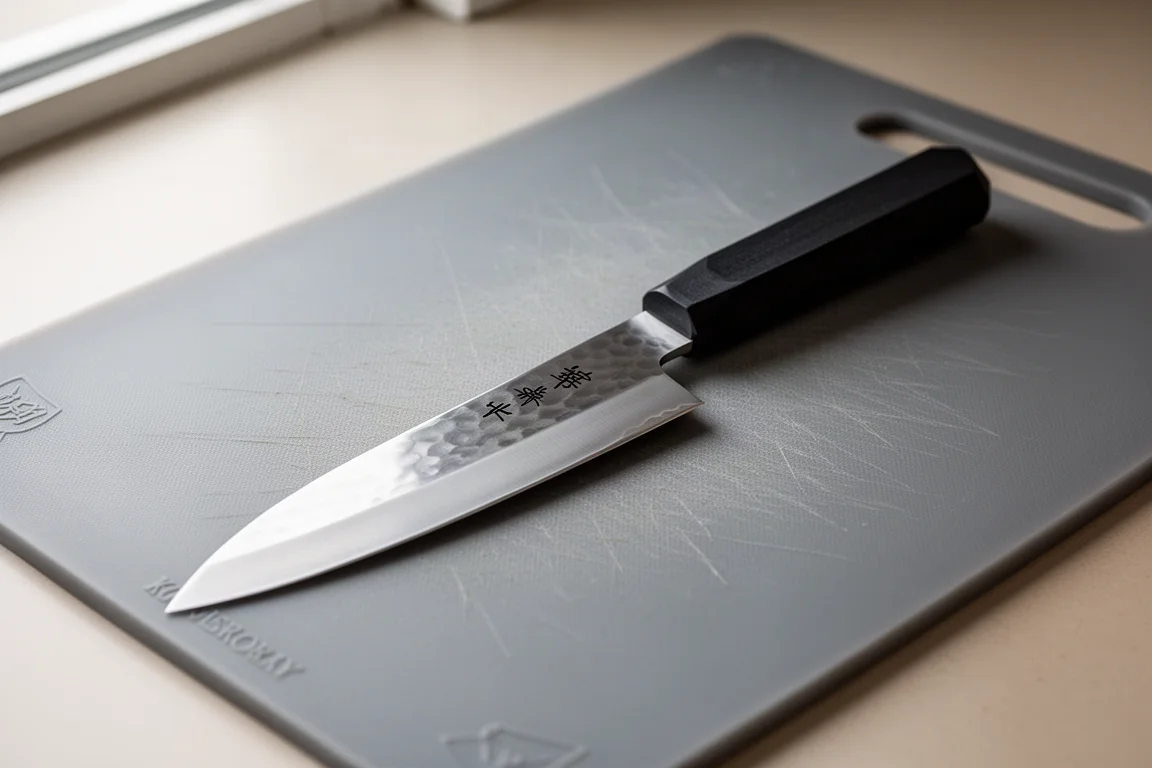
The handles were initially produced in one length with two laser engraving designs. That single length suits longer knives well but is a bit much for anything under roughly 210 to 220 mm blade length. Feedback on that point has already been acted on: two handle sizes are planned, one for knives of about 220 mm and above, and a shorter option for smaller gyuto and petty knives.
Things to Consider Before Buying
The biggest early caveat was fit. The tang entry points on the first samples were narrow, and enlarging the tang hole yourself is not a task to take lightly. Drilling slowly and carefully for short daily sessions, it only takes one moment of lost patience to go straight through the handle.
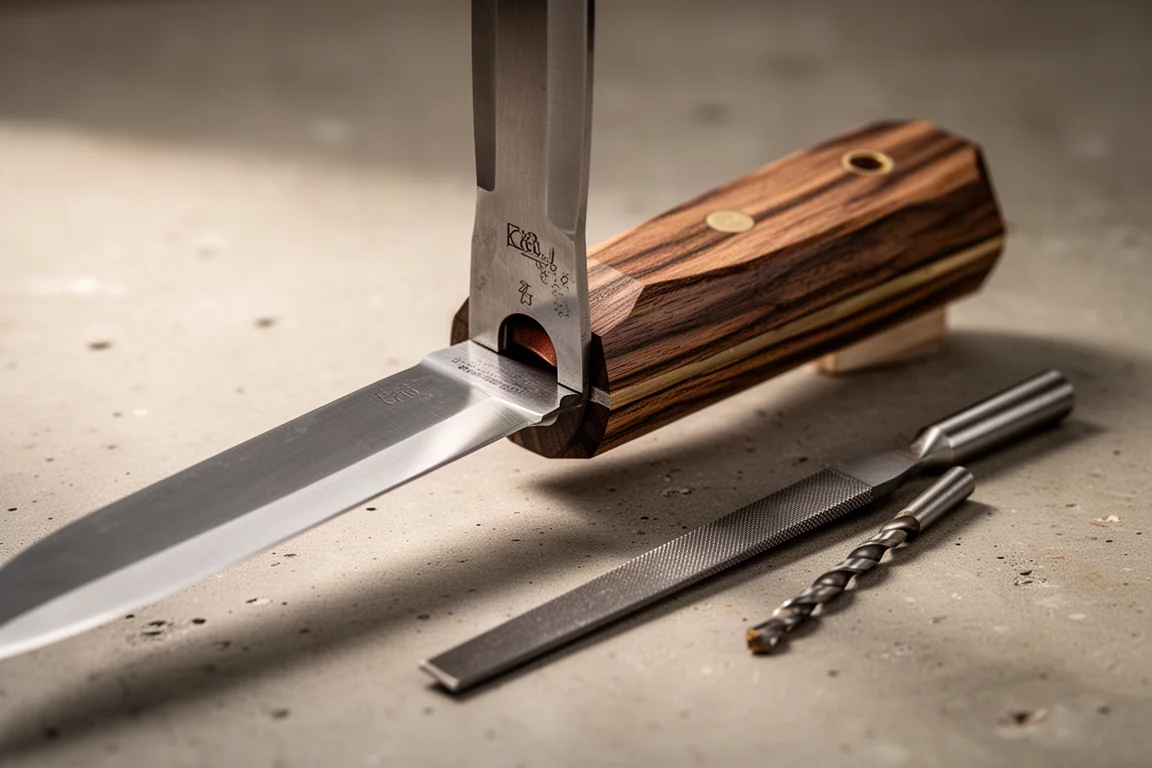
The good news is that this feedback has been heard. Production has moved to a different manufacturer, fit and finish has improved, and tang holes are now made larger. Custom orders also appear to be possible: if you know your tang’s length, depth, and width, the handle can reportedly be made so the knife simply slips in on arrival. Anyone interested is best off reaching out directly to Bunai Boys Trading through Instagram or their website.
In-Hand Performance
The test knife here was a Tetsujin Kurouchi Kasumi 240 mm gyuto in blue steel number two over an iron cladding, a fully carbon blade that patinas beautifully. A longer handle suits a knife of this size far better than anything shorter, so it made a natural pairing.
The surprise came in use. The handle is very light, and the initial skepticism was whether something that light could properly balance a long blade. In practice, the length offsets the balance in a way that makes the knife feel almost effortless, an extension of the hand rather than an object in it. Even with slightly wet hands, the grip stayed comfortable.
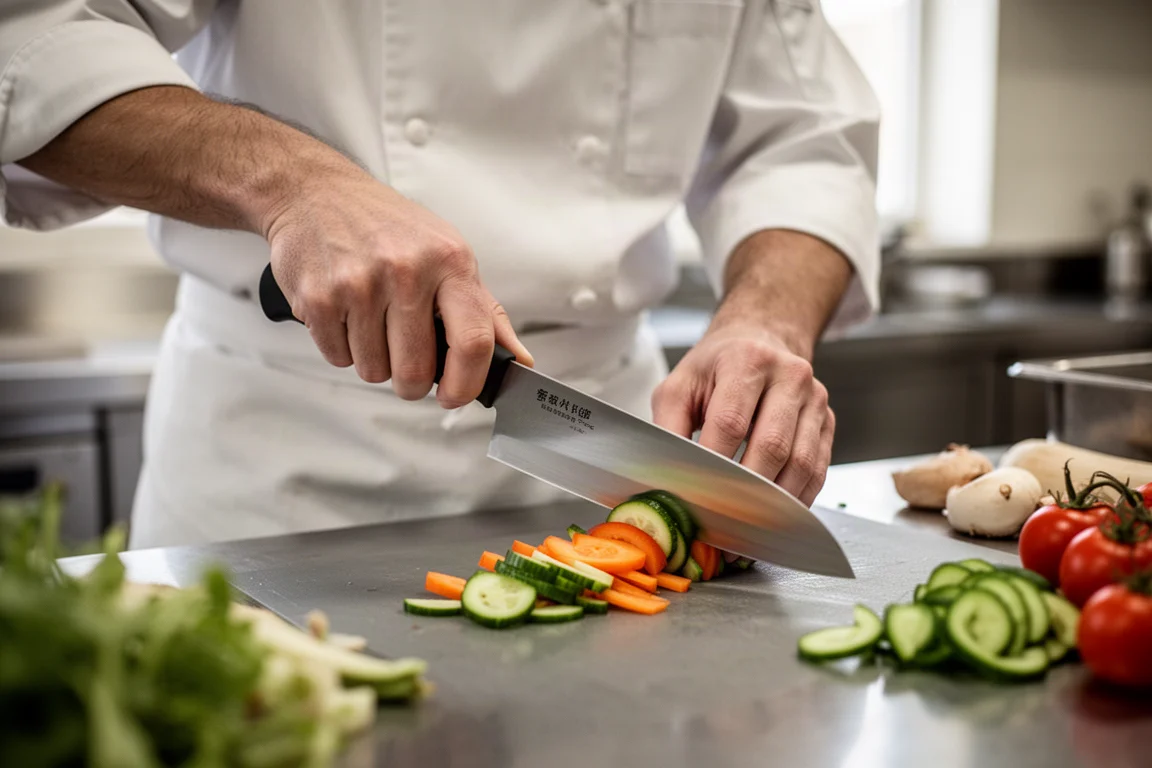
The material carries over the same qualities as the boards: it is antimicrobial, washes easily, and stands up to cleaning with the rough side of a sponge. The laser engraving survived a deliberate scrub test, which is reassuring for anyone planning to put these through real kitchen work.
Design and Engraving
The two laser-engraved patterns were applied to the two flat left and right facets of the handle rather than wrapping around the whole body. Working on flat surfaces gives the laser the best results, and the restriction to two facets keeps the look elegant rather than busy.
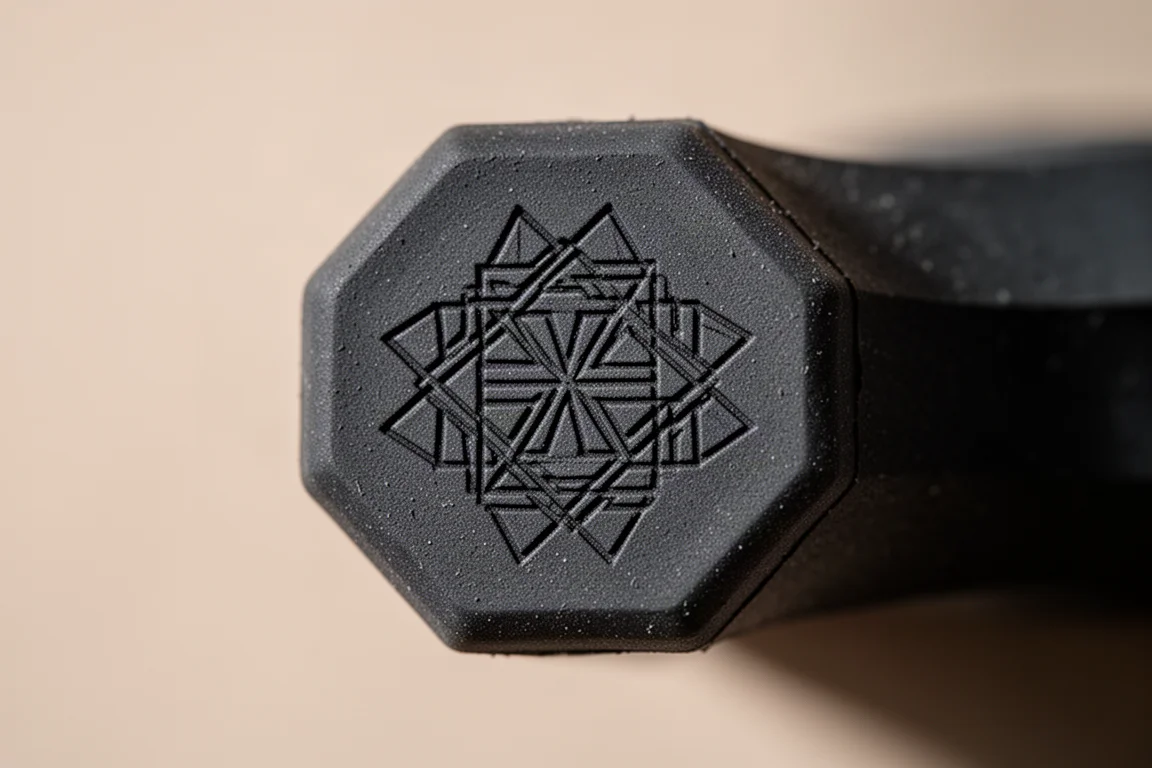
Placed on a Parker Asahi cutting board, the handle holds its own visually rather than blending in, largely because of that engraving. It is arguably the smartest design decision here: making the handle look distinct from the boards it shares a material with. If the product grows, there is even room for community involvement, such as voting on the next batch of engraving patterns.
Buying Advice
If you are drawn to these handles, do not fit the tang yourself. Contact the seller with your knife’s tang measurements, or wait for the improved production run with larger tang holes and the two available sizes. Match the longer handle to knives of roughly 240 mm and above; the smaller forthcoming size will suit shorter gyuto and petty knives.
Conclusion
Parker Asahi’s synthetic rubber wa handles are an unusual but genuinely appealing option: light, comfortable even with wet hands, hygienic, easy to clean, and finished with tasteful laser engraving that sets them apart. Early fit issues around tang hole sizing have been addressed, and with two handle sizes on the way, they are a solid choice for professional chefs and home cooks alike who want something a little different on their Japanese knife.
Product link
View more details for Parker Asahi Synthetic Rubber Wa Handles
This product is mentioned in the review. Check the specifications, options, and compatibility before buying.
View more details for Parker Asahi Synthetic Rubber Wa HandlesFurther reading
Related Reviews

Kitchen Knives
Best Chef's Knives 2026: 27 Popular Options Tested and Ranked
A comprehensive review of 27 chef's knives ranging from $18 to $380, with honest assessments of handle comfort, blade balance, and real-world performance.

Kitchen Knives
Best Chef's Knives Under $75: Two Tested Recommendations
Two practical 8-inch chef's knives that balance sharpness, comfort, and durability without premium pricing.

Kitchen Knives
Best Chef's Knives 2026: 27 Options Tested and Ranked
A comprehensive review of 27 chef's knives ranging from $18 to $380, with honest assessments of handle design, balance, blade profile, and real-world performance.