Earbuds
PaMu Z1 vs Jabra Elite 85t: Which Earbuds Are Worth Your Money?
An affordable active noise canceling contender goes up against a premium favorite to see where the extra money actually goes.
Introduction
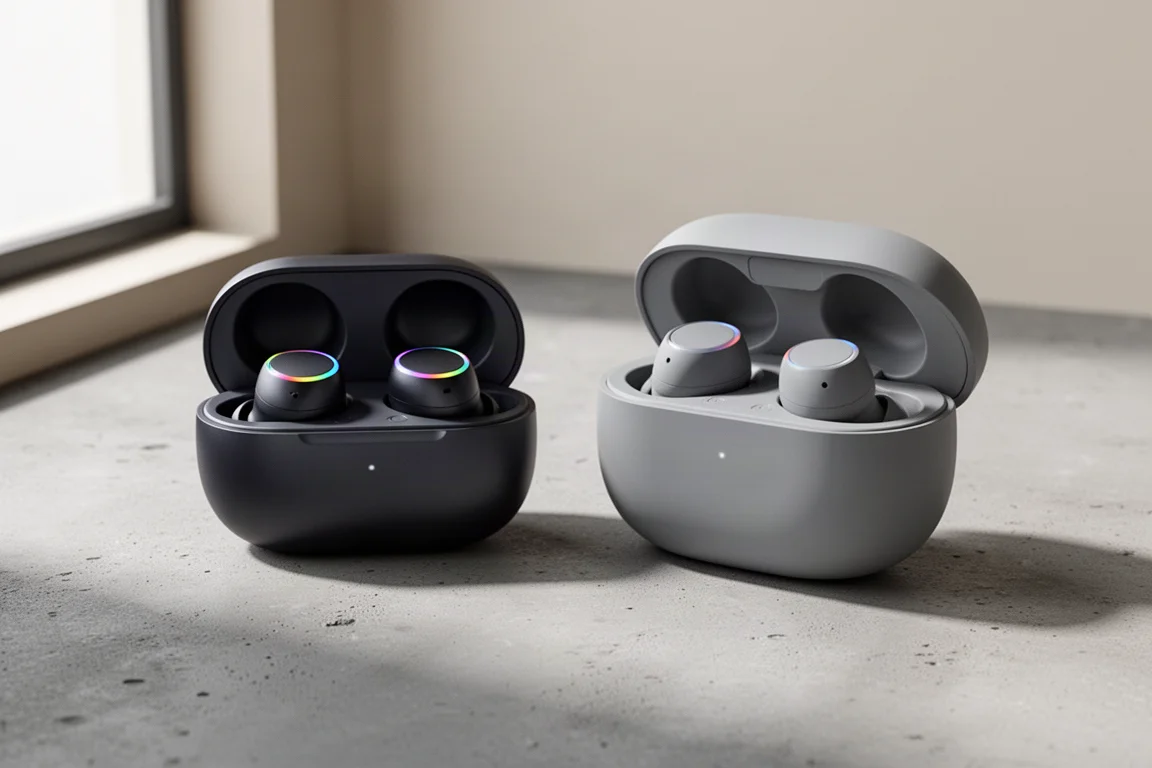
Active noise canceling earbuds usually come with a predictable rule attached: you get what you pay for. The PaMu Z1 tries to break that rule with an aggressive price point, while the Jabra Elite 85t represents the kind of premium experience that sets the benchmark for the category. After extended testing with both, the differences are more interesting than a simple “expensive is better” verdict.
What to Look For in Everyday Noise Canceling Earbuds
True active noise canceling matters here. Plenty of budget listings use the phrase loosely, when what they really offer is a tight physical seal that passively blocks sound. Genuine ANC uses microphones and processing to counteract the noise around you, and that technology has real costs.
For runners and commuters, mode selection is just as important. A transparency mode that pipes ambient sound through the built-in microphones lets you hear traffic, passing cyclists, and people around you while your music keeps playing. Add water resistance, battery life, and usable call quality, and you have the full checklist for a pair of everyday earbuds.

PaMu Z1: The Affordable All-Rounder
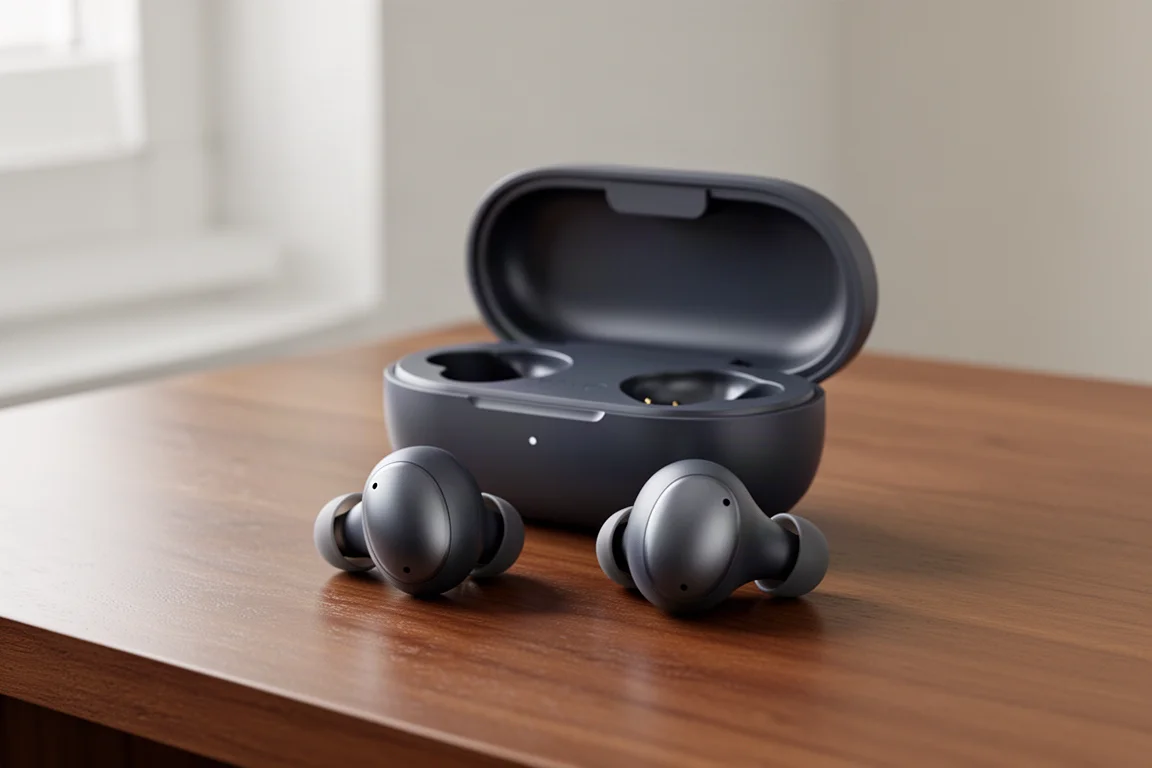
The PaMu Z1 delivers true active noise canceling with three listening modes: full ANC, a transparency mode, and a plain passive mode with no processing. It carries an IPX4 rating, which resists splashes and held up fine through weeks of sweaty workouts, though a higher rating would inspire more confidence for dedicated sports use.
Battery life is the standout spec. PaMu claims 6.5 hours per charge and around 24 hours total with the case, and real-world use backs that up. After a 20-mile run, only about a third of the battery was gone, and a full week of training passed without needing to recharge the case. Charging is handled over USB or wirelessly, with a small light that confirms when the earbuds are docked, though it runs a bit brighter than necessary.
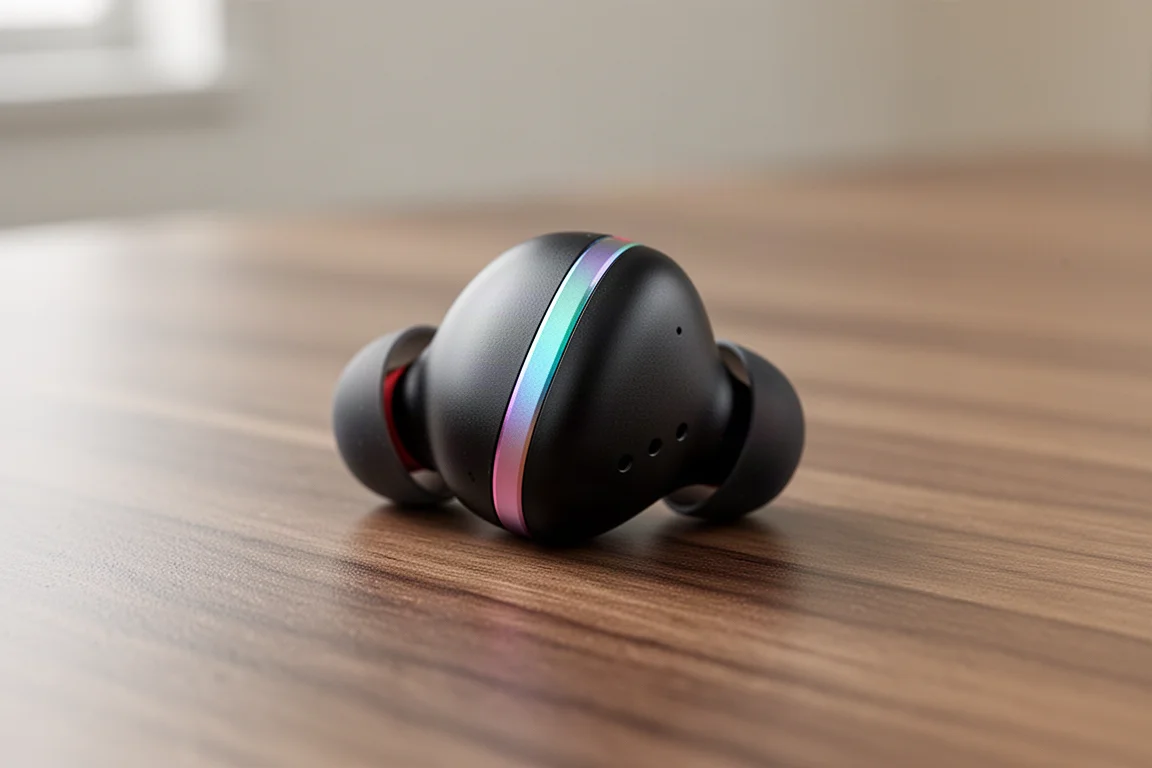
The companion app adds tap customization and equalizer presets like pop, jazz, classical, and rock, plus firmware updates. Swappable color bands around each earbud body add a playful touch of personalization.
Sound quality is where things get surprising. Against the Jabra Elite 85t, the Z1 holds its own remarkably well. The bass foundation is noticeably shallower and less enveloping than the Jabra’s, but the treble and high ambient detail are actually better, reproducing crowd murmur and background texture with a clarity that sometimes fooled the listener into checking for real-world sounds nearby.
The compromises show up in day-to-day handling. Tap controls rarely registered on the first try, often taking five or six attempts, which made them nearly useless mid-run. Transparency mode handles ambient sounds well enough for safety but struggles with human conversation, making it harder to chat with running partners. Call quality over a walk-and-talk test is serviceable, though it trails the Jabra.
Jabra Elite 85t: The Premium Benchmark
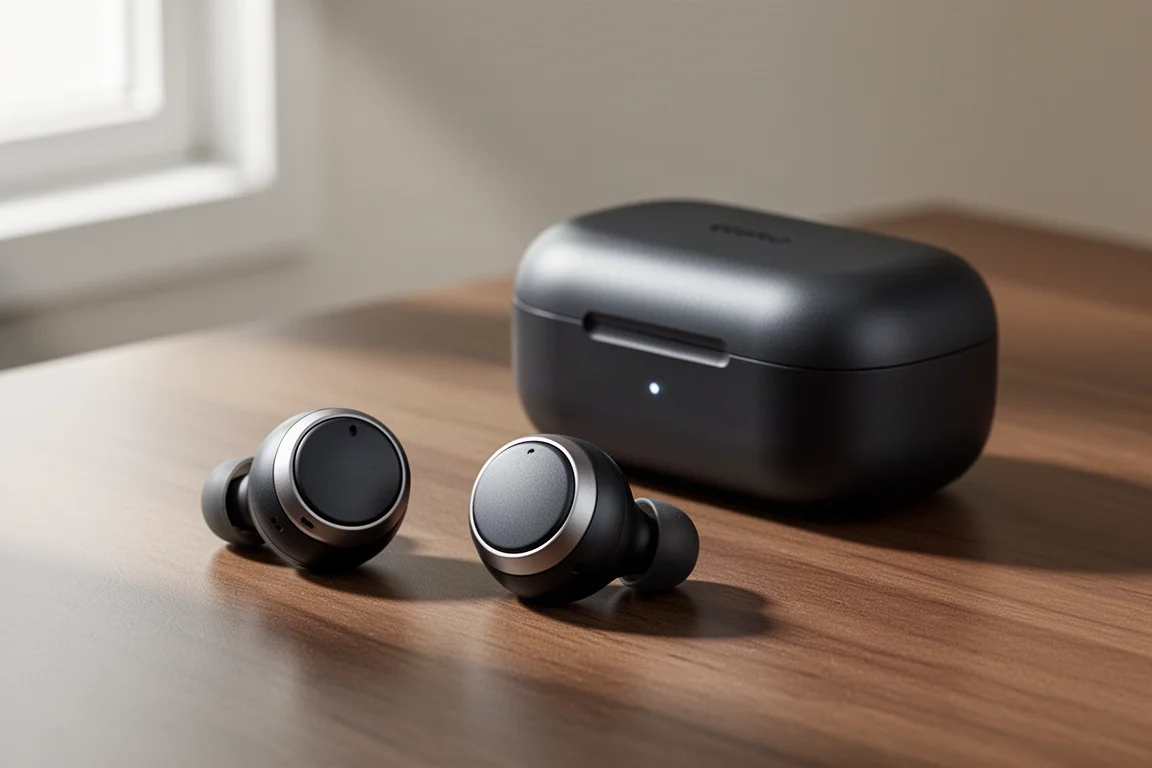
The Jabra Elite 85t is the earbuds that the Z1 was measured against, and it costs roughly four times as much. That price buys a deeper, fuller bass response that forms a stronger foundation for the entire sound stage, giving music a more enveloping quality the Z1 cannot quite match.
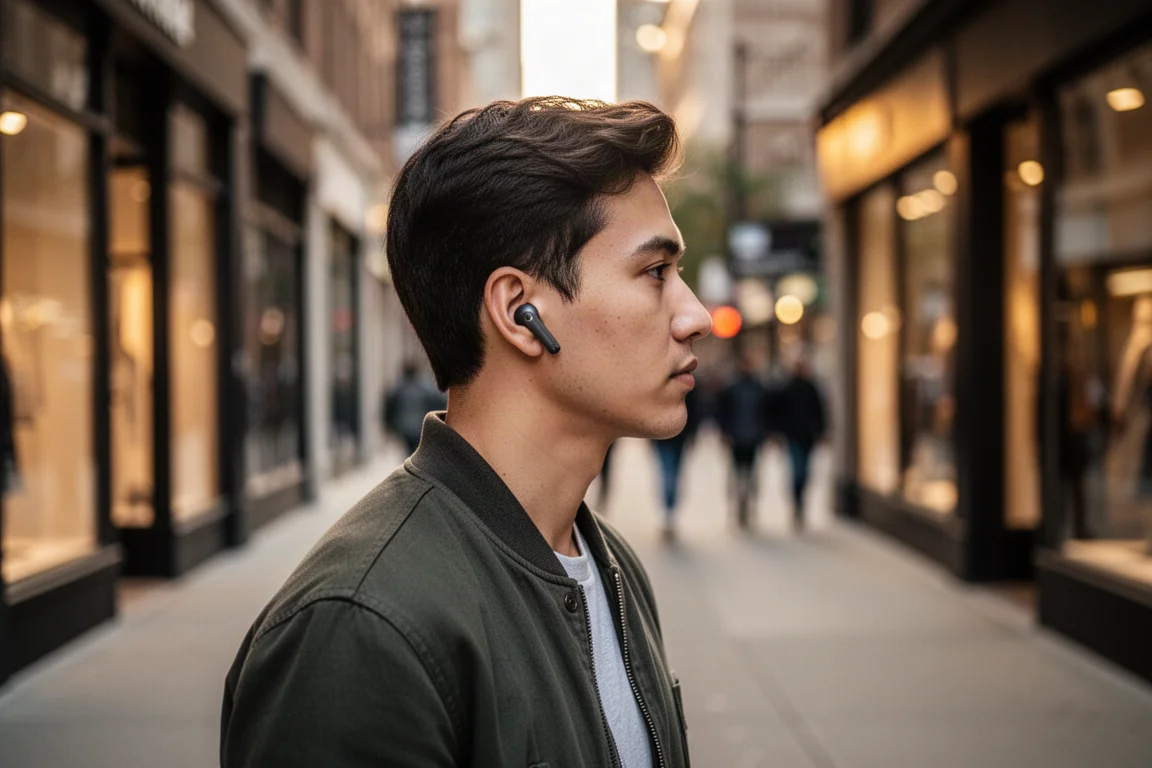
Transparency and conversation handling are also more polished, and call quality is clearly a tier above, with a cleaner, more natural voice pickup in outdoor testing on the same street.
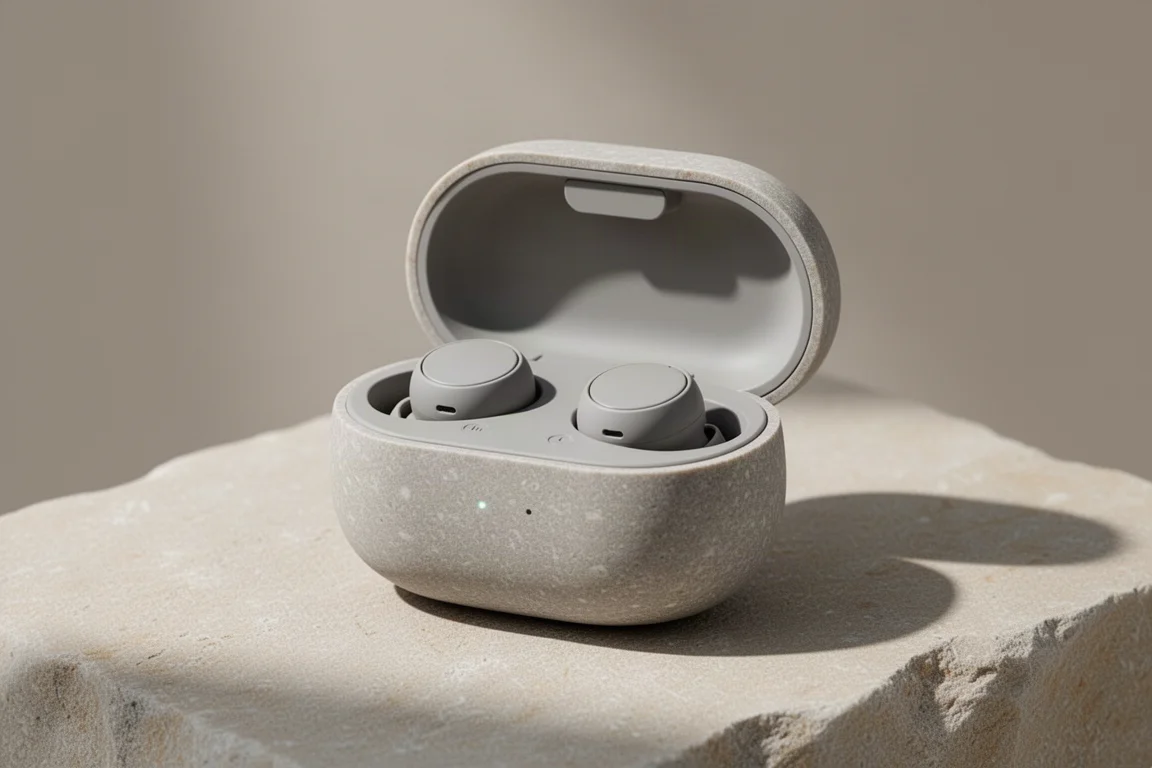
What the Jabra does not win is everything. In the treble and high-frequency ambient detail, the Z1 actually reproduces those elements with more clarity, and the Jabra sometimes rendered the same background textures faintly or not at all. It is the better all-around product, but not a clean sweep.
Buying Advice: Where Should Your Money Go?
If your budget sits under $60, the PaMu Z1 is an easy recommendation. Among active noise canceling earbuds in the $50 to $100 range tested over time, it is clearly the strongest on sound quality, and its ANC and transparency modes do a genuinely good job at this price. Just set expectations for the controls: plan to manage playback from your phone rather than the earbuds themselves.
If you can stretch to the premium tier, the Jabra Elite 85t earns it with fuller bass, better calls, and more refined transparency, making it the safer long-term daily driver.
Conclusion
The PaMu Z1 proves that great sound and capable noise canceling no longer require a premium budget, with a few practical compromises along the way. The Jabra Elite 85t remains the more complete package for those who can justify the price. Both earn their place depending on what your wallet and your ears prioritize.
Further reading
Related Reviews
Earbuds
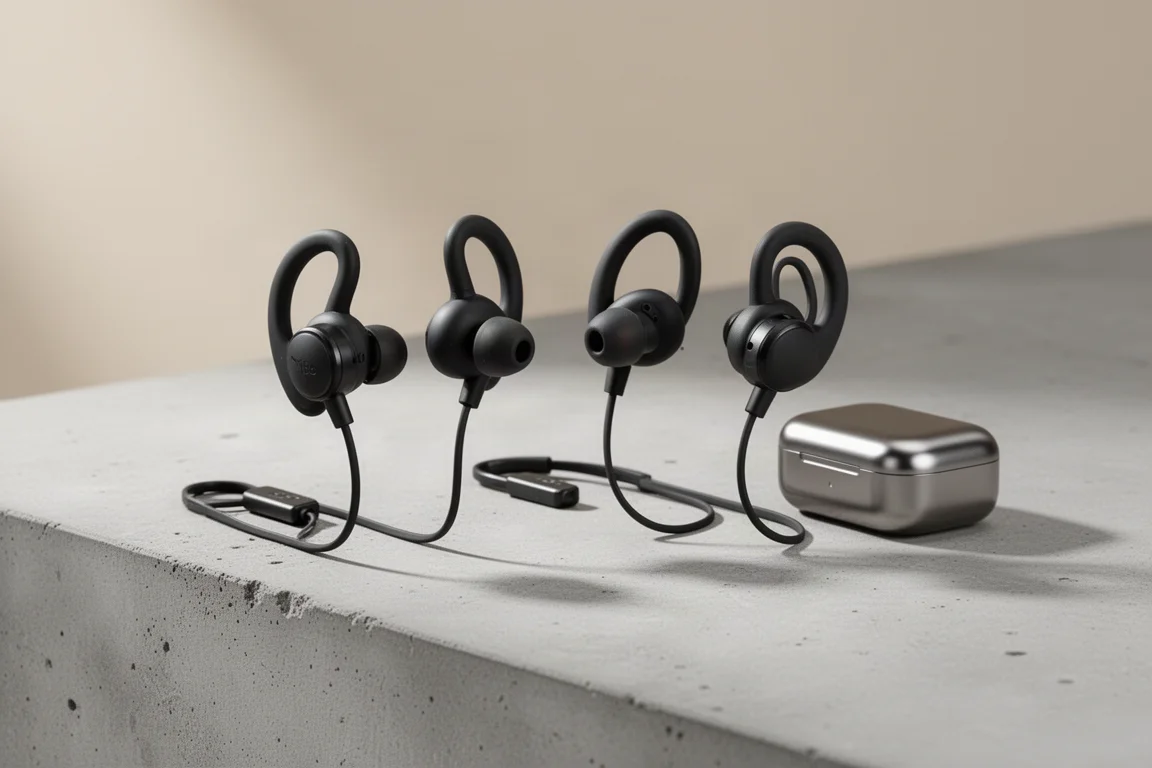
Earphone Free Pro 2 vs Air Pro 2: Which Running Earbuds Are Right for You?
Two affordable waterproof earbuds for runners compared: fit, sound, battery life, and the small details that decide between them.
Earbuds
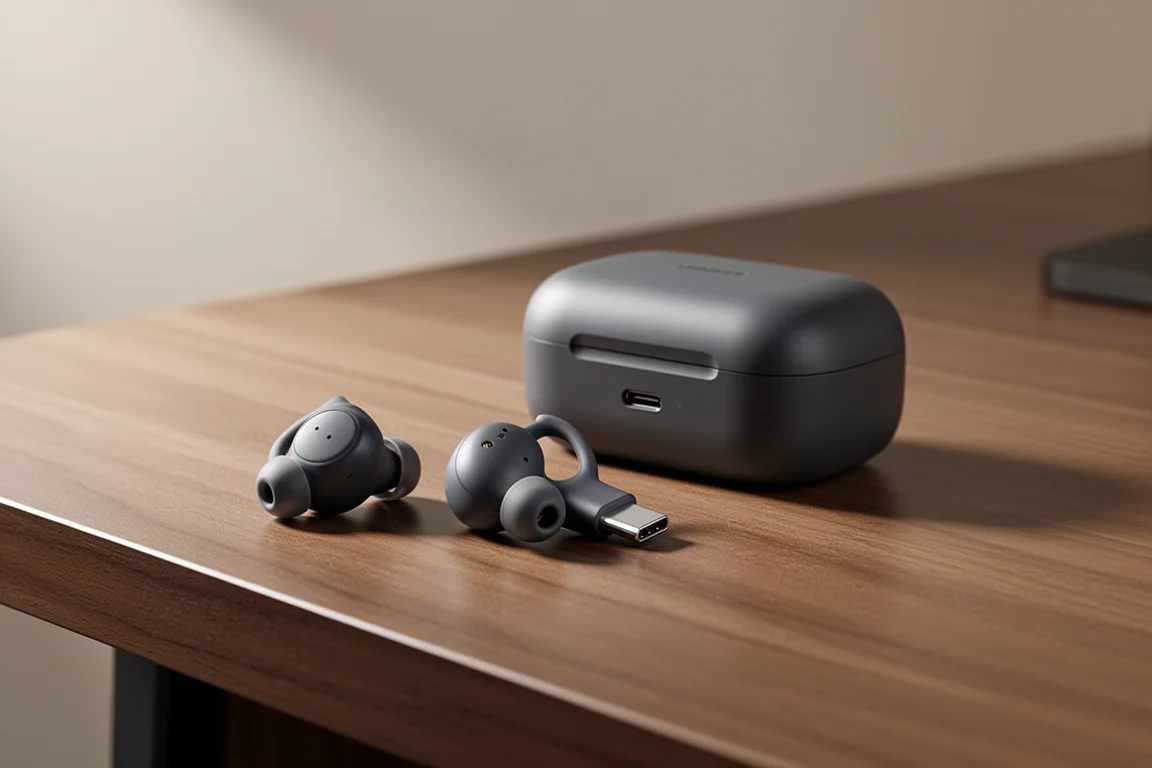
Jabra Elite 7 Active Review: A Secure Running Earbud with One Big Trade-off
The Jabra Elite 7 Active nails fit, waterproofing, and battery life, but its hear-through mode leaves runners with a decision to make.
Earbuds
Nothing Ear (2) Review: Budget-Friendly Running Earbuds With Serious Style
Lightweight true wireless earbuds with ANC, IP54 rating and solid everyday performance. We put them through running, work and travel use to see where they shine.