Gravel Bikes
Ozark Trail G1 Explorer Review: A $288 Gravel Bike With Real Strengths and Real Catches
The Ozark Trail G1 Explorer is a $288 drop-bar gravel bike with an aluminium frame, rack and mudguard mounts, and 45 mm tires. Here is what it does well, where the price shows, and who should buy it.
Introduction
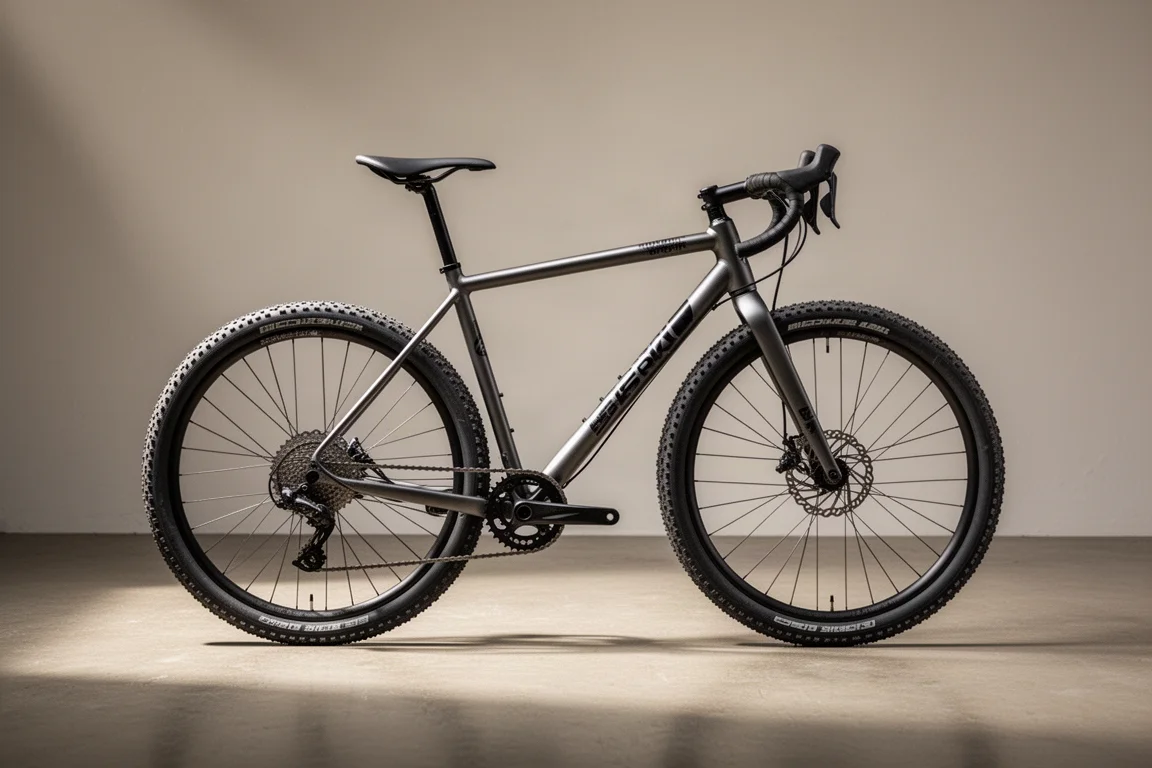
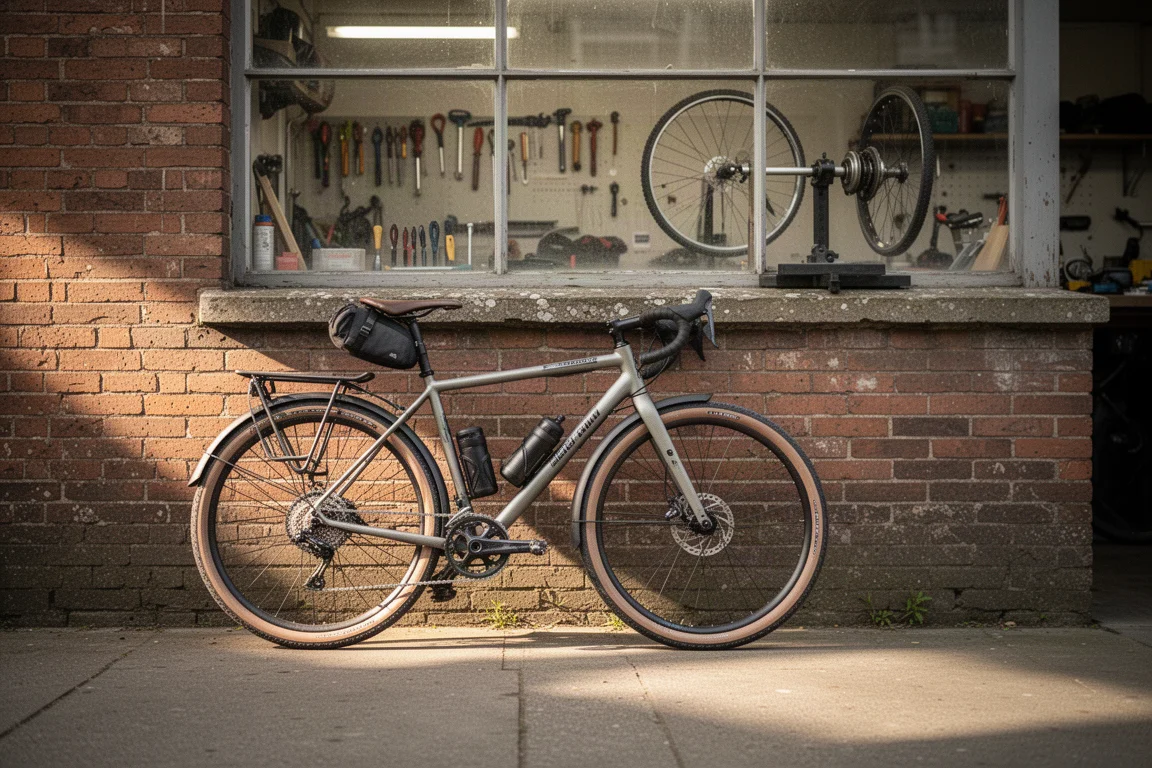
A drop-bar gravel bike with an aluminium frame, rack and mudguard mounts, a steel fork, and 45 mm tires for $288 is the kind of spec sheet that usually means something has gone badly wrong. The Ozark Trail G1 Explorer, sold through Walmart, is the rare exception: it is a genuine gravel bike at a price where most brands only offer basic department-store hybrids.
It is not a perfect bike, and a few catches matter more than the spec list suggests. But if you know what you are getting into, the value here is genuinely hard to argue with.
One pricing note before going further. The $288 figure is before tax, and sales tax varies by state, so budgeting roughly 10 percent more is a safe approach. Buyers outside the United States will have more hoops to jump through to get one, and the flat-bar version of the same bike costs slightly less.
Who the Ozark Trail G1 Explorer Is For
The obvious audience is the beginner or casual rider who wants a versatile bike without spending a lot. That said, the bike is not limited to that group. The geometry is relaxed, so the handlebars are easy to reach once you have the right size, and the wide 45 mm tires open up gravel tow paths, loose surfaces, and, for riders with the skills, more technical terrain. On tarmac, the drop bars put your body in a narrow position, so the bike still feels quick despite the fat rubber.
It also makes a strong case as a commuter, with rack mounts on the frame and mudguard compatibility. Think of it as a beach bike, a weekend fun bike, or a low-cost way into gravel riding.
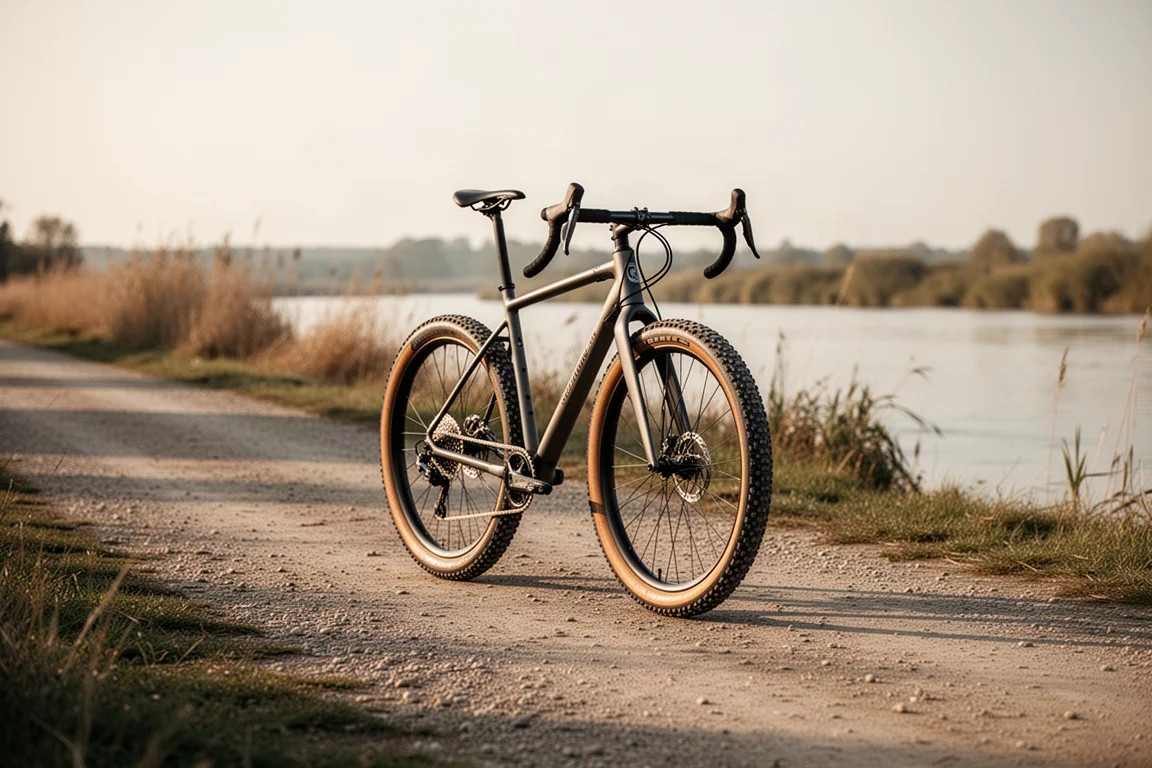
One practical caution applies to all of those uses. The bike looks considerably more expensive than it is, so lock it up properly.
Main Strengths
The headline strength is value. The frame, bars, stem, and seat post are all aluminium, and they are not dramatically different from what you find on entry-level bikes costing considerably more. The steel fork is heavy, but the mounting options on it are a genuinely useful addition. The bike arrives with everything needed to ride, including pedals and a kickstand.
Weight is 12.65 kg without pedals. Spare parts are easy to find and replace because there is nothing unusual on the bike, with one small exception: the LTWOO components, which are increasingly spec’d on larger brands and can be bought separately.
Frame, Gearing, and Shifting
Gearing is limited, but not bad for the money. There are two chainrings at the front and seven gears at the back, with LTWOO shifters and front derailleur and a Shimano Tourney rear derailleur and cassette. The bike actually arrived with a Shimano Hyperglide freehub and cassette rather than the seven-speed freewheel the product listing implied, which is better spec than advertised. Two Shimano components are fitted, and the frame says so.
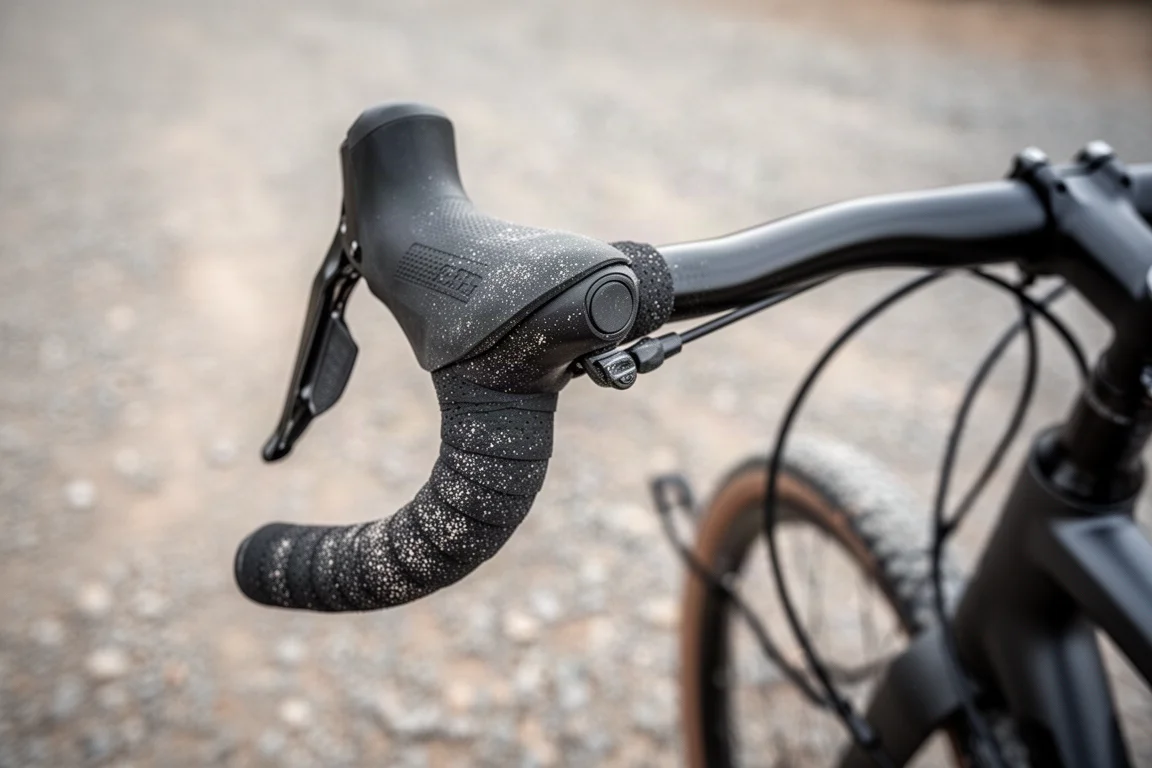
Shifting has been fine, and impressive for the price. The levers are well shaped for your hands, which is not a given on bikes in this bracket. There are two annoyances: the levers are a bit rattly, and the thumb shifters cannot be reached while your hands are on the drops.
The easiest gear pairs a 32-tooth chainring with a 32-tooth sprocket at the back. For most medium-gradient climbs, that is appropriate. On genuinely steep gradients, especially with the bike loaded, you will run out of gear and have to work for it.
Tires, Wheels, and Brakes
The 45 mm Kenda tires have a light tread that handles rougher surfaces without feeling like a slog on the road. They do feel thin, and there is not much puncture protection on offer: a small thorn went straight through one. The tire was also loose enough to pull off by hand.
The wheels use a high spoke count, which is a good sign, and spoke tensions were fine out of the box. They have stayed true through on-road and off-road riding. The weak point is the bearings, which felt rough from new. If you plan to upgrade one thing later, this is the first area to look at.
Braking comes from unbranded mechanical disc brakes. They are safe and they work, though they lack the refinement of hydraulic or higher-quality rim brakes. The calipers are post-mount and the axles are quick release, which is fine today but may become harder to source parts for over time.
Contact Points and Small Details
The seat post is basic but has held firm after proper tightening. The saddle will not suit everyone, and it lacks a pressure relief channel, which is a shame at any price. The pedals are plastic and will likely be fine for a while before they give up.
The kickstand deserves a mention: it is excellent, and it makes the bike far easier to live with day to day.
Things to Consider Before Buying
Two issues matter more than any component on the bike: sizing and assembly.
Sizing and Fit
There are only three sizes, small, medium, and large, which is a cost-cutting measure that is easy to accept at this price. What is harder to accept is the fit guidance. The medium is listed as suitable for riders between 5’5” and 5’10”, with a 565 mm effective top tube and a 395 mm reach. In practice, that range is optimistic.
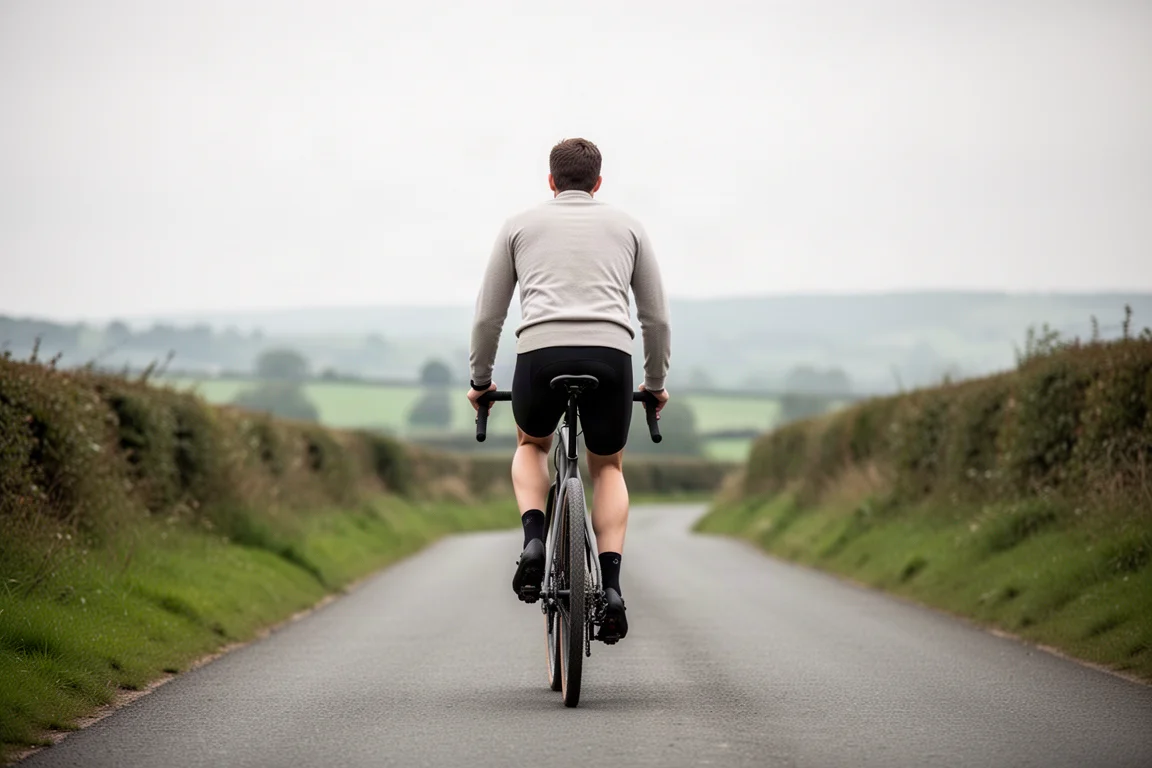
A 5’9” rider felt they should have chosen the small, and a 5’6” rider would fit the small comfortably. At 5’5”, the medium leaves you noticeably stretched out. You can fit a shorter stem, but that changes the handling and can make the bike feel twitchy. The bars are 50 cm wide with a heavy flare, measuring 40 cm at the shifters where your hands sit most of the time, and matching bar width to shoulder width is a sensible starting point. Very few riders at the bottom of the quoted height range will have 40 cm shoulders.
The cranks are 170 mm, which is a sensible choice. It is not clear whether the bars and stems scale with frame size across the range. The broader point is that smaller riders are underserved across the bike industry, and this bike continues that pattern.
Assembly and Aftercare
The bike does not arrive assembled for you, and if something goes wrong you need to be able to fix it. Walmart is not a bike shop. Store setup can vary, and aftercare is likely to be limited unless you happen to find an employee who knows their way around bikes.
This is the dividing line. If you have some bicycle or technical knowledge, or you are confident and willing to follow tutorials, or you have a friend who knows bikes, you are in a good position to buy one. If none of that applies, you may end up paying a shop to set the bike up correctly. A used bike from a reseller or a shop that specialises in refurbishing may serve you better for similar money. Those shops service what they sell, so you get a mechanic’s aftercare and a relationship with a local business, often on a big-name bike.
Buying Advice
For the money, there is nothing else this cheap. The only real comparison is the flat-bar version of the same bike, which costs slightly less.
If you are comfortable with basic maintenance, the G1 Explorer is an easy recommendation. Choose the size below what the chart suggests if you sit near the bottom of the quoted range, budget for tax, and plan to keep an eye on the wheels and tires over time. If you would rather not deal with assembly, put the same budget toward a serviced used bike instead. Either way, a good local bike shop will be able to look after this bike when it needs work.
Conclusion
The Ozark Trail G1 Explorer is an unbelievably well-spec’d bike for $288, and it is genuinely fun to ride. It is not a perfect bike. It needs some things done to it, and the sizing guidance is misleading for shorter riders. But as a first gravel bike, a commuter, or a weekend runaround, the value is hard to beat.
Product link
View more details for Ozark Trail G1 Explorer
This product is mentioned in the review. Check the specifications, options, and compatibility before buying.
View more details for Ozark Trail G1 ExplorerFurther reading
Related Reviews
Gravel Bikes
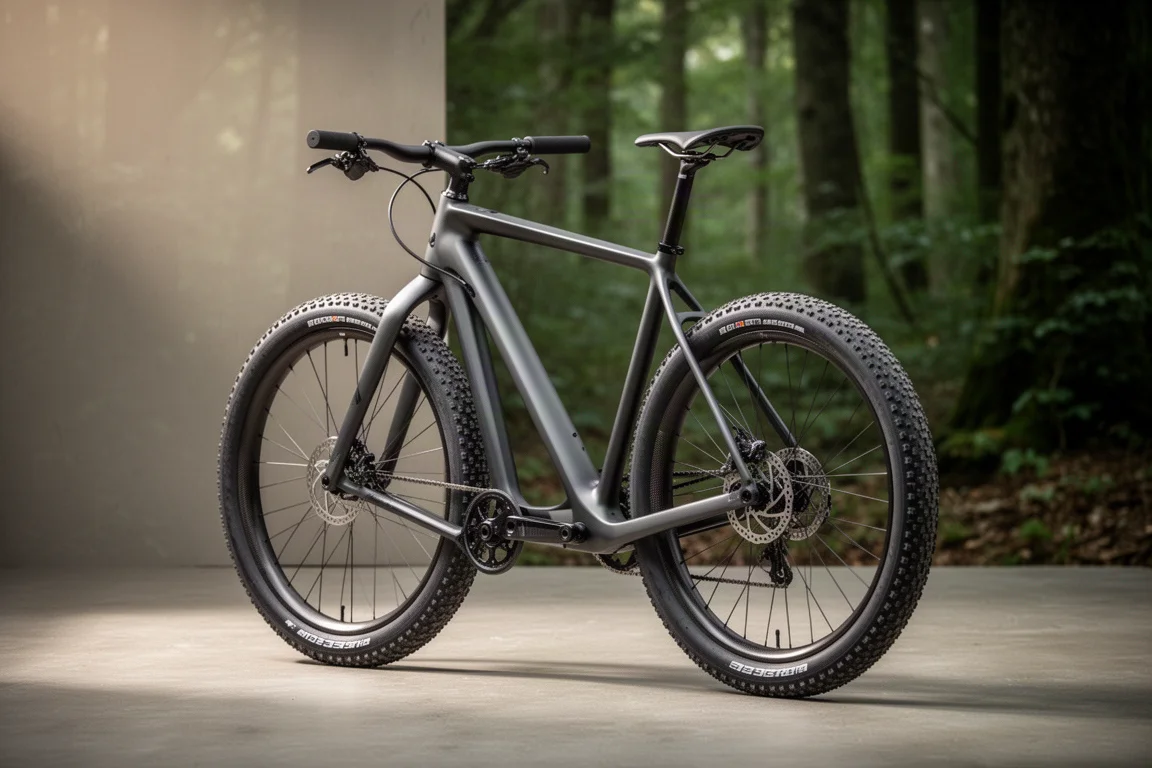
3T Exploro Ultra Review: A Fast Gravel Bike Built for Big Tyres
A close look at the 3T Exploro Ultra, an aero carbon gravel bike designed around wide tyres, with road-like handling, a 980 g frame and genuine rough-terrain capability.
Gravel Bikes
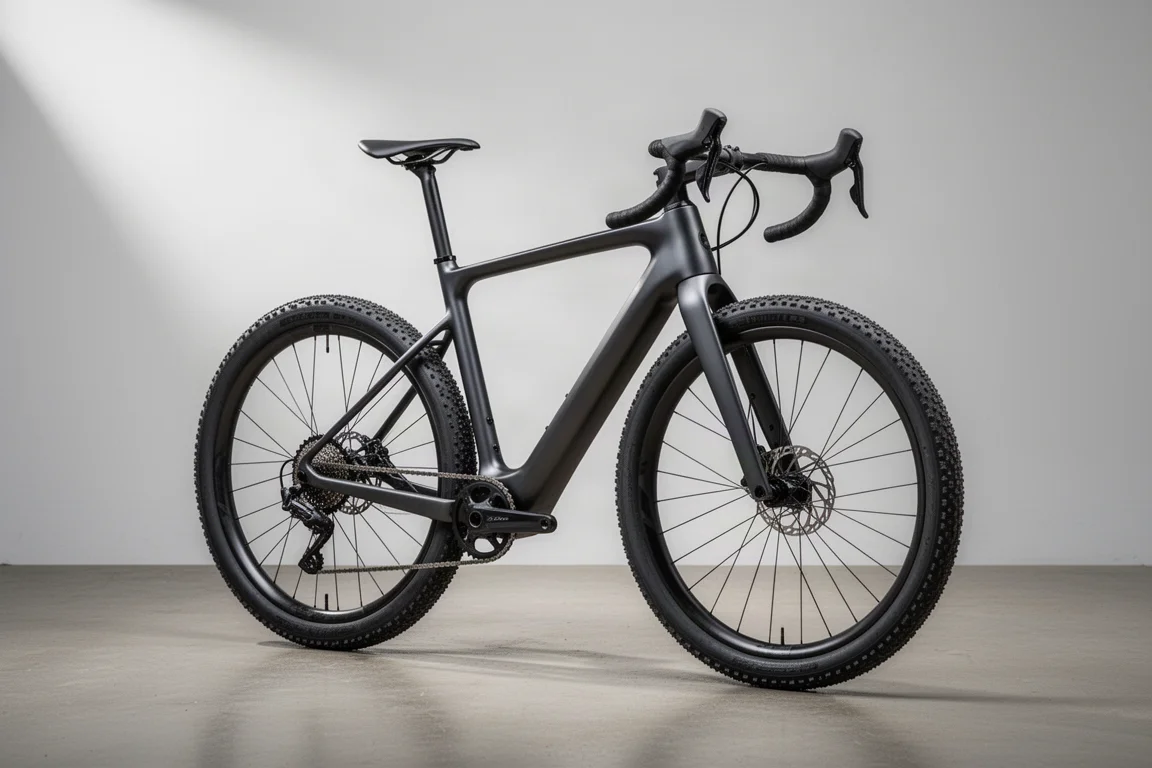
3T Extrema Italia Review: Aero Gravel Speed With Room for 57 mm Tires
The 3T Extrema Italia pairs an aero frame with huge tire clearance, Italian-made carbon and a more comfortable ride than the RaceMax. Here is what to know before buying.
Gravel Bikes
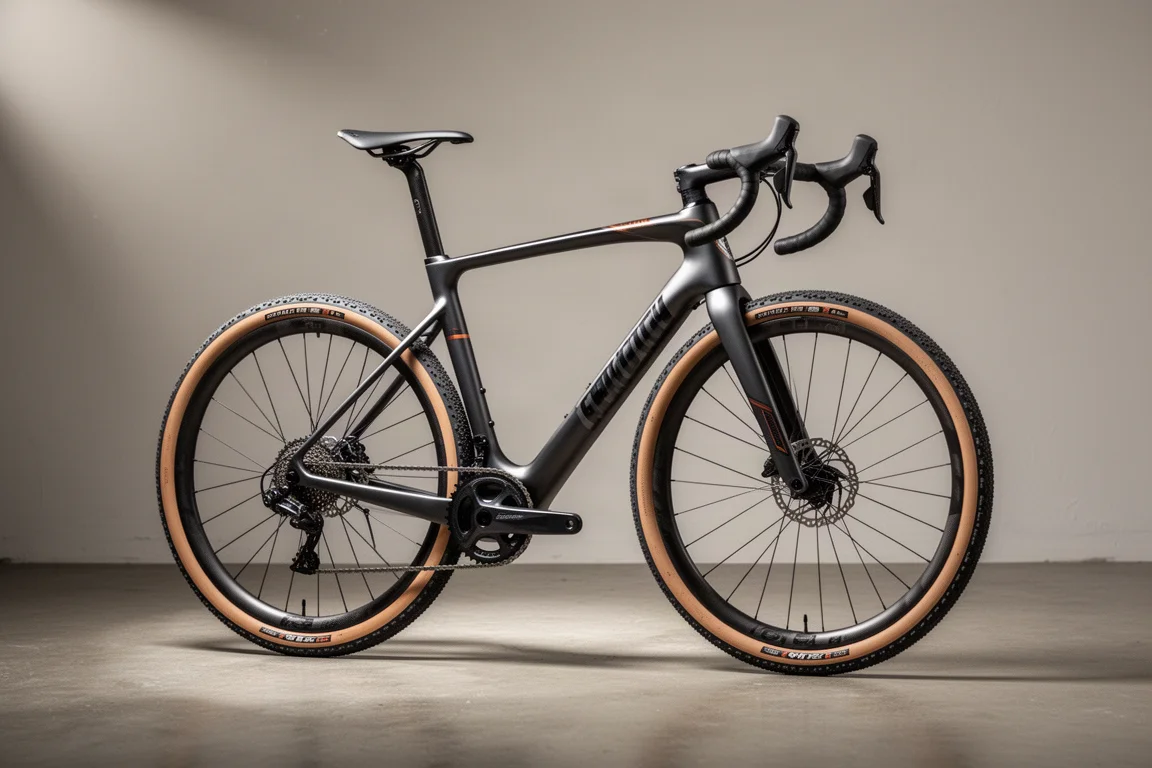
3T Race Max 2 Italia Review: An Aero Gravel Race Bike Made in Italy
A closer look at the second-generation 3T Race Max 2 Italia, covering its aero updates, ride character, tire clearance, internal storage and who it suits.