Knives & EDC
Ozark Trail 7.5" Crossbar Lock vs Benchmade Bugout: A $10 Take on a Premium Design
A budget folding knife brings the crossbar lock to a sub-$10 price point. We compare it against the Benchmade Bugout to see what you gain, and give up, at each end of the price range.
Introduction
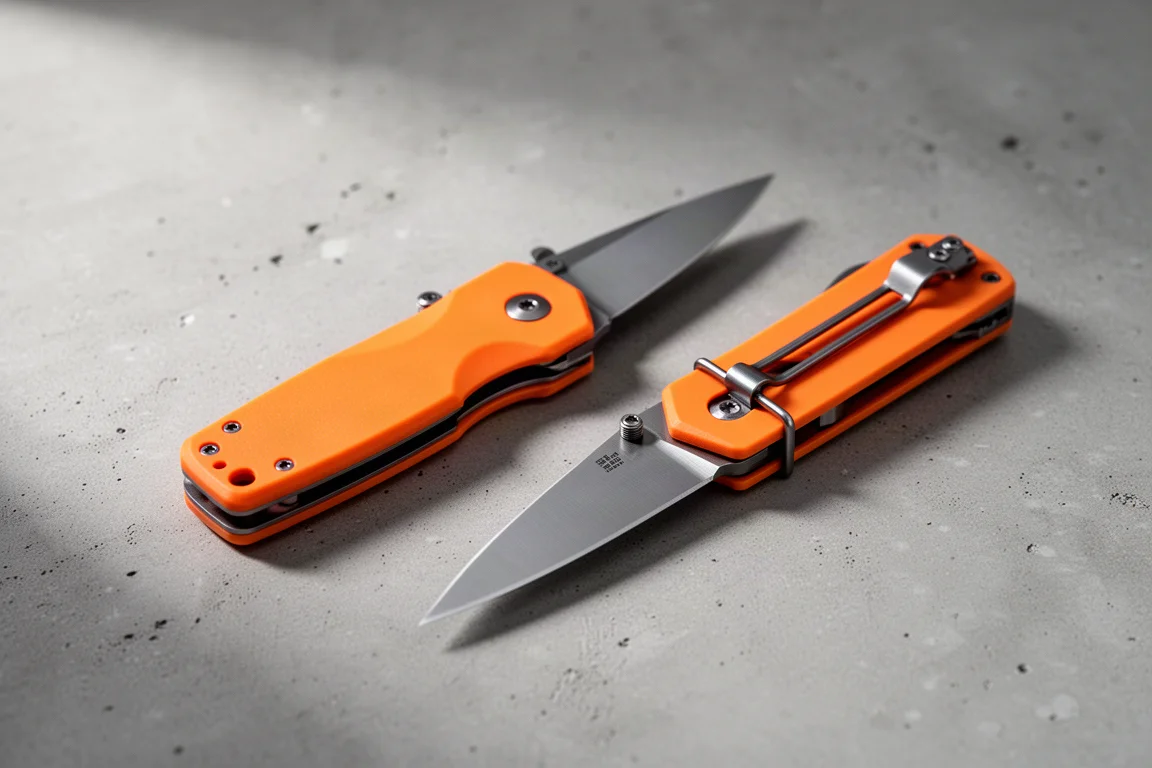
Every so often a budget product shows up that genuinely changes the conversation. The Ozark Trail 7.5” Crossbar Lock folding knife is one of those: an orange-handled folder with a locking system that until recently was something you basically had to buy a Benchmade to get, priced at just $9.97. Naturally, the obvious question is how it stacks up against the knife that popularized the design in the first place, the Benchmade Bugout.
Why the Crossbar Lock Matters
Crossbar locks were, for a long time, a fairly exclusive locking system. For a while you pretty much needed a Benchmade to get one. That changed as more knife brands adopted the mechanism, and now the Ozark Trail version brings it to a price point where it is accessible to nearly everyone.
The appeal is practical as much as it is financial. A crossbar lock sits in a cutout between the handle scales, and on the Ozark Trail it protrudes just slightly more than the equivalent lock on a Benchmade, but not by much. It keeps the hand well away from the blade path when closing, which is one of the main reasons the design earned its reputation.
Ozark Trail 7.5” Crossbar Lock: The Details
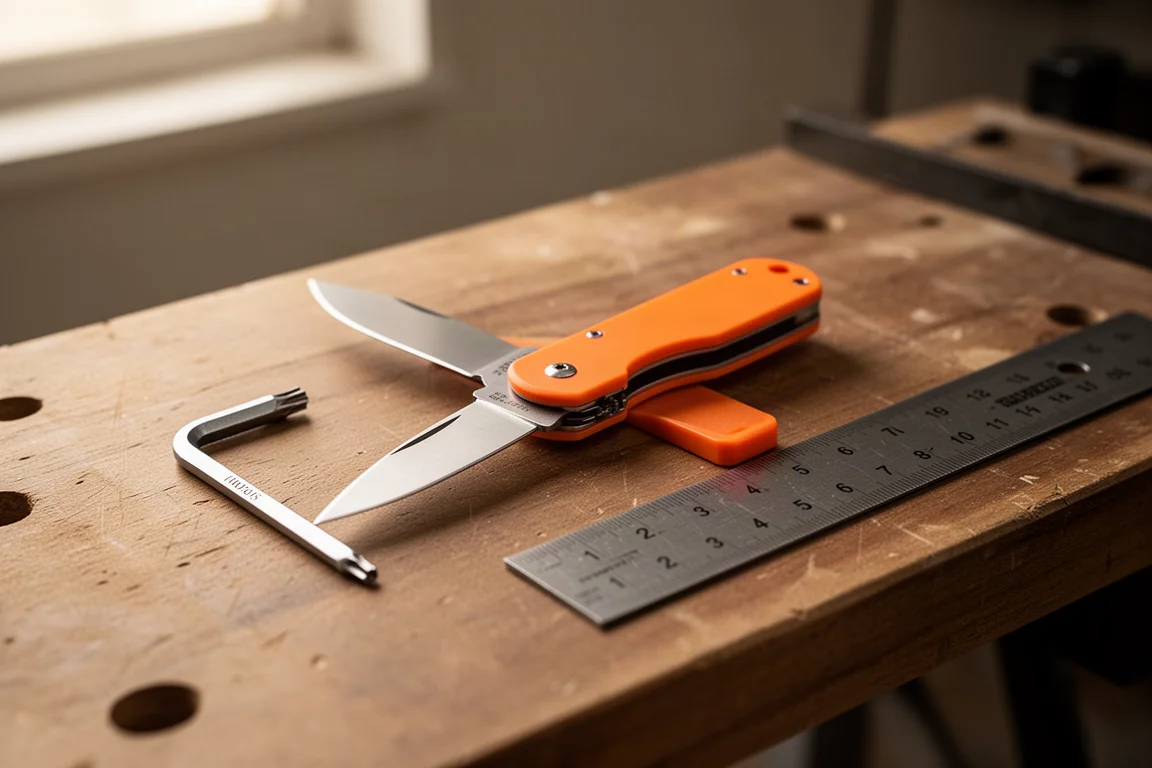
The specs are straightforward: a 3.75-inch D2 steel blade with a hollow grind, a 4.25-inch handle, and 7.5 inches overall. The scales are injection-molded plastic over what looks like a steel liner, with three dedicated skeletonized holes and a large cutout for the locking mechanism. Thumb studs on the blade stick out a reasonable amount, and the package notes it is made in China.
The pivot appears to use metal bearings and can be adjusted with a Torx driver. That adjustability is worth knowing about: tightening the pivot with the blade open can lock up the whole mechanism, so the correct approach is to loosen, adjust incrementally, and test the blade action. Done properly, the play disappears entirely and the knife still flicks open just fine. The example we handled arrived a touch loose and snugged up nicely with a little patience.
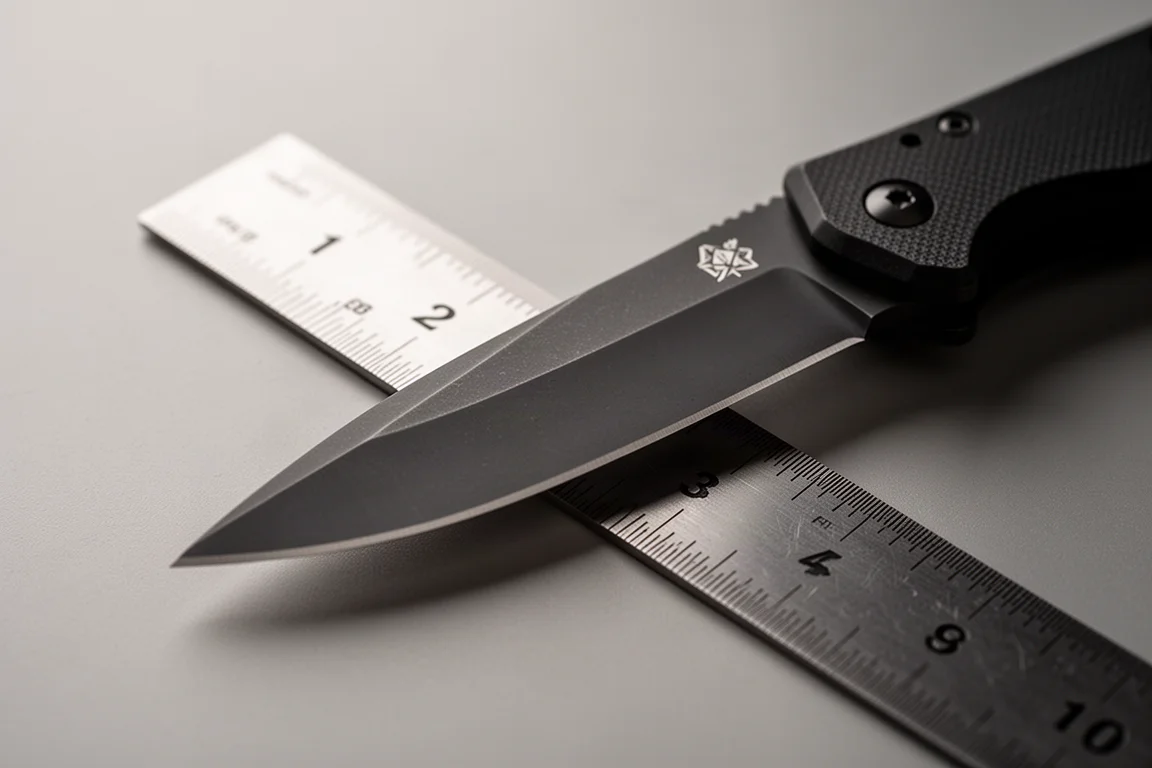
One honest caveat: the blade on our sample had a slight bend, visibly swinging off line when checked against a ruler. It is not severe enough to be a dealbreaker at this price, and it may be possible to carefully bend it back, but buyers should inspect alignment on arrival. Also note that if you do pick one up, availability has been inconsistent; the model has reportedly sold out in various places, so finding one may take some looking.
Cutting Performance and Everyday Use
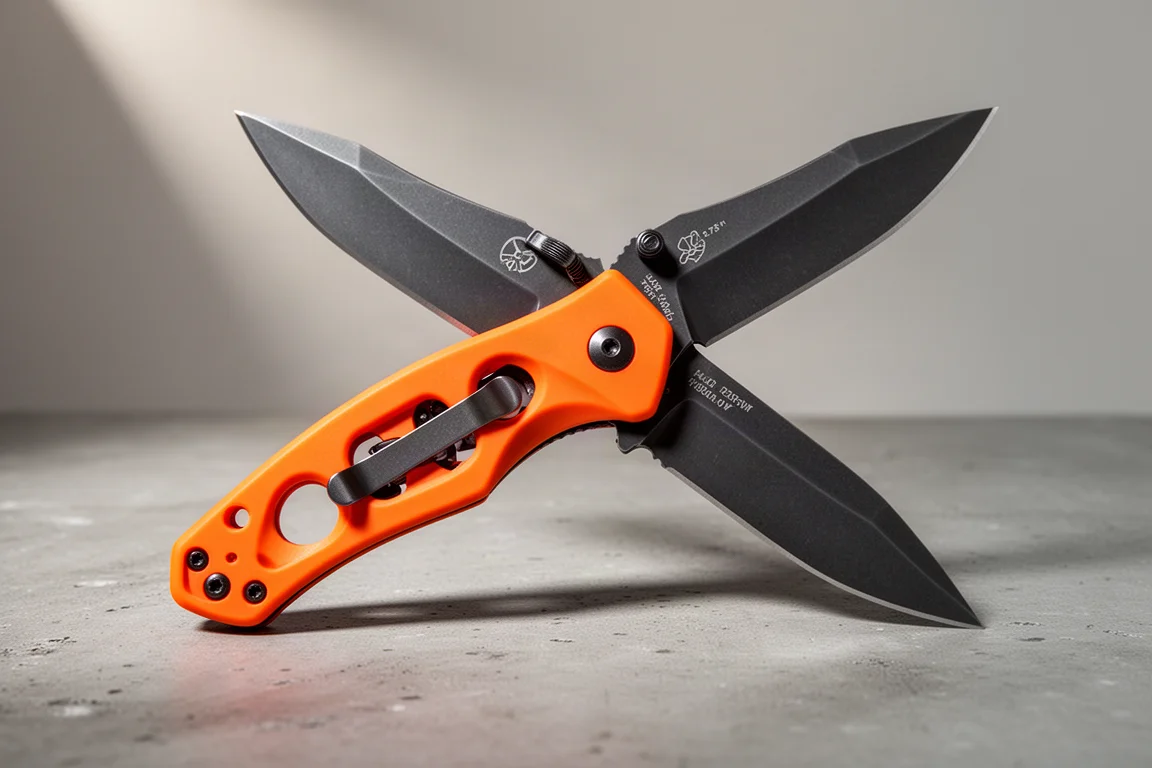
Out of the package, the D2 blade sliced through cardboard with tape on it without complaint. For the way most people actually carry and use a knife, that is probably plenty. The blade has a painted-style finish, though it is not confirmed by the packaging, and the exact blade hardness is not stated.
The pocket clip works well and features slightly raised screws that seem to help the knife hold in a pocket a little better. The spring steel feels stout. At this price, small touches like that go a long way toward making the knife feel considered rather than disposable.
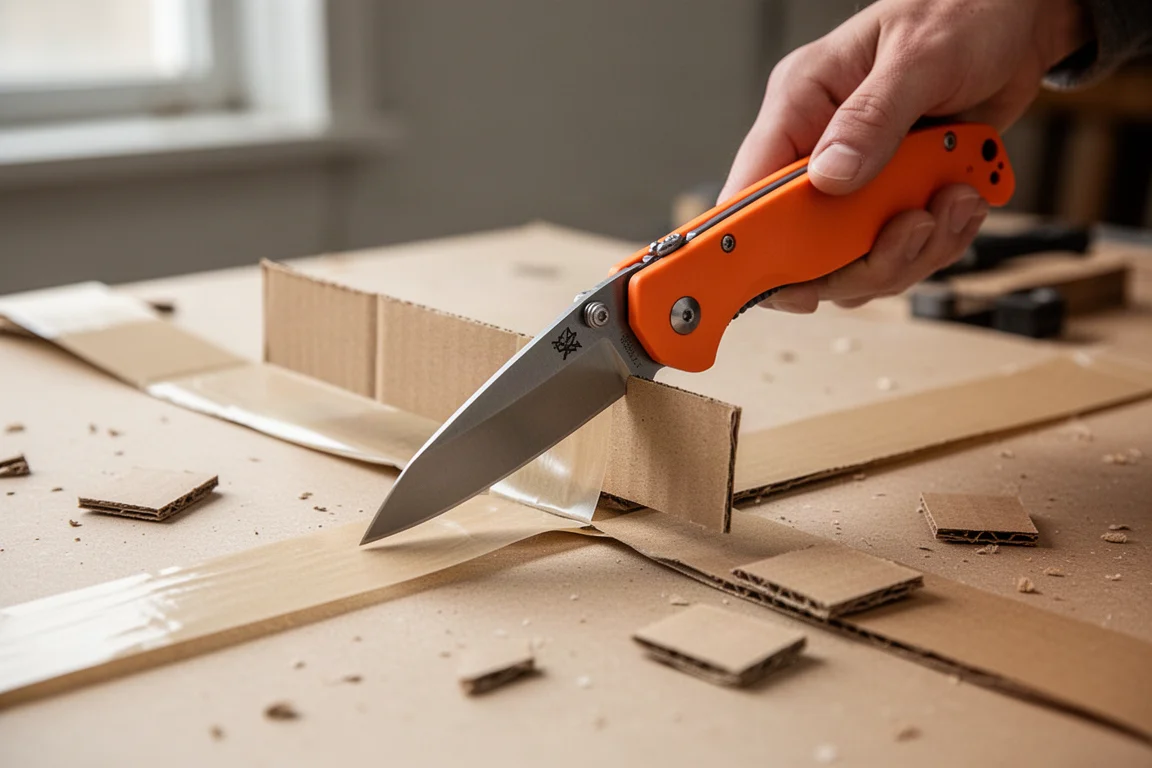
It is also worth thinking about roles. A $10 knife in orange could make a good first-aid kit knife or a survival kit knife, where losing or hard-using a blade costs almost nothing. As a beater knife, or simply as a surprisingly competent everyday folder, it makes a strong case. Buy 52 of them for the price of a single premium Benchmade and the value proposition writes itself.
Benchmade Bugout: The Premium Benchmark
The Benchmade Bugout, in its orange-handled form, is the knife the Ozark Trail clearly echoes. Both use the crossbar lock, and the visual similarity is obvious. In side-by-side measurement, both the Bugout blade and the Benchmade Narrows blade are actually narrower than the Ozark Trail’s blade, so the budget knife has at least enough girth to hold up to most lightweight general-purpose tasks.
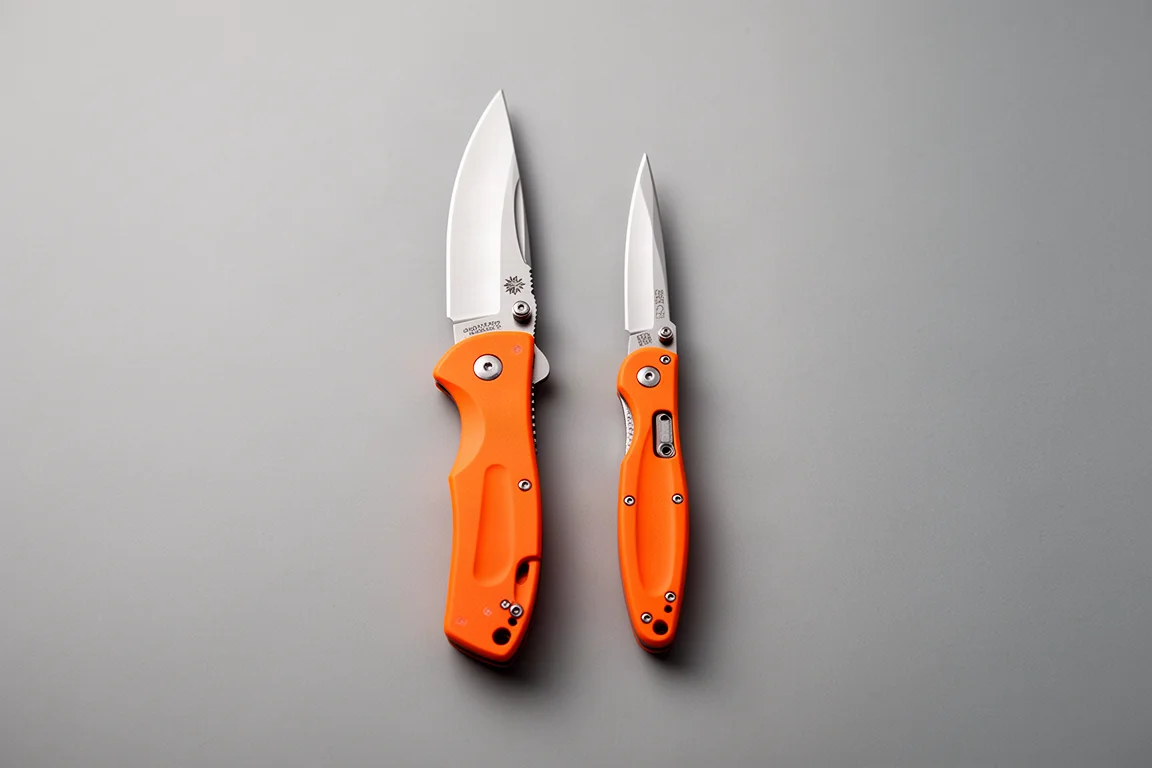
What the Bugout offers is refinement: cleaner tolerances, a proven track record, and a lock that sits beautifully flush in the handle. What the Ozark Trail offers is the same fundamental locking concept, and a genuinely usable tool, for a tiny fraction of the price.
Buying Advice
If you want the crossbar lock experience and want to spend almost nothing, the Ozark Trail is an easy recommendation, provided you are willing to check the blade alignment and possibly adjust the pivot out of the box. If you want guaranteed quality control, slimmer blades, and long-term polish, the Bugout remains the benchmark. There is room for both: one as an everyday or beater knife, the other as the premium original.
Conclusion
The Ozark Trail 7.5” Crossbar Lock is a legitimate shake-up for the knife community. A once-premium locking system at under $10, with metal bearings, an adjustable pivot, and honest cutting performance, is not something that comes along often. Check the blade on arrival, snug the pivot to taste, and you may well end up with one of the best value folders around.
Further reading
Related Reviews
Knives & EDC
Knives of the Week: Five Fixed Blades, Multitools, and Premium Flippers Worth a Look
From a stout woods-craft fixed blade to two premium concept flippers, a roundup of five knives and one very flat multitool that stood out this week.
Knives & EDC
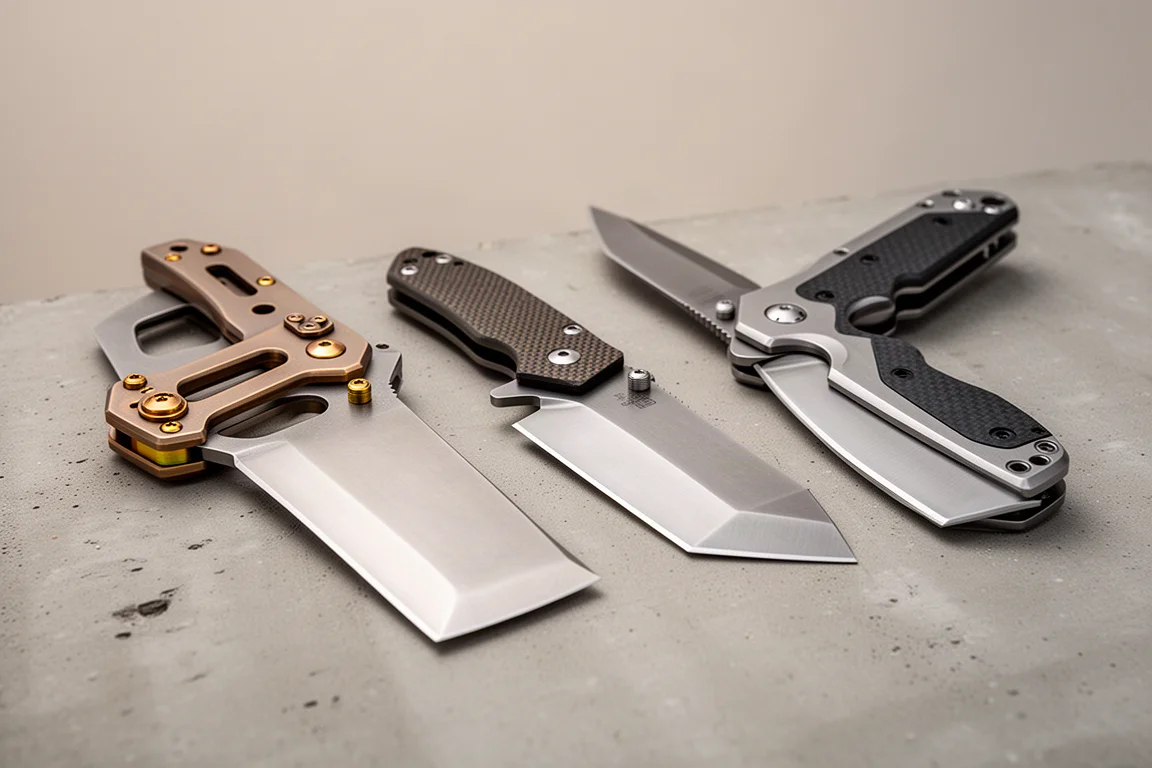
Three Big Pocket Knives With Real Presence: Leviathan, Heron L1, and Sentry L1
A close look at three oversized folding knives, including a titanium bronze-framed monster and two distinct cleaver-style blades.
Knives & EDC
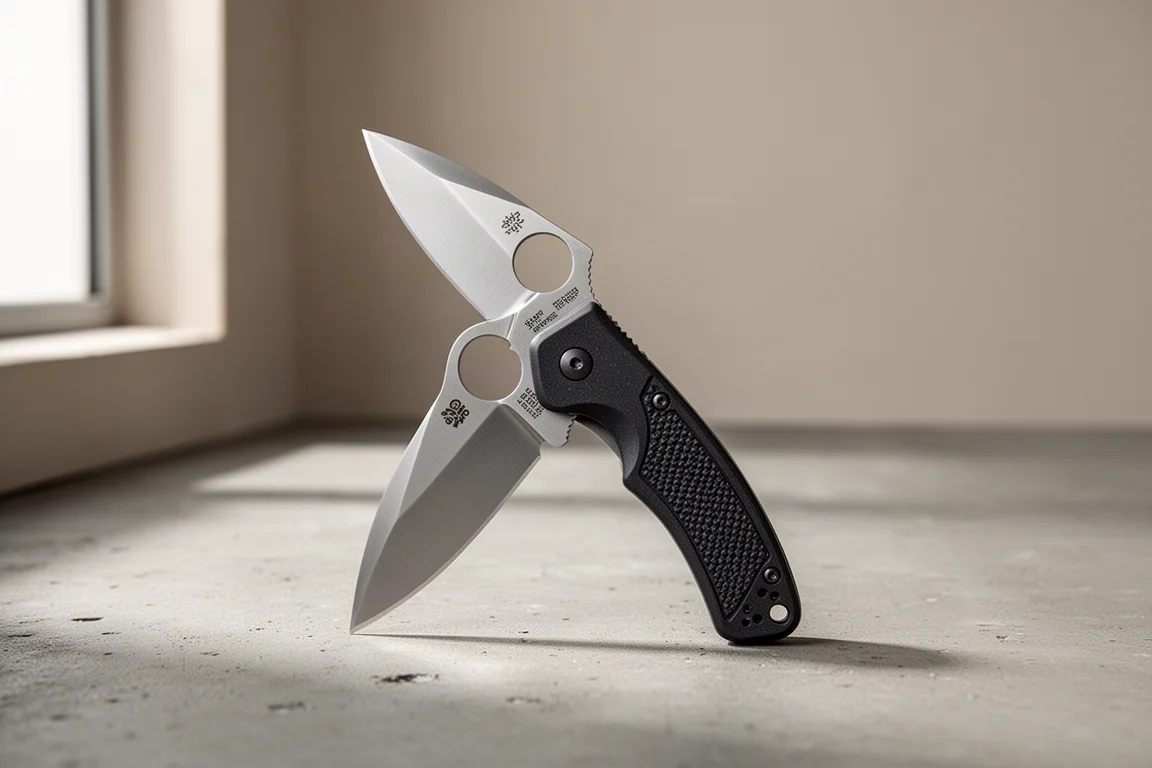
Klein Tools Fishing Pocket Knife Review: A Surprisingly Serious EDC Folder
A real named steel, an axis-style lock, and a sub-$50 price make this unexpected Klein folder worth a closer look.