Outdoor Gear
OUTASK Telescopic Lantern Review: One Outdoor Light That Replaces a Bag of Gear
A field-tested look at the OUTASK Telescopic Lantern, covering its telescoping head, battery life, weather resistance, and the small quirks worth knowing before you buy.
Introduction
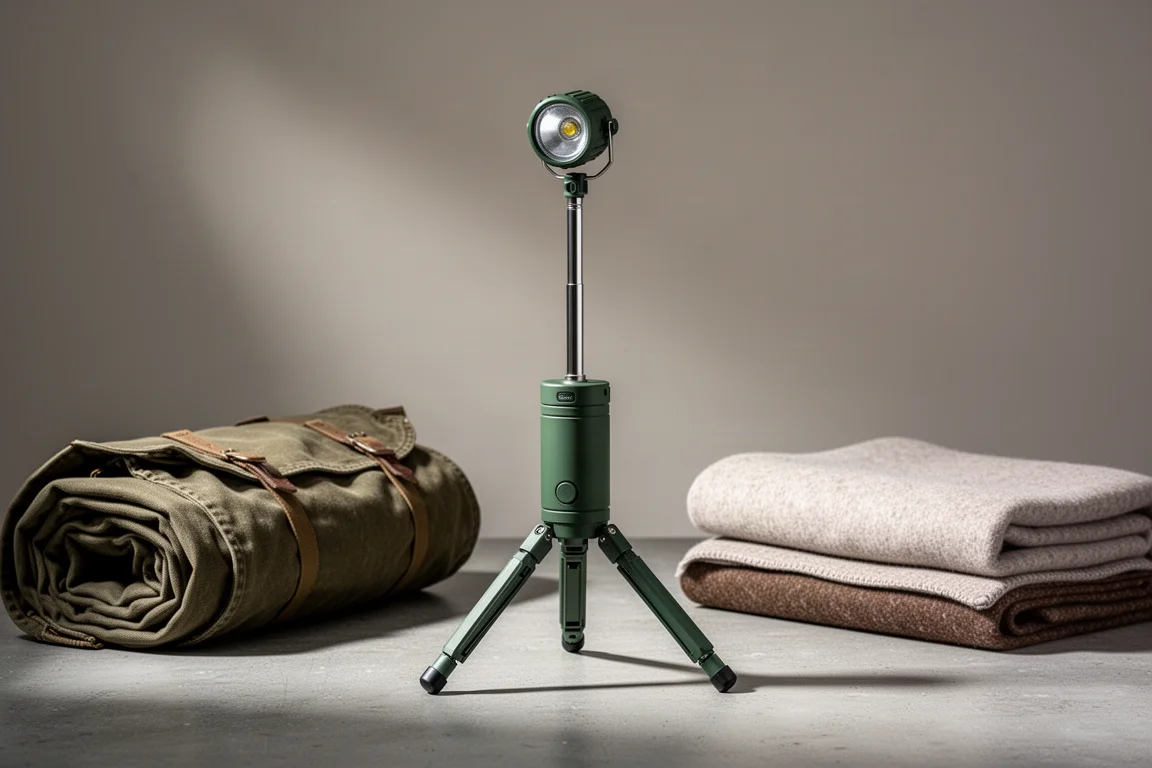
The OUTASK Telescopic Lantern is an outdoor lighting product built around a simple but genuinely useful idea: instead of a fixed head on a fixed body, the light sits on a mast that extends and rotates in almost any direction you need. After more than a year of continuous field use in hot, dry, cold, wet, and heavily snowy conditions, it has held up without a single functional failure.
That reliability is the reason it earns attention here. Outdoor lighting is a crowded category full of near-identical products, and most of them are forgettable. This one is not. It has gradually replaced a whole bag of separate lights and spare batteries on trips, which is the clearest endorsement a piece of gear can get.
Who This Lantern Is For
This is a light for people who spend real time outside and want one dependable source instead of several compromised ones. Backpackers, day hikers, car campers, and anyone running an off-grid cabin will find the same appeal: it deploys in seconds, it reaches a useful height, and it does not need babysitting.
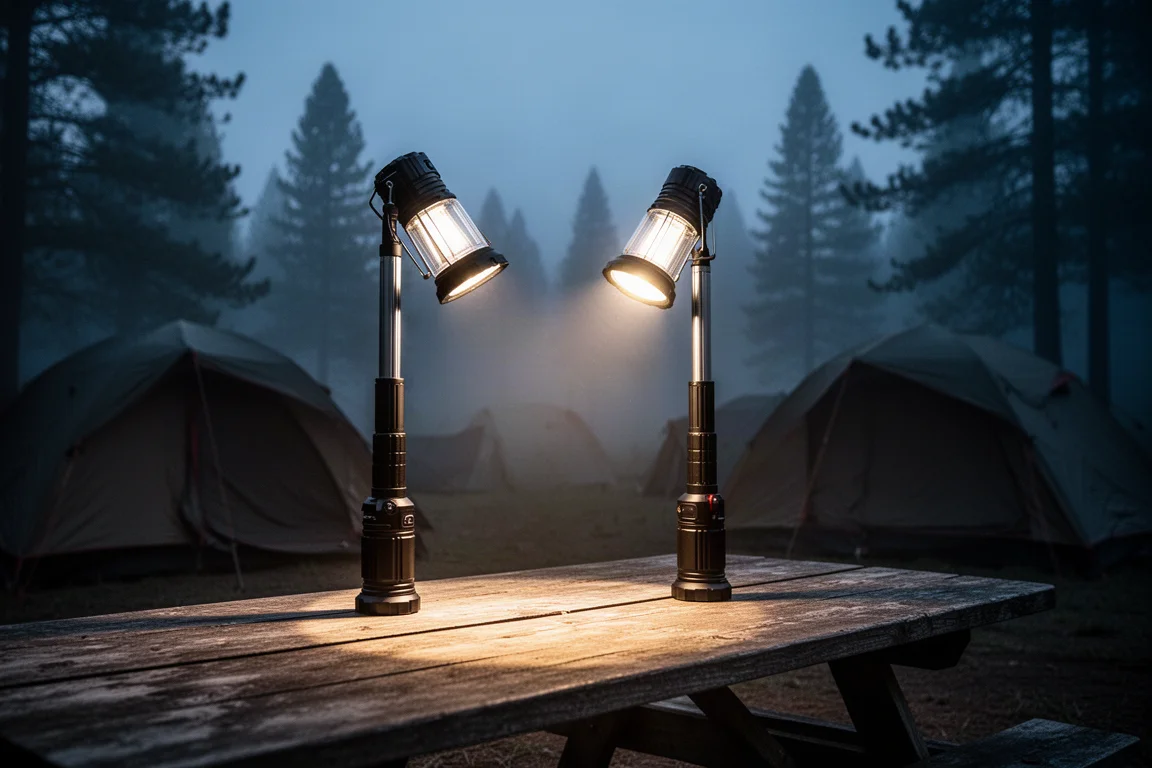
At 1.5 lb it is light enough to carry in a pack without noticing, and because the runtime is so long, the weight is easy to justify. Stored, it measures 10.2 in long and 2.36 in wide. Fully extended, it stands 36.6 in tall, which is roughly table height and tall enough to light a whole seating area rather than a single spot.
It is also worth saying who this is not for. If you only need a tiny emergency light in a glovebox, this is far more product than the job requires.
Main Strengths
The strengths here are not marketing abstractions. They are the specific things that make the lantern easy to live with trip after trip.
Telescoping Head and Flexible Mounting
The head rotates 360 degrees horizontally and 180 degrees vertically, so you can aim it at a table, a stove, a tent wall, or a work area without moving the base. The mast then telescopes upward, letting you set the light at almost any height you want.
Deployment is genuinely quick. Press the button and the three legs spring out on their own. Each leg contains a strong rare earth magnet, which means the lantern can be attached to a car hood, a side panel, or other steel surfaces when the ground is not a good option. Each leg also has a reflector and a hole above it, so tent stakes can be threaded through to anchor the light to soft ground on a windy night.
Battery Life and Light Output
Inside is a 12,000 mAh battery built around a 16650 lithium cell, and it charges at 18 W, which takes the lantern from empty to full in about five hours. The light output runs across two color temperatures: 6,500 K for the white light and 3,500 K for the warm mode. Low mode delivers 40 lumens for 65 hours. Medium delivers 250 lumens for 17 hours, then steps down to low for another 3 hours. High delivers 500 lumens for 6.5 hours, then steps down to low for a further 7 hours. Double-tapping switches into warm mode, and there is an SOS mode as well.
A rubber cover on the back conceals the charging port and a USB-A output, so the lantern can also top up a phone. It is not especially fast at that job, but it works, and on a long trip that extra reserve is a welcome thing to have.
Build Quality and Weather Resistance
The body combines ABS plastic, aluminum, and rubber, and every screw and spring is made from 304 stainless steel. The weather protection is a standout: the body is rated for temporary submersion, the head for full submersion, and the tripod section can be soaked.
In practice that means rain, snow, and ice are not a concern. The lantern has come back from trips dripping wet and caked in ice and kept working. The telescoping pole still holds its position without sagging, the legs still spring out every time, and after being thrown into a pack hundreds of times it shows only cosmetic scratching.
Things to Consider Before Buying
Two issues are worth weighing before you commit. Neither is a dealbreaker, but both are the kind of detail that is better known in advance than discovered at camp.
Leg Feet and Debris
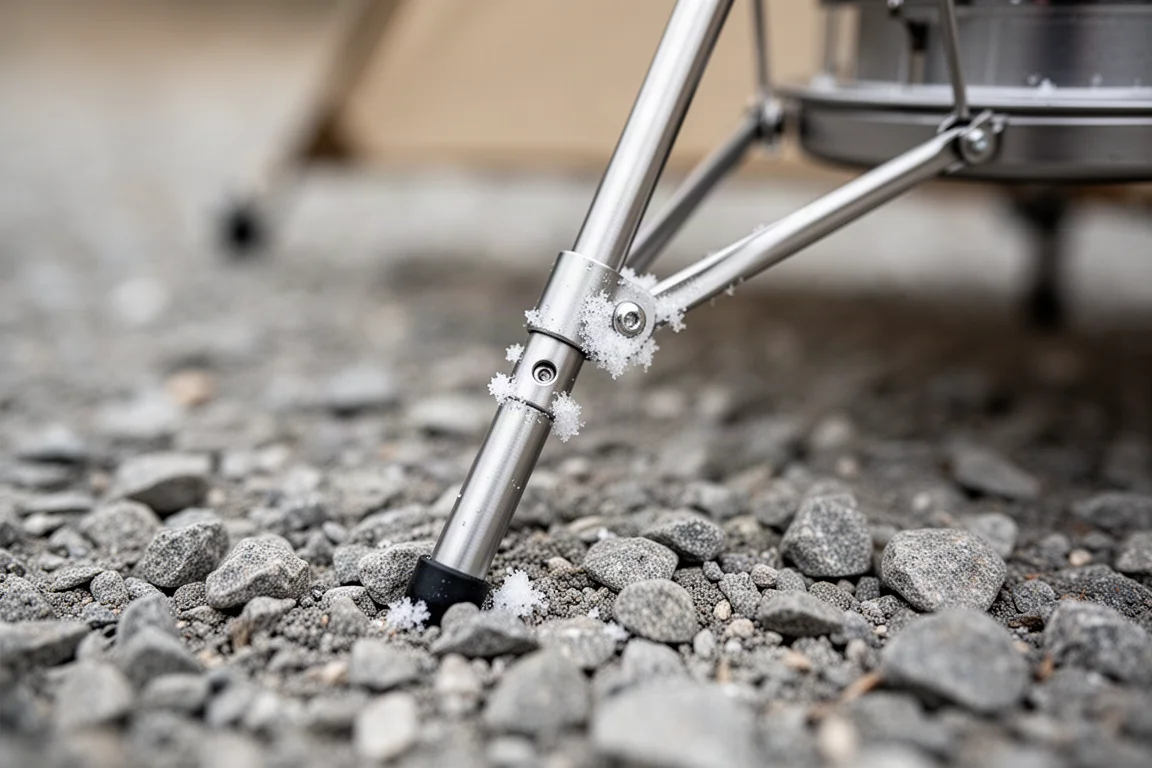
The feet are the one genuinely fussy part of the design. If grit, dirt, or snow gets into the foot area, the legs will not lock into place properly. That means every time you set the lantern down on rough ground, it is worth checking and clearing the feet before you rely on the legs to hold. In snowy or sandy conditions this becomes a small routine rather than an occasional inconvenience.
Price
At $160 retail this is not a cheap light, and at the time of writing it is available for around $140, down from an earlier $170. A licensed version of the same design is also sold under a different brand name at the same price, and it comes in an orange colorway. The four colors on the original are green, silver, black, and yellow.
The price is the main barrier. Everything else about the lantern is a question of whether the convenience is worth it to you.
Buying Advice
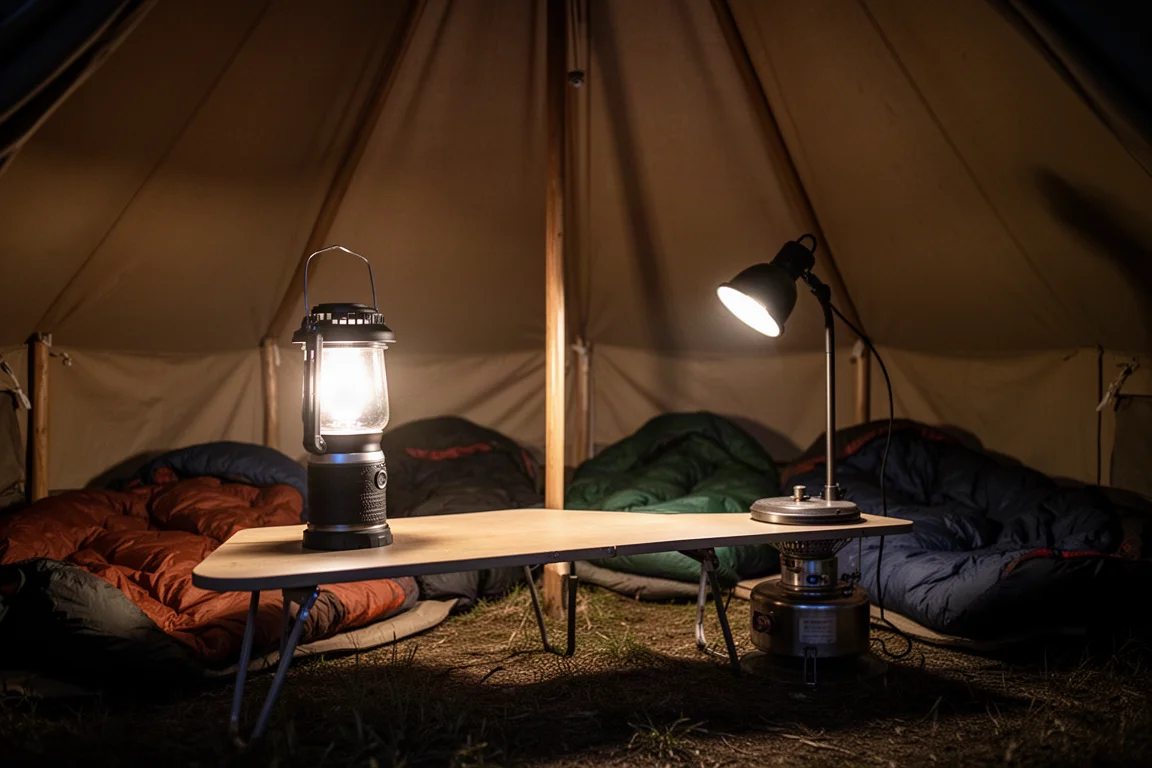
Where this lantern excels is as a lantern and as a flashlight. Turn the head around and it works as a handheld beam. Point it down over a table, a chair, the ground beside you, or a stove inside a hot tent, and it lights a broad area cleanly. On medium, pointed directly at your face, it is almost too much; on high it will genuinely dazzle you. Aimed properly, it is comfortable and even.
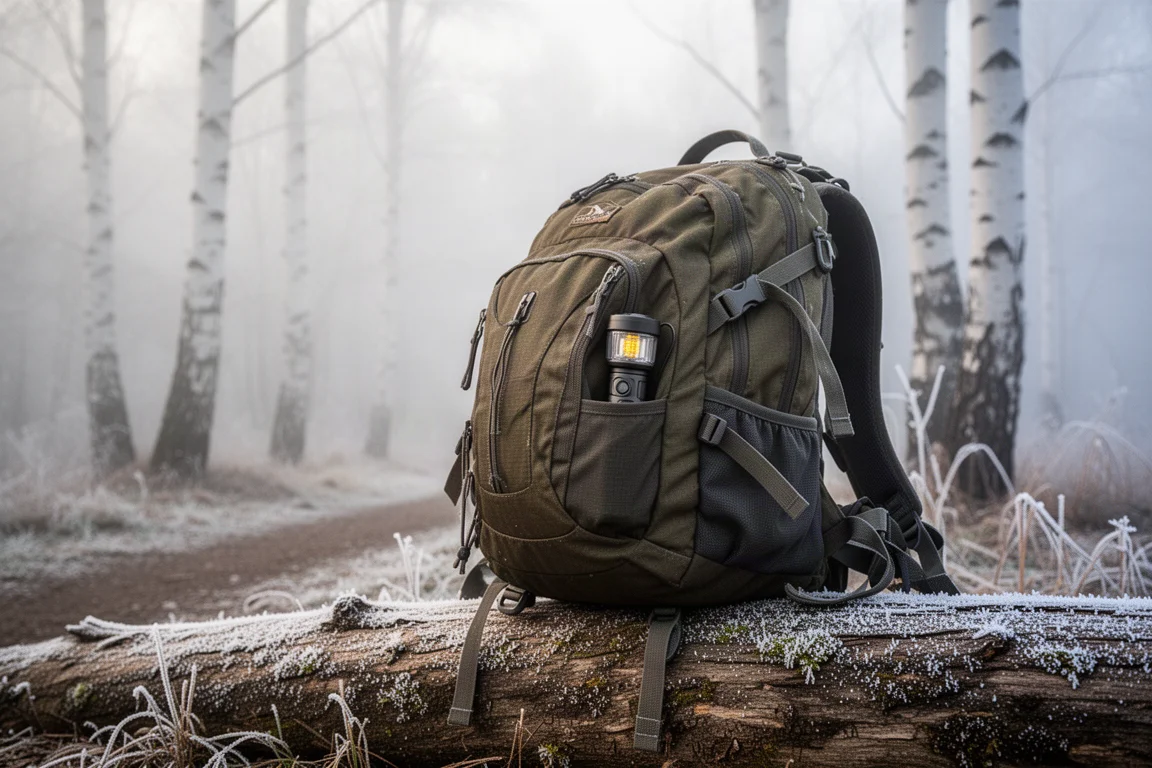
One use case does not work, despite being a natural assumption. Stowing the lantern inside a backpack so it lights the trail ahead is awkward in practice. It is difficult to seat securely, it shifts and bobs while you walk, and because the light sits behind you it throws your own shadow down the trail in front of you. Treat it as a camp and task light rather than a headlamp substitute.
Non-licensed versions of this design are widely available at lower prices, and the experience with them is consistently poor: heads that will not rotate, short battery life, and units that fail outright. If the design appeals, the original and the licensed version are the ones worth considering.
Value here comes down to consolidation. If the lantern lets you leave several other lights and spare batteries at home, the math gets easier quickly, and the runtime means you are unlikely to run it flat on a normal trip.
Conclusion
The OUTASK Telescopic Lantern is the rare outdoor product that solves a real problem without adding new ones. The telescoping head, the instant leg deployment, the magnetic mounting, the long runtimes, and the confidence that comes from a light that shrugs off rain, snow, and freezing temperatures all add up to something that is genuinely easy to recommend.
The two caveats are honest ones: clean the leg feet when you set it down on rough ground, and accept that $160 retail is a real commitment. Buy once and use it hard, and it holds up its end of the bargain.
Product link
View more details for OUTASK Telescopic Lantern
This product is mentioned in the review. Check the specifications, options, and compatibility before buying.
View more details for OUTASK Telescopic LanternFurther reading
Related Reviews

Outdoor Gear
Backpacking Gear Evolution: 100 Years of Technology Compared
We tested backpacking gear from 1925, 1975, and 2025 across a three-day hike in Yosemite. Here's how technology has transformed comfort, weight, and the outdoor experience.

Outdoor Gear
Best Affordable Hiking Watches: Five Rugged Options for Outdoor Adventures
Five durable hiking watches that balance ruggedness, functionality, and value for outdoor enthusiasts who need reliable GPS tracking and weather resistance.
Outdoor Gear
Best Backpack Coolers 2026: Five Practical Options for Outdoor Adventures
Five backpack coolers with distinct cooling capabilities, storage features, and design trade-offs to help you choose the right one for your outdoor needs.