Backpacks
Osprey Unlimited Anti-Gravity Review: Is This $700 Backpack Worth It?
A close look at the Osprey Unlimited Anti-Gravity, from its AutoLift harness and 3D printed carbon fiber lumbar pad to the detachable lumbar pack, and what the $700 price tag actually buys.
Introduction
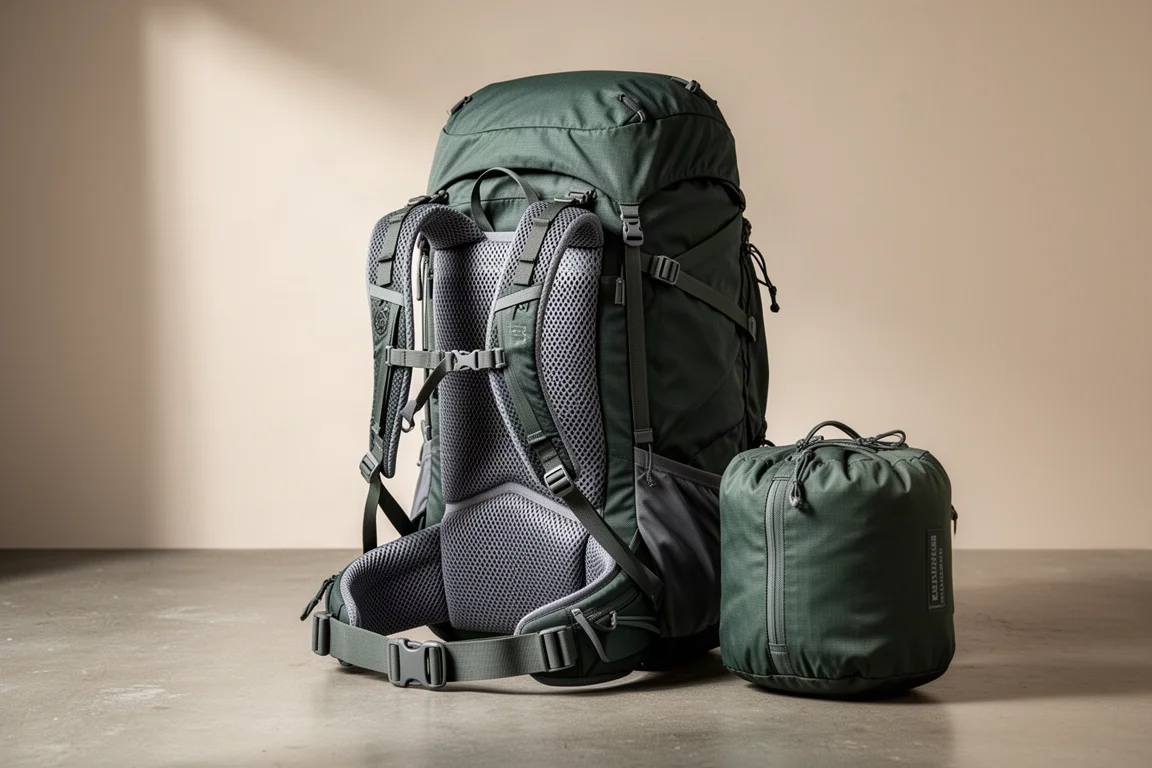
Osprey describes the Unlimited Anti-Gravity as the most advanced backpack it has ever made, the result of roughly two years of development and five decades of design experience. It anchors the Unlimited series, which also includes the AirScape. The Anti-Gravity was tuned for maximum comfort and ventilation, while the AirScape was built as a hauler that sits close to the body and carries heavier loads.
The price is $700, plus shipping and tax. That places it above almost every traditional backpacking pack available, where $500 is generally the upper limit for the lightest materials on the market. Osprey’s design team focused on the design rather than the price tag, and the specification list shows it.
Who This Pack Is For
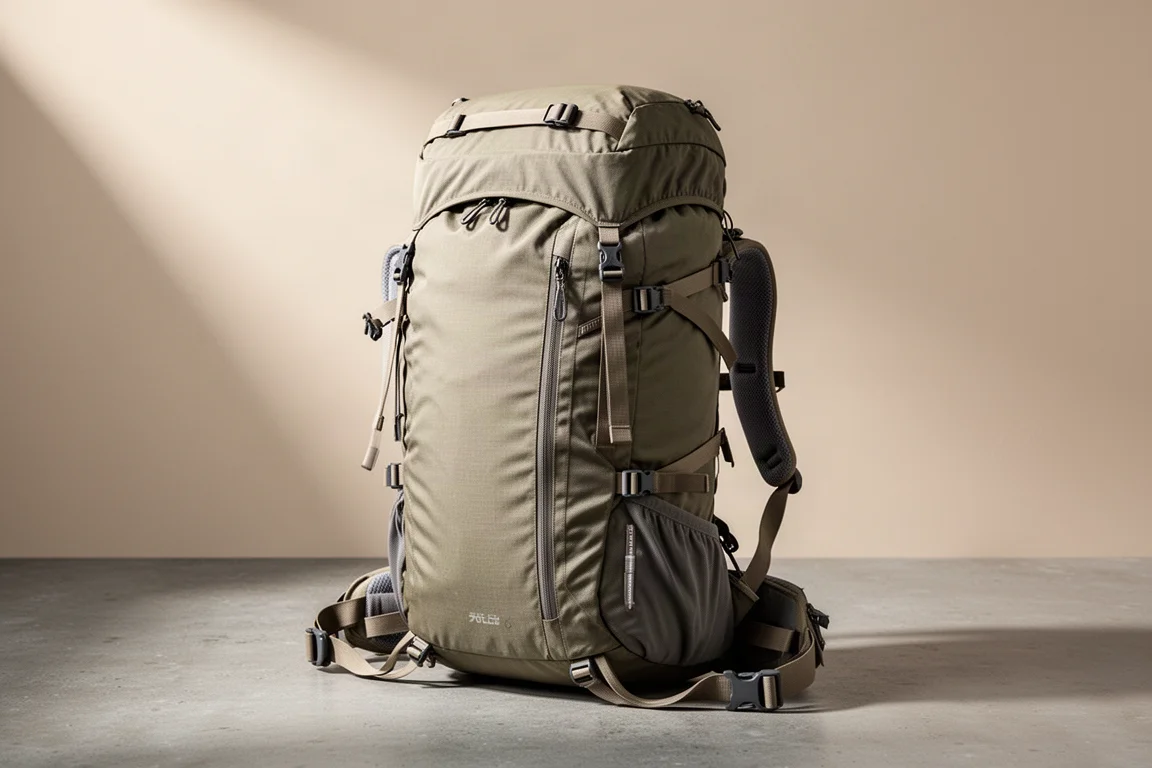
The Anti-Gravity is aimed at backpackers who put comfort and airflow ahead of minimum weight. The suspension is supremely adjustable: the harness can be raised or lowered, torso length can be set to fit, and the hip belt padding can be extended or shortened. The back panel uses dense, rubberized webbing that grips clothing, so the load moves with the body rather than swaying behind it.
It comes in male and female versions, each in two sizes. The small to medium carries 64 liters and the large to extra large carries 67 liters. The small to medium weighs 5.5 pounds, which tells you where the priorities sit. This is not an ultralight pack, and it does not pretend to be one.

Anyone who has struggled with a pack that shifts on steep terrain will recognize the appeal of a suspension that stays glued to the back. The trade-off is straightforward: 5.5 pounds is a real weight to carry, and shoppers who count grams will find more suitable options elsewhere.
Design Highlights
The main body uses a 210 denier nylon with an ultra high molecular weight polyurethane ripstop, while the base is reinforced with a 500 denier bluesign recycled nylon. Zippers come from YKK, and the frame is 7D75 aluminum. Build quality is obvious in hand: the materials are top notch and the construction is very clean.
The Detachable Lid Becomes a Lumbar Pack
The top lid detaches from the main body with a hook connection and converts into a lumbar pack. Inside there is room for water bottles, a snack, a phone, a battery bank, a GPS unit, or even a small hydration bag. The lid itself carries loops on top for strapping down items, a water resistant zipper over a pocket with a key clip, and a second double zipper pocket that accounts for most of the lid’s volume.
Dual Entry and the Clamshell Layout
The main compartment is top loading, with water resistant zippers, generous draw pulls, and gear loops for trekking poles or ice axes. Lower down, two buckled straps take additional gear on the outside, and a flap covers a second set of zippers. Release the compression straps on each side and the flap pulls back to reveal a clamshell opening. Notably, it opens in the opposite direction from most clamshell designs.
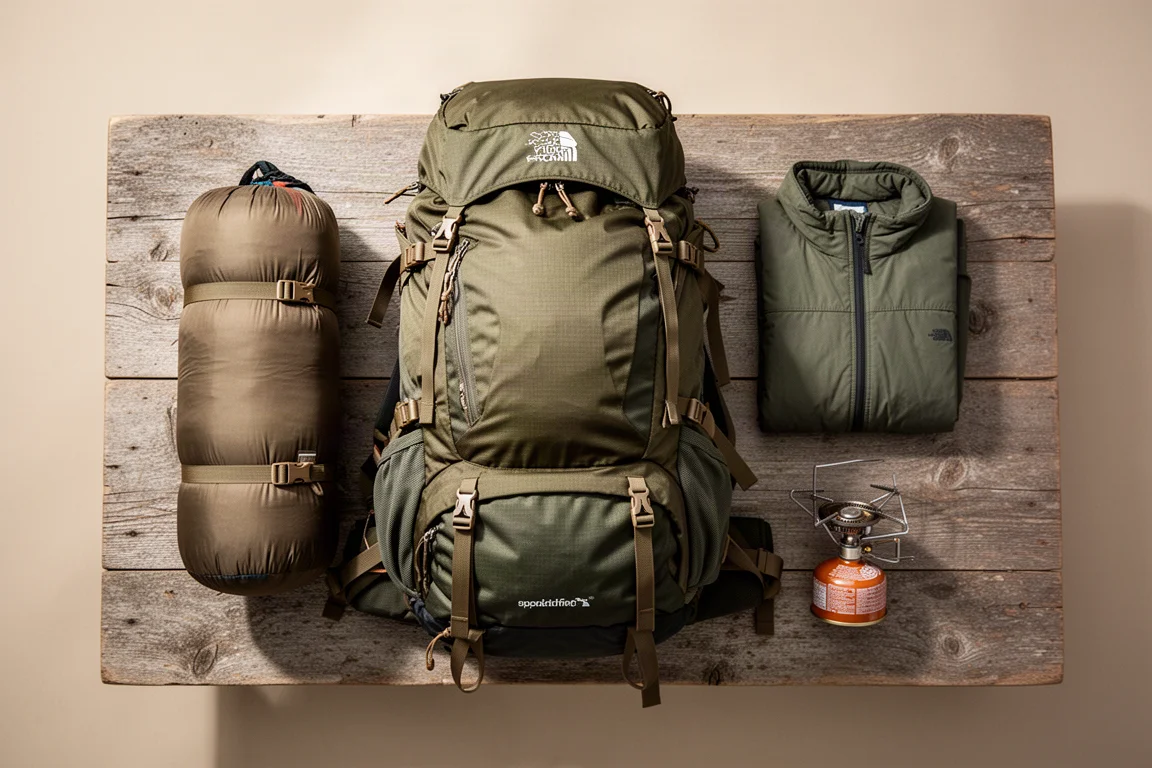
Inside, the layout is deliberately simple: no sleeves and no hooks, just a sleeping bag compartment at the bottom with a flap and two buckles to compress it. Below the clamshell zippers there is a dedicated pocket for the included rain cover. On the sides, two large stretchy pockets swallow a lot of gear, and a quick access hydration sleeve on the right side connects into the stretch pocket for bottle access while the pack is worn. A pair of independent pockets sits behind the top compression straps, separated by a divider, and they hold their volume even when the main compartment is packed full.
The AutoLift Harness and the 3D Printed Lumbar Pad
The back panel is where the Anti-Gravity diverges most from convention. A zippered compartment behind the harness holds a hydration bladder in a sleeve with a support hook, so the bladder sits behind the back rather than inside the load. The AutoLift system reworks the load lifters: adjusting the straps moves the shoulder straps and the load lifters together, which keeps the pack pulled in against the body as the fit changes. There are clips for hydration tubes, an adjustable sternum strap, an emergency whistle on the buckle, and thick padding under an outer mesh layer.
Airflow is the theme throughout. Mesh runs across the back panel and down into the lumbar area, which uses a 3D printed carbon fiber pad. It is an unusual piece of engineering and unlike anything else found in a lumbar support. The hip belt pads are fully adjustable for length, with a center buckle and a single pocket on the left side. There is no matching pocket on the right.
Things to Consider Before Buying
The price is the first thing to weigh. At $700 plus shipping and tax, this pack costs roughly two and a half times the original Atmos AG, the pack it was built upon. That earlier design remains a genuinely excellent backpack at around $270, so the honest question is what the extra money buys: more adjustability, more ventilation, a detachable lumbar pack, and a carbon fiber lumbar pad.
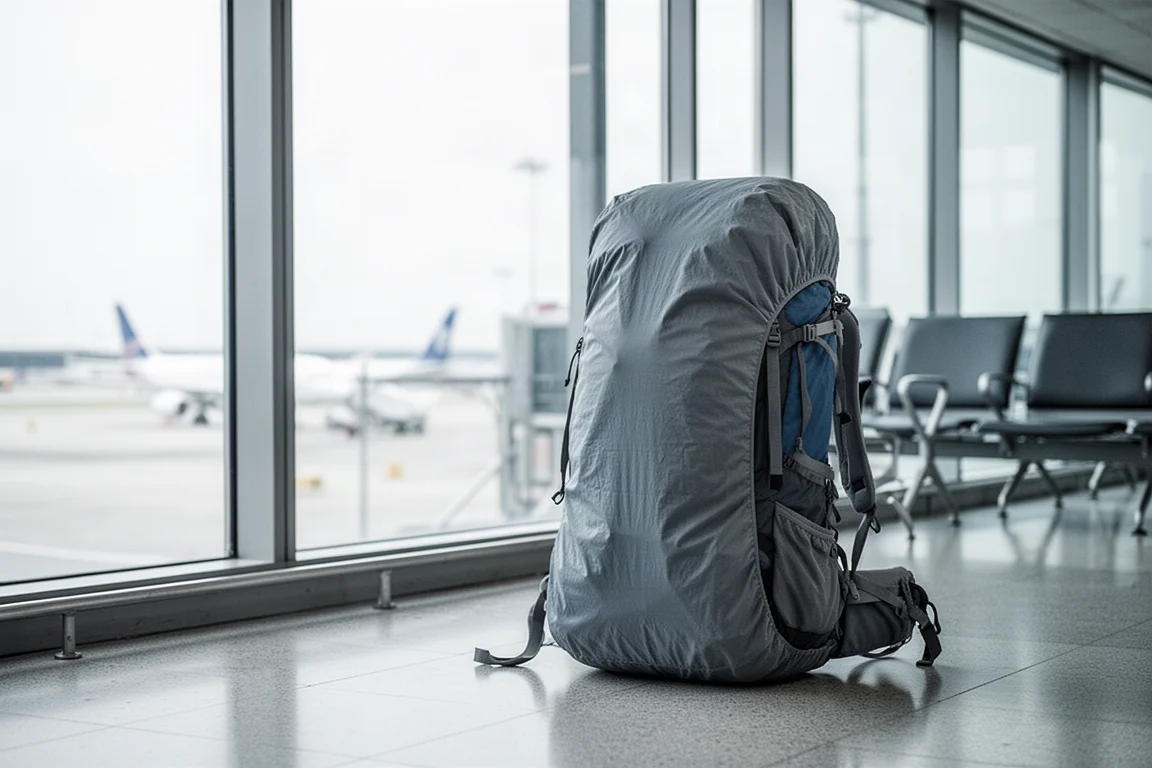
The included air travel cover is a point of debate. It is useful for anyone flying with a loaded pack, but it is bundled rather than optional, which means every buyer pays for it whether or not they will use it. A version without the cover at a lower price would suit some shoppers better.
Weight is the other consideration. At 5.5 pounds in the small to medium size, the Anti-Gravity is heavier than the ultralight packs that occupy the top of the price range, and it makes no attempt to compete on the scale.
Specifications at a Glance
- Sizes: small to medium (64 liters) and large to extra large (67 liters), in male and female versions
- Dimensions: 31.8 inches high, 16.1 inches wide, 15.3 inches deep
- Weight: 5.5 pounds (small to medium)
- Main fabric: 210 denier nylon with ultra high molecular weight polyurethane ripstop
- Base fabric: 500 denier bluesign recycled nylon
- Frame: 7D75 aluminum
- Zippers: YKK
- Lumbar pad: 3D printed carbon fiber
- Included: detachable lid that converts to a lumbar pack, rain cover, air travel cover
Buying Advice
Buy the Unlimited Anti-Gravity if ventilation, adjustability, and long haul comfort matter more to you than a low number on the scale. The harness moves with the body, the airflow is the strongest argument for the design, and the dual entry layout makes a fully loaded pack easier to live with on the trail.

Skip it if you are shopping for the lightest pack at this price. The Anti-Gravity competes on comfort and features rather than grams, and buyers who want to minimize weight will find more suitable options.
If the price gives you pause, the original Atmos AG is still a strong, well proven pack at a fraction of the cost, and it shares the same overall design language.
Conclusion
The Unlimited Anti-Gravity is unmistakably a premium product. The materials, the construction, and the sheer number of adjustment points all point to a pack that was designed without compromise on anything except weight. Whether the $700 price is justified comes down to how much value you place on comfort, ventilation, and the flexibility of a detachable lumbar pack. For backpackers who carry real loads over long distances and want the pack to disappear on their back, the case is easy to make.
Product link
View more details for Osprey Unlimited Anti-Gravity
This product is mentioned in the review. Check the specifications, options, and compatibility before buying.
View more details for Osprey Unlimited Anti-GravityFurther reading
Related Reviews

Backpacks
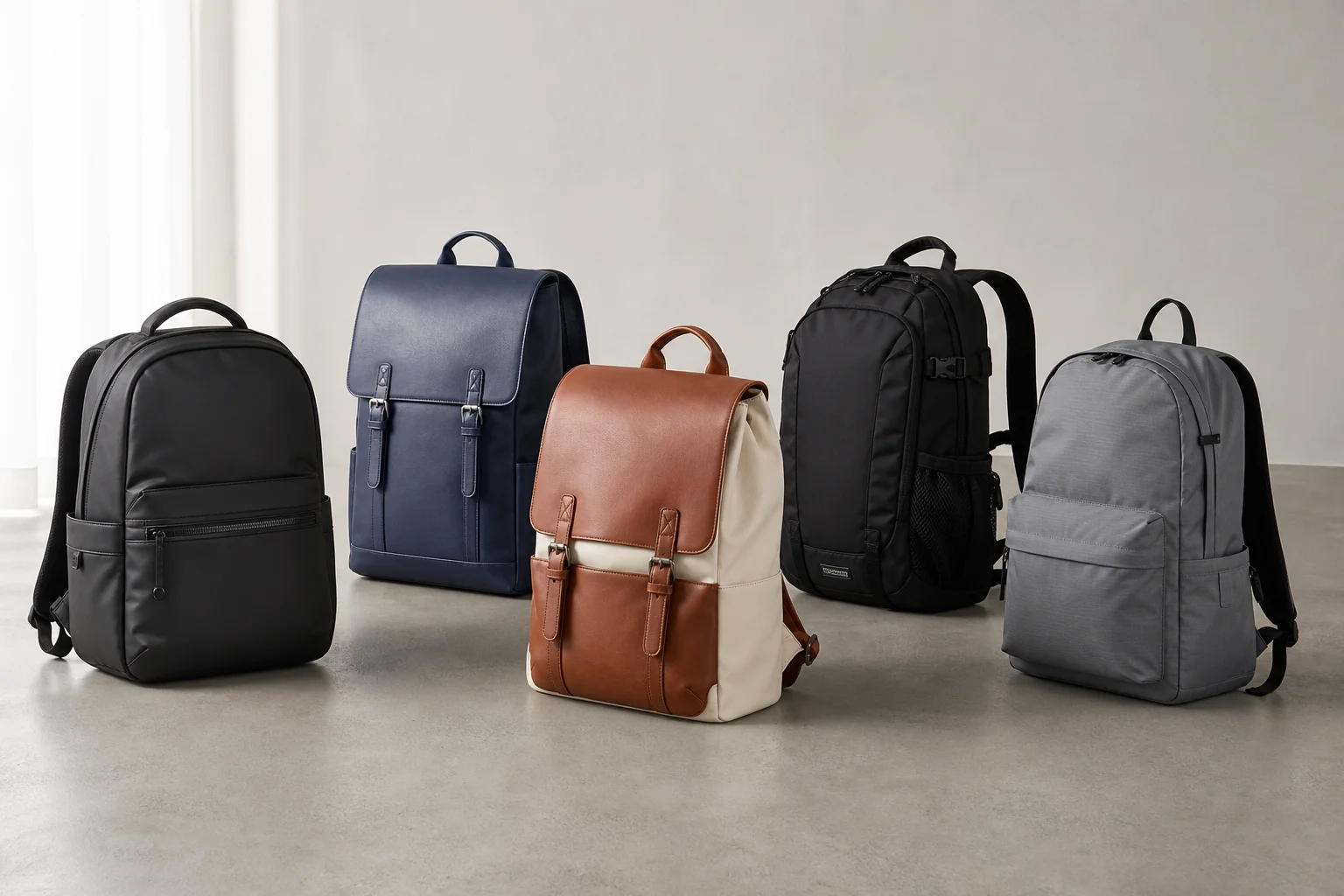
Best Backpacks 2026: Laptop Protection, Durability, and Comfort Compared
We tested 12 backpacks from $18 to $350 for laptop protection, durability, back padding, comfort, zipper smoothness, and water resistance.
Backpacks
Best Backpacks Under ₹500 in India: Five Practical Options Compared
Five backpacks tested side by side, from budget-friendly to premium Indian brands. Real strengths, trade-offs, and honest buying advice for daily use.
Backpacks
Decathlon Trek 100 70L Backpack Review: Serious Value for Backpacking
A 70-litre backpacking pack with a torso system you can adjust while wearing it, a rigid frame, and a 10-year warranty for $120.