Travel Backpacks
Osprey Farpoint 40 (2025) Review: What Changed and Whether It's Worth It
The 2025 Osprey Farpoint 40 brings a top-access laptop sleeve, lighter fabric, slimmer padding, and a return to dual back pockets. Here is how it compares with earlier versions.
Introduction
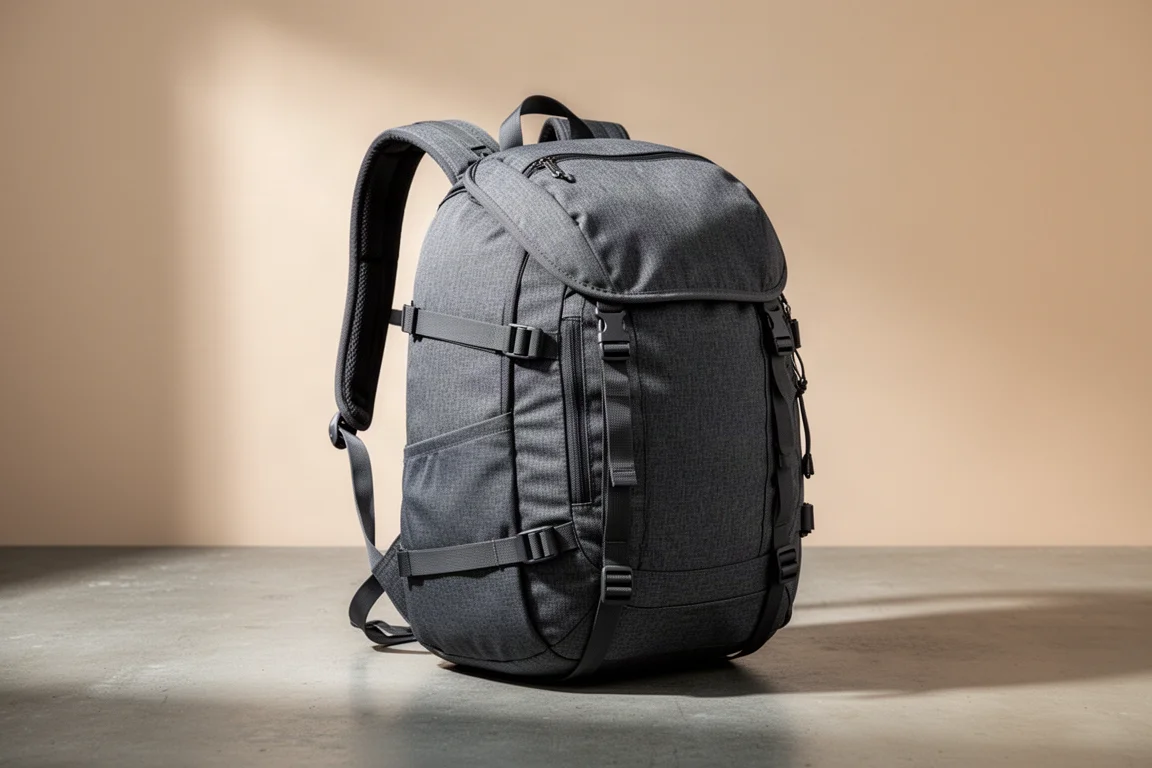
The Osprey Farpoint 40 has been one of the most popular carry-on travel backpacks for years, and the 2025 update refines the formula rather than reinventing it. If you have followed this bag through previous generations, the changes are easy to summarize: a redesigned laptop carry, thinner fabric, slightly reduced padding, and a return to the dual stretchy back pockets that the 2022 model dropped.
There is also a price change to factor in. The 2025 model now costs $200, while the previous 2022 version has been on sale on the Osprey website at 25% off, roughly $138. That gap matters, because the updates are genuine but incremental. This review walks through what changed, how it carries in real use, and the trade-offs you should weigh before buying.
Who This Product Is For
The Farpoint 40 is aimed at travelers who want a genuine carry-on-only backpack: 40 liters of capacity, a stowable harness, strong security features, and a compact silhouette that fits overhead bins. It suits one-week trips packed carefully, and it works especially well for people who value comfort on the move and security over quick access to the main compartment. If you prefer panel-loading bags or easy top access to everything, this rounded, top-lid design involves compromises worth understanding first.
What Changed in the 2025 Model
The headline updates are threefold. First, the laptop sleeve moved from side access to a top-facing design close to the back panel of the carry system. Second, the fabric in the main bag is thinner, cutting a little weight. Third, the hip belt and shoulder pads are slightly less padded, and the back padding now uses a wavy ridged pattern.
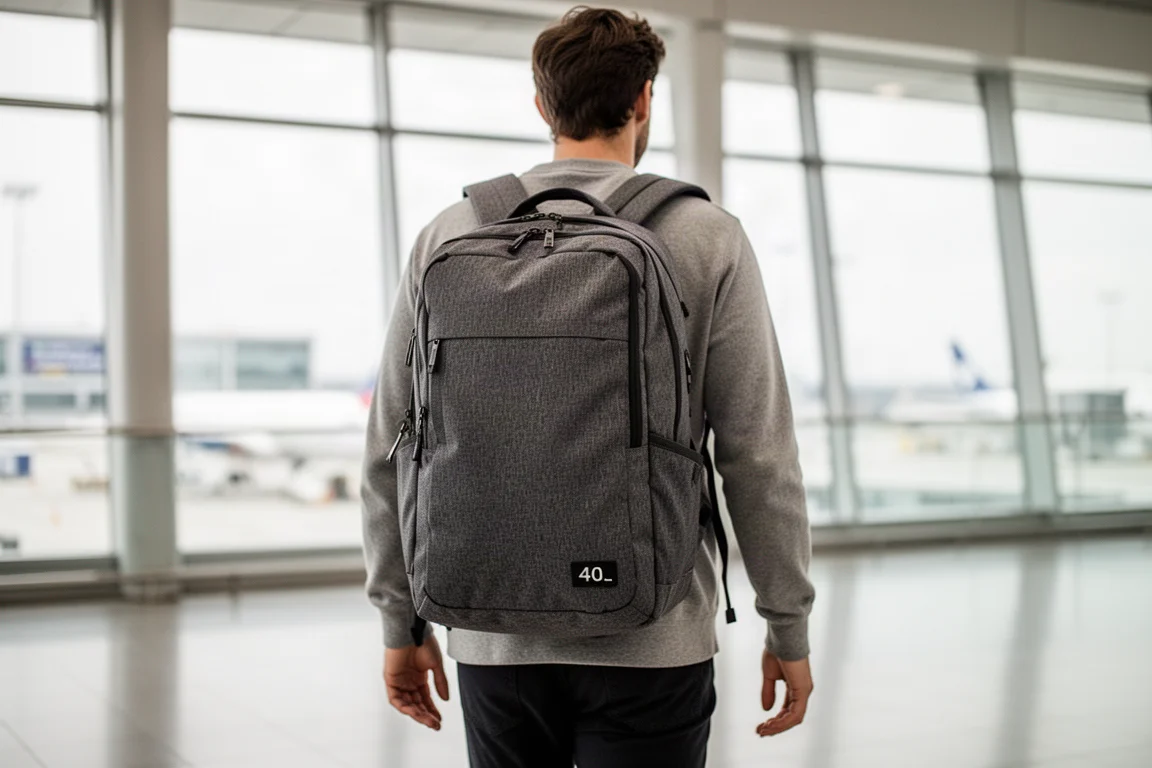
Other tweaks include an updated connection system for the detachable day pack, new top load adjusters, revised back padding, and a return to the double stretchy pocket design on the back panel instead of the large dump pocket. Individually these are small, but together they add up to a noticeably refined bag.
Laptop Carry: The Biggest Change
Laptop carry is probably the most significant update. The 2025 model uses a standard top-opening laptop sleeve that unzips from the outside, positioned close to your back. The zipper does not open very far, but it comfortably fits a 15.5-inch Dell laptop and holds up to a 16-inch device.
This is a real improvement over older generations. Both the 2018 model and the 2019-2020 update placed the laptop in a separate front padded sleeve, which was easy to reach but put the laptop far from your body and threw off the weight distribution. Moving it into the main carry area near the back panel is a clear step forward.
Fabric and Hardware Updates
The fabric story is about targeted durability. Older versions used a thicker 450 denier polyester across the whole bag, which added weight where it was not needed. The 2025 model concentrates the thicker fabric on the bottom and sides, where abrasion actually happens, and trims the main pack body.
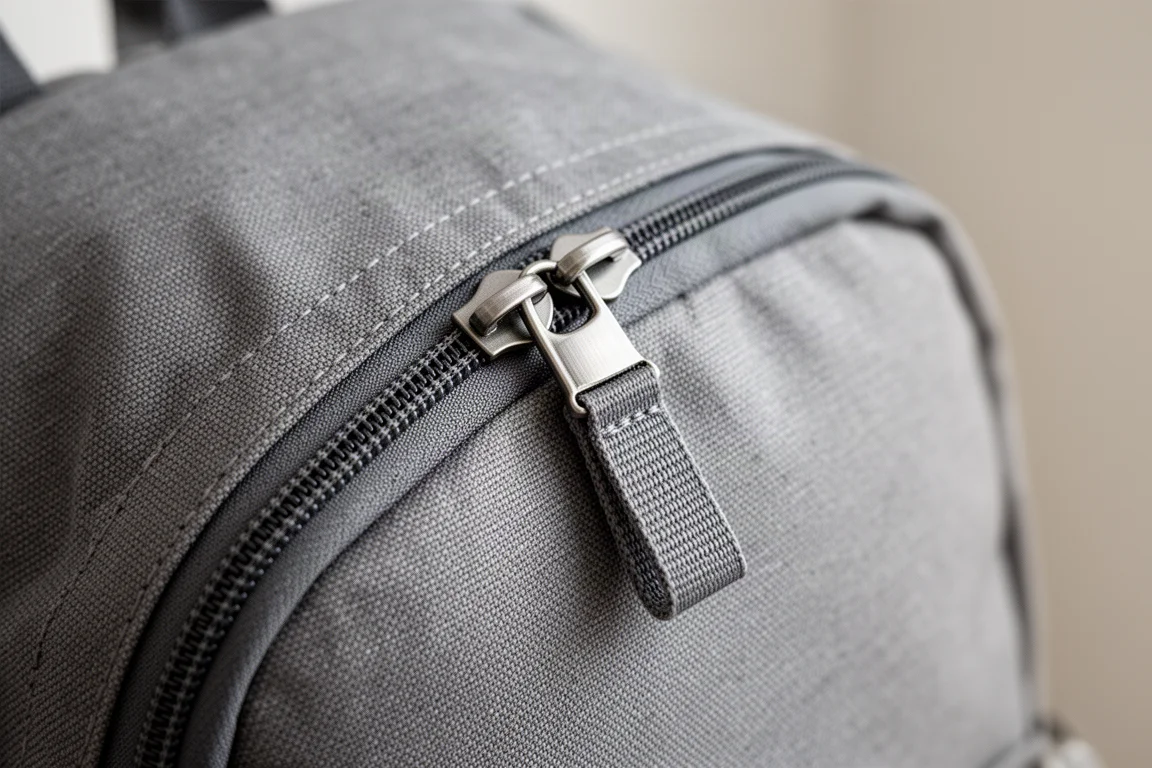
Hardware got a tasteful refresh too. The previous model had polished, shiny size 10 YKK zippers with only small fabric zipper pulls. The new bag uses brushed metal zippers with an added metal pull in addition to the fabric tab. It looks better in person and feels more considered.
One note on dimensions: the listed specs are fractionally different from the previous model, roughly half a centimeter longer and slightly deeper. Side by side, the difference is essentially impossible to see. Treat it as a paper change, not a practical one.
Carry System: Slimmer but Still Comfortable
The carry system evolution is easy to trace. The 2018 bag was significantly lighter and less structured, with thin straps and minimal back padding. By 2022, Osprey went the other way: much thicker shoulder straps, an Airridge back panel, and long, thickly padded hip belts. The 2025 update tones that down. The hip belt lost roughly two inches of length and some padding, the shoulder straps are a touch thinner, and the back padding switched from a thick grid-like pattern to a more subdued breathable mesh over wavy ridges.
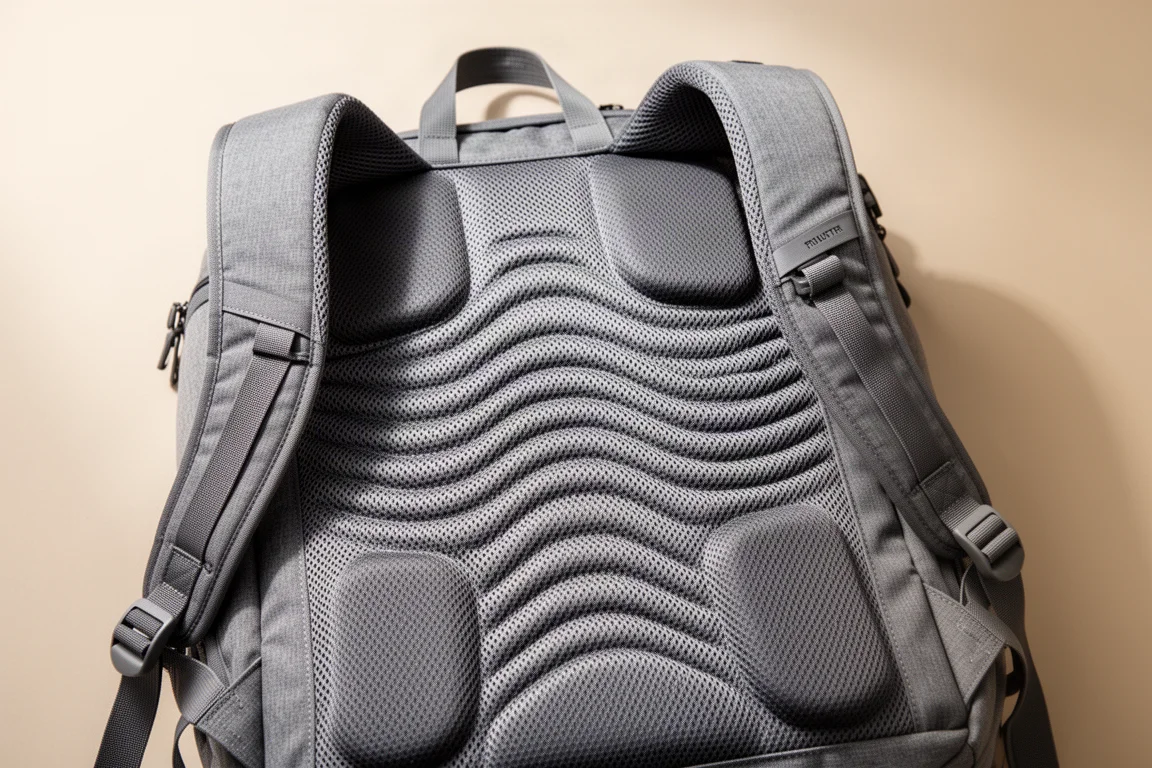
In practice, the reduced padding does not hurt comfort. On a one-week carry-on-only trip around Michigan and Chicago, the pack carried comfortably with big padded shoulder straps, plenty of adjustability, a hip belt, and top load adjusters. If anything, the previous padding may have been slightly overkill for a 40-liter bag, and the new setup feels well matched to this size. The wavy ridges feel a bit nicer against your back and may add slight airflow, though the difference is mostly aesthetic. The overall structure remains the same: yoke, top load adjusters, sternum strap, hip belt, padded tuckable straps, and everything stowing away behind a zippered fabric flap.
The load lifter and day pack attachment systems also changed. Instead of a buckle-and-clip setup, the new model uses a thinner strap with a small clip attaching into a fabric loop. The same applies to the day pack connection, which lets you carry the day pack on the front or back. Be aware that the older buckle-based day pack system is likely not reverse compatible with the new clip system.
Back Pockets: Back to Basics
All older Farpoint models had two separate mesh pockets on the back panel. The 2022 update combined them into one large fabric dump pocket, apparently an unpopular choice. The 2025 model returns to two separate pockets, now made from expandable fabric rather than mesh.
These pockets are still not ideal for large water bottles. They handle medium and small bottles fine, and when the main compartment is packed close to full, the pockets do not stretch enough to jam a full bottle in without effort. Plan to keep the main pack slightly underfilled if you want to use them for bottles.
Packing Experience and Accessibility
This is where the honest trade-offs live. The Farpoint 40 has always been a slightly awkward bag to pack. The exterior is egg-shaped and the interior is oval, so standard square packing cubes do not fit neatly in this orientation. Despite the 40-liter rating, the interior can feel a bit crowded, with the back padding pushing in from behind and the laptop compartment eating into the main space.
The top lid compartment has its own volume and needs to be packed deliberately if you want the full 40 liters. There is almost no external organization, so you fill that large zipper pocket either from inside the bag, which means opening it completely, or by overstuffing the main compartment and folding the pocket over it.
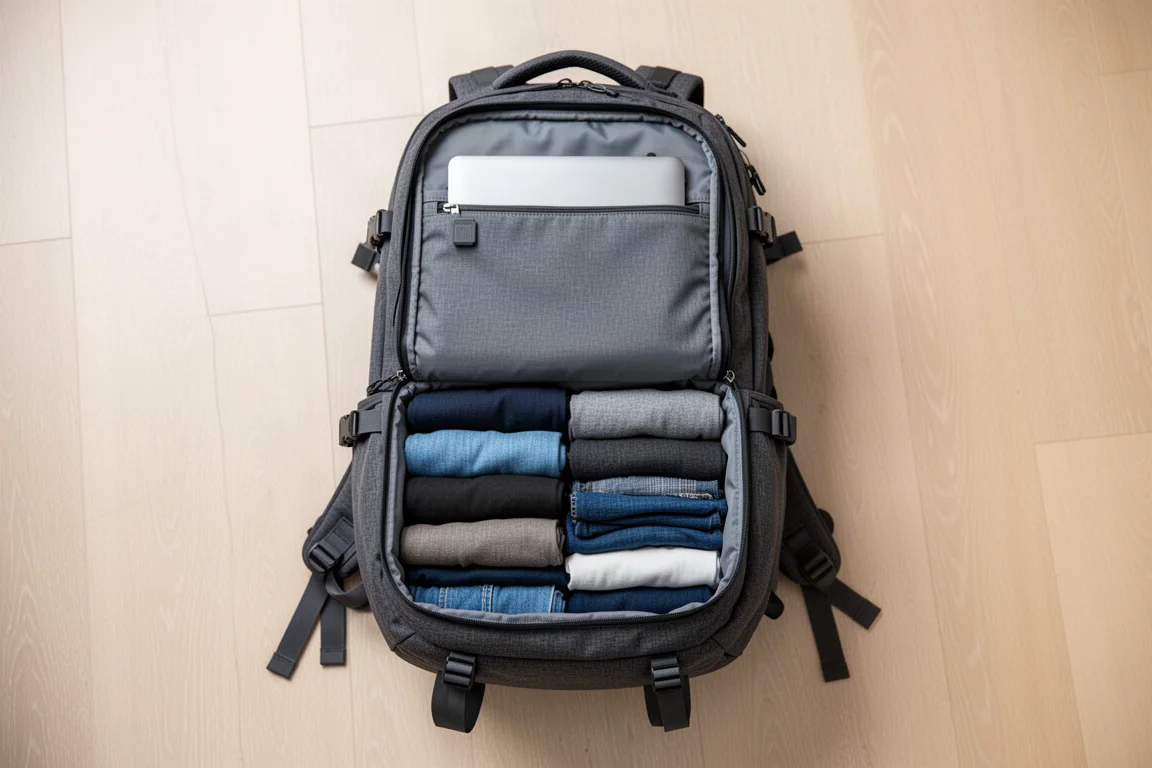
That design leans toward security rather than accessibility, and that is genuinely a strength for some travelers. The compression straps squish the bag down, the main zipper is almost completely inaccessible, and you can clip a travel lock on the main zipper and tuck it under the flap. The top slash pocket and the lockable laptop compartment are the only other entries. Nobody is getting into the main compartment easily. The flip side: getting in yourself means unbuckling straps, folding them back, undoing the zipper, and pulling contents out. If you like bags that open quickly, this one will feel slow.
Buying Advice
If you own the 2022 model and like it, the 2025 update is not compelling enough to justify an upgrade. The changes are refinements: nicer hardware, a better laptop position, slightly lighter fabric. If you are buying new, the decision mostly comes down to price. At $200 the new model is a well-rounded, comfortable, secure carry-on, but the 2022 version at around $138 on sale delivers nearly the same experience with thicker padding and proven durability. Budget-conscious buyers should grab the older version while it lasts; those who want the latest laptop placement and weight savings should go with the 2025 model.
Conclusion
The 2025 Osprey Farpoint 40 is a thoughtful evolution of a proven design. The top-access laptop sleeve near the back panel is the standout improvement, fixing a long-standing weight distribution issue, and the targeted fabric use and slimmer carry system make the bag feel better matched to its size. Its weaknesses remain the same as ever: an awkward rounded shape for packing cubes, a crowded-feeling interior, and slow access in exchange for excellent security. For carry-on-only travelers who carry their bag more than they open it, it remains one of the strongest options in the category.
Product link
View more details for Osprey Farpoint 40
This product is mentioned in the review. Check the specifications, options, and compatibility before buying.
View more details for Osprey Farpoint 40Further reading
Related Reviews
Travel Backpacks
Outdoor Vitals Dakota UL Review: One 45L Pack for Travel and Backpacking
A practical look at the Outdoor Vitals Dakota UL, a 45 liter pack that opens like luggage, carries a laptop, and converts for trail use with a removable frame and detachable hip belt.
Travel Backpacks
Outdoor Vitals Koda UL Review: One Bag From Terminal to Trail
A hybrid travel and backpacking pack with a sleek carry-on shape and a frame tuned for all-day comfort under a real multi-day load.
Travel Backpacks
Outdoor Vitals Kota UL Review: One Pack for Flights, Cars, and Backcountry Camps
A close look at the Outdoor Vitals Kota UL, a travel-first backpack designed to stay comfortable under backpacking loads and still slide into an overhead bin.