Backpacking Backpacks
Osprey Exos Pro 55 and Eja Pro 55 Review: Ultralight Packs That Still Carry a Load
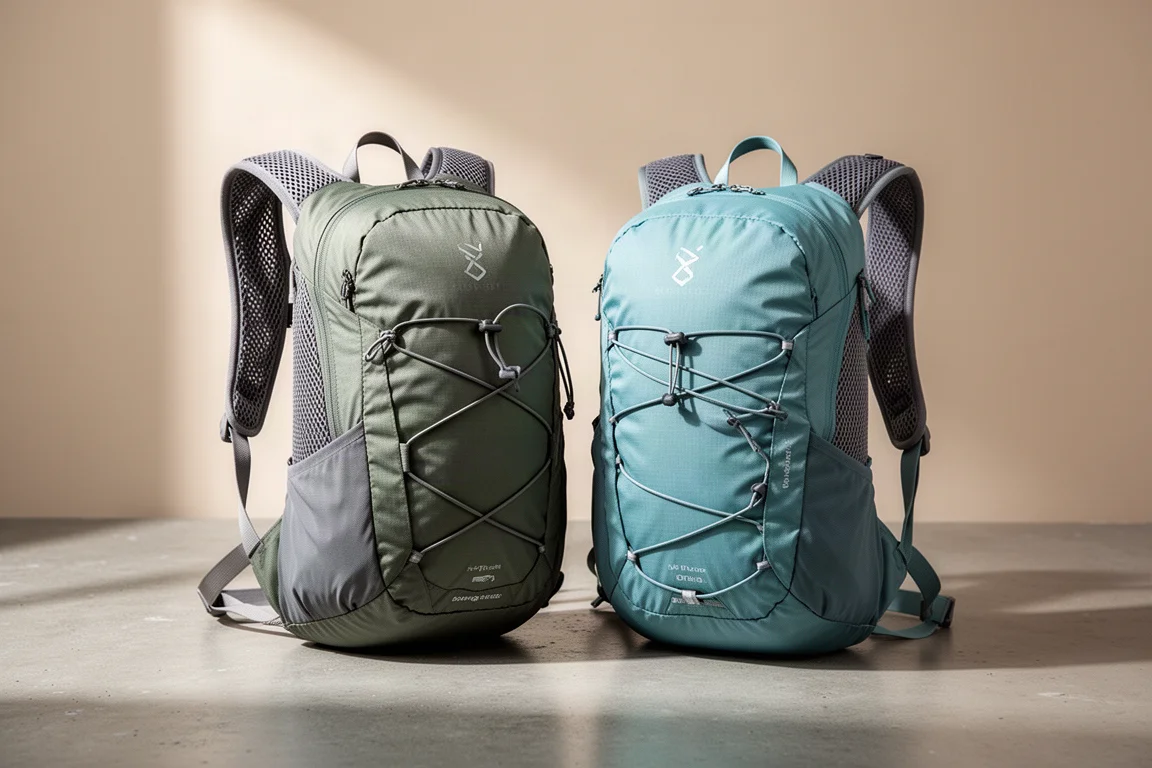
Two 55-litre ultralight backpacking packs, one men's and one women's, with a quoted 947 g weight, NanoFly ripstop fabric, and a framed AirSpeed suspension.
Introduction
Osprey builds carrying systems, backpacks, and luggage, and nothing else. That narrow focus is the reason the Exos Pro 55 and the Eja Pro 55 feel so considered. The Exos Pro 55 is the men’s model and the Eja Pro 55 is the women’s version, and both sit on the same 55-litre platform with the same materials and the same overall feature set.
The number that gets attention first is weight. The 55-litre pack is quoted at 947 g, which is lighter than plenty of 30-litre day packs. For a pack this size that has a practical effect: you are not obliged to fill it, and on lighter days it compresses down and behaves like a much smaller bag. Even so, it still carries a proper multi-day load well.
This is not an ultra-lightweight specialist pack aimed only at gram counters. It is a light pack that keeps the features most people actually use, which is a more useful proposition for a wider range of trips.
What Makes the Exos Pro and Eja Pro Different
Osprey has made the Exos range for years, and the Pro version brings together what that experience has taught. A large part of the weight saving comes from the fabric. It is called NanoFly, a 100-denier nylon with a ripstop weave. It is thin and light, but the ripstop pattern gives it genuine durability, and the nylon itself is water resistant. It sheds rain rather than soaking it up, so the pack does not gain weight when the weather turns.
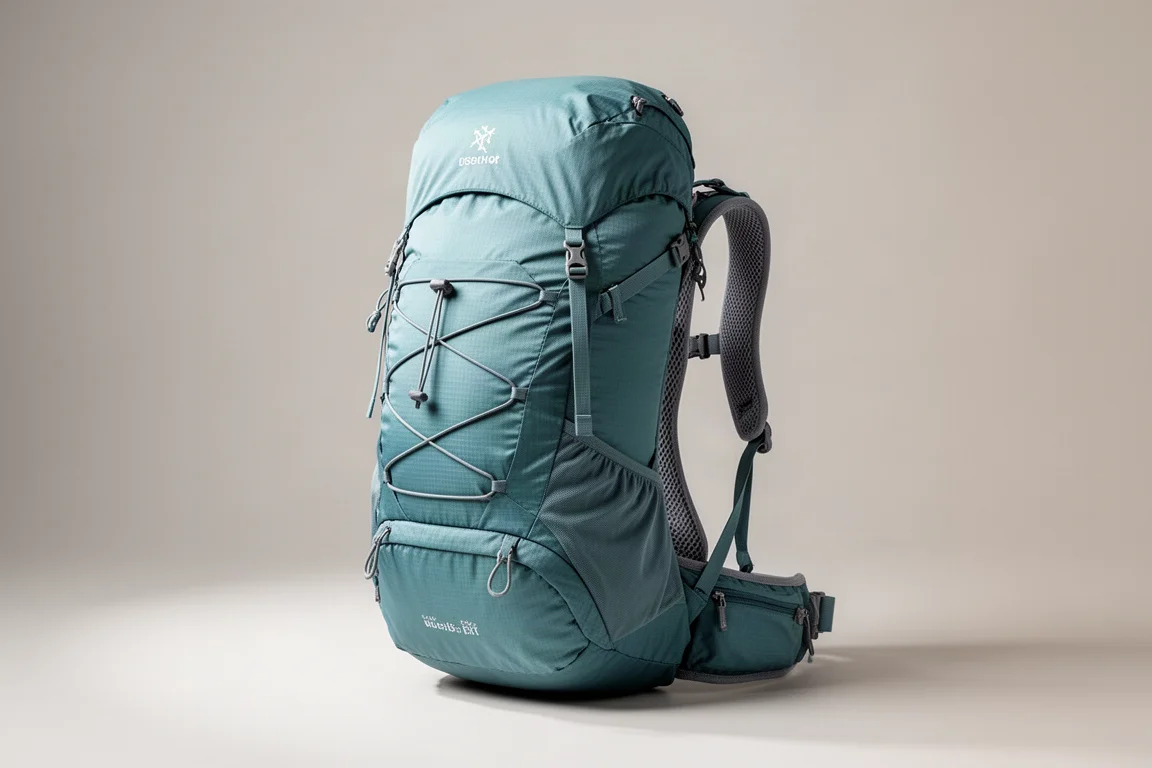
The layout is one of the reasons the range has stayed popular for so long. There is a large bungee pocket across the front, plus bungee side pockets on both sides that will swallow a wide-mouth bottle, or even a pan and a stove. Compression straps let you pull everything in tight when the pack is only part loaded, which is what makes it work as a light day bag as well as a multi-day pack.
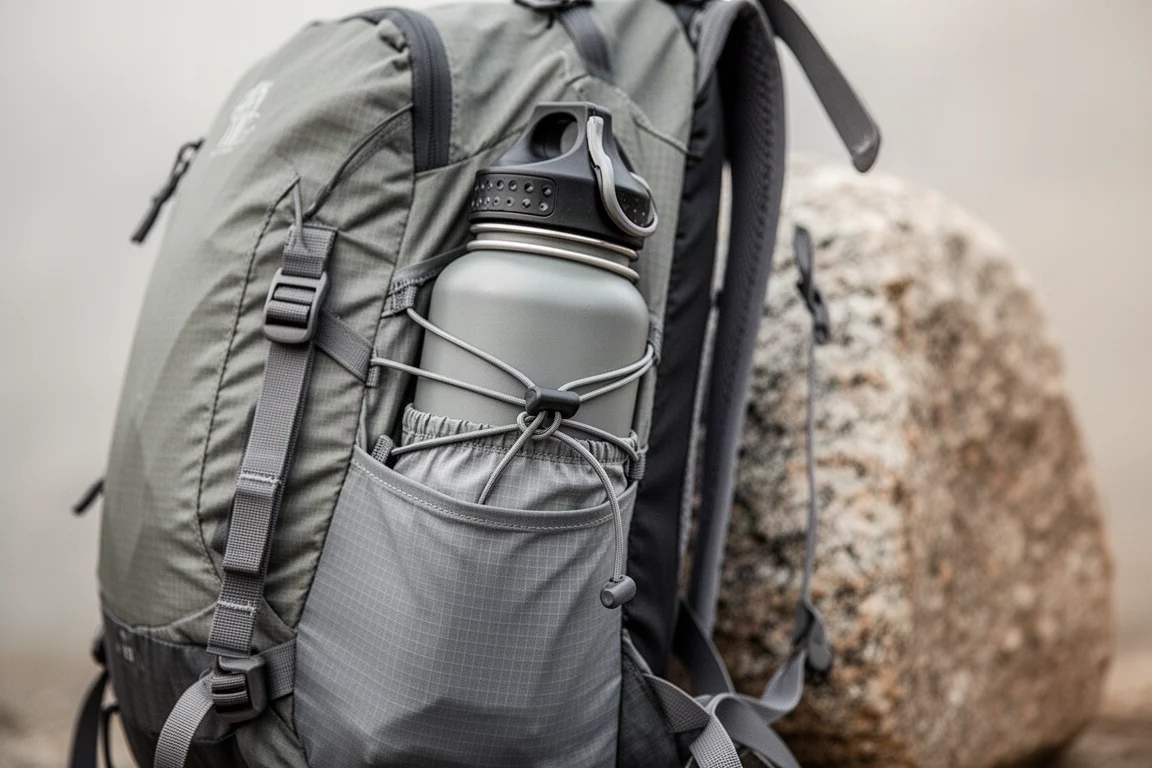
The lid comes off completely, which saves a meaningful amount of weight and makes the pack feel far less bulky at the top, where overfilling tends to happen. When the lid is removed, a small flap takes its place so rain does not drop straight into the main compartment. There are also attachment points for ice axes and for walking poles on the back, which makes the pack useful on glacier crossings and on approaches to alpine huts.
Osprey Exos Pro 55
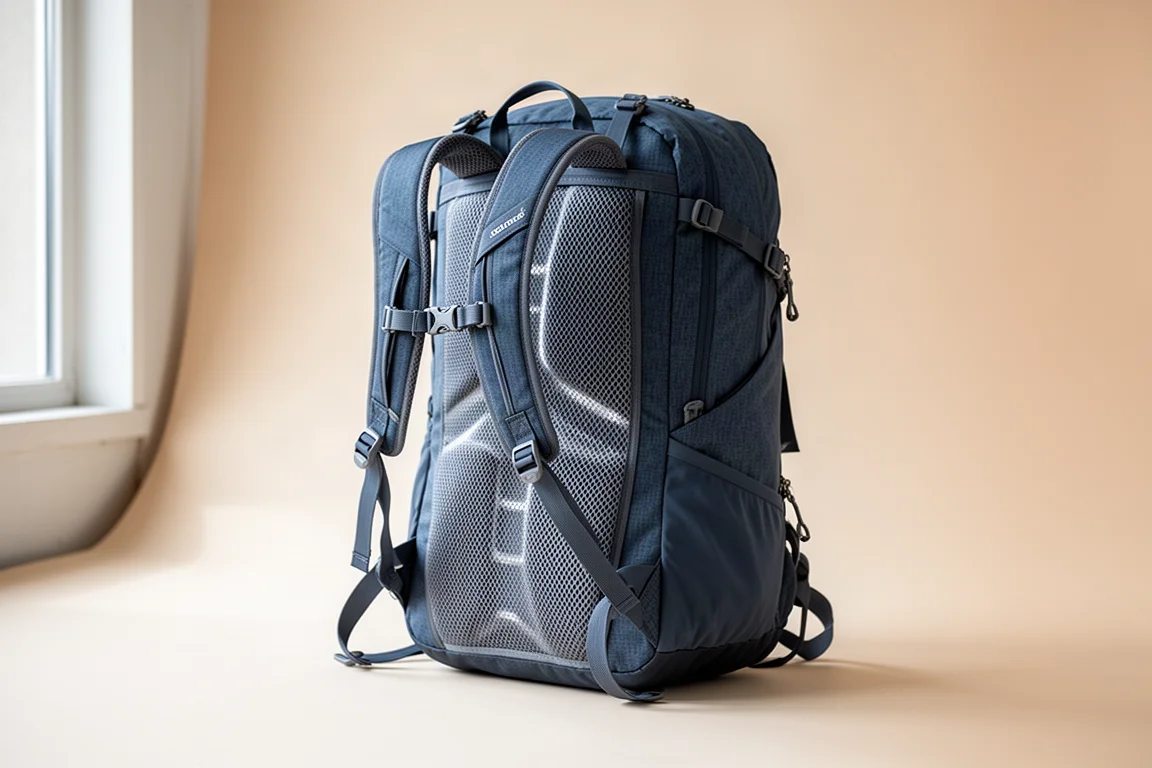
The Exos Pro 55 is the men’s version, and it comes in two back lengths. The back system is Osprey’s AirSpeed suspension: a framed structure with a venting mesh panel that holds the pack away from your back while still transferring most of the load to the hips. It is light, but it does not behave like a frameless pack once the weight goes up.
One detail stands out during fitting. The lower part of the back panel scoops away instead of ending in a hard edge, and that shape is noticeably more comfortable than packs that press directly on the base of the spine or the pelvis. Adjustment is handled by a set of poppers, and once the pack is loaded they stay where you set them.
The hip belt carries two pockets: an open stretchy one for things you want to grab quickly, and a zipped one for valuables. The side pockets are shaped so you can reach a bottle without taking the pack off. The sternum strap position can be moved, there is a grab handle at the top, and inside there is a bladder sleeve with routing that lets the tube run over the shoulder.
Osprey Eja Pro 55
The Eja Pro 55 is the women’s version of the same design, and the differences are in the fit rather than the concept. It has two back lengths of its own, and the back panel is adjustable on top of that, so getting the pack properly seated on the hips is realistic across a wide range of body shapes.
The value of that women-specific fit shows up over long distances. One walker took the Eja Pro 55 along the GR20, a route of roughly 180 km, carrying all her food for the trip, which made the pack very heavy at the start. She had a plated collarbone injury at the time and had been told that wearing a backpack would be painful. After a fitting, she carried the pack without pain.
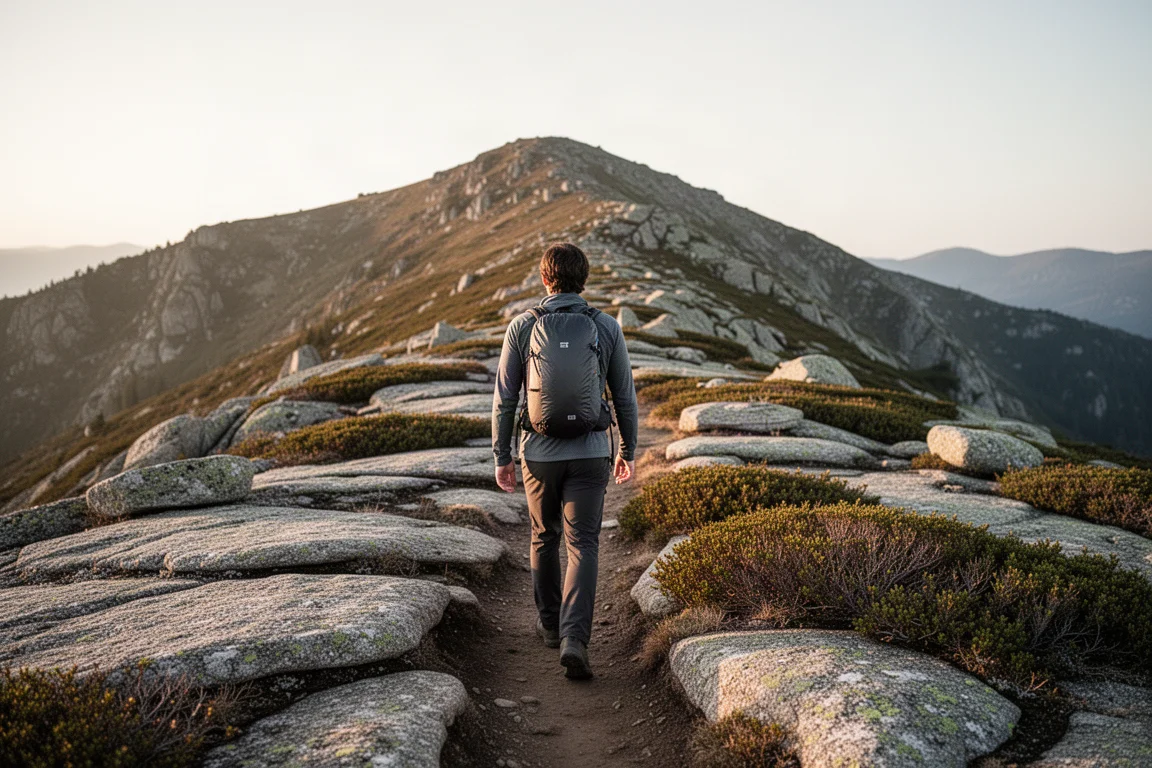
Her experience pointed to the same things the design suggests. The pack sat on her hips rather than her shoulders, the back length kept the top of the pack clear of the back of her head, and the harness avoided the pressure points that other packs had created. She also used the mesh panel at the back to hold a solar panel while walking, charging devices on the move. After the route the pack was scuffed and muddy but undamaged, and the mesh had not torn.
Fabric, Weight, and Weather Resistance
The NanoFly fabric deserves a closer look, because it is doing a lot of the work here. At 100 denier with a ripstop weave, it is thin enough to keep the overall weight down and tough enough to handle being set down on rock and picked up again. The nylon is water resistant and does not absorb much water, so the pack stays light even when it gets damp.
It is worth being precise about what that means. The fabric is water resistant, but the seams are not taped, so this is not a waterproof bag. Anything that needs to stay dry belongs in a dry bag inside the pack. In practice the fabric sheds a surprising amount of rain, and the small flap that covers the opening when the lid is removed keeps water from dropping straight into the main compartment.
Fit and Comfort Across Body Shapes
Fit is where these packs earn their place. The AirSpeed back system is framed and ventilated, which keeps air moving across your back while still putting the load onto the hips. Two back lengths in each of the men’s and women’s versions, plus the adjustable back panel, mean most people should be able to find a workable match.
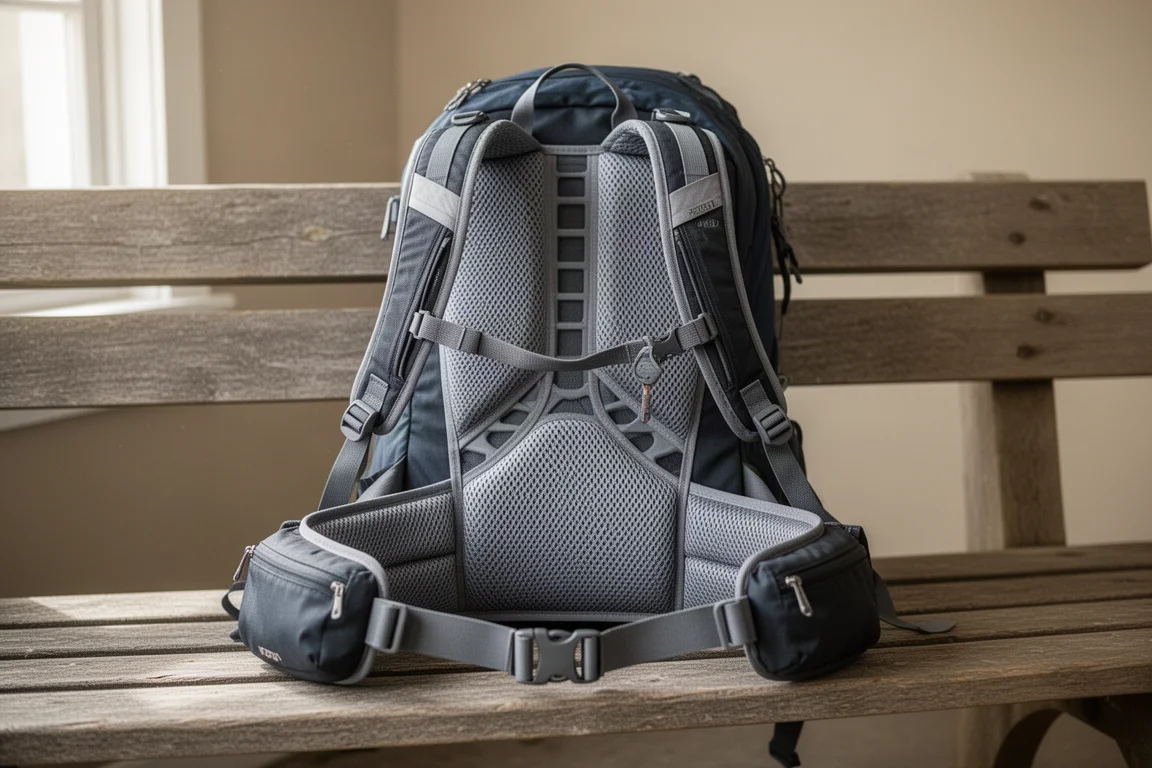
The harness geometry matters as much as the length. The women’s version avoids the two most common complaints about unisex packs, which are pressure across the chest and a top lid that sits too high and catches the back of the head. The men’s version has the same scooped lower back panel, which keeps the base of the pack away from the spine. Being able to move the sternum strap helps as well, because it lets you fine-tune where the shoulder straps sit.
Carrying Loads on Long Trails
A 55-litre pack at this weight raises an obvious question: will it hold up when it is genuinely loaded? The experience on the GR20 suggests it will. The pack carried the full weight of a multi-day food load at the start of the route and stayed comfortable, and as the food was eaten and the load dropped, it remained stable rather than turning floppy.
Durability held up too. There was no sense that the fabric was fragile or about to tear, no damage after the pack was repeatedly set down on rocks, and the mesh survived intact. For a pack that weighs so little, that is the reassurance most buyers are looking for before committing to a long route.
Overall Buying Advice
These are not inexpensive packs, and it is worth saying that plainly. What you are paying for is a design refined over several generations and a weight that is genuinely unusual for the volume. If you want one pack that can handle overnight and multi-day backpacking and also compress down for lighter days, this is a strong option.
Choose the Exos Pro 55 for the men’s fit and the Eja Pro 55 for the women’s fit. Both come in two back lengths, so the priority is getting the right one rather than picking between features, since the two packs share the same layout.
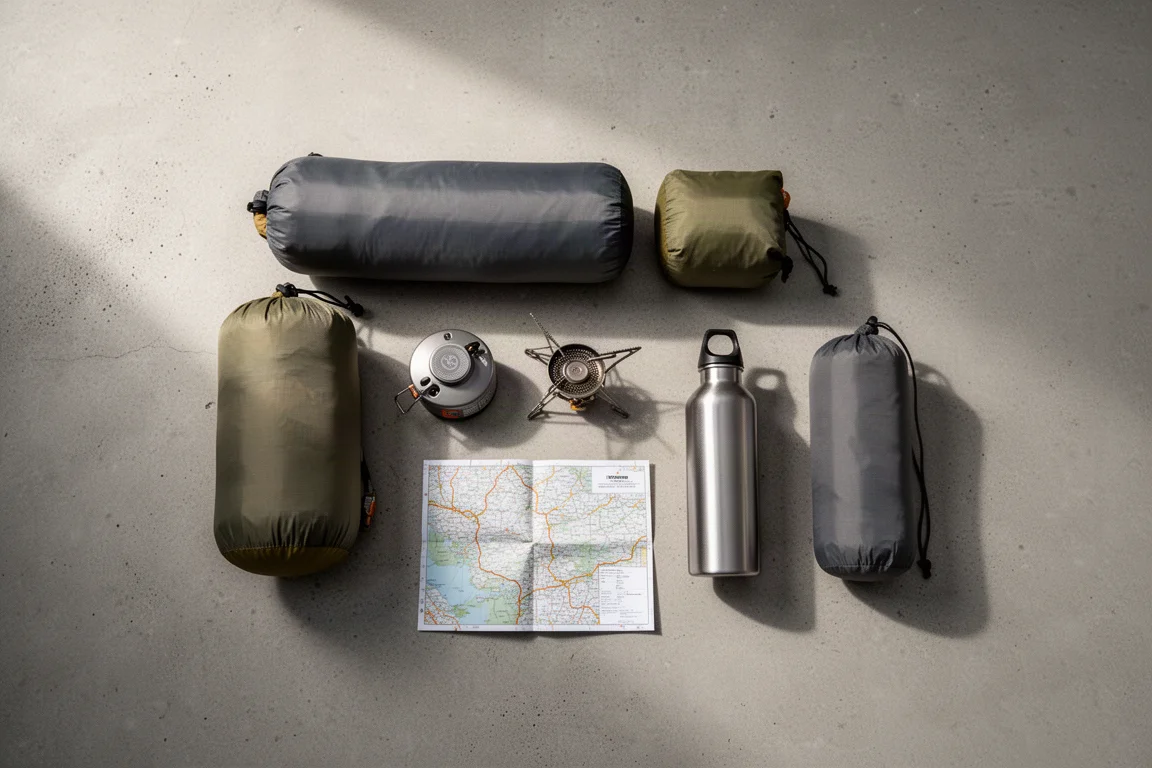
If you can, have the pack fitted before a long trip, because the harness is where most of the comfort comes from. Pack anything that must stay dry in dry bags, and treat the fabric as water resistant rather than waterproof. Used that way, these packs are built to serve a lot of different adventures rather than one trip.
Conclusion
The Exos Pro 55 and Eja Pro 55 are what happens when a company that only makes carrying systems concentrates on one design. At a quoted 947 g for a 55-litre pack, they are light enough to change how you pack and how much you notice the load, and the feature set, from the bungee pockets and removable lid to the AirSpeed suspension and adjustable back, is practical rather than decorative. For long trails and multi-day routes, they are worth a close look.
Further reading
Related Reviews
Backpacking Backpacks
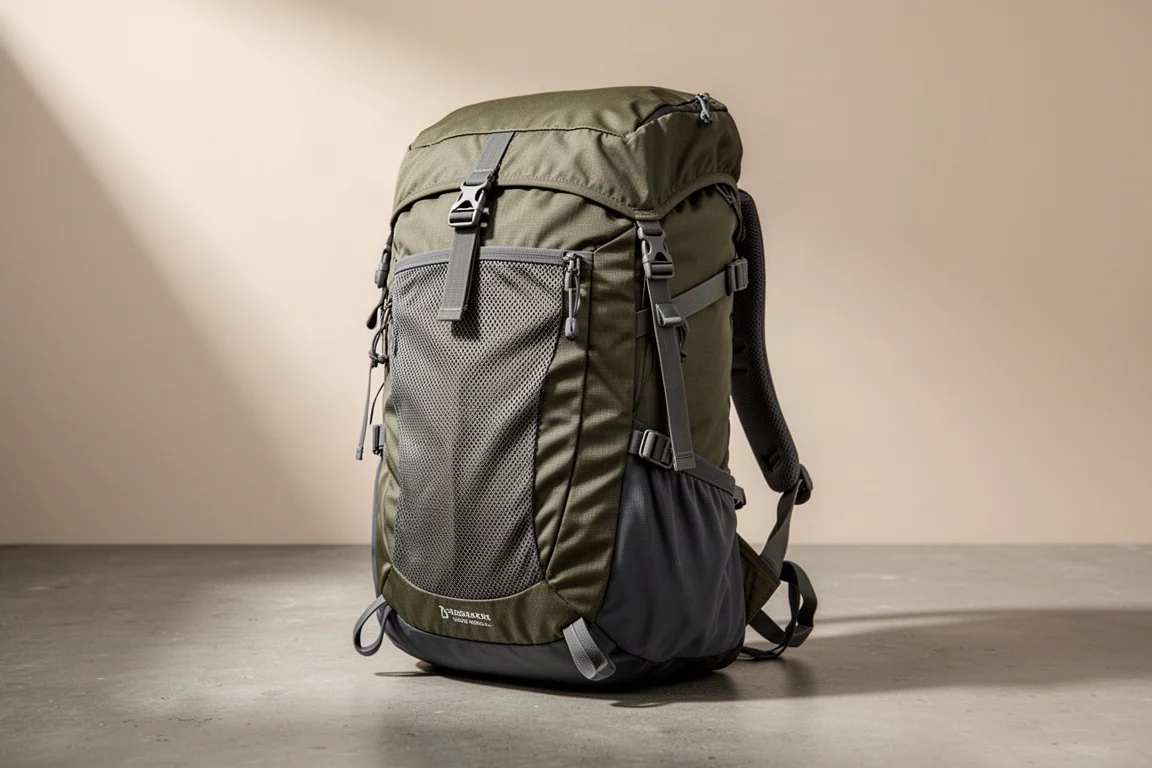
Osprey Unlimited Anti-Gravity 64L Review: Premium Ventilation at a Premium Price
A long-term look at Osprey's most advanced backpacking pack, covering its standout ventilation, its premium build, and the trade-offs behind its price.
Backpacking Backpacks
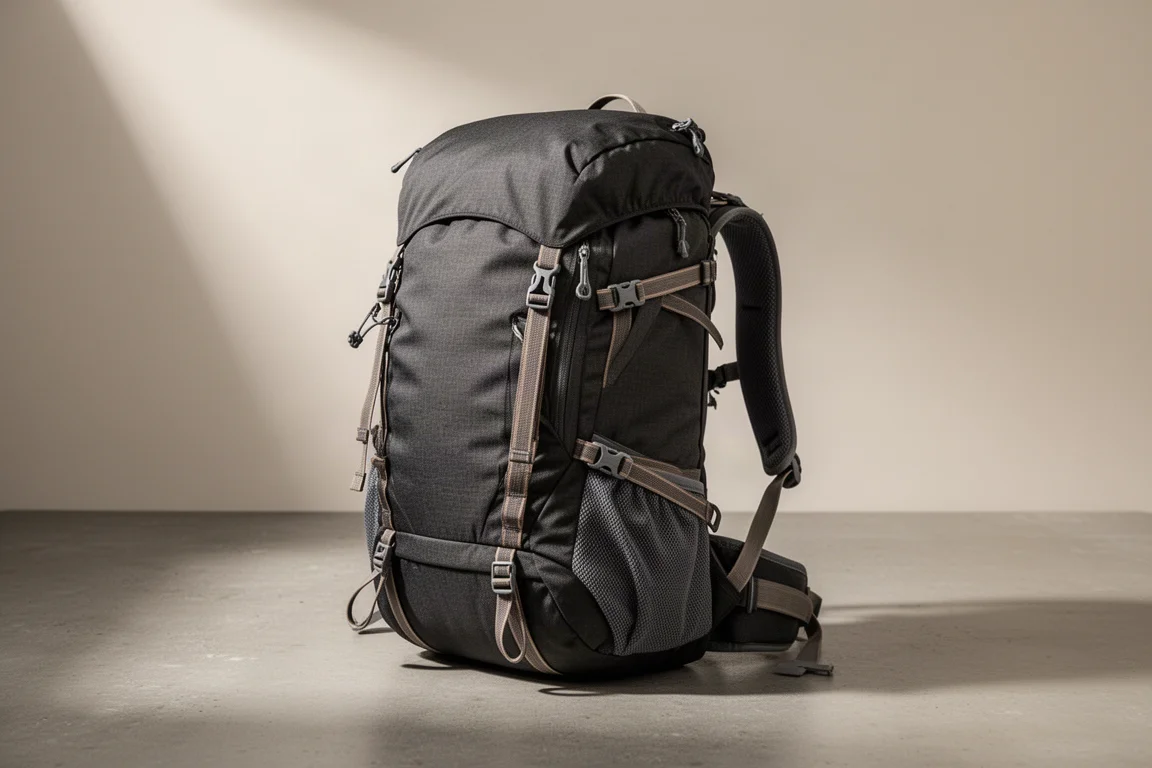
Big Agnes Sweetwater 43 Review: A Lightweight Pack That Rewards Careful Fitting
A 43-liter top-loading backpack with three torso sizes and adjustable shoulder strap slots, built for weekend loads up to a stated 30 lb limit.
Backpacking Backpacks
High Gear Tibet 55+ Backpack Review: A Budget Load Carrier With an Adjustable Back
A 55 litre backpacking pack with an adjustable back system, a separate sleeping bag compartment, and an integrated rain cover, all at a budget price point.