Backpacking Backpacks
Osprey Exos 48 Review: A Framed Backpack That Stays Under 1.3 kg
A close look at the Osprey Exos 48 after a year of use: the frame and suspended mesh back panel, the removable lid, the load range it handles well, and the extras to budget for.
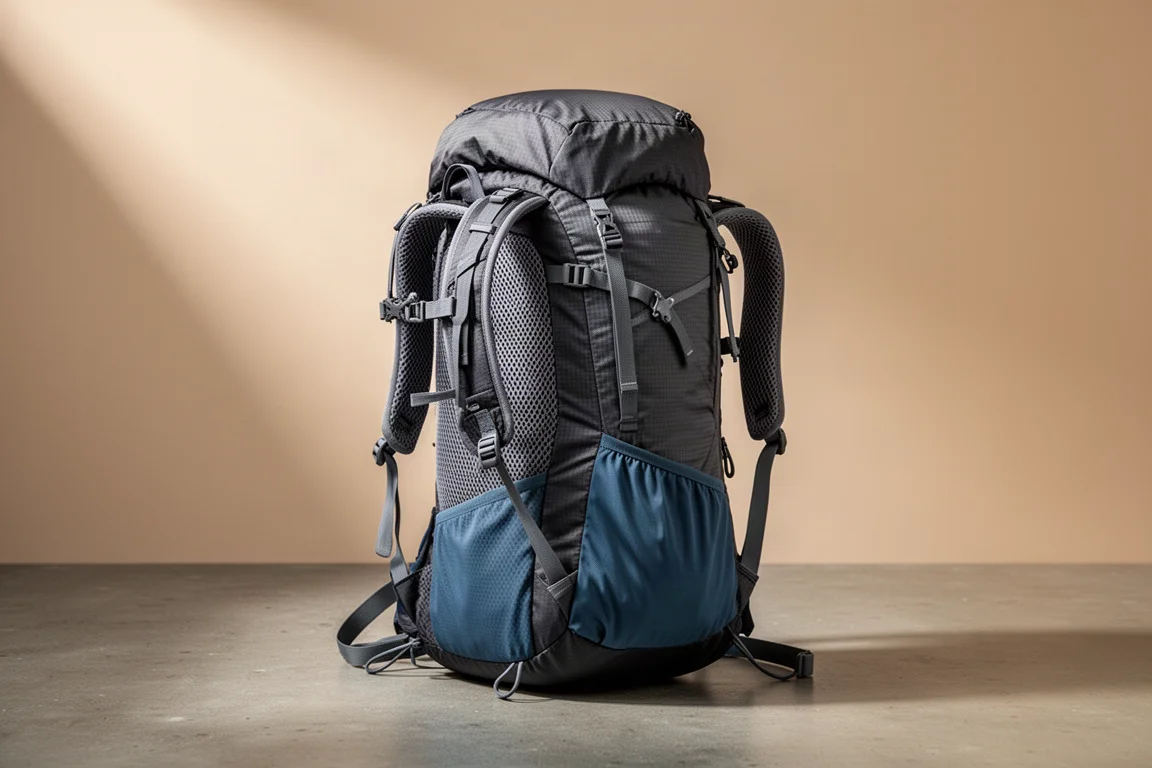
Introduction
The Osprey Exos 48 is a framed hiking backpack that sits in the middle of a three-model range. The 38-litre version suits ultralight backpacking or use as a large day bag, the 48-litre model covered here is the middle option, and a 58-litre version is aimed at multi-day backpacking trips. The Exos series has moved in and out of favour over the years, partly because hip belt pockets were dropped at one point. The latest versions bring them back, and the line has returned to form.
This pack has been in steady use for a year, and the headline numbers are worth stating up front. Sizing runs small/medium and large/extra large. Small/medium measures 48 litres, large/extra large measures 51 litres, and the small/medium weighs 1,296 g. The lid is removable, which saves 120 g, and a flap clips over the top opening when the lid is left at home.
Who This Backpack Is For
This is a backpack for hikers who carry lightweight gear without going fully ultralight. The sweet spot sits around 10 to 12 kg, with roughly 13 kg as a comfortable maximum. Loads should stay under 15 kg. If your typical kit regularly pushes past that, a larger framed pack with a heavier hip belt will serve you better.
The frame and hip belt make a real difference here. Support is not as pronounced as on Osprey’s bigger packs, but it is well ahead of what most stripped-back ultralight bags offer. The back system adjusts across five points with a quick-release mechanism, which makes it straightforward to tune for body length or for a heavier load.

Sizing matters. A hiker around 172 cm found the small/medium with the back panel set in the middle to be a good fit, and the adjustment range leaves room to move. Anyone needing more volume can look at the large/extra large size, which gains three litres.
Main Strengths
The core strength is how much has been packed into a sub-1.3 kg frame. Shoulder straps are notably chunky for a lightweight backpack, and that is often the first place weight gets shaved. The Exos 50/55 Pro sits below one kilogram and offers more capacity, but it gives up comfort in the process, which makes the standard Exos line worth a close look rather than skipping over.
Compression is generous. Zigzag side straps adjust from both the top and the bottom, so a partly filled pack can be cinched down tight instead of shifting around. The hip belt pockets are adjustable and generously sized, and the front stash pocket is large and adjustable, which is where waterproofs usually end up.
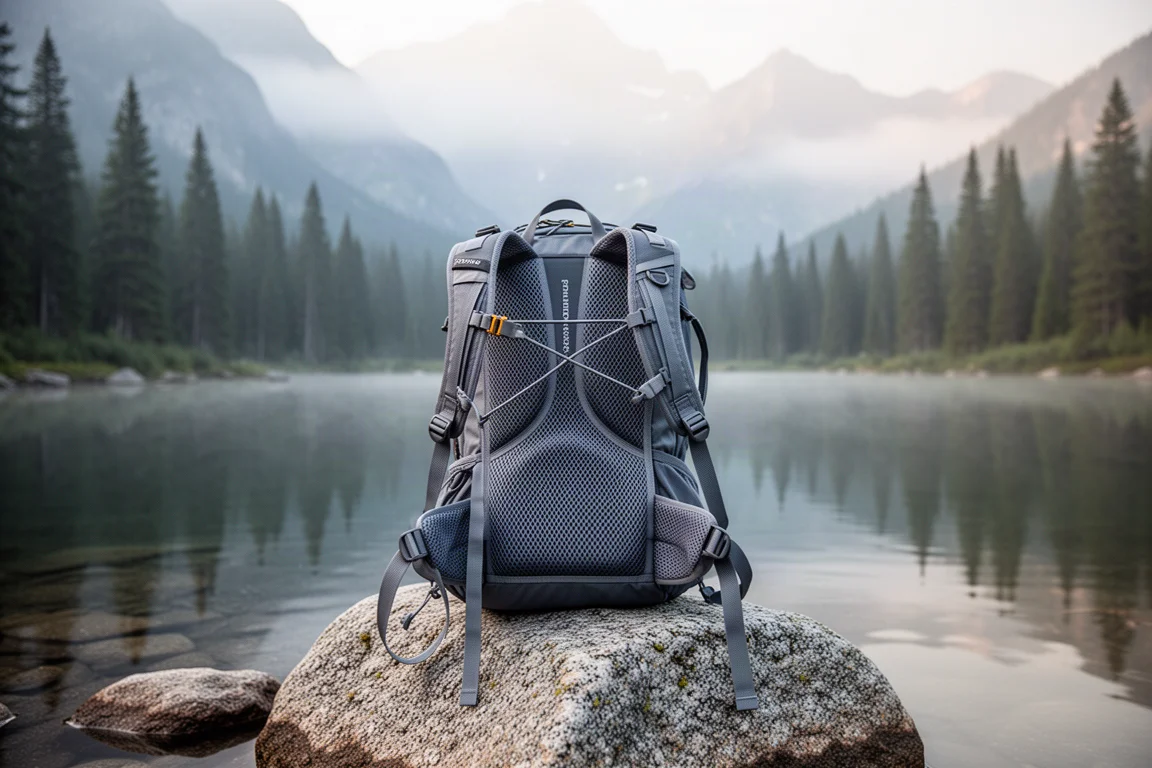
Hip belt pockets are back on this generation, and that is a genuine improvement. They are the kind of feature that is missed the moment it disappears, and their return makes the pack much easier to live with on the move.
Frame and Suspended Mesh Back Panel
There is a proper internal frame here, which is a big part of why the pack carries as well as it does. Around it sits a fully suspended mesh back panel. That design keeps the pack body off your back, which is welcome in summer and reduces the sweaty-back feeling on long climbs. It also adds a degree of suspension between you and the load.
The back panel uses five adjustment points and a quick-release system, so the fit can be changed without tools. Load lifters sit at the shoulders to pull the top of the pack in. Shoulder straps are wide and well padded. Dimensions are 75 cm tall, 36 cm wide, and 30 cm deep.
Storage, Access, and Organisation
The lid is one of the best parts of the design. It zips open to reveal a large amount of space, and a mesh pocket inside is handy for keys or small items. Because it can be removed, the lid doubles as a weight-saving option. The top closes with a drawstring and a compression strap, and the opening gives wide access to the main compartment.
Side pockets are deep and can be reached from the front as well as the side. A water bottle slides out and back in without stopping, and the same pockets swallow gloves, a hat, or snacks. Elsewhere there are ice axe loops, trekking pole attachments, a sternum strap with a whistle, strap wraps on the lid and front for attaching extra items, and straps at the bottom for a sleeping pad. A hydration sleeve sits inside with a clip to hold the reservoir, and the hose routes out through a dedicated port.
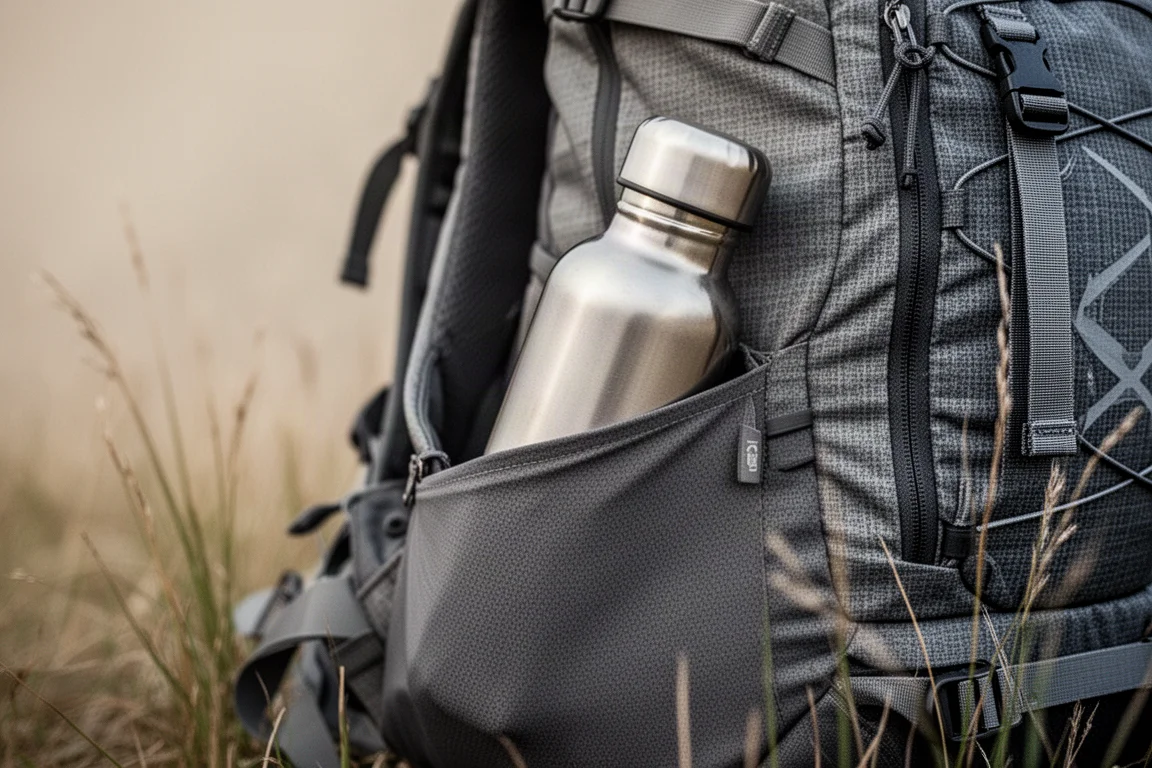
One thing to plan for is the absence of a sleeping bag compartment. The sleeping bag goes in first and comes out last, which is the usual order of things at camp anyway, so it is rarely a practical problem.
Things to Consider Before Buying
A rain cover is not included, and neither is a hydration bladder or hose. Both are sensible additions to budget for. The pack has no sleeping bag compartment, so the main compartment has to be packed with that in mind.
Load carrying has a ceiling. Under 15 kg is the hard limit, and comfort drops off well before that. Hip belt support is good for this weight class but does not match the brand’s heavier load haulers. If you routinely carry more, look elsewhere in the range.
Materials are a mix of 100D and 400D fabrics. That combination has held up well over a year of use, and the pack still looks sharp. Retail pricing sits at the higher end for the category, though shopping around usually turns up a better deal.
Buying Advice
Match the pack to the load you actually carry. Between 10 and 12 kg this backpack feels settled and comfortable, and around 13 kg it still behaves well. Beyond that, the case for a heavier framed pack becomes stronger.
Check sizing before you commit. Small/medium gives 48 litres and large/extra large gives 51 litres, and the five-point back adjustment is easy to reset at home. If you want to run the pack without its lid for shorter trips, the 120 g saving is real and the top flap keeps the main compartment covered.
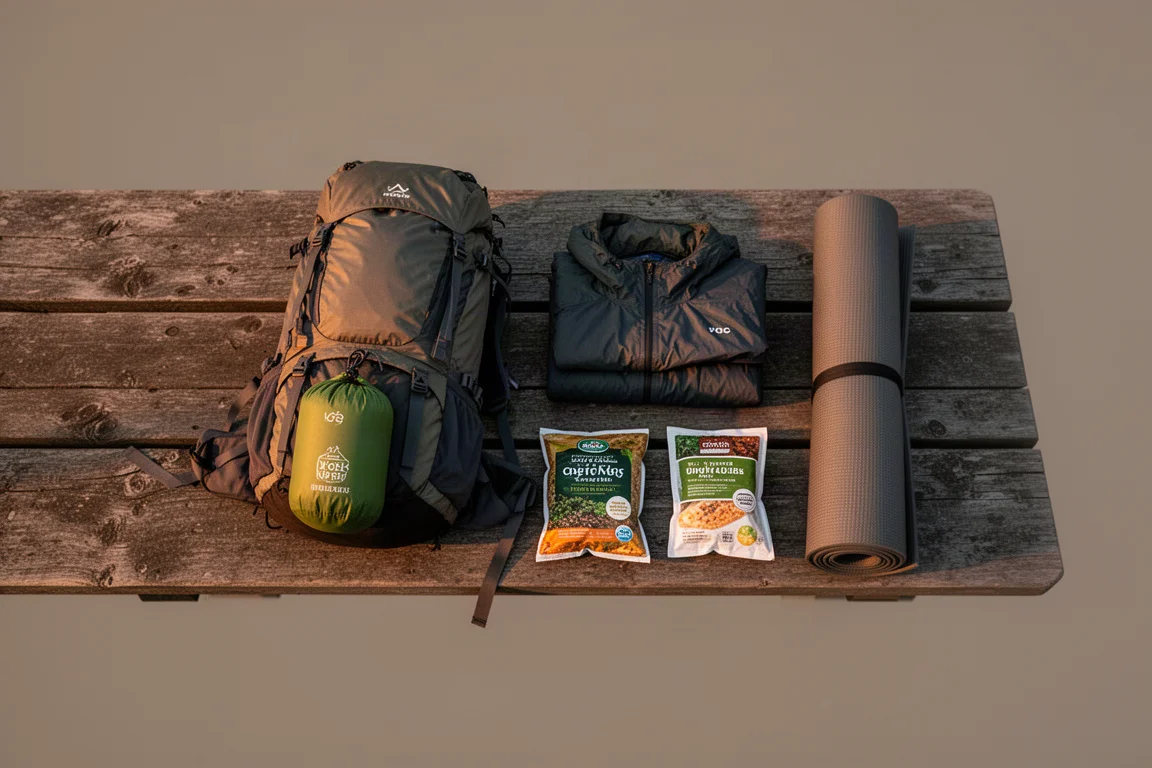
The value case rests on features per gram. Chunky shoulder straps, a proper frame, a suspended mesh back panel, deep side pockets, a removable lid, and a full set of compression straps are a lot to fit under 1.3 kg. For hikers with lightweight gear who want a pack that carries properly rather than a stripped-down race shell, this is a strong choice.
Conclusion
The Osprey Exos 48 earns its place through balance. It is light enough to notice on long days, framed enough to carry a real load, and detailed enough that you rarely need to improvise. The return of hip belt pockets and the fully suspended mesh back panel make the latest version the one to look at. Keep the load sensible, check the sizing, and this backpack should serve for a long time.
Product link
View more details for Osprey Exos 48
This product is mentioned in the review. Check the specifications, options, and compatibility before buying.
View more details for Osprey Exos 48Further reading
Related Reviews
Backpacking Backpacks
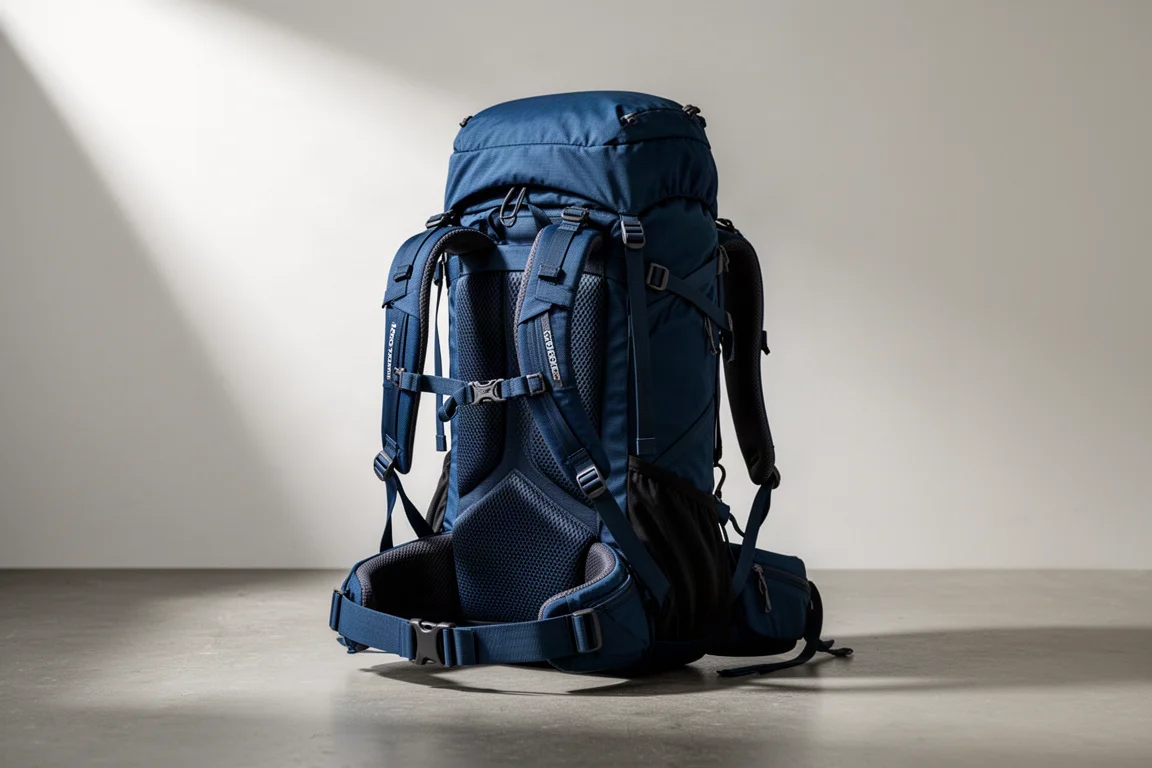
Osprey Unlimited Anti-Gravity 64L Review: Premium Ventilation at a Premium Price
A long-term look at Osprey's most advanced backpacking pack, covering its standout ventilation, its premium build, and the trade-offs behind its price.
Backpacking Backpacks
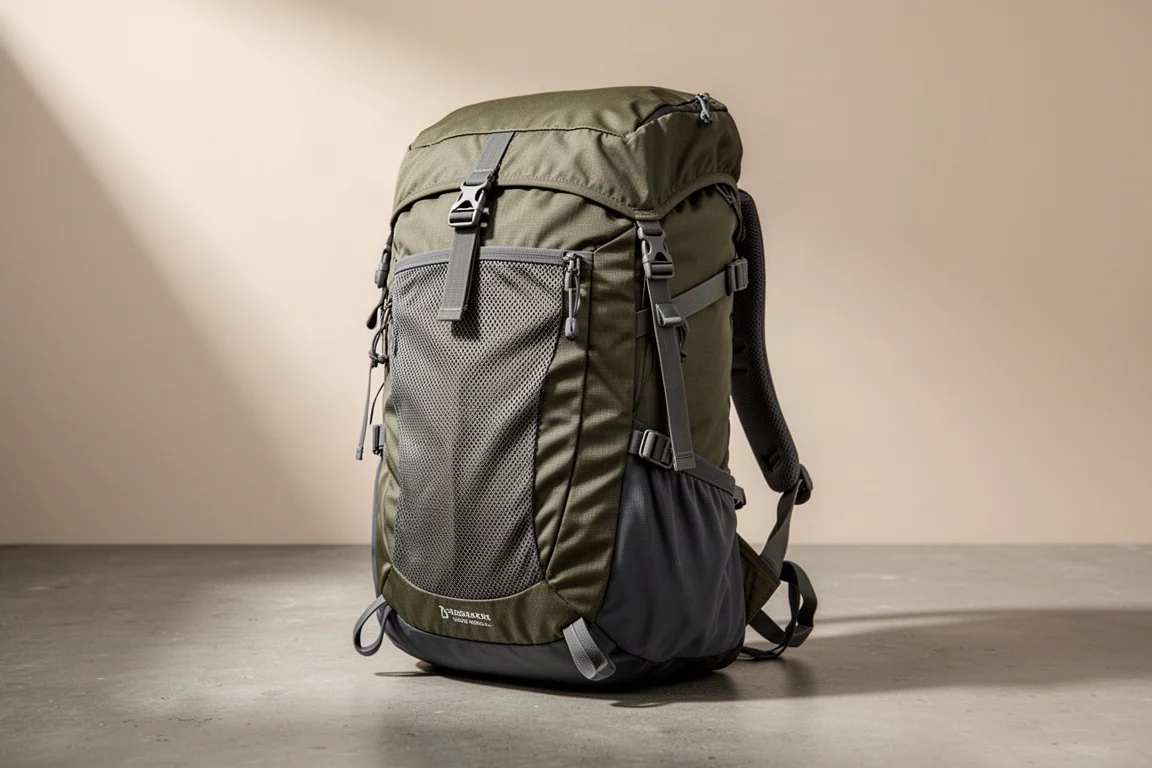
Big Agnes Sweetwater 43 Review: A Lightweight Pack That Rewards Careful Fitting
A 43-liter top-loading backpack with three torso sizes and adjustable shoulder strap slots, built for weekend loads up to a stated 30 lb limit.
Backpacking Backpacks
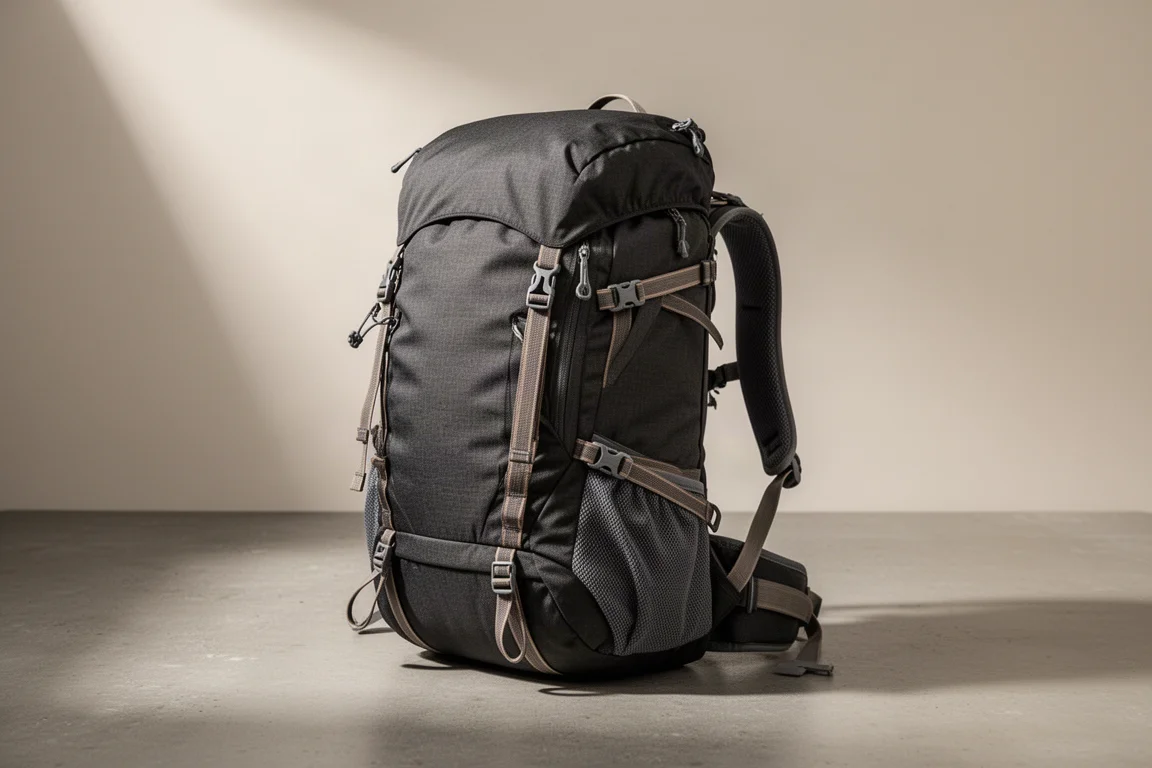
High Gear Tibet 55+ Backpack Review: A Budget Load Carrier With an Adjustable Back
A 55 litre backpacking pack with an adjustable back system, a separate sleeping bag compartment, and an integrated rain cover, all at a budget price point.