Kitchen Knives
Oshia Seikuba Shin 240mm Kiritsuke Review: A Stunning Blade With Two Catchy Caveats
Handmade Japanese craftsmanship, R2 powdered stainless core and a beautiful bog oak handle, with two flaws worth knowing about before you spend $556.
Introduction
At $556 USD, the Oshia Seikuba Shin 240mm Kiritsuke is the most expensive knife currently offered on the Oshia website. It arrived as a review sample, and after weeks of cutting, slicing and sharpening, the picture is clear: this is a genuinely beautiful handmade blade with real cutting talent, held back by two flaws that matter more the more you pay.
Who This Knife Is For
This is a knife for cooks who appreciate the finer things: handmade construction, premium steel and a handle you choose to match your own taste. If you want a long, slender K-tip blade for slicing, push cutting and precision work, the Kiritsuke profile fits beautifully. If you want a grab-and-go workhorse that is flawless straight out of the box, read the caveats below first.
Build and Materials
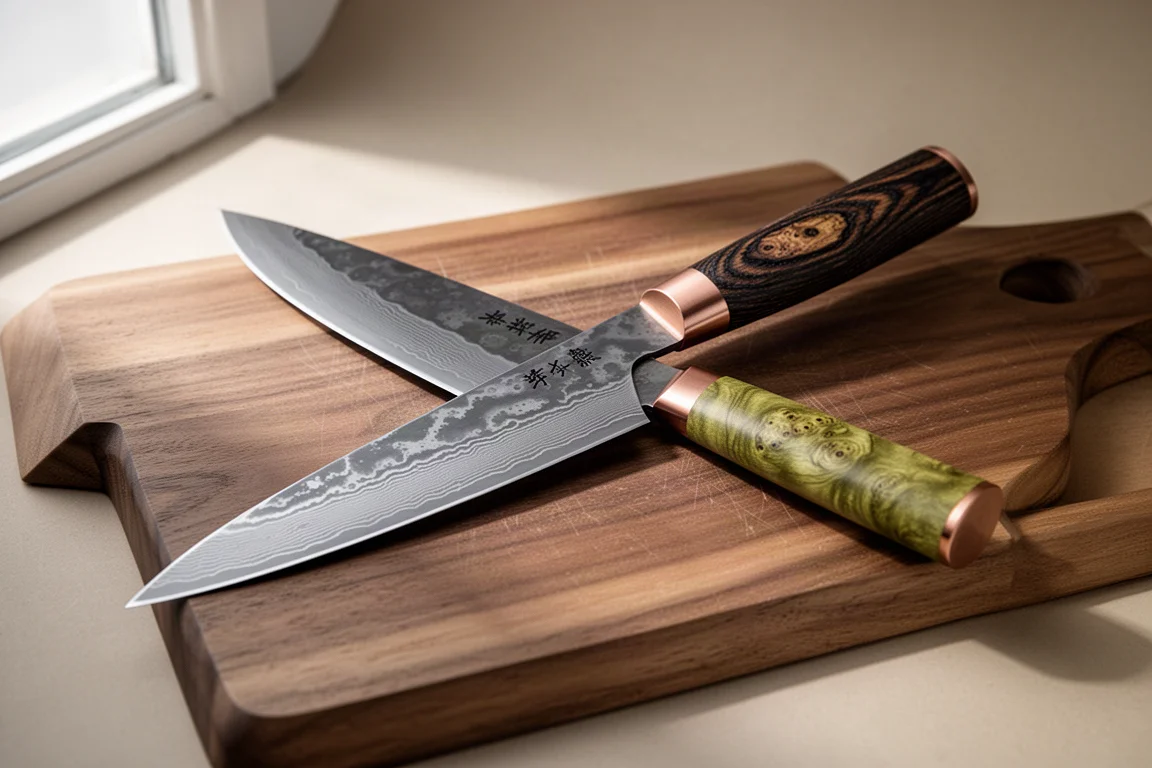
The Seikuba Shin line uses an R2 (also known as SG2) core steel wrapped in 31 layers of stainless Damascus. R2 is a high-speed powdered stainless steel with an HRC of 63 to 64, which means it should hold an edge for a very long time. These knives are handmade, not factory-made, and every Oshia knife comes with color handle options. This example pairs bog oak, copper and dyed olive green European maple burl, and the attention to detail is easy to see in person.
Out of the box, the blade is a striking object: a clean Damascus pattern, an elegant K-tip profile and a handle with real character. Visually, there is very little to criticize.
Unboxing and Presentation
The carry box is one of the nicer ones around: sleek, with a super low-profile finger tab on the lid and a professional-looking paper sleeve that adds a pop of color. Oshia’s clean, simple logo suits it perfectly. Inside, you also get a certificate of authenticity on thick card stock, stamped with a Japanese hanko stamp, plus a 5 yen coin included as a symbol of promoting good relations.
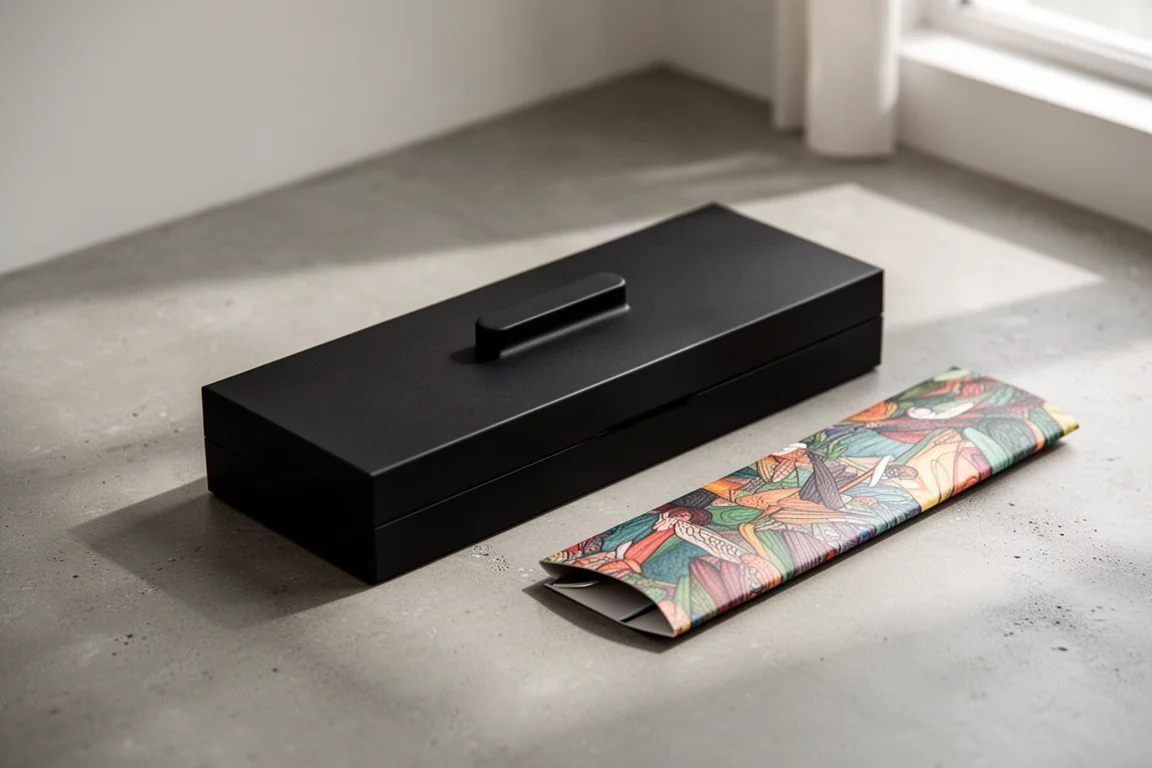
But there is an early warning sign. The knife clanks around inside the box. It is not seated in a felt liner and there is no blade guard, just the knife loose in the carry box. For a blade with a thin, fragile edge, that is not a sound you want to hear on arrival.
Cutting Performance
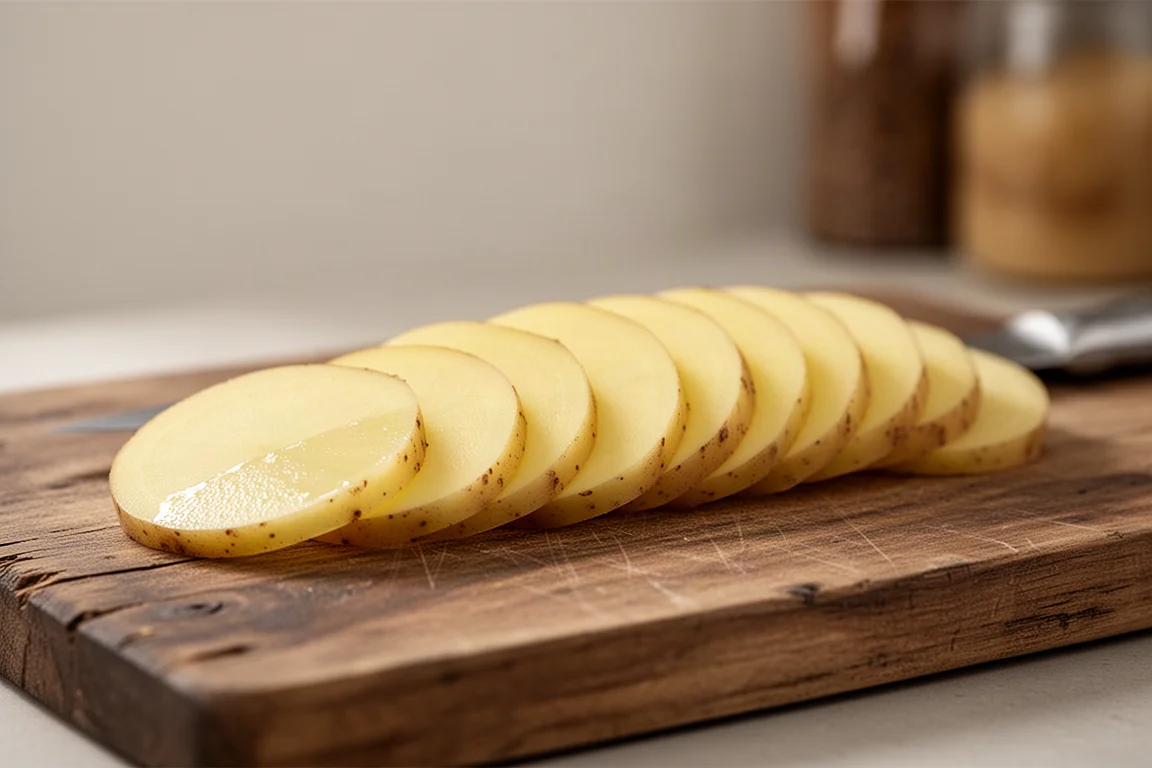
Straight from the box, the edge was finished to a reported 400 to 500 grit, and the secondary bevel appeared not fully established. In practice that meant a cherry tomato skin would not pierce without significant force, and slicing pork tenderloin produced a noticeable crush of fat at the end of each cut. Rock chopping green onions worked very well, which suits the blade profile, but yellow potatoes revealed some thickness behind the edge, with a slight cracking sensation at the end of cuts.
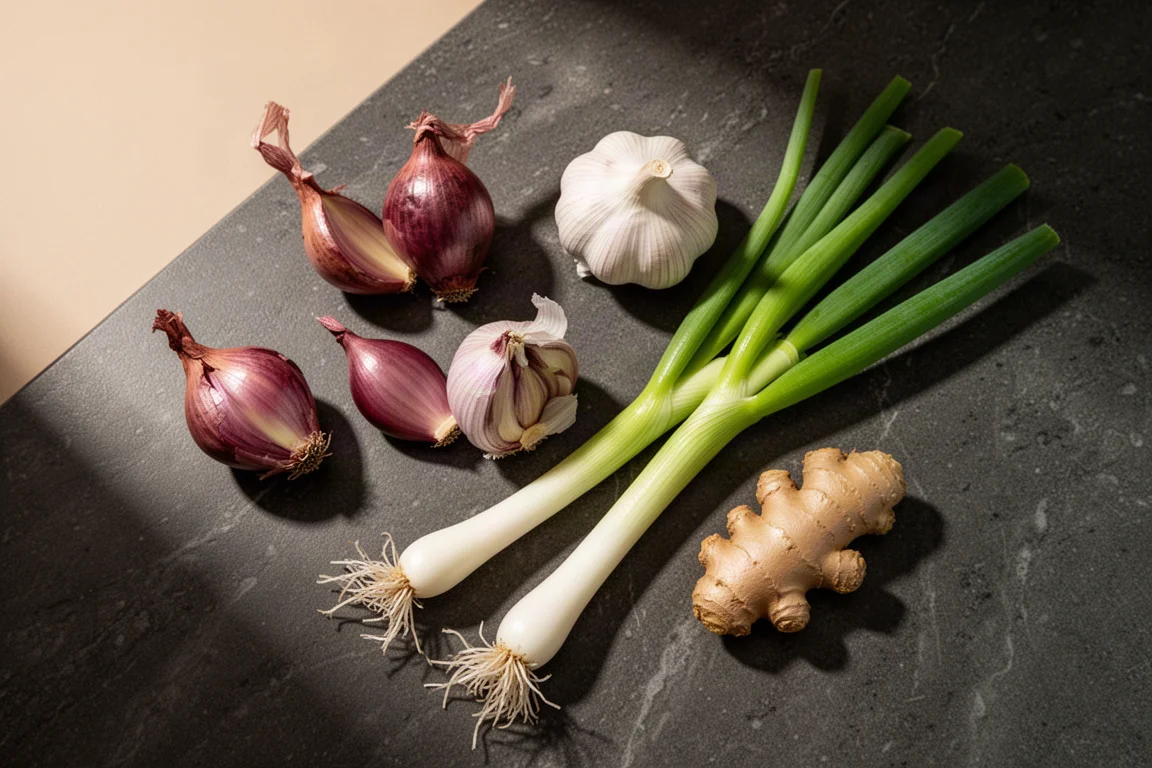
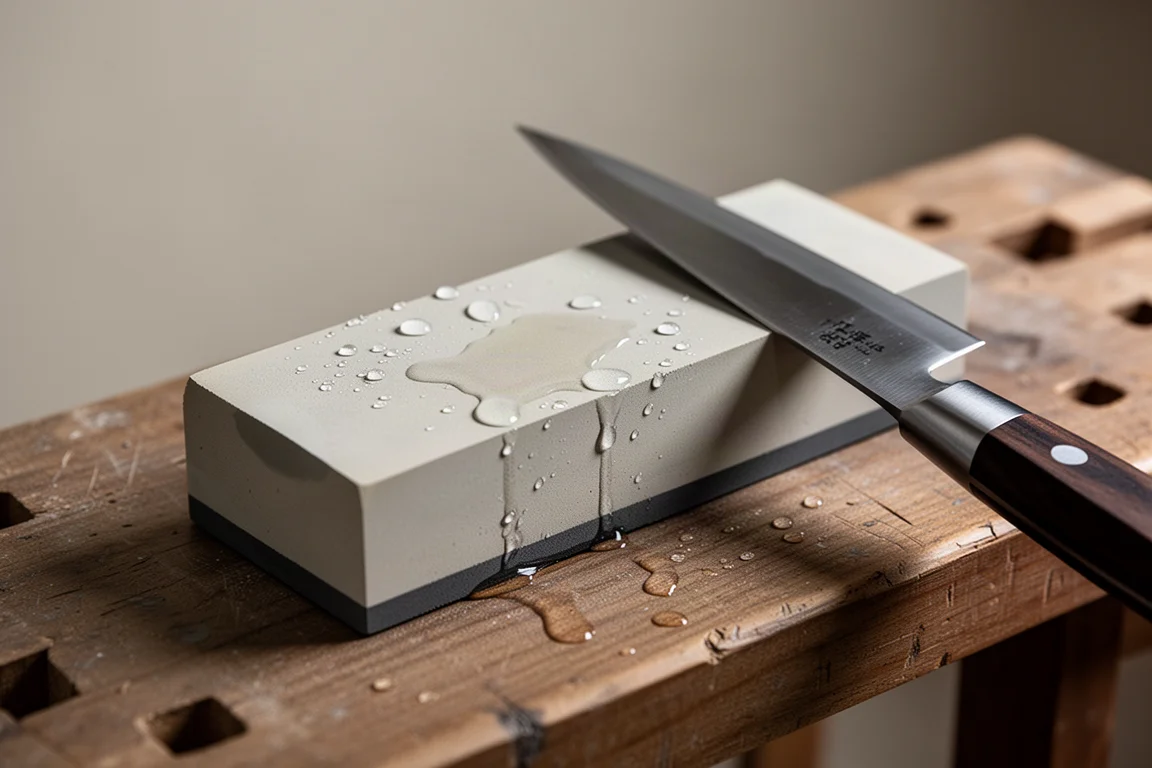
After re-establishing a two-tier edge on a 1,000-grit stone, the tomato test passed with ease. Garlic slicing was a joy with the long, thin blade and K-tip, and there were no complaints at all. However, the geometry issue could not be fixed with sharpening: the slight wedging at the end of cuts continued through ginger. It is the inverse of the wedging you see on short-bevel knives, and it is minor, but it is there.
Kitchen Testing: From Stock to Risotto
On the day of testing, a pot of chicken stock was on the stove, so the knife went through rough chopping on carrots and celery, then dicing a shallot for a risotto. Back to the yellow potato with the fresh edge, it produced nice thin slices for a potato pizza. And with a long, thin blade, push cutting is exactly what it is made for. Across the majority of the food tests, the knife performed fairly well and was genuinely fun to use.
Nitpick One: No Blade Guard in the Box
This is an easy fix the maker should make. The sleeve printing budget alone would likely cover a blade guard at minimum. Knife edges are thin and fragile, and it does not take much for the loose fit in the box to ding the smith’s original edge and affect your very first cuts. A knife should never clank around in its carry case, no matter how attractive the case is.
Nitpick Two: The Edge Is Not Fully Established
Edge finishing grit is a matter of personal preference, but the edge should always be fully established by the maker. Plenty of buyers do not sharpen their own knives, and unboxing a long-awaited blade only to have to establish a new edge before first use is like buying a new car that arrives with no gas. Whatever geometry quirk causes the slight wedging is livable; a knife this expensive should be sharp and ready the moment it leaves the box.
Buying Advice
Buy this knife if you love the look, the handmade pedigree, the R2/SG2 steel and the handle options, and if you are comfortable putting a proper edge on it yourself or paying someone to do it. The cutting performance after sharpening is genuinely enjoyable. Skip it or hesitate if you expect a razor-ready out-of-box experience, because that is not what arrives today.
Conclusion
The Oshia Seikuba Shin 240mm Kiritsuke is a superb-looking handmade knife with quality steel and a gorgeous handle, and once properly sharpened it cuts with real flair. The loose fit in the carry box and the unfinished out-of-box edge are the two things standing between a good knife and a great one. If Oshia addresses both, this becomes an easy recommendation at the price.
Product link
View more details for Oshia Seikuba Shin 240mm Kiritsuke
This product is mentioned in the review. Check the specifications, options, and compatibility before buying.
View more details for Oshia Seikuba Shin 240mm KiritsukeFurther reading
Related Reviews

Kitchen Knives
Best Chef's Knives 2026: 27 Popular Options Tested and Ranked
A comprehensive review of 27 chef's knives ranging from $18 to $380, with honest assessments of handle comfort, blade balance, and real-world performance.

Kitchen Knives
Best Chef's Knives Under $75: Two Tested Recommendations
Two practical 8-inch chef's knives that balance sharpness, comfort, and durability without premium pricing.

Kitchen Knives
Best Chef's Knives 2026: 27 Options Tested and Ranked
A comprehensive review of 27 chef's knives ranging from $18 to $380, with honest assessments of handle design, balance, blade profile, and real-world performance.