Telescopes
Orion Maksutov-Cassegrain 127 vs Zhumell 12 Inch Dobsonian: Two 1,500mm Focal Length Telescopes Compared
Two telescopes with the same focal length, two very different philosophies. Here is how the compact Orion Mak 127 and the big Zhumell 12 inch Dobsonian stack up for Saturn viewing.
Introduction
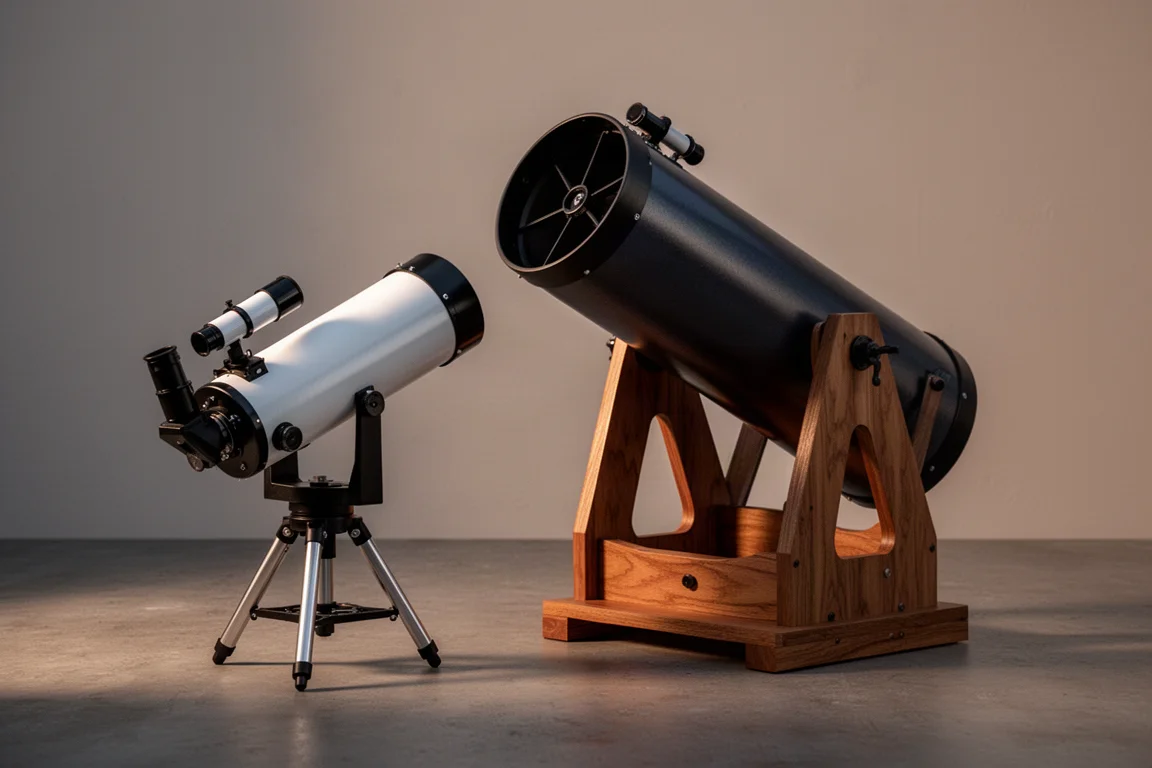
Some telescope comparisons are more interesting than others, and this one has a neat hook: two very different instruments with almost exactly the same focal length of about 1,500 millimeters. One is a compact 127mm Orion Maksutov-Cassegrain. The other is a 12 inch Zhumell Newtonian on a Dobsonian mount.
With the same focal length, the same eyepiece produces the same magnification in both, which makes for a genuinely fair planet-viewing shootout. Both telescopes were purchased used, and the Dobsonian’s mirror has been recoated, so neither is a factory-fresh example. Here is how they compare for viewing Saturn, and which kind of buyer each one suits.
How They Were Compared
To keep the comparison apples to apples, both telescopes used the same Tele Vue 8mm Plossl eyepiece. Since magnification is simply telescope focal length divided by eyepiece focal length, 1,500mm divided by 8mm works out to roughly 187x to 188x, which is plenty of magnification for viewing Saturn.
The conditions were typical of observing from a city, with noticeable light pollution, though the atmosphere was remarkably stable on the night of the comparison.
Orion Maksutov-Cassegrain 127: Compact and Portable
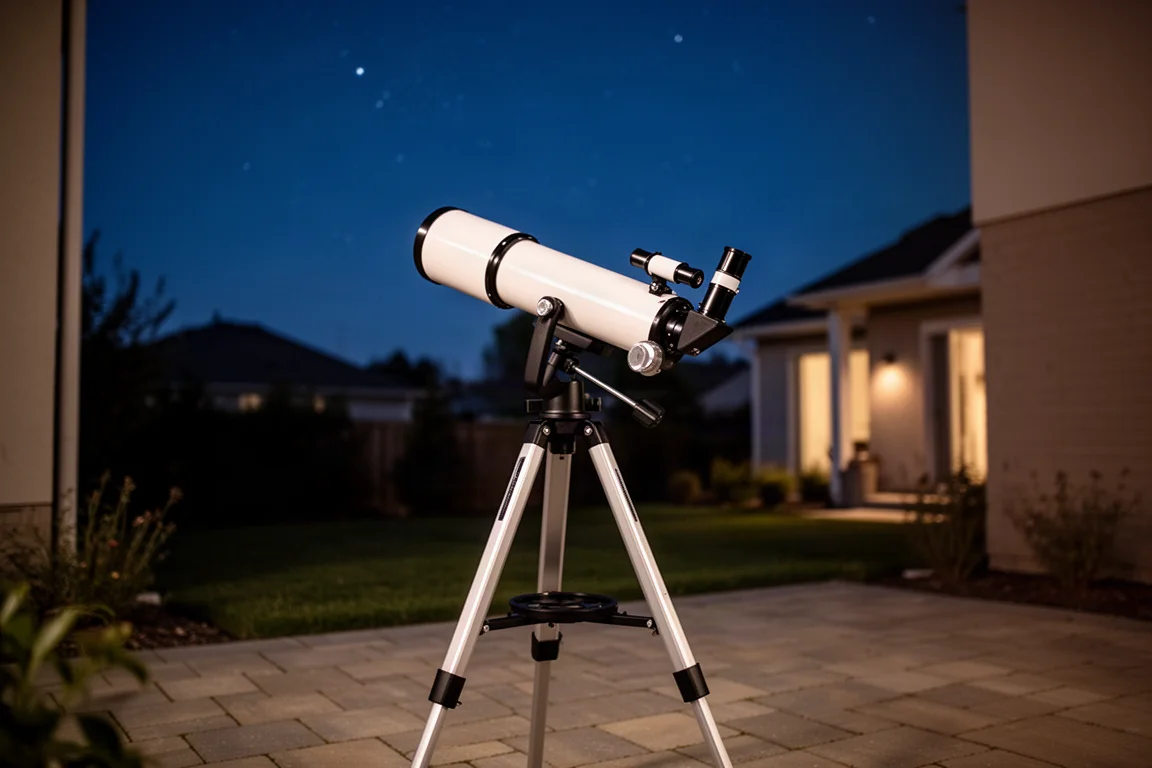
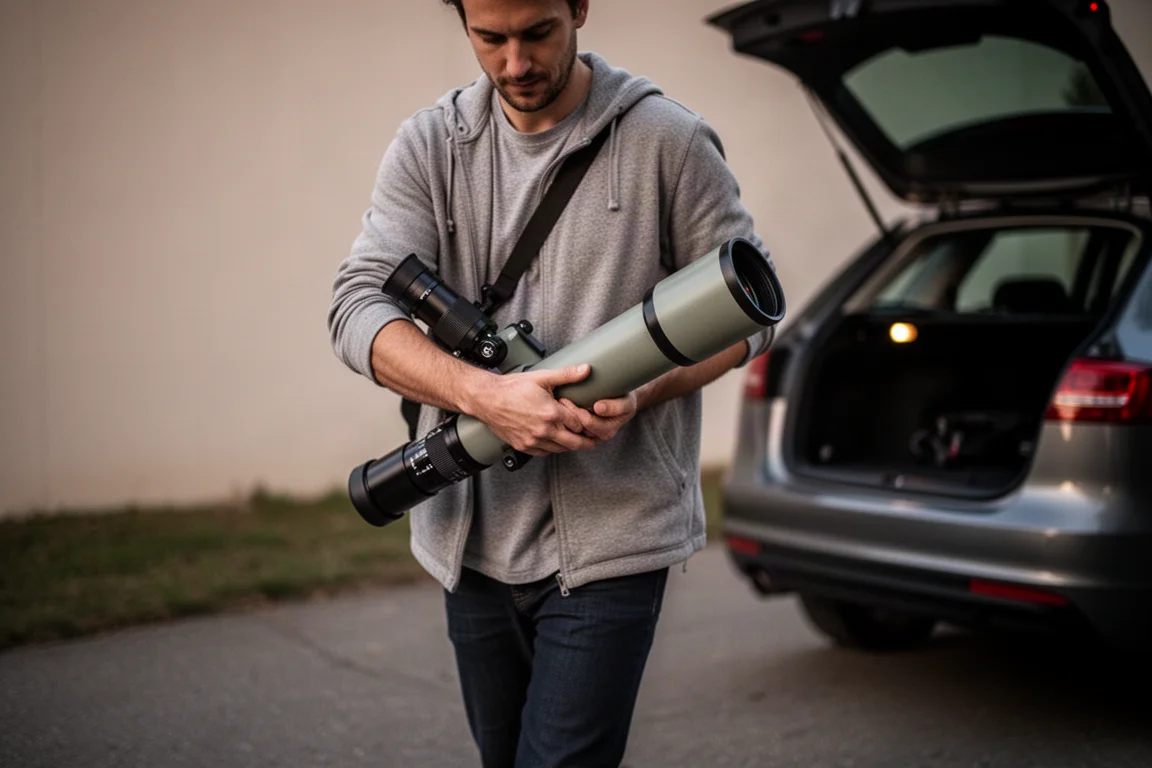
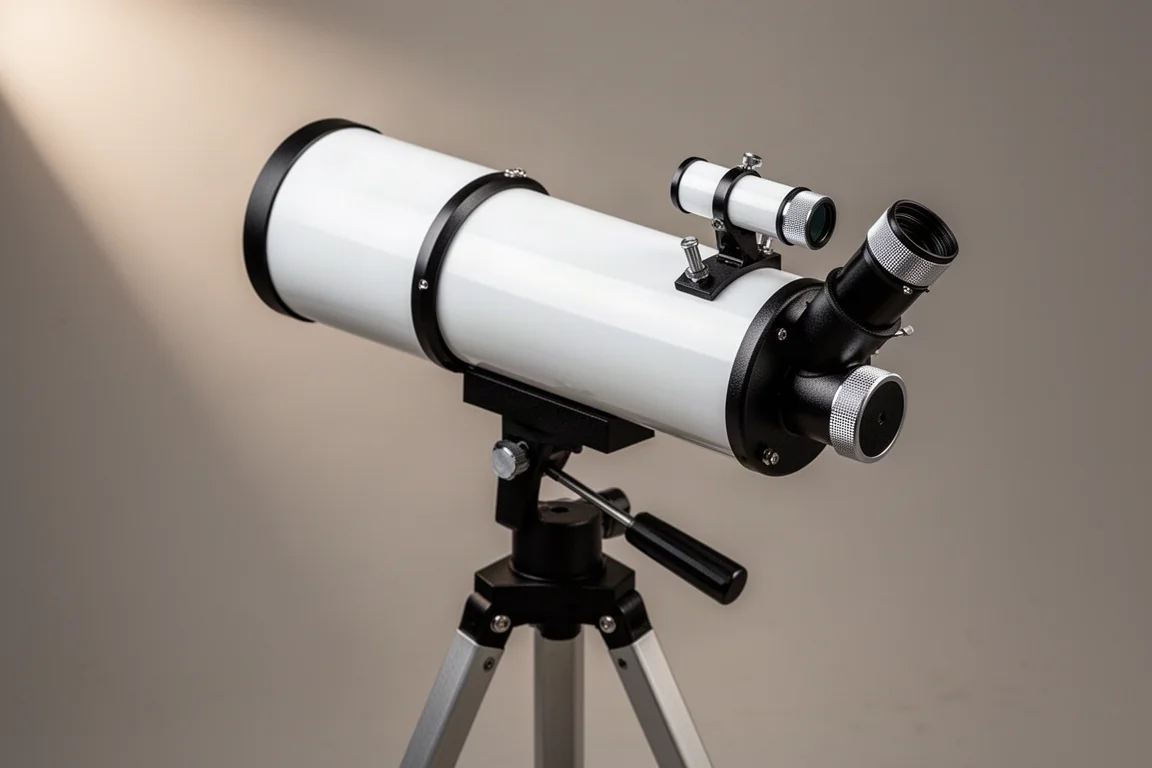
The Orion Maksutov-Cassegrain has a 127mm aperture with an Orion image-corrected diagonal on the back. The obvious first pro is portability. This is a telescope you can pick up and carry around one-handed, toss in the back seat of a car, or stow in the trunk without rearranging your life around it.
On Saturn, it delivered a genuinely good view. The image was relatively sharp and the rings resolved well, and the Cassini Division was just barely visible. Brightness and contrast were more modest than what a large reflector delivers, partly due to the smaller aperture and partly due to city light pollution. Under darker skies, it is reasonable to expect an even better view. One practical caveat: it was tested on a finicky tripod, and putting it on a solid equatorial mount would make a significant difference to the experience.
Zhumell 12 Inch Dobsonian: The Big Light Bucket
The Zhumell is a 12 inch Newtonian reflector on a Dobsonian mount, and it plays a completely different game. As a big light bucket it gathers far more light, producing notably brighter images with better contrast.
On the same night, with the same eyepiece, Saturn looked exceptional. The rings were really sharp, the Cassini Division was clearly visible, and the view was described as the best Saturn view ever experienced. That is partly the stable atmosphere at work, but the aperture advantage is real: more light means brighter, more detailed planetary views.
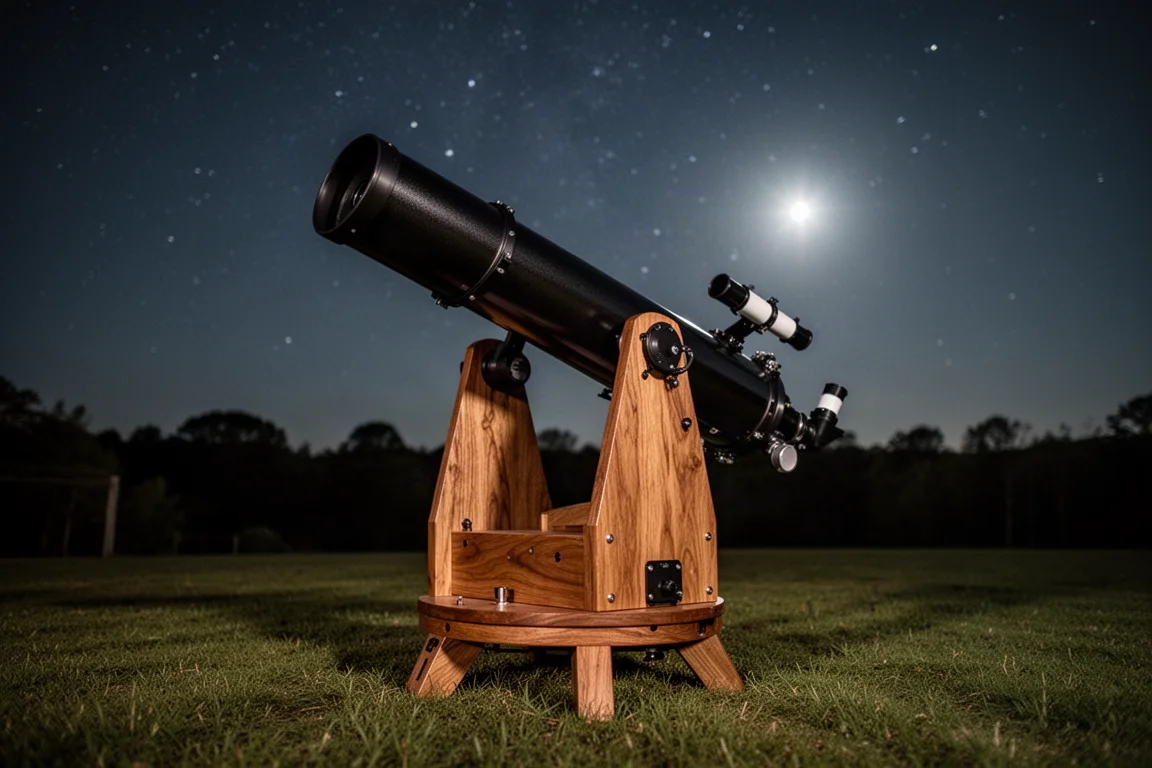
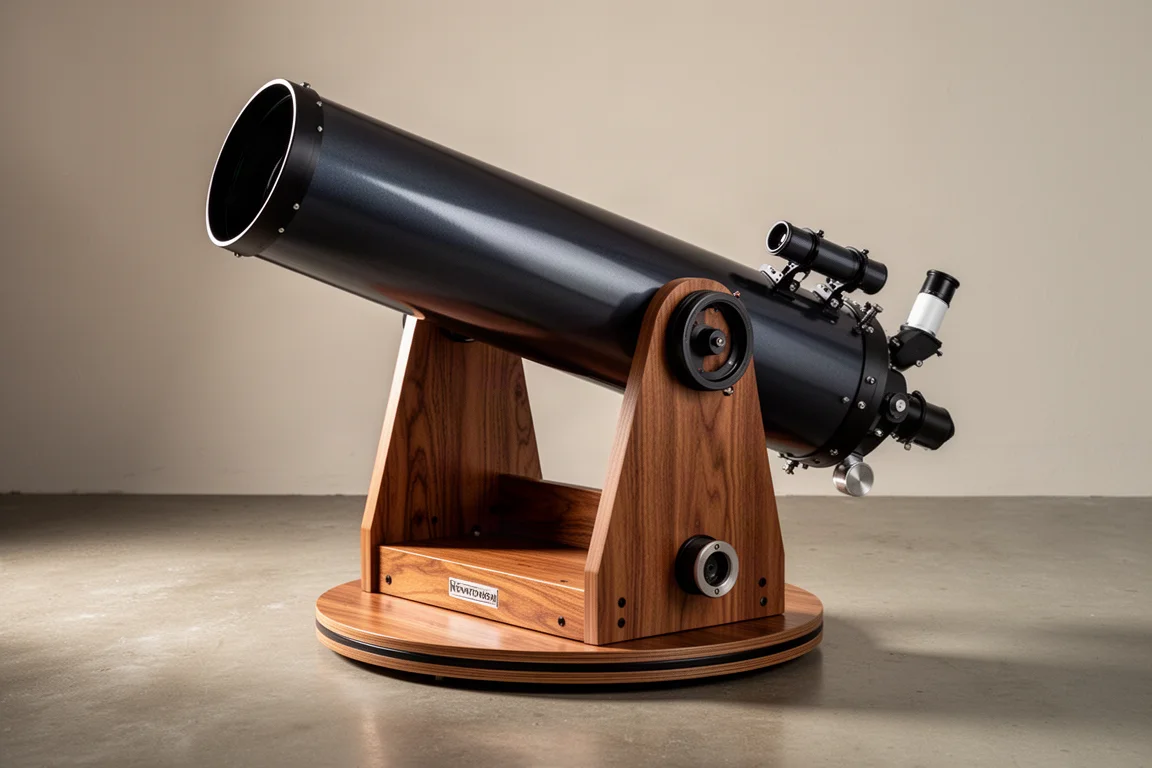
The trade-off is sheer size. At roughly 70 to 80 pounds total and with a long tube, it does not fit easily in an ordinary vehicle alongside camping gear. It is not a telescope you casually throw in the trunk. On the plus side, the Dobsonian mount itself is wonderfully simple: just grab the front end and push it where you want it, and it stays. It is the point-and-click telescope of the astronomy world.
Which One Should You Buy?
Both telescopes produced acceptable, satisfying views of Saturn, and either would make a happy owner. The decision comes down almost entirely to lifestyle.
If you need a telescope that takes up little space and travels easily, the Orion Maksutov-Cassegrain 127 is the clear choice. Its compact tube goes anywhere, and pairing it with a solid mount will get the most out of it. If you have a big vehicle and space is not a concern, a large Dobsonian rewards you with brighter, sharper views that smaller scopes simply cannot match.
Either way, if you find one of these at a good deal on the used market, both are worth picking up.
Conclusion
Shared focal length means shared magnification, but aperture decides how bright and detailed that magnification looks. The Orion Mak 127 wins on portability and still gives a satisfying view of Saturn’s rings, while the Zhumell 12 inch Dobsonian wins on image quality and offers the easiest handling once set up. Choose based on how you will actually transport and use the telescope, and you will be happy with either one.
Further reading
Related Reviews

Telescopes
Sightron SJ75 UF and Sky-Watcher HS125: Two Telescopes Worth Watching
A look at two notable telescopes from a recent camera and optics expo: a sharp new astrograph from Sightron Japan and a compact fast reflector from Sky-Watcher.

Telescopes
SV503 102ED Review: A Budget 102mm Refractor That Surprises
The SV503 102ED is an affordable 102mm doublet refractor that delivers surprisingly decent star shapes and a smooth focuser, despite some chromatic aberration and light falloff.

Telescopes
SVBony MK127 Review: A Compact Maksutov-Cassegrain That Surprises
The SVBony MK127 is a 127mm Maksutov-Cassegrain telescope with a unique 0.65x reducer, making it a versatile option for visual astronomy and even some deep-sky imaging.