Outdoor Cooking
Ooni Pizza Ovens Compared: Karu 16, Karu 12, and Koda 16
Three Ooni pizza ovens side by side: fuel options, real-world cook times, and what to know before you spend.
Introduction
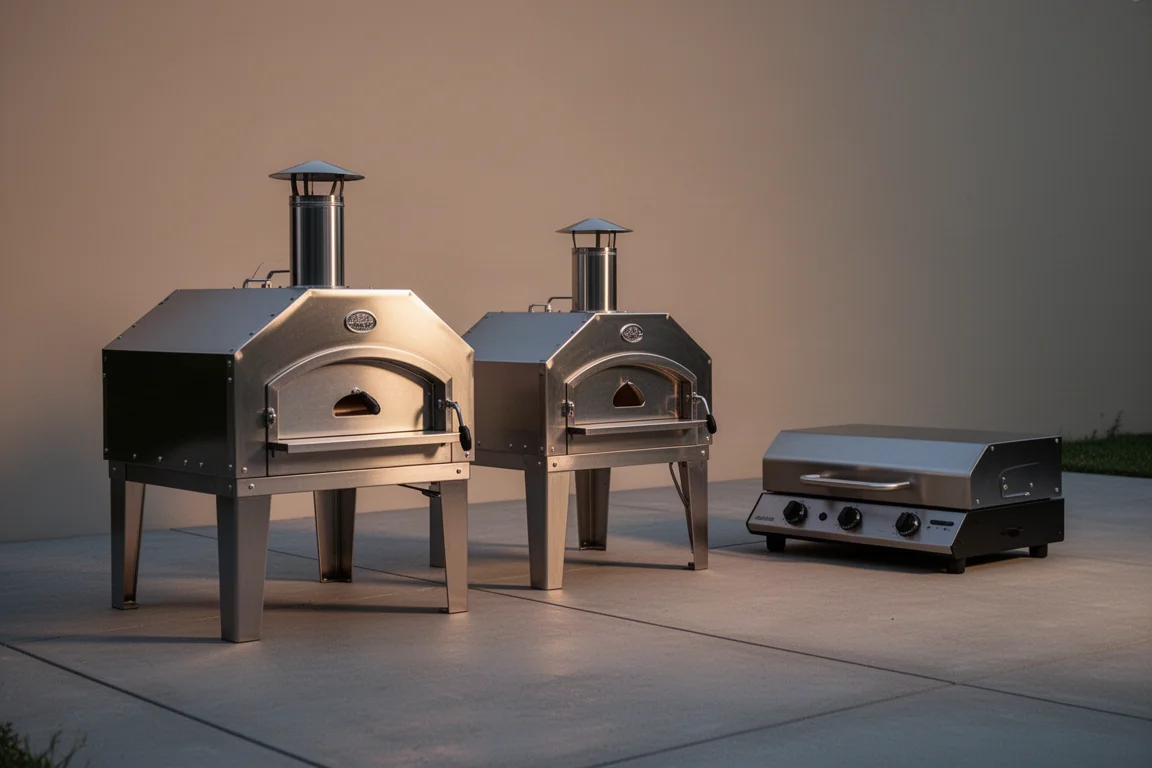
Ooni portable pizza ovens promise something a regular kitchen oven cannot deliver: a crisp, blistered crust cooked in minutes at up to 950 degrees Fahrenheit. This guide compares three of the brand’s most popular models, the Karu 16, Karu 12, and Koda 16, so you can decide which one fits your cooking style, fuel preference, and budget.
What Makes an Ooni Different
The greatest strength of an Ooni oven is its ability to produce a crust that is crispy on the outside and soft on the inside. The high heat and porous stone surface quickly cook the dough, drawing out moisture so the base dries and crisps the way pizza does in a large restaurant brick oven.
Because of the intense heat, pizza cooks extremely fast. Ooni advertises cook times as low as 60 seconds, though two to three minutes tends to be the practical sweet spot. Open flames also make it easy to brown cheese and crisp toppings like pepperoni, and you can control browning by adjusting the flame and positioning the pizza closer to the front or back of the oven.
The trade-off is engagement. Unlike a standard oven where you set a timer and walk away, an Ooni requires rotating and monitoring the pizza throughout the cook. If you already enjoy making pizza, that hands-on process is part of the appeal.
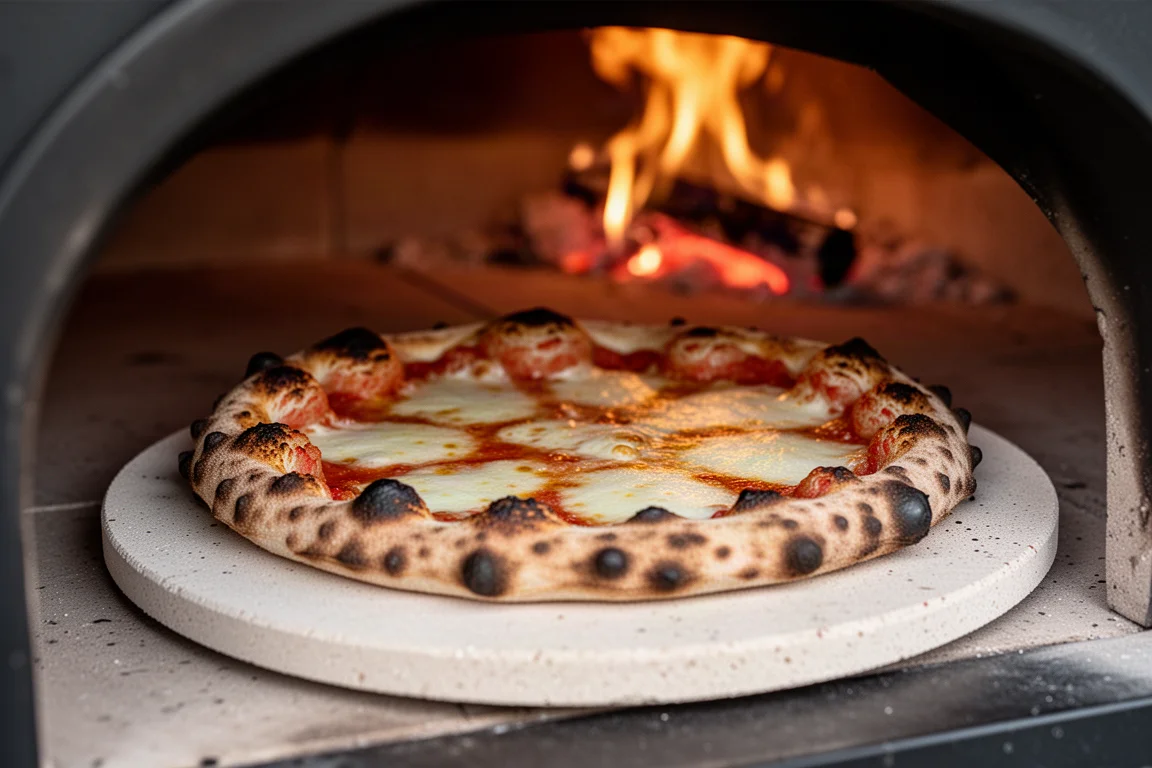
Setup is straightforward. Propane and gas models arrive fully assembled; you unfold the legs, insert the pizza stone, and connect the gas supply. Multi-fuel models also need the chimney vent attached. Before first use, run the oven for 30 minutes, let it cool completely, and wipe the interior with dry paper towels to burn off residual manufacturing oils.
Ooni Karu 16
The Karu 16 is the most flexible model in the lineup. It is compatible with propane, natural gas, wood, and charcoal, so you can choose convenience or the smoky flavor that only wood and charcoal can deliver. It sits at the higher end of the price range at around $800.
It features a hinged oven door that helps prevent heat loss. One thing to know: the door opens easily when the oven is off, but it can seem to lock up when the oven is very hot, likely due to the steel expanding. You may need to tug the handle firmly, and adjusting the screws on the latch fixes the issue. Make sure your table or stand is sturdy so the oven does not shift when you pull.
Ooni Karu 12
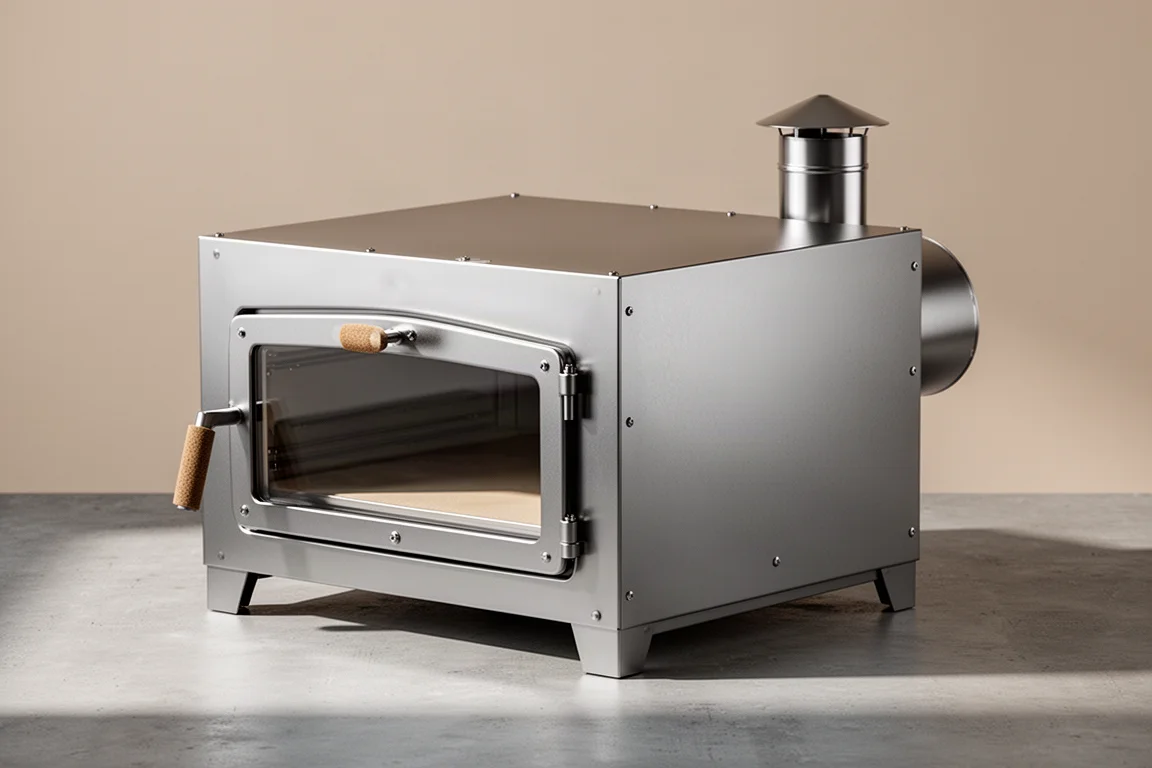
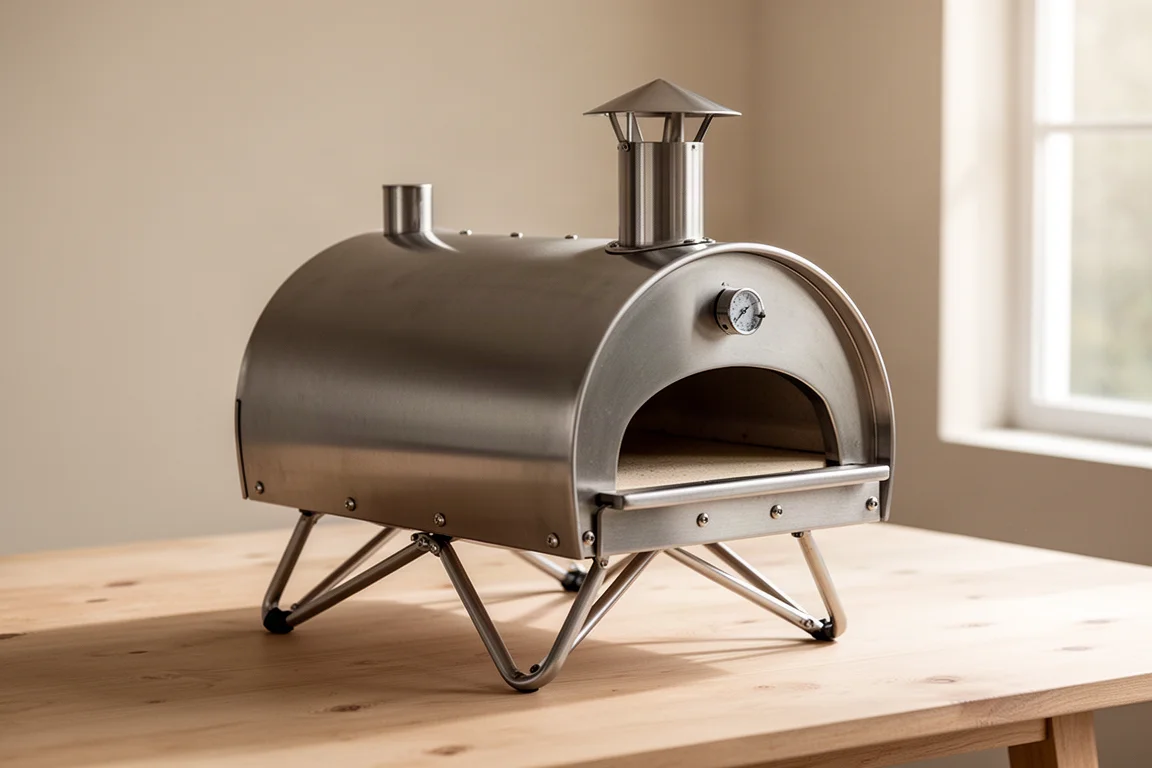
The Karu 12 is the mid-size multi-fuel option, working with propane, wood, and charcoal. It delivers the same wood and charcoal flavor advantage as the Karu 16 in a smaller, lighter package.
Ooni offers fabric carrying covers for the smaller models, including the Karu 12, which make transporting the oven much easier. If you plan to take your oven to a friend’s house or a campsite, that portability is a genuine advantage.
Ooni Koda 16
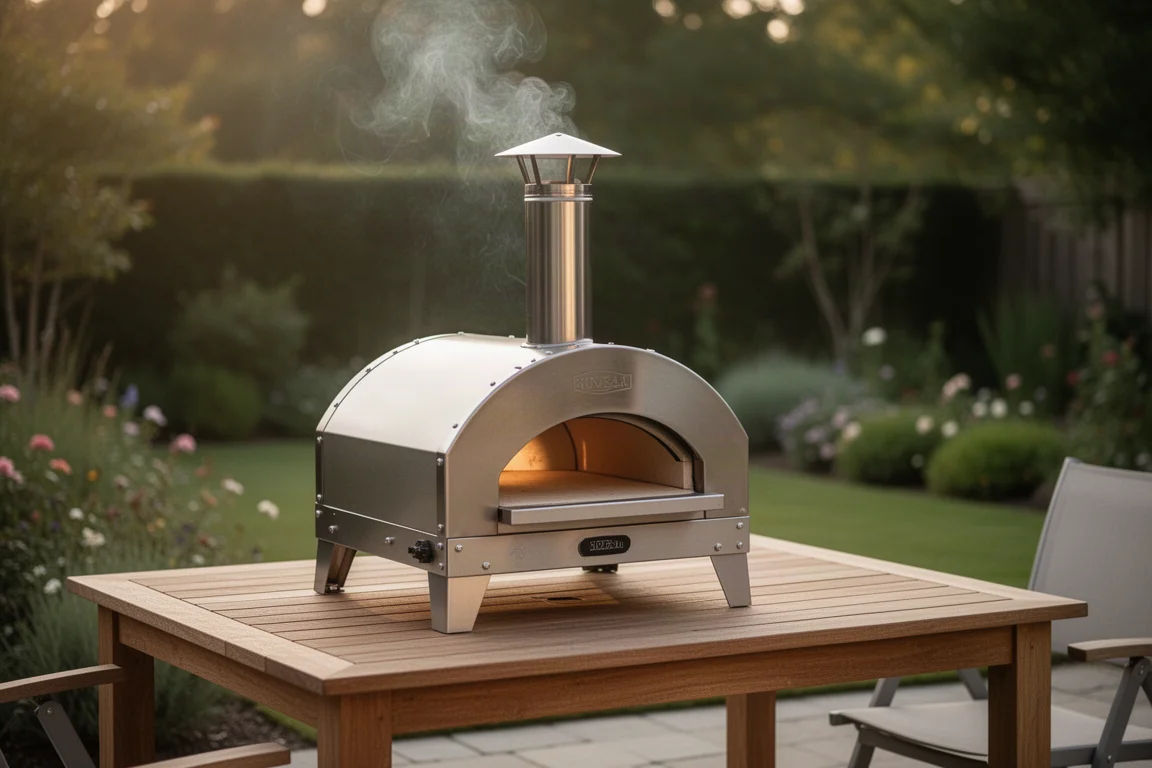
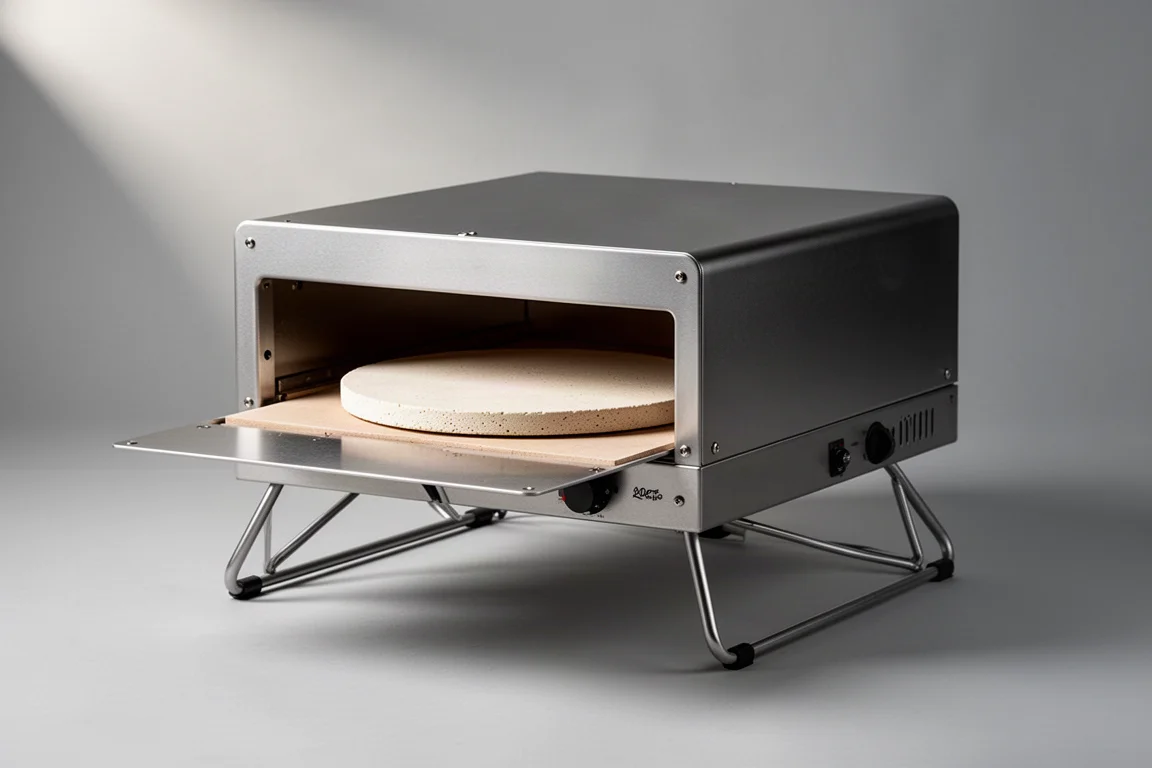
The Koda 16 runs on propane and gas only, with no wood or charcoal support. That limitation is also its strength: gas is the easiest fuel to use and the easiest temperature to control, with no chimney to attach and no fire to tend.
If your priority is convenience and repeatable results rather than smoke flavor, the Koda 16 is the simplest way into the Ooni ecosystem. Like the other models, it is built from powder-coated carbon steel, stainless steel, or a combination of both, with a cordierite pizza stone that handles extreme heat, conducts efficiently, and resists thermal shock.
Things to Consider Before Buying
Price is the most obvious downside. The lowest-cost model starts at $350, and higher-end multi-fuel options like the Karu 16 cost around $800. Beyond the oven itself, you also need a pizza peel, a turning peel, an infrared thermometer, a heat-resistant stand, and an oven cover, plus a carrying case if you plan to travel with a portable model. It is still less expensive than building a stationary outdoor pizza oven, but it is a significant investment.
There is also a learning curve. Expect to ruin a few pizzas before you get the hang of it. You need to pay close attention, turning the pizza every 30 seconds or so, and at these temperatures the margin for error is small.
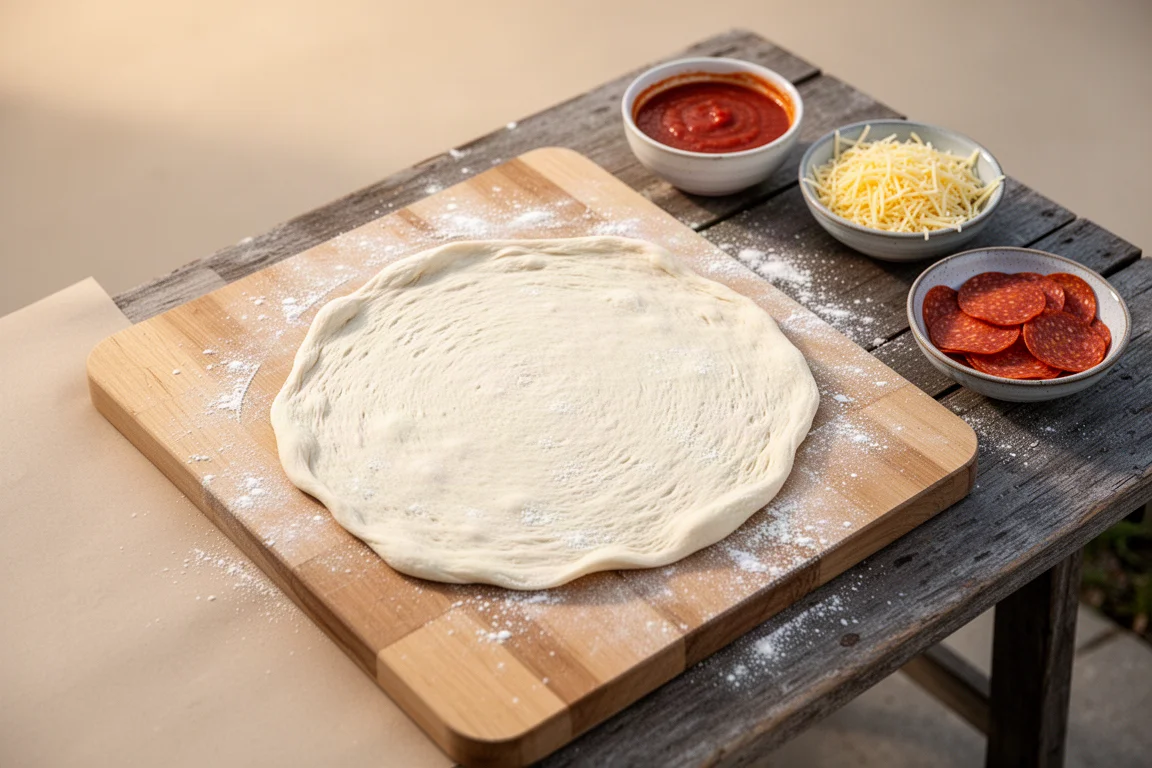
Dough sticking to the peel is a common frustration. It usually happens when there is not enough flour on the peel or you take too long building the pizza while it sits there. Have all your toppings ready, assemble quickly, and give the peel a shake every 10 seconds or so to make sure the dough is not sticking before you launch it.
Finally, budget time and patience. Preheating takes at least 15 minutes and usually closer to 25 or 30, so even with a one to three minute cook, the whole process takes around 30 to 35 minutes. On breezy days with gas or propane, the wind can blow out the flame, so you may need to reposition the oven to block the wind.
Cleaning is easy, at least. Remove the stone, wipe the crumbs from the bottom of the oven, and flip the stone before putting it back. The bottom will clean itself thoroughly the next time you cook.
How Ooni Pizza Compares to a Regular Oven
To see how much better an Ooni really cooks, three pizzas were made with identical store-bought dough, sauce, cheese, and pepperoni, stretched to the same thickness. The only variable was the cooking method: an Ooni with propane, a standard oven at 450 degrees with a pizza stone, and a standard oven at 450 degrees on a sheet pan.
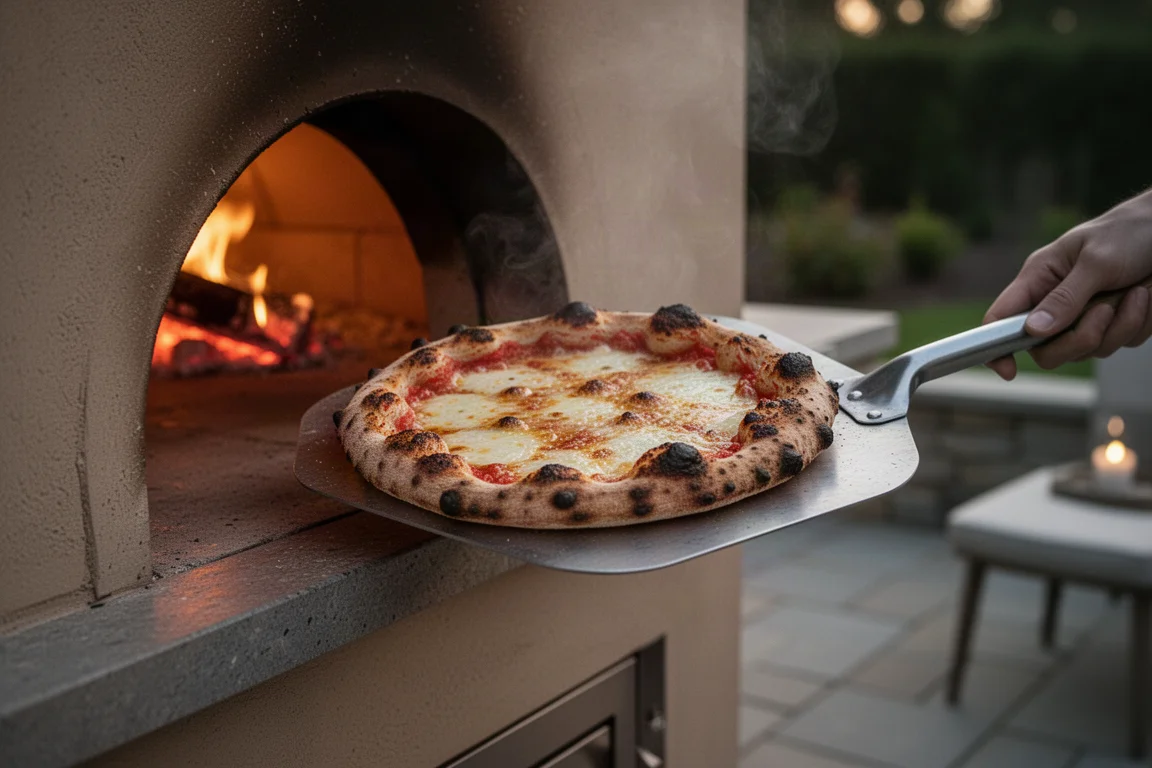
The results were clear. The sheet-pan pizza came out thin and cracker-like with good flavor but no bounce. The pizza-stone pizza had more chew and flavor, a clear step up from the sheet pan. The Ooni pizza puffed up much more, with char on the bottom and a soft, fluffy top, more chew, more bounce, and a smoky note from the char. It tasted like pizza from a restaurant brick oven rather than homemade.
Conclusion
If your goal is to cook the best-tasting pizza possible, you enjoy making pizza, and you do it frequently, an Ooni is worth the investment. It is one of the best portable pizza oven brands available, and it is a great way to entertain guests instead of being stuck in the kitchen. If you only make pizza once in a while and do not want to fuss with peels and accessories, a quality pizza stone mimics the pizza oven effect at a fraction of the price.
Further reading
Related Reviews

Outdoor Cooking
Traeger Wood Pellet Grill Review: Versatile Outdoor Cooking for Every Season
A practical look at what makes Traeger wood pellet grills stand out for home cooks seeking versatility beyond traditional barbecuing.
Outdoor Cooking
Ninja Wood Fire Barbecue Review: Smoky Flavour With Real Weeknight Speed
A compact electric grill with a built-in pellet smoker, quick repeatable cooking, and a cooking area worth checking before you buy.
Outdoor Cooking
Trangia Kettle 30 oz Review: An Ultralight Camp Kettle With One Real Catch
A 6.2 oz aluminum camp kettle for around $25 with excellent pouring and a plastic hardware compromise worth understanding before you buy.