Camping Sleep Systems
OneWind Top Quilt Review: One Piece of Gear, Four Ways to Sleep
A practical look at the updated OneWind Top Quilt, covering its quilt, sleeping bag, blanket, and poncho modes, the new sleeping pad panel, sizing, weight, and what to check before ordering.
Introduction
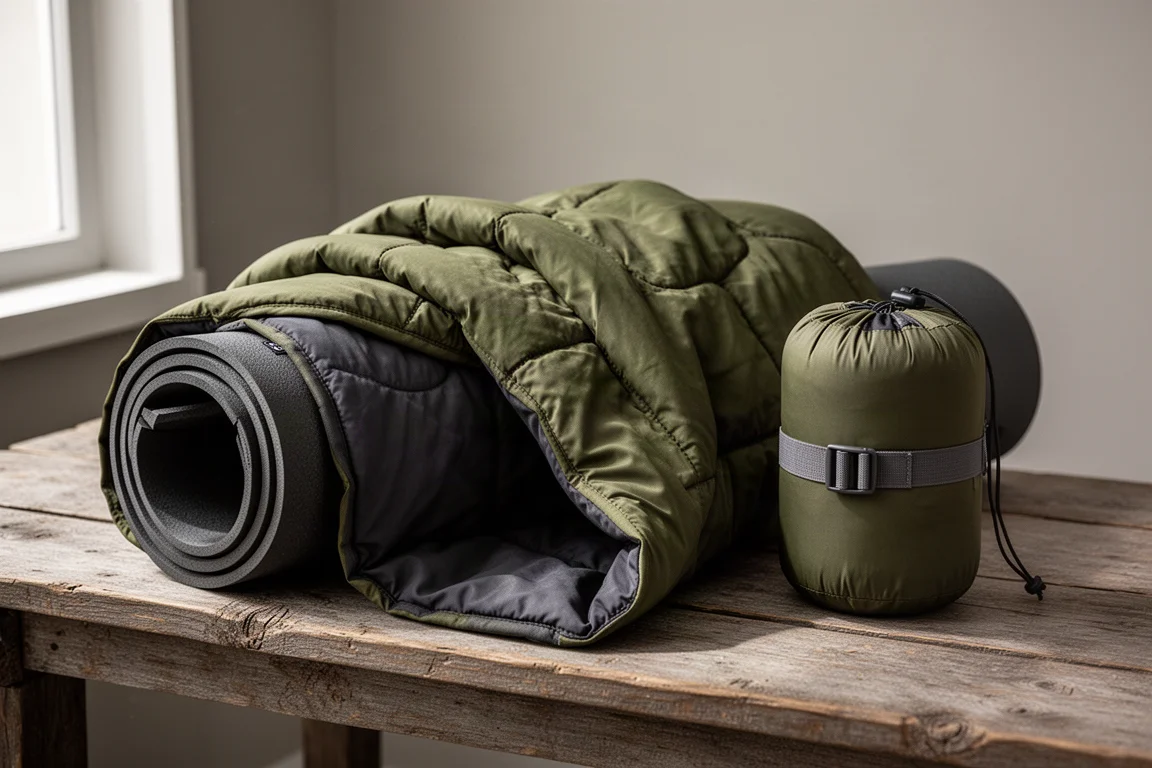
The OneWind Top Quilt is hard to describe in a single word. The company calls it a top quilt, which is accurate for hammock use, but the same piece of gear can be snapped into a sleeping bag, opened out into a blanket, or worn as a poncho with the head hole at the top. The 2025 update keeps that versatility and adds three things: a sleeping pad back panel, a revised shell fabric that the company describes as more eco-friendly, and a draft collar on the inside.
At $70 for the 78-inch version and $75 for the 85-inch version, it sits well below most camping quilts with a comparable feature set. This guide covers what the updated quilt does well, where it asks you to compromise, and which details are worth checking before you order.
Who This Product Is For
The most obvious fit is hammock camping. A top quilt is the standard pairing for an underquilt, and the drawcord foot box seals the bottom end without a zipper running the full length. Ground sleepers who prefer quilts to mummy bags will also recognise the shape, especially now that the back panel can anchor the quilt to a sleeping pad.
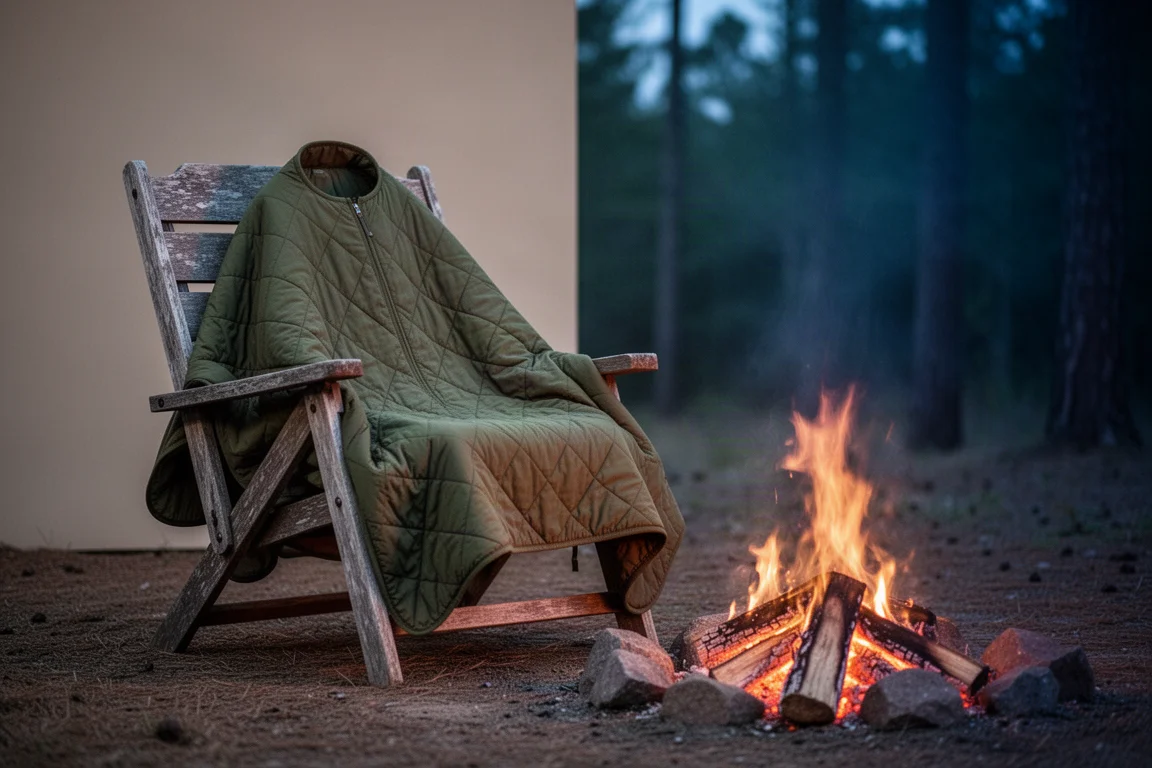
The second group is campers and travellers who want one item that covers several jobs. Worn as a poncho, the quilt blocks wind and holds warmth around the torso, which makes it useful for cool evenings around camp as well as for sleeping. The company lists a temperature range of 35°F to 50°F, which points to summer and shoulder-season use rather than deep winter.

Because it is not ultralight at 2 lb 11.8 oz with the storage bag and back panel included, it suits campers who value flexibility and price over the smallest possible packed size.
Main Strengths: Warmth, Wind Blocking, and Build Quality
The insulation is DuPont Sorona, a synthetic fill made from plant fibres. That matters for two reasons. Synthetic fill copes with damp conditions better than down, and it keeps the price low, since a down version of the same quilt would cost several hundred dollars. The previous generation of this quilt earned a strong reputation for warmth, and the updated version uses the same family of fill.
The shell is a 20D recycled 1.1 oz nylon treated with a DWR finish, which makes the outer face water resistant. It feels more substantial than the price suggests. Stitching is tidy, there are no loose threads, and the overall impression when handling it is closer to premium gear than to budget gear.
Wind blocking is another practical strength. In poncho mode the fabric cuts the breeze effectively and traps warmth close to the body, which is exactly what you want from a piece that is likely to be worn while sitting still at camp.
Design Details: Quilt, Sleeping Bag, Blanket, and Poncho
The conversion system is what separates this quilt from a plain blanket. Three snaps at the top open into a head hole for poncho use, and the hole is generous enough to fit a large head comfortably, which is not always true of comparable products.
At the foot end, a run of snaps and a drawcord form the foot box. Seven snaps close the enclosure, and the drawcord cinches the opening tight against cold air. Moving up each side, five buckles and two additional snaps let you seal the long edge when you want a closed sleeping bag rather than an open quilt.
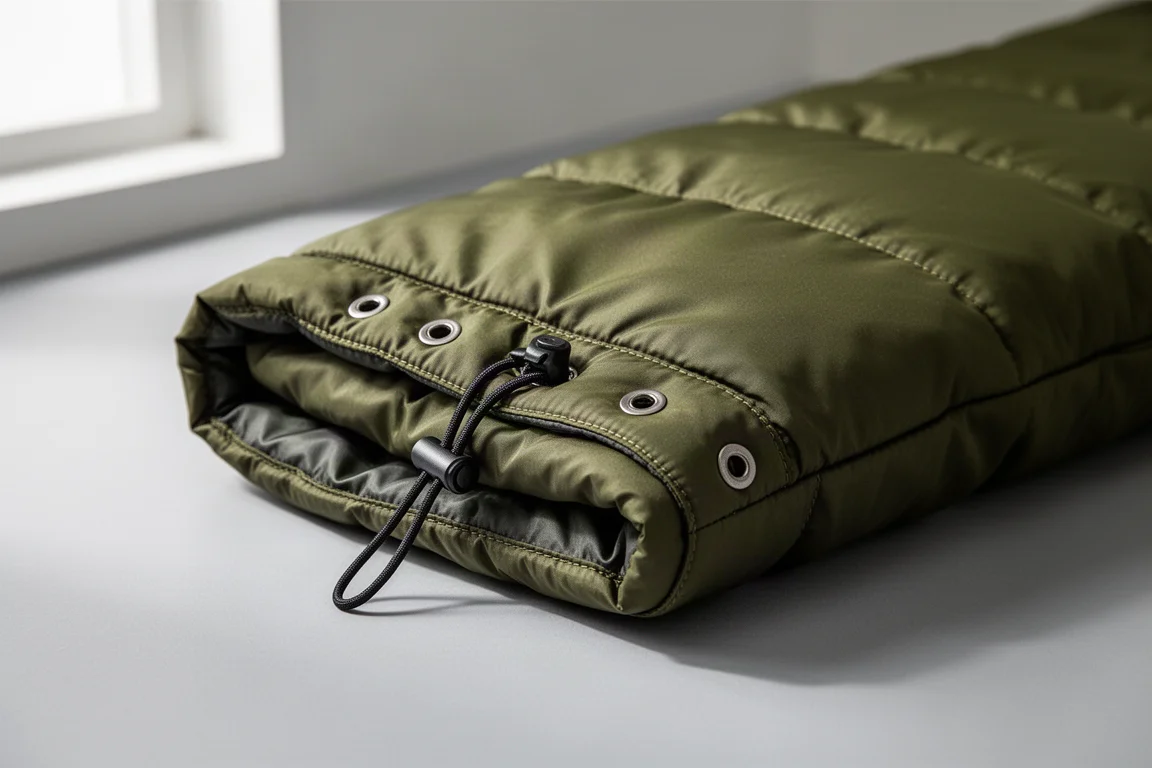
The quilt is not reversible. The shell is OD green and the lining is black, and the buckles that cinch the front cannot be reversed to cinch the back. That is a small limitation, but it is worth knowing if you like to flip a quilt depending on conditions.
The construction is symmetrical, with the same snaps, buckles, and drawcords running down both sides, so the quilt can be closed from either edge.
The Sleeping Pad Attachment System
The new back panel is the headline change. It is a separate piece with elastic straps and four buckles along each side. To use it, you lay the panel down, separate the buckles without removing the elastic, and slide your sleeping pad through the straps so the panel sits underneath the pad while the straps pass over the top and meet the buckles at the pad’s edges. The quilt then buckles to the panel on both sides.
The idea is straightforward. With the quilt locked to the pad, rolling over at night should not drag the quilt out of position. Most pad attachment systems use straps that sit under the pad and clip at the sides, so this wrap-around approach is unusual. Whether the straps running across the pad are noticeable while you sleep is the main open question, and it is the detail to weigh if you are a restless sleeper.
The system also adds weight and bulk, since the panel travels with the quilt.
Things to Consider Before Buying
There is no hood. The quilt lies over the body and the head hole can be sealed, which prevents drafts, but there is nothing to cover your head. If a hood is essential to you, this is the wrong product. If you normally wear a beanie or use a separate pillow, the simpler design is arguably cleaner, with less material to snag on things.
The insulation is synthetic, so it does not compress as tightly as down. Packed size is reasonable rather than remarkable, and that is the trade-off for the price.
The stated 35°F to 50°F range is a manufacturer figure, so treat the colder end as a guideline rather than a guarantee and match it to your own sleeping habits.
Buying the right version also takes attention. The older quilt is still sold, and marketplace listings mix it with the updated model on the same page. The older version comes in three lengths, each with two temperature ratings, while the updated version comes in two lengths. Check the length, the temperature rating, and whether the listing includes the back panel before you commit.
Sizing, Weight, and Price Positioning
Both sizes are 54 inches wide. The 78-inch version costs $70 and the 85-inch version costs $75. The 78-inch quilt, with its storage bag and back panel, weighed 2 lb 11.8 oz. The storage bag has a compression strap and a closure at the top, so the packed bundle can be tightened down a little.
For context, the Helikon-Tex Swagman Roll, a comparable blanket-and-poncho design, was priced at $144 at the time of writing. The OneWind quilt feels at least as well made and warmer, and it is larger, which makes the price gap hard to ignore. It is also easier to get on, because the head hole is bigger. The trade-off is bulk, since the OneWind quilt is the larger of the two.
Buying Advice
Choose the 78-inch version if you are of average height and want the lighter and cheaper option. Choose the 85-inch version if you are taller or you want extra material to tuck around your shoulders. Both are the same width, so length is the only sizing decision.
If you sleep in a hammock, the quilt works on its own as a top layer. If you sleep on the ground, decide whether you want the back panel system, because it changes how the quilt behaves through the night and adds a little weight to your pack.
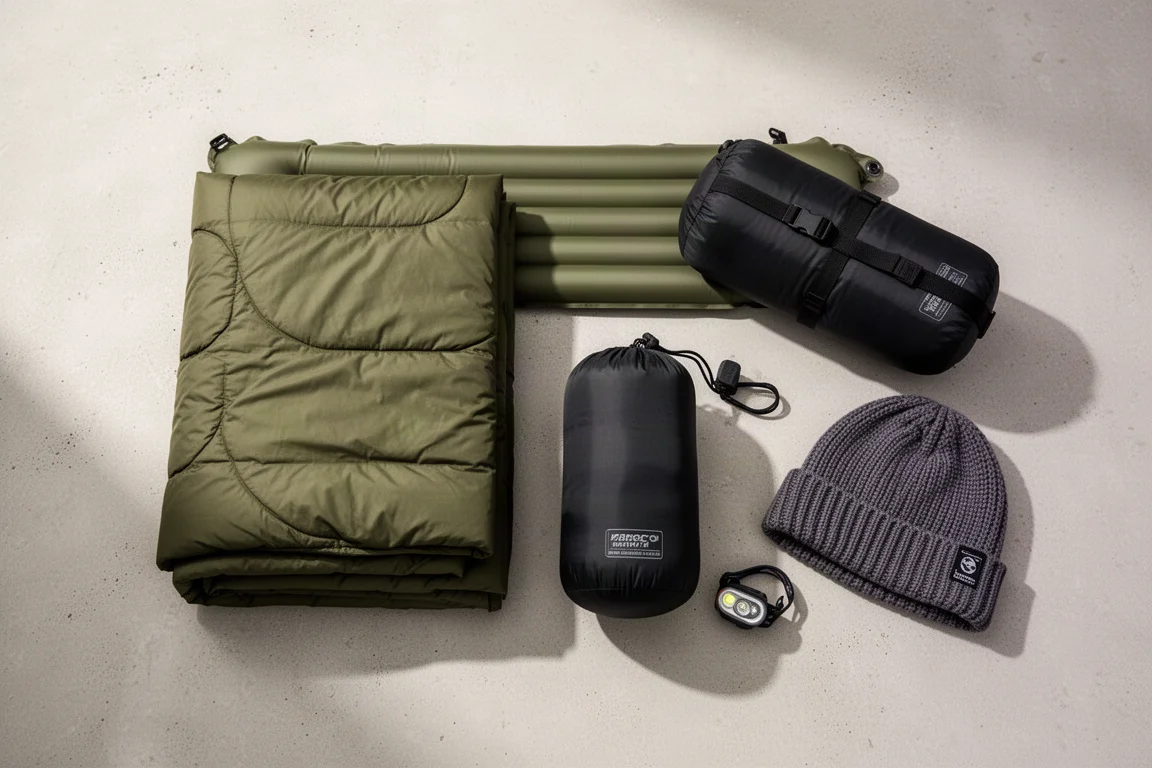
Consider the rest of your sleep system at the same time. A quilt with no hood pairs best with a warm hat or a hooded base layer, and a synthetic quilt pairs best with a pad that has a suitable R-value for the temperatures you expect.
Conclusion
The updated OneWind Top Quilt takes a versatile design and adds a genuine function in the sleeping pad panel, along with a revised shell and a draft collar. It remains strong value at $70 to $75, with build quality that feels better than the price implies. The main compromises are the missing hood, the packed size of the synthetic fill, and a listing situation that rewards careful reading. If you want one piece of gear that works as a quilt, a sleeping bag, a blanket, and a poncho, this is a sensible place to start.
Product link
View more details for OneWind Top Quilt
This product is mentioned in the review. Check the specifications, options, and compatibility before buying.
View more details for OneWind Top QuiltFurther reading
Related Reviews
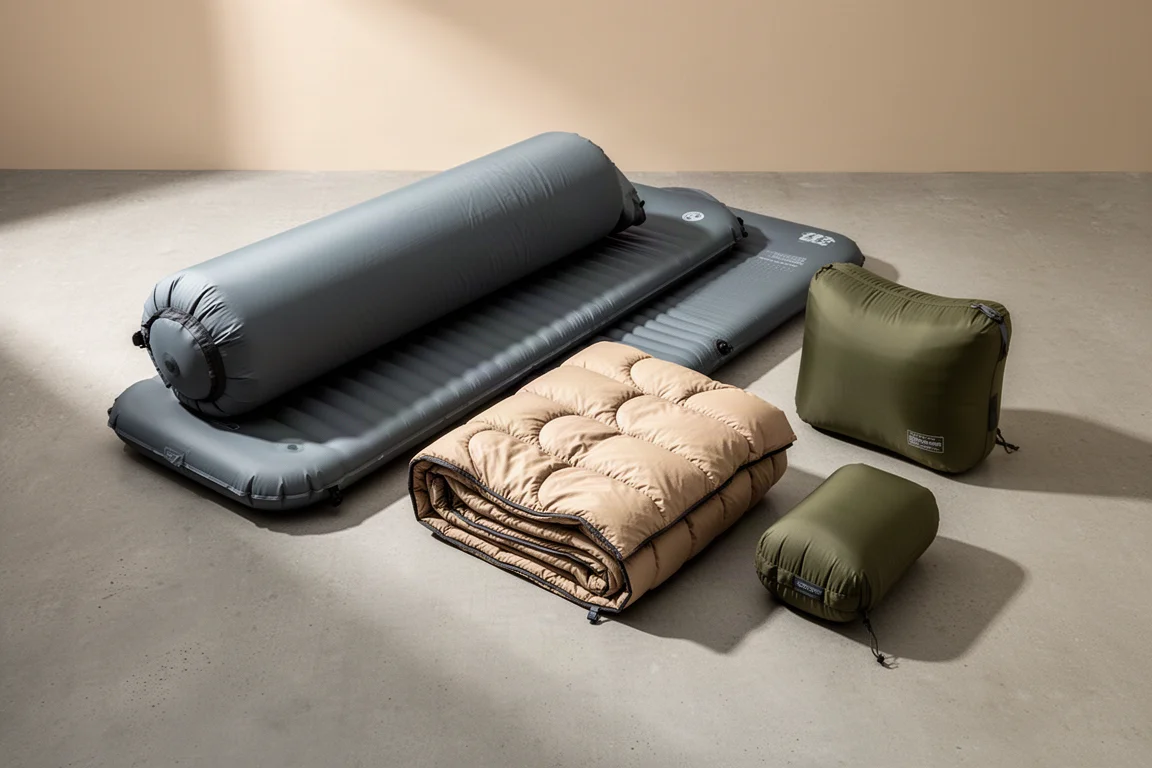
Camping Sleep Systems
Backcountry Sleep System Guide: Two Pads and Two Pillows for Colder Nights
Two sleeping pads and two camp pillows that cut pressure points and tossing, plus the quilt setup habits that keep cold air out of your sleep system.
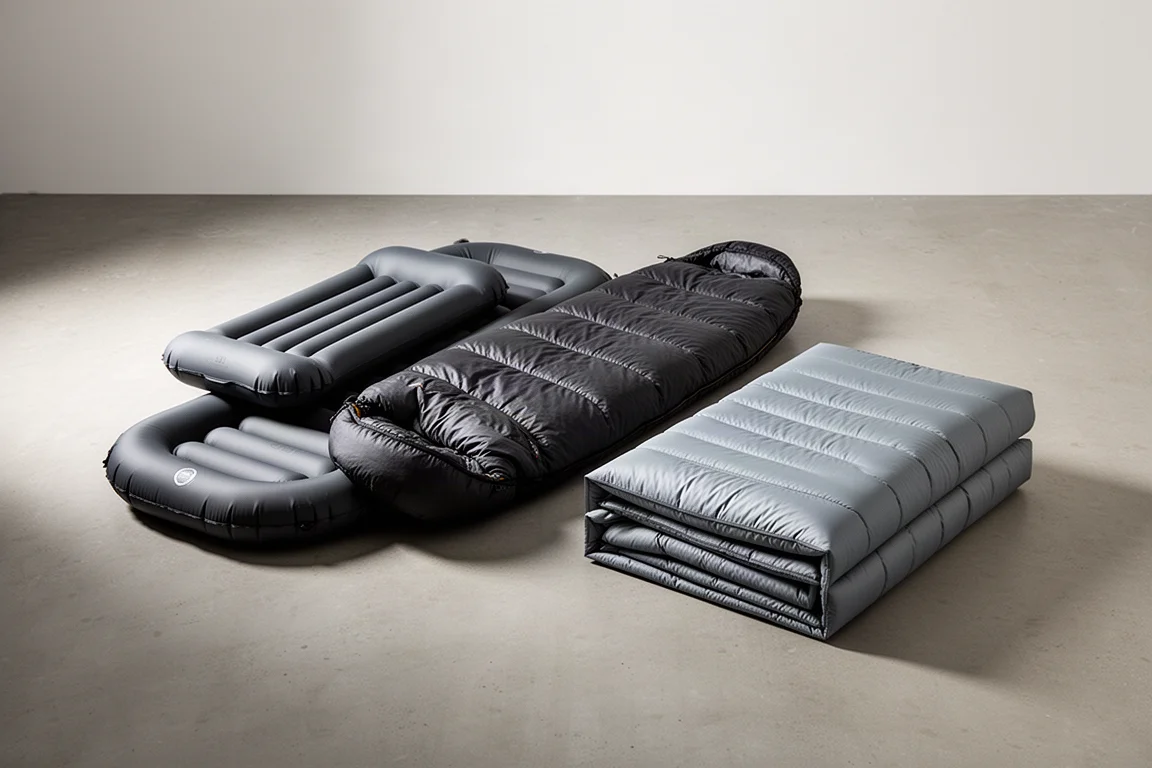
Camping Sleep Systems
Extreme Cold Sleep System: Three Pieces That Make Winter Camping Work
A practical look at the three core pieces of an extreme cold sleep system that together handle wind, cold ground, and moisture on sub-zero nights.
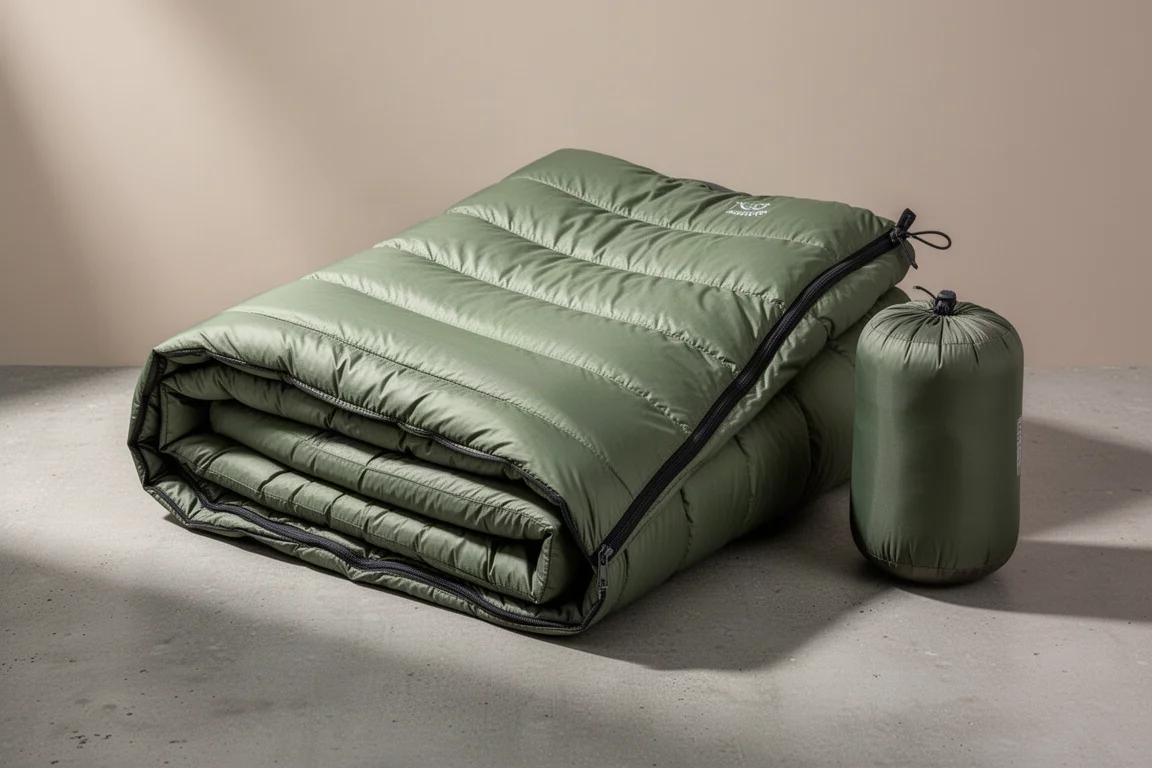
Camping Sleep Systems
NatureHike Ultralight Down Quilt Review: A Versatile Warm-Weather Sleep System
A close look at the NatureHike Ultralight Down Quilt, covering real-world warmth, build quality, weight, sizing, and the one trade-off to expect from any down-filled product.