Electric Rideables
Onewheel Pint vs Onewheel XR: Which One Fits Your Ride?
A practical comparison of the Onewheel Pint and Onewheel XR covering range, stability, learning curve, and the accessories you will actually need.
Introduction
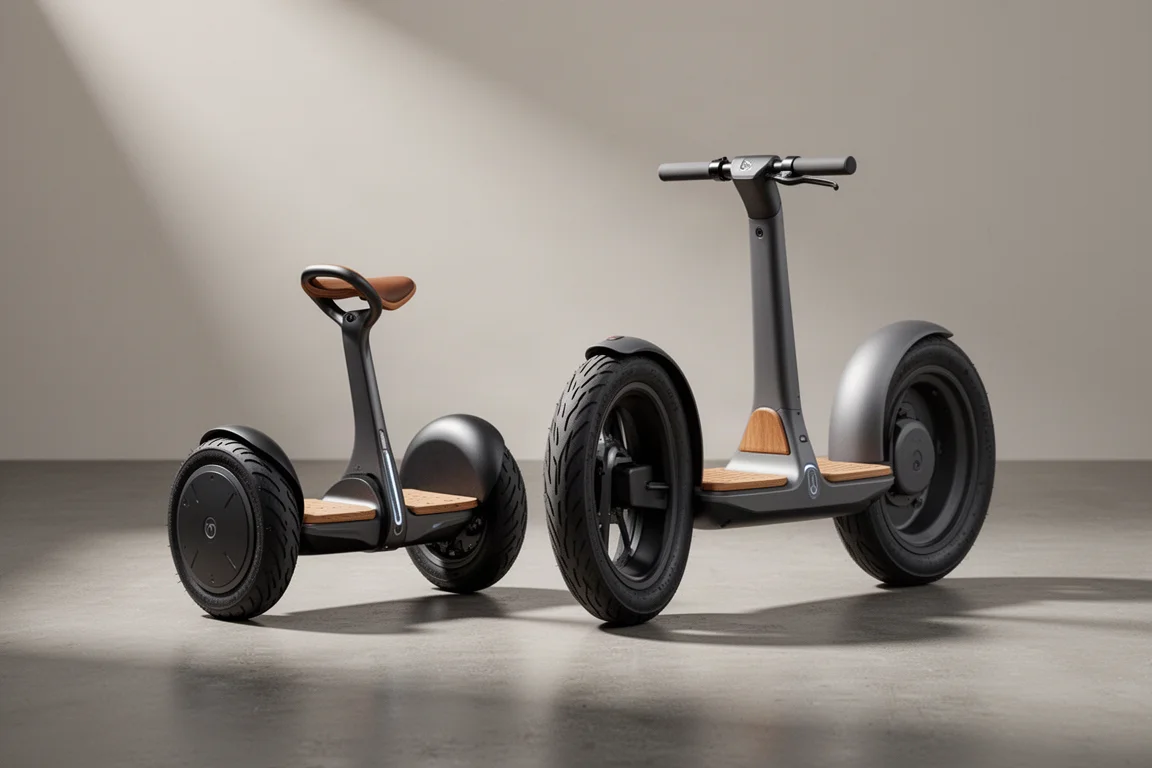
The Onewheel Pint and the Onewheel XR look like two versions of the same idea, and in a way they are: a single wide tyre, a footpad on each side, and a self-balancing motor that keeps the deck level under your feet. In daily use, though, they feel like different machines. One is compact, light, and easy to live with. The other is bigger, calmer at speed, and far less likely to leave you worrying about battery level.
This comparison comes from living with both boards over an extended period: commuting, filming, and riding everything from smooth pavement to grass. It covers what each board genuinely does well, where each one asks more of you, and which type of rider each one suits. The figures below reflect the prices and range estimates that were current when both boards were bought.
What Riding a Onewheel Actually Feels Like
The first thing almost everyone notices is the float. Because there is only one wheel and the board balances for you, the sensation sits somewhere between snowboarding and surfing. Riders with a background in either sport tend to pick it up quickly, and moving between surfaces feels less intimidating than it looks.
The learning curve varies by person. Some riders are comfortable within half an hour in a parking lot, while others need a week. Falls and frustration are part of the early days, and the smaller board is generally the harder one to start on, mostly because it feels twitchier underfoot.
One of the most useful things about the single-wheel layout is that both hands stay free. That matters if you want to film, carry a bag, or simply keep your hands available while you ride. The same design also opens up terrain that most electric skateboards avoid: grass, bumpy pavement, and snow are all fair game, and the ride stays surprisingly composed once you trust the board.
Onewheel XR: Extended Range and Greater Stability
The XR is the extended-range model, and range is the main reason riders move up to it. Expect roughly 12 to 18 miles depending on rider weight and riding style: aggressive riding drains the battery faster, while a relaxed cruising pace stretches it. Top speed is around 19 mph.
Stability is the second big advantage. The XR has a wider stance and a flatter tyre profile, so it feels grounded and predictable rather than twitchy. That combination makes it the easier board to learn on, and it is the one to pick if you want longer rides without watching the battery indicator.
The trade-offs are weight and price. The XR is heavy and awkward to carry by hand over any distance, and it does not include a side handle by default, so carrying it into a shop is not realistic. It is also the more expensive board at around $1,800.
Onewheel Pint: Compact, Light, and Beginner-Friendly
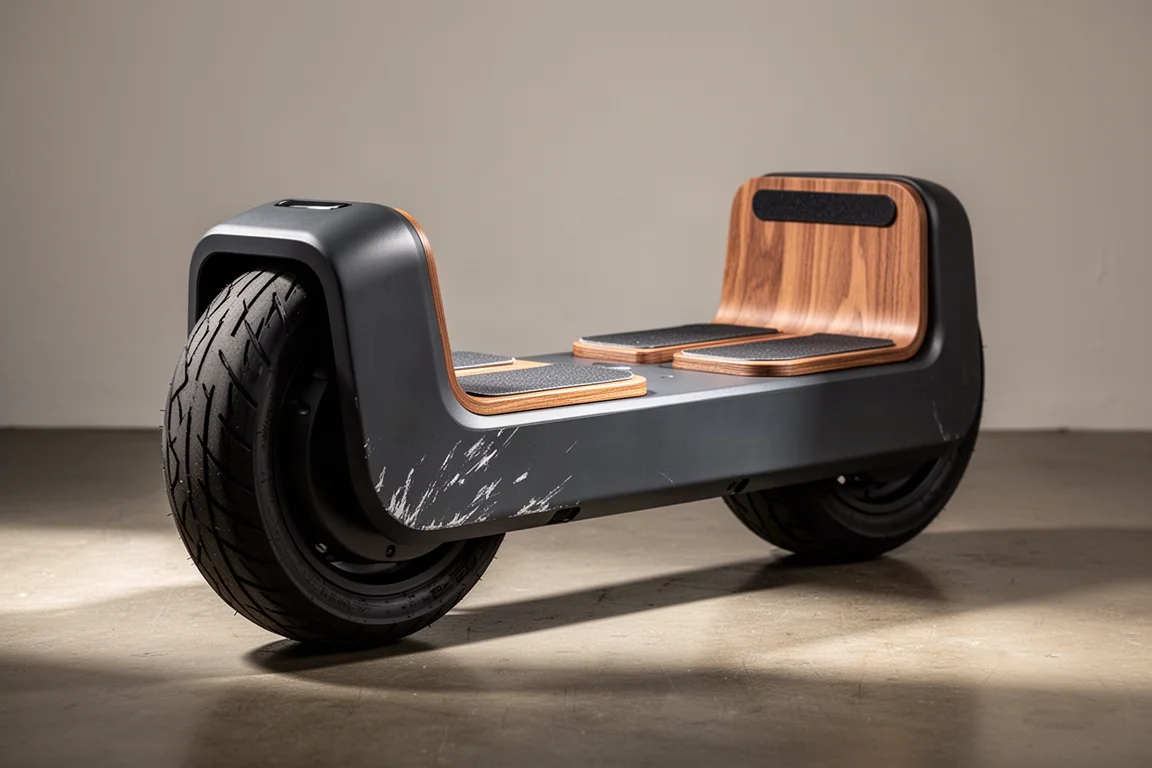
The Pint is the smaller, lighter option at around $950. Its range is roughly six to eight miles, which suits short commutes, quick errands, and casual sessions rather than long-distance rides. Top speed is about 16 mph.
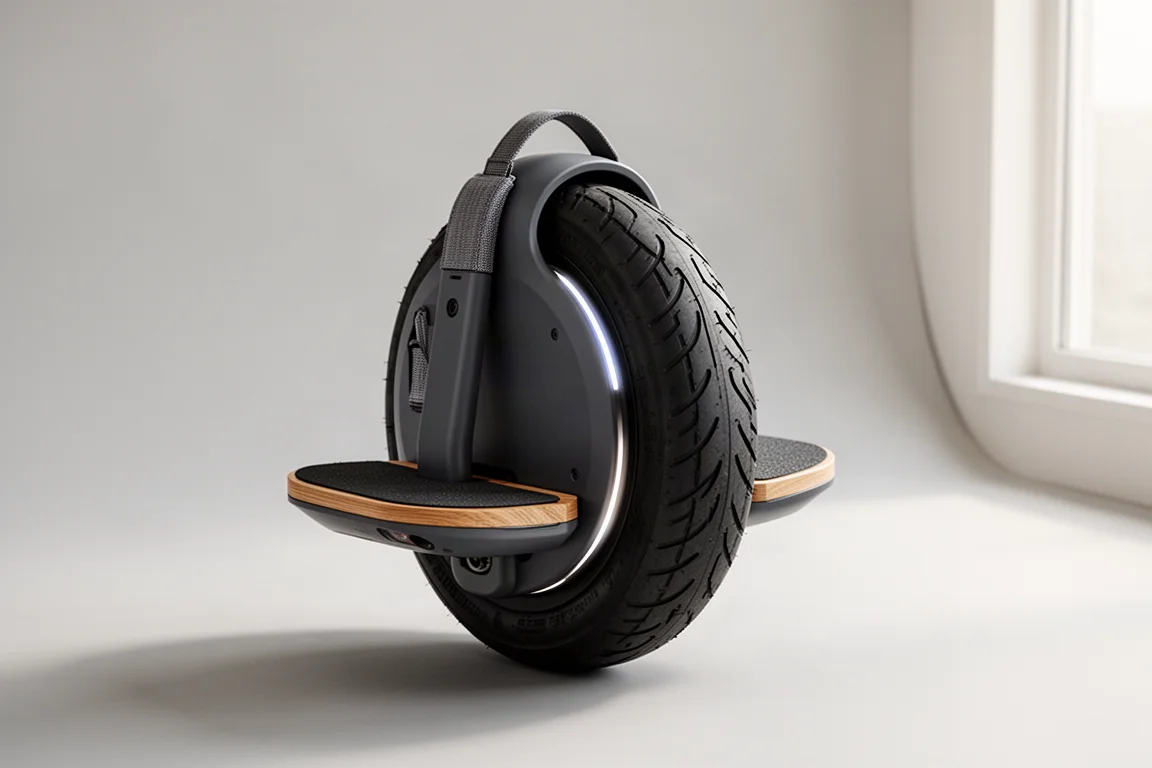
Where the Pint wins is everyday usability. It is light enough to carry comfortably, and it ships with a handle that makes hauling it into a store feel unremarkable. Stopping is also more intuitive: pressing firmly on the back foot brings you to a controlled stop, which is a friendlier first lesson than the technique the larger board asks for.
The Pint is also the more forgiving board when it comes to warning you about speed. Its pushback is clearly noticeable, and it takes more to send it into a nosedive. The cost is stability. The narrower stance and rounder tyre make it feel livelier and more eager to carve, but also less planted at speed.
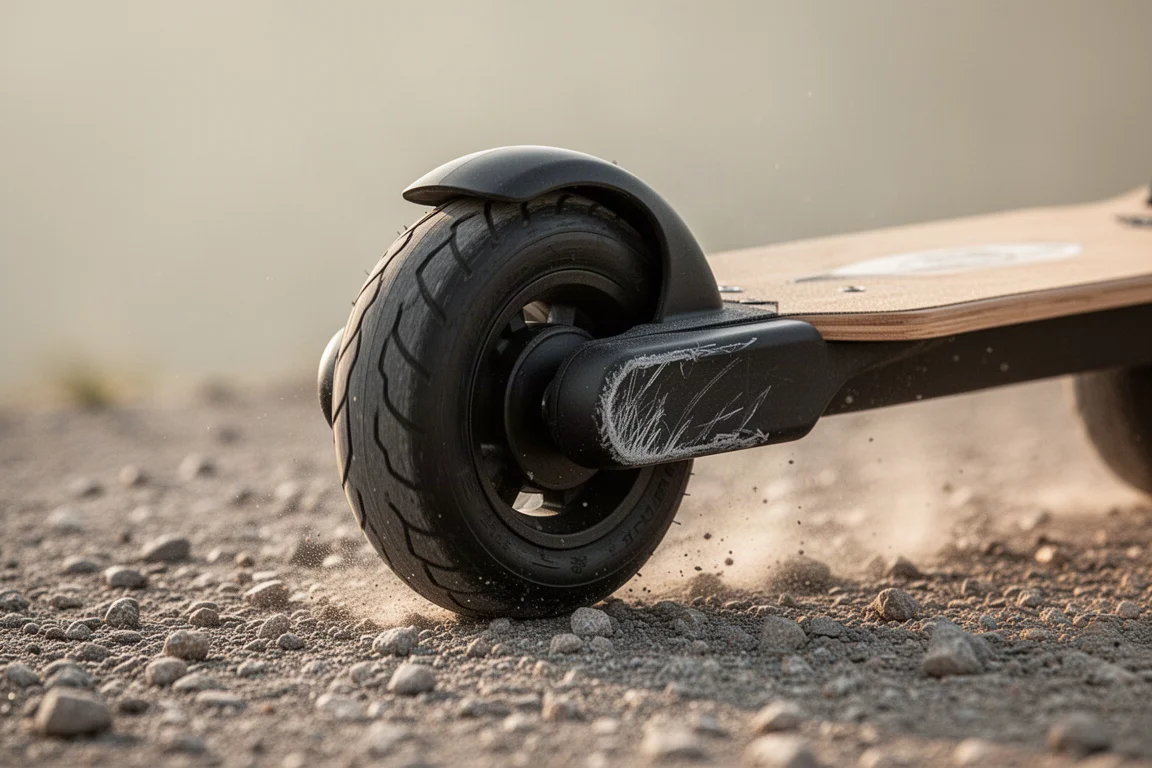
That rounder profile is why the Pint is the better carving board out of the box. It turns in quickly and rewards a rider who likes to weave rather than hold a straight line. If you swap tyres on the larger board you can close some of that gap, but you usually trade away a little of the stability that made it appealing in the first place.
Nosedive and Pushback: Riding Within Your Limits
Two terms matter more than any spec sheet: nosedive and pushback. A nosedive happens when the motor can no longer keep the nose up and the front of the board drops, which puts the rider on the ground. It can happen on either model.
Pushback is the warning. As you approach the board’s limits, it lifts the nose slightly to tell you to slow down. On the Pint the signal is obvious. On the XR it is subtler, and riders who ignore it will nosedive. Treat pushback as a hard limit rather than a suggestion, ride within your ability, and the board stays predictable. Being safe rather than fearless is the single most useful habit you can build.
Terrain, Customization, and Ownership Reality
Both models handle surfaces that would stop a typical electric skateboard: grass, rough pavement, and snow are all rideable, with a short adjustment period as you learn to trust the board on each new surface.
Customization is a genuine part of ownership. Footpads, tyres, and even wheels can be changed, and most modifications are reversible. The Pint in particular gets modified for extra range, while the XR gets modified for carving feel. At community rides, almost no two boards look alike.
Durability is worth setting expectations around. These boards pick up scuffs and scratches quickly, sometimes within the first half hour of riding, and there is no way to keep them pristine. The upside is that they hold up well mechanically, and protective accessories can cover the cosmetic damage while shielding the board further.
The Accessories You Will Actually Need
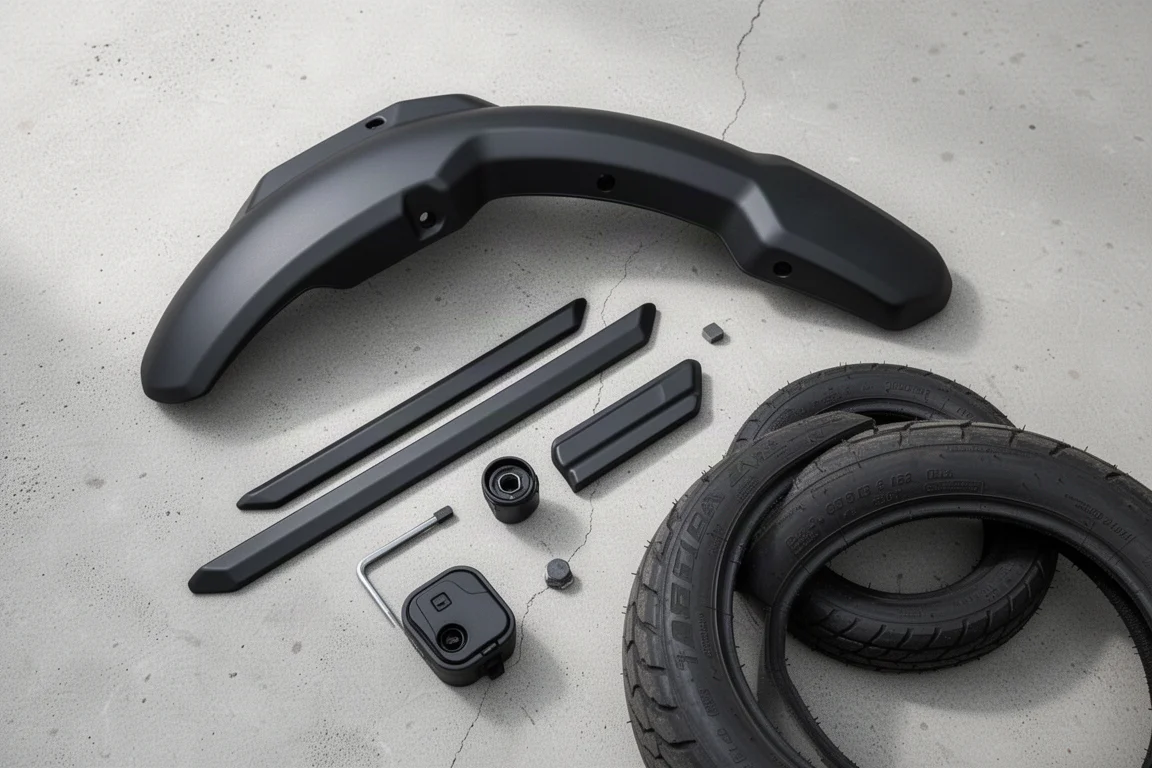
Budget beyond the board itself. A fender, bumpers, and rail guards are not optional extras in practice, because they protect parts of the board that take direct contact. The charging port is exposed, and its cover is sold separately, so it is not included even in bundle options. That is a real gap if you ride anywhere the board might meet dirt or water. The accessories add up quickly, which makes the sticker price of either board a starting point rather than the full cost.
Buying Advice: Which Onewheel Should You Choose
Choose the XR if range and stability matter most. It covers 12 to 18 miles per charge, tops out near 19 mph, and its wider stance makes it the calmer, easier board to learn on. It is the better fit for longer rides, mixed terrain, and riders who would rather not think about the battery. Expect to pay around $1,800 and to leave it in the car rather than carry it.
Choose the Pint if you want something light, compact, and simple to live with. At around $950 it costs roughly half as much, and its handle and more intuitive braking make it the easier board to take into a shop or up a flight of stairs. Its six-to-eight-mile range and 16 mph top speed are best suited to short trips and casual sessions, and its very noticeable pushback makes it the more forgiving choice for newer riders.
Whichever you pick, add the protective accessories to your budget and give yourself a parking-lot session or two before riding anywhere busy. Both boards reward a cautious first week.
Conclusion
The Pint and the XR are the same idea tuned in two directions. The Pint is light, affordable, and forgiving, which makes it the better everyday companion for short rides. The XR is bigger, calmer, and much longer-legged, which makes it the better choice if you want to ride further and feel more planted while you do it. Match the board to the distance you actually ride, budget for the accessories, and respect pushback, and either one delivers a riding experience that is genuinely unlike anything else on wheels.
Further reading
Related Reviews

Electric Rideables
Airtrick A1 Pro Electric Roller Skates Review: A Fun Ride With a Learning Curve
The Airtrick A1 Pro electric roller skates offer a portable, motorized ride, but their fixed trucks and learning curve mean they are not for everyone.

Backpacking Gear
Building a 10 lb Base Weight: An Ultralight Backpacking Gear List
A practical walkthrough of the ultralight pieces behind a 10 lb base weight, from a 765 g pack and a roomy one-person tent to a full camp chair and a dependable water filter.

Road Bikes
10 New Road Bikes Worth Watching: Aero, Titanium, Steel and Endurance Standouts
A practical roundup of 10 new road bikes, from aero flagships chasing single-watt gains to titanium, steel and endurance platforms built for real roads.