Running Gear
OneCall Custom Dial Closure Kit: A Conversion Kit That Brings Dial Fit to Almost Any Running Shoe
We fitted the OneCall custom dial closure kit to a pair of Saucony Endorphin Speed 3 road shoes and ran in them. Here is how the install went and how the system performed.
Introduction
Dial closure systems have quietly become one of the more satisfying upgrades in running footwear. After recently testing a pair of trail running shoes that swapped traditional laces for a dial system, the precise midfoot lockdown and easy on-the-fly fit adjustments made a strong impression. So when the opportunity came to try the OneCall Custom Dial Closure Kit, a system designed to be fitted by the user to many different types of shoes, it was an easy yes.
The kit has just launched on Kickstarter, with products scheduled to ship to customers in August this year. Here is how it works, how the installation went, and how it performed in a pair of road running shoes.
How the OneCall Custom Dial Closure Kit Works
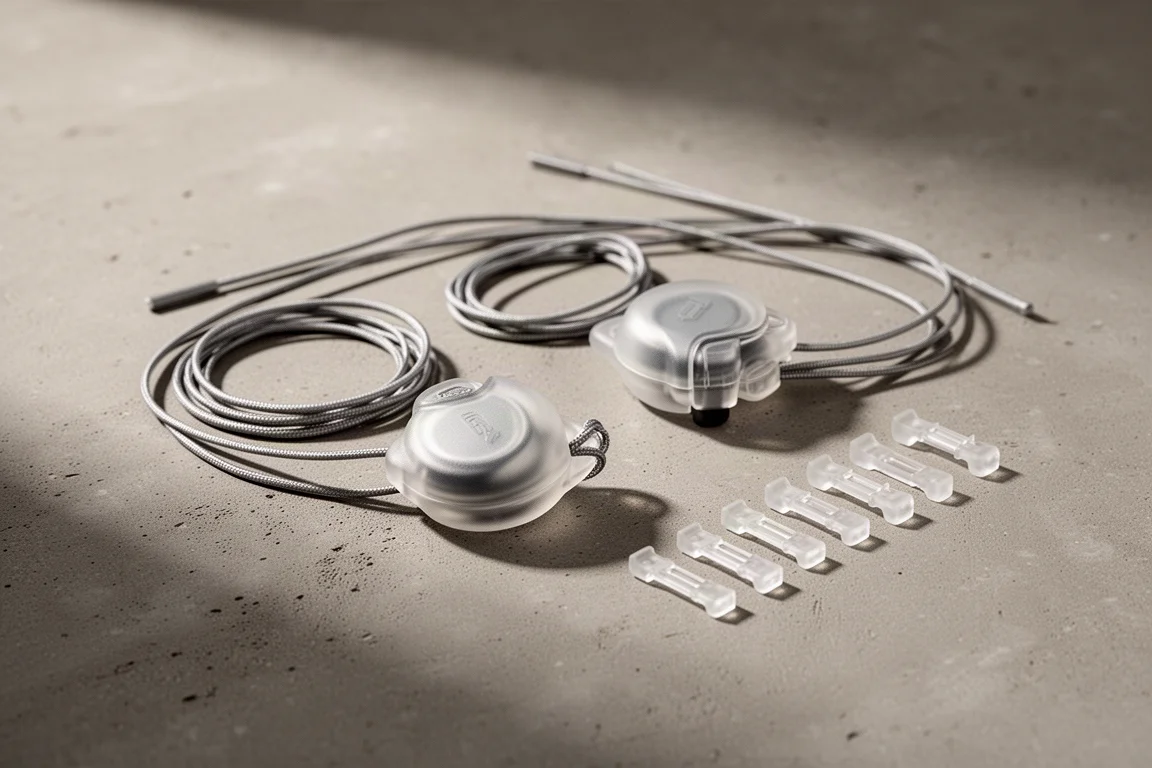
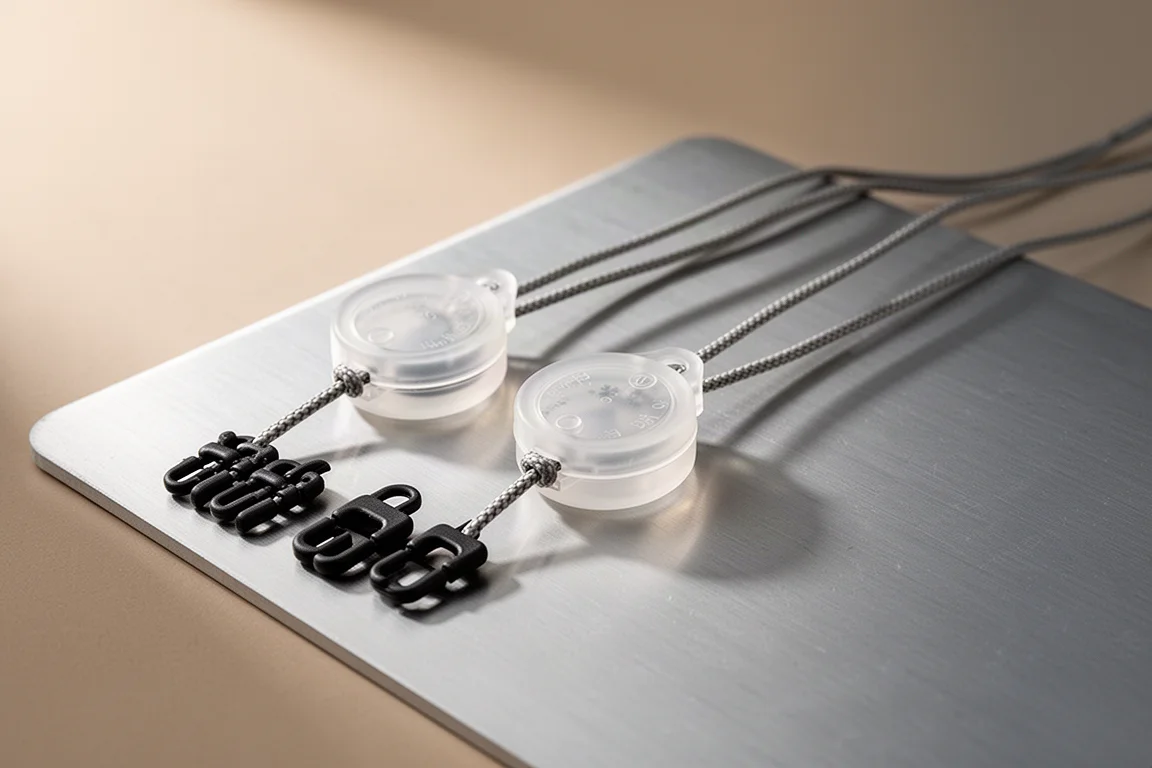
Inside the box you get two dial cord systems, one for each shoe, in your chosen colorway. Four options are available: black, white, clear, and tinted. There is also a bag of guides, in both double and single variants, which attach to your existing lace eyelets and allow the cords to pass through cleanly when tightening or loosening the dial, protecting the upper of the shoe from damage. A simplified step-by-step instruction sheet rounds out the package.
The whole concept is thoughtfully simple: rather than buying a shoe with a dial built in, you convert a shoe you already own. That is a genuinely difficult thing to engineer, and the kit handles it with a short parts list and clear instructions.
Installation: Fitting the Kit to a Pair of Saucony Endorphin Speed 3
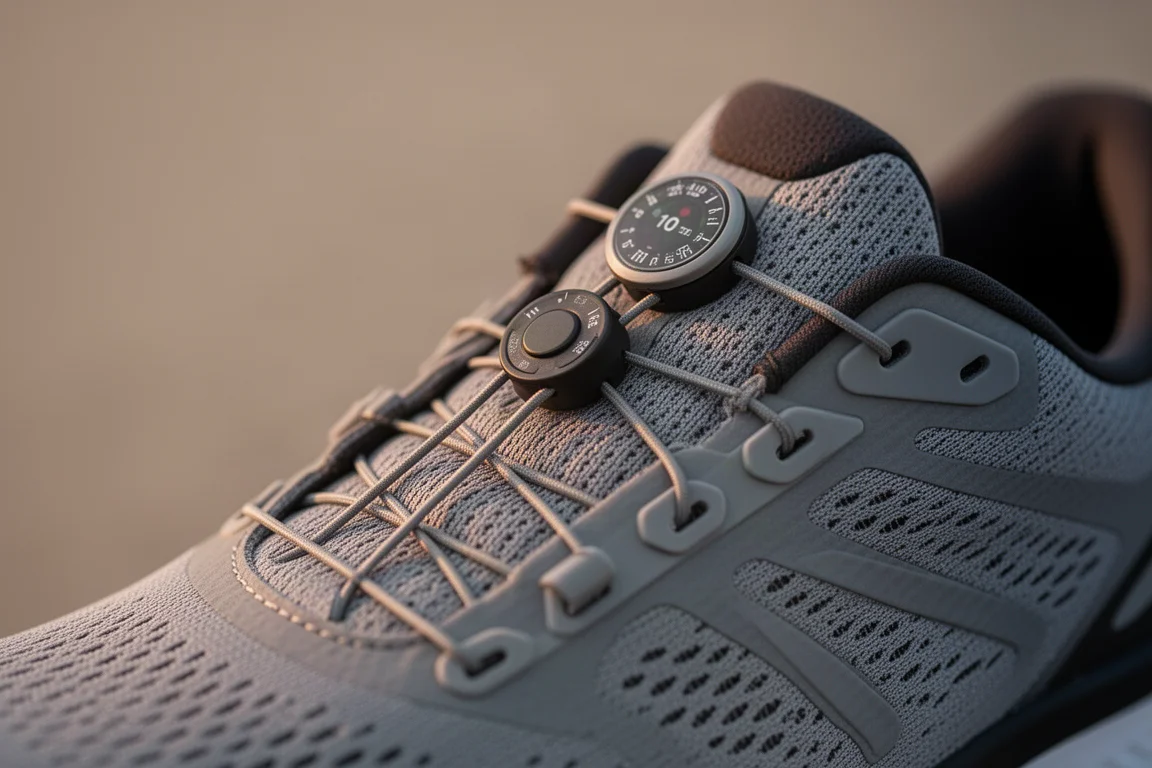
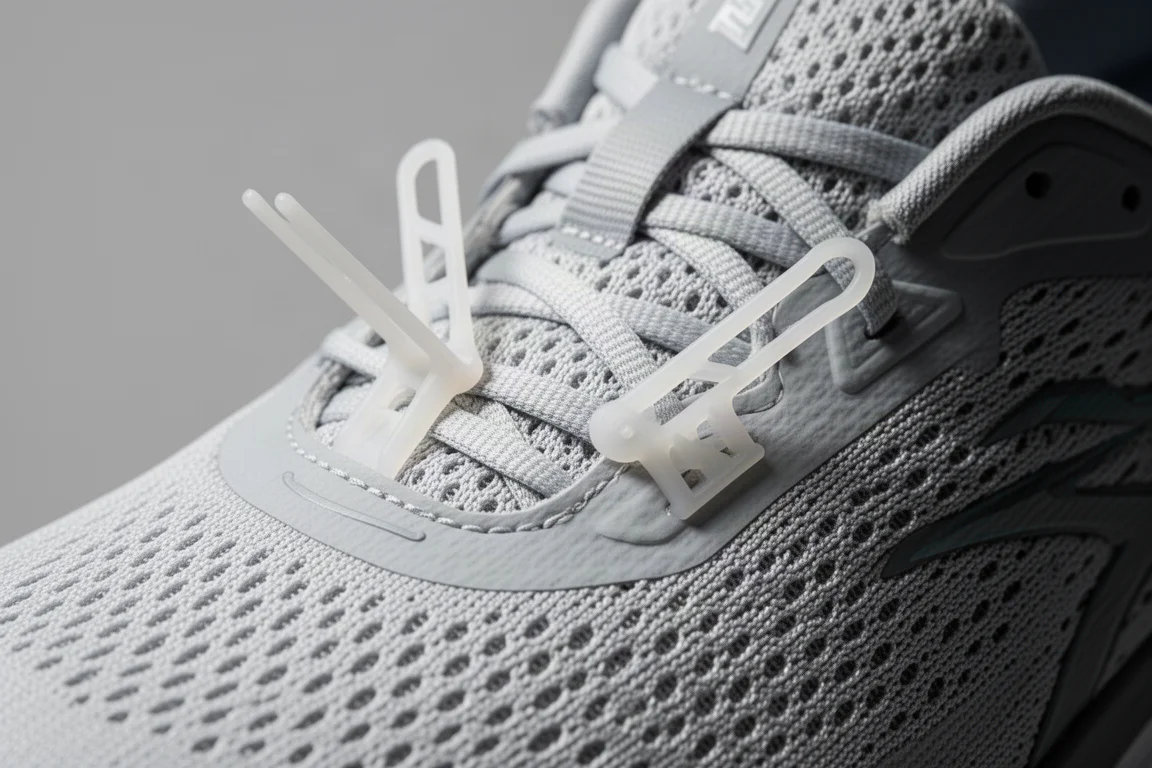
For this test the kit went into a pair of Saucony Endorphin Speed 3 road shoes. The first step is removing the existing laces, then attaching the guides through the lace eyelets with the guide legs facing outward. The double guides fit the Endorphin Speed 3 well, though singles are included for different eyelet setups.
Compatibility matters here: the system needs a shoe with traditional lace eyelets. Shoes that use a cord-style lacing system instead of eyelets will not work with the guides.
Next, the dial attaches to the tongue. The adhesive backing is extremely sticky, which makes peeling it off a little tricky, but the resulting fixing feels very secure. The dial needs to sit parallel with the guides at the top of the eyelets. The final step is pulling the cord through the guides so it clicks securely into place. It took a couple of attempts to get the tension right, but the second shoe was noticeably quicker.
How It Performed on the Run
On the run, the kit performed very well. The upper felt exactly as comfortable as it did with standard laces, with no noticeable pressure from the guides or the dial on the tongue. Tightening the dial down produced a strong lockdown around the midfoot and a good hold in the heel, with no movement in the upper, yet the fit never felt constricting or overtightened.

In feel, it compared favorably with shoes that ship with a dial closure system built in from the factory: just as comfortable and just as secure. Small adjustments on the move were easy, which is exactly where dial systems earn their keep.
About the Saucony Endorphin Speed 3
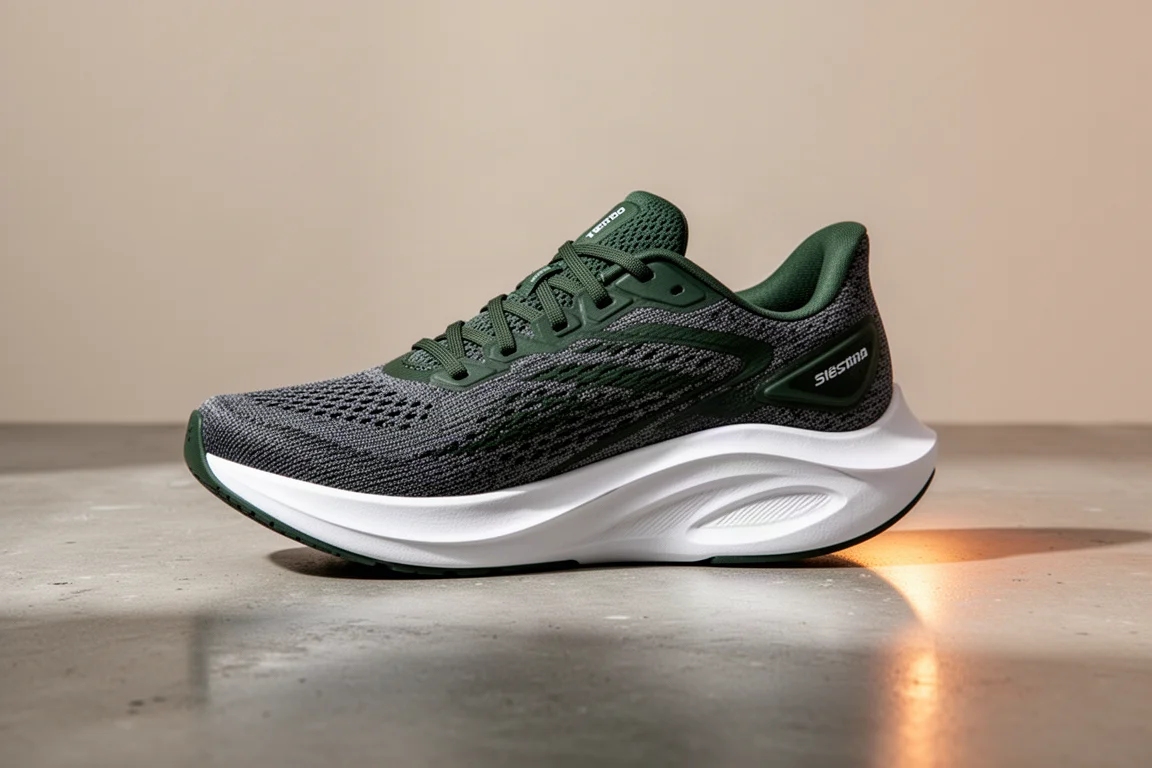
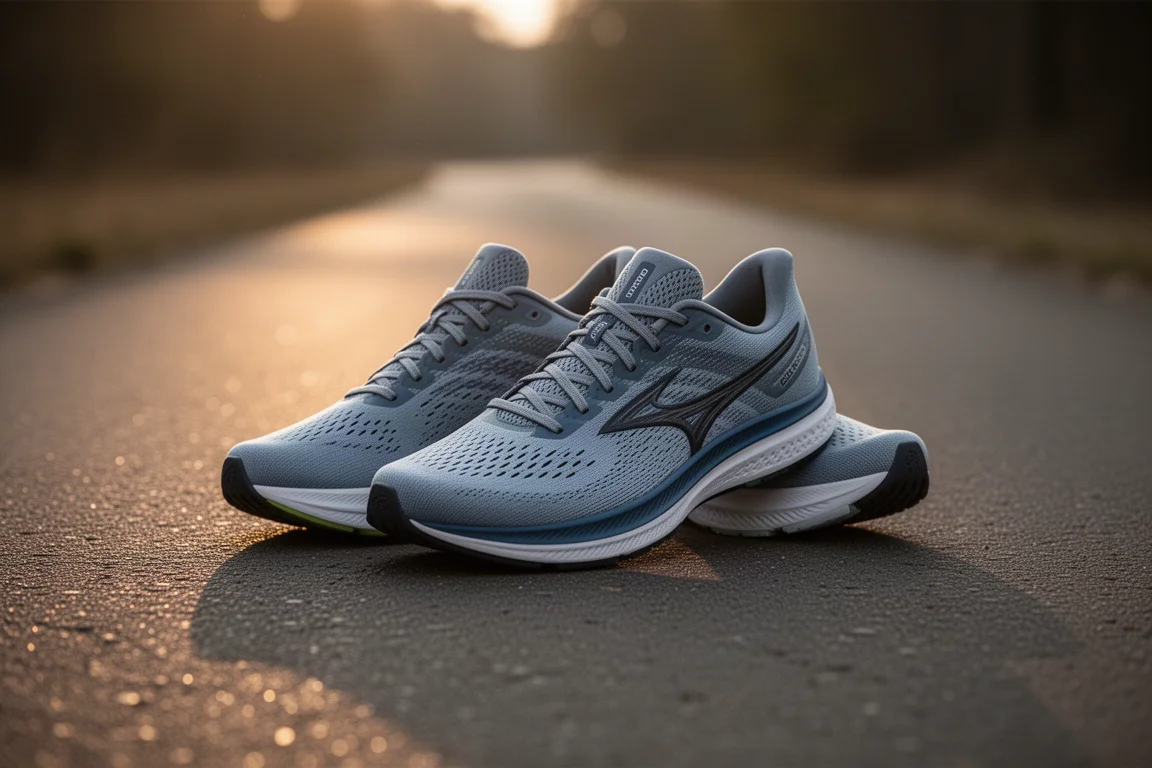
The Endorphin Speed 3 served as the test platform, and it represents a good case for this kind of conversion. It is a responsive road running shoe with a traditional eyelet lacing layout, which makes it fully compatible with the OneCall guides and dial. For runners who already like the shoe but want a more adjustable, locked-in midfoot fit, pairing it with the kit is a practical way to get there without replacing the shoe.
What Could Be Better
Style is a matter of taste, and a black kit would arguably suit most shoes better than the white version used here, which was chosen to stand out on camera. The adhesive backing can also be fiddly to peel off during installation, and threading the cord into the guides takes a moment to get the hang of on the first shoe. None of these are deal-breakers, and the design overall appears well thought through and durable enough for the wear and tear running shoes normally take.
Buying Advice
If you have run in a trail shoe with a dial closure system and wished you could have that same fit in your road shoes, or simply want the convenience of dial adjustment across more of your shoe rotation, the OneCall Custom Dial Closure Kit is a compelling option. Check that your shoes have traditional lace eyelets before ordering, since cord-laced designs are not compatible.
Conclusion
The OneCall Custom Dial Closure Kit does something genuinely difficult: it brings a factory-quality dial closure experience to ordinary laced running shoes, with an installation that is easier than expected and comfort that is indistinguishable from standard laces. For runners who value precise midfoot lockdown and quick fit adjustments, it is well worth a closer look.
Further reading
Related Reviews
Running Gear
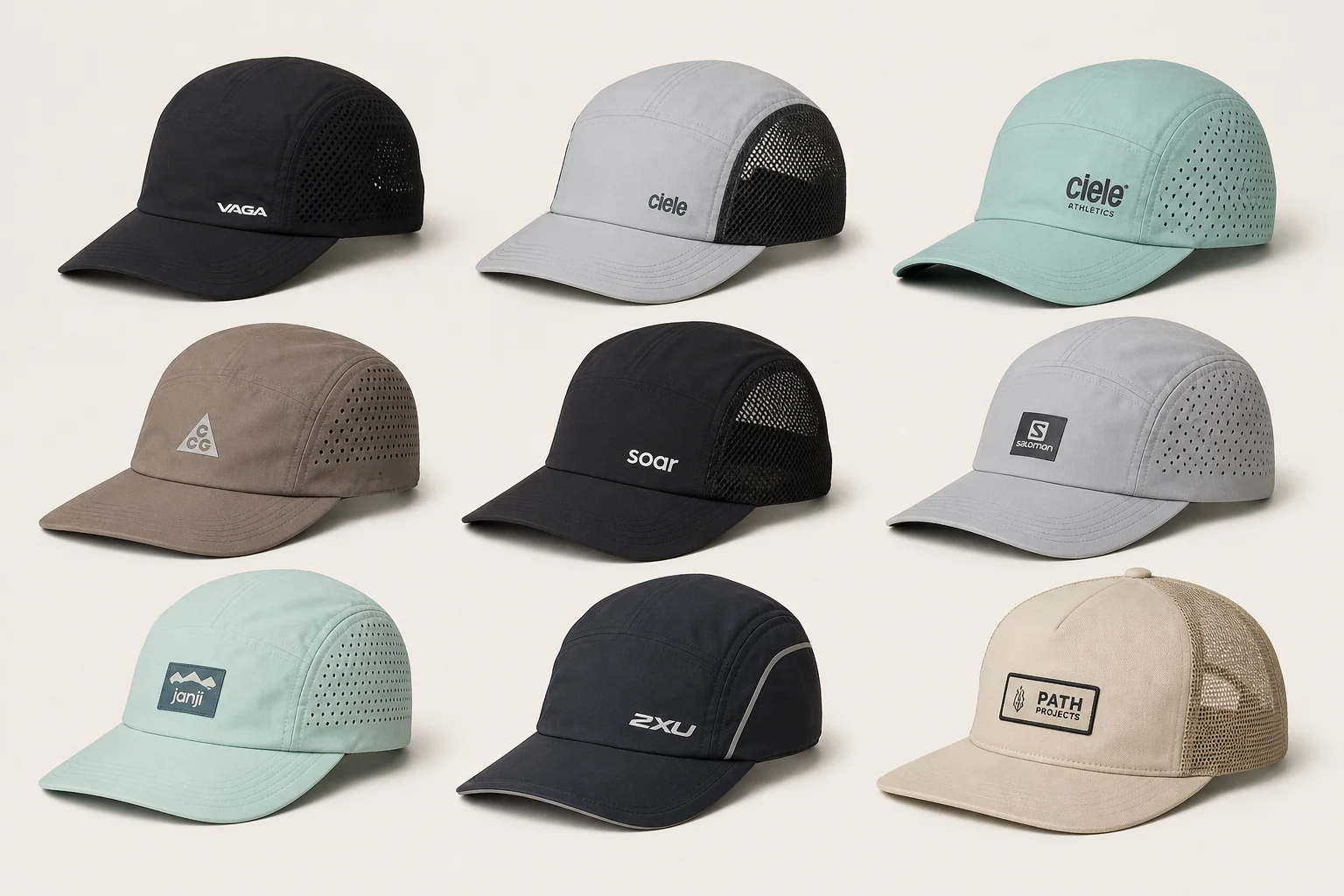
Best Running Caps 2026: Nine Tested Options for Summer and Winter
A comprehensive guide to nine running caps tested across different conditions, from lightweight summer options to waterproof winter choices.
Running Gear
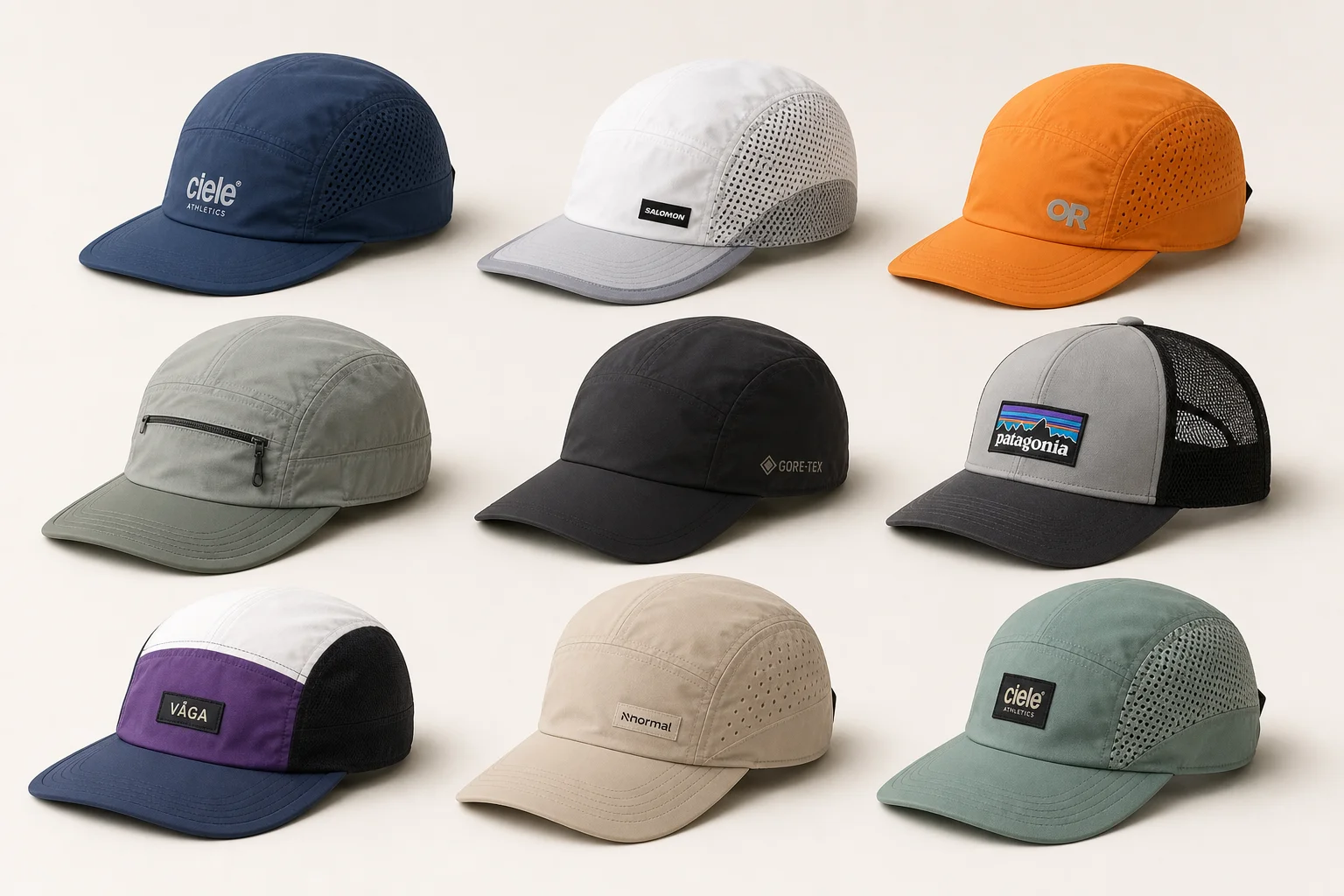
Best Running Caps: A Guide to Summer and Winter Options
A comprehensive review of nine running caps for different conditions, styles, and preferences, from lightweight summer options to waterproof winter choices.
Running Gear
Best Running Gear 2026: Five Picks That Earn Their Place
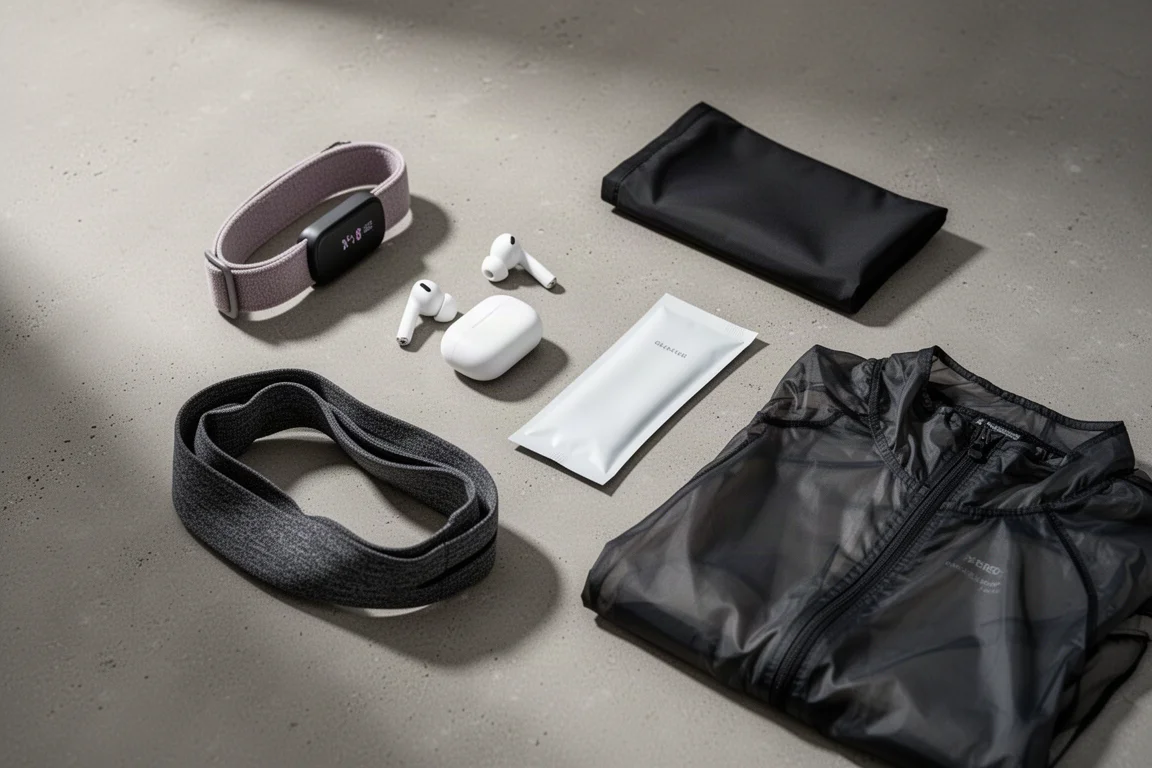
Five running upgrades covering heart rate, audio, fuelling, carrying and weather protection, with the trade-offs worth knowing before you buy.