Camping Stoves
OneTigris ROCUBOID Review: A Folding Wood Stove for Day-Walk Coffee
A flat-pack wood stove that clips together without tools, lights on simple tinder, and boiled water on its first outing. Here is how the OneTigris ROCUBOID performs and what to check before buying.
Introduction
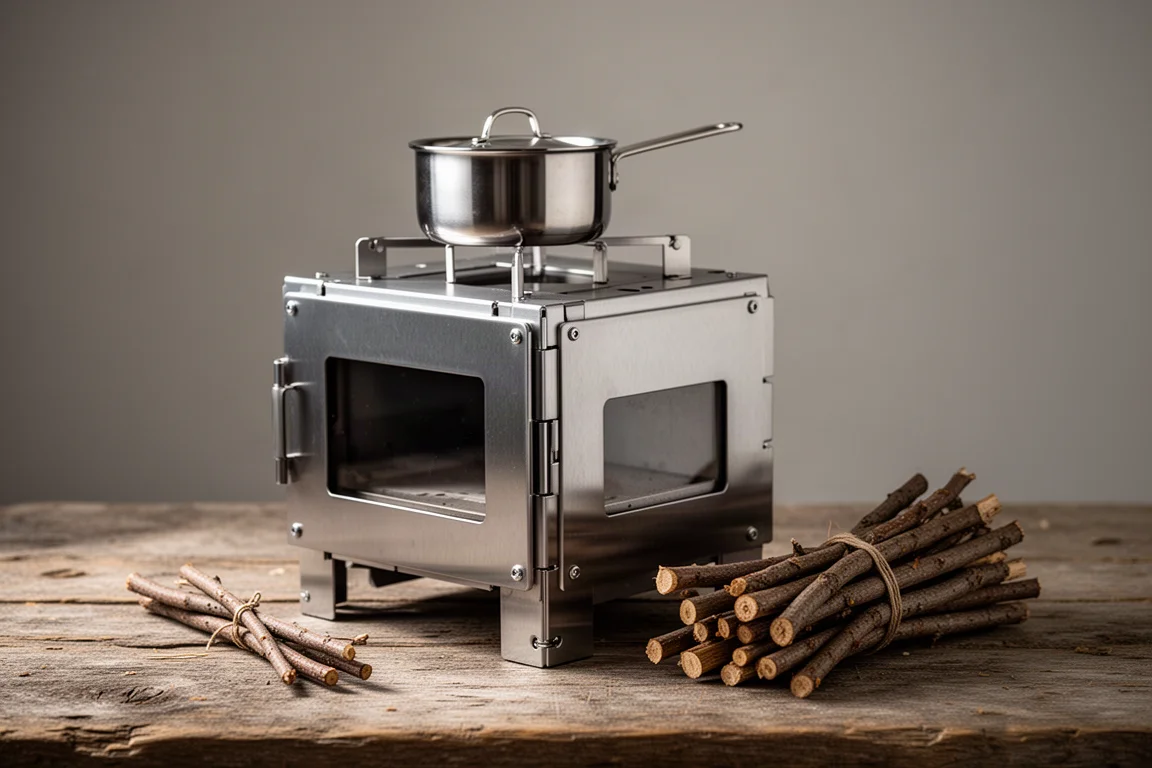
A wood stove only earns its place in a day pack if it is small, quick to assemble, and dependable enough to boil water without a fight. The OneTigris ROCUBOID is a folding flat-pack stove built around exactly that job: a compact metal box that clips together on site, burns twigs and dry wood, and carries a small pot on top. It was taken out for a first proper outing on a crisp, frosty morning in local woodland, with damp ground underfoot and a coffee as the objective. This article covers how it assembles, how it lights, how it burns, and what still needs to be proven over a full year of use.
Who the OneTigris ROCUBOID Is For
This is a stove for solo walkers and day-trippers who would rather brew up on wood than carry gas, and for campers who want a compact wood burner as a backup to a canister stove. It suits anyone already carrying a small pot who does not mind spending a few minutes collecting dry twigs and bark. It is not aimed at group cooking, long simmers, or anywhere a fire ban is in force.
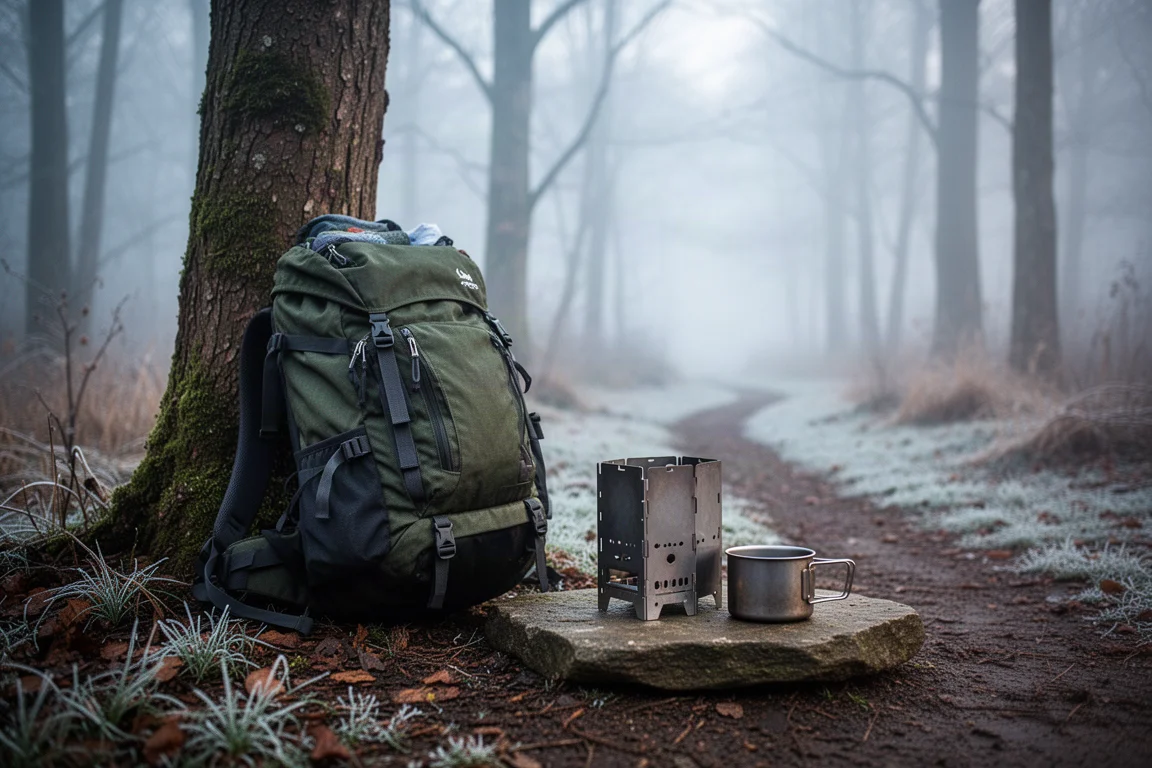
For a single mug of coffee or a rehydrated meal, the size is well judged. The firebox takes a useful load of small wood while the whole stove still folds down flat into a pack, which is the balance most day-walk brew kits are looking for. If your routine is a hot drink halfway through a walk rather than a full camp kitchen, this is the shape of stove that makes sense.
Assembly and Build Quality
The ROCUBOID goes together in a set sequence. The two side panels attach to the back panel first, then the base plate slots in and locates through three slots. The grate sits close to the bottom, with a small upstand at the corners that keeps it slightly clear of the base rather than sitting flush against it. On the earlier version of this stove, that grate position is effectively flush with the bottom, so the extra clearance here is a small but real change. The front panel then goes on, and the top supports drop into grooves to carry a pot.
Assembly is a bit fiddly the first time and quick once the order is in your head, and the panels clip together without tools. This version also has a larger front window than the earlier model, which makes feeding the fire from the front noticeably easier.
Lighting the Stove and Boiling Water
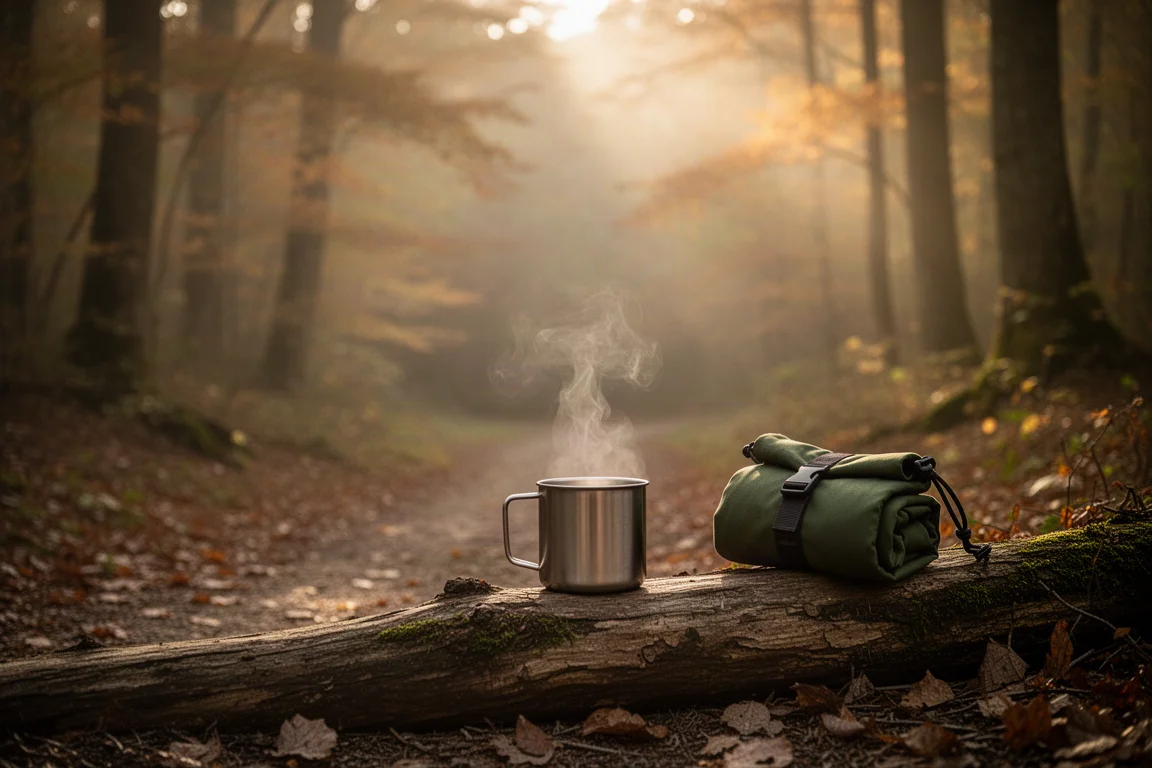
Lighting was straightforward. A small amount of cotton wool with petroleum jelly acted as tinder, some bark that had worked well previously went on next, and dry wood stored in advance kept the fire going. Fuel can be fed through the front window or dropped in from the top if you prefer. Once lit, the stove needed only a modest amount of wood and a little patience before it produced enough heat to boil water for a coffee.
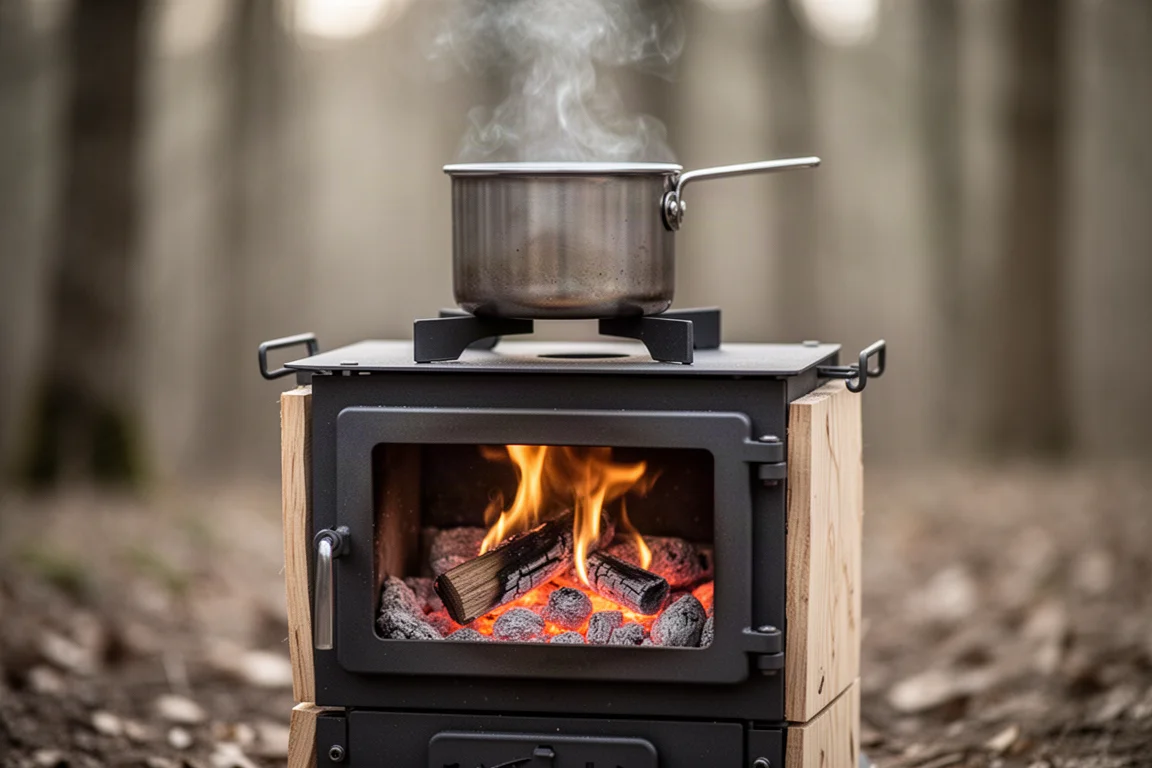
The front window is the feature that matters most in daily use. It lets you push in another stick without lifting the pot off the top, and the larger opening on this version makes that easier than on the earlier design.
Cooking and Feeding the Fire
A single pot sits steadily on the top supports, and the stove reached a boil without drama. Fuel choice makes the biggest difference here. Dry wood that has been stored properly burned cleanly and kept the fire alive, while damp or bulky material would demand far more attention and far more feeding. The firebox holds enough small wood to keep a mug-sized pot going, which makes it a stove for short cooking sessions rather than long, slow meals.
Feeding from the top is possible when you want to drop fuel straight into the firebox, but the front window is the more practical option once the pot is already in place. Either way, keeping a small reserve of dry twigs within reach makes the whole process smoother.
Packing Down and Cleaning
After the coffee, the stove was left to burn down and cool. The base area stays hottest because that is where the fuel sits, so it pays to give it time before pulling the panels apart. Once cool, it came apart easily, with no sticking and no force required, and everything went back into the pack.
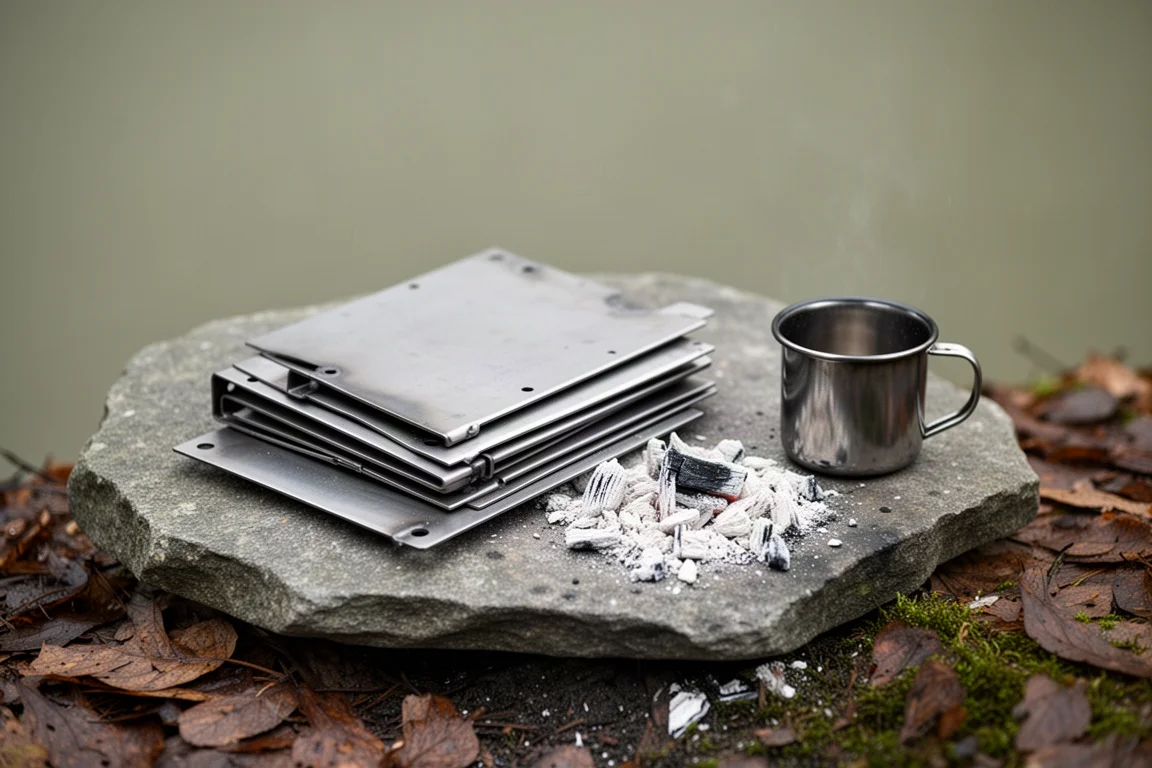
The sequence is worth remembering: let it cool first, separate the panels second, deal with the ash last. Cooling the stove quickly by tipping water onto it to kill the fire is the most likely way to encourage warping over time, so patience here protects the stove.
Durability and Warping: What to Watch
Warping is the known weak point of folding stoves of this type, and it is the reason this one is being used heavily rather than occasionally. After the first burn there was no visible warping, and the panels still clipped together exactly as they should. The honest caveat is that one outing proves very little. Repeated heating and cooling cycles are where thin folding panels tend to move, and a stove that has warped slightly becomes harder to align and clip together as time goes on.
Fuel economy was a pleasant surprise. In comparable use, the ROCUBOID did not burn through its wood as quickly as a Bushbox, which means less time spent gathering sticks and more time with a hot drink. A longer test across the seasons, including a direct comparison of how both stoves hold up, is the only way to judge which one lasts longer.
Buying Advice
The ROCUBOID makes sense if you want a compact wood burner for day walks, brew stops, and lightweight trips where an open fire is allowed. Value looks strong: it is not an expensive piece of kit, it assembles without tools, and it boiled water on the first attempt using ordinary dry wood and simple tinder.
Pair it with a small pot, a dependable tinder option such as cotton wool and petroleum jelly, and a supply of dry kindling you have stored yourself. If you regularly camp in wet conditions, or you need a stove that cooks full meals for more than one person, a canister stove will still be the simpler answer. For everything else, this is a tidy and capable little burner that does not ask much of your pack or your budget.
Conclusion
The OneTigris ROCUBOID does the job it was designed for. It clips together quickly, lights easily with basic tinder, holds a small pot steadily, and boiled water for a coffee on its first outing without warping or sticking. The larger front window on this version is a genuine improvement for feeding the fire, and the fuel lasts longer than expected for a stove of this size.
The open question is long-term durability. Warping is a real risk with folding stoves, and only a year of regular use will show whether the panels keep their shape and the clips keep lining up. On first impressions and on value, though, this is a sensible choice for anyone who wants a wood-burning brew kit that folds flat and disappears into a pack.
Product link
View more details for OneTigris ROCUBOID
This product is mentioned in the review. Check the specifications, options, and compatibility before buying.
View more details for OneTigris ROCUBOIDFurther reading
Related Reviews
Camping Stoves
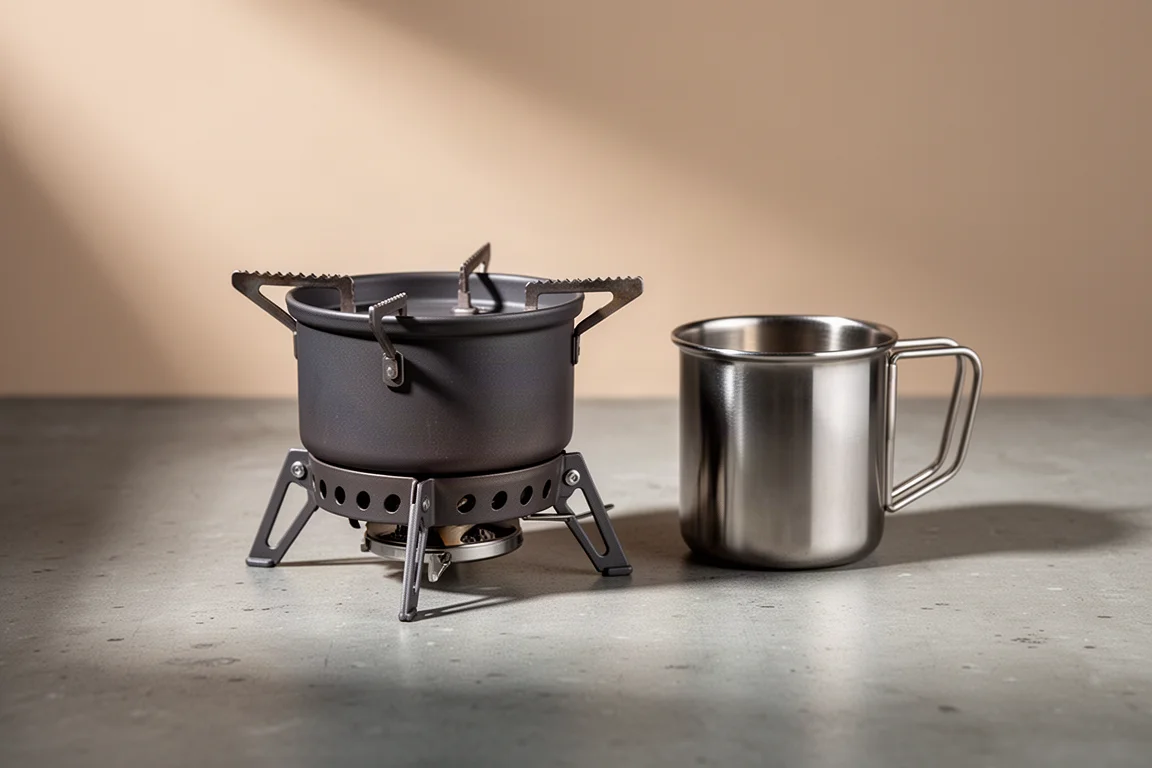
BCB Fire Dragon Mini Cooker Review: A Tiny Folding Stove With Real Trade-Offs
A palm-sized, fuel-flexible folding stove that heats water well enough, but brings flame control, stability, and fuel cost questions worth understanding first.
Camping Stoves
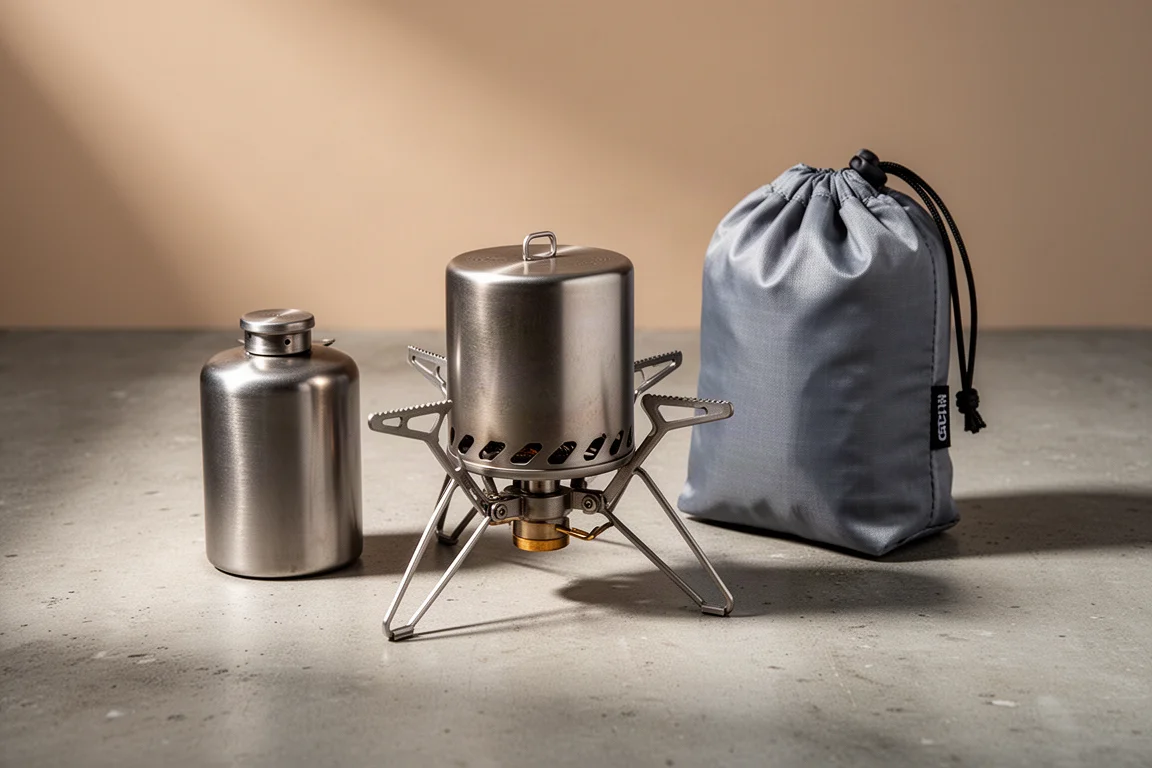
Boundless Voyage Titanium Alcohol and Wood Stove Review: Ultralight Cooking, Two Ways
A titanium alcohol and wood burning stove kit that weighs 4.5 oz complete, boils two cups of water in about 10 minutes, and costs $36.
Camping Stoves
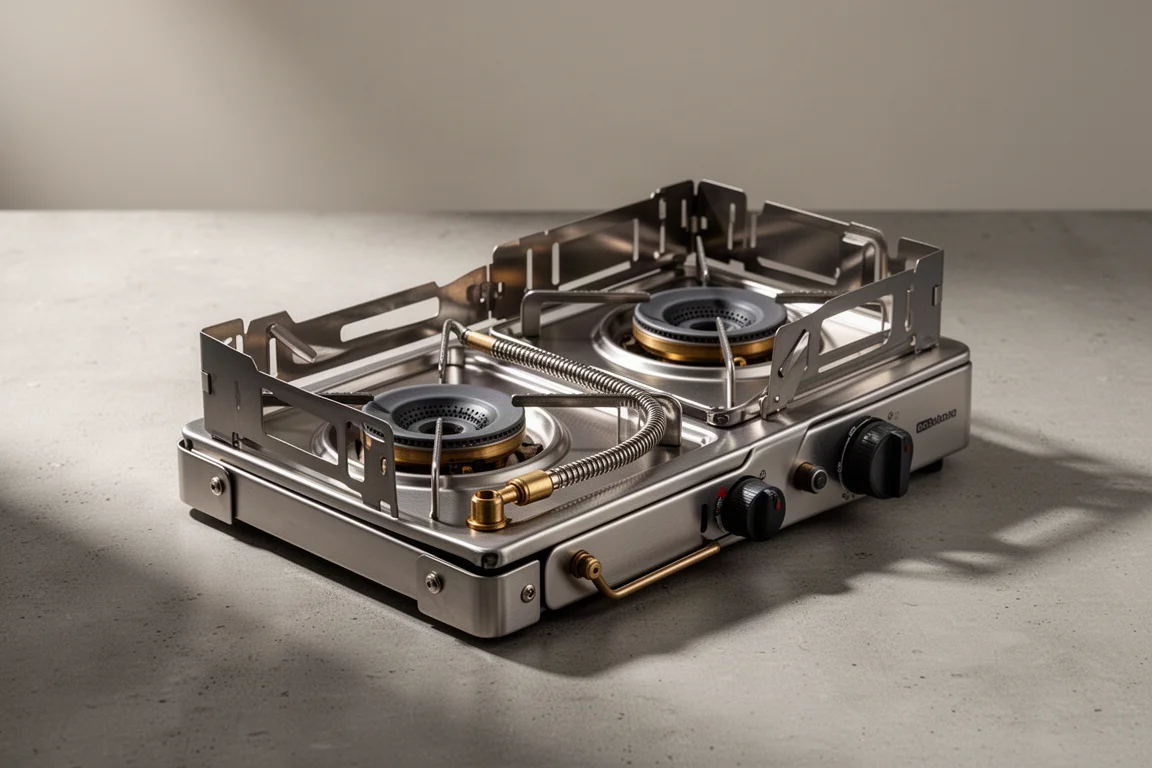
BRS 32 Dual Burner Stove Review: A Folding Two-Burner That Packs Down Flat
A detailed look at the BRS 32, a slim folding dual burner camping stove that expands into a stable cooking platform for around $60.