Power Tools
Ridgid vs DeWalt One-Handed Reciprocating Saws: A Cut-Off Head-to-Head
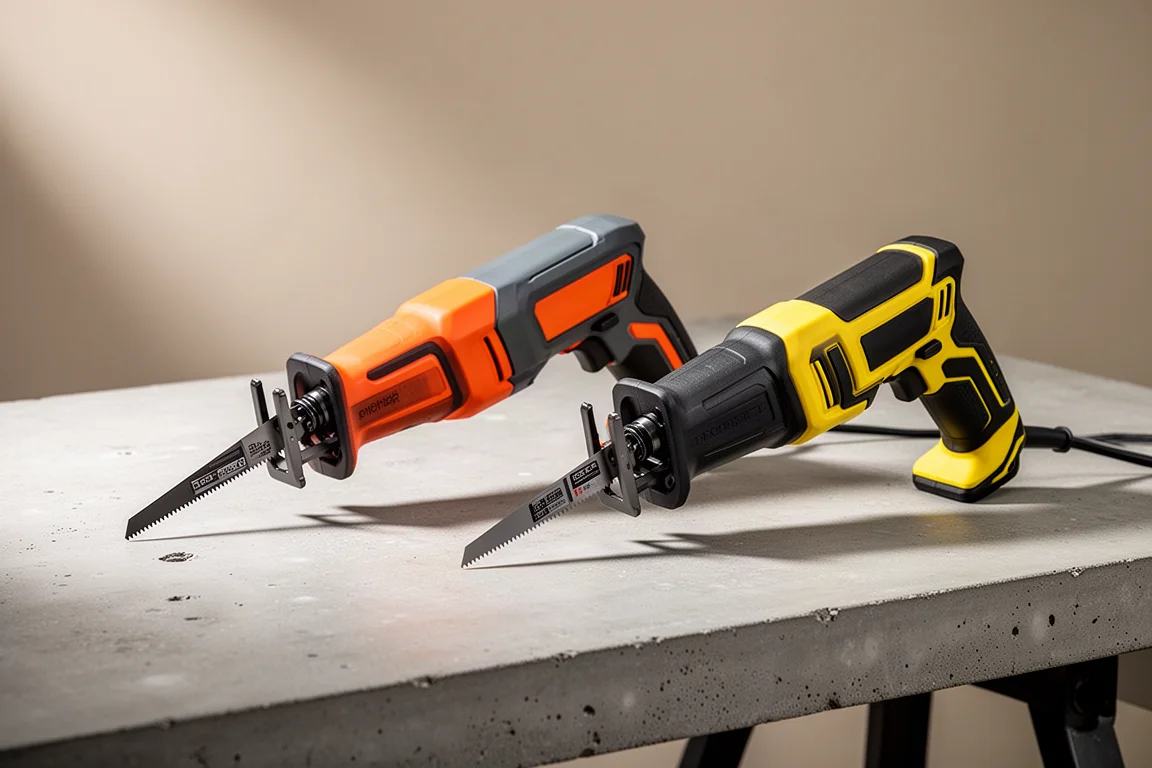
Two one-handed reciprocating saws went through weighted cut tests on dimensional lumber, including a knotted section, with fresh multimaterial blades. Here is how the results played out.
Introduction
One-handed reciprocating saws have become a favorite among plumbers, electricians, and mechanical trades because they fit where full-size saws simply cannot. Two models in this class went through a head-to-head cut test on dimensional lumber, and the results deserve a second look. The original round of testing drew criticism from viewers who noticed the two saws had cut through different sections of the wood, so the tests were run again from scratch with fresh blades to settle the question fairly.
The First Test: Weighted Cuts Through Dimensional Lumber
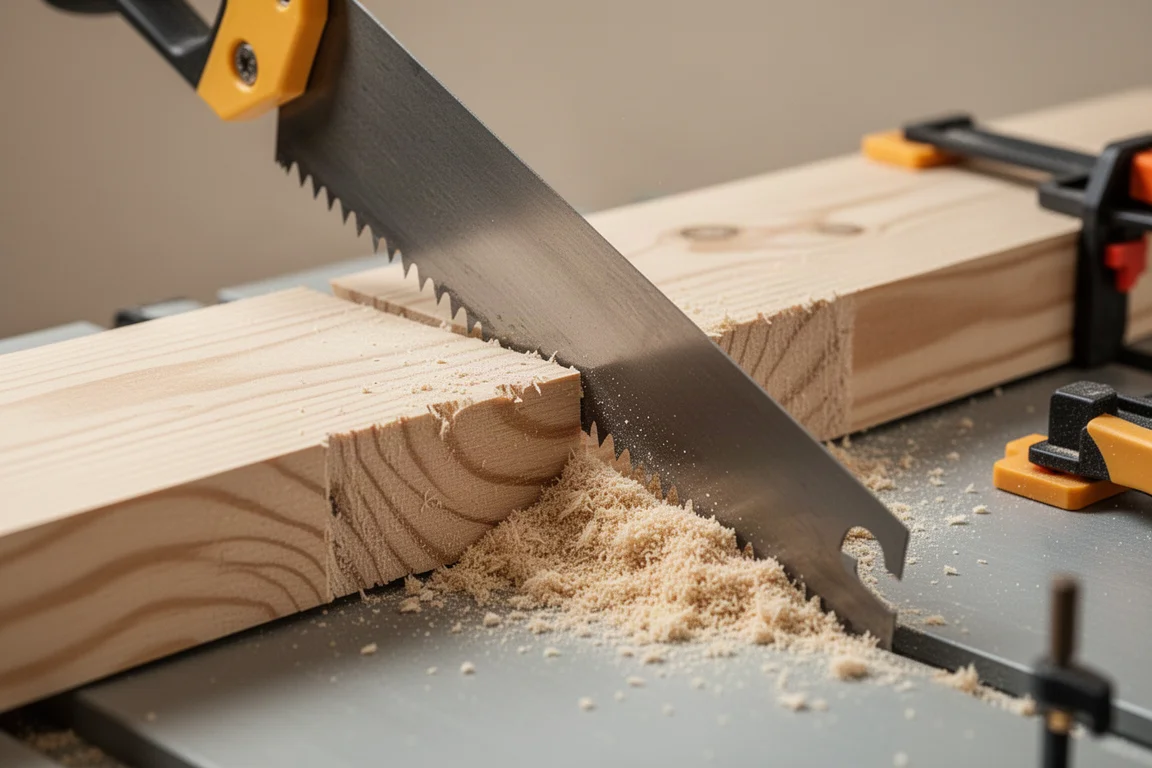
To remove operator skill from the equation, the test used a 5-pound weight resting on the nose of each saw, letting the tool cut at its own pace while a hand only steadied it to prevent bouncing. The cutting media was dimensional lumber, the kind of material you would encounter disassembling a wall.
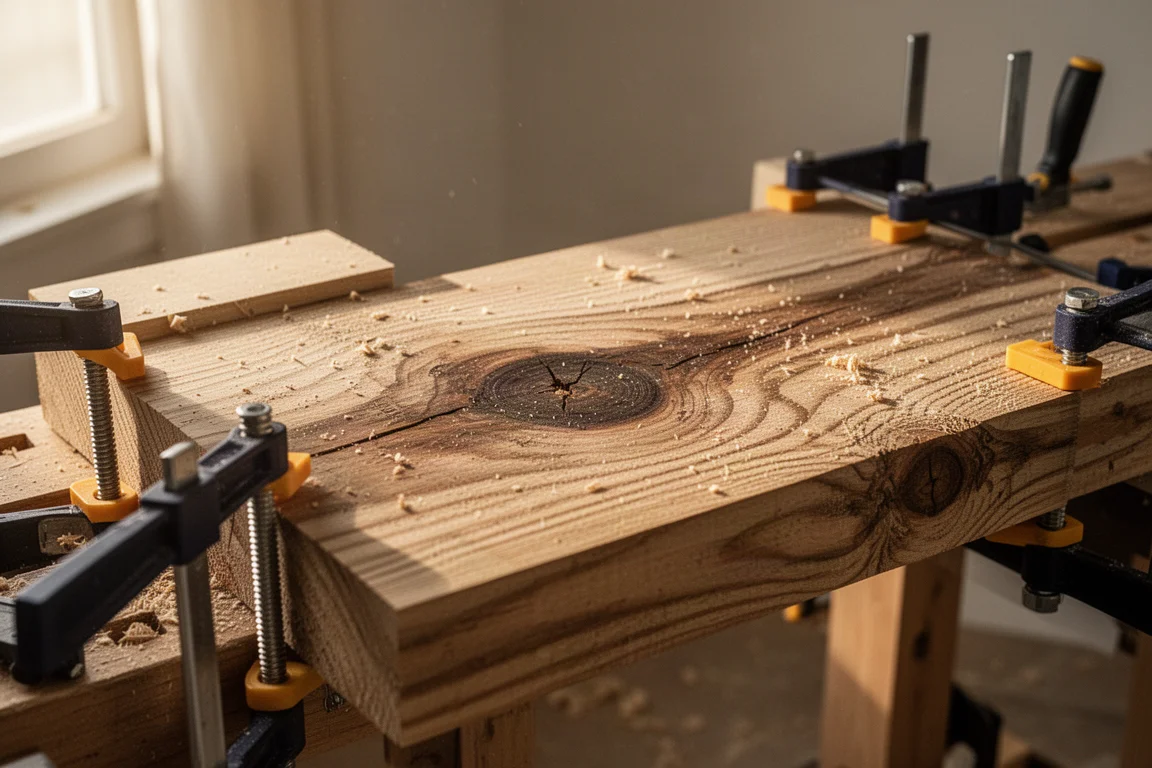
Critics of the first round pointed out that the DeWalt consistently went through tougher, knotted sections of the wood while the Ridgid got easier material. To address that, the saws swapped sides for a second run, with the Ridgid taking on the larger knot and the DeWalt the smaller one. Even with the swap, the Ridgid came through faster, this time cutting through the larger knotted area.
Design and Handling Differences
Both tools feature a toolless blade clamp with a quick-insert mechanism, which makes blade swaps fast on the job.
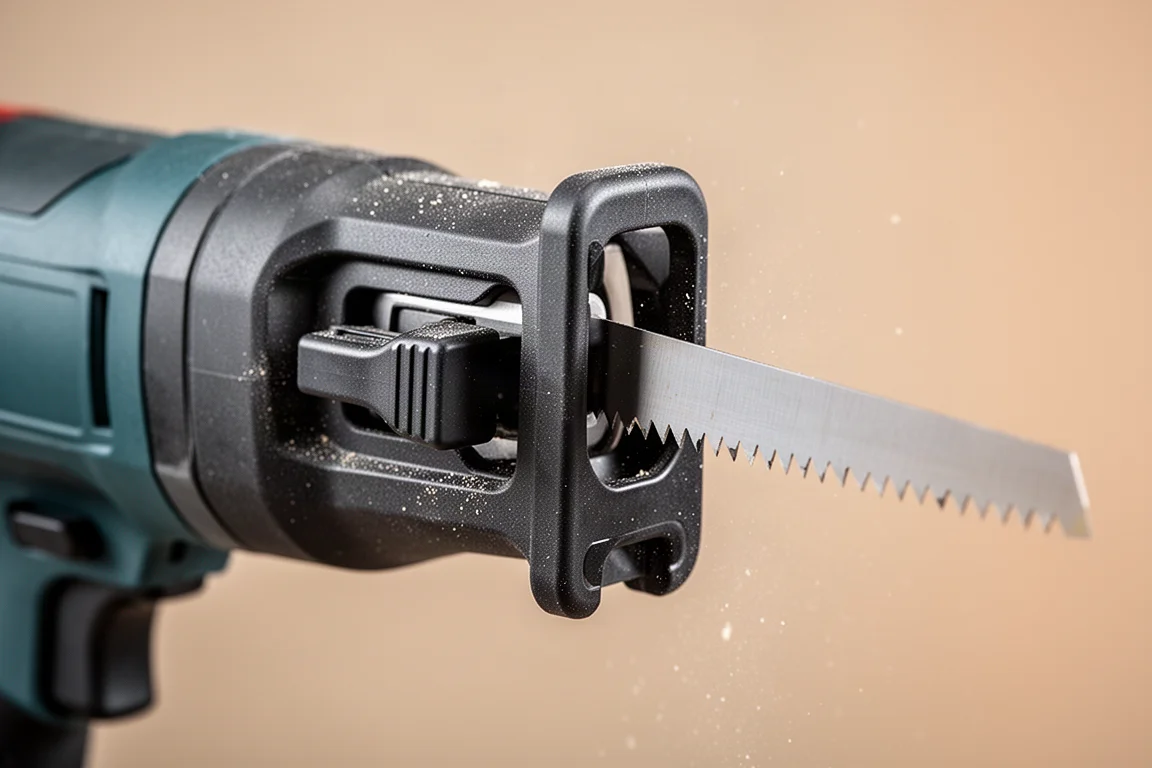
The differences show up in the specifications. The Ridgid has a longer stroke length and 400 more strokes per minute than the DeWalt, which explains much of its cutting speed advantage. The DeWalt Atomic, on the other hand, is noticeably more compact and lighter. That compactness is exactly why it appeals to the mechanical trades: plumbers and electricians working between joist bays need a tool that fits into tight spots, not necessarily the longest stroke or the most strokes.
Round Two: New Battery Technology Against the Ridgid
A fair question was raised: what if the DeWalt Atomic ran with its newest battery technology rather than the 5Ah battery used in the first test? Both batteries were confirmed fully charged, and the Ridgid was paired with its Max output lithium battery.
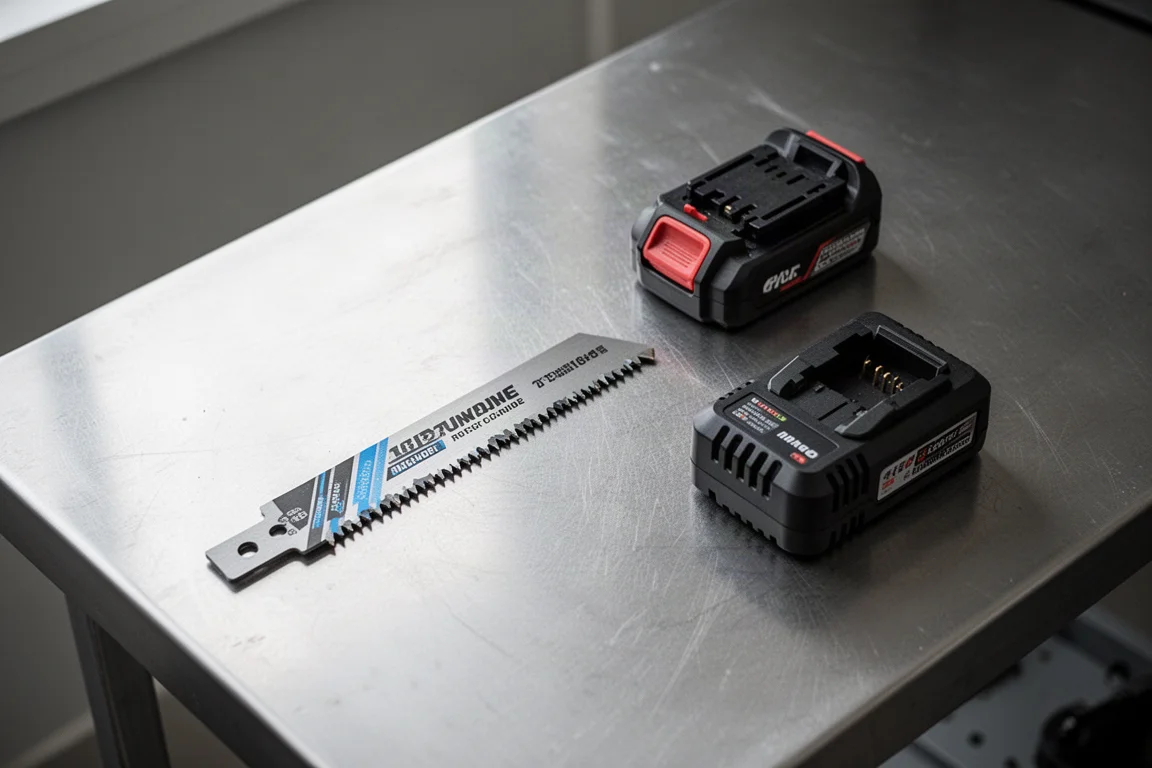
The result held. With the newest battery on board, the DeWalt reached roughly the halfway point of the cut while the Ridgid had already finished. Giving credit where it is due, the Ridgid one-handed saw outperformed the DeWalt Atomic in this test.
What the Tests Mean for Buyers
The weighted cuts suggest no intentional favoritism was at play in the original testing; the Ridgid simply has stronger specifications on paper and matched them in practice. The DeWalt’s platform is larger overall, but its warranty is not as strong as Ridgid’s, and this is one category where Ridgid outperforms it.
If your work demands maximum cutting speed through lumber, the Ridgid makes a compelling case. If your priority is a compact tool that squeezes between joists and studs, the DeWalt Atomic still earns its place, and the specification gap gives DeWalt clear direction for a next-generation update.
Conclusion
Across both rounds, with fresh multimaterial nail-embedded blades and side swaps to neutralize the lumber’s knots, the Ridgid one-handed reciprocating saw cut faster than the DeWalt Atomic. The DeWalt remains the more compact option for tight mechanical spaces, while the Ridgid is the performance pick for straight cutting speed. Choose based on which trade-off matters more in your day-to-day work.
Product link
View more details for Ridgid One-Handed Reciprocating Saw
This product is mentioned in the review. Check the specifications, options, and compatibility before buying.
View more details for Ridgid One-Handed Reciprocating SawFurther reading
Related Reviews
Power Tools
Best 1-Inch Pistol Impact Wrenches: Three Heavy-Duty Options Compared
We compare three 1-inch pistol impact wrenches, from a budget-friendly Harbor Freight model to a premium Caterpillar unit, to help you choose the right one.
Power Tools
Best 3/4-Inch Impact Wrenches 2026: Five Contenders Compared
We compare five 3/4-inch impact wrenches across price and performance, from a budget Amazon option to Snap-on's most powerful model yet.
Power Tools
Best Budget Cordless Tools 2026: Walmart Finds That Punch Above Their Price
We tested five cordless tools from Walmart, including a high-torque impact wrench that trades blows with Milwaukee and a $35 duster that outperforms its price class.