Gravel Bikes
One Bike for Everything: Giant Revolt vs Canyon Grizl
A practical look at whether one gravel bike can cover road riding, gravel and bikepacking, with the Giant Revolt and Canyon Grizl compared.
Introduction
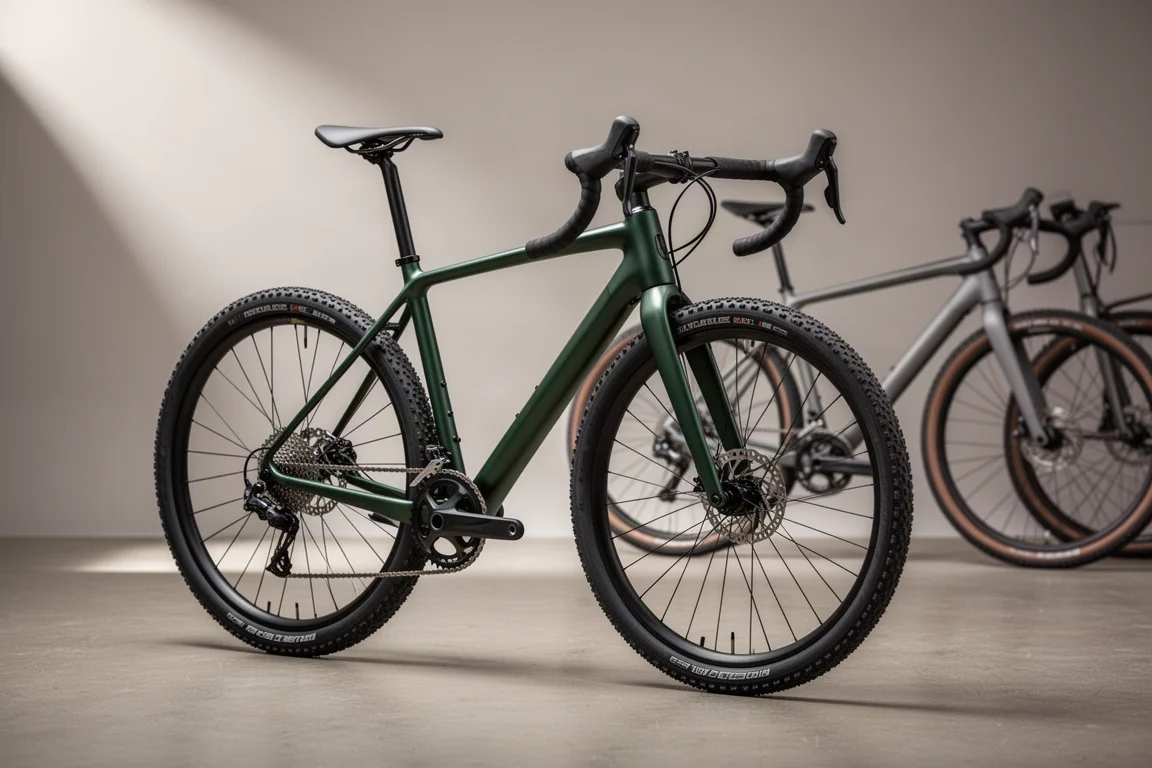
The question is simple enough: can one bike genuinely cover road riding, gravel riding and bikepacking? After several months of using a single gravel bike for all three, the practical answer is yes, with a few honest caveats. The Giant Revolt and the Canyon Grizl are two of the most credible answers to that question, and they take slightly different routes to the same destination.
What One Versatile Bike Has to Do
A bike that replaces two or three others has to be quick on tarmac, steady on loose fire roads, comfortable over long distances, and able to carry bikepacking luggage without feeling compromised. That is a wide brief, and it explains why gravel bikes have become a default choice for riders who want only one machine in the garage.
Tyre choice and gearing decide most of the day-to-day experience. A bike supplied with slicks will feel fast on tarmac and less confident on wet trails, while a treaded tyre brings grip at the cost of some road speed. Geometry settles the rest, from how relaxed the fit feels to how planted the bike stays at speed on rough ground.
Giant Revolt: How It Rides
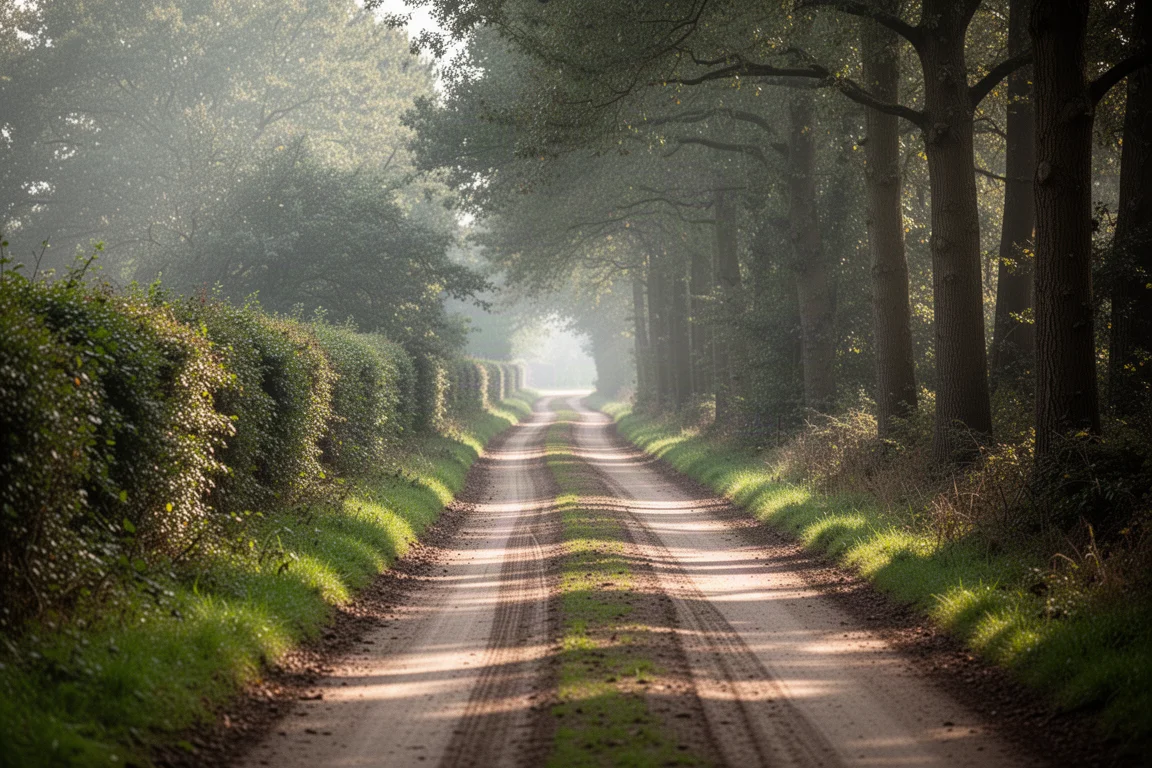
On mixed terrain the Revolt feels immediately at home. Quiet, bumpy country lanes lead into woodland fire tracks without the bike ever seeming out of place, and it handles that mix of surfaces with a calm, safe character rather than a thrilling one. Nothing about the ride has felt fragile or close to its limit.
Geometry is a big part of that. A high stack and a shorter reach give a more relaxed, accessible fit than a race-oriented road bike, while a low bottom bracket places the rider lower in the bike, which gives a planted feel on bumpy trails and when descending a loose surface where the tyres are scrabbling for grip. Compared with the previous version, the Revolt is a little more responsive and agile without being a dramatic change, so existing owners settle in quickly. It also makes a strong case against a traditional endurance road bike for riders who want road speed plus off-road ability.
Giant Revolt: Specification and Value
The build here uses a lightweight carbon frame and fork, carbon wheels and a Shimano GRX 2x mechanical groupset, with a UK retail price of around £3,500. A lower-priced build at roughly £3,000 adds a dropper seatpost and a 1x electronic groupset. The 2x setup gives plenty of gear range with small gaps between sprockets, and it has been reliable and easy to index.
The carbon wheelset has held up well over months of riding: rims still true, spoke tension healthy, hubs spinning smoothly, and the hookless rims have taken tyre swaps without complaint. A carbon D-Fuse seatpost flexes to isolate the rider from rough ground, while the alloy handlebar gives less front-end compliance than a carbon bar would. Moving to a carbon handlebar or a suspension stem is the obvious upgrade if front-end comfort matters to you.
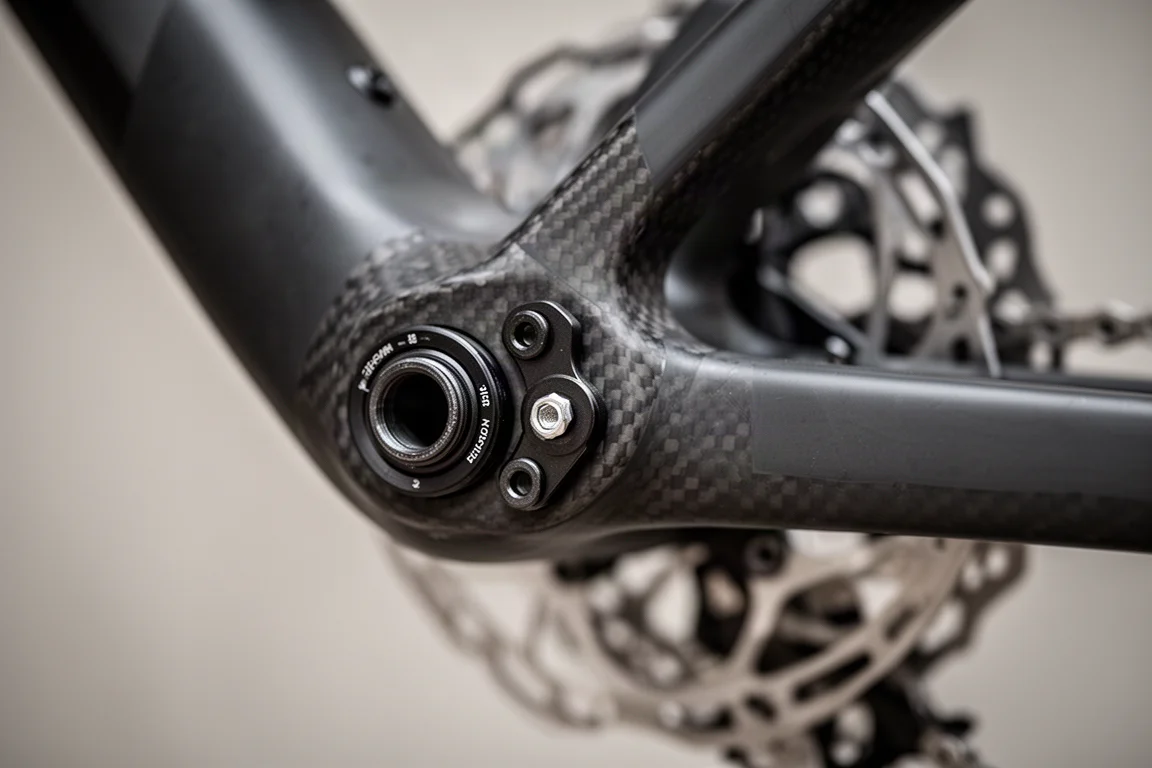
The flip chip in the rear dropout adjusts the wheelbase by around 10mm. In the short setting the bike takes up to 42mm tyres; in the longer setting clearance grows to as much as 53mm, and other geometry numbers shift slightly with it. Handling does change between settings, but subtly, and because the caliper needs adjusting as well it is not a trailside job. Most riders will set it once and leave it.
Canyon Grizl: Suspension, Tyres, and Comfort
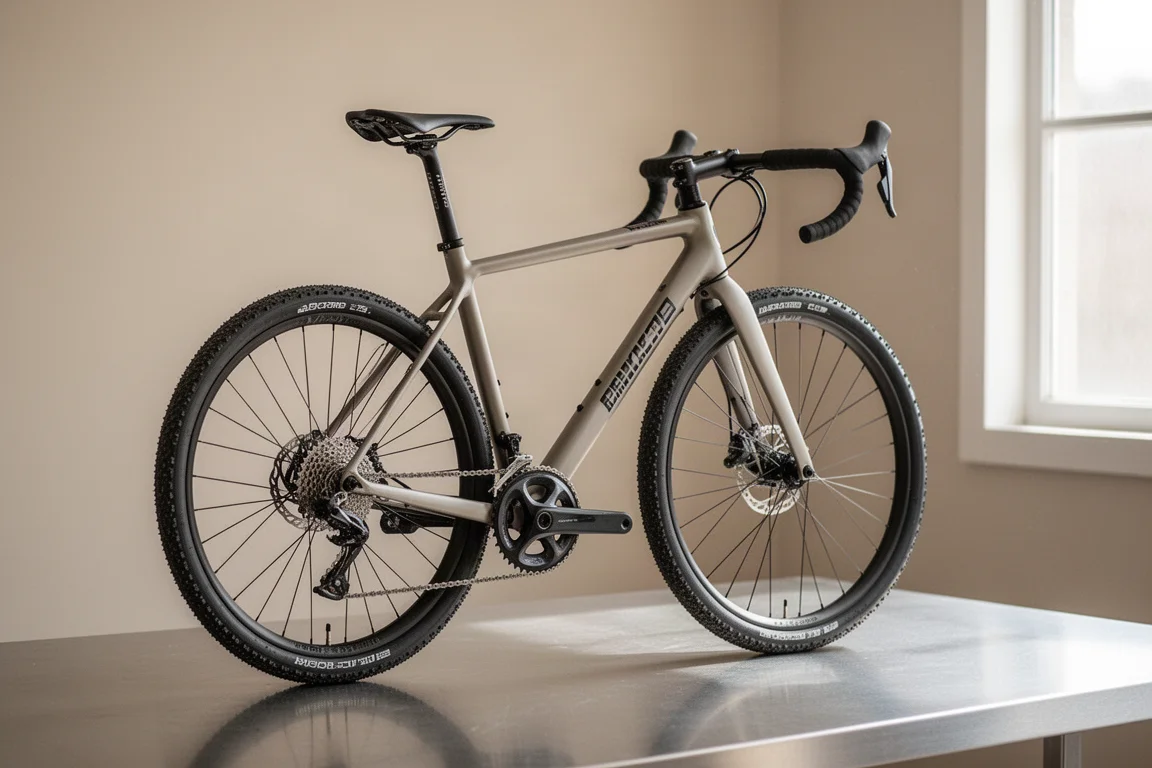
The Grizl is the most natural rival. It pairs a dropper seatpost with a suspension fork, costs a little less than the comparable Revolt build, and does without a carbon wheelset. Its stock Schwalbe G-One tyres suit mixed conditions better than the 40mm slicks fitted to the Revolt, which is a meaningful difference for anyone riding wet or loose trails straight out of the box.
As with the Revolt, the ride is very good both off road on gravel and woodland trails and on tarmac. Where the Grizl has an advantage is in how its suspension fork calms the front end on rougher surfaces, adding a kind of comfort a rigid fork cannot match.
Comparing the Two Bikes
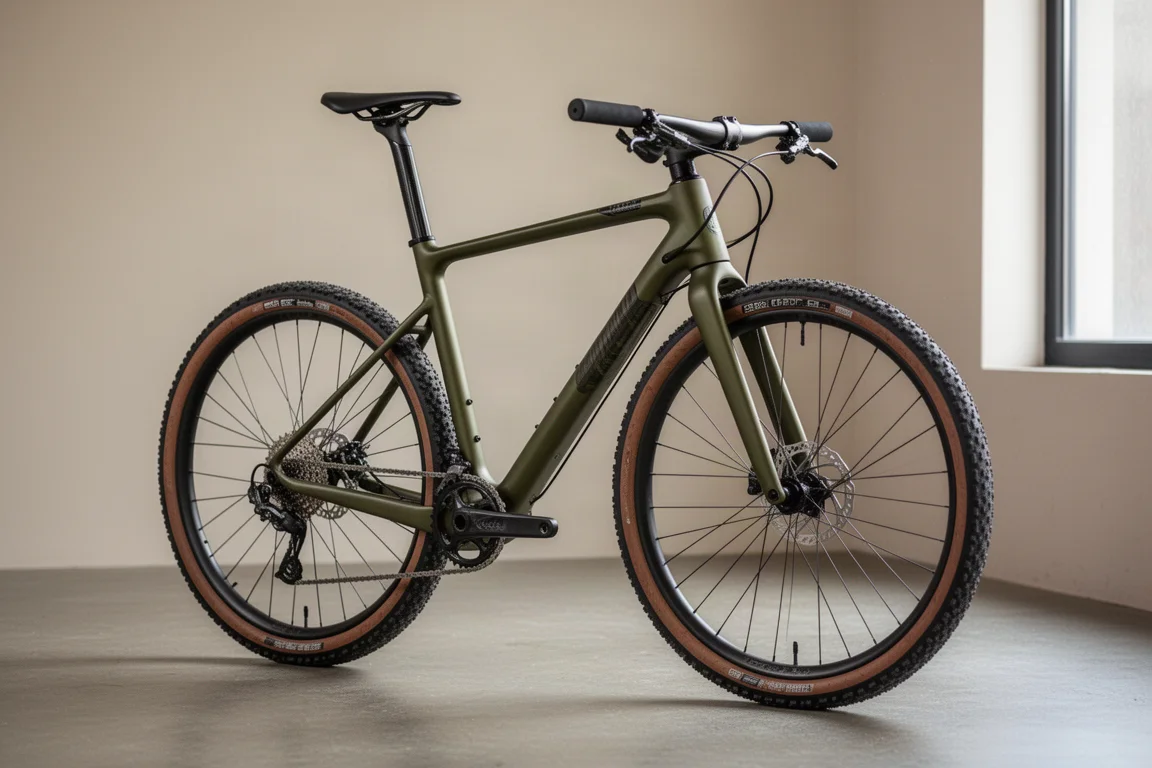
The two bikes cost very similar money and are close in character: both ride gravel and woodland trails well, and both are entirely at home on the road. The differences are subtle but real. The Revolt’s higher stack and shorter reach make it the more accessible, relaxed fit of the pair, which broadens its appeal across a wide range of riders.
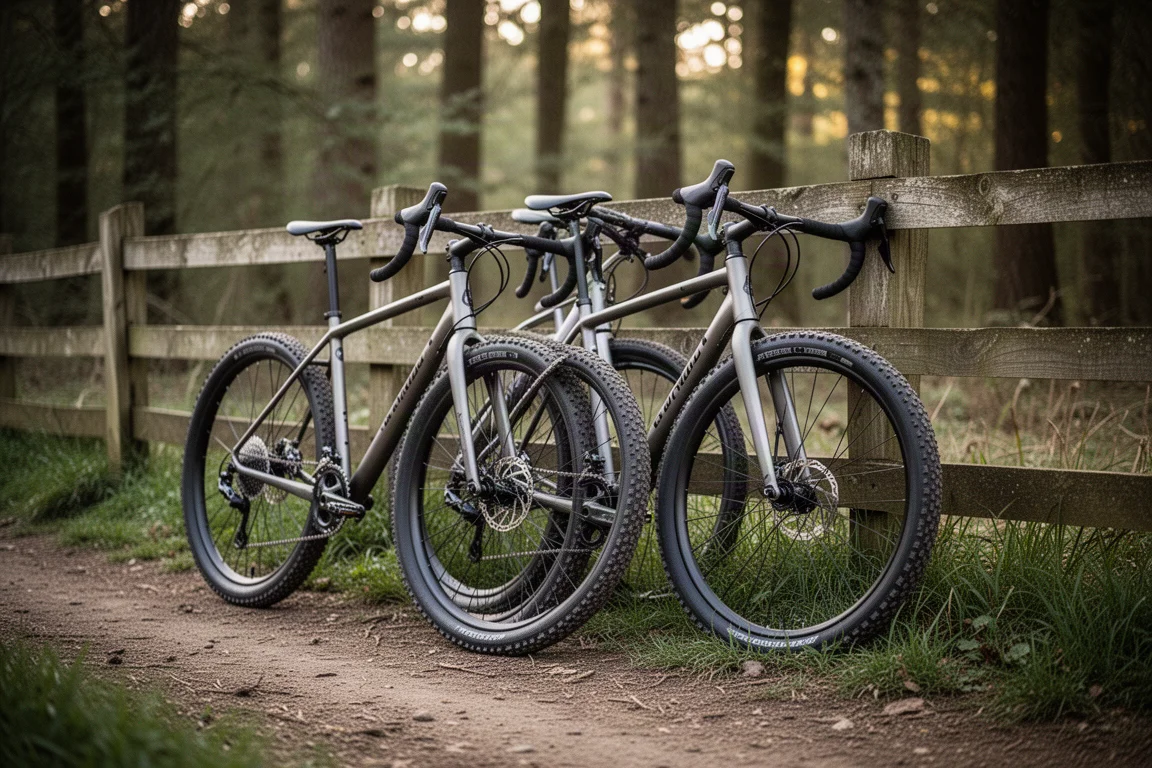
At high speed on technical trails the Revolt has the edge in stability, a result of its low bottom bracket and slacker seat and head tube angles, which make it feel more planted and easier to hold on to when riding flat out. The Grizl leans on its suspension fork to keep things calm instead. Comfort is strong on both.
Tyres, Saddle, and Setup Choices
Tyre choice is the most personal decision on a bike like this. Supplying one tyre that suits every rider in every region is genuinely difficult, so it is worth treating the stock rubber as a starting point rather than a verdict. A second wheelset with a different tyre is a practical way to move between fast road riding and rougher trail riding without swapping tyres every week.
Saddles are the other component worth changing early. A 3D printed saddle with metal rails is now an option that works for gravel and mountain bikes while costing less than carbon-railed versions, and it can transform comfort on long days. These are personal preference changes rather than fixes for anything wrong with the bikes as supplied.
Buying Advice
If you want one bike for road riding, gravel and bikepacking, both of these are sensible answers. Choose the Revolt if you want the more relaxed fit, the carbon wheelset and the extra stability at speed on technical descents. Choose the Grizl if you prefer a suspension fork and a dropper post, and if you would rather have tyres ready for mixed conditions from day one.
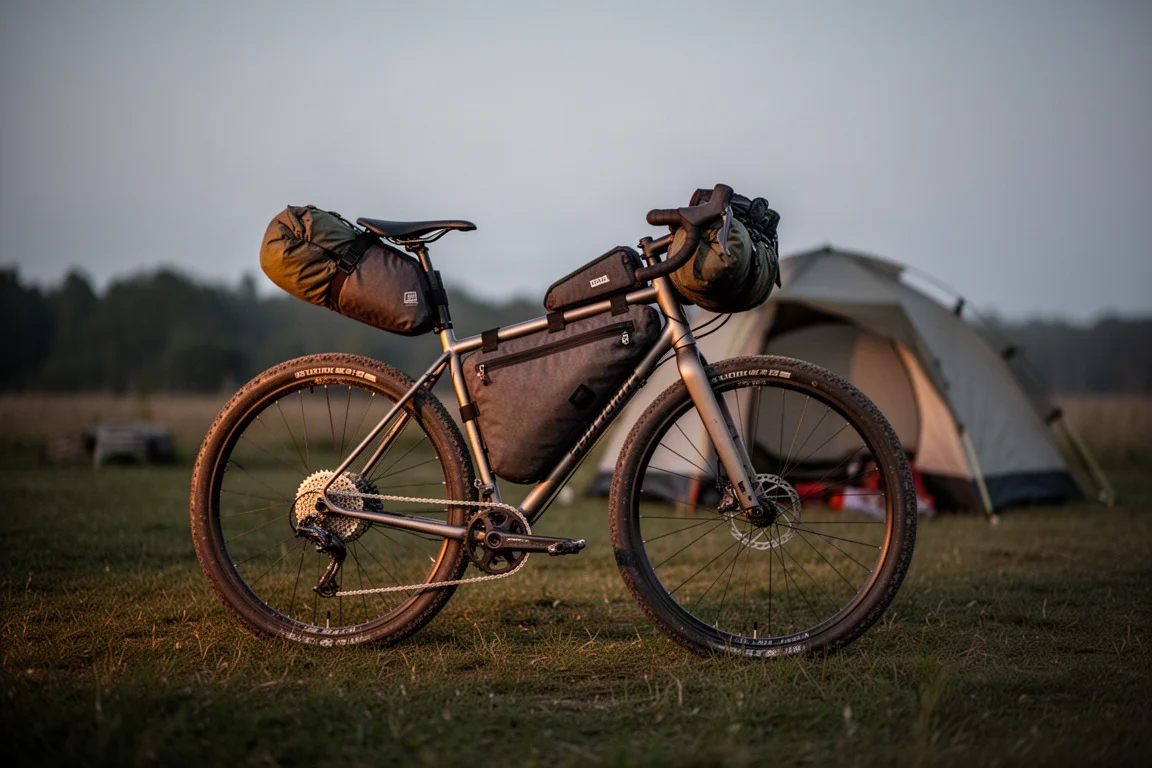
Budget for a tyre change and possibly a handlebar upgrade, and treat the adjustable geometry as a nice-to-have rather than a reason to buy. Both bikes are well specified for the money, and both will still feel quick enough on the road for most real-world riding at modest speeds.
Conclusion
One bike really can cover road, gravel and bikepacking, provided you accept that tyres and a few contact points will need tailoring to your riding. The Giant Revolt and the Canyon Grizl both deliver on that promise, with the Revolt leaning towards accessibility and high-speed stability and the Grizl leaning towards suspension comfort and better stock tyres.
Further reading
Related Reviews
Gravel Bikes
3T Exploro Ultra Review: A Fast Gravel Bike Built for Big Tyres
A close look at the 3T Exploro Ultra, an aero carbon gravel bike designed around wide tyres, with road-like handling, a 980 g frame and genuine rough-terrain capability.
Gravel Bikes
3T Extrema Italia Review: Aero Gravel Speed With Room for 57 mm Tires
The 3T Extrema Italia pairs an aero frame with huge tire clearance, Italian-made carbon and a more comfortable ride than the RaceMax. Here is what to know before buying.
Gravel Bikes
3T Race Max 2 Italia Review: An Aero Gravel Race Bike Made in Italy
A closer look at the second-generation 3T Race Max 2 Italia, covering its aero updates, ride character, tire clearance, internal storage and who it suits.