Travel Gear
One Bag Travel With Only a Personal Item: A Complete 5-Day Packing Setup
How a soft duffel, a packable day pack, and a lean gear list let you fly basic economy with a personal item only.
Introduction
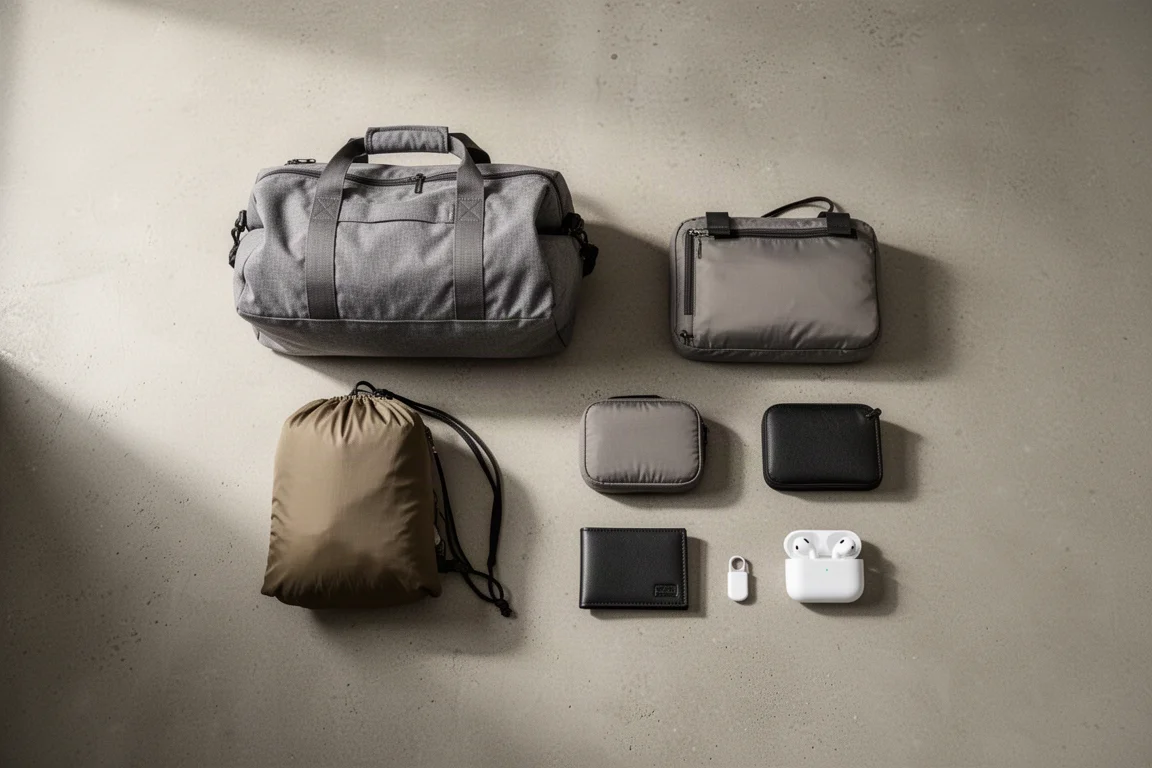
One of the quiet perks of one bag travel is cheaper economy pricing. Skip the checked bag, and on some fares skip the carry-on entirely, and the ticket gets noticeably less expensive. This setup was built around exactly that idea: a five-day trip flown on a basic economy fare with no carry-on allowance, using only a personal item sized at 17 x 10 x 9 inches. The result is a full packing list of bags, clothing, electronics, and small accessories that all fit into a single duffel.
Choosing a Bag That Fits a Strict Personal Item Limit
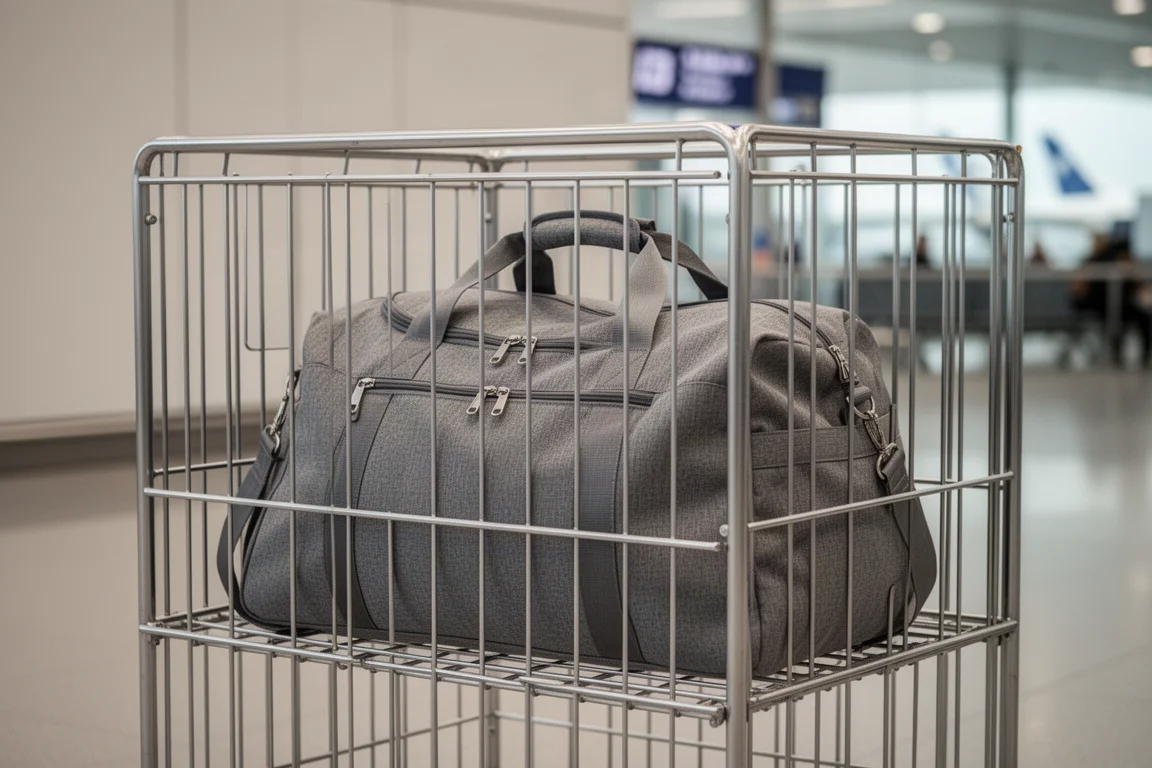
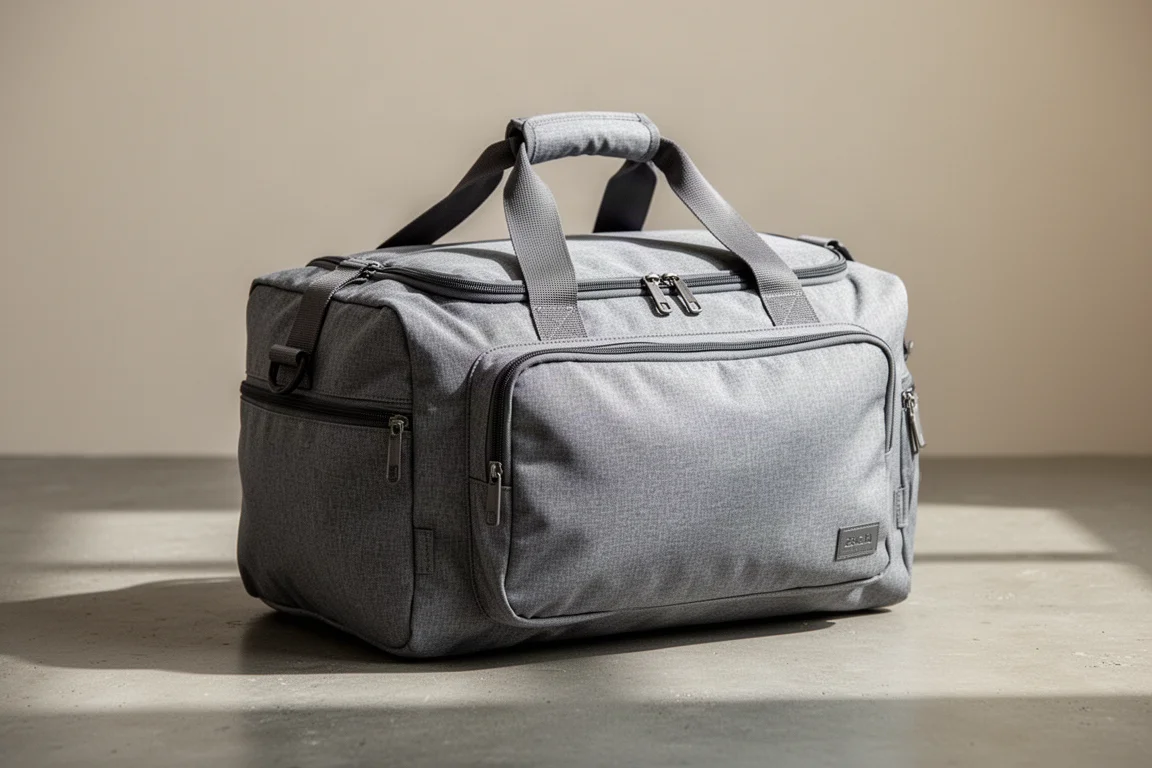
The core of this setup is the Packed 25L Travel Duffel, listed at 18.9 x 10.2 x 9.1 inches. That is about 2 inches too long for the fare’s personal item limit, but because the bag is fairly soft-sided, underpacking it lets it compress down to fit. Tested in the airline’s sizer box at the airport, it slid in easily, and it would also fit under the seat.
The Osprey 26 Plus 6: Great Bag, Wrong Sizer
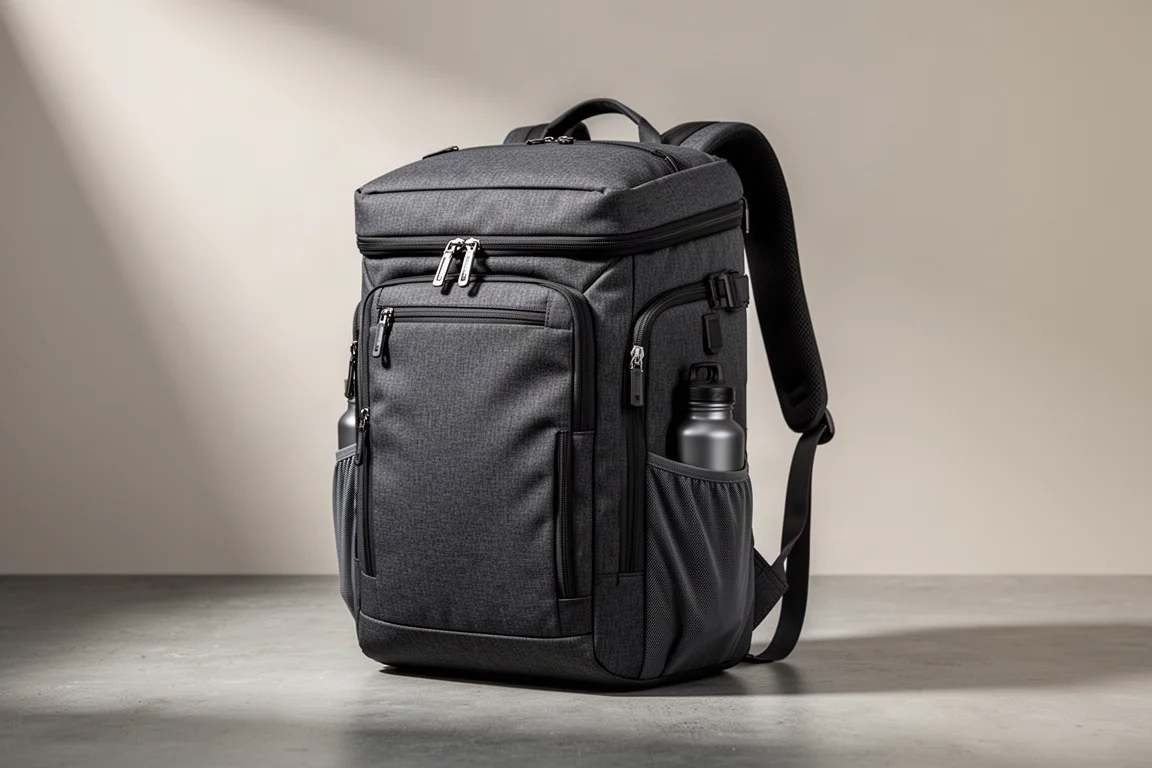
The Osprey 26 Plus 6 was tested as an alternative, and it is a different story. Listed at 13 inches wide, it is a full 3 inches over the limit, and in practice it was several inches too wide for the personal item sizer box. It is better treated as a bag for transporting gear between airports and hotels rather than a strict personal item.
A Packable Day Pack for Daily Use
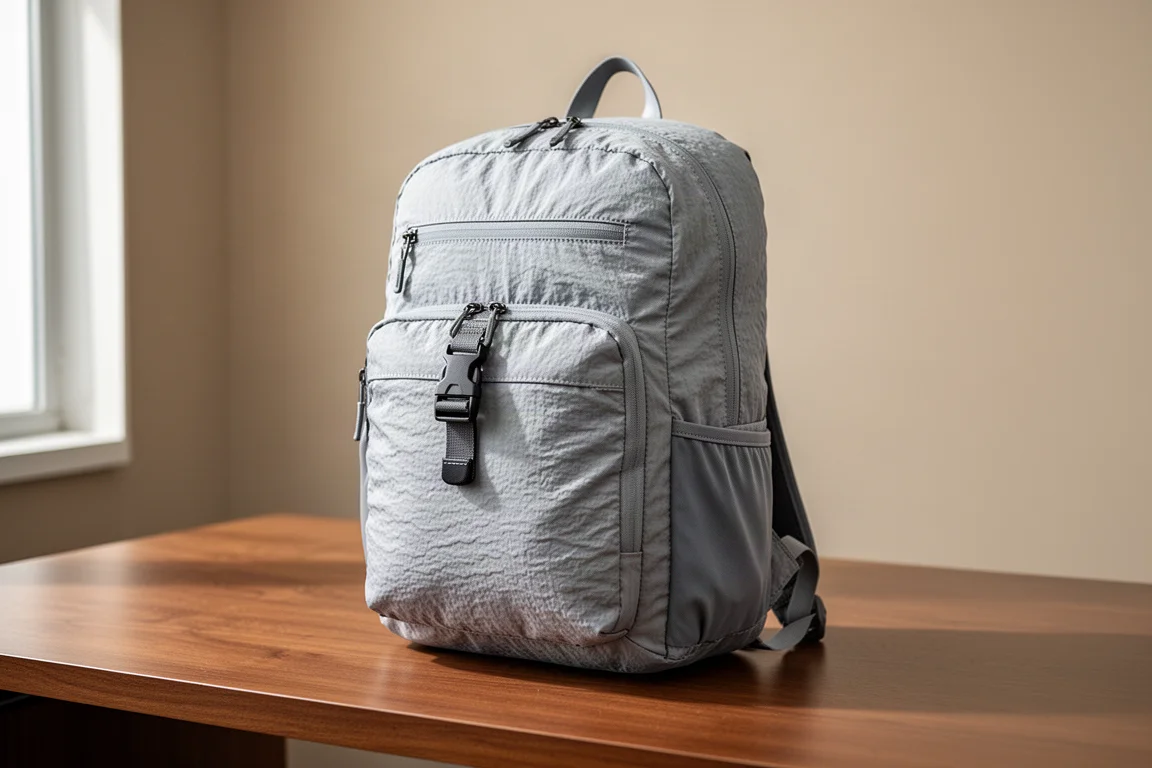
A large duffel is not something you want to carry around town all day, so a smaller bag is essential. The Matador Refraction Day Pack hits a useful middle point: it has more structure and padding than ultra-minimal stuffable bags, yet it is not as bulky as a full travel backpack. It packs down small enough to stow in the duffel but still holds a water bottle, snacks, an umbrella, and a jacket.
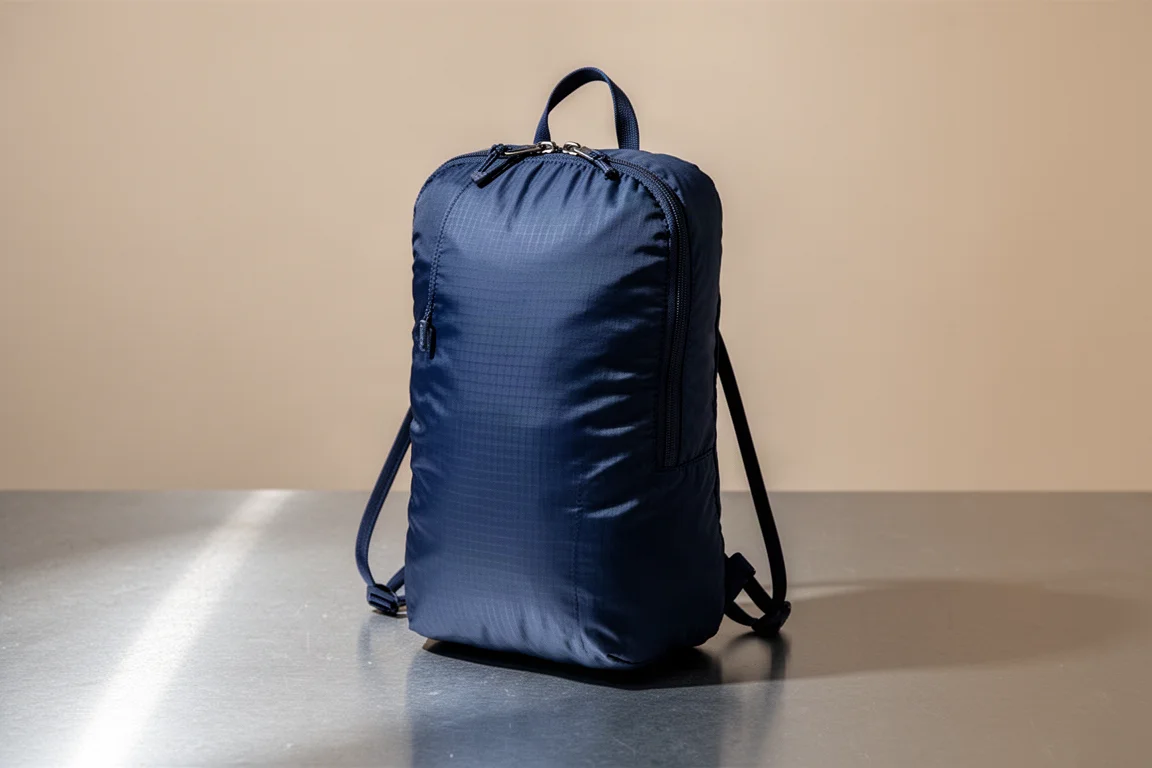
The Matador Freefly sits at the other end of that spectrum, a smaller and lighter packable option for when you want the absolute minimum carried on your back.
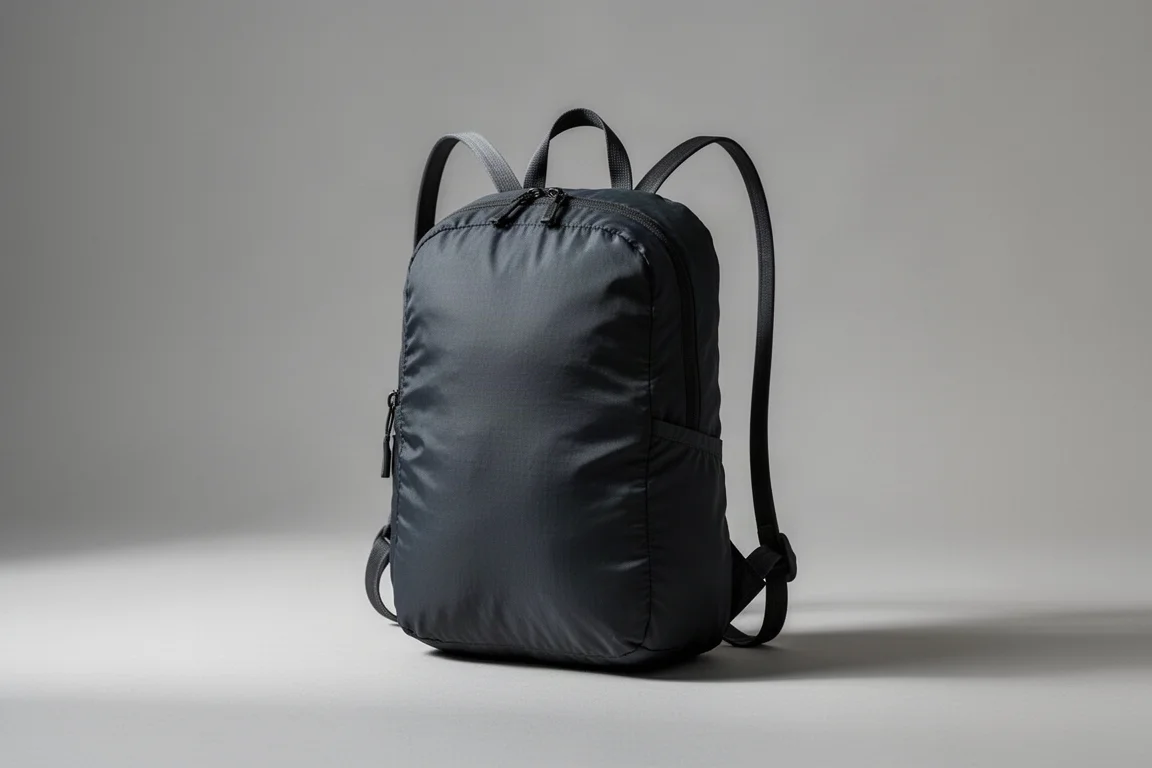
The Aer Go Pack 2 was also considered for this trip. It would have been a strong choice as well, but it is bulkier than a day pack that needs to disappear inside a duffel.
Organization: Pouches and Cubes
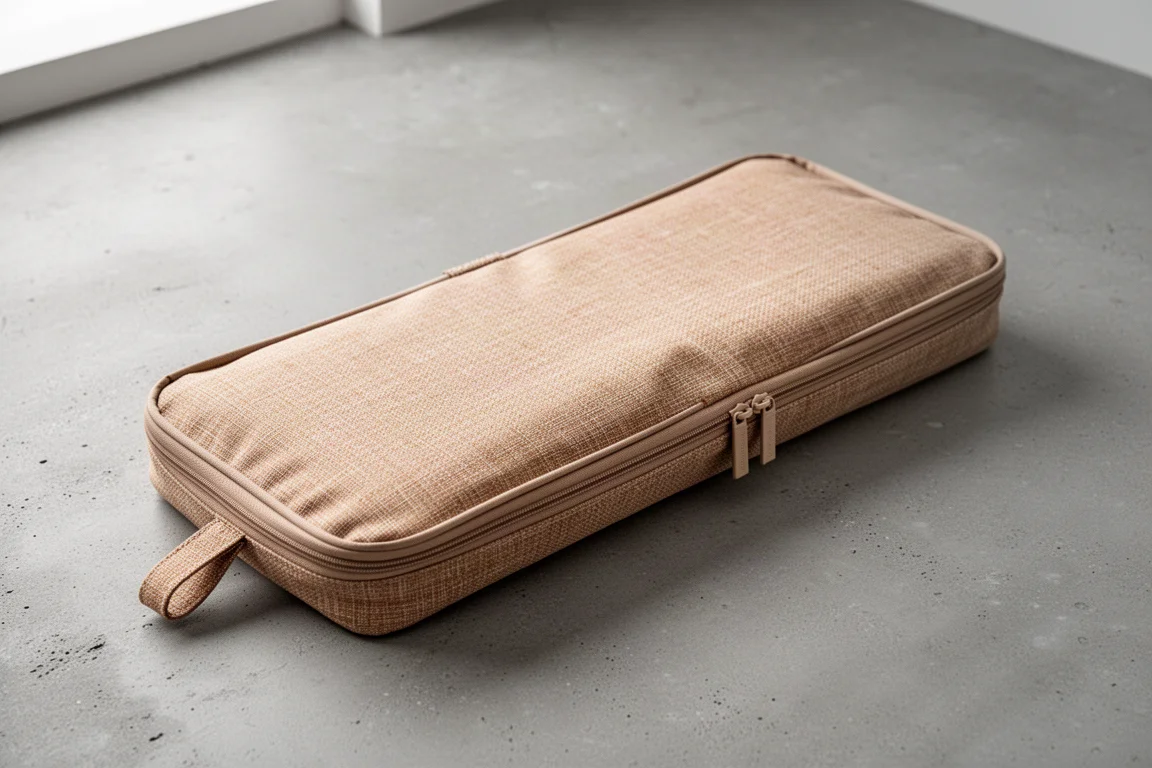
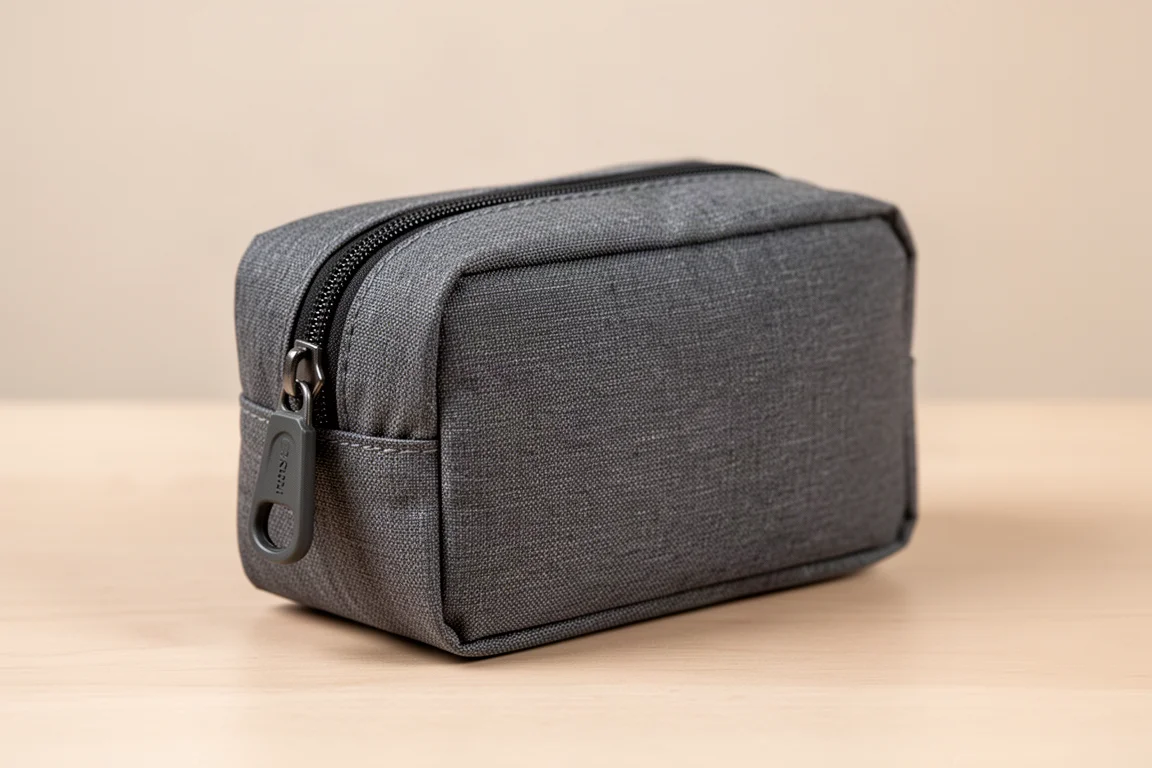
This duffel does not pair well with traditional rectangular packing cubes, so a long, skinny format works better. The Peak Design Small Compression Cube handles small gear organization in exactly that shape, and it also doubles as the clothes cube in this setup.
For small items, the Evergoods Cap One Pouch is a compact organizer that transfers easily into the day pack for everyday carry once you land.
Clothes: Pack Light, Wear the Bulky Items
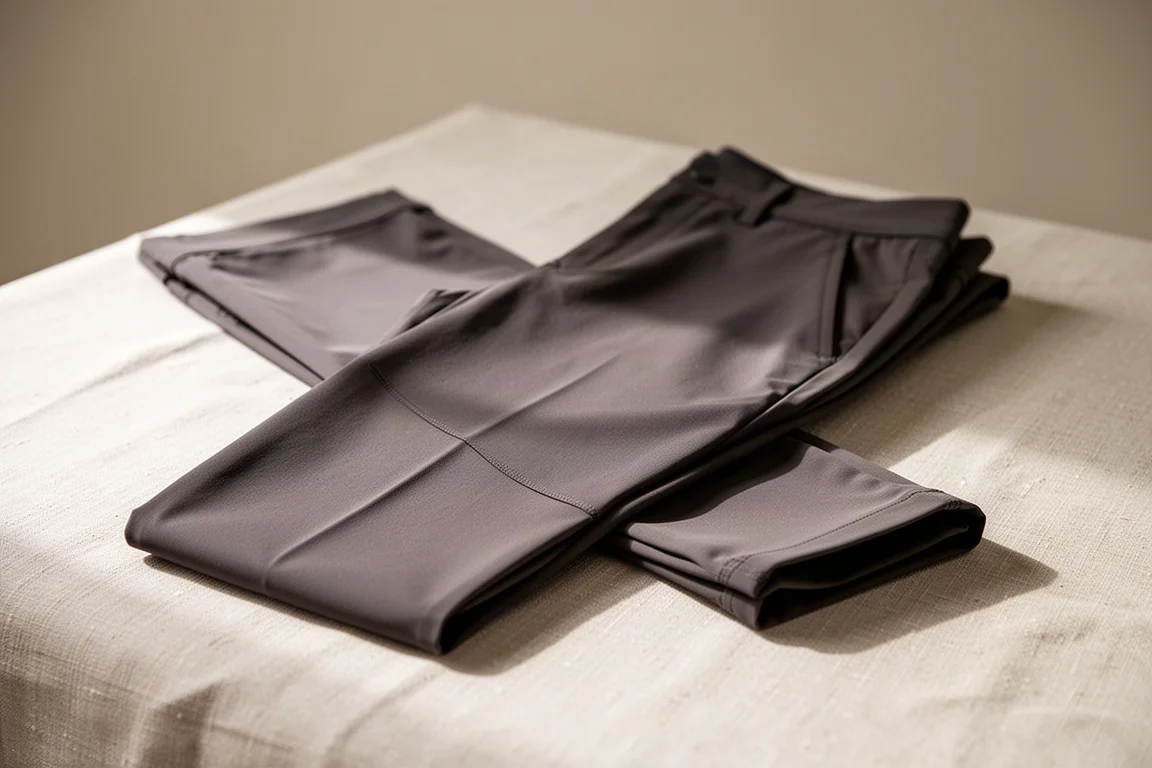
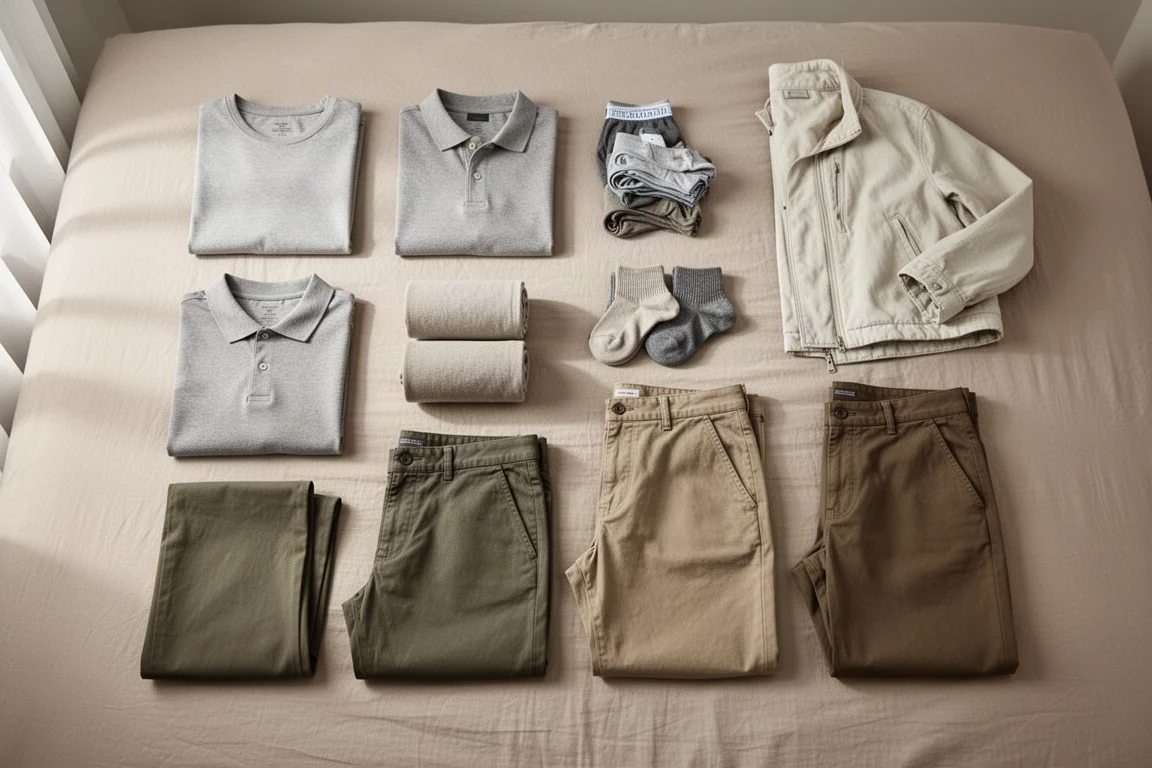
For a five-day trip including travel days, the clothing list stays deliberately short. Because temperatures can drop in the evenings, a jacket and proper pants come along: three pairs of pants total, including the pair worn on the plane.
The Western Rise Evolution Pants remain a favorite travel pant here: durable enough for daily wear, presentable enough for dinners, and comfortable across a long travel day.
Everything else goes into one packing cube: four t-shirts, four sets of underwear, and three pairs of socks, all in lightweight synthetic fabrics. Synthetics are inexpensive, light, breathable, and easy to wash in a sink or shower, which makes it realistic to trim the clothing count further.
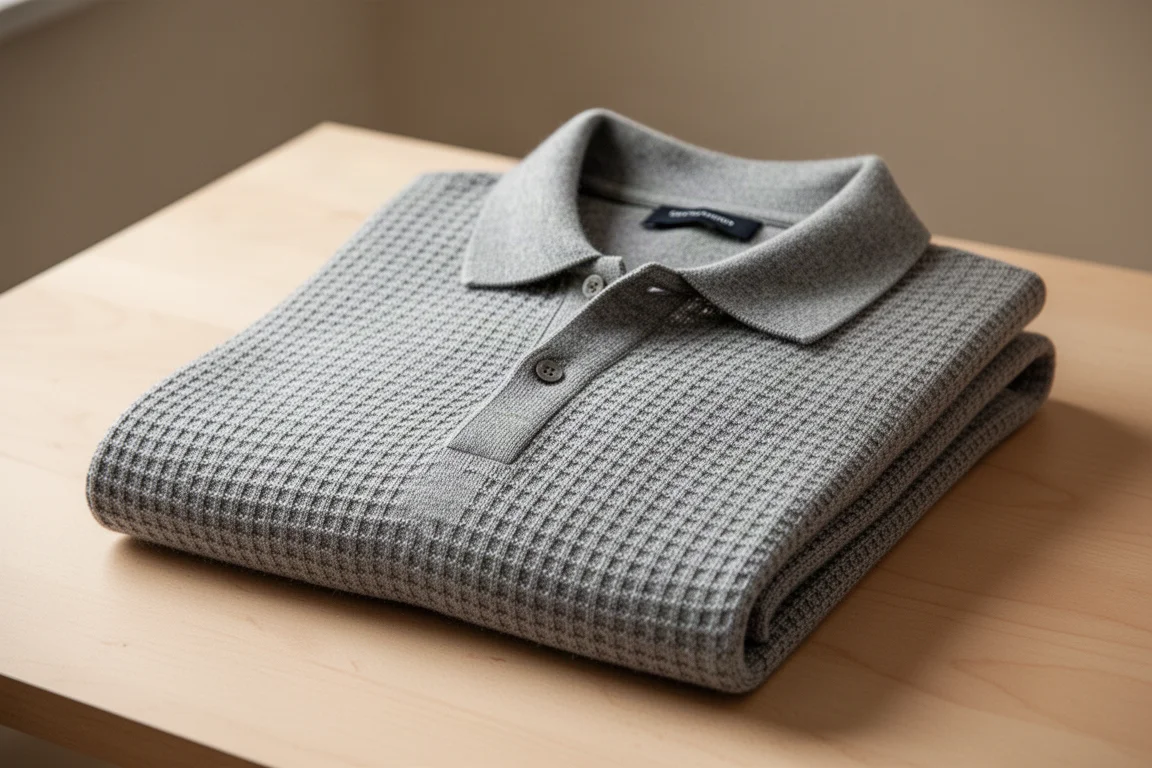
For the polo, the Wool & Prince PK Polo earns its spot. It looks good, needs little maintenance, and can be worn several times between washes. Merino wool works well in overshirts and polos even for people who find merino t-shirts itchy against the skin.
Electronics: Small, Light, and Flight-Friendly
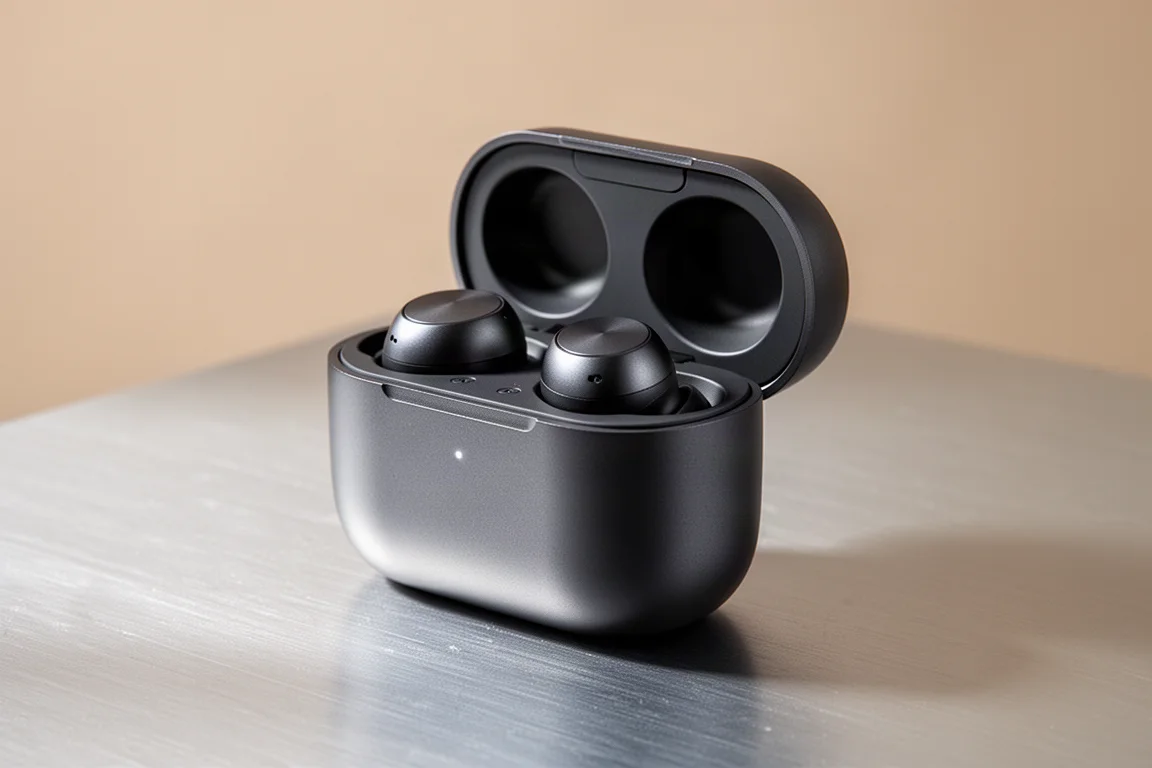
The electronics kit is intentionally minimal: no laptop, just a small e-reader, a phone, a battery pack, a charge cord, and a small flashlight for the hotel room. For the flight itself, the Google Pixel Buds Pro provide active noise cancellation in a small package, and they do a solid job of blocking airplane background noise.
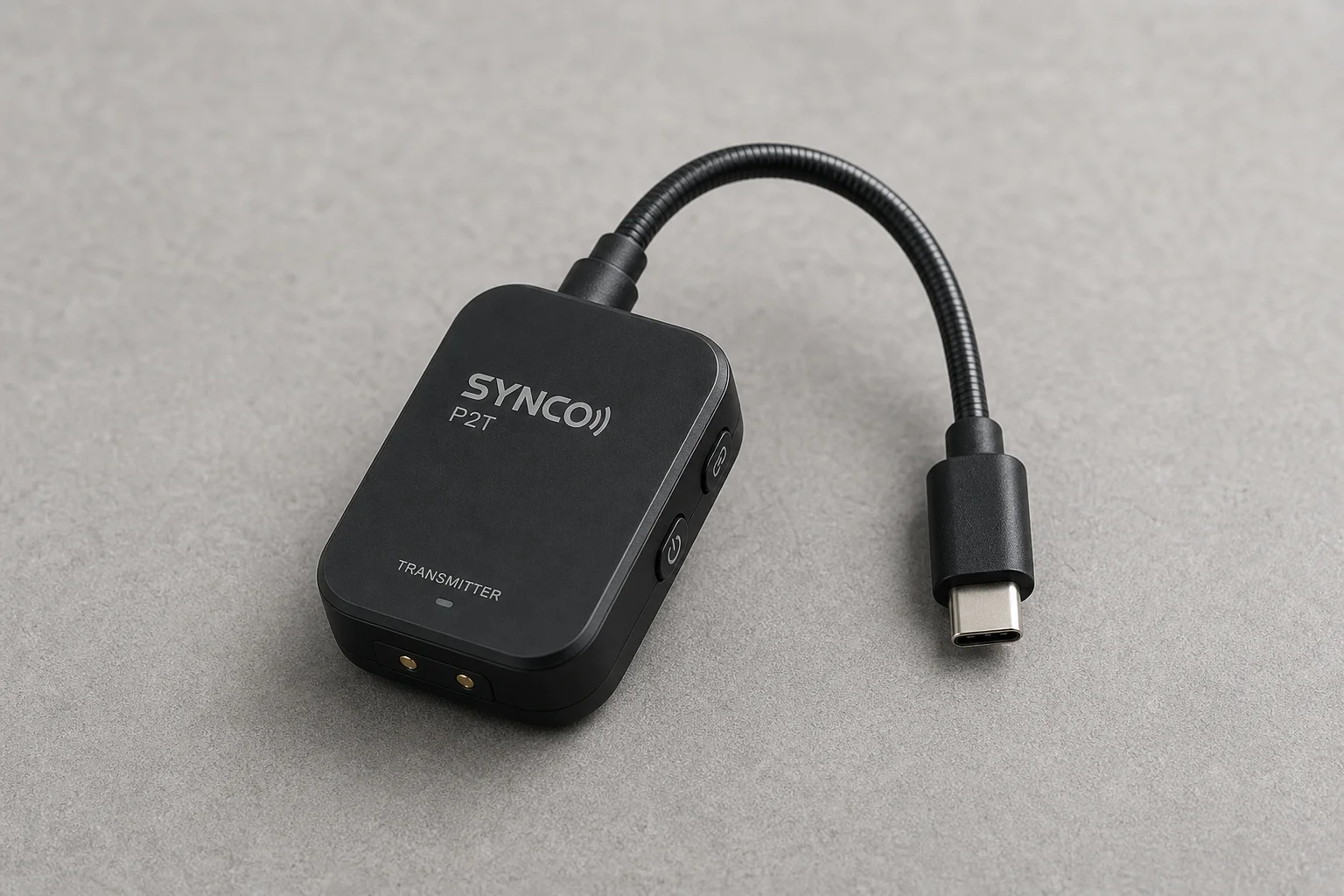
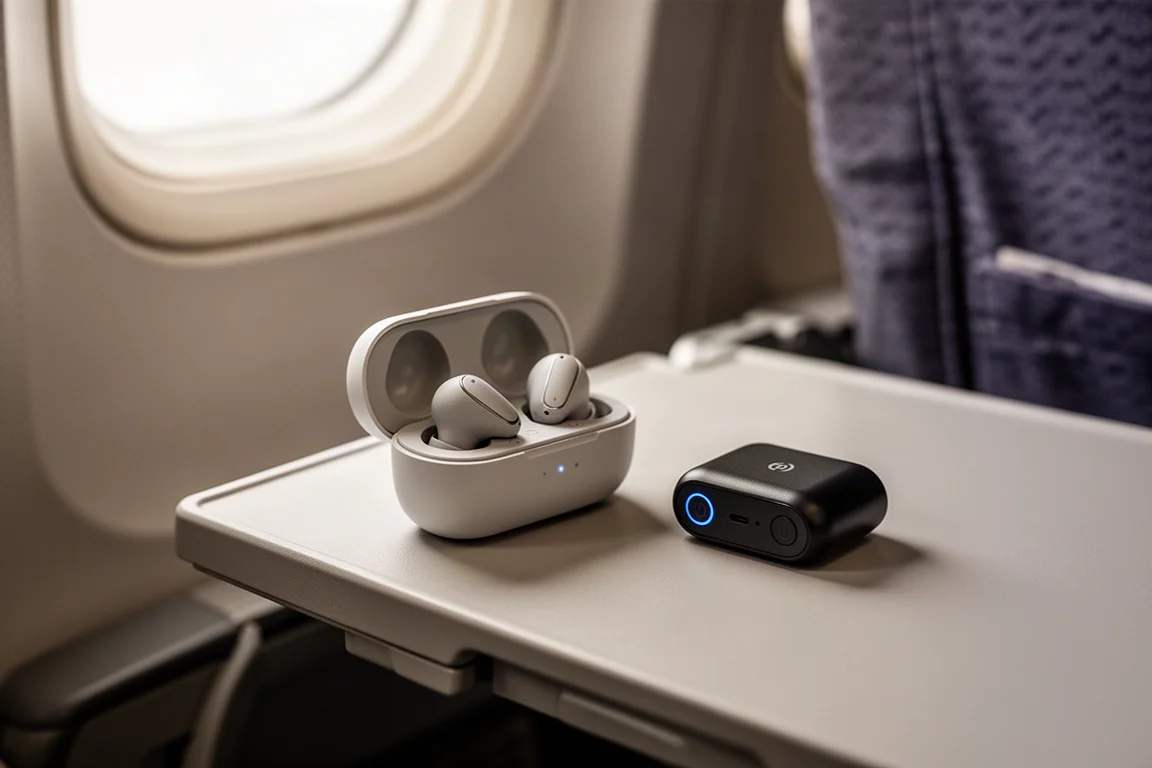
Paired with them is the AirFly Pro, a small Bluetooth transmitter that connects to the in-flight entertainment system and streams audio to your own earbuds. It is so small and light that it takes up almost no room in the pack, and it removes the need for wired airline headphones entirely.
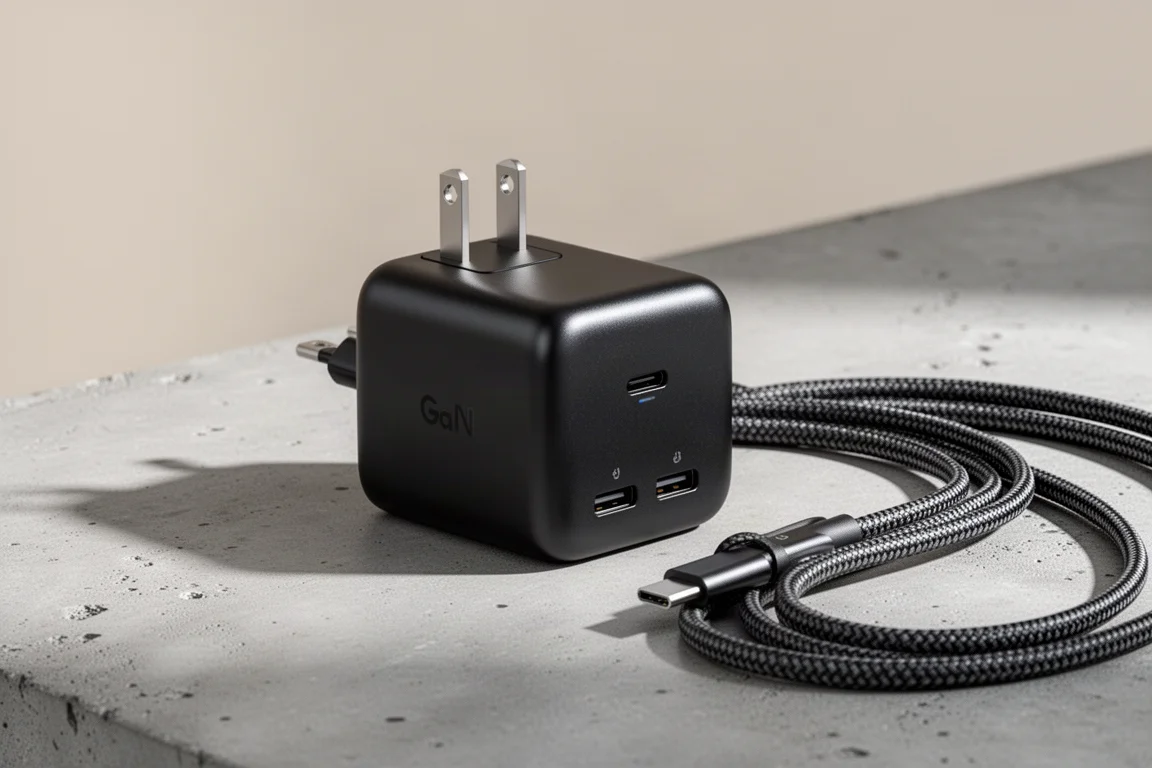
Charging is handled by the A72 70W GaN Travel Charger, a compact new charger that performed well throughout the trip. It is powerful enough to cover the phone and other small electronics from a single outlet.
Small Essentials That Earn Their Space
The miscellaneous category is where a lean setup really shows its value. A minimalist toiletries kit, solid soap, toothbrush, razor, mini mirror, and a small first aid kit form the hygiene basics. Beyond that:
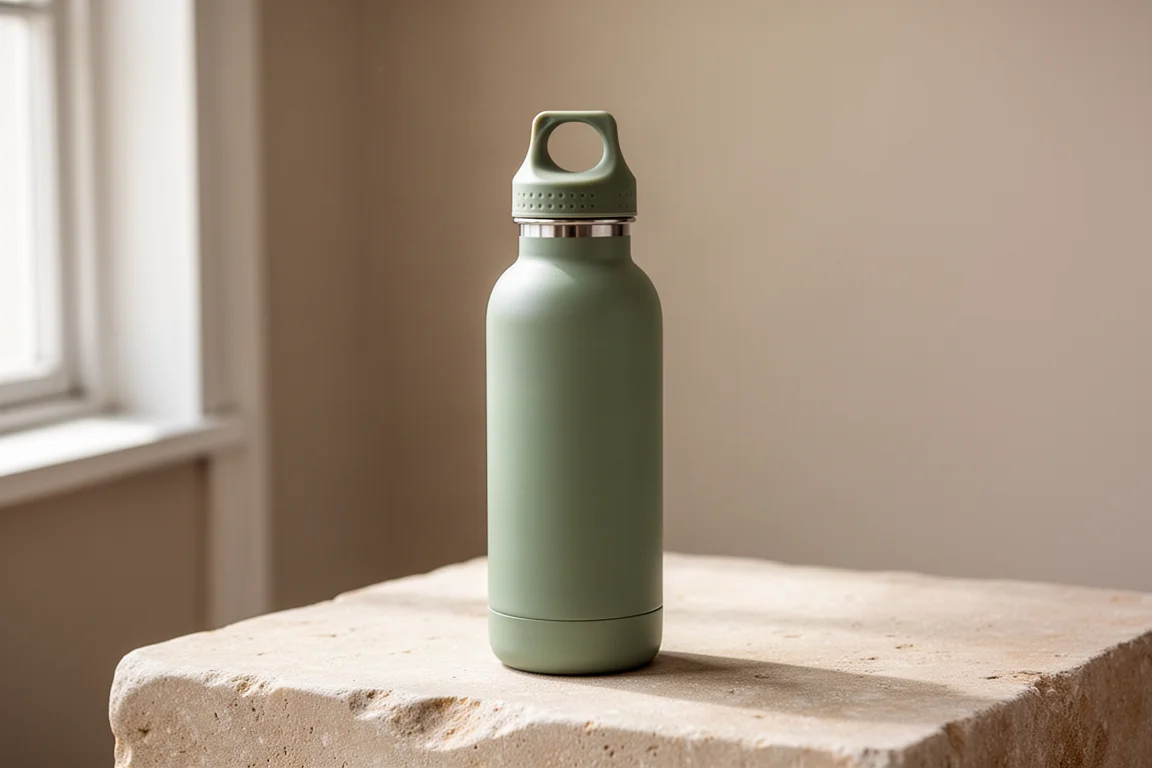
- Hydro Flask Trail 21 water bottle
- Small mini umbrella
- Sunglasses in a slim case
- Notebook, pencil, and a sleep mask for the plane
- A binder clip and a couple of Ziploc bags for snacks and leftovers
- A small bag of coffee
The Hydro Flask Trail 21 keeps hydration simple without hogging pack space.
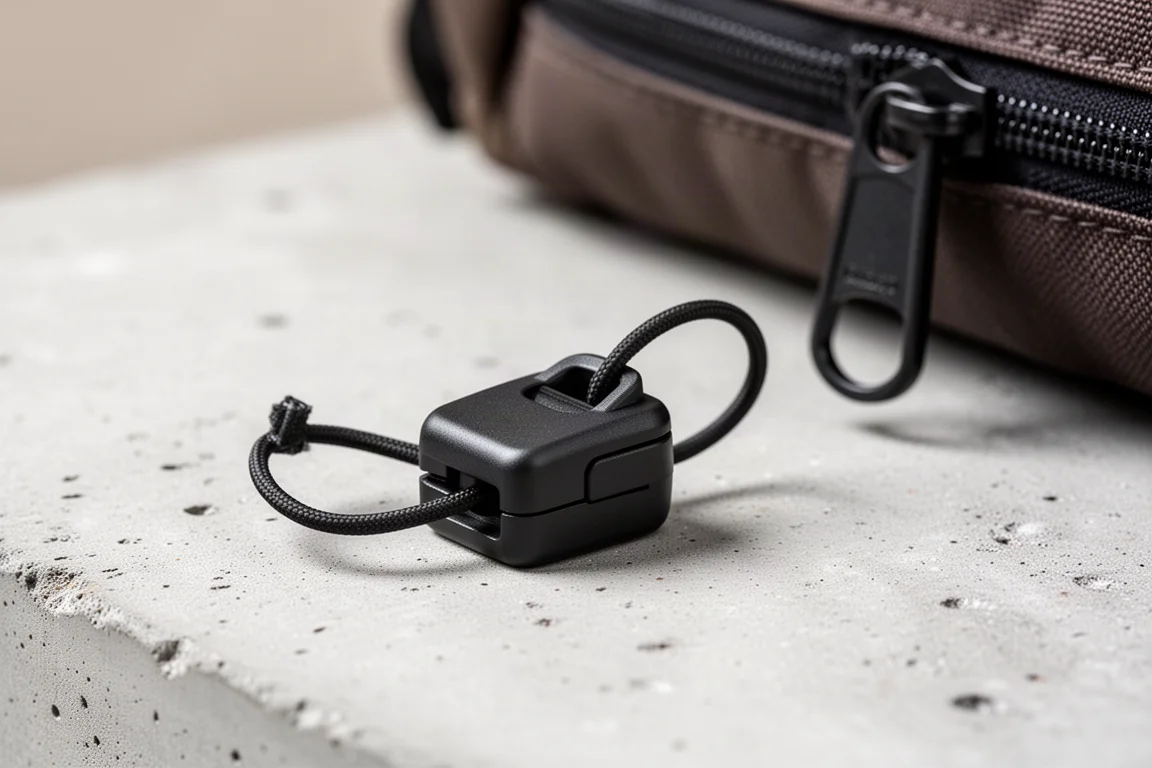
Security gets covered by the Nite Ize Merrino Lock, which is genuinely tiny. It locks the zippers of your backpack together for low-key travel security, the kind of deterrent that matters in hostels and shared spaces.
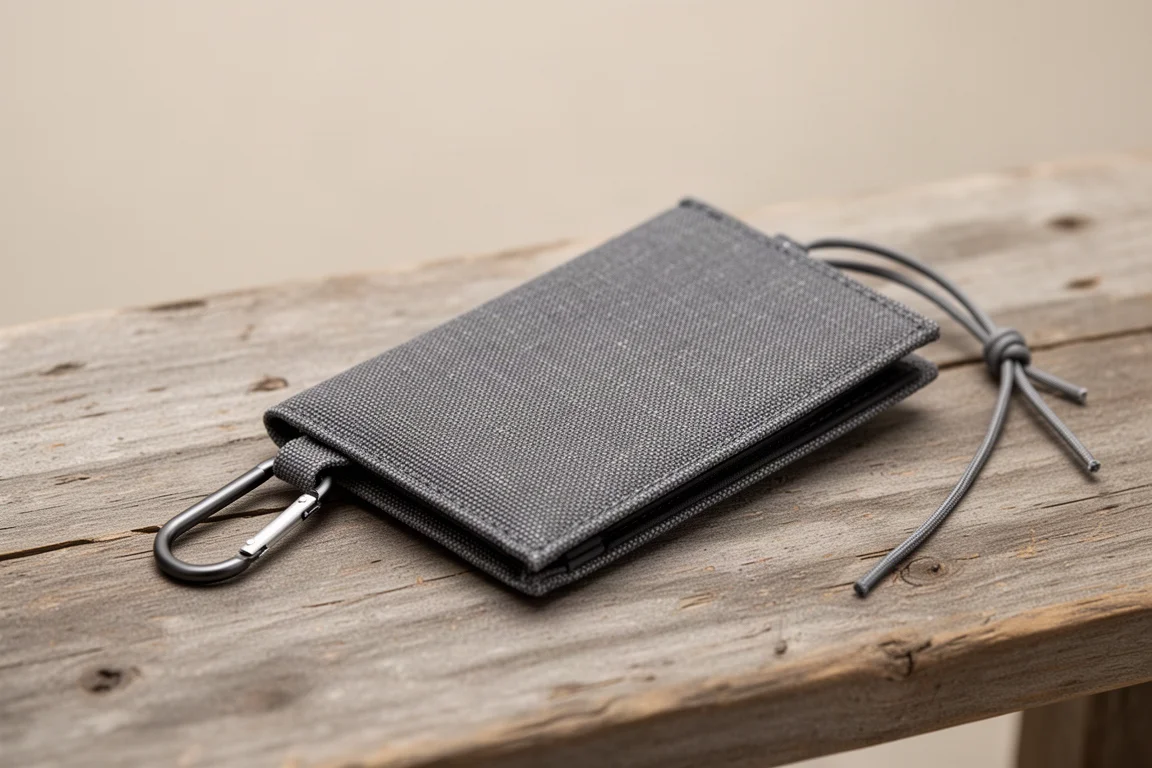
For money, the Chums Surf Shorts Wallet is a small two-pocket wallet with a divider, a key ring for your hotel or hostel keys, and a cord for looping it over a belt as extra security.
Packing Strategy: One Bag, Two Roles
Loading a large duffel is straightforward. Two spare pants go on the bottom, the packing cube sits on top, and the toiletry kit fits into the front gap. The Clippa hooks onto the outside of the bag, the zipper lock goes onto the zipper pulls, and the remaining small items distribute across the duffel’s many pockets. Wearing the bulkiest clothes on the plane, hat, jacket, polo, t-shirt, and shoes, frees up the most space.
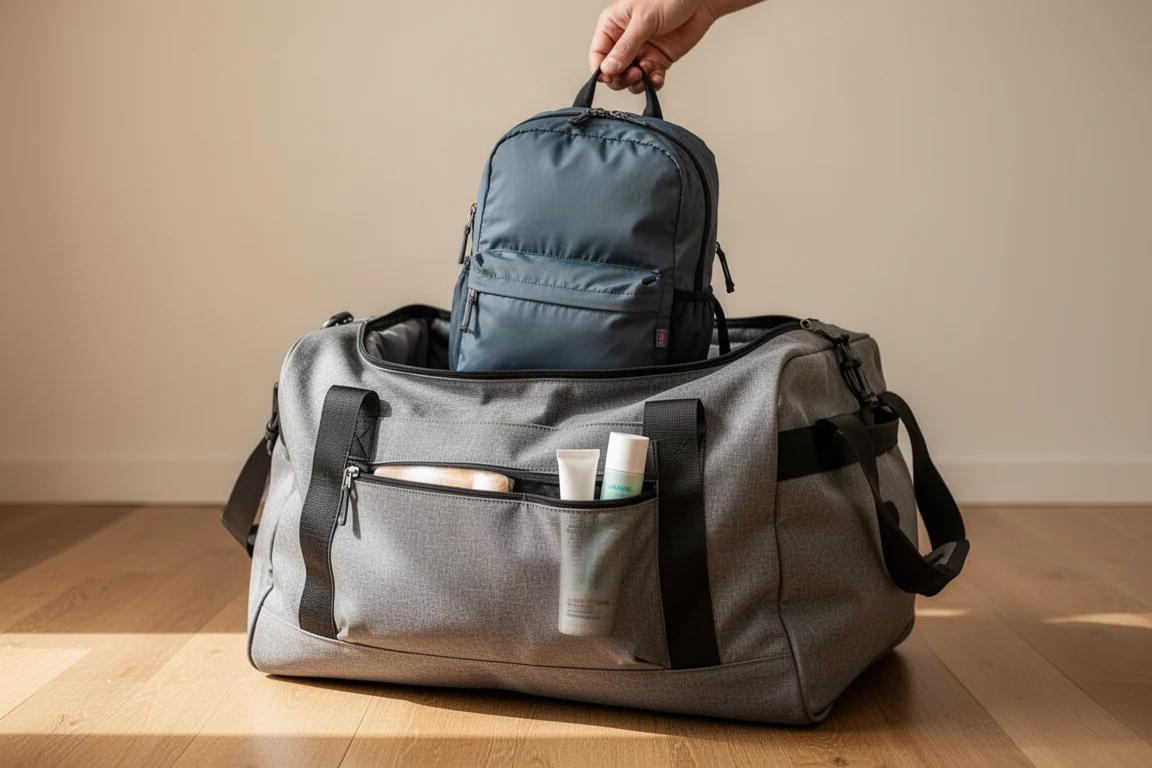
The day pack is the trick that makes one-bag compliance easy. Before boarding, stuff the day pack with all the small electronics and gear, then tuck it into the top of the duffel. Everything stays in one bag for the sizer check, and once on the plane you pull the day pack out, slide it under the seat, and have everything you need for the flight within reach. At the destination, the duffel handles the airport-to-hotel transfer while the day pack covers daily exploring.
Conclusion
This setup worked well in practice: the duffel fit the sizer despite being slightly over the listed length, the clothing count felt right, and wearing bulky items on the plane did most of the heavy lifting. The only real trade-off is that a duffel is a transport bag, not an all-day carry, so the packable day pack is not optional, it is what makes the whole system work. If your goal is cheaper fares and a lighter trip, a soft duffel plus a packable day pack is a combination worth copying.
Further reading
Related Reviews
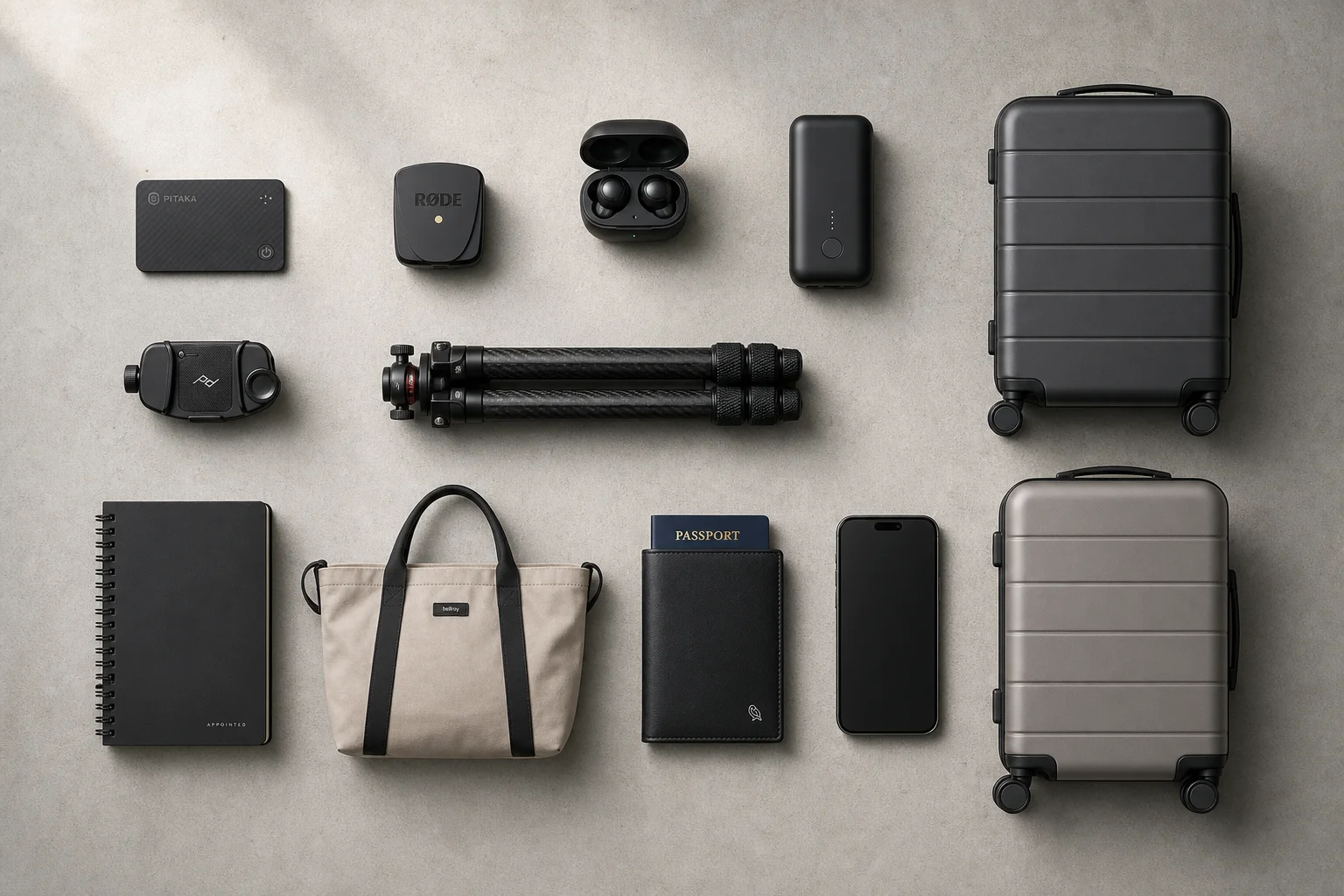
Travel Gear
12 Essential Travel Items That Make Every Trip Better
After traveling to over 150 cities worldwide, here are the practical items that have become indispensable for modern travel.
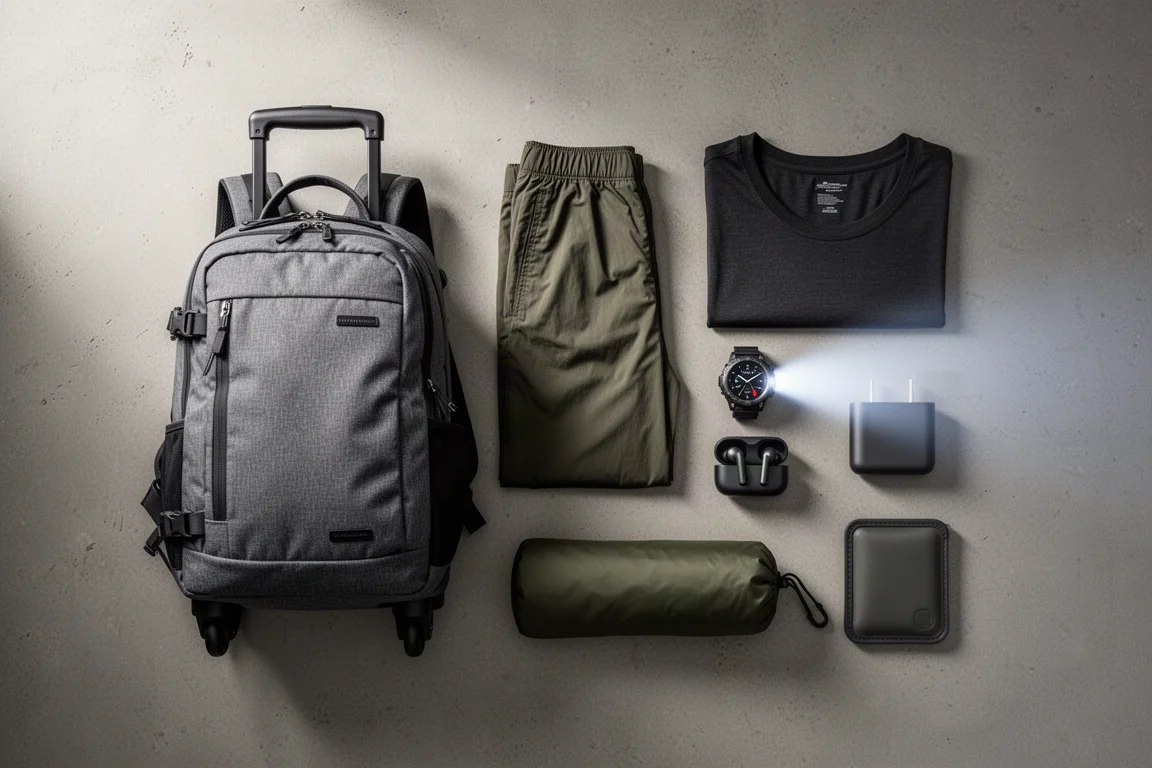
Travel Gear
Best One-Bag Travel Gear for Long Trips: 8 Essentials
A practical guide to the travel gear that proved its worth over 30 days of one-bag travel in Southeast Asia, from the pack to the power bank.
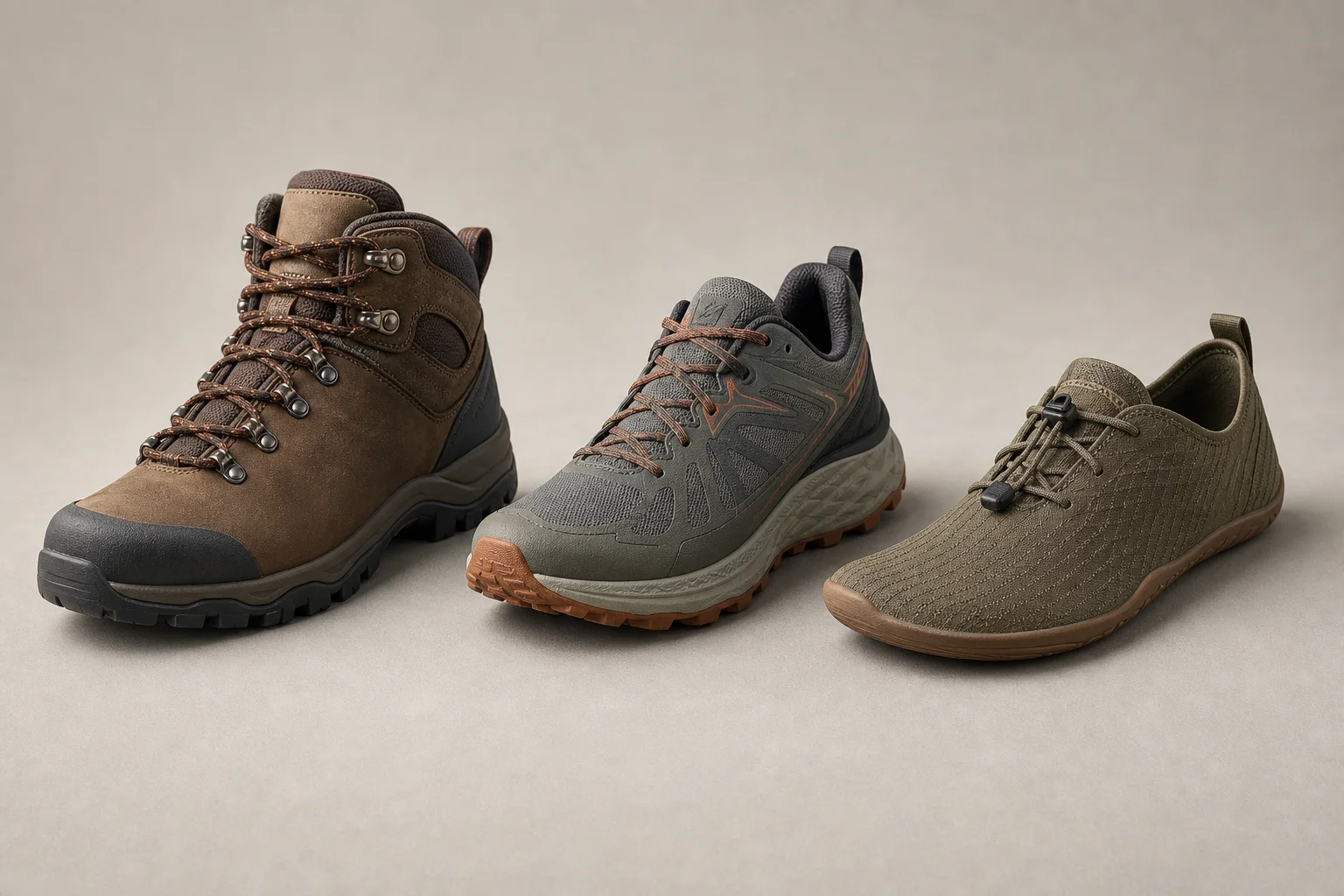
Travel Gear
Best Shoes for Camino de Santiago: Hiking Boots, Trail Runners, or Barefoot
A practical guide to choosing the right footwear for the Camino de Santiago, comparing hiking boots, trail running shoes, and minimalist barefoot options across different routes and seasons.