Running Gear
Omius Cooling Headband Review: Graphite-Based Cooling for Hot Summer Runs
A graphite headband built for evaporative cooling, tested through hot and humid training days. Here is how it performs, what it costs, and who it makes sense for.
Introduction
The Omius cooling headband made its public debut during the Olympic marathon in Paris, worn by athletes chasing glory in brutal summer heat. That elite pedigree raises an obvious question: is this something non-elite runners can actually use, and can it survive the rigors of pouring sweat? After getting the headband thoroughly soaked and taking it through real training, the answer is more nuanced than a simple yes or no.
How the Omius Cooling Headband Works
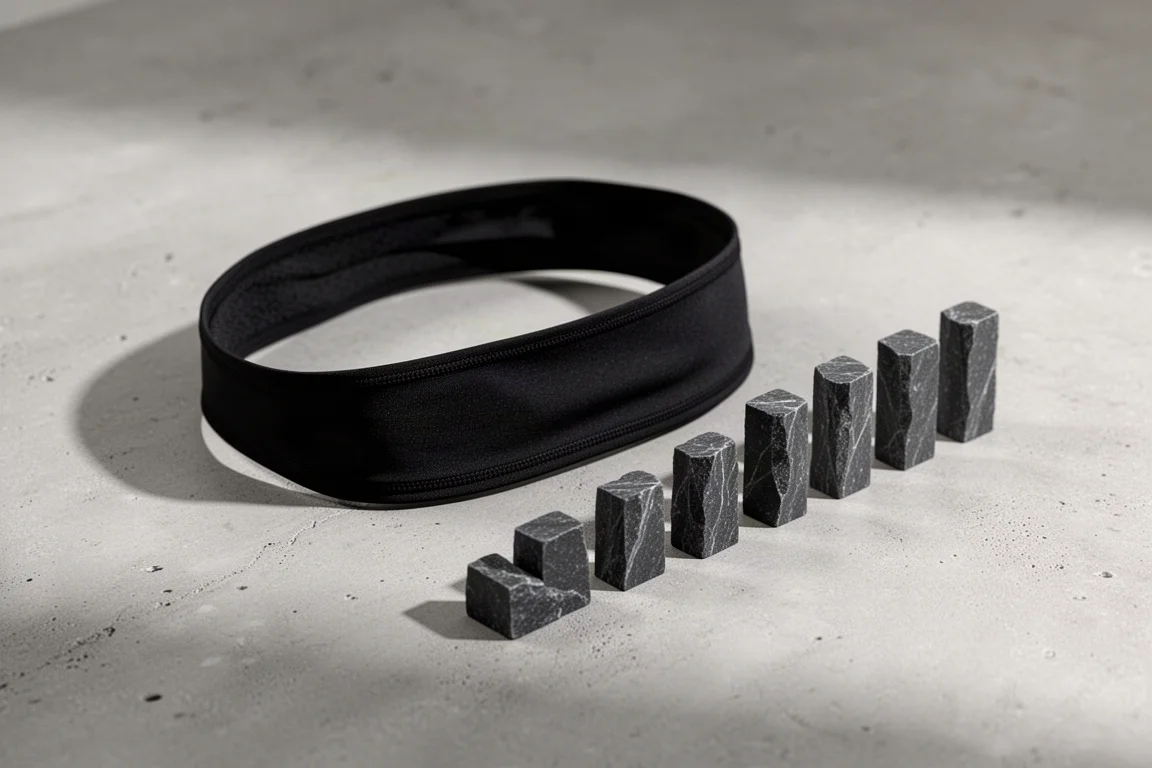
At first glance the strip across an athlete’s forehead looks like metal, but it is actually graphite. The headband holds 20 small cooling pieces, and each piece is an array of nine graphite pillars that feel like cool stone to the touch. The backside of each piece is flat, and that flat side sits against your forehead.
The cooling relies on evaporation. Each pillar carries a hydrophilic coating, and the pokey pillar structure creates a large amount of surface area. You get the headband wet, the graphite soaks up and wicks the water away, and the expanded surface area speeds up evaporation, which produces the cooling effect. Think of it like the wicking fabric in a technical running shirt, except graphite is more efficient at wicking and evaporative cooling.

For the system to keep working, you need to keep the headband wet and keep air moving across it. Wind facilitates the evaporative process, and sweat alone is not enough to keep it saturated.
What It Actually Feels Like
The short answer is that it works, but not in the way you might expect. The headband is cool to the touch even when dry, and the cooling becomes noticeable once you wet it. It does not feel like an ice pack strapped to your head, and it does not turn an 80-degree day into a 60-degree day. Things simply feel a little cooler than they actually are.
The practical benefit shows up as overheating prevention rather than dramatic cooling. During the worst Midwest summer conditions, it made the difference between finishing a workout and cutting it short, or between holding pace and backing off.
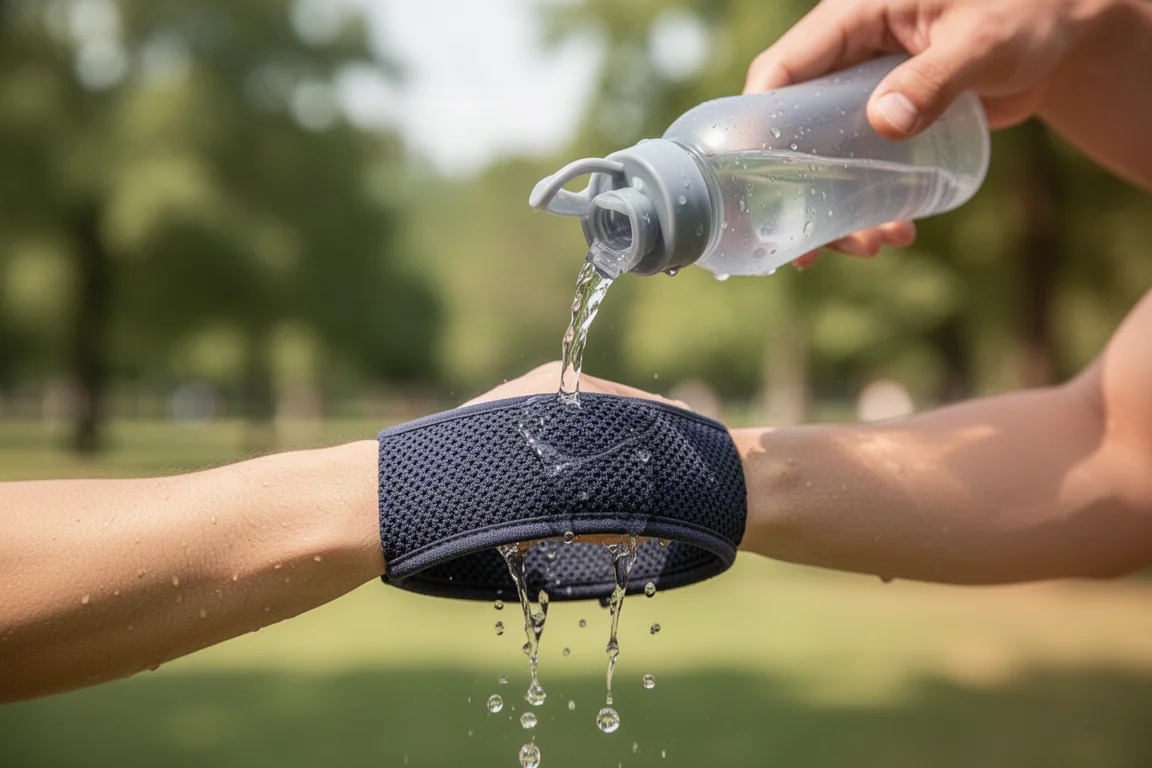
One important maintenance note: sweat alone is not enough. The headband needs regular re-wetting. Around 10 minutes between applications feels comfortable, though stretches up to 20 minutes are possible depending on conditions. On a marathon, that could mean re-wetting at every aid station or every other one, depending on your pace and the course.
Wind matters too. Simply running forward at non-elite paces is not enough airflow. A headwind helps a little, but a crosswind across a very wet headband is when the cooling effect truly kicks in.
Comfort and Everyday Practicality
The cooling pieces are lightweight, so once the headband is on, it does not feel like a heavy piece of rock on your forehead. It disappears quickly, and you almost forget you are wearing it. It sits well even with a receding hairline, since there is plenty of forehead to work with.
The main durability concern is that the graphite pieces feel a little brittle. A light bump while loading one into a car was enough to knock a pillar off. Replacement cooling pieces are sold separately, either as a four-pack for $36 or as a full set of 20 if you want plenty of spares. Beyond the headband, Omius also sells the same cooling system as visors and hats.
How It Compares to Other Cooling Methods
The headband is not the only cooling option out there, and each method has trade-offs.
Ice bandana. A triangle of fabric you fill with ice and tie around your neck, sold by brands like The Feed and rabbit. On long trail runs it is genuinely excellent: it cools harder and lasts longer than the Omius headband, and trail aid stations keep the ice topped up for you. But refilling an ice bandana at marathon or workout pace is cumbersome unless you plan ahead with spare bandanas and a cooler, and a fully loaded bandana can feel constrictive and heavy around the neck when you are trying to run hard. For road marathons and road training, those logistics make it less practical.

Hand and wrist cooling. Cracking instant ice packs taped to bottles or holding a frozen small water bottle against your wrists during a warm-up works briefly, but the moment you let go, the cooling effect vanishes. It has almost no staying power.
Getting yourself wet. Pouring water down the back of the neck at aid stations is one of the most effective race-day methods, but it fades as soon as you dry off, and it is not something you plan for during normal training.
Each method has its place. The Omius headband’s advantage is convenience: it needs no charging, no plugging in, and no ice logistics. It just needs to be wet.
Buying Advice: Is the Omius Headband Worth It?
The decision comes down to what you want from it. If you are well acclimated and training comfortably, and you are shopping purely for a race-day edge, the headband may not deliver the bump you are hoping for, especially since goal races often bring cooler weather than summer training anyway.

If instead you struggle with heat and want a convenient way to get through hard summer training sessions, it makes much more sense. It is easy to live with: no charging, no batteries, just water and airflow. At $204 for a set of 20 cooling pieces, it is not cheap, and the brittle graphite pieces are a fair concern, but for runners facing months of hot and humid training, it can be a tool worth reaching for regularly.
Conclusion
The Omius cooling headband is not a miracle device. It takes the edge off brutal conditions rather than transforming them, and it demands constant re-wetting and good airflow to perform. But for non-elite runners who dread summer training, it offers a convenient, battery-free way to keep tough workouts on schedule. It will not be for everyone, and the price is hard to ignore, but as a training companion for hot, humid months, it earns its place.
Product link
View more details for Omius Cooling Headband
This product is mentioned in the review. Check the specifications, options, and compatibility before buying.
View more details for Omius Cooling HeadbandFurther reading
Related Reviews
Running Gear
Best Running Caps 2026: Nine Tested Options for Summer and Winter
A comprehensive guide to nine running caps tested across different conditions, from lightweight summer options to waterproof winter choices.
Running Gear
Best Running Caps: A Guide to Summer and Winter Options
A comprehensive review of nine running caps for different conditions, styles, and preferences, from lightweight summer options to waterproof winter choices.
Running Gear
Best Running Gear 2026: Five Picks That Earn Their Place
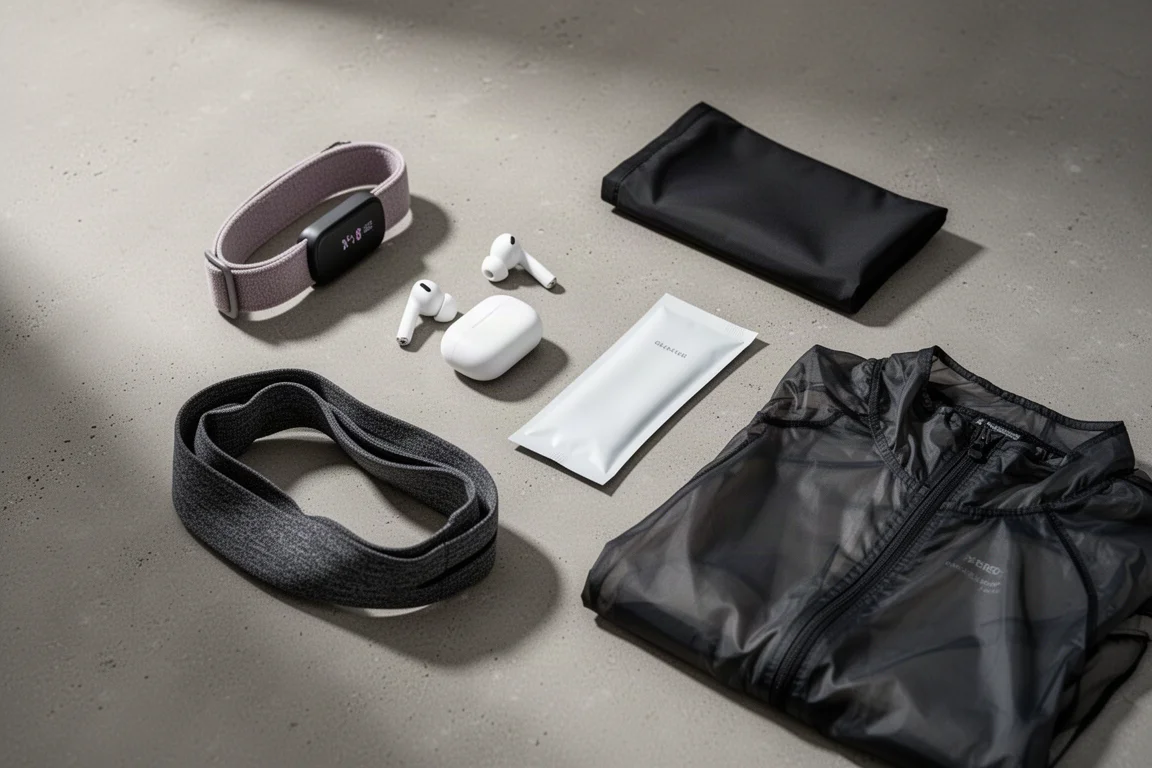
Five running upgrades covering heart rate, audio, fuelling, carrying and weather protection, with the trade-offs worth knowing before you buy.