Camera Gear
OM System Bird Photography Kit Tested: OM-1, 300mm Prime, and 150-400mm Pro
We tested the OM System OM-1 with the 300mm prime and 150-400mm Pro lenses for bird photography. Here's how the setup performed, from snowy feeders to South Texas specialties.
Introduction
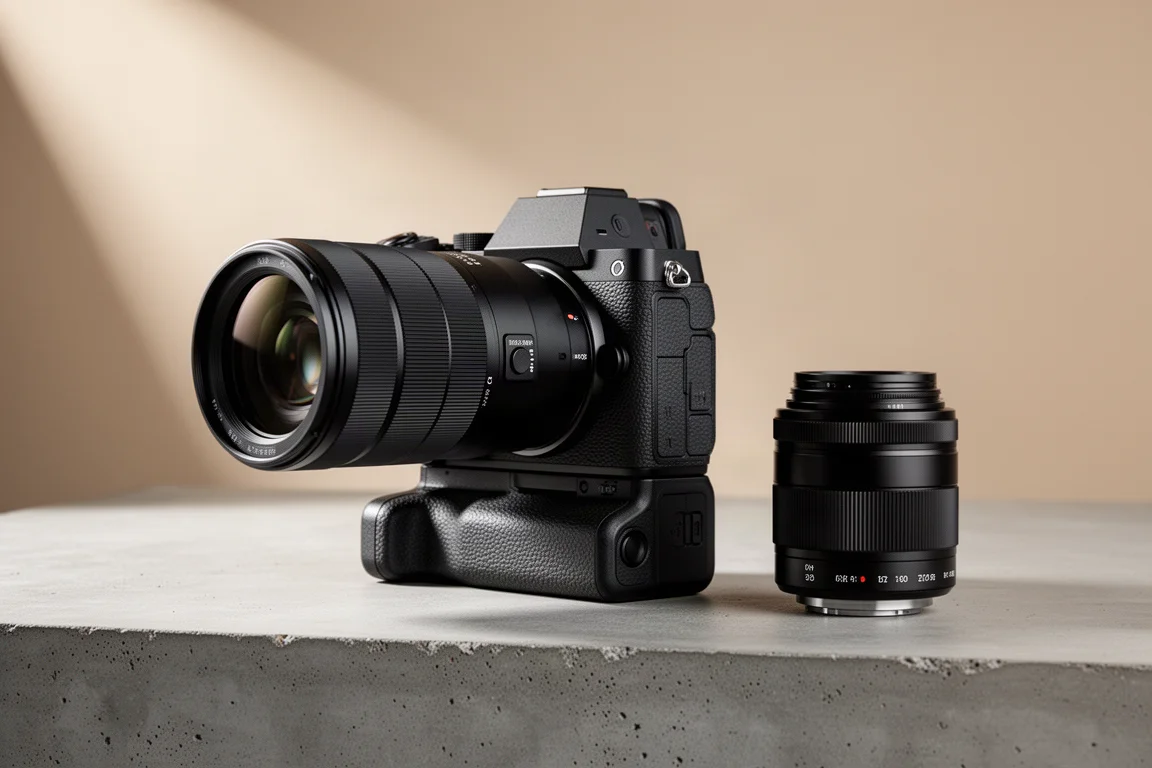
Professional wildlife photos can look like pure skill or pure gear. To find out how much the equipment itself matters, we spent weeks testing a full OM System bird photography setup: the OM-1 mirrorless camera, the 300mm prime lens, and the 150-400mm Pro zoom. Before this, our experience was limited to point-and-shoot cameras, so the test asked a simple question: can this kind of gear genuinely change the results a relatively new bird photographer gets?
Everything discussed below was shot as unedited, out-of-camera JPEGs, with only cropping applied, so the impressions reflect what the camera produces directly.
Shooting With the OM System OM-1
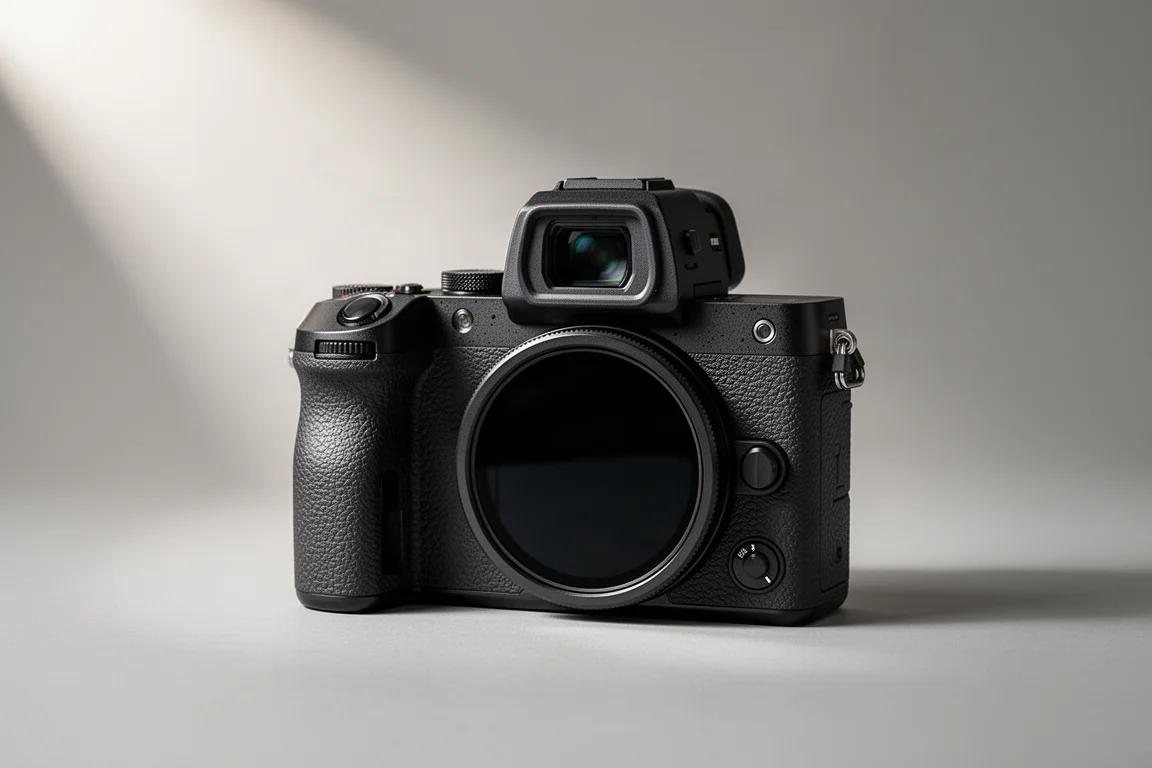
The OM-1 is OM Digital Solutions’ flagship mirrorless body for wildlife work, with a retail price around $2,200. Our first outing with it, paired with the 300mm prime, was in deep snow, shooting largely without guidance. The surprise was how approachable it felt: half-press to focus, press to shoot, and the camera handled much of the rest. It was far more point-and-shoot friendly than expected.
Stabilization was another early highlight. Long telephoto rigs often produce shaky video, but handheld clips from the OM-1 looked noticeably stable. Video clarity was equally impressive, with crisp 4K footage at high frame rates that made detail on even common birds, like a European starling, easy to appreciate.
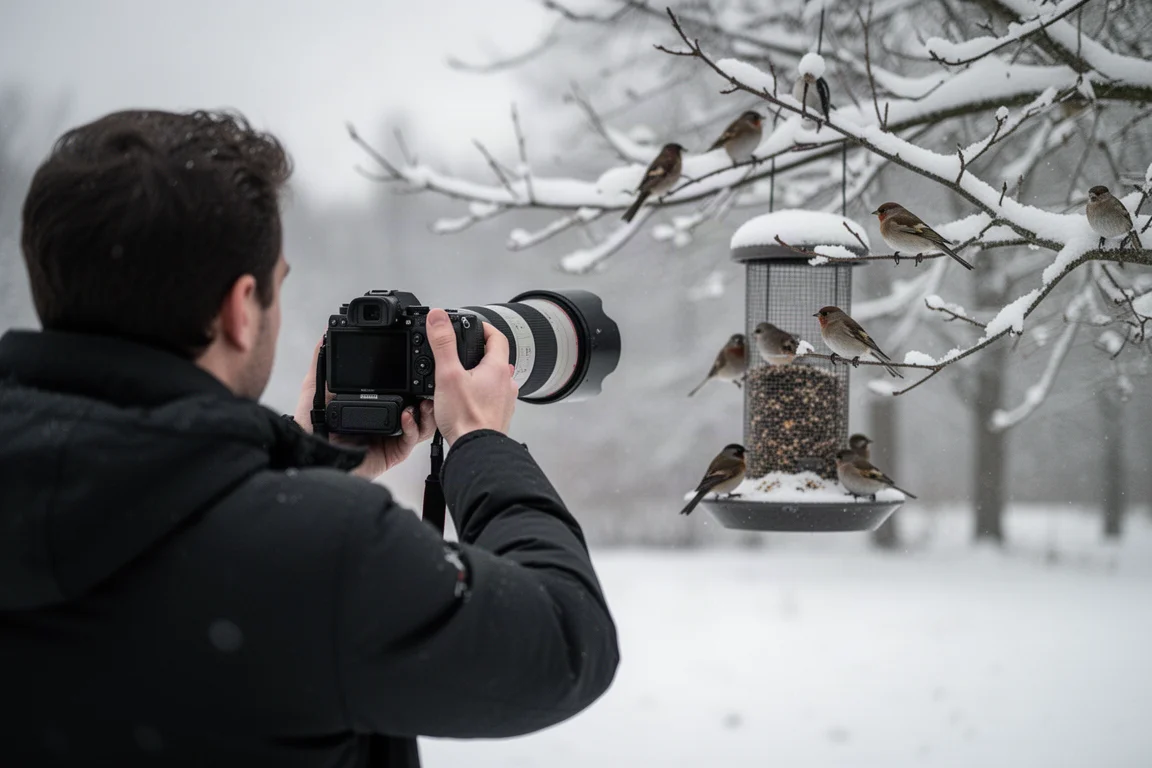
A settings session with a camera specialist later refined things further. The OM-1 has a dedicated bird detection mode that locks focus onto bird shapes and specifically the eye, and raising the shutter speed to around 1/2500s made birds in flight far easier to capture sharply. The trade-off worth knowing about: a very high shutter speed lets in less light, which can be a consideration in dim conditions.
Results With the 300mm Prime
The 300mm prime, valued at nearly $3,000, delivered some of the sharpest results of the entire test. A white-breasted nuthatch shot in falling snow, complete with a snowflake by its face, was an early standout. A downy woodpecker and a Cooper’s hawk series, captured after the hawk caught prey in the yard, showed crisp detail down to the bird’s red eye.
After dialing in the faster shutter speed, flight performance improved dramatically. Canada geese in flight came out remarkably crisp, and a red-tailed hawk shot quickly during a dog walk captured individual feathers in striking detail. One of the test’s favorite images, an American tree sparrow feeding in the snow with a darker background, showcased the rufous coloring, the chest spot, and even the seed in its bill.

The main limitation is reach. Coming from gear where getting close to birds was the norm, the 300mm demands proximity: distant birds register as tiny dots. Photographers working wide-open habitats or skittish species should factor that in.
Results With the 150-400mm Pro
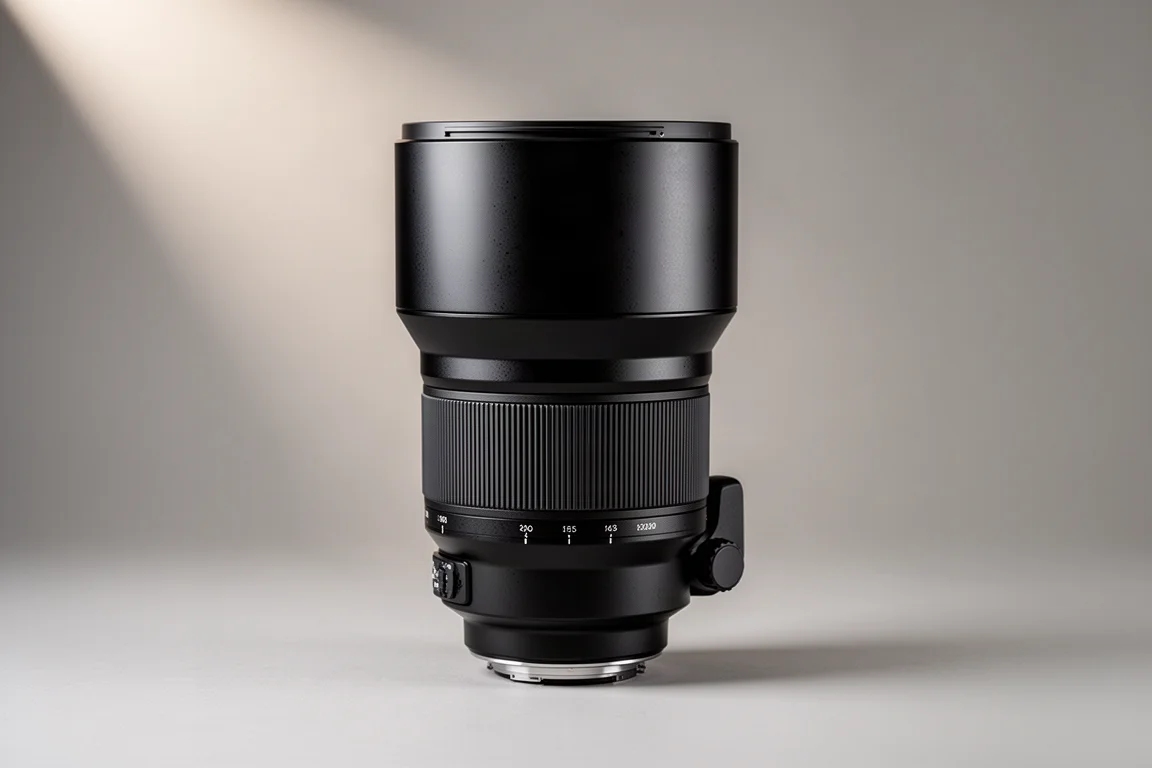
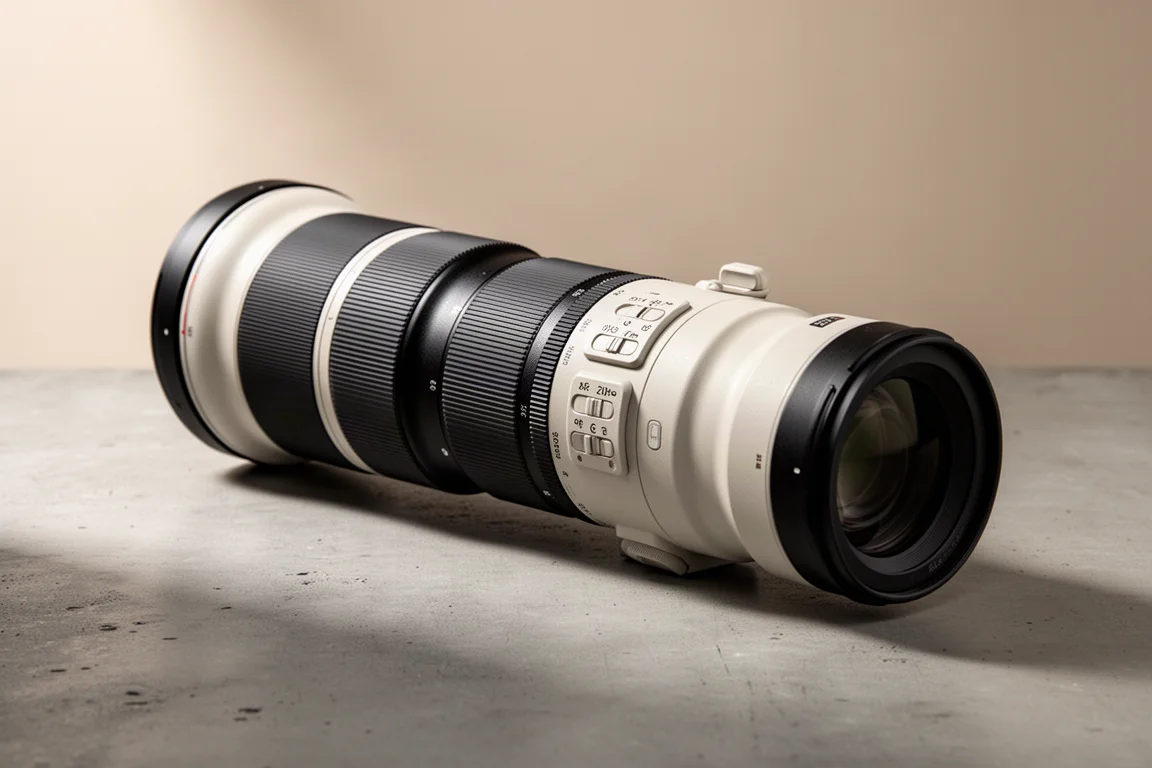
The 150-400mm Pro zoom, with a retail price near $7,500, became the main lens for a South Texas birding trip in the Rio Grande Valley, an area dense with colorful, close-range species. A key feature is its built-in teleconverter: flip a switch and you gain extra focal length without buying or carrying a separate accessory.
The zoom proved its worth on fast, colorful subjects. A ringed kingfisher in flight, taken near the lens’s maximum range, stayed free of blur even if not perfectly sharp at that distance, which is a fair trade at the edge of reach. Altamira orioles popped with color at a feeding station, a female northern cardinal showed excellent facial detail, and a green jay action shot captured the blues, greens, yellows, and blacks that make South Texas birding so rewarding.
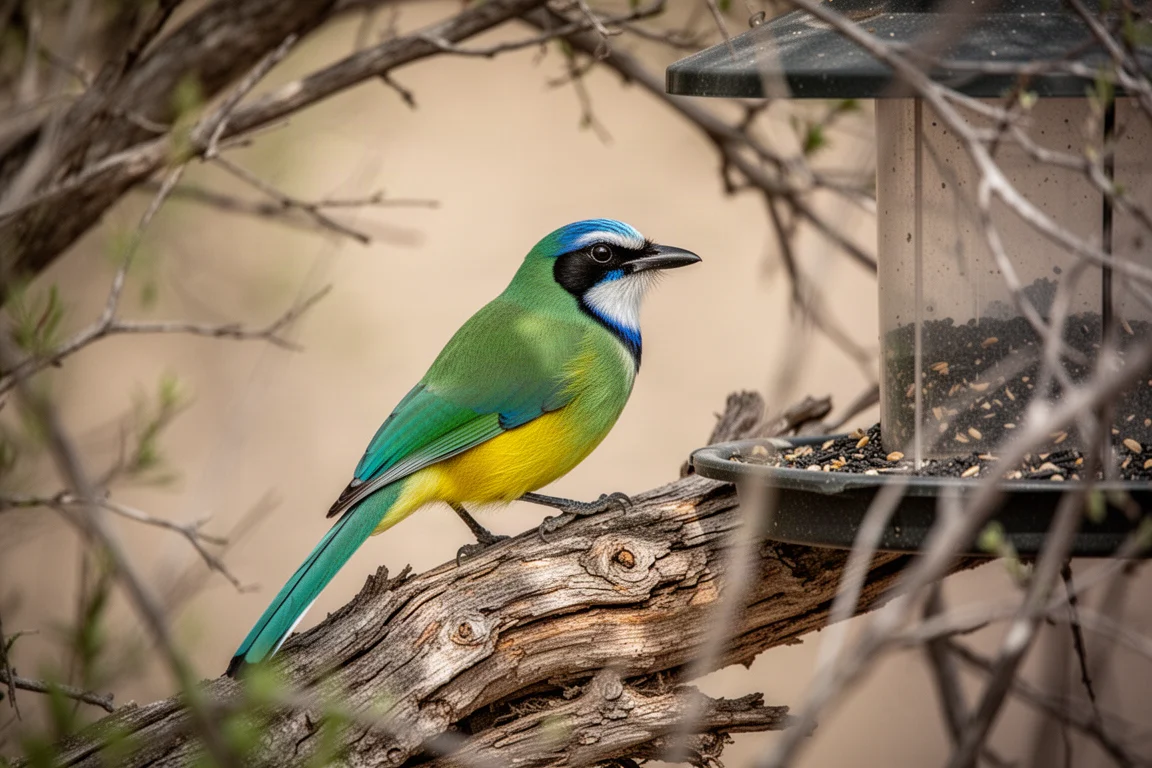
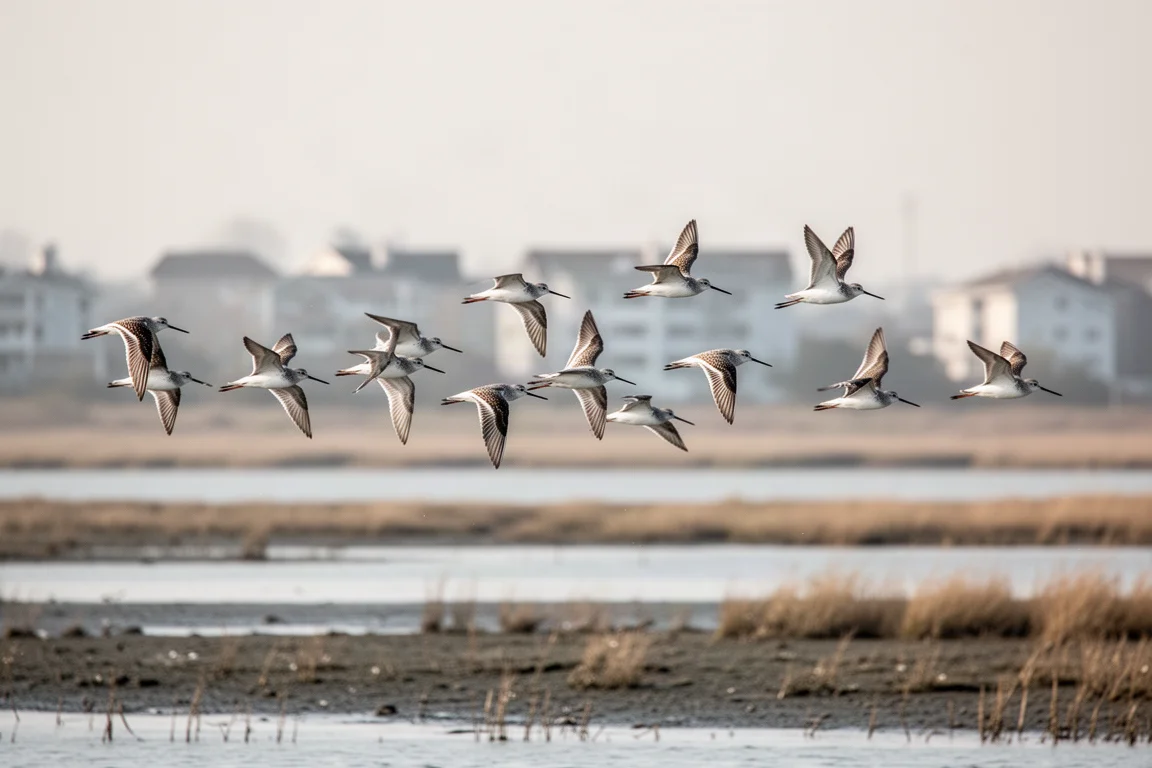
Standout frames included an olive sparrow tucked into shrubby brush with remarkable facial clarity, a Couch’s kingbird perched in the open, and a long-billed thrasher turning with food in its bill. Video of a great-tailed grackle cracking corn showed the corn puffing apart on impact, another example of how much detail the setup records. Not every frame worked: missed focus on grass, soft faces, and blurry first attempts all happened, but the fast burst modes made it easy to fire off many shots and pick the keepers. The cooperative cattle tyrant in Corpus Christi, photographed on a sidewalk with an almost bluish tint, was another highlight, as were American wigeon and a marbled godwit flock in flight with willets against a backdrop of buildings.
Overall Buying Advice
The biggest takeaway from the test is that gear makes a dramatic difference. Images shot with this setup rivaled photos that once seemed achievable only by highly skilled photographers, even straight out of the camera without editing. That said, talent still matters: composition, timing, and settings all shaped the best frames, and there was a real learning curve, especially when switching to the 150-400mm. The more time spent with the system, the better the shots got.
For bird photographers stepping up from point-and-shoot cameras, this OM System trio is genuinely beginner friendly while delivering professional-level results. The OM-1’s bird detection autofocus removes much of the technical friction, the 300mm prime rewards you at closer range with exceptional sharpness, and the 150-400mm Pro covers the reach and flexibility for dedicated wildlife trips. Budget accordingly, since this is a serious investment, and be warned: high-quality gear makes bird photography addictive in the best way.
Conclusion
Skill and gear both matter, but this test made clear that the right equipment can transform results for a relatively new bird photographer. The OM System OM-1 with the 300mm prime and 150-400mm Pro turned challenging subjects, from snowy feeder visitors to fast South Texas flybys, into crisp, colorful, pro-looking images. If bird photography is your passion and you are ready to invest, this is a setup that earns its place in the field bag.
Further reading
Related Reviews
Camera Gear
Best Beginner Camera Setups 2026: Three Practical Sony Builds from Budget to Mid-Range
Three complete camera setups for photography beginners, from secondhand budget options to mid-range builds with better autofocus and video capability.
Camera Gear
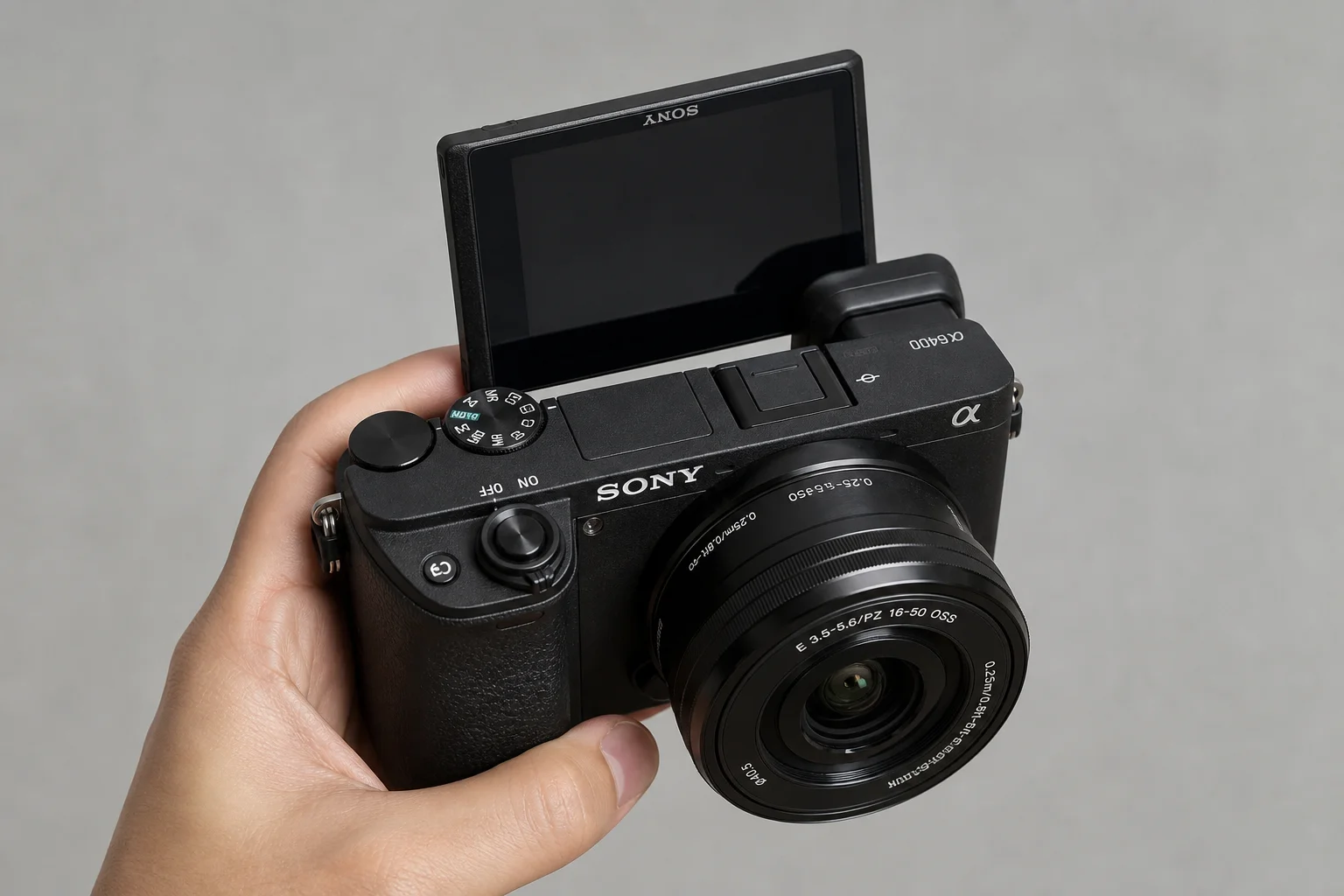
Best Budget Camera 2026: Why the Sony A6400 Stands Out for Beginners
The Sony A6400 delivers genuine value for entry-level photographers. Here's what makes it worth the investment over cheaper alternatives, and which lenses to pair it with.
Camera Gear
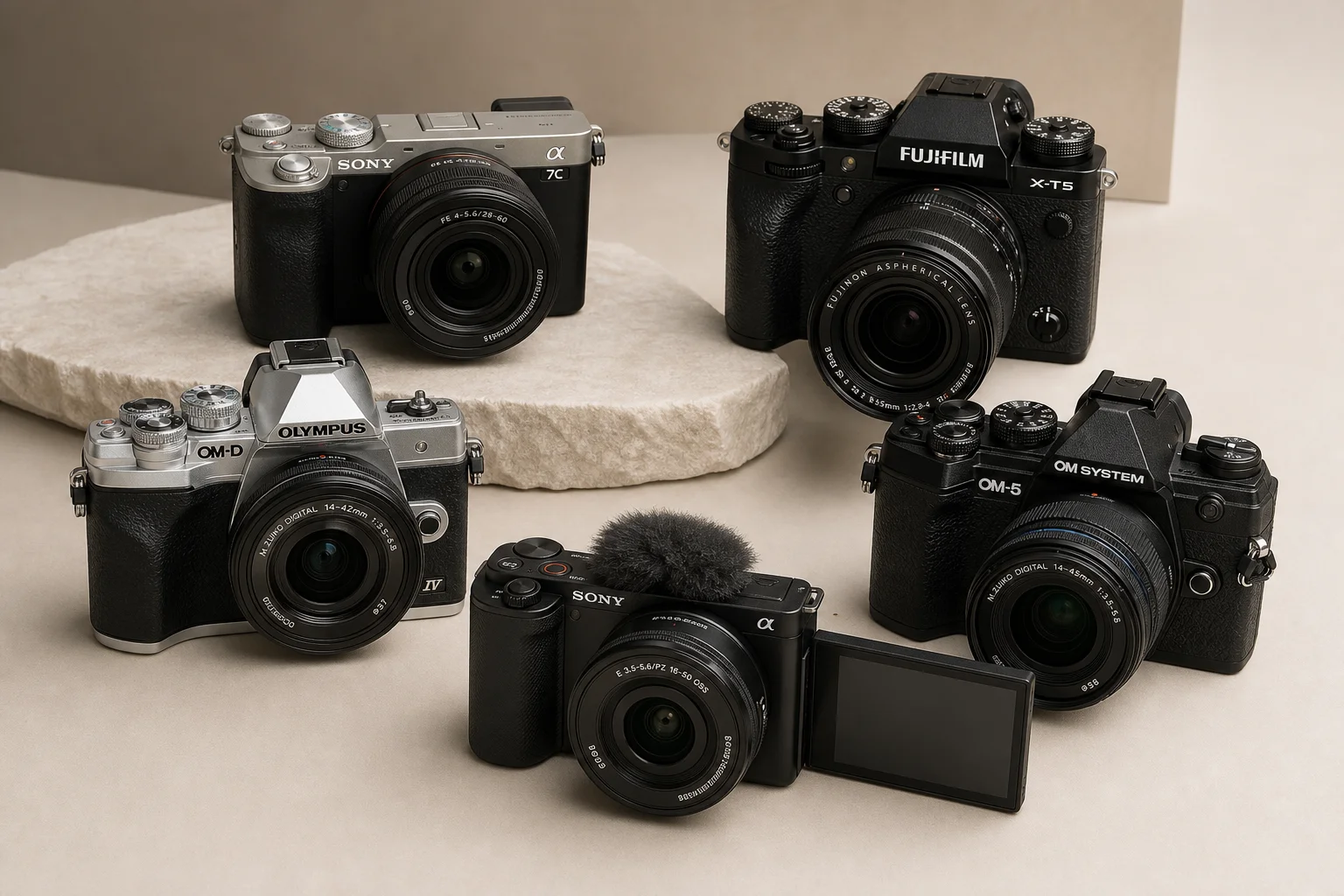
Best Mirrorless Cameras for Travel: Five Top Picks for 2025
Five lightweight, powerful mirrorless cameras designed for travel photography and video, from compact vlogging rigs to full-frame performance.