Flashlights
Olight Warrior 3 vs M2R Warrior Pro: Is the New Flagship Worth the Upgrade?
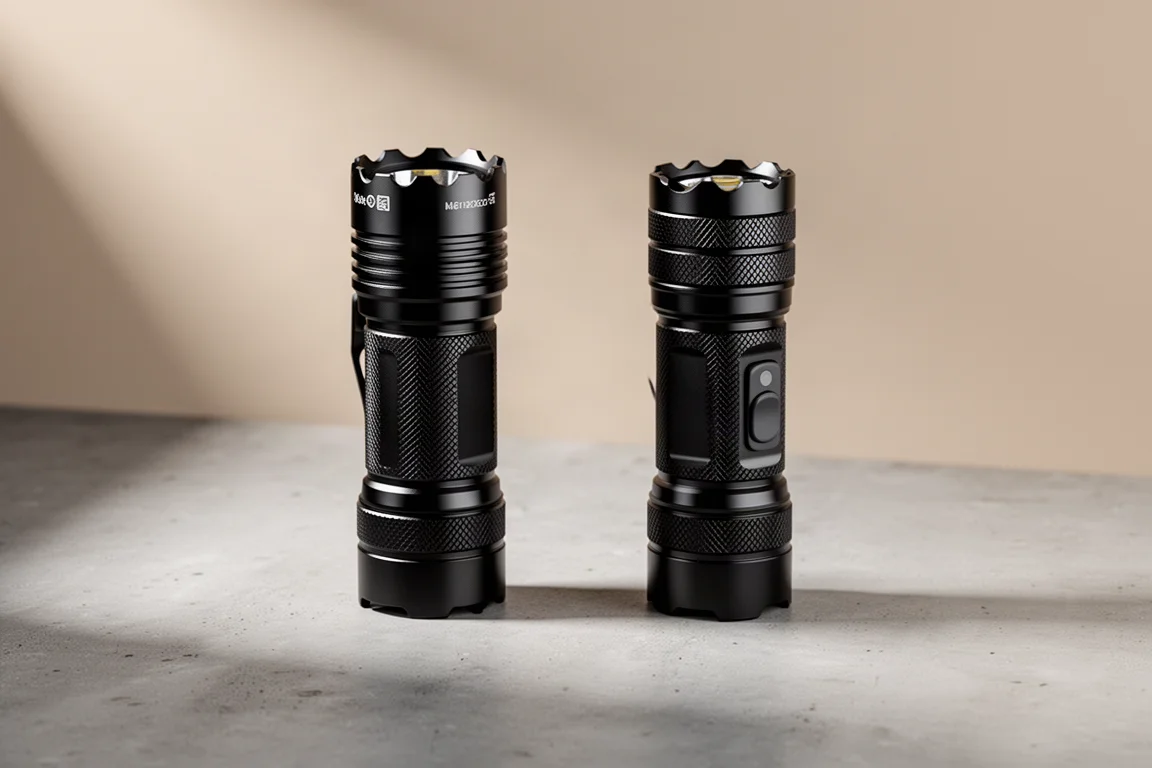
Olight's Warrior 3 raises output to 2,300 lumens and adds a Seeker-style side switch, but keeps the 300-meter throw of the M2R Warrior Pro. Here is how the two tactical flashlights actually compare.
Introduction
The Olight Warrior 3 arrives as the successor to one of the brand’s most respected tactical flashlights, the M2R Warrior Pro. On paper the changes look modest: more lumens, a slightly revised mode count, and a new side switch borrowed from the Seeker line. In practice, those changes add up to a light that feels like a genuine refinement rather than a simple refresh.
Having used both side by side, this comparison covers the real differences in output, beam, ergonomics, and user interface, so you can decide whether the upgrade makes sense for you.
Key Differences Between the Two Lights
The headline upgrade is output. The Warrior 3 peaks at 2,300 lumens and 23,000 candela, up from 1,800 lumens and 22,400 candela on the M2R Warrior Pro. Notably, both lights share the exact same 300-meter maximum throw, so the extra candela translates into a slightly brighter hotspot rather than more reach.
The second major change is the side switch. The Warrior 3 adopts the flat, Seeker-style switch that shows both battery level and current mode with four LEDs on each side. That flat profile is genuinely harder to press accidentally in a pocket compared with the rounded switch on the older light. The battery indicator displays every time the light turns on or off, which takes the guesswork out of knowing what mode you are in.
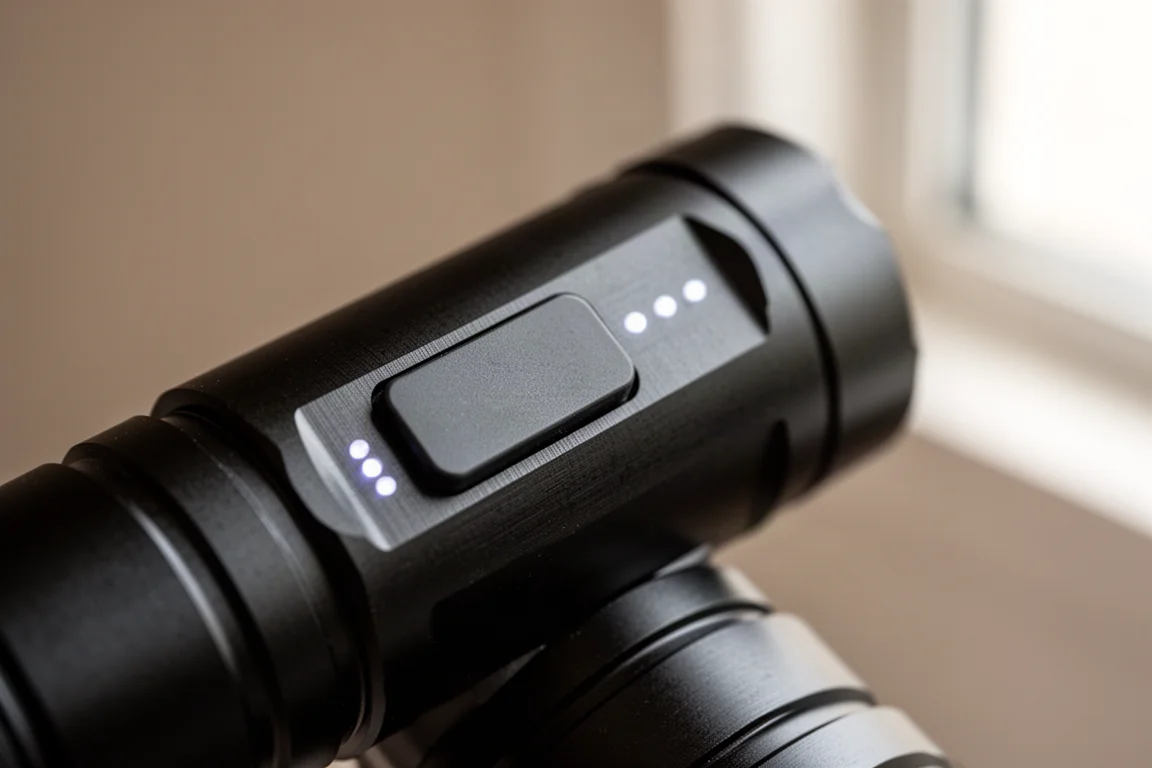
The third change is the redesigned tail cap. It now supports Olight’s optional dual-button magnetic remote switch, which locks directly onto the new tail cap. Otherwise, the two lights are nearly identical: both use the same aluminum alloy body, the same striking bezel, the same two-way pocket clip, the same 1.5-meter impact resistance, and the same IPX8 rating, meaning the light is submersible up to six feet of water. Each runs a proprietary 21700 5,000 mAh 3.6V rechargeable lithium-ion battery, charged via Olight’s MCC 3 2-amp magnetic charger, and each weighs 6.3 ounces with the battery installed. The Warrior 3 is only about an eighth of an inch longer, apparently to accommodate the new tail cap.
User Interface and Modes
The Warrior 3 offers five lighting modes plus strobe: moonlight, low, medium, high, and turbo. That is one fewer mode than the M2R Warrior Pro’s six, dropping the second medium level in favor of a single 200-lumen medium. The result is a cleaner interface.
From the side switch: a long press from off reaches the 1-lumen moonlight mode, which now runs up to 55 days (up from 50 days on the previous light). Low is 15 lumens for 130 hours, medium is 200 lumens for 13 hours, and high is 800 lumens for 166 minutes before stepping down to 250 lumens for another 39 minutes. Turbo is reached with a double click, delivering 2,300 lumens for roughly 2.5 minutes before stepping down to 800 lumens, then 250 lumens. Strobe is a triple click.
The tail switch handles momentary and constant-on operation, with half-press for medium and full press for silent turbo. A simple combination, holding the tail switch and pressing the side switch, activates tactical mode, where a half press gives instant turbo and a full press triggers strobe. Exiting is just as easy.
Memory works as expected, including for moonlight, and the lockout function is straightforward: press and hold the side switch, and a red indicator confirms the light is locked. Press and hold again to unlock. Anyone who already owns an Olight will feel at home immediately.
Beam Profile and Color Temperature
The Warrior 3 produces a noticeably cooler white beam than the warmer M2R Warrior Pro. If you prefer a cooler beam for outdoor use, that is a plus, and the extra 600 candela typically makes the cooler output feel a touch brighter.
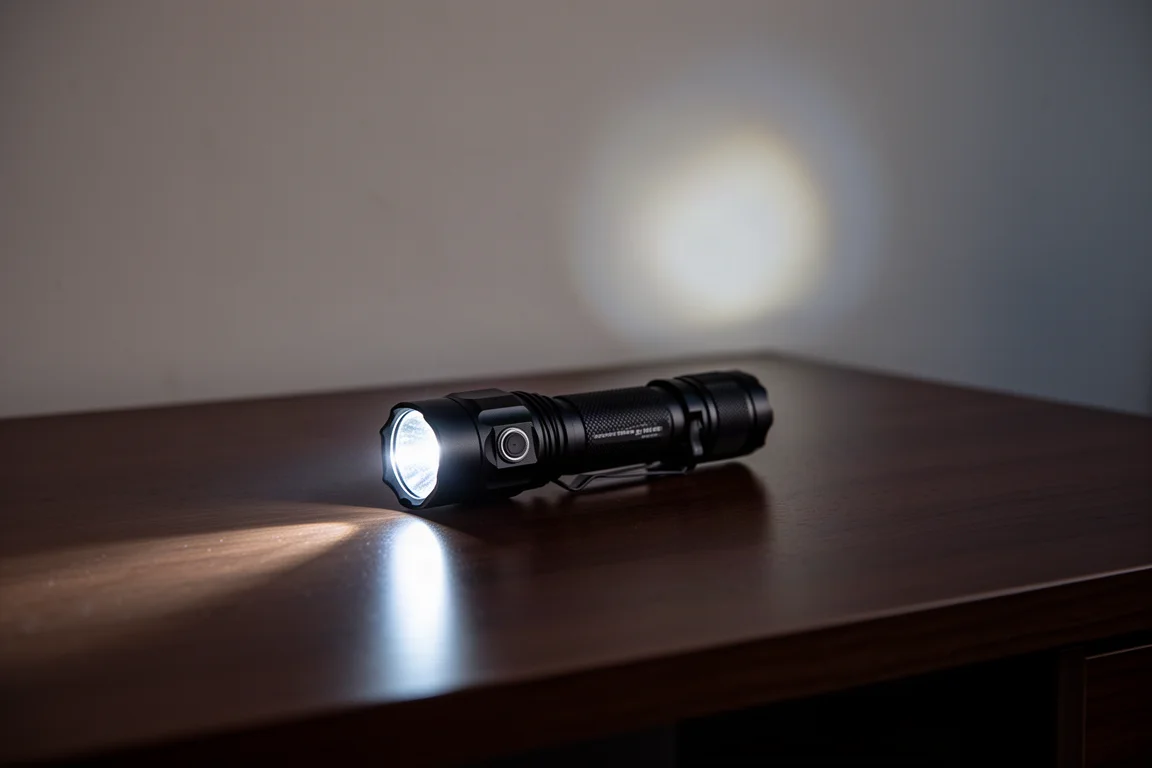
At close range on a flat surface, the M2R Warrior Pro holds its hotspot more cleanly when the light is raised, while the Warrior 3’s hotspot can appear slightly blown out up close before forming at distance. On paper and in use, the two beams are otherwise very similar.
Heat and Turbo Performance
A three-minute turbo test showed the Warrior 3 stepping down from 2,300 lumens on schedule, confirming the claimed 2.5 minutes of full turbo before dropping to 800 lumens. After three minutes, the head measured around 98 degrees and the body around 86 degrees. Under 100 degrees means the light stays completely manageable with bare hands, and it runs remarkably cool for its output class.
Real-World Beam Test
In outdoor testing at roughly 40 feet, the Warrior 3 throws a defined, well-shaped hotspot with strong corona, holding trees in clear view. At around 150 feet, all modes above low reach the far tree line without difficulty.
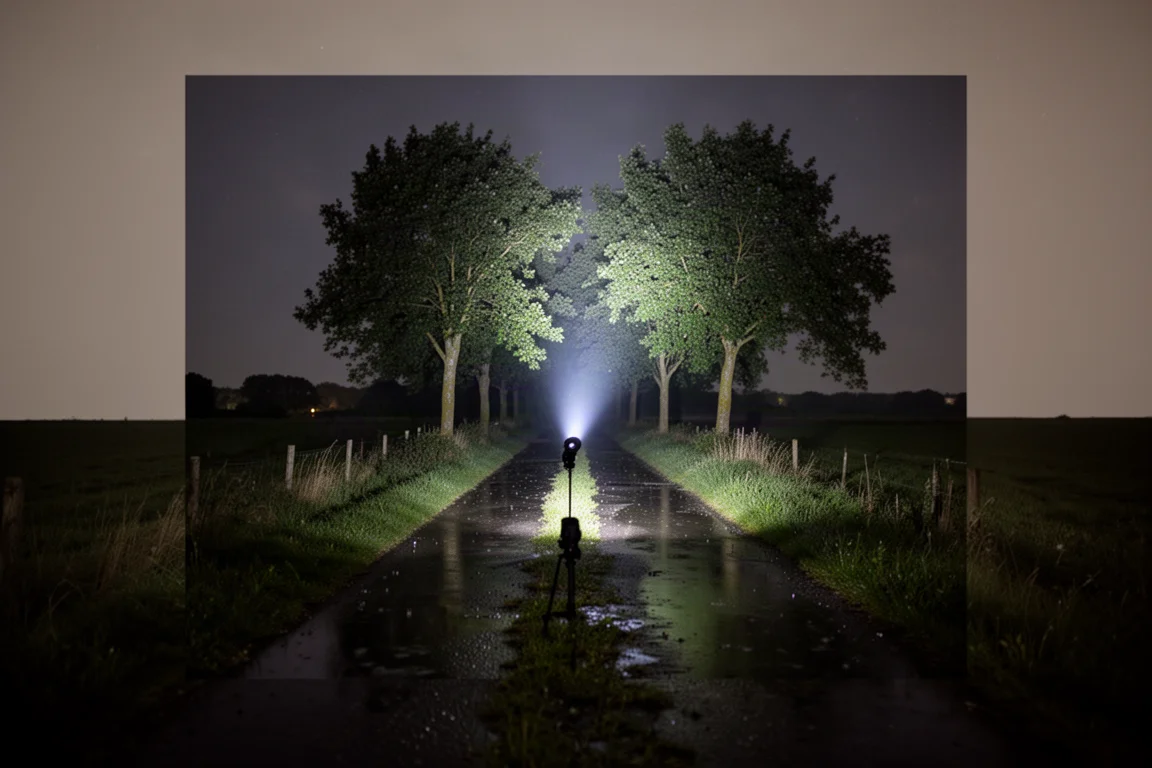
Compared side by side at the same distance on turbo, the two lights produce nearly identical beam profiles. The Warrior 3 appears to have a slightly larger hotspot, and the color temperature difference is the most obvious distinction. Even so, viewed side by side, the naked-eye difference in brightness is genuinely hard to detect.
Should You Buy the Warrior 3?
For anyone choosing between the two, the Warrior 3 is the better buy. It keeps everything that made the M2R Warrior Pro a favorite: the same weight, the same build quality, the same striking bezel, the same 300-meter throw. It adds 500 lumens, 600 candela, a flat side switch with battery and mode indicators, a cleaner single-medium interface, and a new tail cap ready for a remote switch.
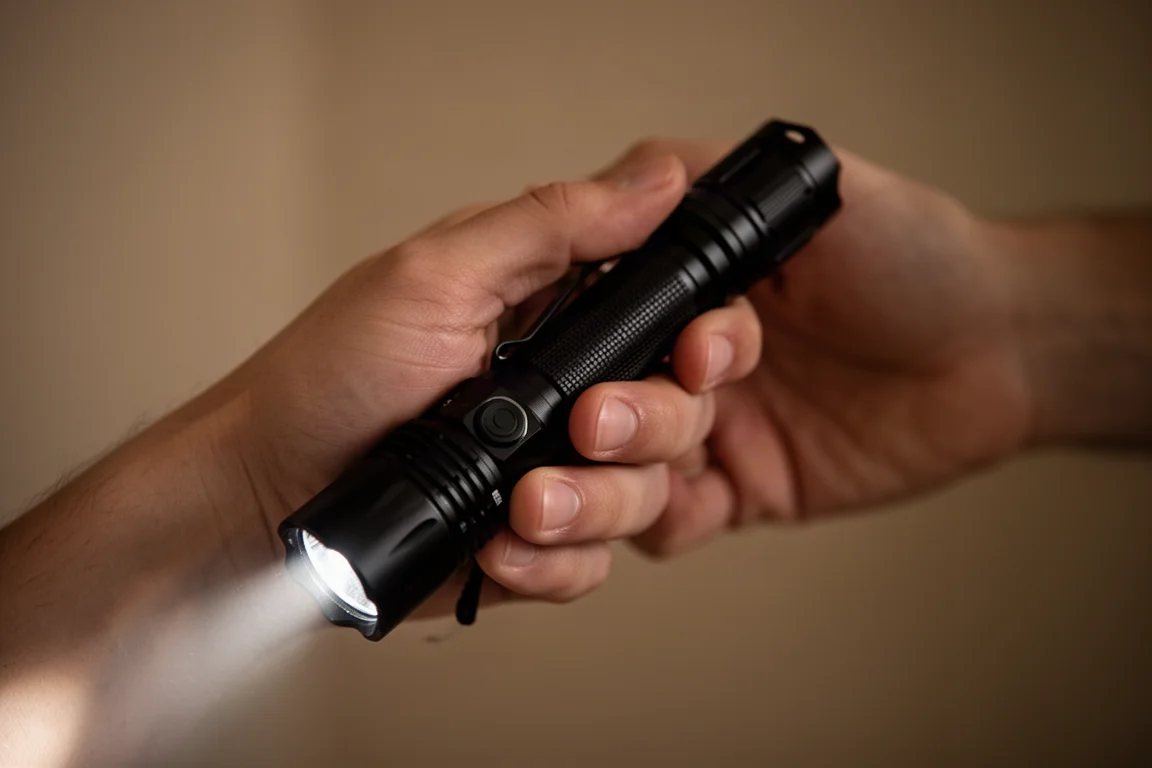
The only real trade-offs are the slightly longer body and the cooler beam color, which some users may prefer less than the warmer older beam. For existing M2R Warrior Pro owners, the upgrade is optional rather than essential, but for new buyers the Warrior 3 is the clear pick.
Conclusion
The Warrior 3 refines an already excellent tactical flashlight rather than reinventing it. Higher output, a smarter side switch, remote-switch support, and a cleaner mode structure make it easy to recommend over its predecessor, and buyers who time a sale period can find it at a meaningful discount before it returns to full price.
Product link
View more details for Olight Warrior 3
This product is mentioned in the review. Check the specifications, options, and compatibility before buying.
View more details for Olight Warrior 3Further reading
Related Reviews
Flashlights
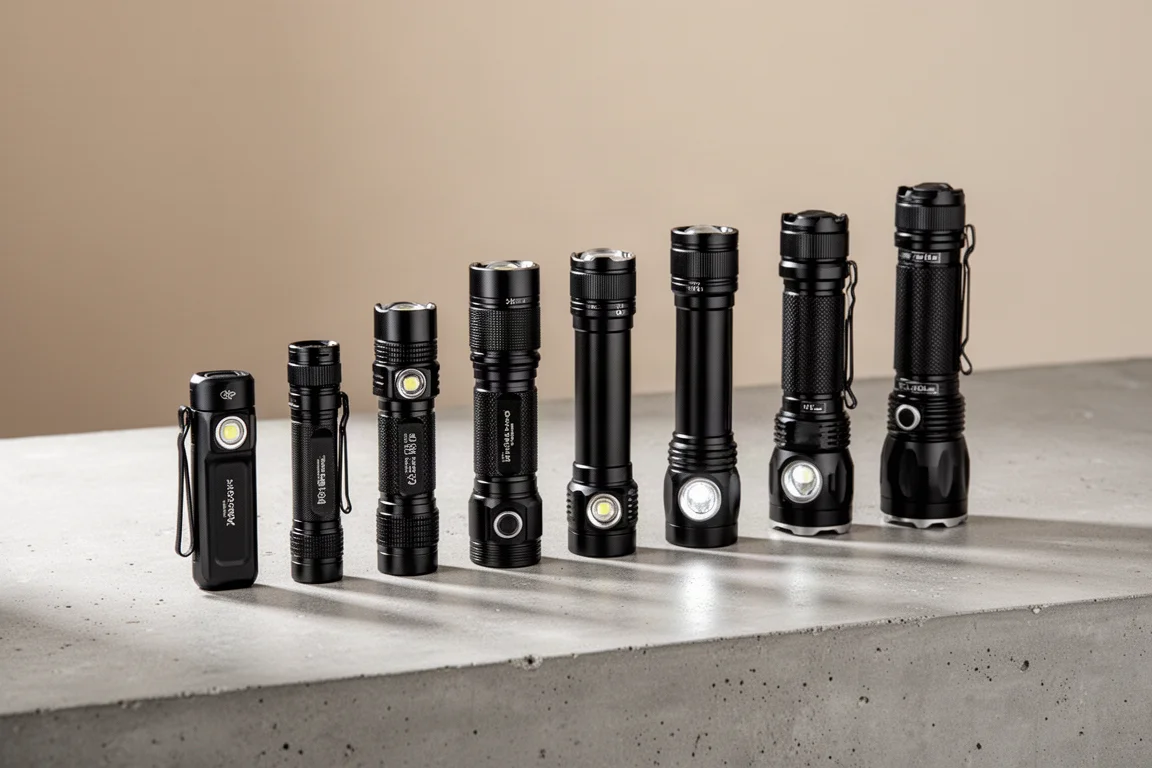
Best Flashlights 2026: Brightness, Battery, and Value Compared
We tested 18 flashlights across a wide price range to find the best performers in brightness, battery life, and durability.
Flashlights
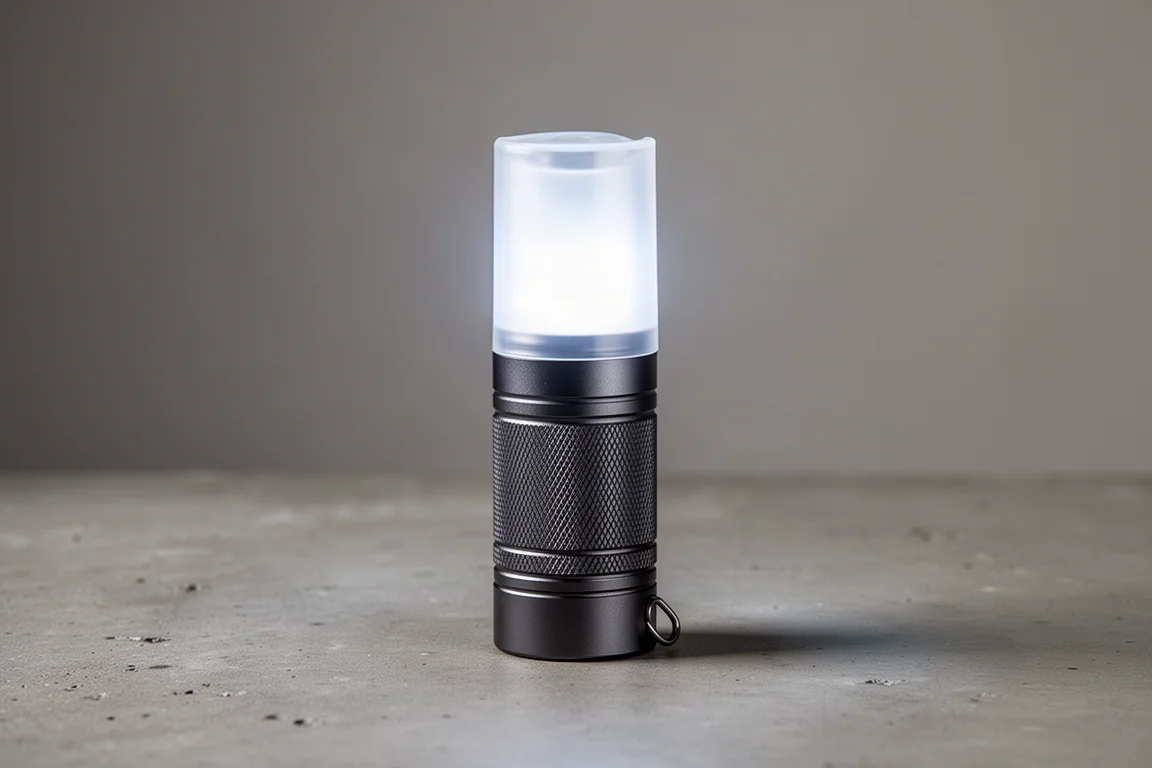
Nitecore LA10 Review: A Tiny 2-in-1 Lantern That Nails the Basics
The Nitecore LA10 pairs a pocket-sized lantern with a single AA battery, a magnetic tail cap and a five-year warranty. Here is where it shines and where it struggles.
Flashlights
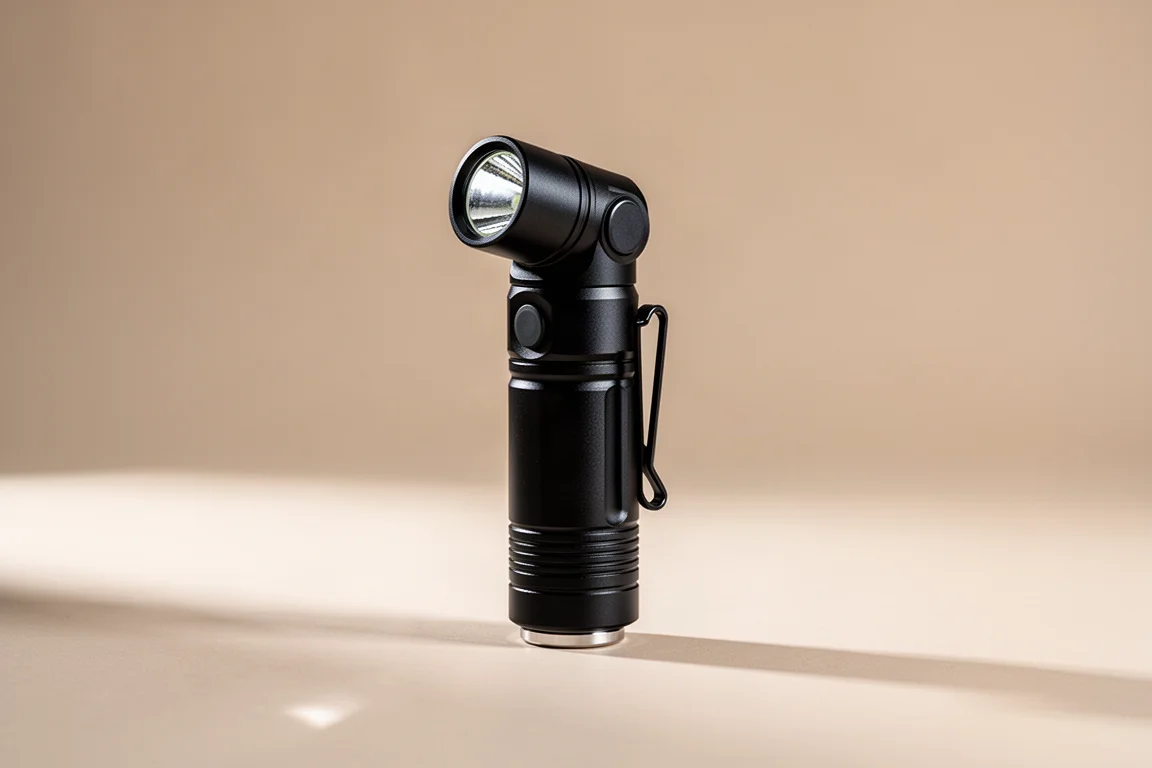
Wuben G5 Review: A Compact Everyday Carry Flashlight
The Wuben G5 is a small, rechargeable flashlight with a pivoting head, magnetic base, and color modes. Here is how it performs as an everyday carry light.