Flashlights & EDC
Olight Picks Worth a Look: Five Lights and Chargers We Actually Use
From the pocketable Warrior Mini 2 to the surprisingly versatile Nightour table lamp, here is what stands out in Olight's current lineup, and what to skip.
Introduction
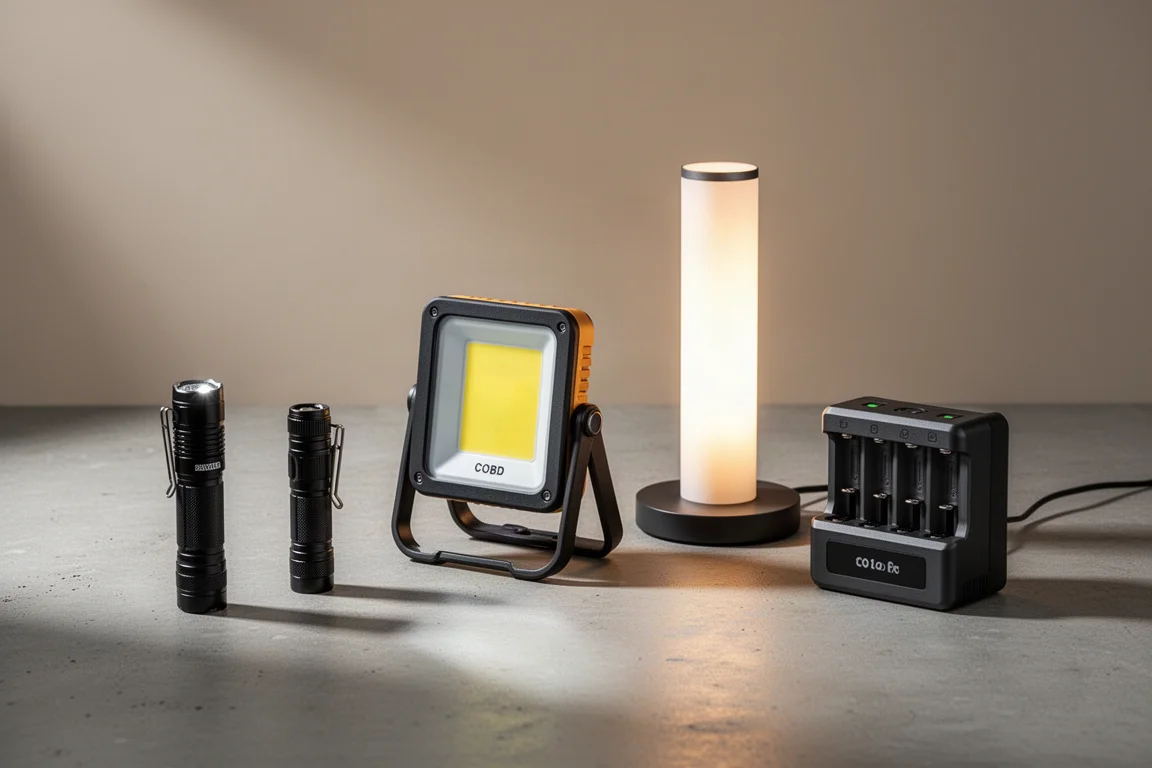
Olight’s catalog can feel overwhelming, so we narrowed it down to five products that came up repeatedly as genuinely useful, plus one that is worth some caution. This list reflects real-world use: what lives in a pocket, what sits in a truck, and what ended up being used far more often than expected.
Olight Warrior Mini 2
The Warrior Mini 2 is a pocket flashlight that keeps earning praise for a reason. It is compact enough to carry every day yet still delivers serious output, and it feels built to the standard you expect from the brand. If you want one light that covers daily carry, household tasks, and the occasional late-night walk, this is the safest bet on the list.
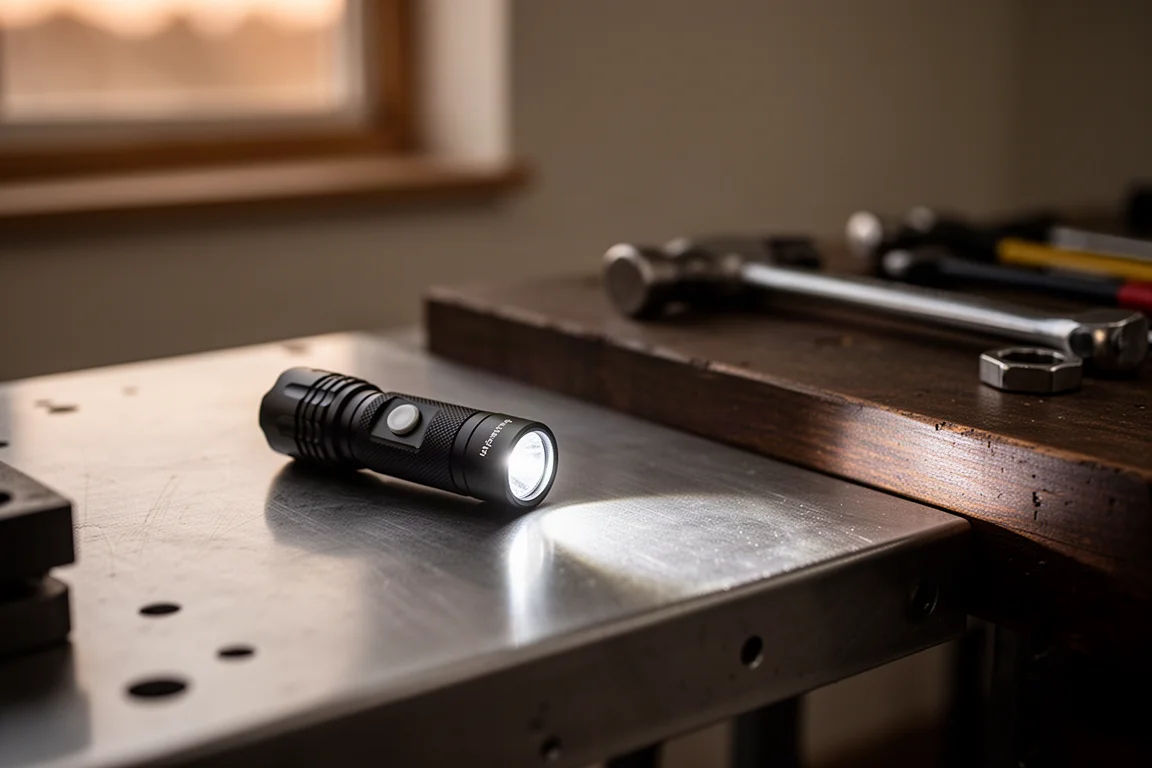
It is the kind of light you buy once and stop thinking about, which is exactly what most people want from an EDC flashlight.
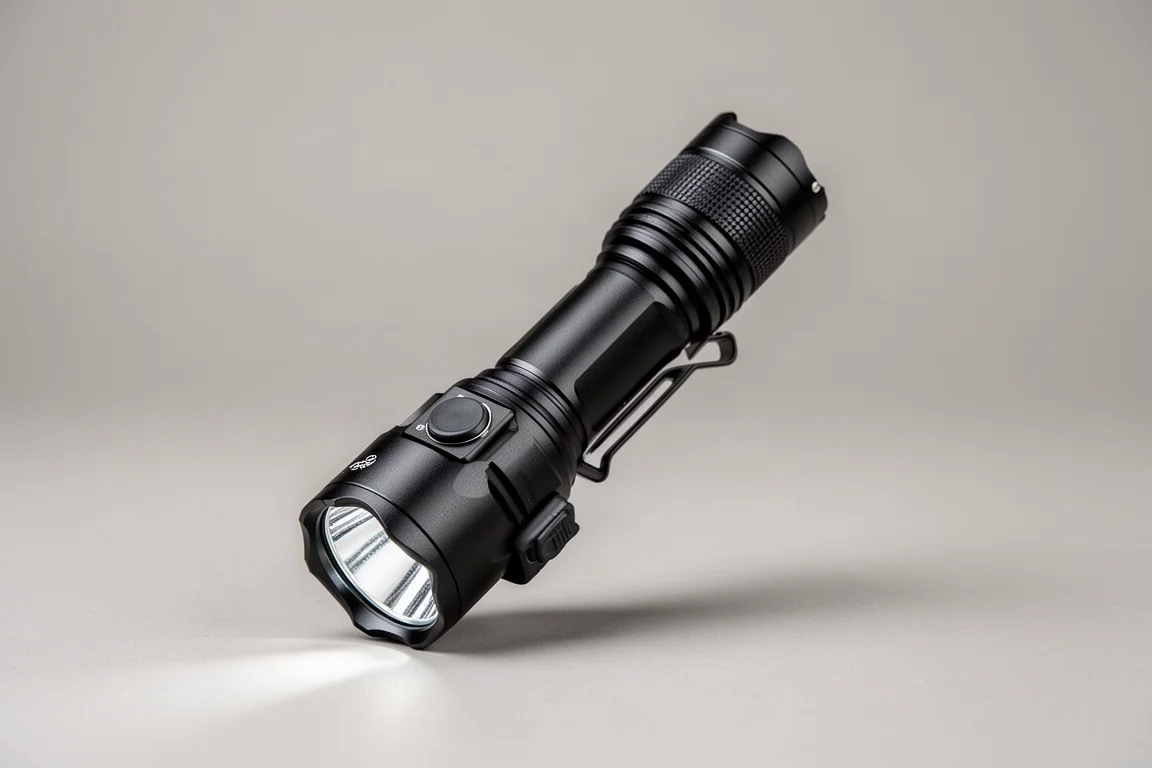
Olight Baton 3
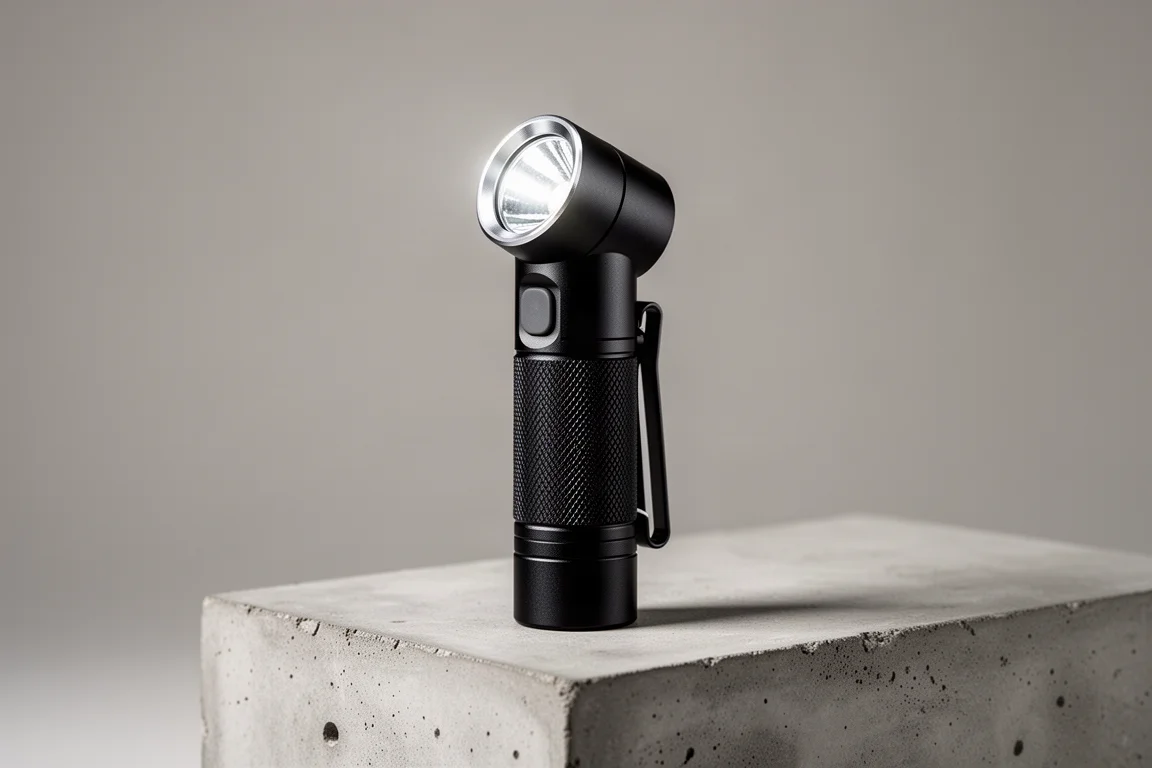
The Baton 3 remains a long-time favorite, essentially a half-size version of the Warrior with very little lost in the process. It fits easily in a pocket, stays genuinely bright, and includes a double-reverse pocket clip that lets you carry it conventionally or clip it to a ball cap to use as an improvised headlamp.
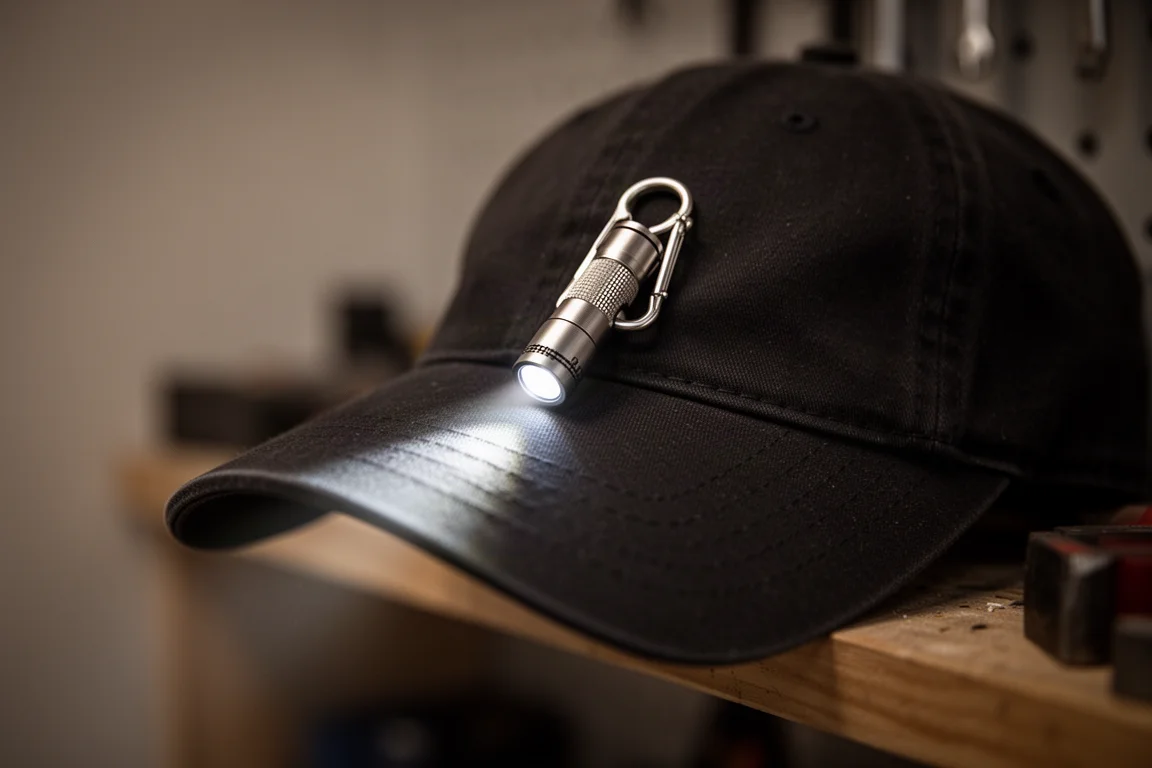
The charger bundle version is especially practical. It plugs in via USB-C, and when unplugged, the small battery-bank base it sits in keeps it topped up indefinitely, which makes it an ideal glovebox or truck flashlight. It is a great deal and one of the easiest recommendations in the lineup.
Olight Swivel Rechargeable COB Work Light
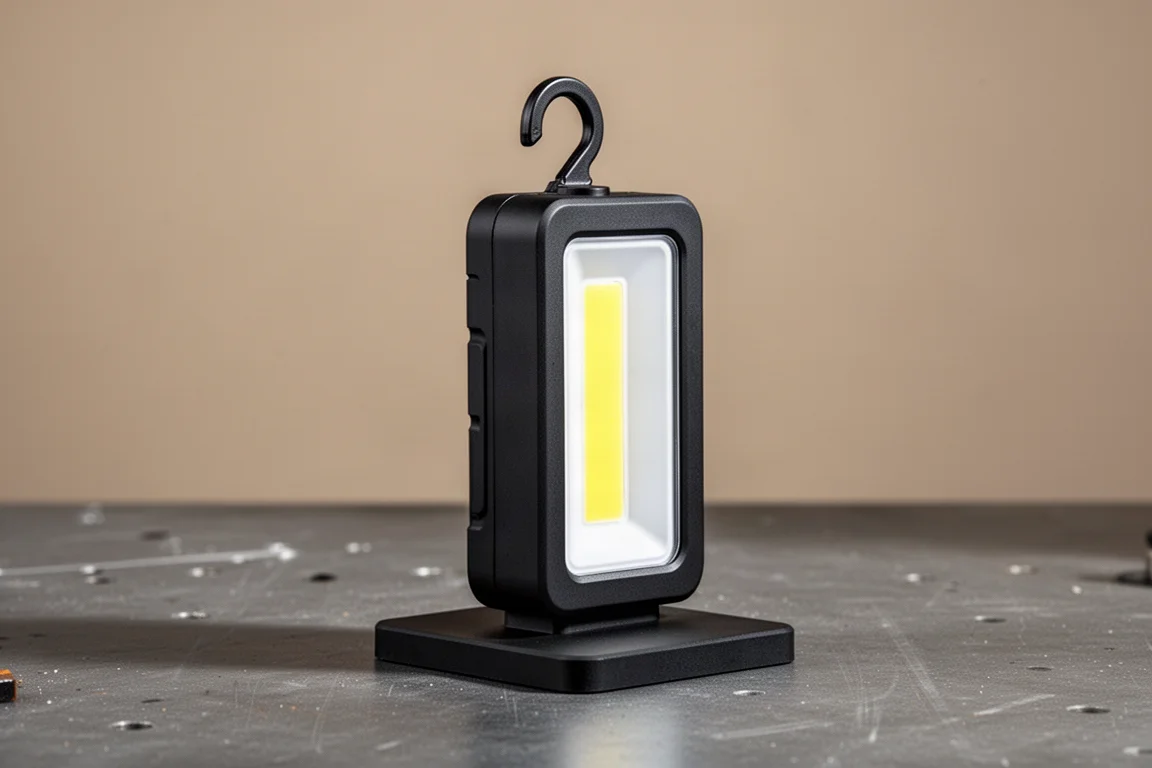
The Swivel rechargeable COB work light is a decent light, but it deserves an honest caveat. The same product appears to be sold elsewhere under other names, often at a lower price, and it does not carry the typical Olight design and quality feel. The price has come down to around $30, which makes it more reasonable, but it is still worth comparing before you buy.
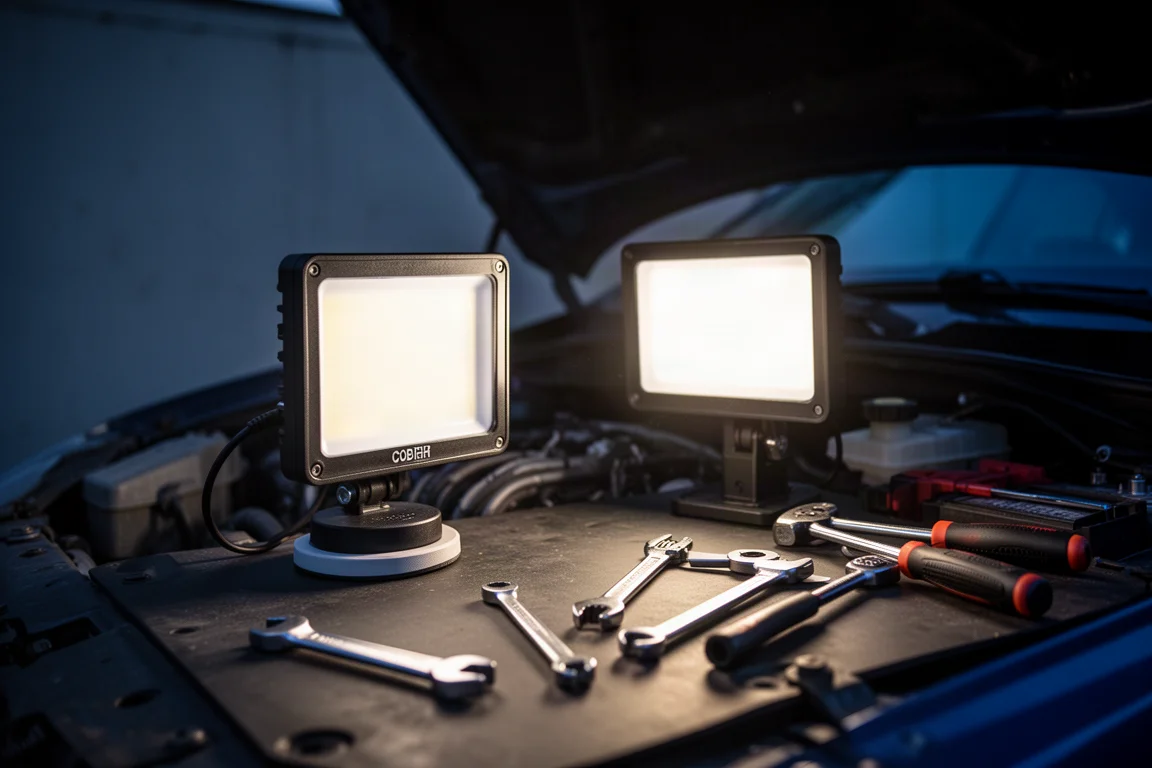
If you like the form factor, it works fine as a shop or task light. Just know it is the least distinctive item on this list.
Olight Nightour LED Table Lamp
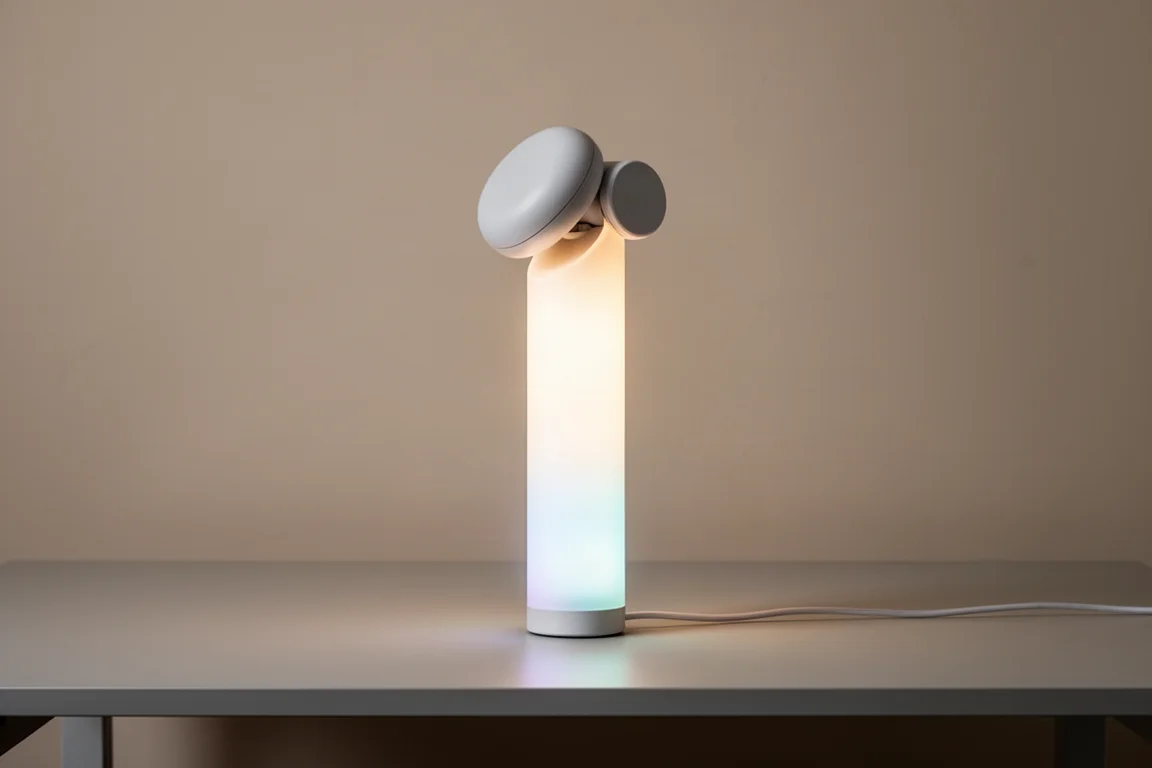
The Nightour LED table lamp is the oddball here. The column of the lamp features color-changing LEDs, and it also produces a soft white ambient room light. The lamp head pivots for directional light, though the fixed base limits adjustability, and there is no flexible neck.
The surprising part is that the lamp head pops off magnetically. Shake it to turn it on, shake it again to turn it off, and you get a smooth, no-hot-spot circle of light. In practice it gets used less as a desk lamp and more as a grab-and-go light for finding things under the couch, digging splinters out, or searching a dark drawer. It is genuinely convenient, though at around $100 it is a harder sell unless you want a stylish signature desk lamp first and a portable light second.
Olight Four-Port Charger
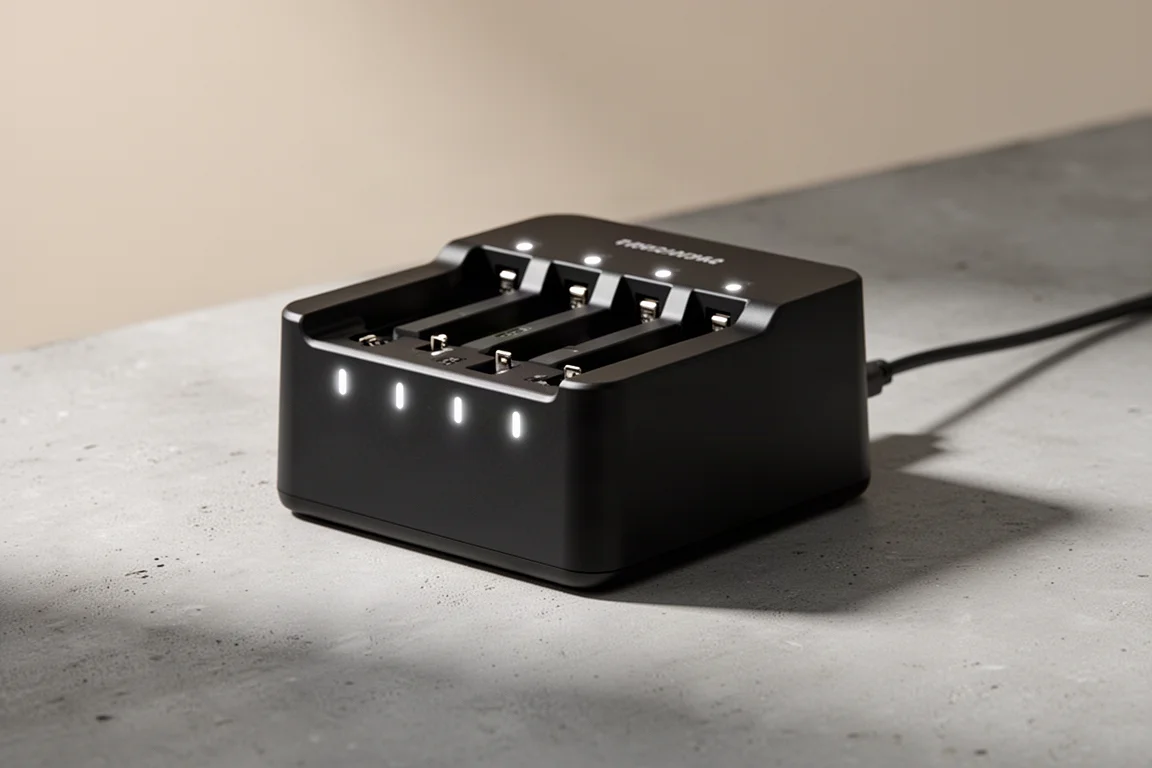
The four-port charger is a simple, strong recommendation for anyone who already owns multiple lights. Keeping a whole family of flashlights charged in one place removes the usual friction of dead batteries and scattered cables, and it is described simply as fantastic by the people who use it daily.
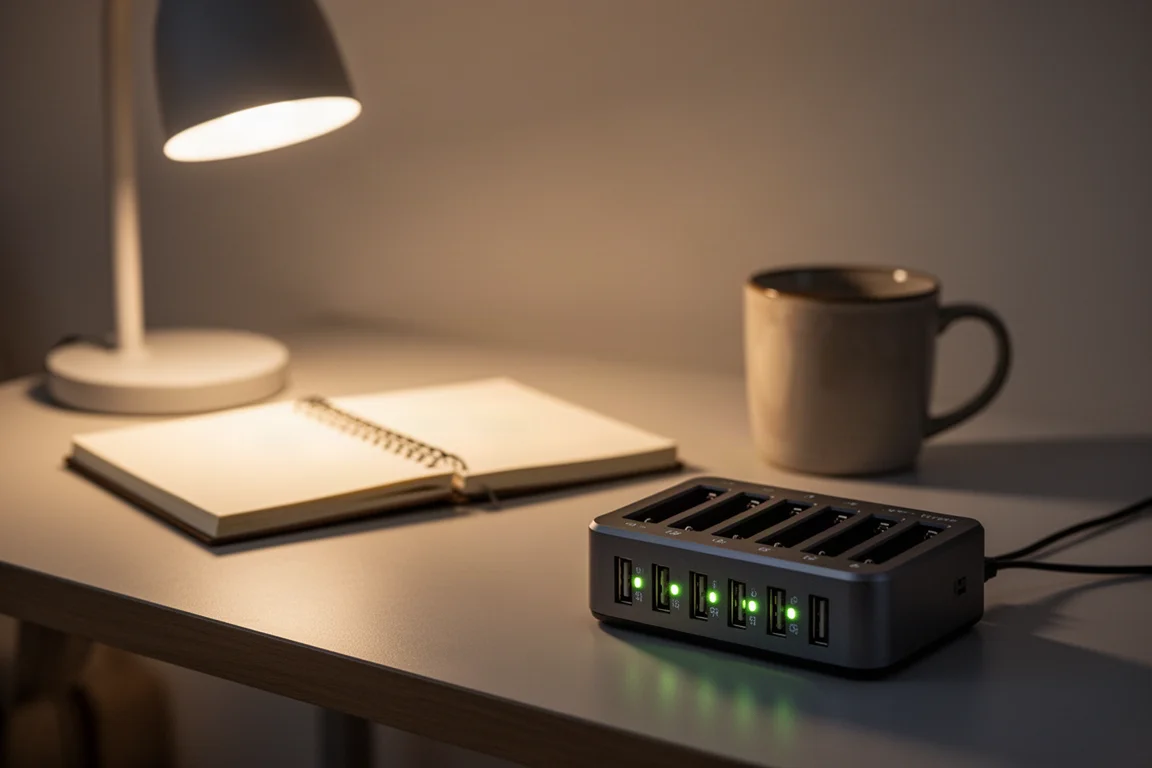
If you are buying more than one Olight, this is the accessory that makes the whole setup easier to live with.
Buying Advice
For most buyers, the Warrior Mini 2 and the Baton 3 are the core picks: one for serious everyday carry, one for maximum pocketability. The four-port charger makes sense as an add-on the moment you own two or more lights. The Nightour is a personality purchase, best suited to someone who wants a design piece that doubles as a portable light. The Swivel work light is fine at its reduced price, but comparison shopping first is the smart move.
Conclusion
Most of this lineup is easy to recommend, with the Warrior Mini 2 and Baton 3 leading the pack and the charger quietly making everything else better. The lamp and the work light are the two to think about carefully: one is a stylistic gamble, the other available cheaper elsewhere. Match the pick to your actual use case and you will not go far wrong.
Further reading
Related Reviews
Flashlights & EDC
Best Olight Sale Picks: Five Lights and Tools Worth a Look
From a 4,600-lumen carry light to a titanium pry tool with a hidden bit driver, these are the standout picks from the current Olight sale.
Flashlights & EDC
Olight 15th Anniversary Sale: The Best Picks Worth Grabbing
A new copper Warrior Mini 2, a surprisingly excellent knife, and a free high-CRI keychain light make this sale one to watch.
Flashlights & EDC
Olight Arkfeld Pro: The Flat EDC Flashlight That Does Green Laser and UV Too
A slim flat carry light with up to 1,300 lumens, a strong green laser, 365nm UV, and a moonlight mode with up to 11 days of runtime.