Everyday Carry
New Olight Flashlights and Roxon Multi-Tools Worth a Look
A closer look at the Roxon K2S aluminum-handle multi-tool and three Olight flashlights: the Odin S, the Prowess, and the Seeker 4, with real strengths and trade-offs for each.
Introduction
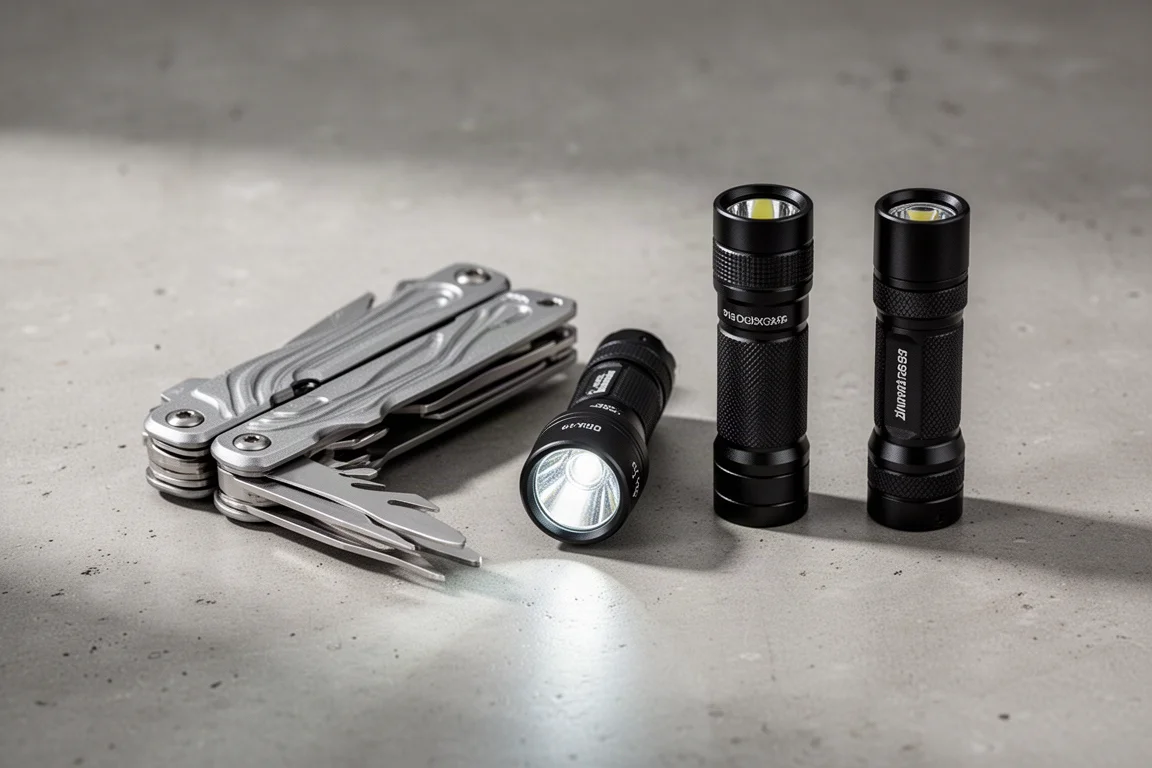
A fresh batch of new flashlights and multi-tool variants has arrived, and there is a fair bit worth sorting through here. One multi-tool gets a material swap at a genuinely low sale price, and three lights in the Olight range each take a different approach to output, battery, and charging. Some of these are easy recommendations; others come with quirks you should know about before spending money.
One practical note up front: current sale pricing on the flashlights is only visible if you create an account and log in, which is a newer purchasing process. Sale prices mentioned here may only last a few days, so check availability before assuming any figure still holds.
Roxon K2S with Aluminum Handles
This one was easy to identify from the first pictures. Made by Roxon, the K2S variant swaps the G10 handles of the original for contoured aluminum, and it comes in slightly slimmer overall. During the current sale it sits at around $20, roughly $10 below the base K2S, and once the sale ends it settles at $30, matching the standard model.
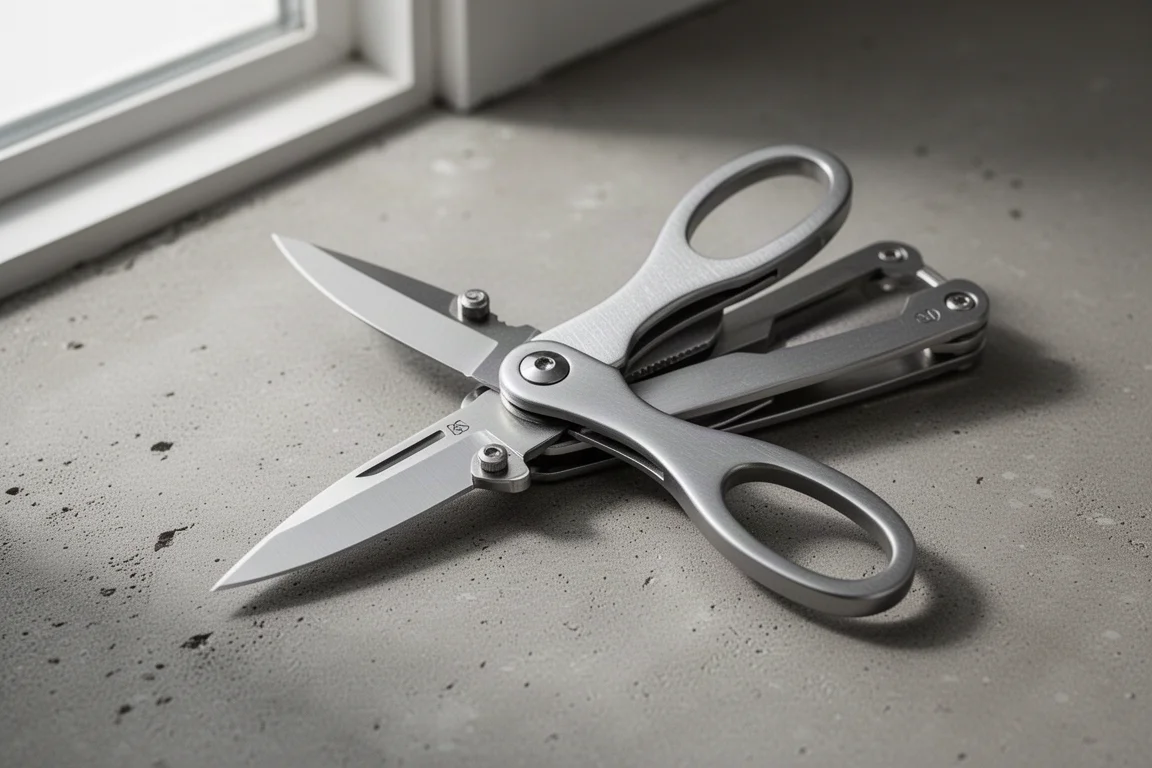
At $20 it is a very good pickup. The tool keeps the one-handed opening blade, believed to be 5Cr steel, along with an exceptionally large and capable scissor that has a tweezer tucked into the scissor arm, a saw, and liner locks throughout. The signature feature is the press-and-fan button that pops open the three internal implements: a reamer, a can and bottle opener, and a three-dimensional Phillips driver with a file, plus graduations on the back. Pressing the same button in reverse disengages the lock.
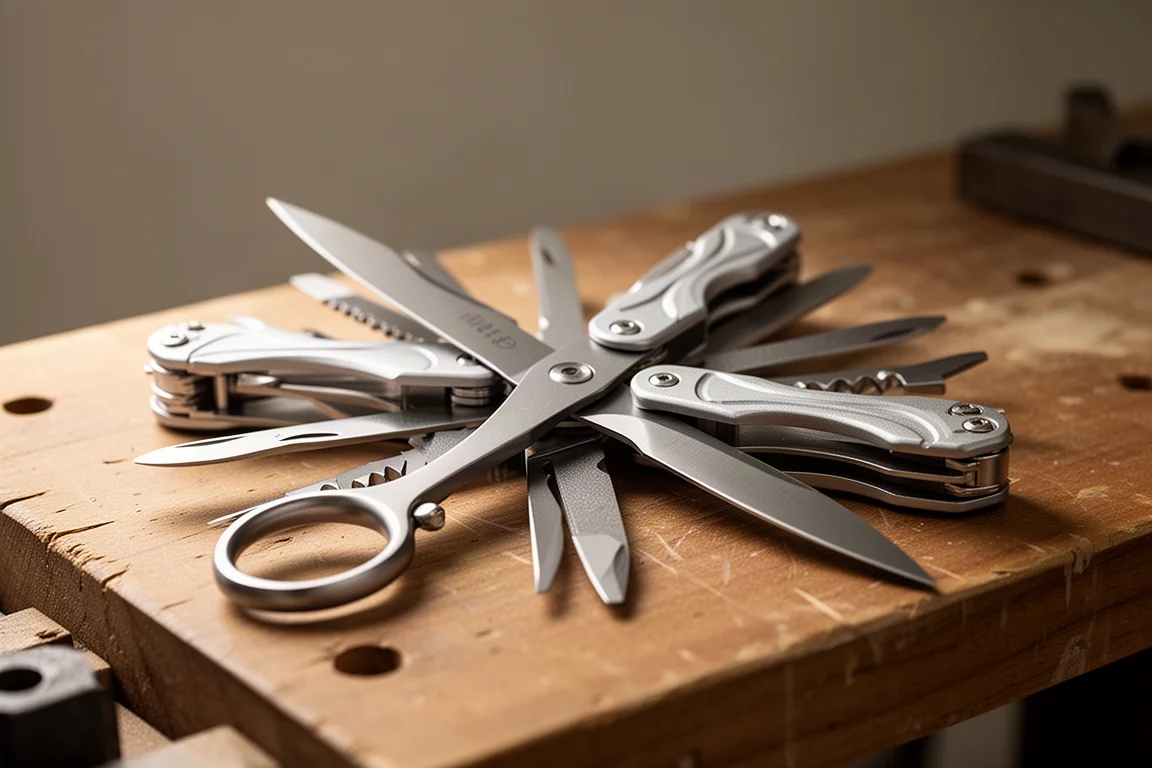
Two honest caveats. First, the aluminum handles give up some of the texture, grip, and weight feel of the G10 version. Second, the pocket clip is on the wrong side: carried in the pocket, the thumb studs sit facing inward, so you have to flip the tool to deploy the blade. It is a minor annoyance, but one that also affects the standard model, and flipping the clip over would fix it entirely.
Olight Odin S
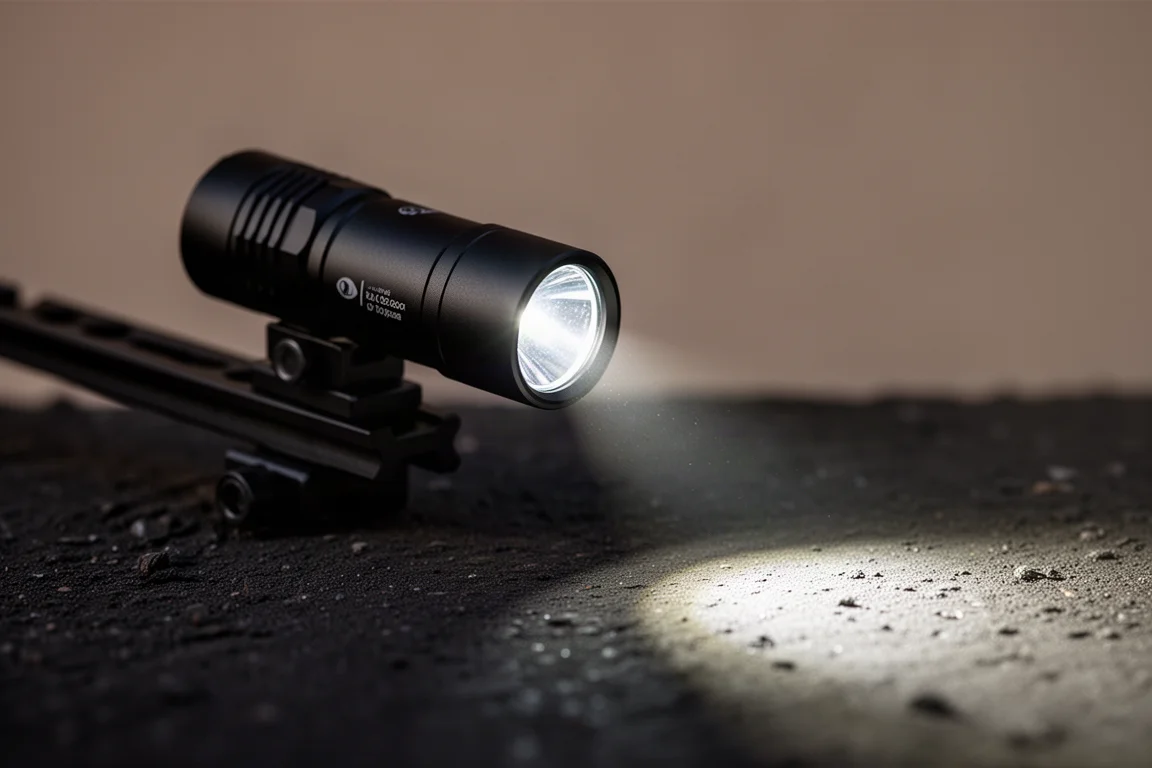
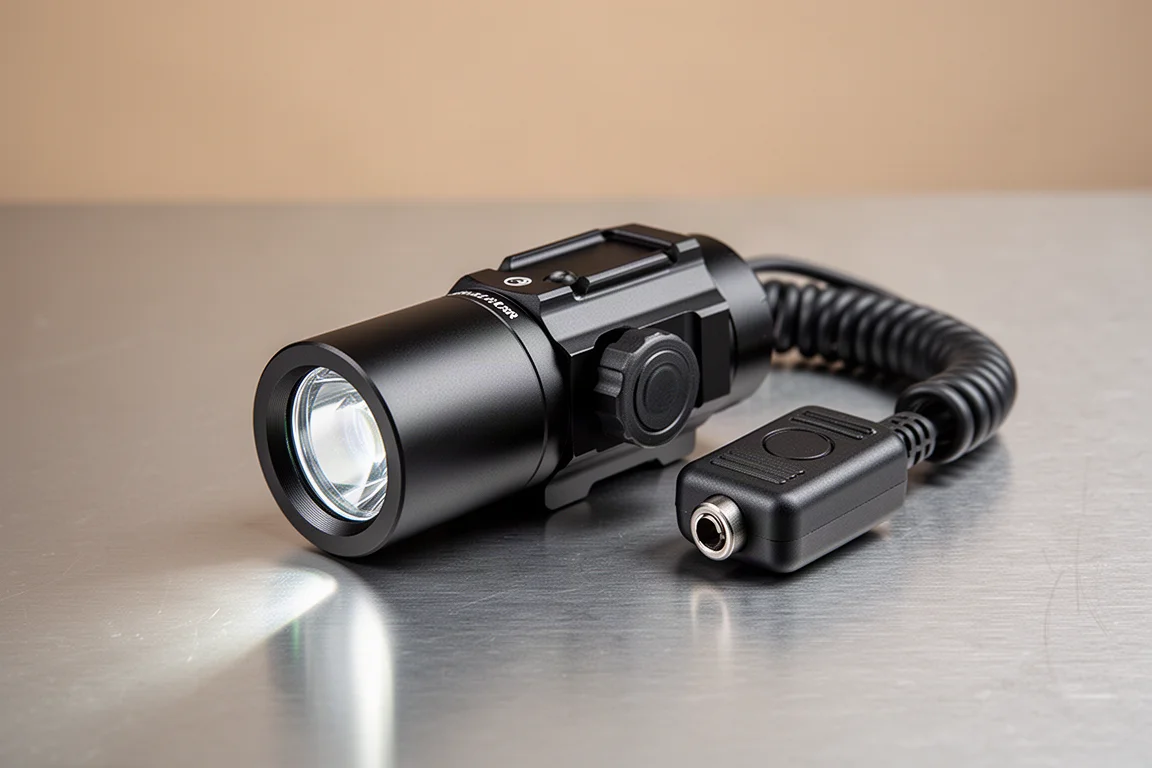
The Odin S sits between the mini and full-sized Odin, and the design choices here are interesting. It accepts either an 18650 battery or, with the included adapter kit, a pair of CR123 cells, which makes it more flexible than either of its siblings. A remote switch attaches at the back for use on a firearm platform, primarily a rifle.
Output peaks at 1,500 lumens in turbo, which runs for roughly three minutes before stepping down. A half-press brings up a lower medium mode that runs for a long stretch. That turbo runtime is the sticking point: for this type of light, sustaining the highest possible mode for as long as possible matters, and something between the current modes that could hold just under 1,500 lumens for around twenty minutes would arguably be more useful.
That said, if you want an Odin at all, this is arguably the best version of the design so far. The battery configuration is more adaptable than the larger Odin and lighter with better battery versatility than the mini. As a kit on sale, it is a good deal; at full price, it is worth comparing against the smaller pistol lights in the same range, some of which run at lower lumens but sustain them for far longer.
Olight Prowess
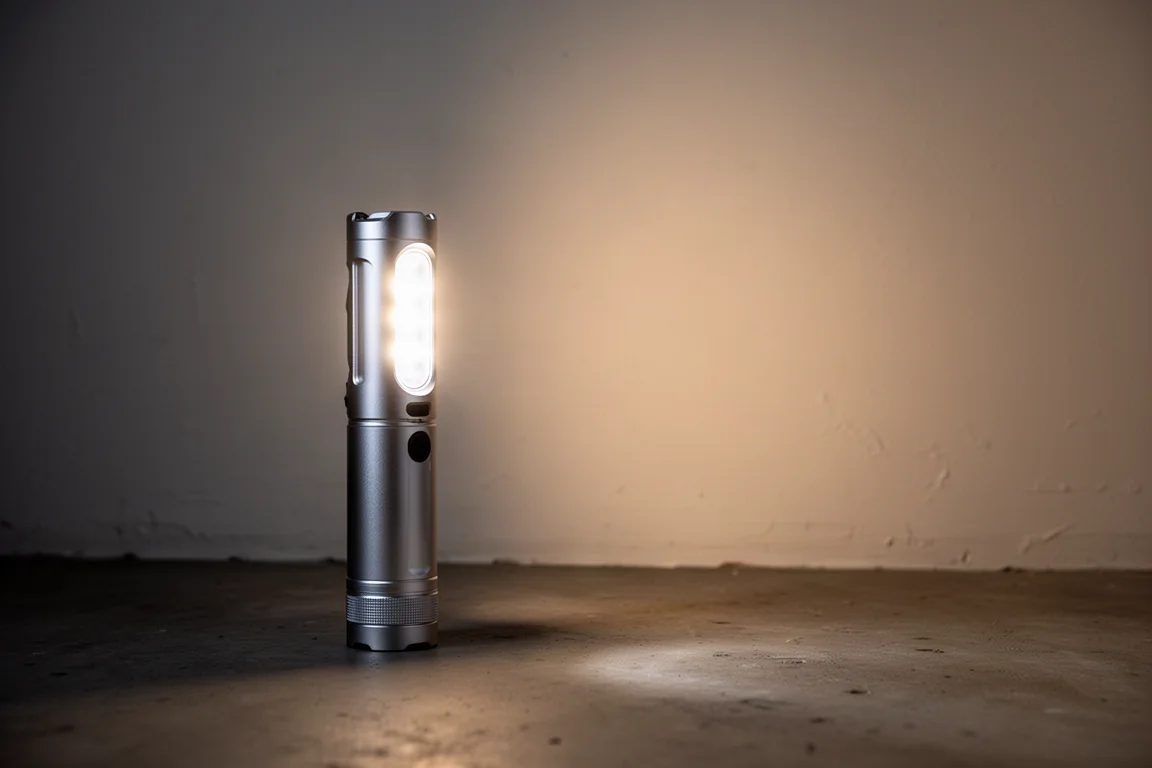
The Prowess is the most interesting design of the group and one of the most versatile lights in a long time. It pairs a full 360-degree side lamp rated up to 800 lumens with a front emitter that reaches up to 5,000 lumens, all on the familiar interface: full press for moonlight, double press for turbo, triple press for strobe, and single press cycles low, medium, and high from the memorized mode. Note that low is not the same as moonlight.
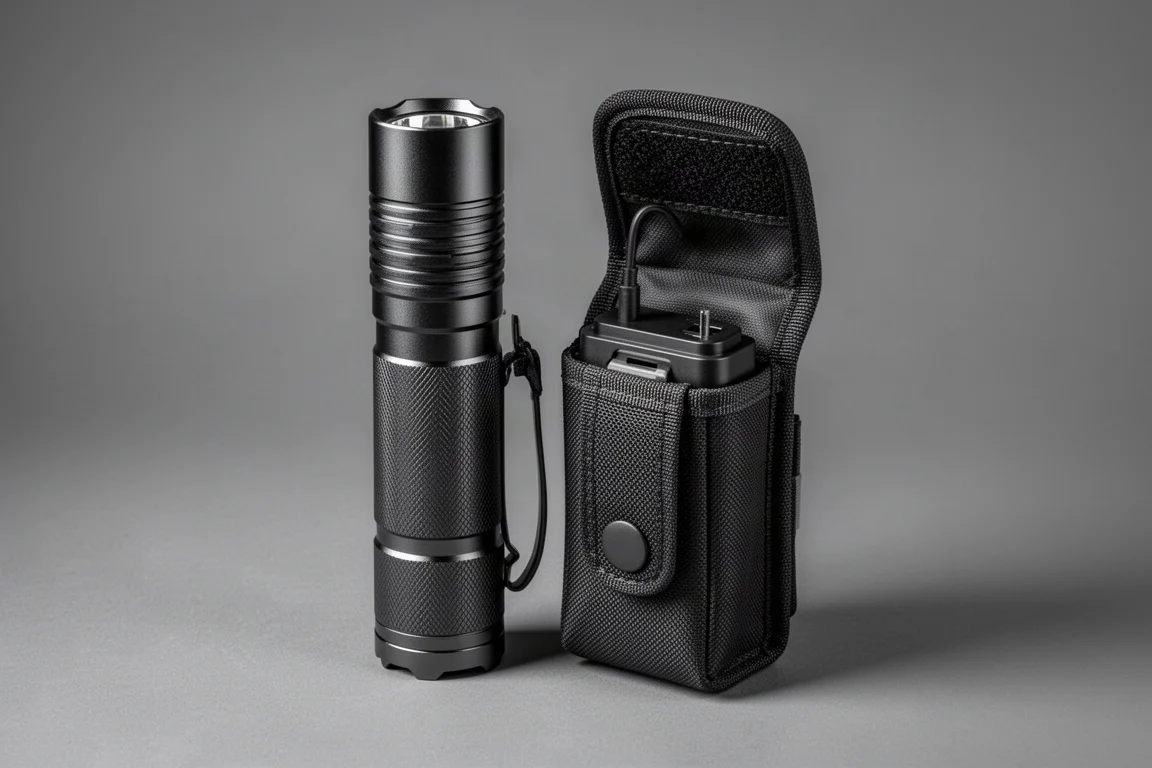
The side lamp runs at 800 lumens for around twenty minutes before stepping down, with much longer runtimes on lower modes. It comes with a holster that includes a sleeve for wall or car mounting, and the warm side light is genuinely easy on the eyes.
There are real trade-offs, though. The warm emitters are not high CRI, which feels like a missed opportunity given how much nicer high CRI light is to work under. The charging system is the bigger complaint: the light charges through a Type-C cap that you need to keep attached, but with the cap on, the light will not fit the included holster, and no charging cable comes in the box. If you lose the cap and have no cable, you cannot charge the light at all. If this is your first light of this kind, buy at least one spare charger. The cap also does not quite fit the Seeker 4 body or work with existing holsters designed for the Seeker 4 Pro, which already has a built-in Type-C port in its holster, even though a shared design would clearly have been possible.
Olight Seeker 4
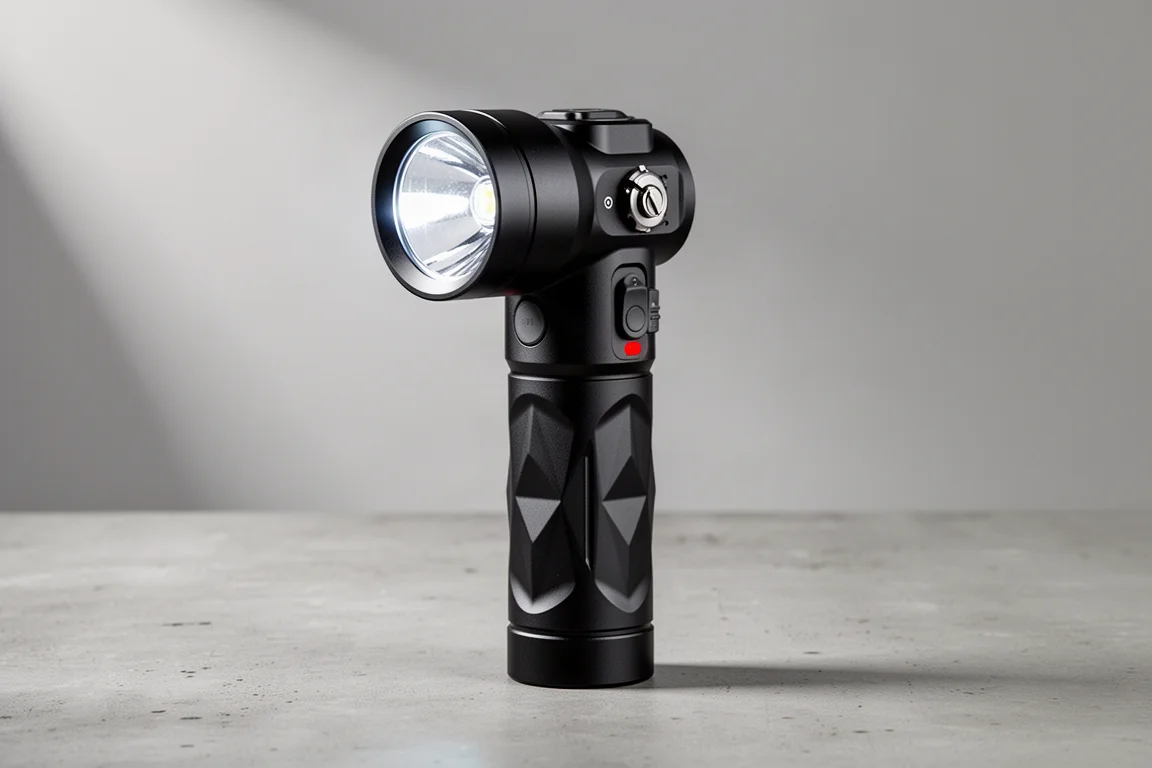
The Seeker 4 is worth mentioning mostly for what it does right: its tail cap has Type-C charging built in, which is exactly the kind of simple, sensible system the Prowess could have used from the start. The Seeker 4 also shares the same 21700 battery platform, making it a useful reference point for how integrated the range could be if the various bodies and caps were cross-compatible.
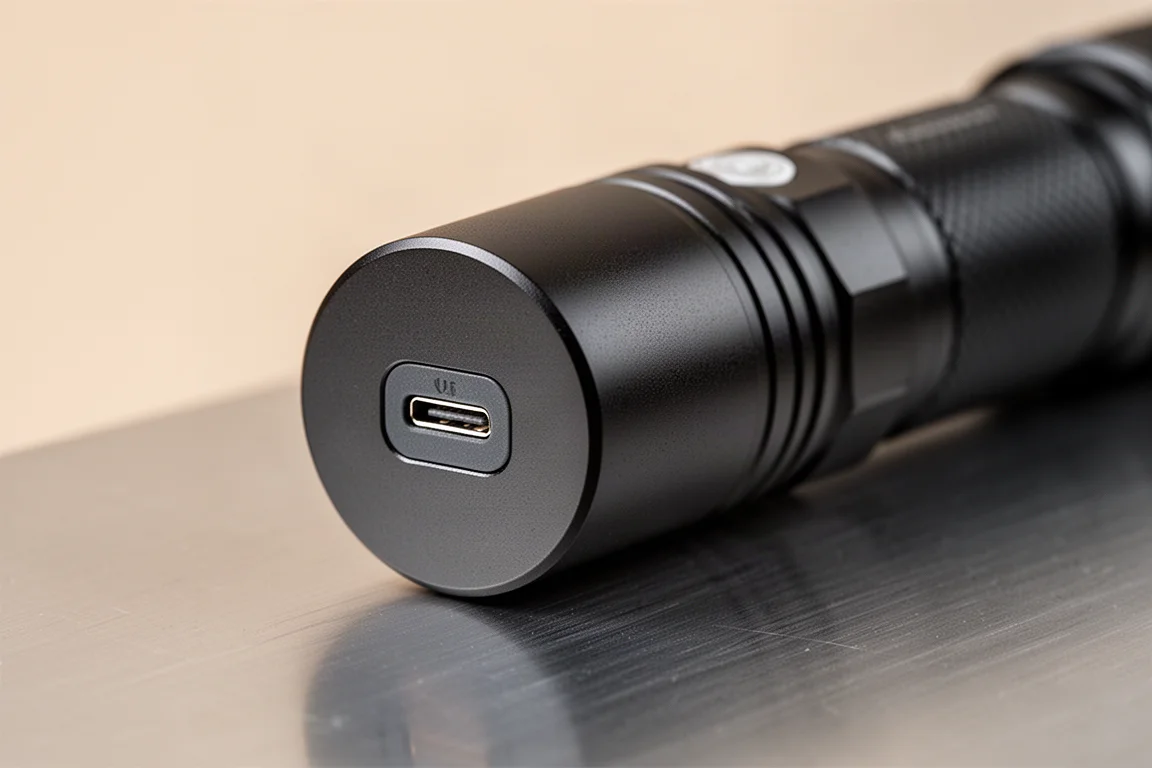
If you already own one, you likely know the value of a tail cap that just plugs in without adapters or extra pieces. For buyers deciding between these lights, the charging story should factor in more than it first appears to.
Buying Advice
For EDC on a budget, the aluminum-handle K2S at the sale price is the standout; grab it before it returns to $30, and prefer the G10 version if grip texture matters more to you than price. For a weapon light, the Odin S is the best Odin variant thanks to its dual battery support, but compare its turbo runtime honestly against smaller pistol lights first. The Prowess delivers excellent versatility, just budget for a spare charger and accept its charging quirks. Across the range, quality and customer service have remained consistent, but the account-login pricing process is new and worth knowing about ahead of time.
Conclusion
This group covers a lot of ground: a cheap and capable multi-tool, a genuinely improved weapon light, and a flashlight that pushes versatility forward while complicating charging in the process. Know which trade-offs you can live with and each of these becomes an easy decision.
Further reading
Related Reviews

Everyday Carry
Everyday Gear That Deserved a Second Look
A roundup of solid everyday carry items: watches, pens, a pencil, a knife, and a smart ring that each earned a place on the table.

Everyday Carry
KORE Tactical Bifold Wallet Review: A Durable Everyday Carry Option
A close look at the KORE Tactical Bifold Wallet, a reinforced nylon wallet with magnetic closure and room for cards, cash, and IDs.

Everyday Carry
Krabby Wallet Review: A Slim, Simple Carry That Has Stood the Test of Time
A closer look at the Krabby Wallet, a slim canvas and elastic design with a loyal following and a simple, functional approach to everyday carry.