Everyday Carry
Olight Oclip Pro S Review: A Tiny EDC Flashlight With More Tricks Up Its Sleeve
A compact, clip-on EDC light with white, UV, and RGB modes, magnetic mounting, and a simple rotating-dial interface. Here's what the Pro S adds over the original Oclip, Pro, and Ultra.
Introduction
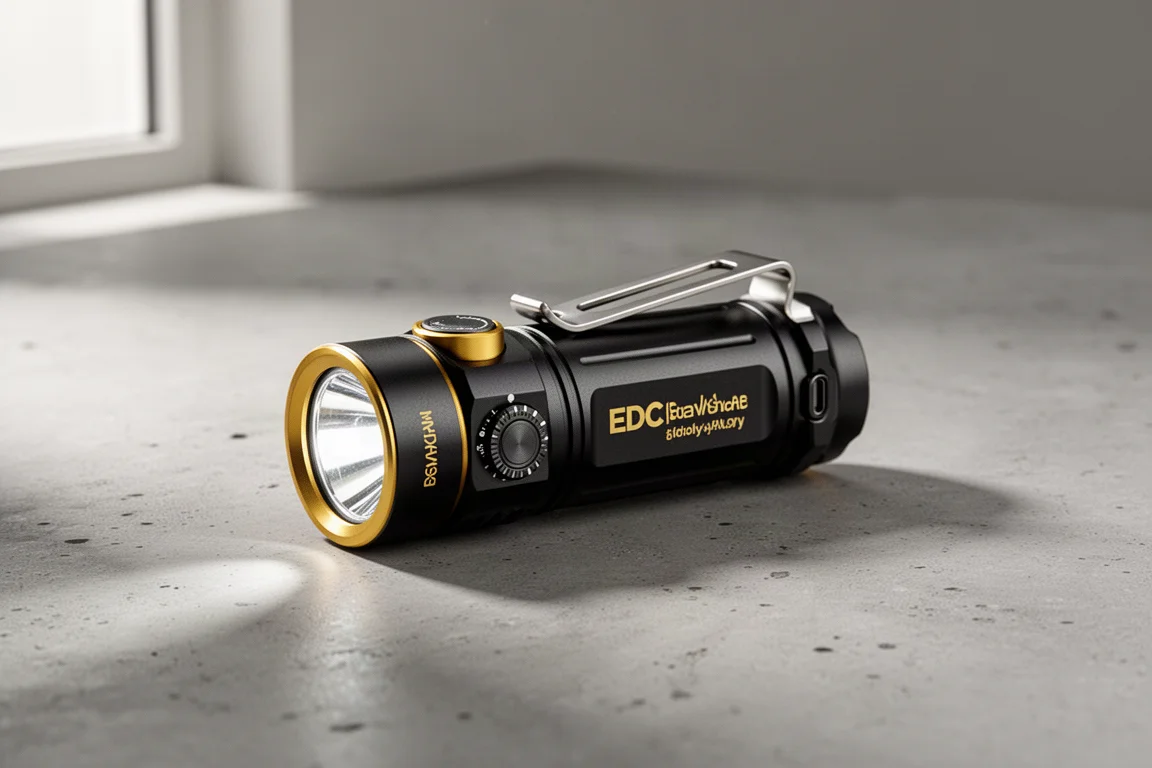
The Oclip Pro S is the newest entry in Olight’s Oclip series, a family of compact clip-on EDC flashlights that has quietly become one of the most versatile little lights in this category. It’s available in orange and black, and the black-and-gold version in particular looks sharp. On paper, it offers a maximum output of 600 lumens, a maximum throw of 80 meters, a peak intensity of 1600 candela, and up to 144 hours of runtime on moonlight.
Those are respectable numbers for something this small, but the real story is the combination of output, mounting options, and a genuinely simple interface. After spending time with it, it’s easy to see why the Oclip line has such a loyal following.
Who This Light Is For
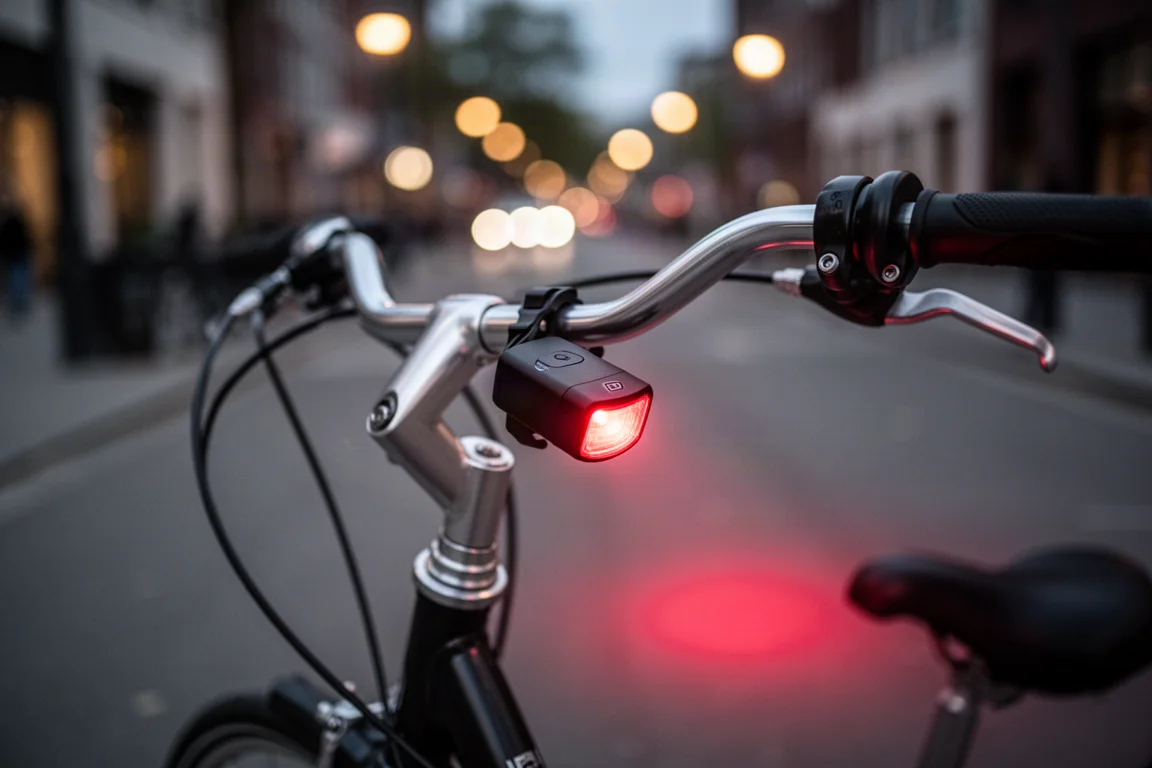
The Oclip Pro S is aimed at people who want one tiny light that can do several jobs: pocket flashlight, bike light, work light, and even a UV or signal light. If you commute by bike, the strong spring clip and red flashing mode make it one of the more convenient wear-while-riding options around.
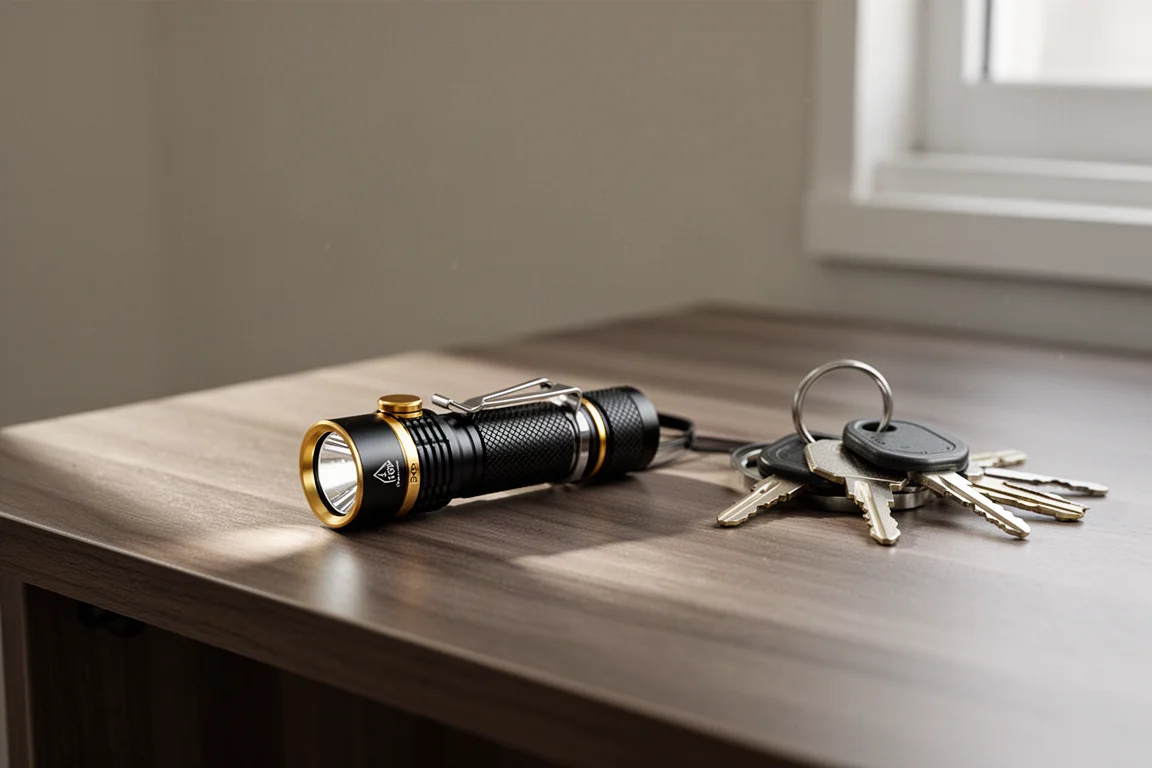
It’s also a good fit for anyone who already likes the Oclip form factor but wants more color options. Compared side by side, the Pro S is nearly identical in size to the Oclip Pro, and both remain noticeably more compact than the Oclip Ultra.
Main Strengths
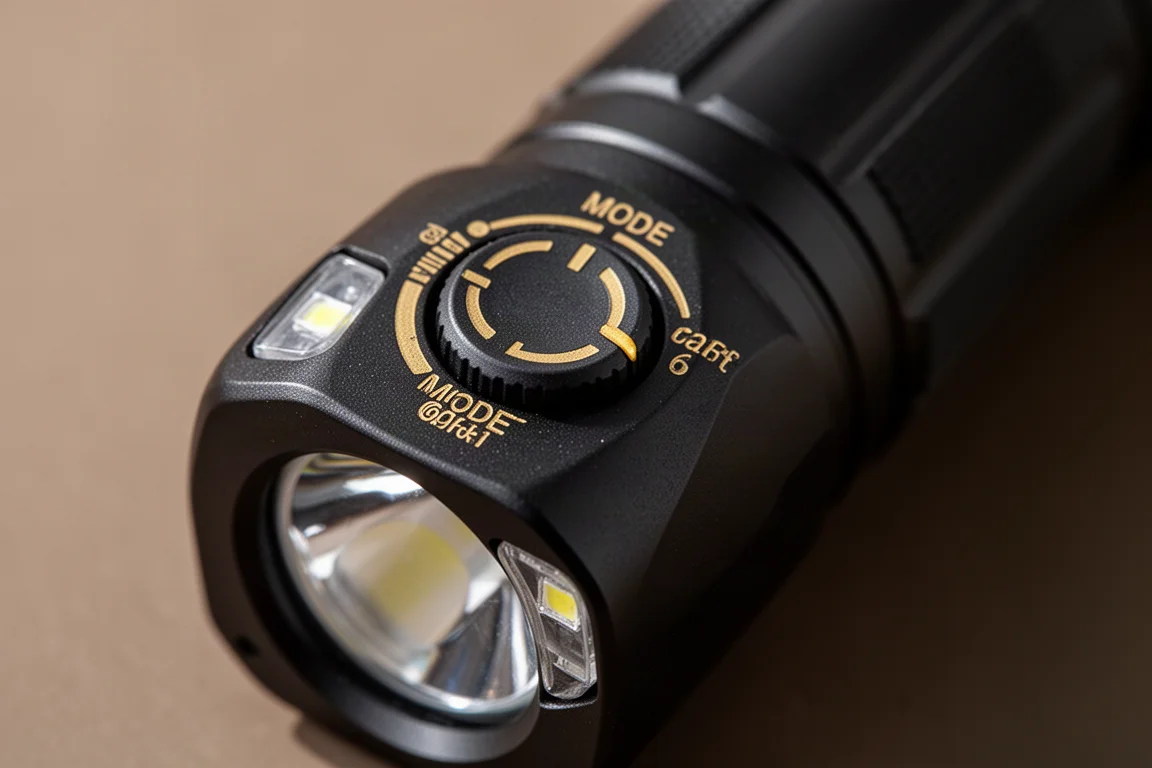
The headline feature is the three-LED front array: a white light LED with five brightness levels sits at the bottom, while a UV LED (365 nm, two brightness levels) and an RGB LED occupy the corners. The RGB LED covers red, green, and blue, each with two brightness levels, and there are special modes including strobe, beacon, and flashing modes.
Everything is controlled by a single side switch paired with a rotating dial. Straight up selects white light, left selects UV, and right selects RGB. Short press toggles on and off, press and hold cycles brightness, and double press jumps to turbo in white light mode. It’s the kind of interface you can learn in a minute and operate without thinking.
Mounting flexibility is the other big strength. The rear steel clip has confident spring tension, the body is magnetic, and there’s a lanyard attachment. Clip it to a pocket, stick it to a metal surface, or hang it. The aluminum alloy body feels premium throughout, and the IPX6 rating means it can handle high-pressure water jets from any angle, with 1.5 meters of impact resistance on top.
Inside is a 3.7 V 580 mAh battery charged over USB-C through a small plastic-covered port on the side, reaching a full charge in roughly an hour and a half. Dimensions come in at 2.24 by 1.1 by exactly 1 inch, and it weighs just 1.8 oz (52 g).
Things to Consider Before Buying
Mode memory works in most modes but not in UV, beacon, strobe, or turbo, and notably it doesn’t remember either UV brightness level. If you rely heavily on UV, that’s a small daily annoyance worth knowing about.
There’s also the question of what you give up relative to the older models. The original Oclip Pro can flood and spot, and while it has a red light, it lacks green and blue. The Oclip Ultra keeps flood and spot and adds a metal body, but offers only UV with no red, green, or blue at all. If those capabilities matter to you more than the added colors and flashing modes, the Pro S may not be a clear upgrade.
Buying Advice
If you already own the Oclip Pro, upgrading comes down to how much you value the green and blue modes, the two-level UV control, and the new flashing modes. For riders and anyone who wants a compact emergency signaling light, those flashing modes are genuinely useful and arguably the most compelling reason to move up.
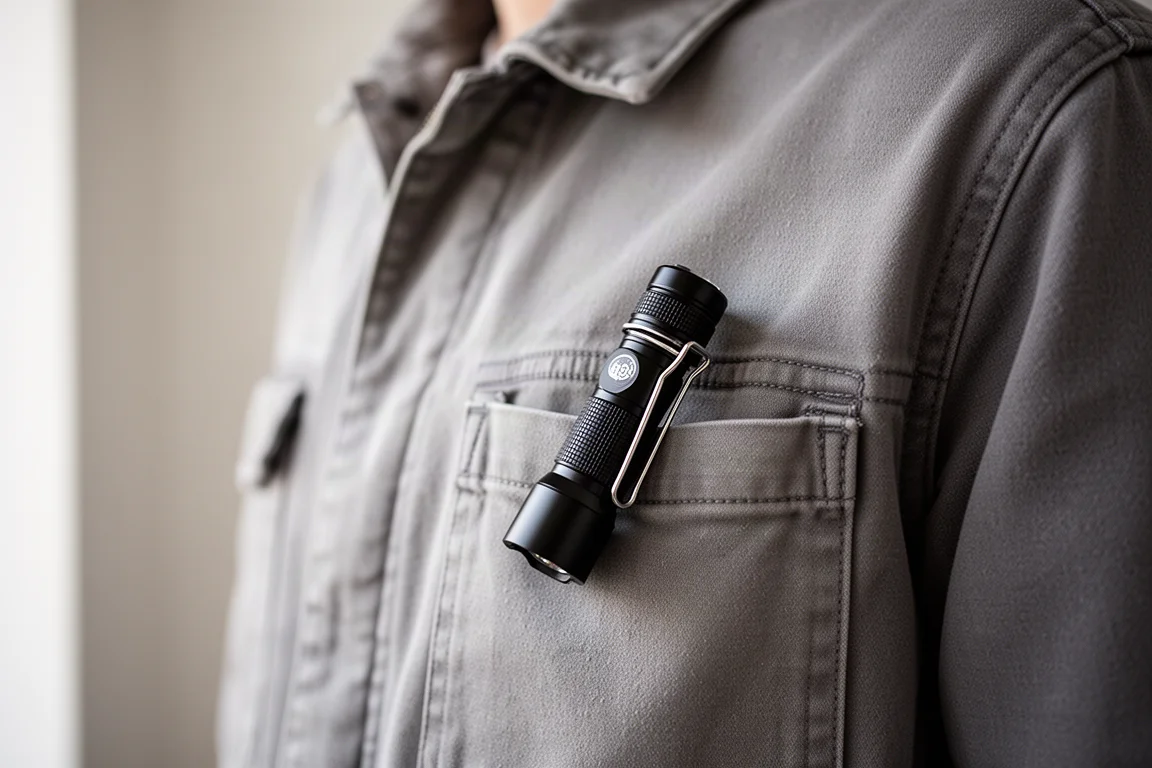
If you’re starting fresh, the Pro S is the most complete Oclip for the widest range of uses, and the black-and-gold finish is a nice touch if aesthetics matter to you. Between the low weight, the clip, the magnet, and the three light types, it earns its place as one of the more versatile compact EDC lights available right now.
Conclusion
The Olight Oclip Pro S doesn’t reinvent the Oclip formula, it refines it. You get the same pocketable, clip-anywhere body, a simple rotating-dial interface, and a broader color toolkit that includes green and blue alongside white, UV, and red flashing modes. If you want one tiny light that covers daily carry, biking, and emergency signaling without fuss, it’s an easy recommendation.
Product link
View more details for Olight Oclip Pro S
This product is mentioned in the review. Check the specifications, options, and compatibility before buying.
View more details for Olight Oclip Pro SFurther reading
Related Reviews

Everyday Carry
Everyday Gear That Deserved a Second Look
A roundup of solid everyday carry items: watches, pens, a pencil, a knife, and a smart ring that each earned a place on the table.

Everyday Carry
KORE Tactical Bifold Wallet Review: A Durable Everyday Carry Option
A close look at the KORE Tactical Bifold Wallet, a reinforced nylon wallet with magnetic closure and room for cards, cash, and IDs.

Everyday Carry
Krabby Wallet Review: A Slim, Simple Carry That Has Stood the Test of Time
A closer look at the Krabby Wallet, a slim canvas and elastic design with a loyal following and a simple, functional approach to everyday carry.