Everyday Carry
Olight O Tackle EDC Lineup: Three Titanium Everyday Carry Pieces Worth a Look
A titanium key release, a dual-channel whistle with compass, and a six-bit titanium driver: three compact O Tackle pieces tested for daily carry.
Introduction
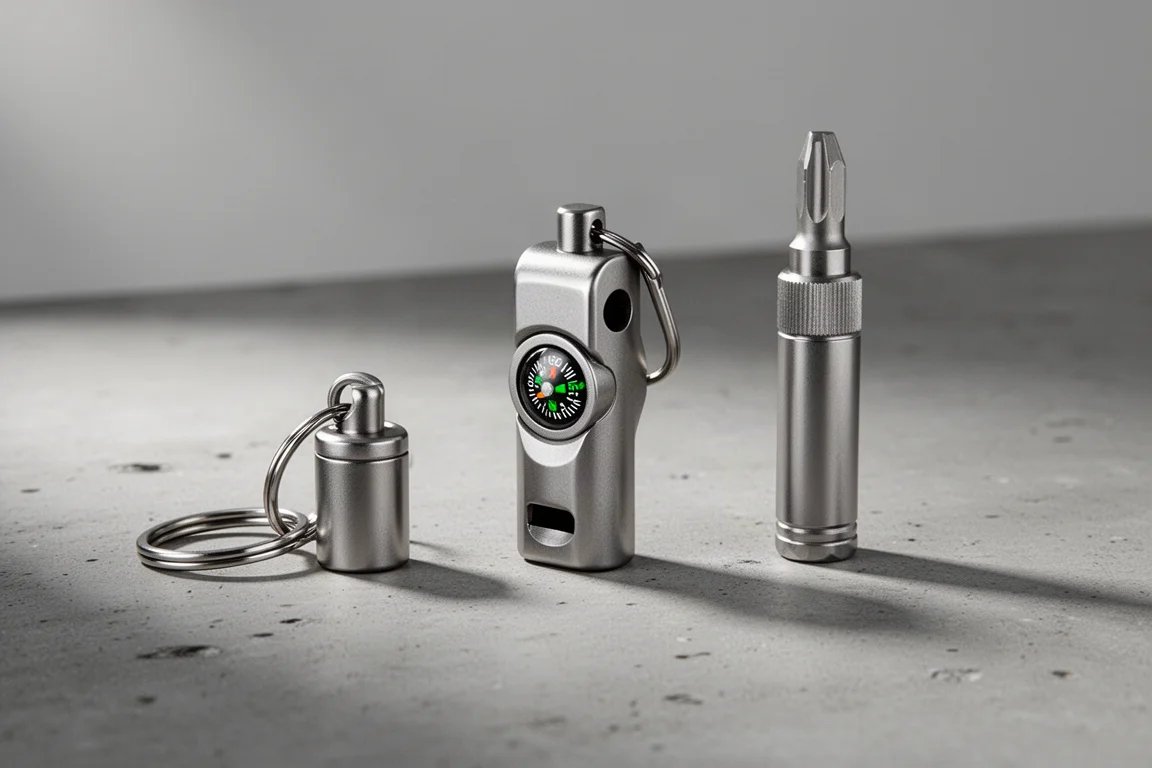
Olight’s O Tackle line keeps expanding beyond flashlights, and the newest batch leans hard into titanium. Three pieces arrived for testing: a key ring release with a built-in neodymium magnet, the O Whistle 2 with a compass and dual whistle channels, and the O Tackle D1, a slim titanium driver that stores six standard bits. All three are compact, all three are all-titanium, and each one solves a different small daily problem. Here is how they stack up.
O Tackle R1 Release: The Key Ring Magnet Upgrade
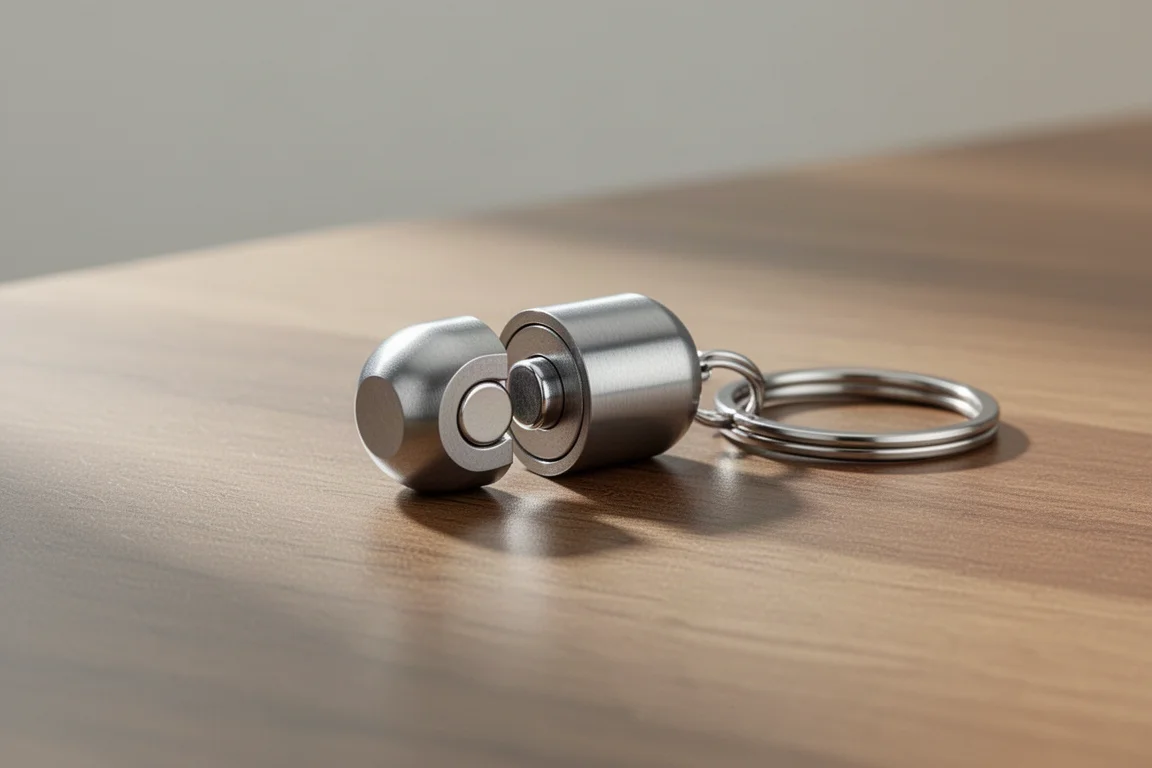
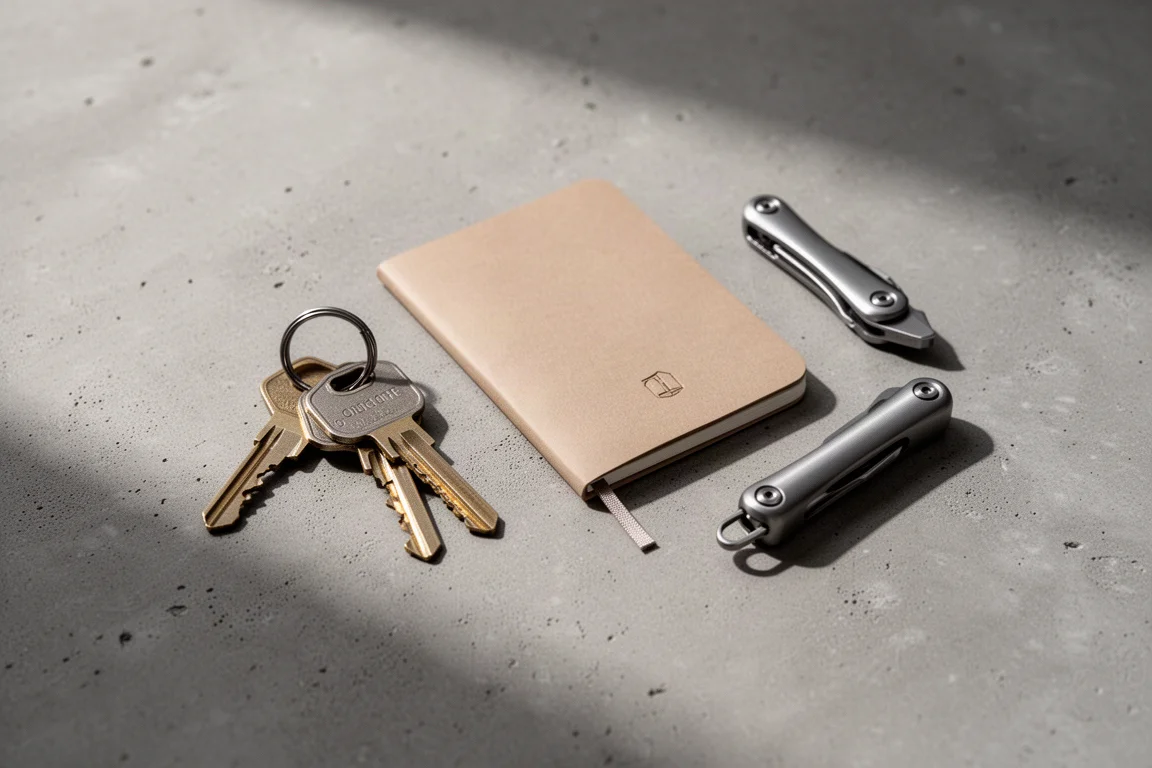
The R1 Release is the simplest of the three, and arguably the smartest. It is a standard key ring bead made of titanium that pops apart using a release cylinder, and inside sits a neodymium magnet. That magnet lets you do two things: temporarily release your keys, or lock them fully so they are not going anywhere.
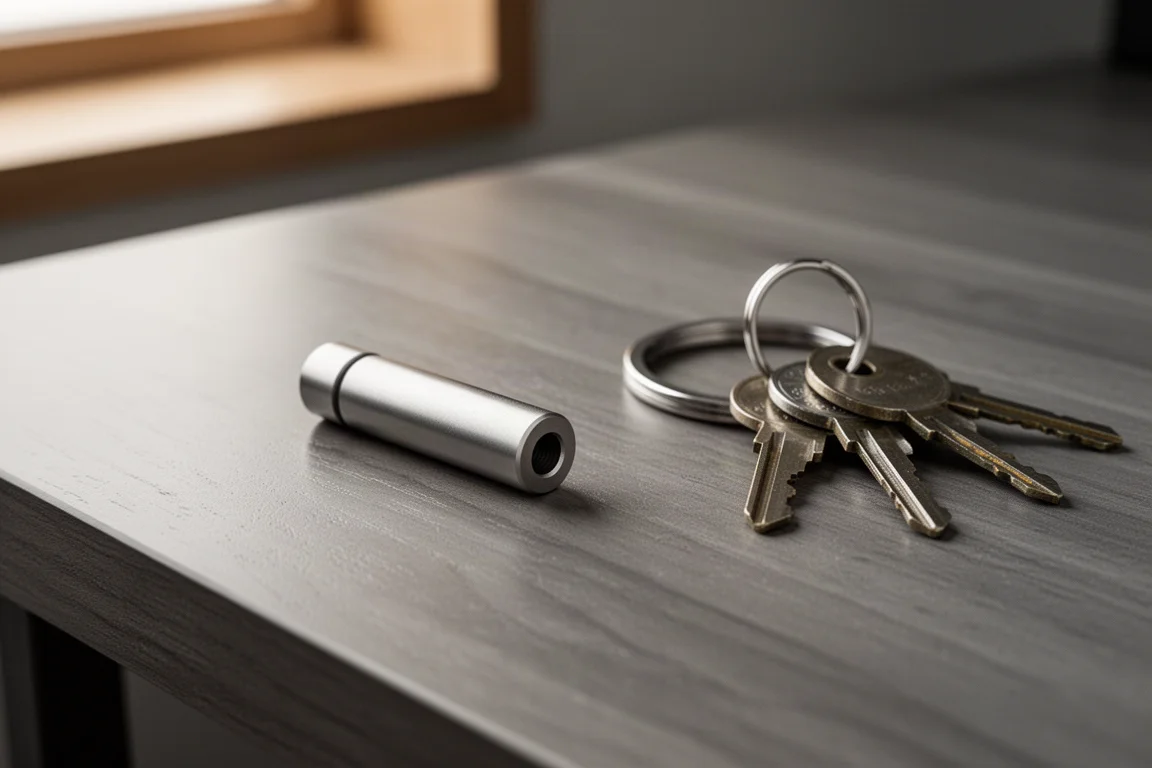
It is a great, simple design. If you have ever fumbled at a door with a full key ring, or wanted to hand off a single key without unthreading the whole ring, this is the kind of low-friction upgrade that quietly pays for itself every day.
O Whistle 2: Redundancy in a Small Cylinder
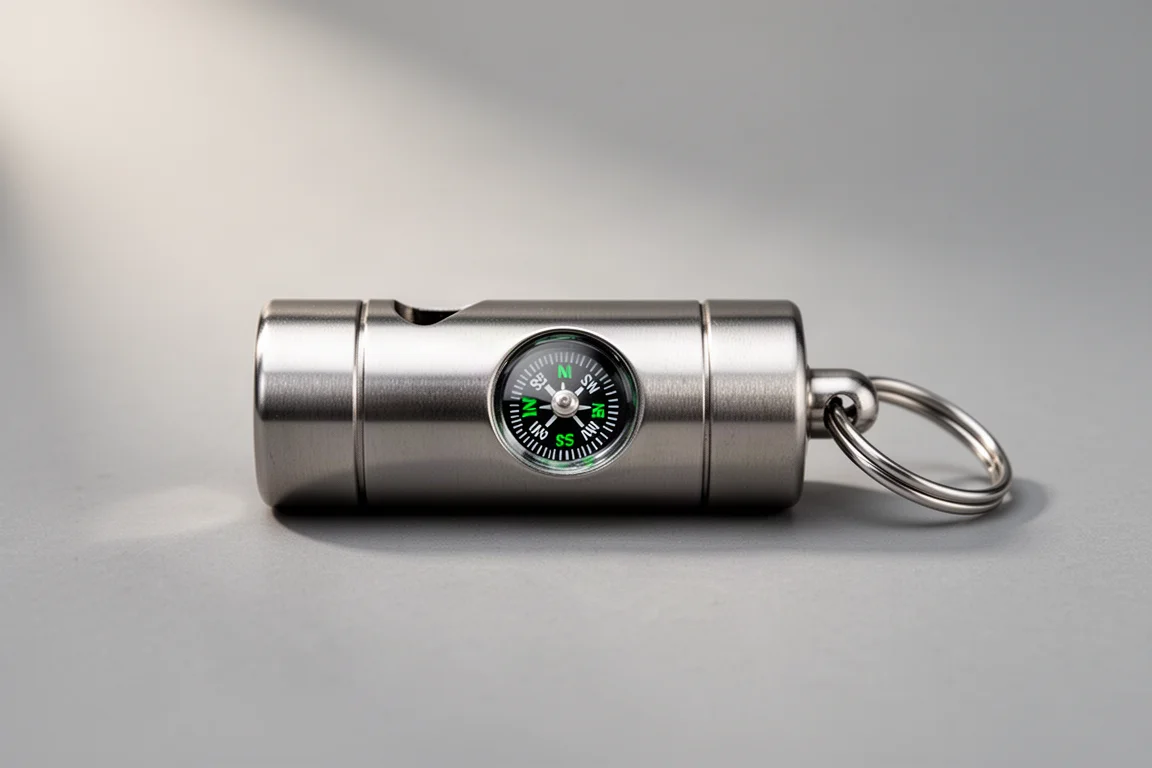
The O Whistle 2 takes the whistle concept further than most. This smaller cylinder is full titanium and packs in two full whistle channels plus a compass. The redundancy is the point: if something happens to one whistle channel, you still have the other, and both work well together.
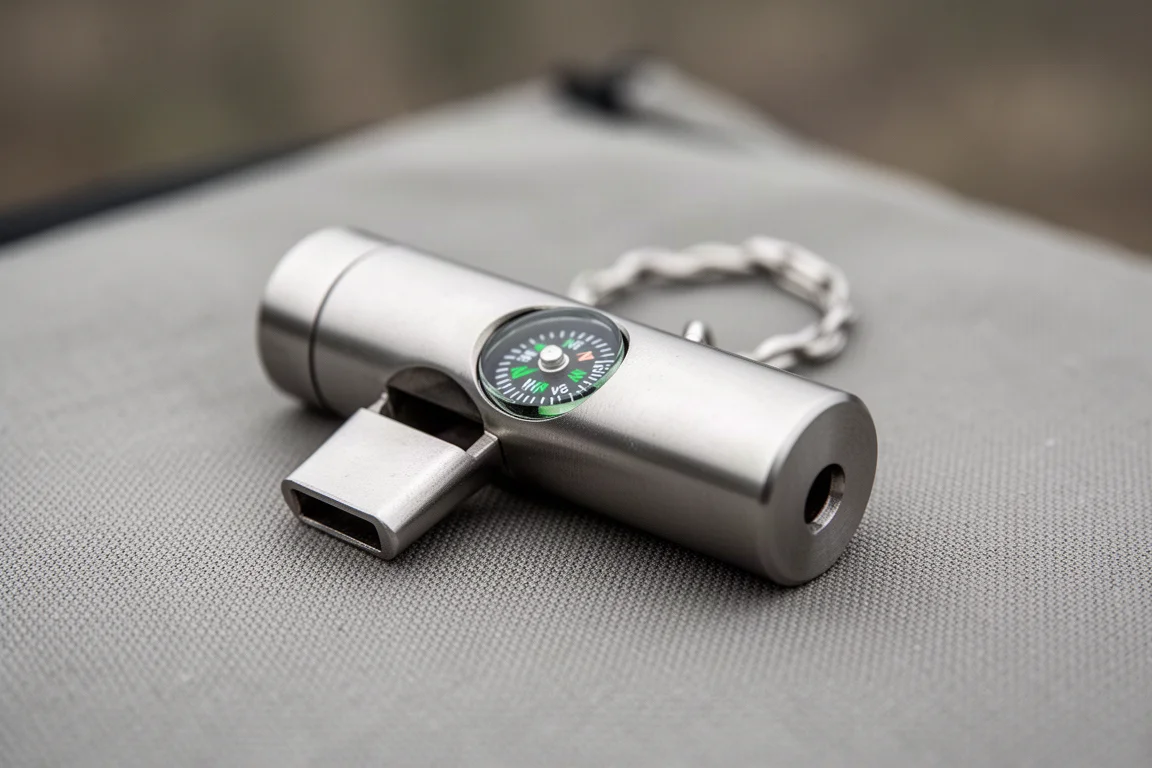
It is a hefty little piece for its size, coming in at almost an ounce. The compass was tested and does point where it should, though it is not liquid filled, so the needle bounces around a bit. That is not a major concern for typical use, though long-term durability of the compass is a fair question. It also looks like the compass may be replaceable the way it sits in the housing, possibly unscrewing, though that has not been confirmed. Overall it is a good, solid design, and it is encouraging to see the O Tackle line exploring directions like this.
O Tackle D1 Driver: Six Bits, One Sleek Body
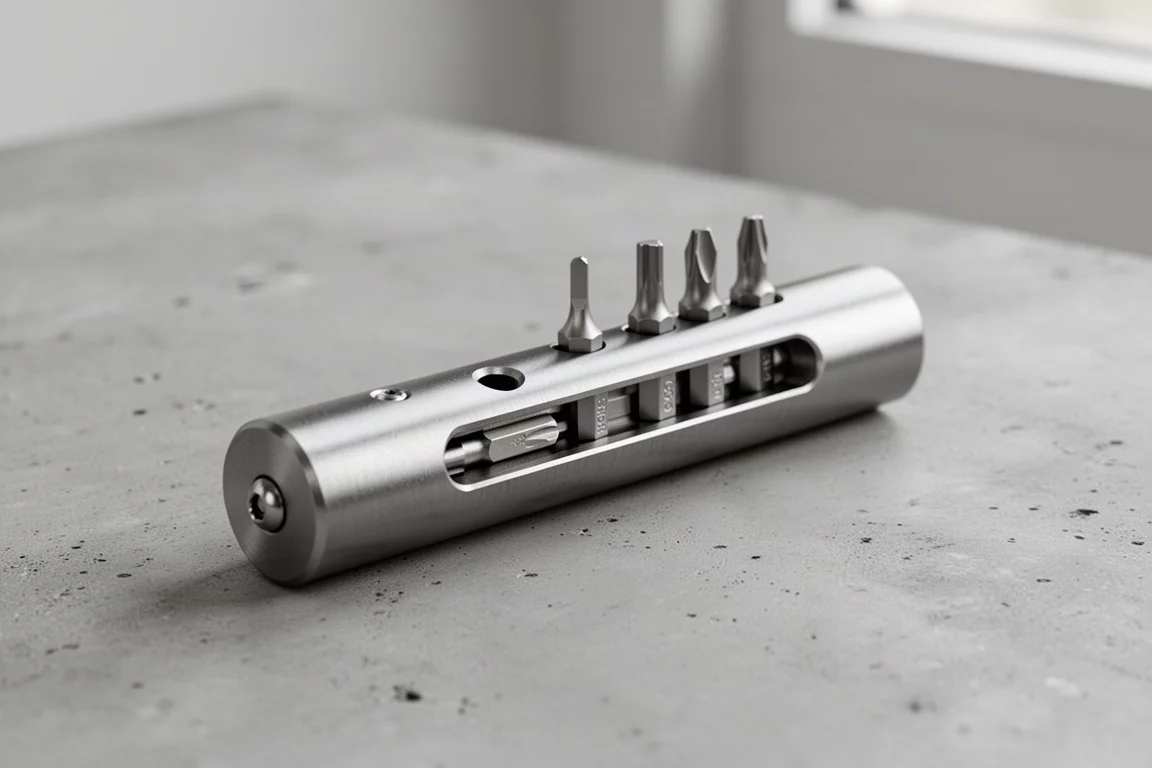
The D1, or Driver One, is the standout of the trio. It is full titanium, contains six standard four-millimeter bits, and the machining inside is genuinely tidy. A ball detent drops into a small hole to keep the body sleek, and the front end offers driving options in a couple of directions.
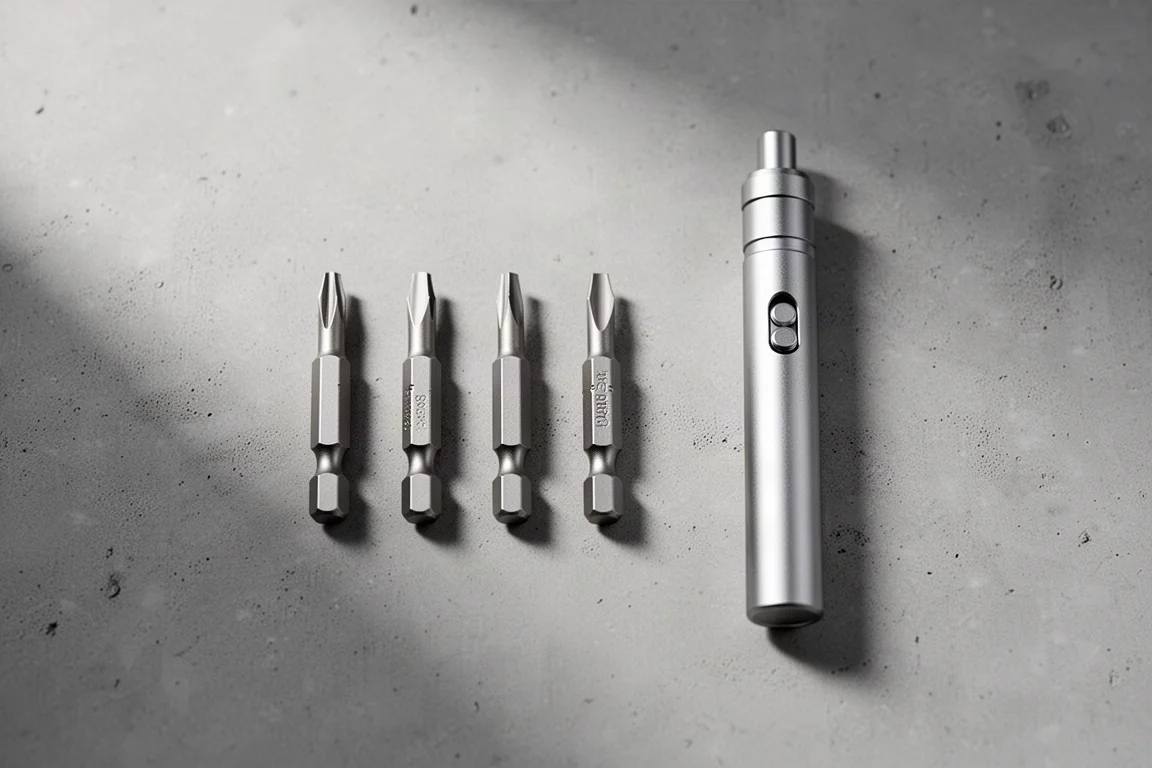
One detail worth noting: the hole at the rear looks like a lanyard hole but is actually a bit-holding hole in one direction. The bit will not stay if inserted the other way, so you still get a proper lanyard hole plus a bit storage channel.
The included bits are double-ended, four in total covering eight functions: a Phillips #0 paired with a #2 Phillips, hex sizes that appear to be 1.5 and 2, a three-millimeter slotted paired with a Phillips #1, and what looks like a Torx set at T7 and T8. The bits are not marked, so you will want to learn the layout, but they drop right into the well-machined channel for storage. The whole thing weighs about one and a half ounces, and some real thought clearly went into it.
Buying Advice: Which One Fits Your Carry
If your daily frustration is keys, the R1 Release is the easiest yes. If you spend time outdoors or want a compact emergency whistle with a backup channel and basic navigation, the O Whistle 2 makes a strong case, just keep the non-liquid-filled compass in mind. And if you ever tighten glasses screws, laptop screws, or small hardware, the D1 is the most capable of the three and a genuine pocket tool rather than a novelty.
All three share the same all-titanium construction, so the choice really comes down to which problem you actually have, not which one looks best on a shelf.
Conclusion
Olight’s O Tackle line is exploring some interesting directions with this trio. The R1 Release nails simplicity, the O Whistle 2 adds smart redundancy, and the D1 Driver is a well-thought-out pocket tool with real utility. For anyone building out a titanium everyday carry setup, all three are worth a closer look.
Further reading
Related Reviews

Everyday Carry
Everyday Gear That Deserved a Second Look
A roundup of solid everyday carry items: watches, pens, a pencil, a knife, and a smart ring that each earned a place on the table.

Everyday Carry
KORE Tactical Bifold Wallet Review: A Durable Everyday Carry Option
A close look at the KORE Tactical Bifold Wallet, a reinforced nylon wallet with magnetic closure and room for cards, cash, and IDs.

Everyday Carry
Krabby Wallet Review: A Slim, Simple Carry That Has Stood the Test of Time
A closer look at the Krabby Wallet, a slim canvas and elastic design with a loyal following and a simple, functional approach to everyday carry.