Flashlights
Olight i5R vs i3T vs EagleEye D25A: Which Small Everyday Flashlight Is Worth It?
The new Olight i5R promises rechargeable convenience, but a closer look at output and battery compatibility makes the i3T and EagleEye D25A look far more compelling.
Introduction
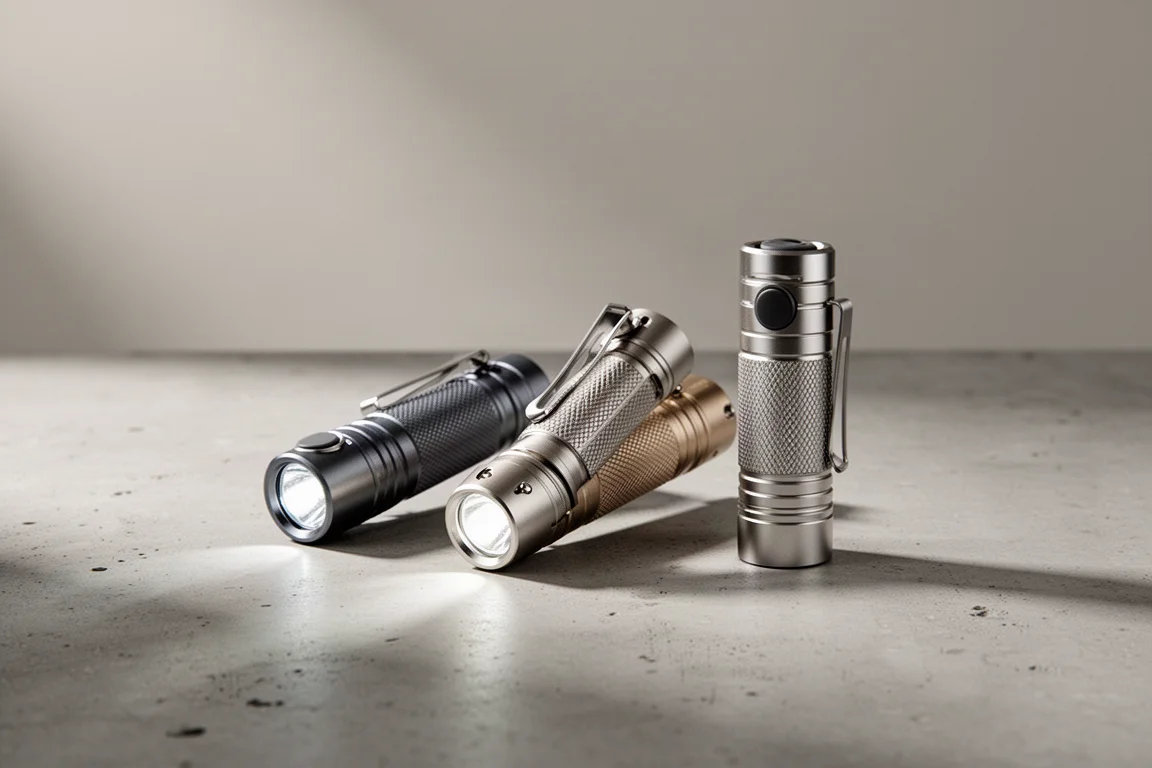
Olight’s new i5R arrived with a familiar pitch: the convenience of USB Type-C charging in a compact everyday-carry light. On paper that sounds like an easy upgrade over the older i3T. In practice, the battery choice behind that convenience creates real compromises, and there are cheaper lights in the same size class that run harder.
This comparison looks at the i5R, the i3T, and the EagleEye D25A to work out which small flashlight actually deserves your money.
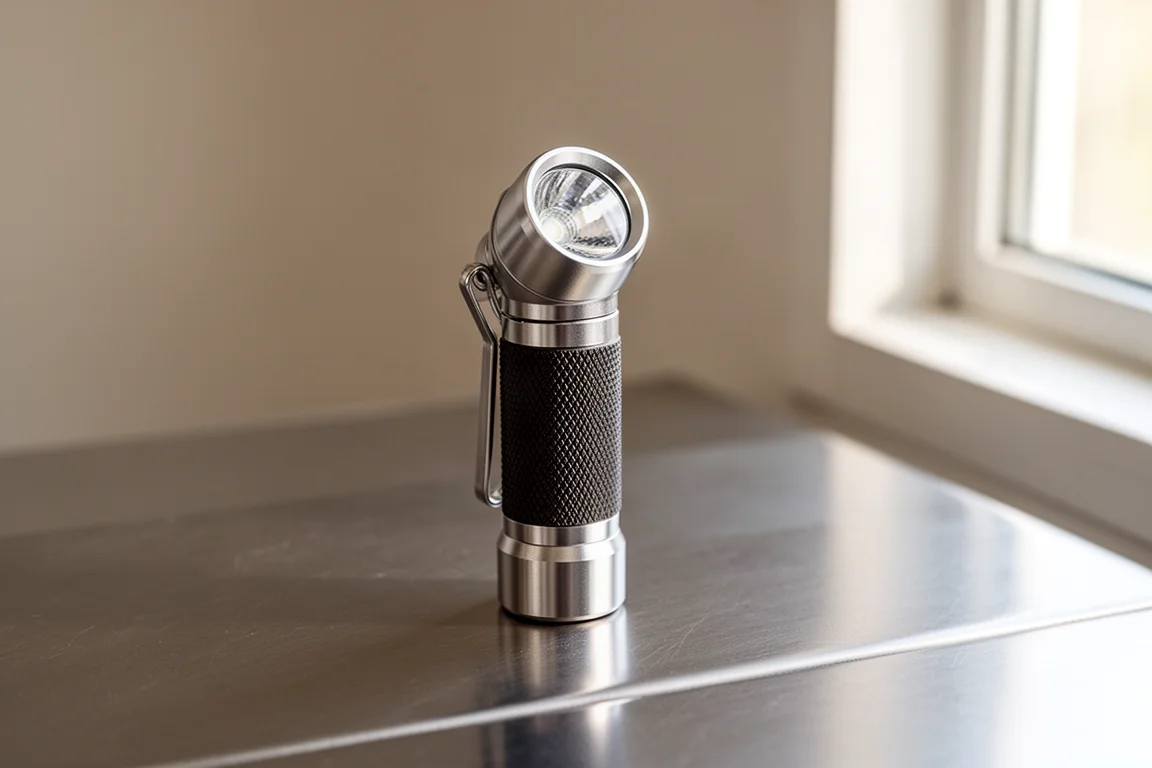
Olight i5R: Convenient Charging, Limited Performance
The i5R ships with a 2.4-volt battery and delivers up to 350 lumens on a standard rechargeable. The USB Type-C charging is genuinely convenient, but the battery is not standard: it is a proprietary cell, and using a conventional 3.7-volt lithium-ion battery does not unlock more output.
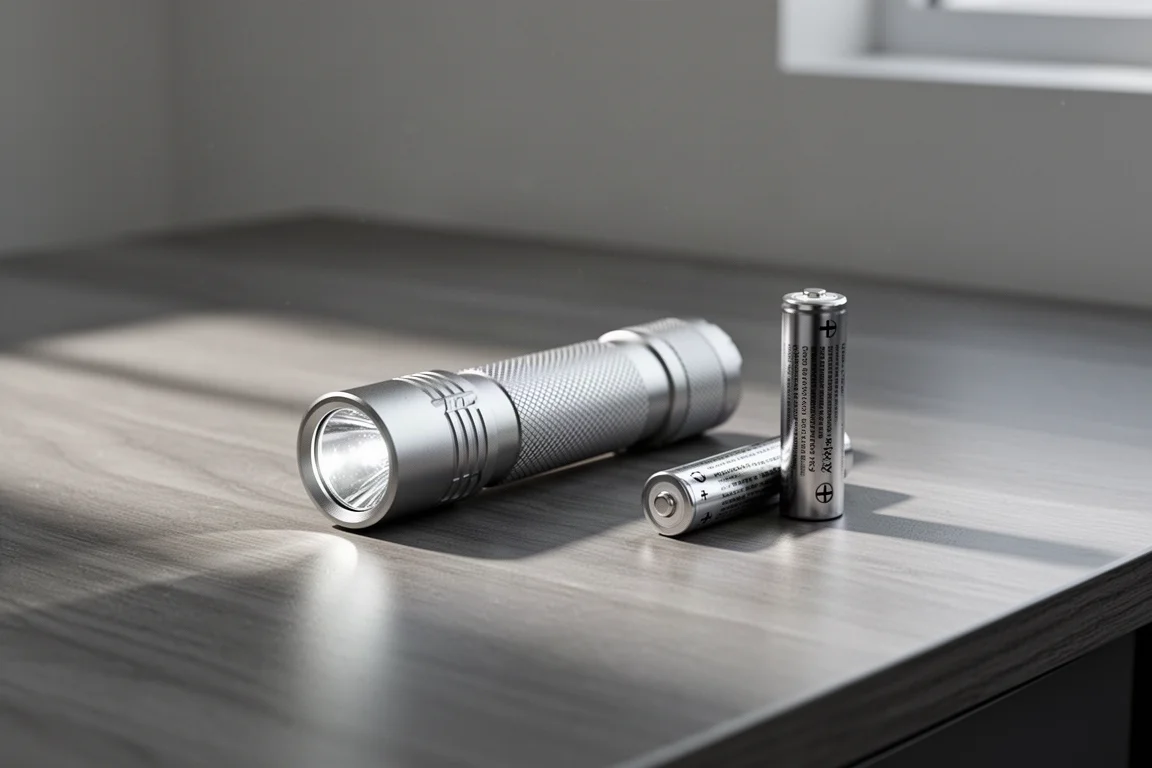
Put a high-discharge 3.7-volt battery in and the i5R turns into a single-mode flashlight locked at 350 lumens. It will not push beyond that regulated current. You are effectively paying roughly ten dollars more than the base i3T for the proprietary battery and charging port, and the output ceiling stays the same.
Olight i3T: The Smarter Budget Pick
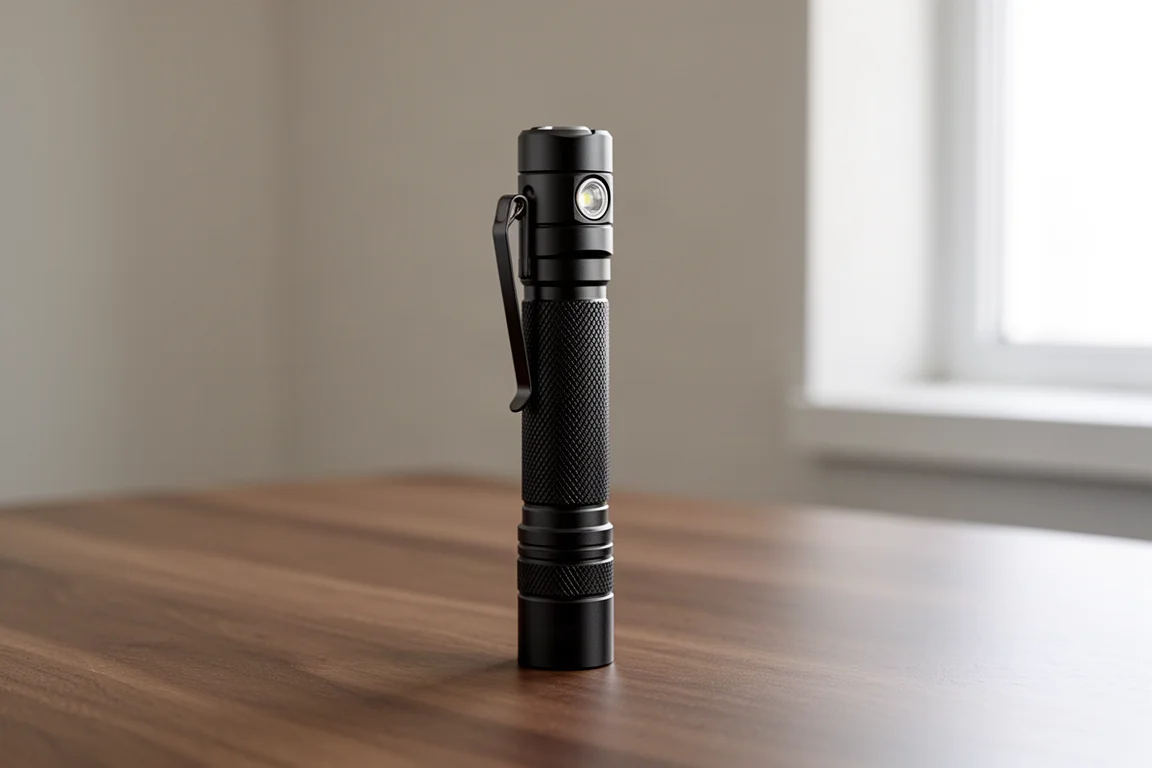
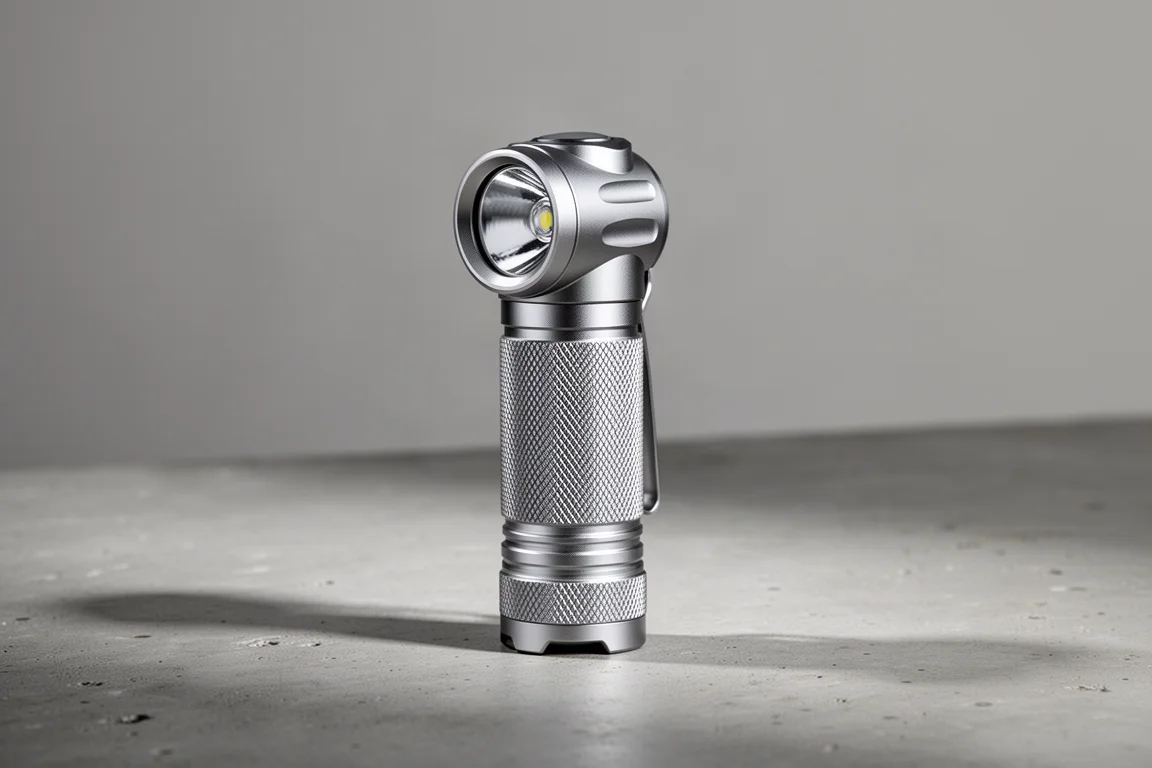
The i3T is more compact than the i5R and, with a standard battery, is the more affordable option. With a high-discharge battery installed, it produces a low of 50 lumens and a high of 550 lumens, which makes it significantly brighter than the i5R in a smaller body.
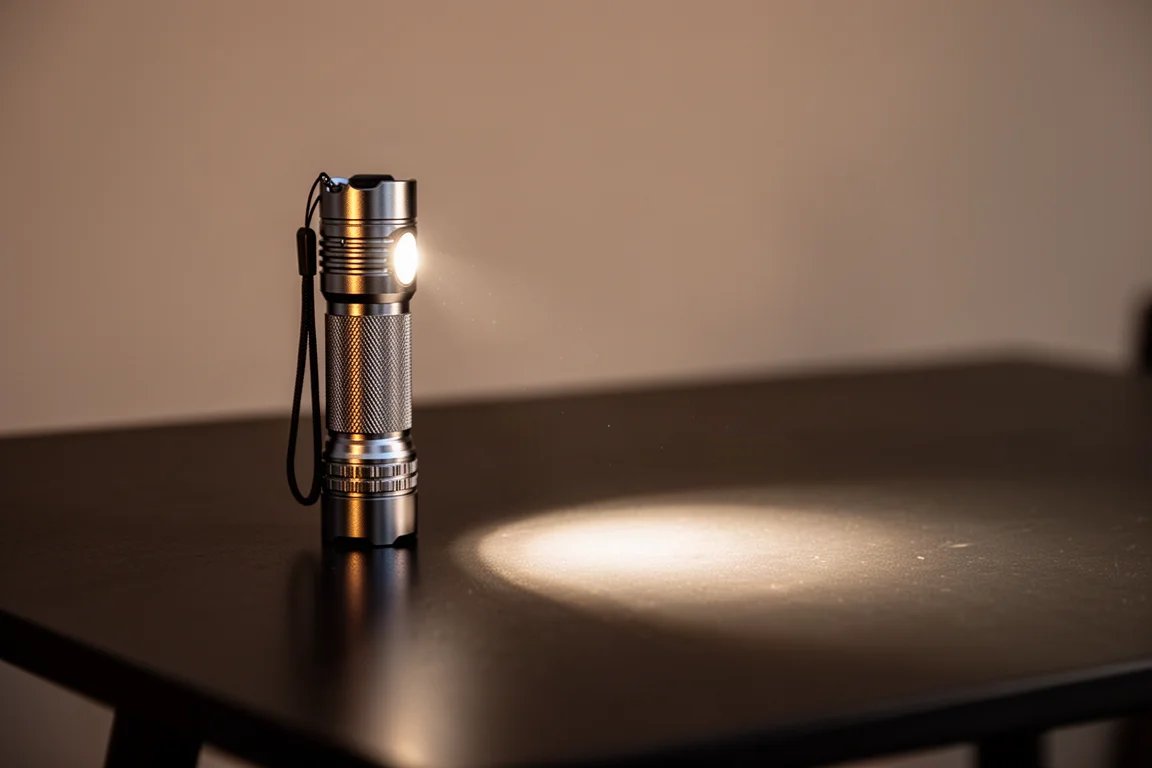
That flexibility is what makes the i3T stand out. For around twenty dollars, it is a very capable budget light, and the ability to swap in a more powerful battery gives it a performance ceiling the i5R cannot match.
EagleEye D25A: The Performance Benchmark
The EagleEye D25A is the reference point here. With a high-discharge battery installed, it delivers 800 lumens of output instantly, in a light that still fits comfortably in the same small class. This is what the 14500-style battery platform can do when a light is built to take advantage of it.
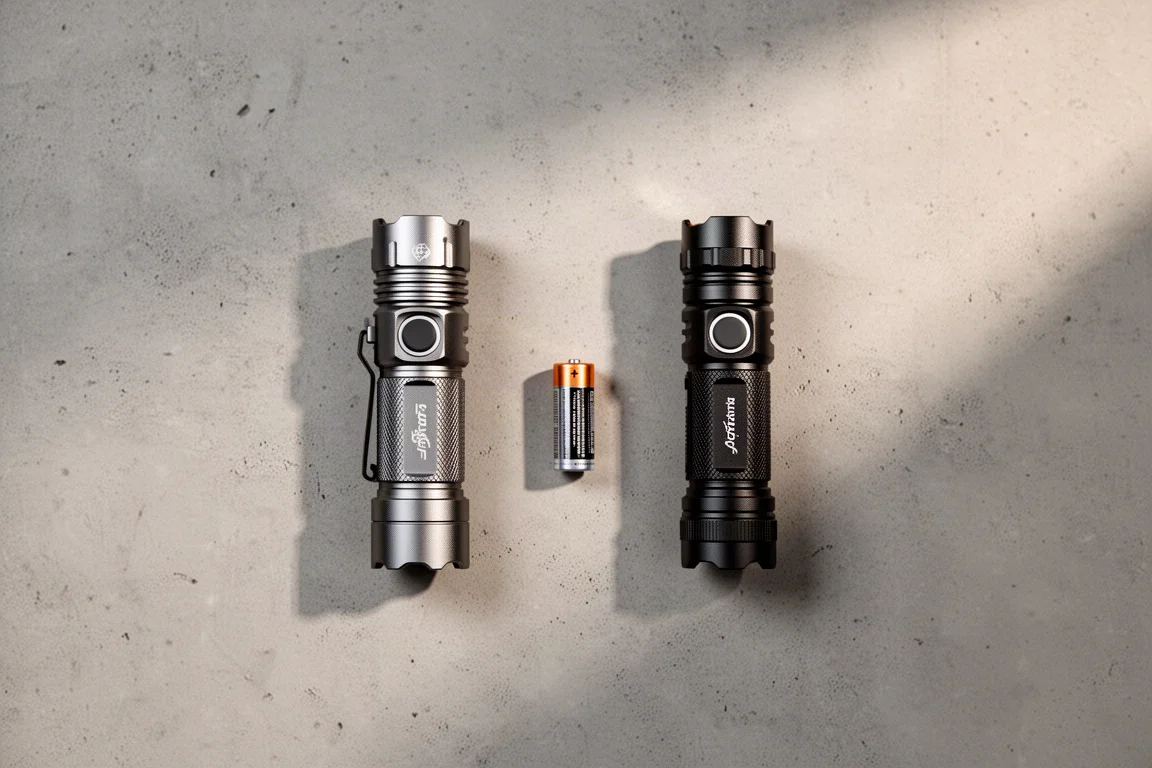
There are also other compact lights in this space, such as Lumintop’s small offerings, that come in under twenty dollars and deliver over 600 lumens each, with one reaching over 800 lumens in testing. The i5R is simply not competing at this caliber.
Battery Compatibility Is the Real Decision Maker
The core issue with the i5R is not its build or its charging port. It is the battery. The included cell runs at 2.4 volts, while the standard for lithium-ion flashlight batteries is 3.7 volts, and the i5R does not support the standard chemistry in a useful way.
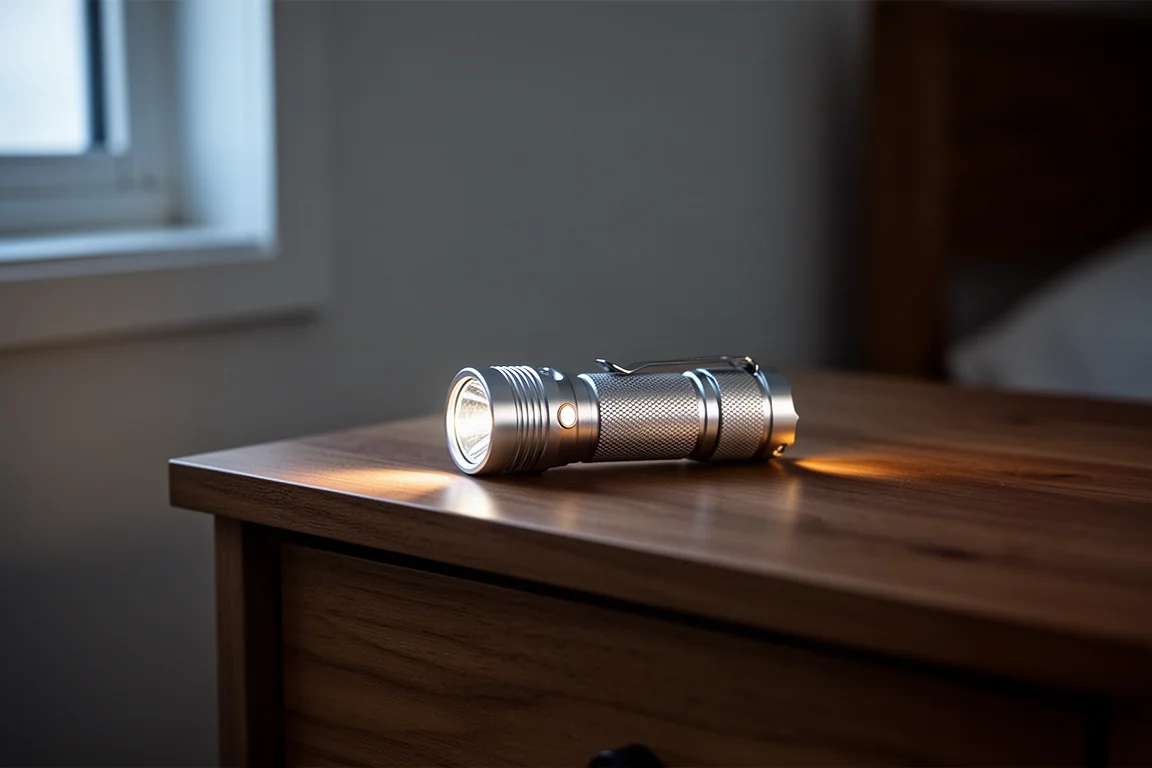
The i3T and the EagleEye D25A both work with widely available high-discharge batteries, which means more output, easier replacements, and a light that grows with better cells instead of being locked down.
Buying Advice
Skip the i5R if output and battery flexibility matter to you. The extra cost buys a proprietary battery and a charging port, not more light. If you want the cheapest strong performer, the i3T at around twenty dollars is the better flashlight and the more compact one. If you want the most output from this size class, the EagleEye D25A with a high-discharge battery delivers 800 lumens on demand.
Conclusion
The i5R is not a bad light, but its price increase over the i3T is hard to justify when the performance stays capped and the battery is proprietary. The i3T wins on value and compactness, and the EagleEye D25A wins on raw output. For most buyers, one of those two is the smarter purchase.
Further reading
Related Reviews
Flashlights
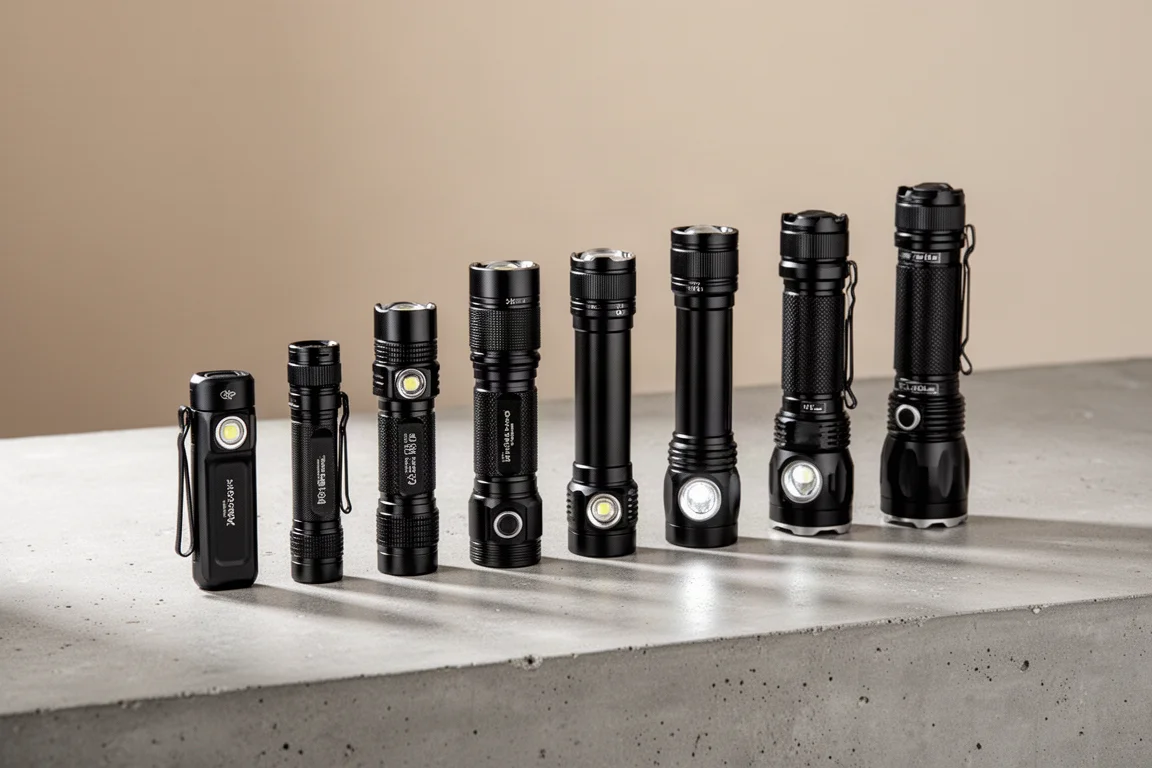
Best Flashlights 2026: Brightness, Battery, and Value Compared
We tested 18 flashlights across a wide price range to find the best performers in brightness, battery life, and durability.
Flashlights
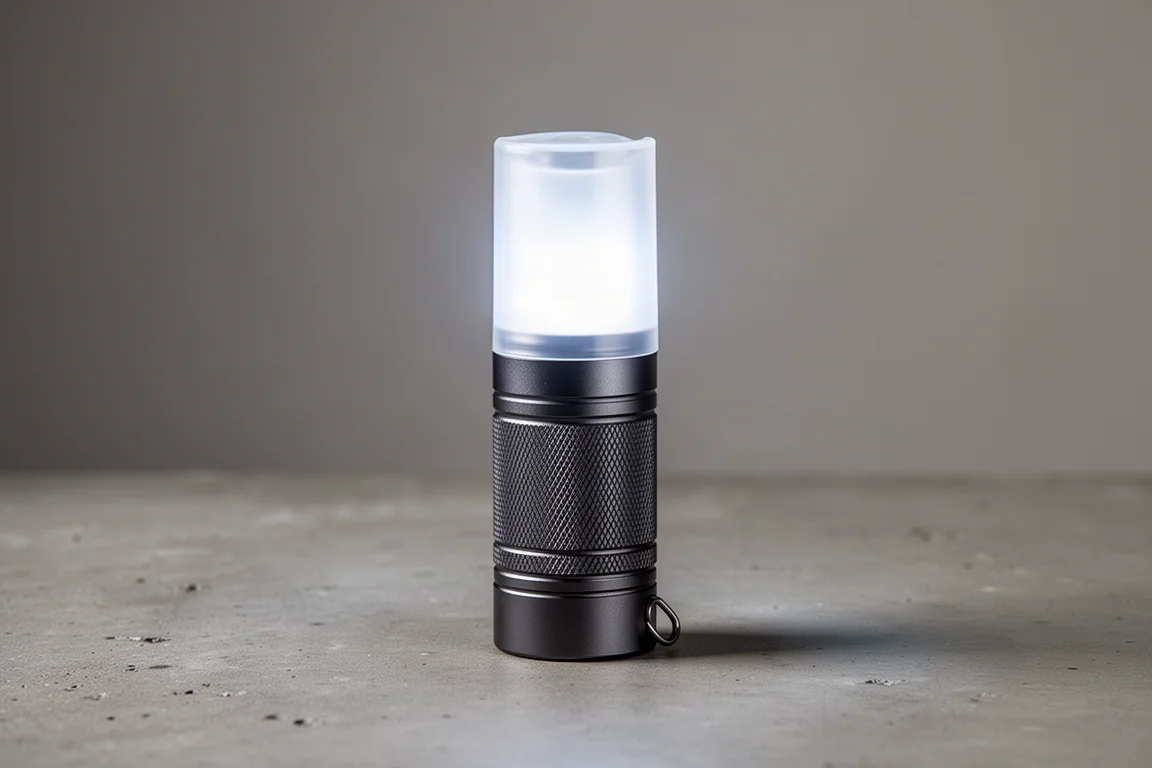
Nitecore LA10 Review: A Tiny 2-in-1 Lantern That Nails the Basics
The Nitecore LA10 pairs a pocket-sized lantern with a single AA battery, a magnetic tail cap and a five-year warranty. Here is where it shines and where it struggles.
Flashlights
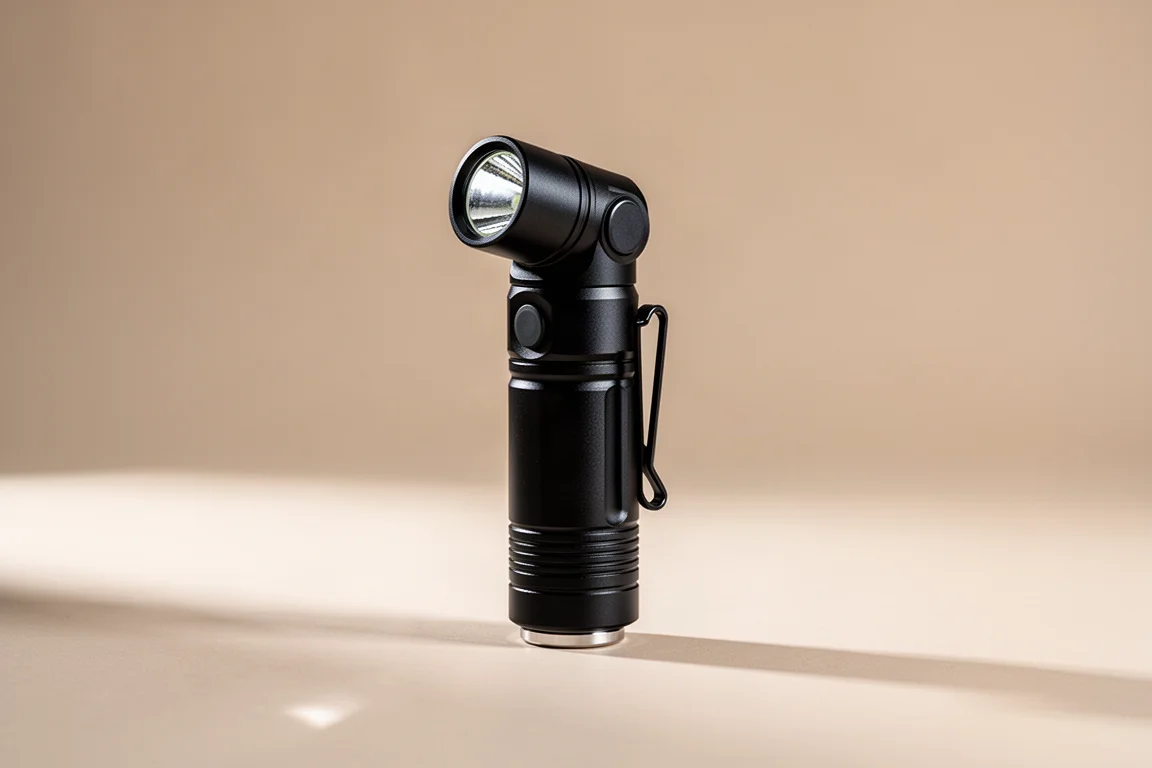
Wuben G5 Review: A Compact Everyday Carry Flashlight
The Wuben G5 is a small, rechargeable flashlight with a pivoting head, magnetic base, and color modes. Here is how it performs as an everyday carry light.