Flashlights
Olight i3T vs i5R: Why the i3T Is Still Our Favourite Small EDC Flashlight
The Olight i3T with a 10440 battery delivers around 550 lumens from a tiny two-mode body, and it outshines the i5R in raw output. Here is what to know before buying.
Introduction
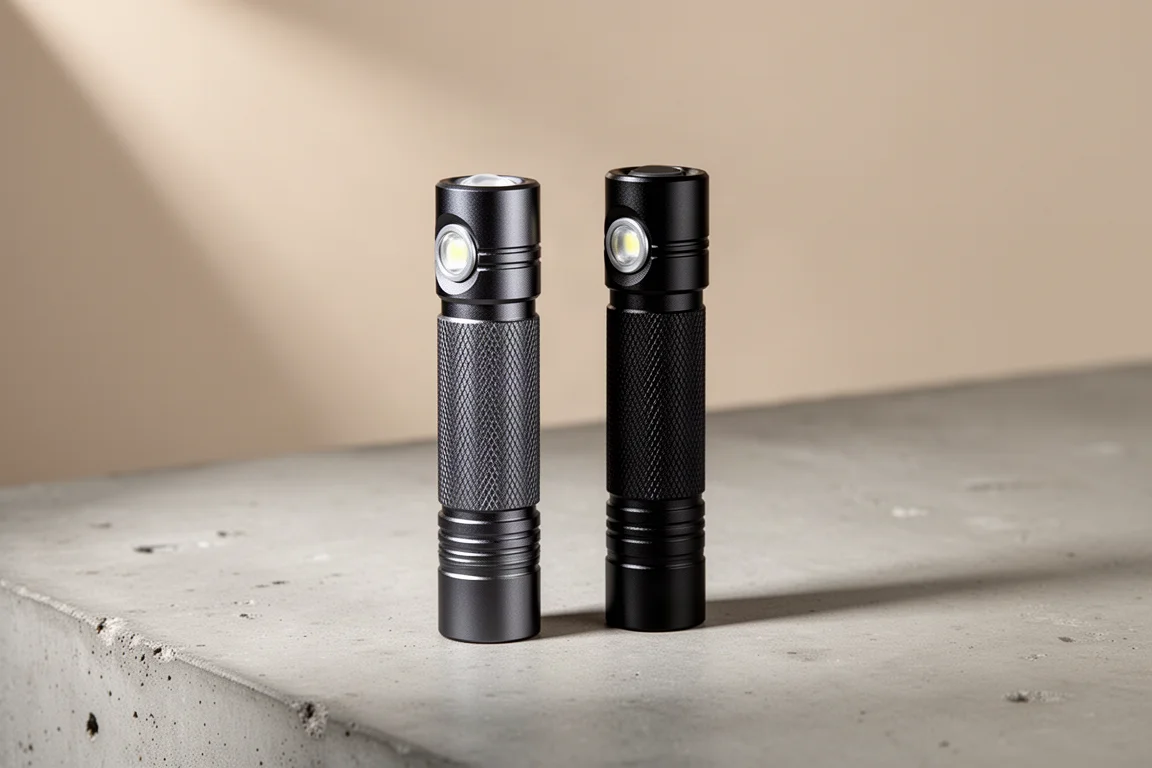
Few flashlights have earned the kind of loyalty the Olight i3T has. It is a genuinely tiny EDC light, it runs on standard non-proprietary batteries, and with the right battery it puts out output figures that embarrass lights many times its size. After extensive use of multiple units, it remains a top pick, and the i5R makes for an interesting point of comparison if you want a rechargeable alternative.
What Makes the Olight i3T Special
The i3T is a two-mode flashlight: a low mode rated at 180-lumen-class output territory on its high setting, and a low mode for everyday tasks. There is no mode memory, which makes sense on a two-mode light: turn it off, leave it for a few seconds, and it comes back on in low, exactly as it should. That consistent behaviour is part of why so many people keep buying it.
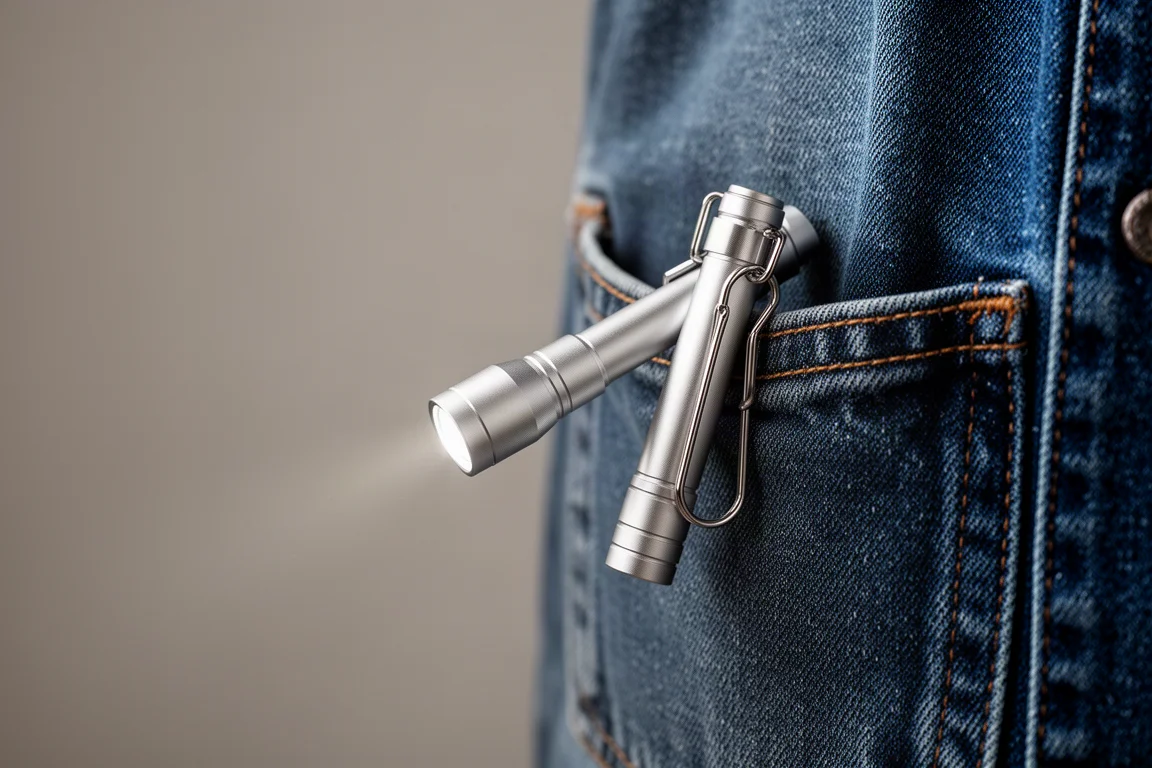
One note worth repeating: a faulty unit can behave oddly, such as appearing to come back on in high mode or showing lower output than expected. That is a malfunction, not a design change. Across many units tested over time, this has been a rare occurrence, and warranty replacement covers it.
Output Compared to the Olight i5R
With the standard battery, the i3T tops out around 180 lumens. The i5R, its rechargeable sibling, is noticeably dimmer in a direct side-by-side: the gap between the two in high mode is not subtle.
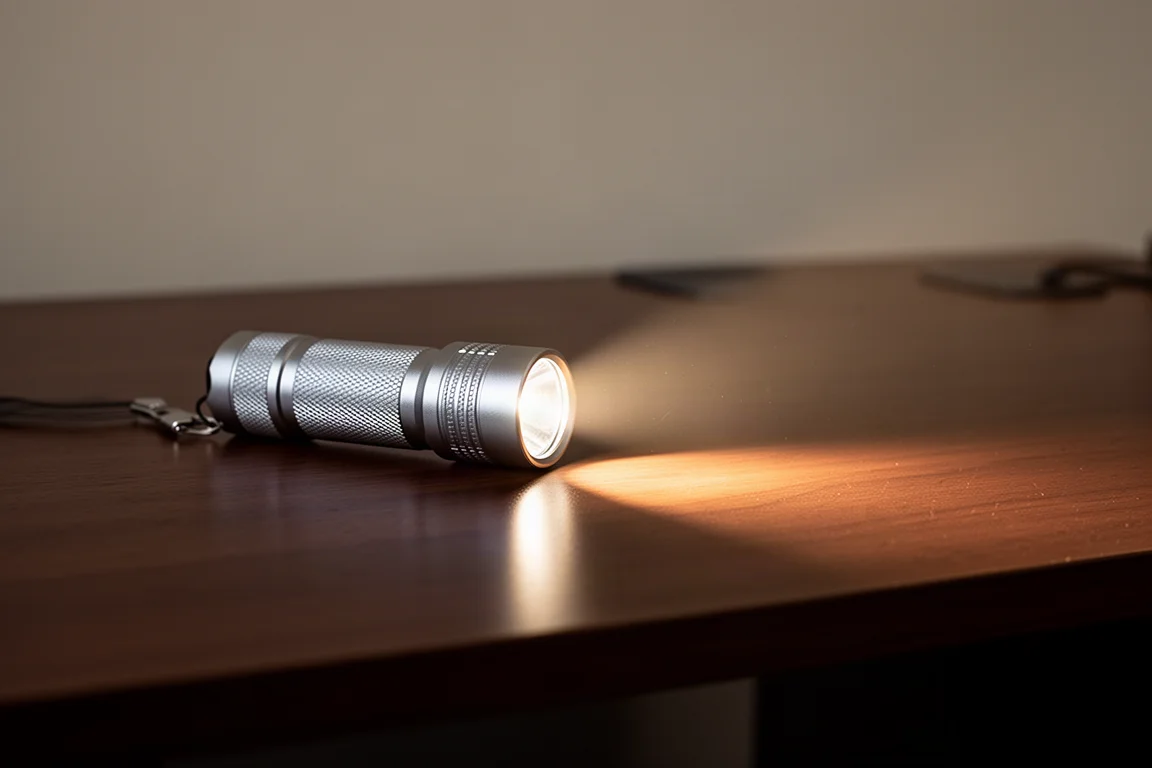
The i3T’s real trick, though, is what happens when you fit a 3.7 volt 10440 lithium battery. This is not something the manufacturer recommends, but it is widely done and the results are dramatic: low mode jumps to roughly 50 lumens, and high mode reaches around 550 lumens, give or take, based on formal testing done by others. Side by side with the i5R, the difference is a massive jump up in output, and it is one of the main reasons this is considered one of the best lights Olight currently makes.
Battery Choice Changes Everything
Because the i3T does not rely on a proprietary battery, you can choose between the safe, conservative standard cell and the high-output 10440 option. Every unit tested with a 10440 has worked exactly the same way, delivering that huge output from a very small body. Outside of a handful of dedicated throwers, few flashlights this small get close to that output level, and at a sub-twenty-dollar price, that is about as good as it gets.
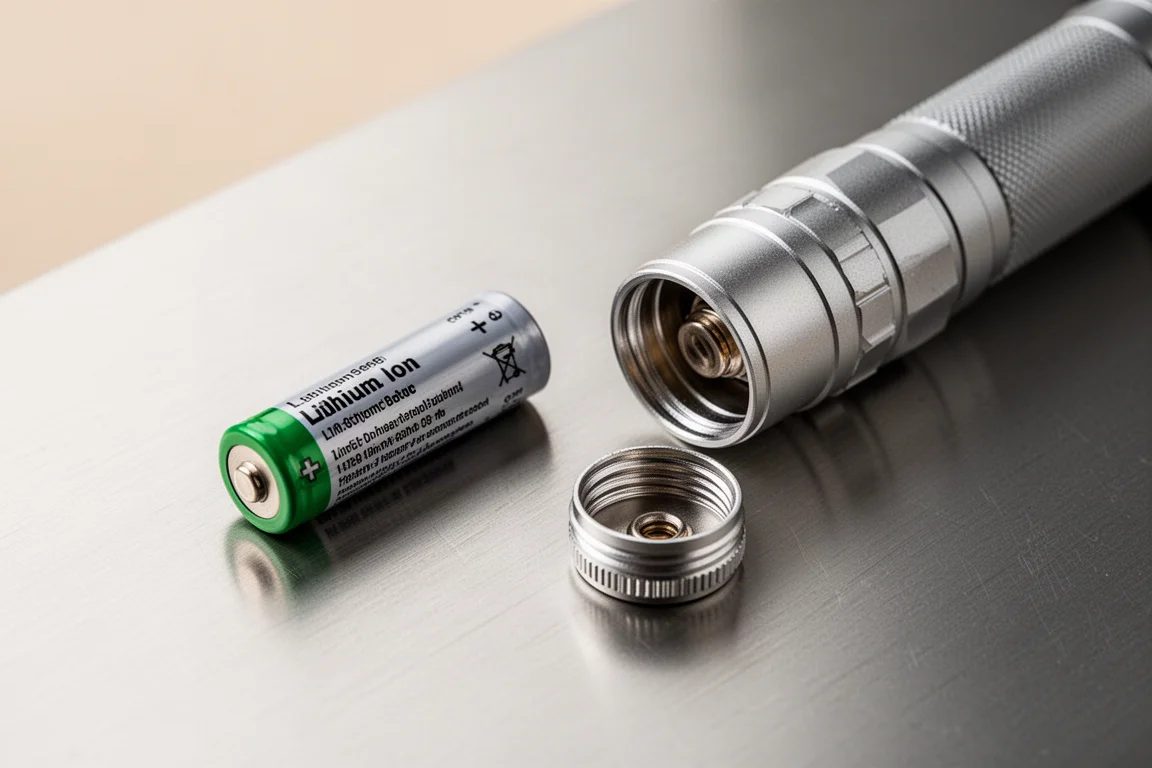
The 10440 route does come with the obvious caveats: it pushes the light beyond its official ratings, so it is a use-at-your-own-risk modification rather than a supported mode. On the standard battery, the i3T behaves exactly as designed and remains a superb pocket light.
Buying Advice
If you want the best possible output from the smallest body, the i3T with a 10440 battery is the clear winner. If you prefer a rechargeable setup and more conservative output, the i5R is the sensible alternative, though you give up a significant amount of brightness in the process.
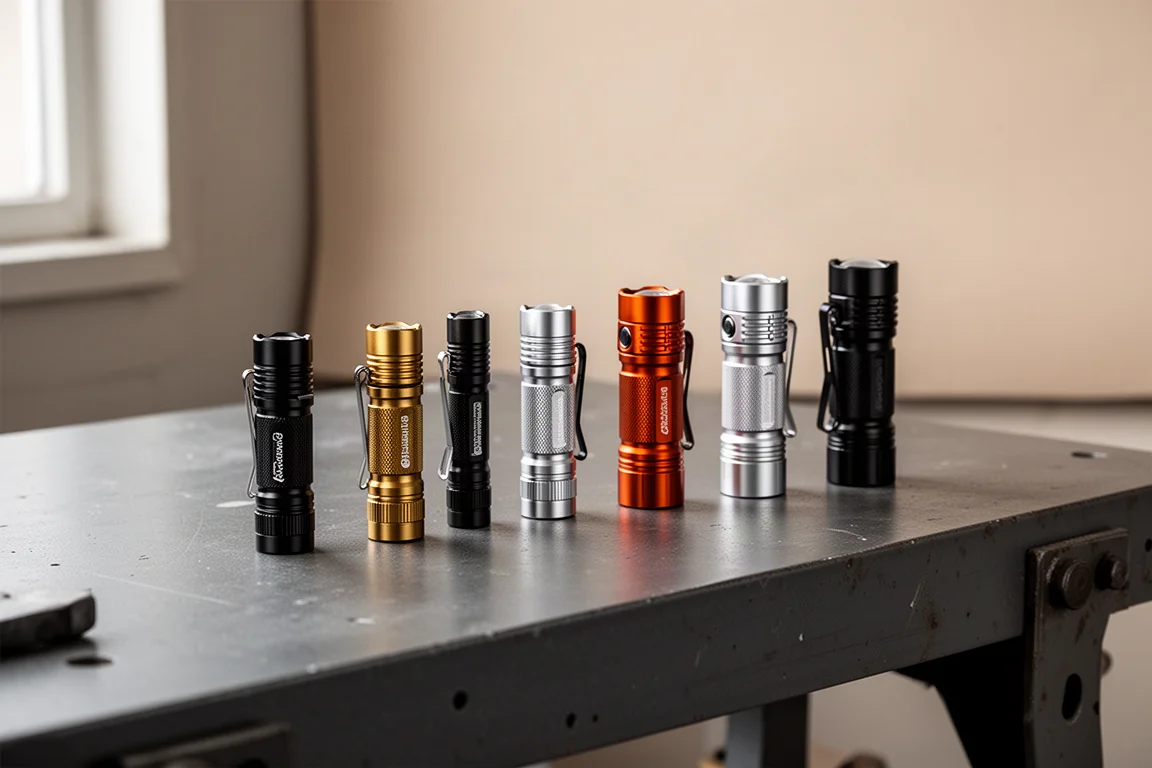
For the price, the i3T is hard to beat, and the black finish variant behaves identically in testing. Whichever route you pick, both lights stay true to what makes small EDC flashlights appealing: pocketable, simple, and always ready.
Conclusion
The Olight i3T holds its place as a standout small flashlight thanks to standard battery compatibility and the optional 10440 boost that pushes output to around 550 lumens. The i5R covers the rechargeable niche but cannot match that raw output. For most buyers who want maximum performance per gram and per dollar, the i3T is the one to get.
Product link
View more details for Olight i3T
This product is mentioned in the review. Check the specifications, options, and compatibility before buying.
View more details for Olight i3TFurther reading
Related Reviews
Flashlights
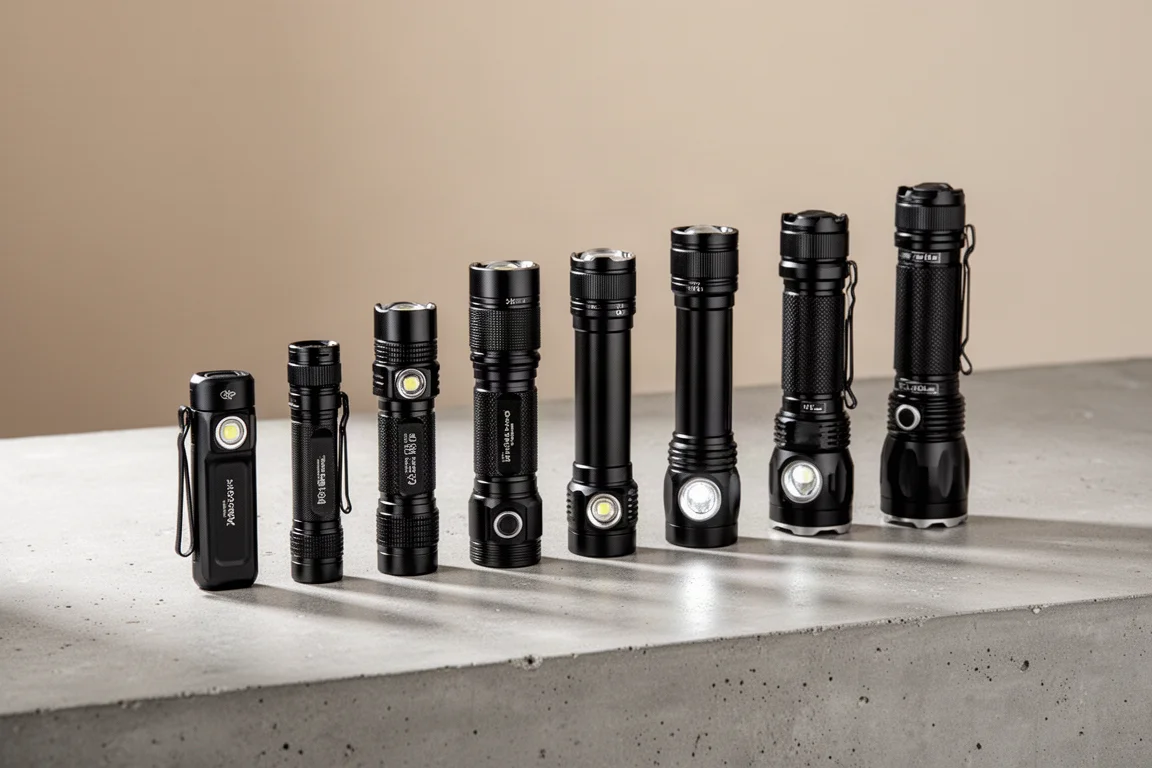
Best Flashlights 2026: Brightness, Battery, and Value Compared
We tested 18 flashlights across a wide price range to find the best performers in brightness, battery life, and durability.
Flashlights
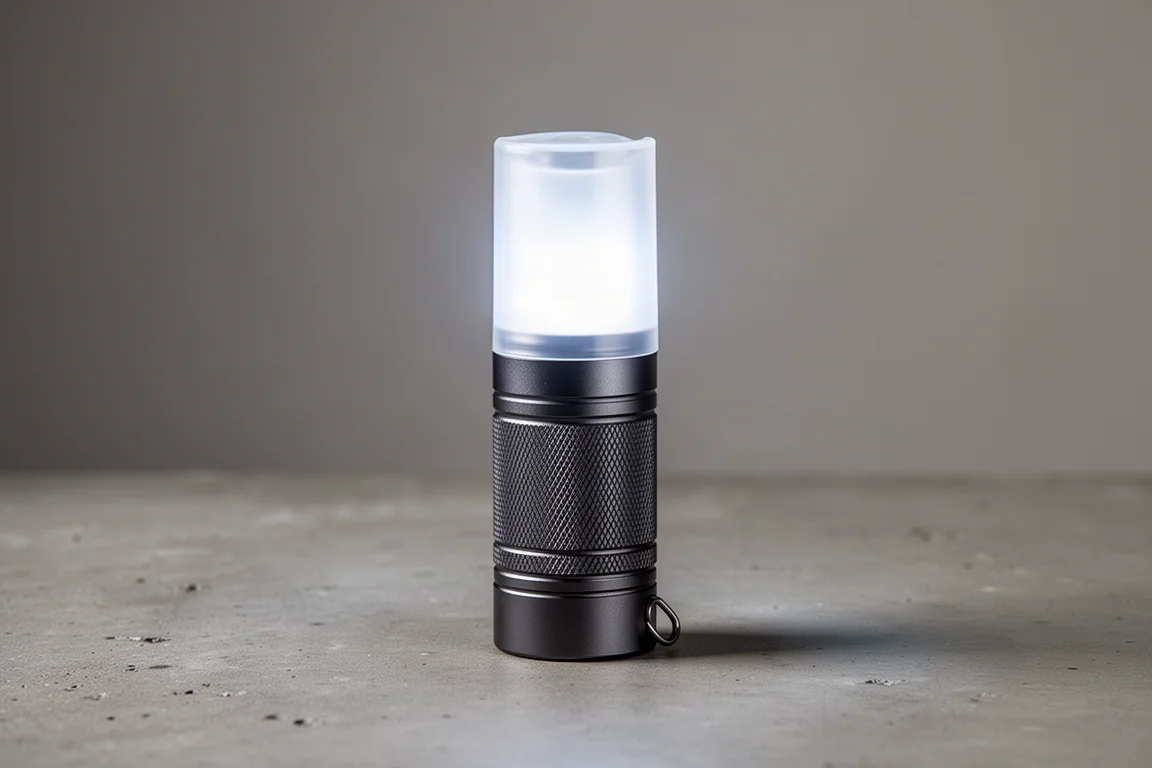
Nitecore LA10 Review: A Tiny 2-in-1 Lantern That Nails the Basics
The Nitecore LA10 pairs a pocket-sized lantern with a single AA battery, a magnetic tail cap and a five-year warranty. Here is where it shines and where it struggles.
Flashlights
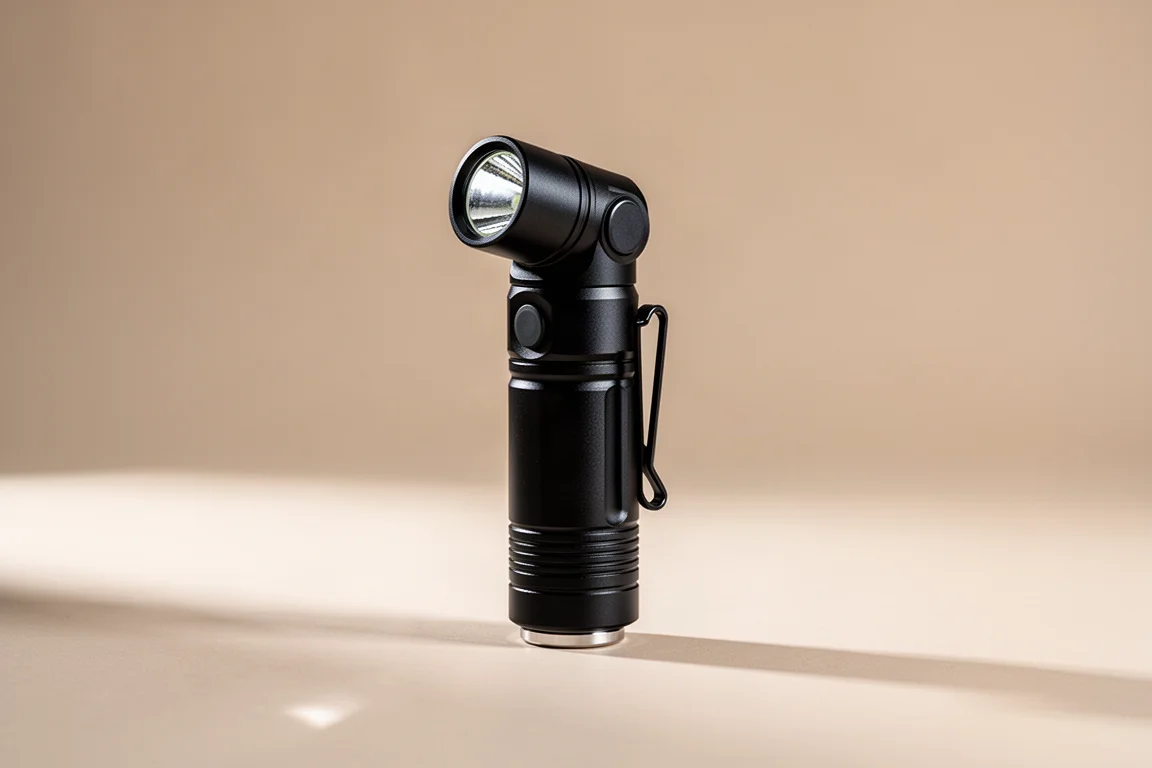
Wuben G5 Review: A Compact Everyday Carry Flashlight
The Wuben G5 is a small, rechargeable flashlight with a pivoting head, magnetic base, and color modes. Here is how it performs as an everyday carry light.