Flashlights
Olight EDC Flashlights Compared: Seeker 4, Warrior Mini 3, and Warrior Mini 2
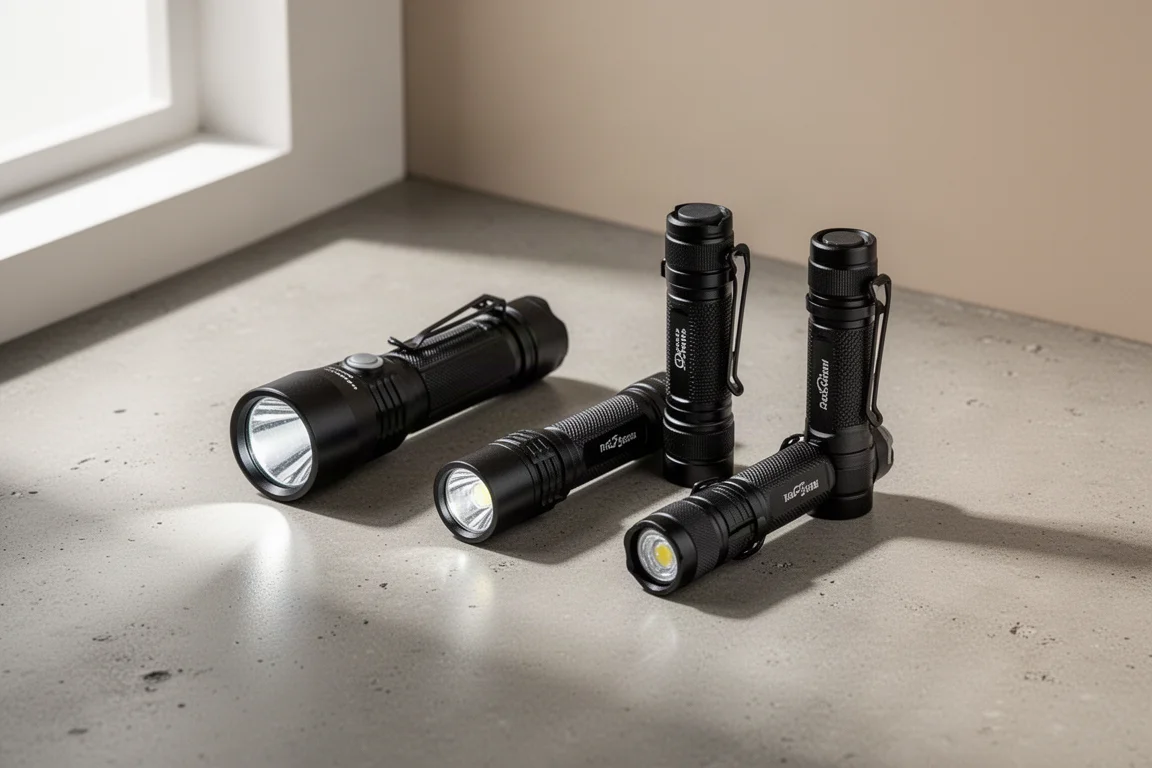
Three Olight flashlights with very different strengths: an EDC flood light with built-in UV, and two compact Warrior lights with serious output.
Introduction
Olight has released a fresh batch of lights, and three of them are worth a closer look if a capable everyday-carry flashlight is on your list. The Seeker 4 leans toward a wide flood beam and adds a built-in ultraviolet mode, while the Warrior Mini 3 and Warrior Mini 2 take the compact tactical route with higher peak output and more throw. Each light targets a slightly different user, so here is how they stack up.
Olight Seeker 4: An EDC Flood Light With a UV Party Trick
The Seeker 4 is built for broad coverage rather than distance. It has a fairly wide beam, closer to a flood light than a thrower, which lights up an area evenly and cleanly. On the white light side you get around 1,200 lumens at the top end, with a high of 600, a medium of 1,200 per the specification quirk, a low of 15 lumens, and a 2-lumen moonlight mode for dark-adapted use.
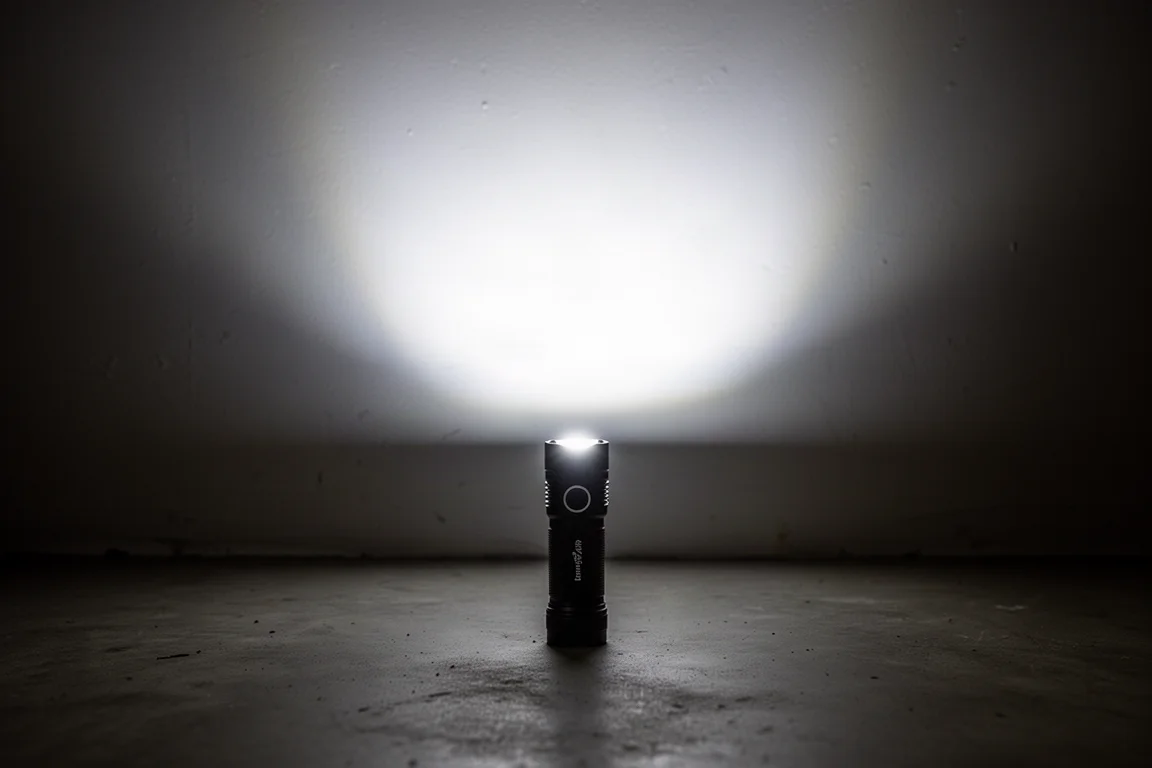
It runs on a customized rechargeable 18350 lithium battery and uses the standard Olight magnetic charging connector at the back. That combination of a pocket-friendly body, wide beam, and magnetic charging makes it a genuine everyday-carry candidate, and the beam pattern also suits law enforcement or utility work where you need to light a room, not a treeline.
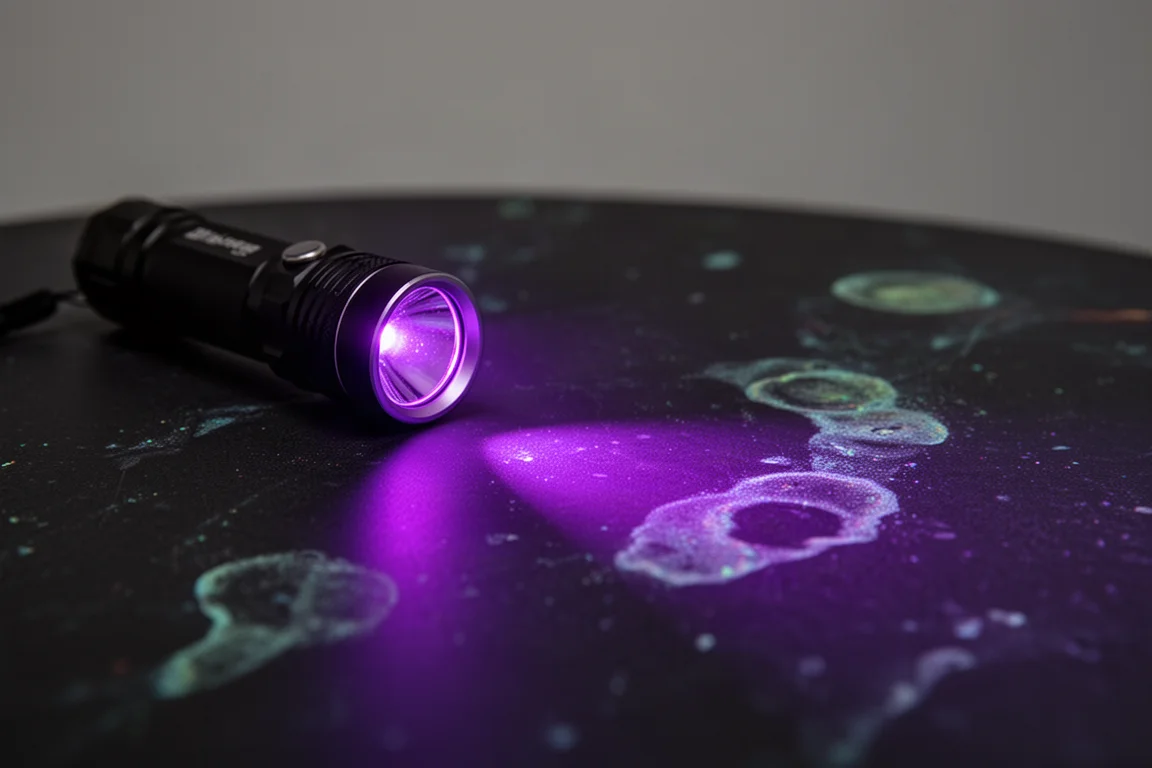
The standout feature is the built-in 365-nanometer ultraviolet light, activated with a double click. It is genuinely powerful for its class: hold it over your hand and you can feel the heat it produces, and it discolors UV-sensitive material almost instantly from a distance. If you have any interest in checking currency, hunting scorpions, or curing UV resins, this alone separates the Seeker 4 from nearly every other EDC light in its size class.
Olight Warrior Mini 3: Refinements Where It Counts
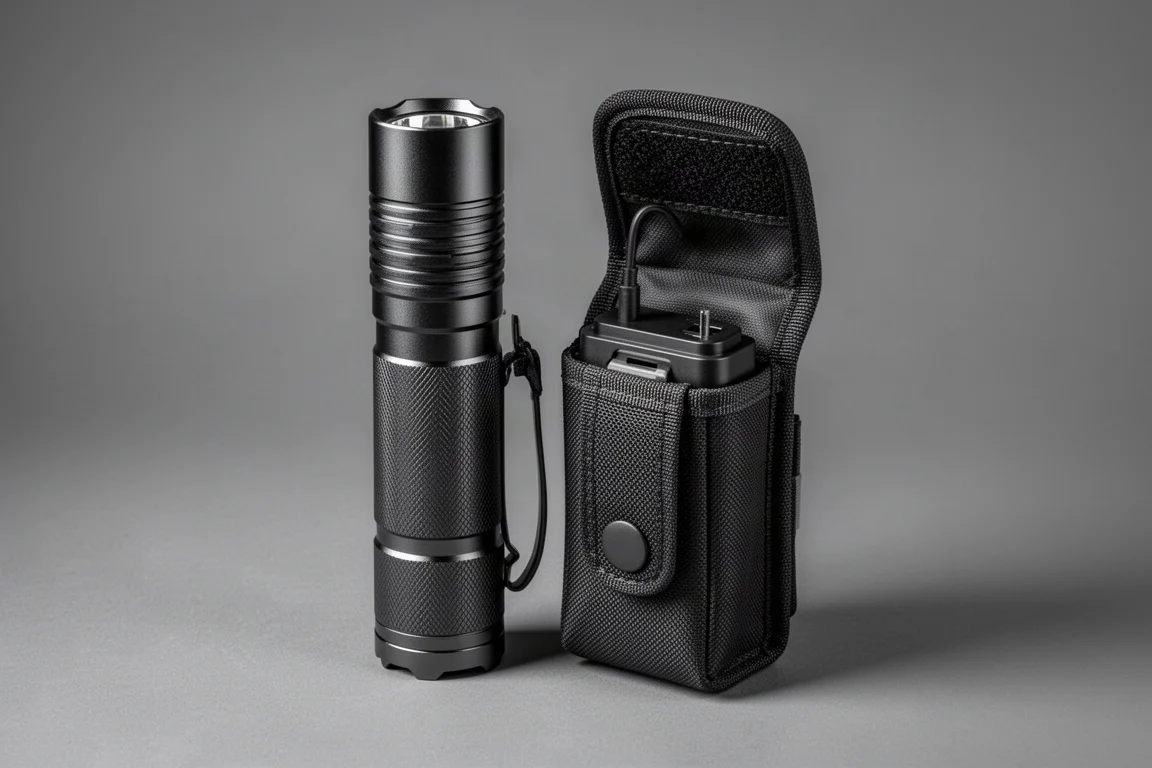
The Warrior Mini 3 is a little shorter than its predecessor and steps up the output to 1,750 lumens. Olight also reversed the pocket clip design, which changes how it rides in a pocket. Outdoors, the beam reaches impressively far, with a noticeable hotspot in the center and a smooth, even diffusion around it, without the dark spots that old-style spotlights suffered from.
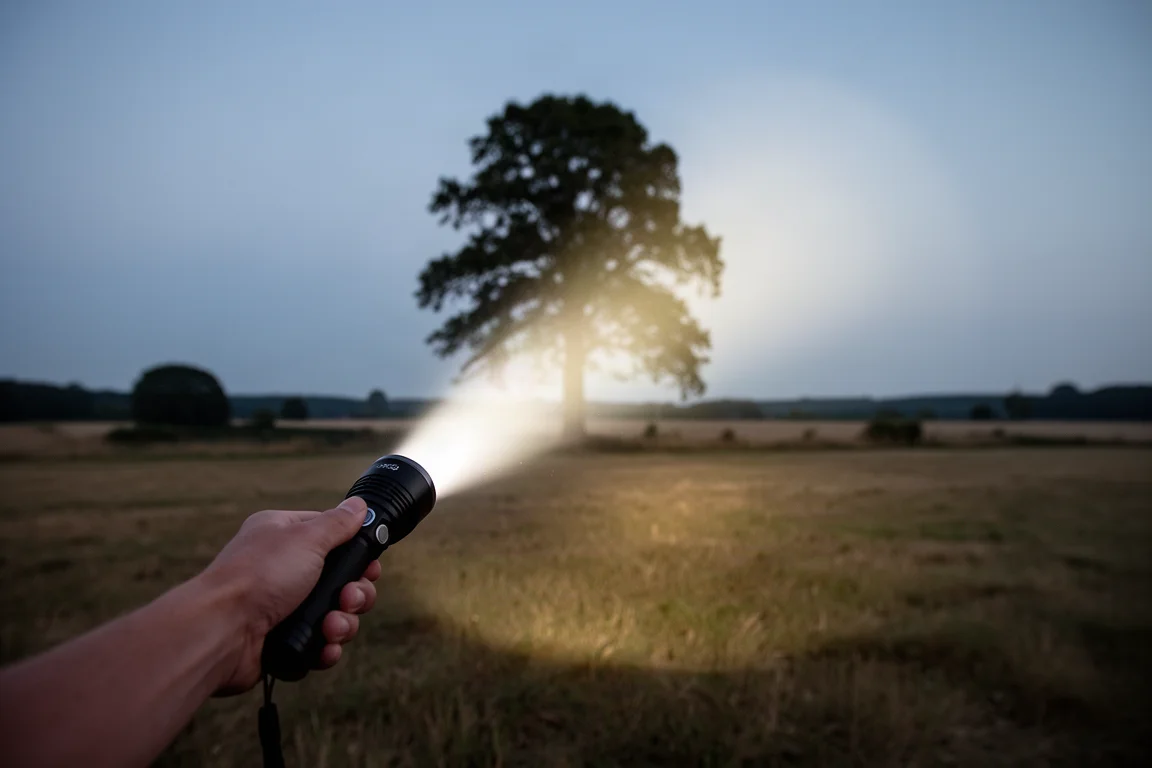
The most interesting change is the reworked proximity sensor. On earlier models, the light would dim itself automatically when you brought it close to a wall or your hands while working, which could be frustrating. The Warrior Mini 3 still steps down immediately if the light fires up in a pocket or lying face down, but if you switch it on in open space on full turbo and then bring it close, you can hold that maximum setting. It is a smart compromise that gets the best of both worlds.
Olight also addressed the magnetic charging tail cap. Older deeply recessed magnetic ports tended to attract iron filings, dirt, and metal shavings, and were tough to clean. The new plate is still magnetic and slightly recessed since it doubles as a tail cap, but the smoother surface does not collect debris the same way and wipes clean far more easily. It is a small detail that shows Olight is listening to feedback.
Olight Warrior Mini 2: The Previous Generation Still Holds Up
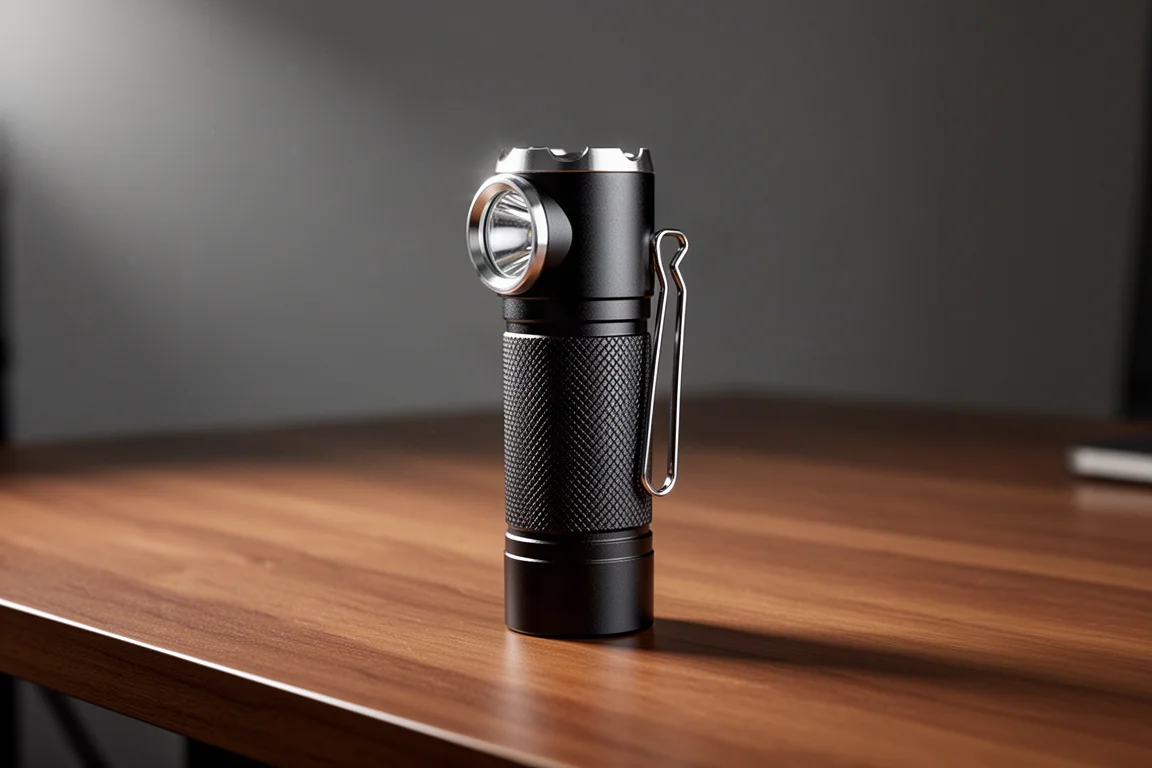
The Warrior Mini 2 remains a solid compact option, especially if you find it at a lower price now that the Mini 3 is out. It carries the earlier proximity sensor design, so it will dim itself when the head gets close to a surface, which some users found intrusive during close-up work.
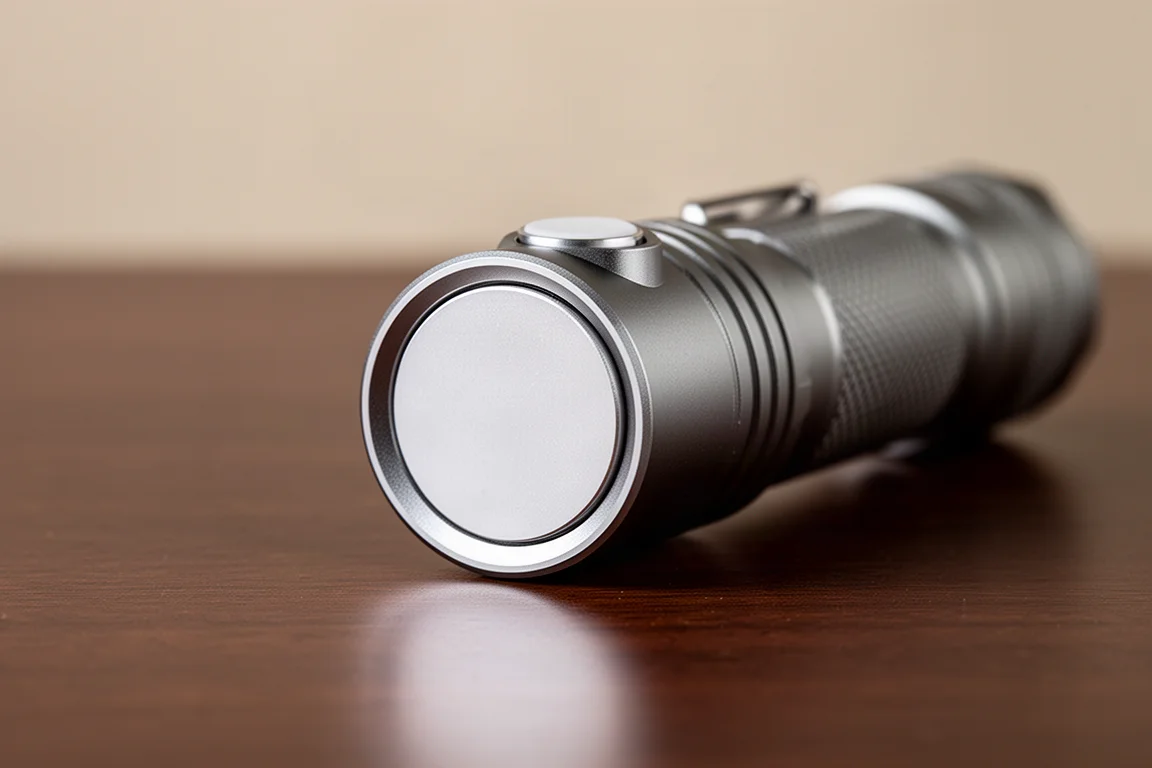
It shares the magnetic charging approach of the earlier generation, with the more deeply recessed components that take a little more effort to keep clean. If those quirks do not bother you, it is still a capable pocket light with the same family DNA: compact body, strong output for its size, and simple charging.
Overall Buying Advice
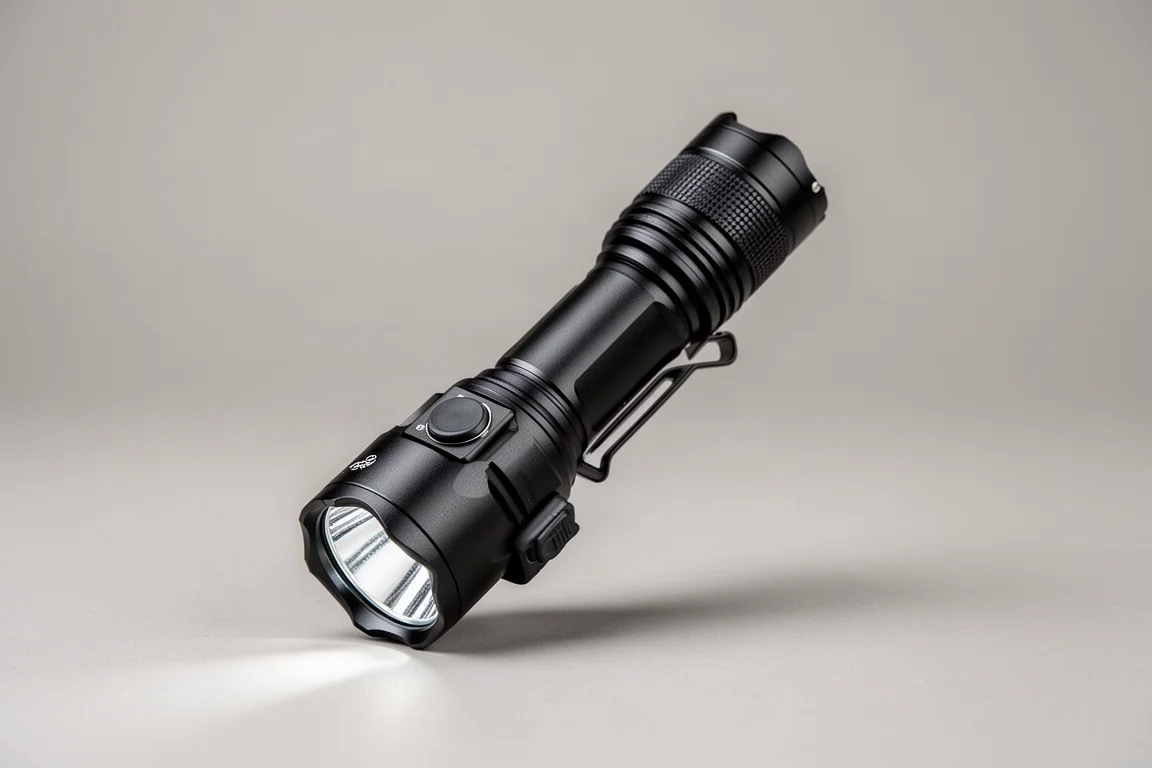
Pick the Seeker 4 if your priority is lighting up an area evenly and you find the built-in 365nm UV mode genuinely useful. Choose the Warrior Mini 3 if you want the highest output, longer reach, and the most refined proximity sensor and charging hardware. The Warrior Mini 2 makes sense mainly as a value play if the earlier sensor behavior does not put you off.
Conclusion
All three lights show why Olight keeps a loyal following: sensible mode layouts, magnetic charging, and constant iteration on user complaints. The Seeker 4 stands out for its unusual UV capability, the Warrior Mini 3 is the most polished of the trio, and the Warrior Mini 2 remains a reasonable fallback for budget-conscious buyers.
Further reading
Related Reviews
Flashlights
Best Flashlights 2026: Brightness, Battery, and Value Compared
We tested 18 flashlights across a wide price range to find the best performers in brightness, battery life, and durability.
Flashlights
Nitecore LA10 Review: A Tiny 2-in-1 Lantern That Nails the Basics
The Nitecore LA10 pairs a pocket-sized lantern with a single AA battery, a magnetic tail cap and a five-year warranty. Here is where it shines and where it struggles.
Flashlights
Wuben G5 Review: A Compact Everyday Carry Flashlight
The Wuben G5 is a small, rechargeable flashlight with a pivoting head, magnetic base, and color modes. Here is how it performs as an everyday carry light.