Flashlights
Olight Baton 4 Family: Standard, Fighter Pilot Edition, and Titanium Compared
The fourth-generation Baton 4 is a standout EDC flashlight, and three versions offer slightly different takes on the same winning design.
Introduction
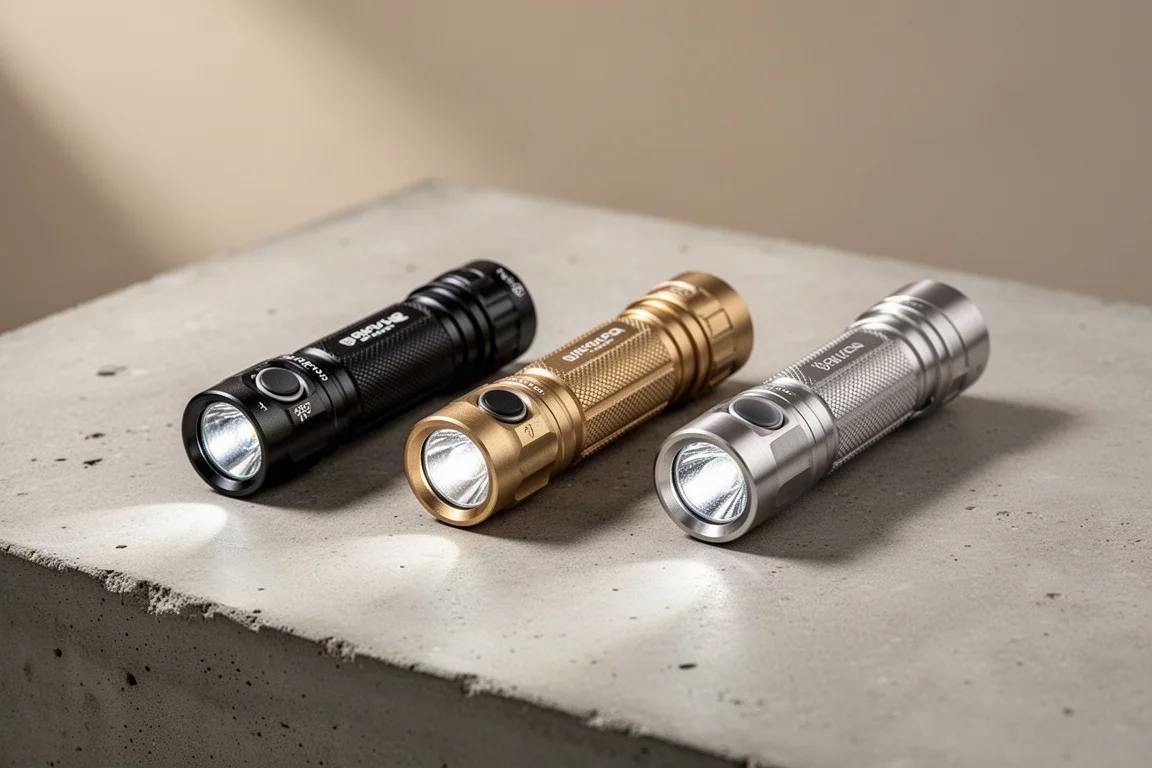
The Baton 4 is the fourth generation of Olight’s compact EDC flashlight line, and the core design has genuinely earned its reputation. The size, the function, and the overall feel make it one of the easiest grab-and-go lights to recommend. What makes this generation especially interesting is that Olight has released new variations, including a Fighter Pilot limited edition and a titanium version, and has built a whole charging ecosystem around the light.
This comparison walks through the three versions, what sets them apart, and which one makes the most sense for your pocket.
Why the Baton 4 Design Works
Olight has refined the exterior display over previous generations. The older rubberized control area with a single battery indicator dot worked, but it could be triggered accidentally. The Baton 4 recesses the controls further into the body and provides more information on the outside, including the current light mode and the battery level.
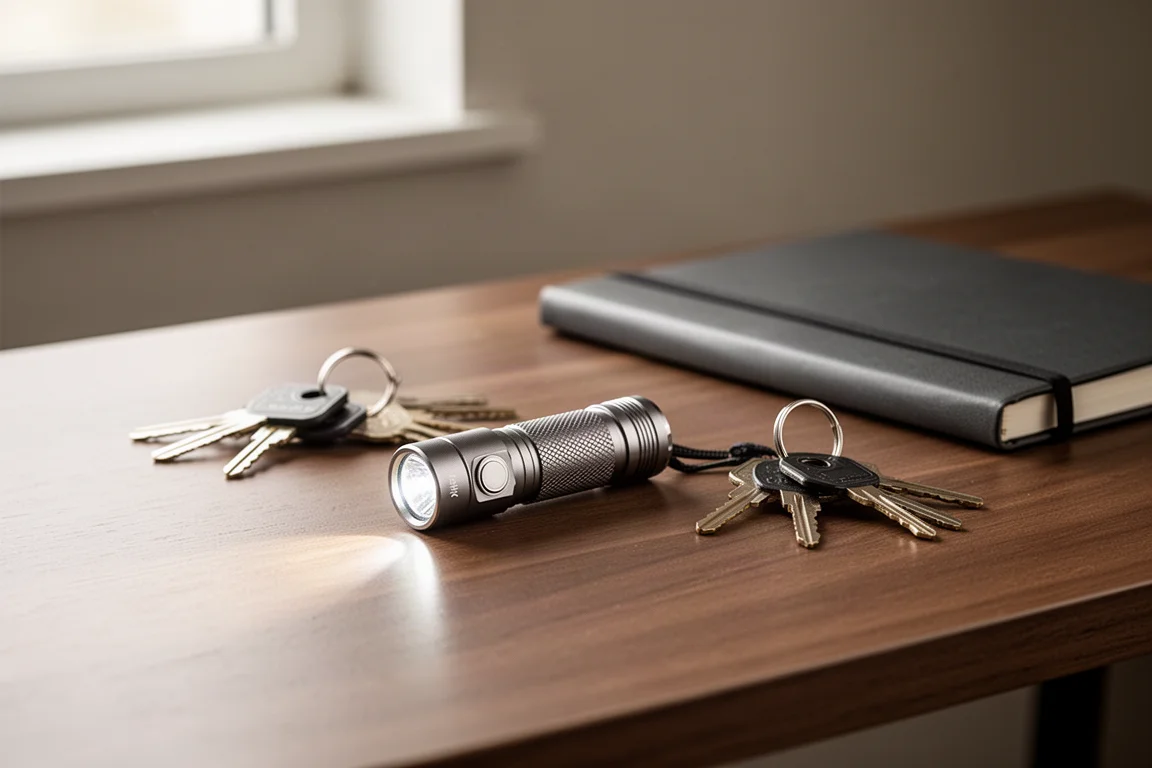
The result is a light that is almost imperceptible in the pocket at around 53 grams, yet delivers serious output. Part of the appeal is simply enjoying the object itself: a well-made tool that doubles as a small piece of everyday design.
Output and Modes Compared
Raw peak output is a bit like a quarter-mile time: fun to quote, but what matters is how the light cruises. All versions step down from their maximum to a 600-lumen high mode, plus 60, 12, and half a lumen options for close work, reading, or a nightlight role.
The standard Baton 4 tops out at about 1,000 lumens, while the Fighter Pilot Edition pushes that to 1,300 lumens, an extra 200 over the line. Below peak, the two behave identically with the same 600, 60, 12, and 0.5 lumen settings.
Olight Baton 4 (Standard)
The classic Baton 4 is the one most people should start with. It weighs 53.6 grams, hits roughly 1,000 lumens at maximum, and offers the full mode ladder down to half a lumen. It carries a 650 mAh battery and pairs with the same charging case as every other version, which can recharge the light up to five times.
Olight Baton 4 Fighter Pilot Edition
The Fighter Pilot Edition is the limited-edition variant, and it is a genuinely cool design. It is also the lightest Baton 4 of the three at 53.1 grams, just a couple of tenths lighter than the standard version. Nothing about that difference will change how it carries, but the finish makes it the pick for anyone who enjoys the aesthetic side of EDC.
Output is the highest of the group at 1,300 lumens maximum, with the same 600, 60, 12, and 0.5 lumen modes below.
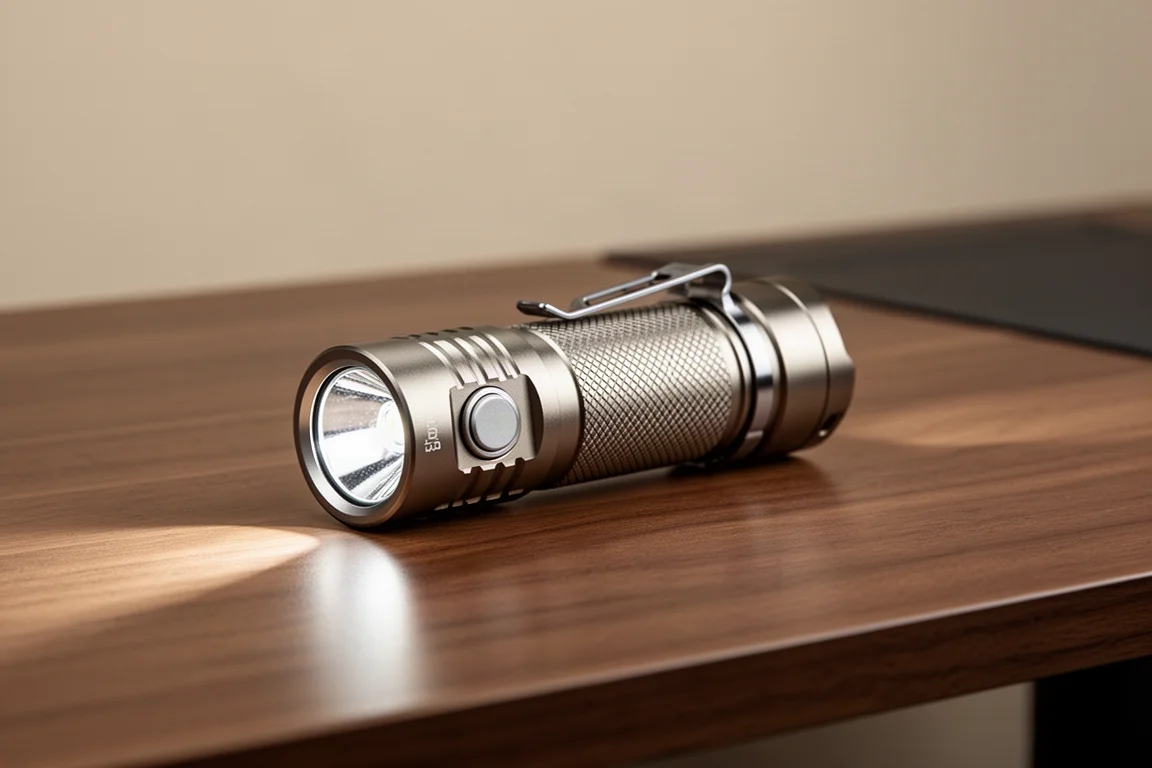
Olight Baton 4 Titanium
The titanium version swaps the aluminum body for titanium, which does not make it lighter than the aluminum models but is still much lighter than the Baton 3 stainless steel. It weighs 64 grams, the heaviest of the three, though that is fairly typical for titanium construction.
It matches the standard version with roughly 1,000 lumens maximum and the same lower modes. The titanium case that ships with it is plastic like the others, not titanium, but it matches the light’s finish.
The Charging Case Ecosystem
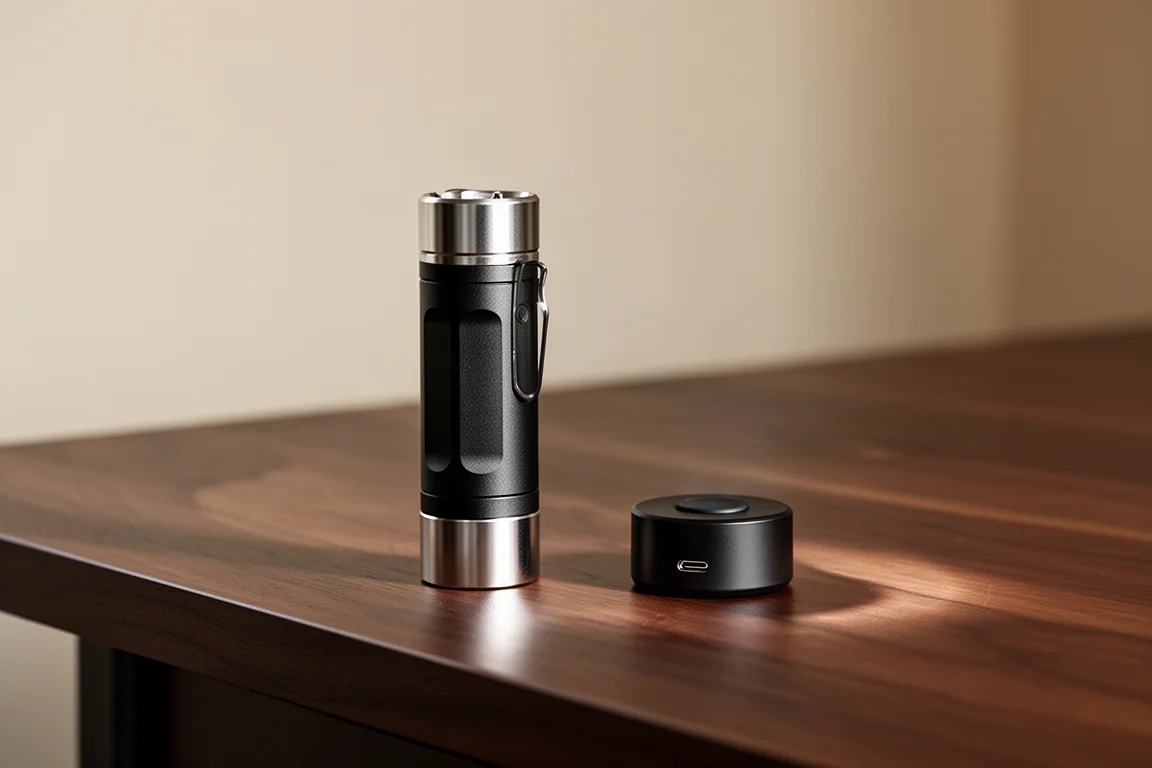
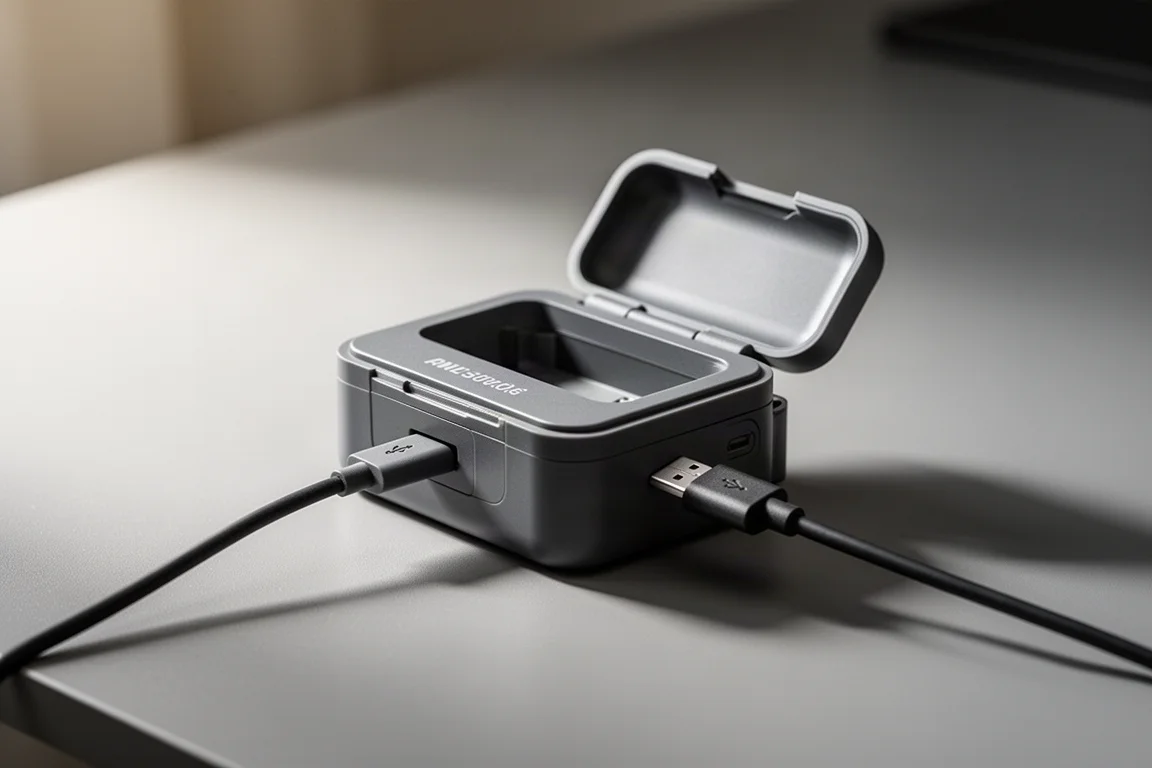
The real differentiator is the charging case. It carries a 5,000 mAh battery and can recharge the light up to five times. It also works as a power bank for other devices like a phone, simply by plugging into the USB-C port.
A clever detail: with a Baton 4 seated in the case, you can turn the light on and it keeps running off the case’s battery, so a dead light still gives you illumination while charging. Close the lid and it shuts off automatically. The case also charges the Perun 2 Mini headlamps, but those do not shut off when the lid closes, so that always-on trick is a Baton 4 feature.
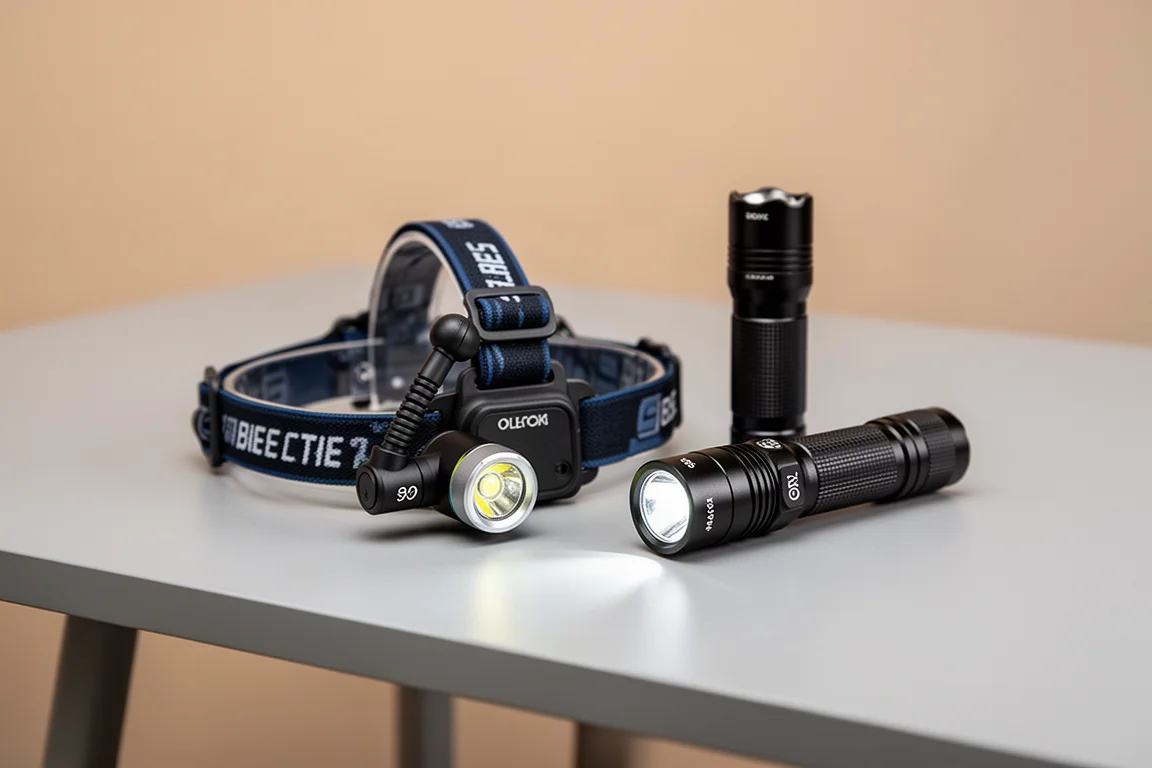
The case doubles as a timer. You can set the light to shut off automatically at one of two intervals, which is ideal for reading in a tent, using it as a kid’s nightlight, or drifting off to sleep without draining the battery.
Charging is flexible too: the case charges over USB-C, but the lights also work with Olight’s standard magnetic puck charger. All of the cases and lights are interchangeable, so buying multiple versions still means one coherent system. It is clear the headlamp and flashlight teams are designing the charging side together, and the result feels like an ecosystem rather than isolated products.
Weights and Pocket Feel
Weights vary more than you might expect across nearly identical-looking lights:
- Standard Baton 4: 53.6 g
- Fighter Pilot Edition: 53.1 g
- Baton 4 Titanium: 64 g
- Baton 3 Stainless Steel (for reference): 87 g
The titanium is heavier than the aluminum models, which is normal for the material, while the Fighter Pilot is the lightest of the group. At the 53-gram mark, the light essentially disappears in the pocket, which is a big part of why the Baton 4 works so well as an everyday carry.
Which One Should You Buy?
If you want the best value and the classic look, the standard Baton 4 is the obvious choice. If you care about design and want the brightest output plus the lightest body, the Fighter Pilot Edition is the one worth hunting down. If you prefer the feel of titanium and do not mind a few extra grams, the titanium version is the premium pick.
Whichever you choose, the charging case is what elevates the whole package. Five recharges on the go, power bank duty, a runtime timer, and compatibility with the Perun 2 Mini headlamps turn a great flashlight into a genuinely complete carry system.
Conclusion
The Baton 4 family is one of the most complete EDC flashlight lineups around. The base design is excellent, the limited edition adds flair and a touch more output, and the titanium version offers a different material character. With the case and headlamp compatibility rounding things out, any of the three is easy to recommend as a grab-and-go light you will actually enjoy using.
Further reading
Related Reviews
Flashlights
Best Flashlights 2026: Brightness, Battery, and Value Compared
We tested 18 flashlights across a wide price range to find the best performers in brightness, battery life, and durability.
Flashlights
Nitecore LA10 Review: A Tiny 2-in-1 Lantern That Nails the Basics
The Nitecore LA10 pairs a pocket-sized lantern with a single AA battery, a magnetic tail cap and a five-year warranty. Here is where it shines and where it struggles.
Flashlights
Wuben G5 Review: A Compact Everyday Carry Flashlight
The Wuben G5 is a small, rechargeable flashlight with a pivoting head, magnetic base, and color modes. Here is how it performs as an everyday carry light.