Flashlights
Olight Baton 3 Pro Max Magnesium: A Flashlight Built From a Surprising Material
Olight swaps aluminum for a magnesium alloy on the Baton 3 Pro Max, cutting weight while changing how the light handles heat. Here is what that means in practice.
Introduction
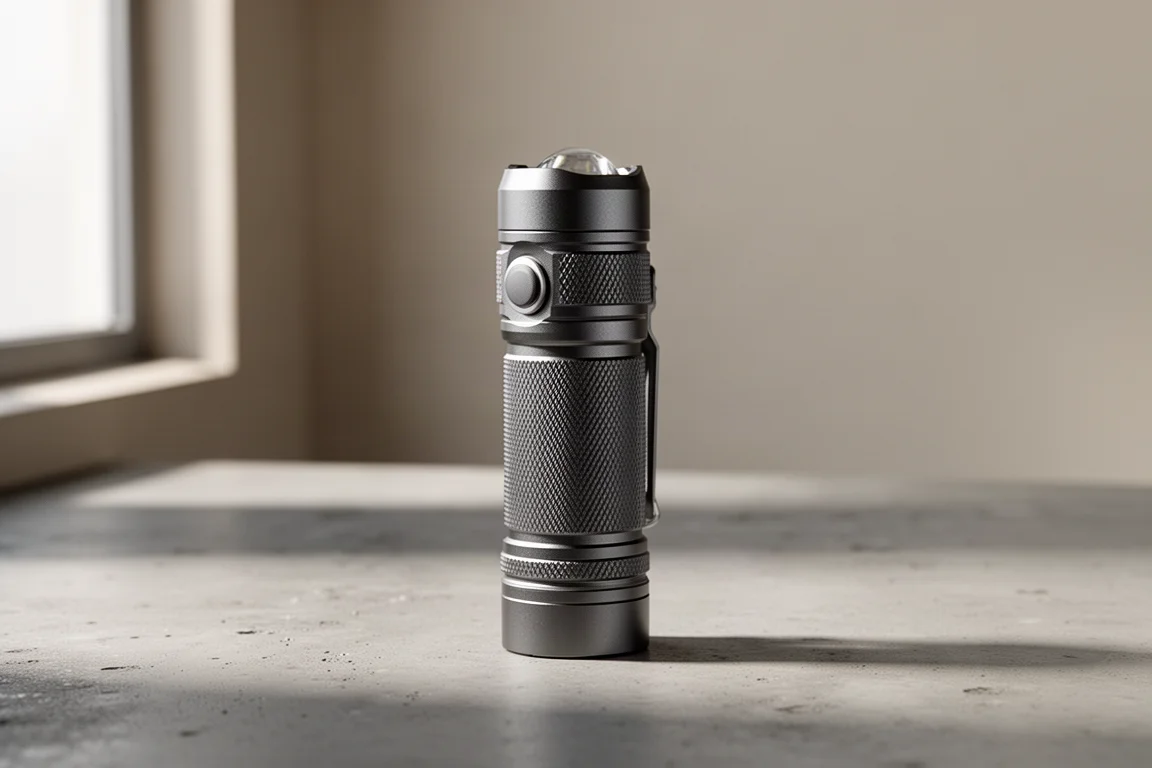
The Olight Baton 3 Pro Max Magnesium takes a familiar everyday-carry flashlight and rebuilds it in a material most people never expected to see on a pocket light: a magnesium alloy. The reaction many people have is the same one most of us were trained to have, because magnesium is famous as a fire starter. In reality, the material is widely used in engine blocks, wheels, body panels, aircraft parts, race car components, motorcycle parts, lawnmower decks, and garden tools. Olight even CNC-machined this housing, which is a practical sign the material can be worked safely at scale.
This version sits alongside the standard aluminum Baton 3 Pro Max rather than replacing it, and the differences are more interesting than a simple material swap. It is lighter, it dissipates heat differently, and its proximity sensor behaves less aggressively. Here is how it all shakes out.
Why Magnesium, and Is It Safe?
Magnesium only ignites easily when it is in powder form or thin ribbons with a lot of exposed surface area. As a solid alloy in a flashlight body, it is a fairly safe material. It is also far from exotic: it is common in the automotive, aviation, and motorsport industries, and magnesium is even the eleventh most common element in the human body, to the point that people take it as a supplement. For comparison, aluminum powder can be a health hazard when inhaled, and carbon fiber slivers can be hard to detect because the material does not show up on X-rays.
If safety has been the thing holding you back from considering this light, the alloy construction and its everyday industrial track record should put that concern to rest.
Weight: Noticeably Lighter Than the Aluminum Version
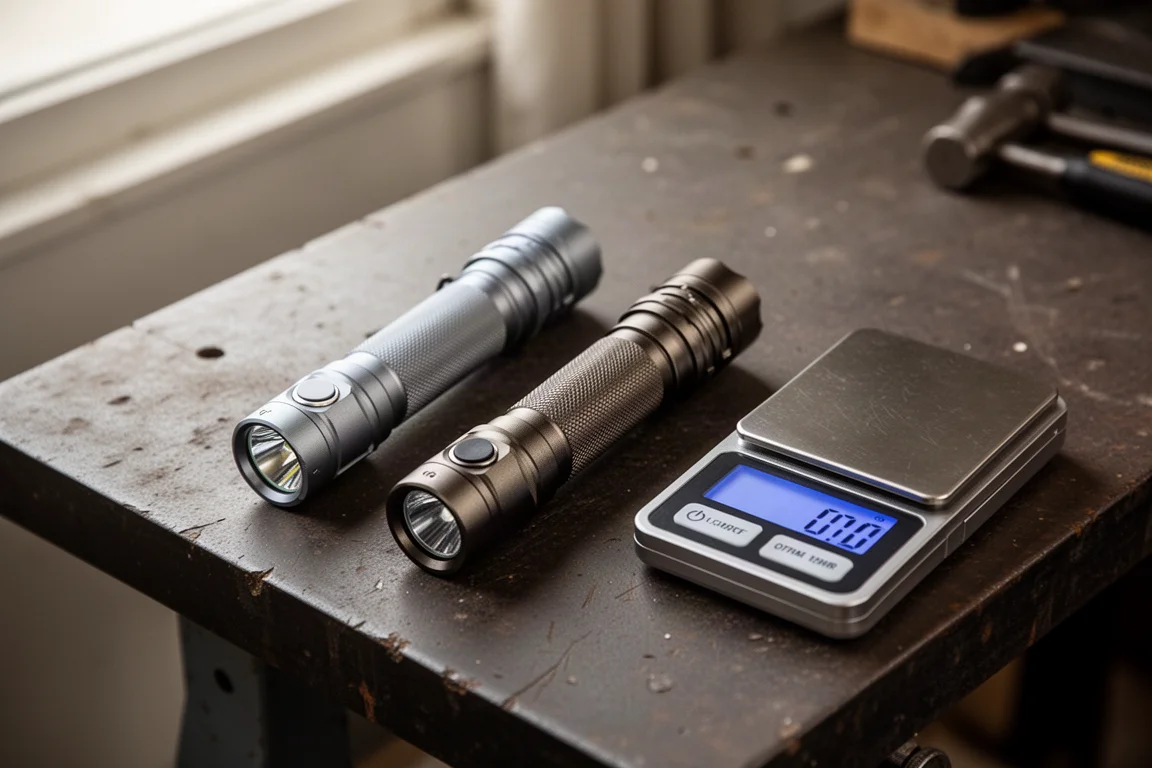
This is where the magnesium build earns its place. On a scale, the magnesium body weighs about 0.87 ounces versus roughly 1.125 ounces for the aluminum version with the same battery. The flashlight heads show a similar gap, at about 1.4 ounces for magnesium versus 1.6 ounces for aluminum. The difference is small on paper but easy to feel in the hand, and it matters for a light designed to live in a pocket.
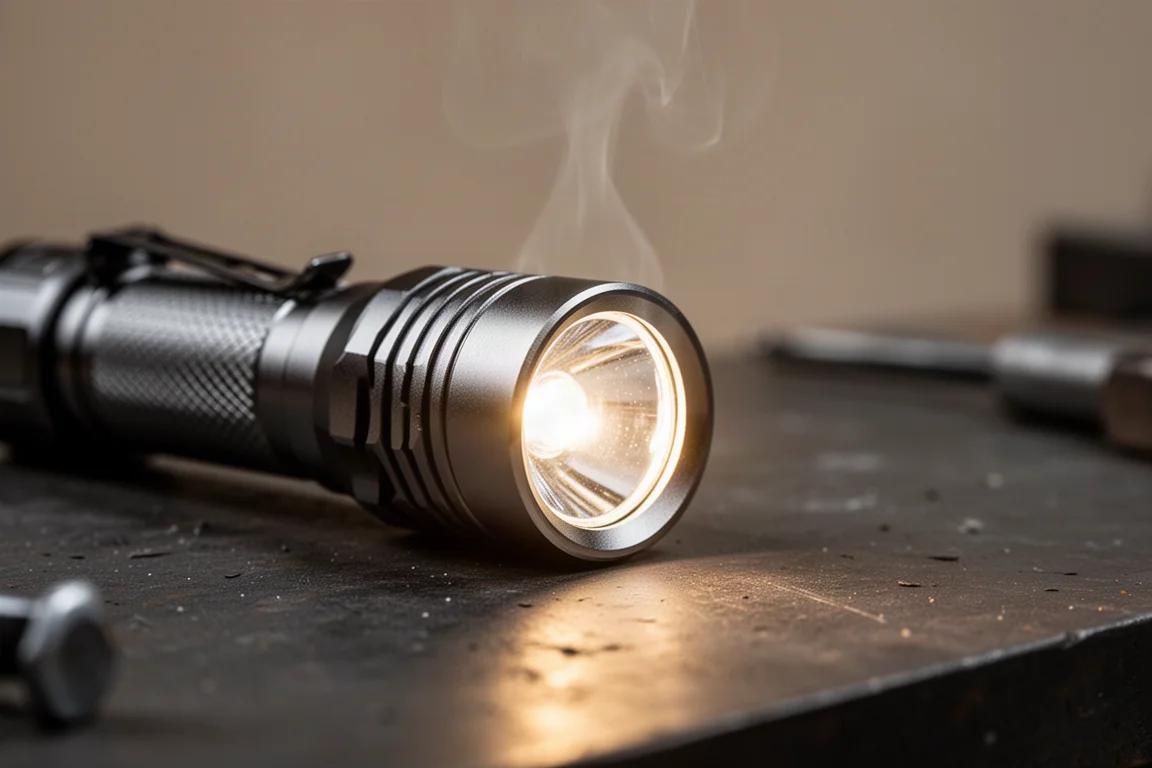
Both versions use the same battery, so you are not trading runtime for the weight saving. If you carry a flashlight daily and notice pocket weight, this is the most direct benefit of the magnesium build.
Heat Dissipation: What the Difference Means in Use
In a side-by-side test under controlled conditions with a thermal camera, the magnesium housing ran hotter on the outside than the aluminum one, stabilizing around 107 degrees against roughly 100 degrees for aluminum. That sounds backwards, but it is not: the material that dumps heat best will feel hotter on the surface, the same way a metal computer case runs warmer to the touch than a plastic one that traps heat inside.
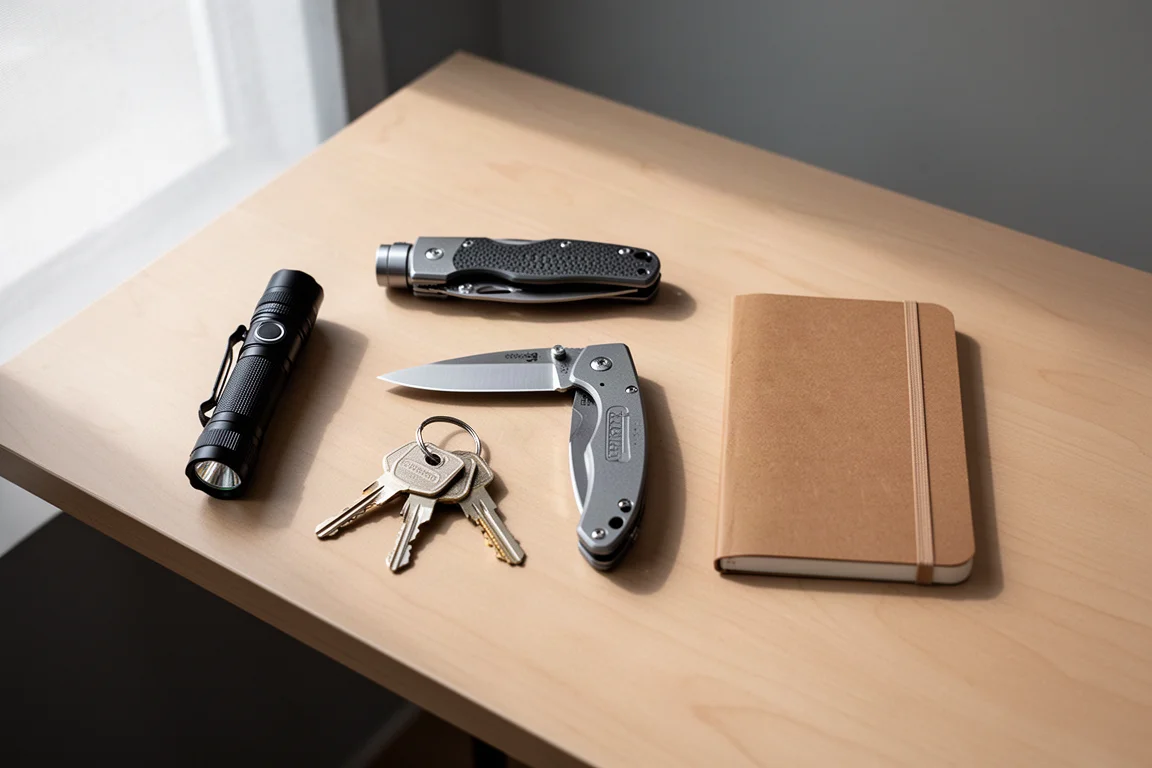
Being able to move heat out of the housing instead of holding it in is generally the better outcome for electronics, and it is one of the reasons materials like magnesium are appealing for compact, high-output devices. For reference, a carbon fiber i3t EOS and a Warrior Mini 2 were also tested, running noticeably cooler at around 83 and 75 degrees respectively, though those are different lights with different outputs and cannot be compared directly.
One practical bonus: the proximity sensor on the magnesium version is less sensitive, so the light throttles down less often when you are moving through leaves, foliage, or tight spaces.
Things to Consider Before Buying
The magnesium Baton 3 Pro Max is a first for many people, and it is worth thinking about how you feel about a new housing material. Aluminum is proven and familiar; magnesium is lighter and thermally interesting but newer to flashlights in this mainstream a release. Olight has the lighting background and worldwide distribution to push new materials, and this light is the start of that experiment, following carbon fiber, aluminum, and stainless steel entries in the lineup.
Buying Advice
If weight is your priority and you want the most pocket-friendly version of the Baton 3 Pro Max, the magnesium build is the one to pick. If you prefer a well-known material and a slightly cooler exterior surface, the standard aluminum version remains a safe choice. Either way, you get the same battery platform and the same core flashlight.
Conclusion
The Olight Baton 3 Pro Max Magnesium is a genuinely novel take on an established EDC flashlight. It is measurably lighter than the aluminum version, it sheds heat in a way that benefits the electronics, and magnesium alloy turns out to be a safe, widely used industrial material rather than the fire hazard the name suggests. For anyone curious about where flashlight materials go next, this is an easy light to be interested in.
Product link
View more details for Olight Baton 3 Pro Max Magnesium
This product is mentioned in the review. Check the specifications, options, and compatibility before buying.
View more details for Olight Baton 3 Pro Max MagnesiumFurther reading
Related Reviews
Flashlights
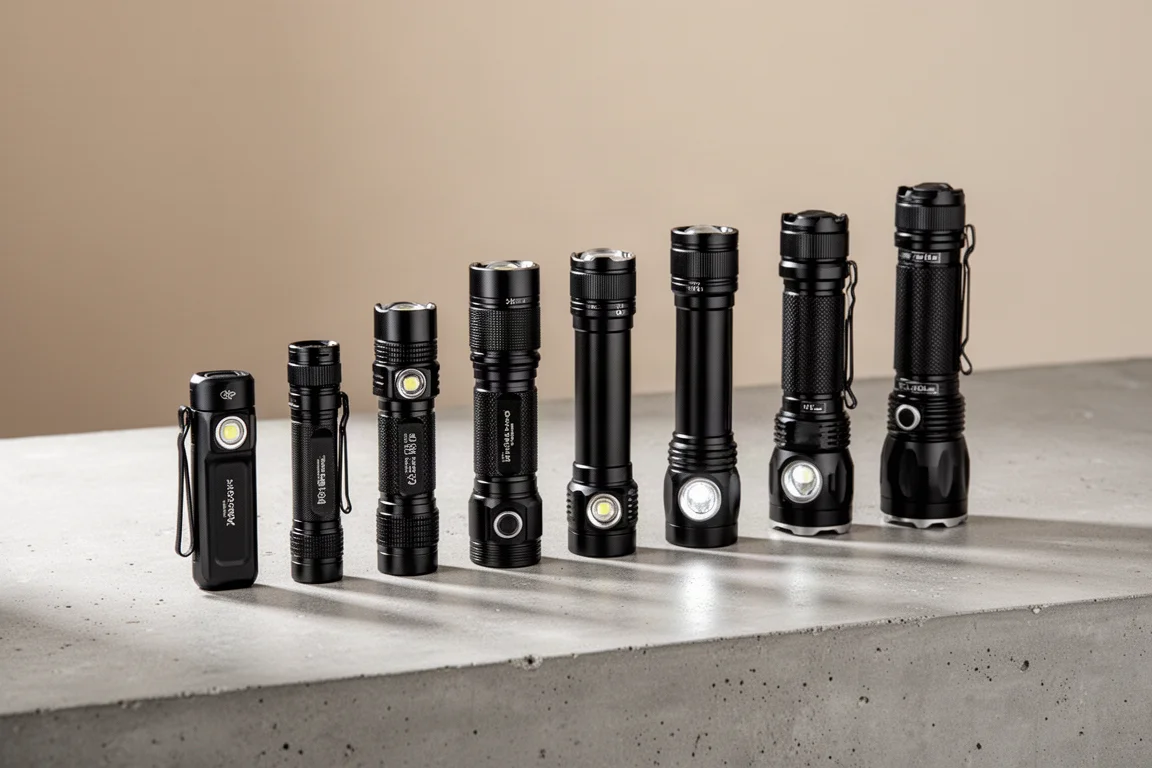
Best Flashlights 2026: Brightness, Battery, and Value Compared
We tested 18 flashlights across a wide price range to find the best performers in brightness, battery life, and durability.
Flashlights
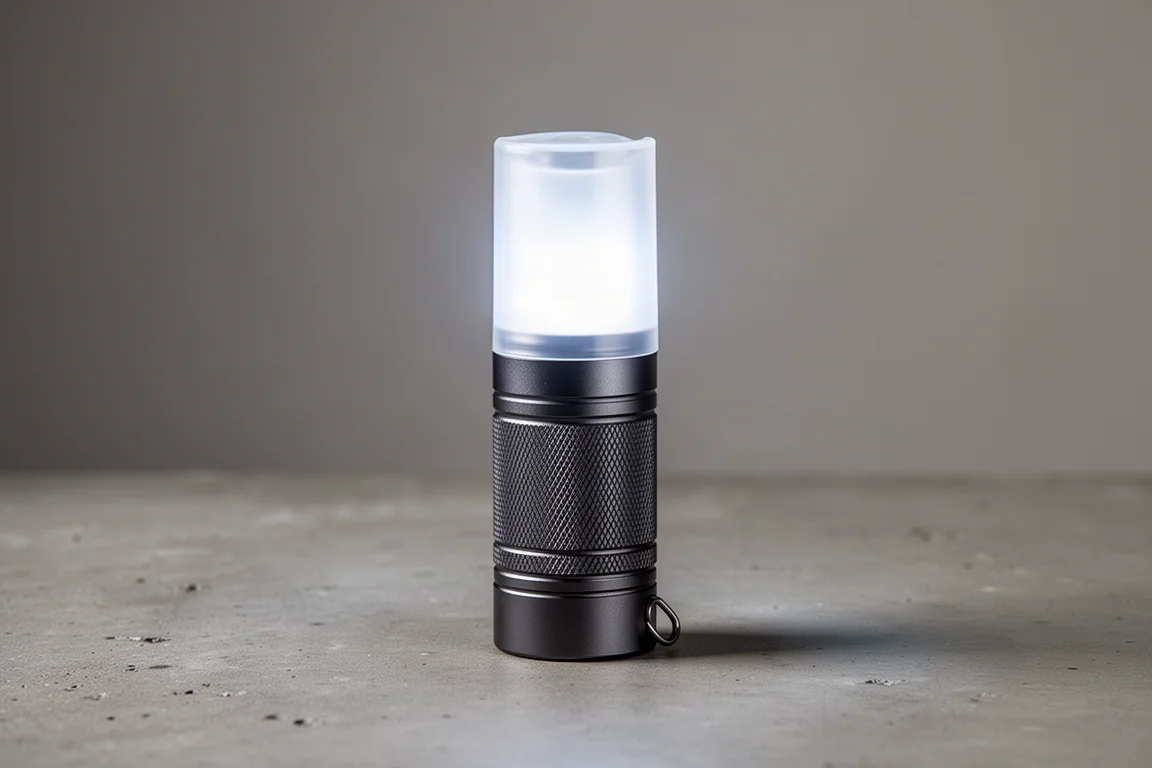
Nitecore LA10 Review: A Tiny 2-in-1 Lantern That Nails the Basics
The Nitecore LA10 pairs a pocket-sized lantern with a single AA battery, a magnetic tail cap and a five-year warranty. Here is where it shines and where it struggles.
Flashlights
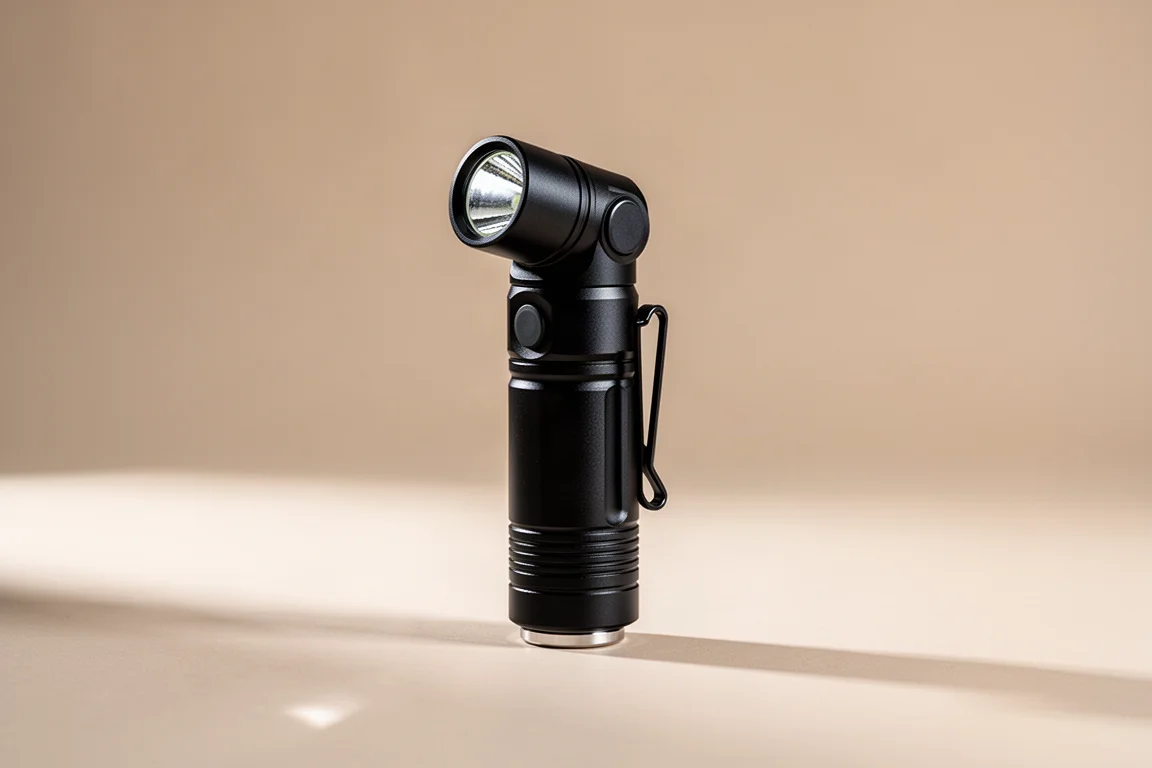
Wuben G5 Review: A Compact Everyday Carry Flashlight
The Wuben G5 is a small, rechargeable flashlight with a pivoting head, magnetic base, and color modes. Here is how it performs as an everyday carry light.