Golf Technology
Five Older Golf Tech Products Still Worth Buying in 2026
Newer golf launch monitors and handhelds promise upgrades, but these five previous-generation models still deliver the accuracy and value that matter most.
Introduction
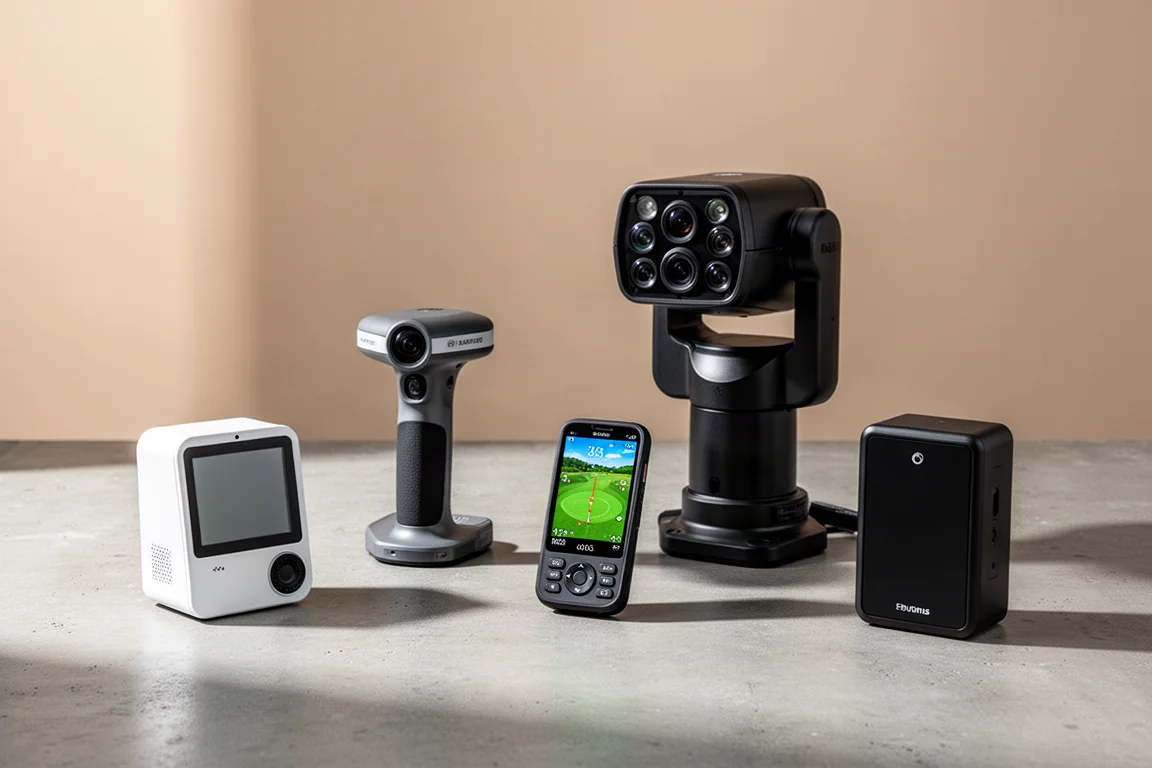
Every year, golf technology companies promise that their newest launch monitors and handheld devices are faster, smarter, and better than anything before. And every year, golfers wonder whether they need to spend hundreds or even thousands of dollars to keep up. After testing a wide range of golf tech, a clear pattern emerges: some of the older products are actually the better buy. The newer models are certainly not bad, but in several cases, the improvements do not justify the higher price. This guide looks at five previous-generation golf technology products that still make more sense than their replacements.
What to Look for in Golf Technology
When choosing a launch monitor or handheld GPS, the most important question is simple: do you trust the numbers? Accuracy is the foundation of any useful golf tech purchase. A device that gives you reliable club speed, ball speed, spin, and carry distance is worth far more than one with extra features that do not change the core data.
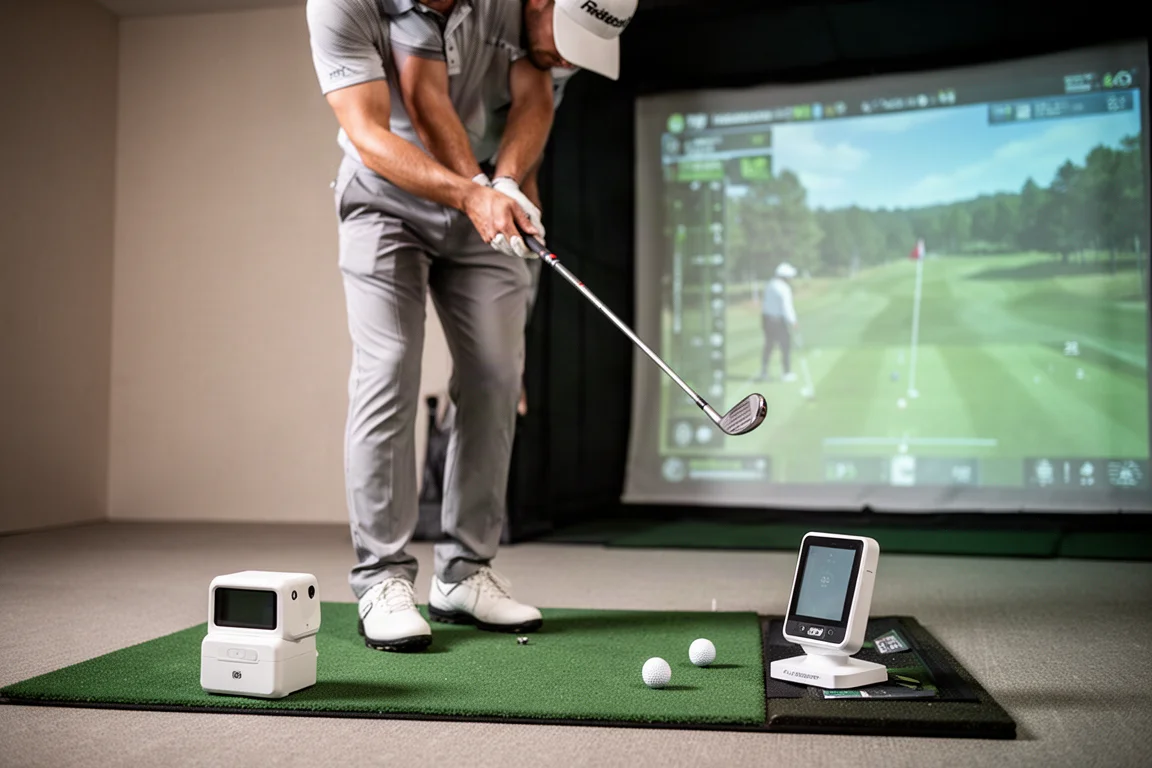
Beyond accuracy, consider how you will actually use the device. Will you take it to the driving range? Do you need it indoors? Do you want GPS features for on-course play? The answers to these questions should guide your decision more than the latest release date. In many cases, the previous-generation model already delivers everything you need at a significantly lower price.
SkyTrak Plus: The Value Pick in the Sub-$2,000 Range
The SkyTrak Plus has been a dependable launch monitor in the sub-$2,000 range. It is solid, accurate, and fairly easy to set up. This year, SkyTrak released the new ST Max, which adds speed training powered by Golf Tec, a redesigned internal architecture, dual USB-C ports, a new enclosure, and some workflow improvements. The ST Max also gets a gray paint job instead of the older white finish.
Those additions are nice, but the core question remains: do you trust the numbers? With both the ST Max and the older ST Plus, the answer is yes. From a photometric standpoint, they are essentially the same device, meaning they are exactly as accurate as each other. The one real flaw of the SkyTrak system, a slight shot lag between impact and seeing the ball fly on screen, remains about the same on both devices.
The SkyTrak Plus is currently available for $1,495, while the ST Max costs $1,995. That is a $500 difference for features that do not change the accuracy or the shot lag experience. Unless you specifically want the new speed training features, the rest is essentially the same, and you can save a significant amount of money.
FlightScope Mevo Plus: The Portable Option That Keeps Its Price
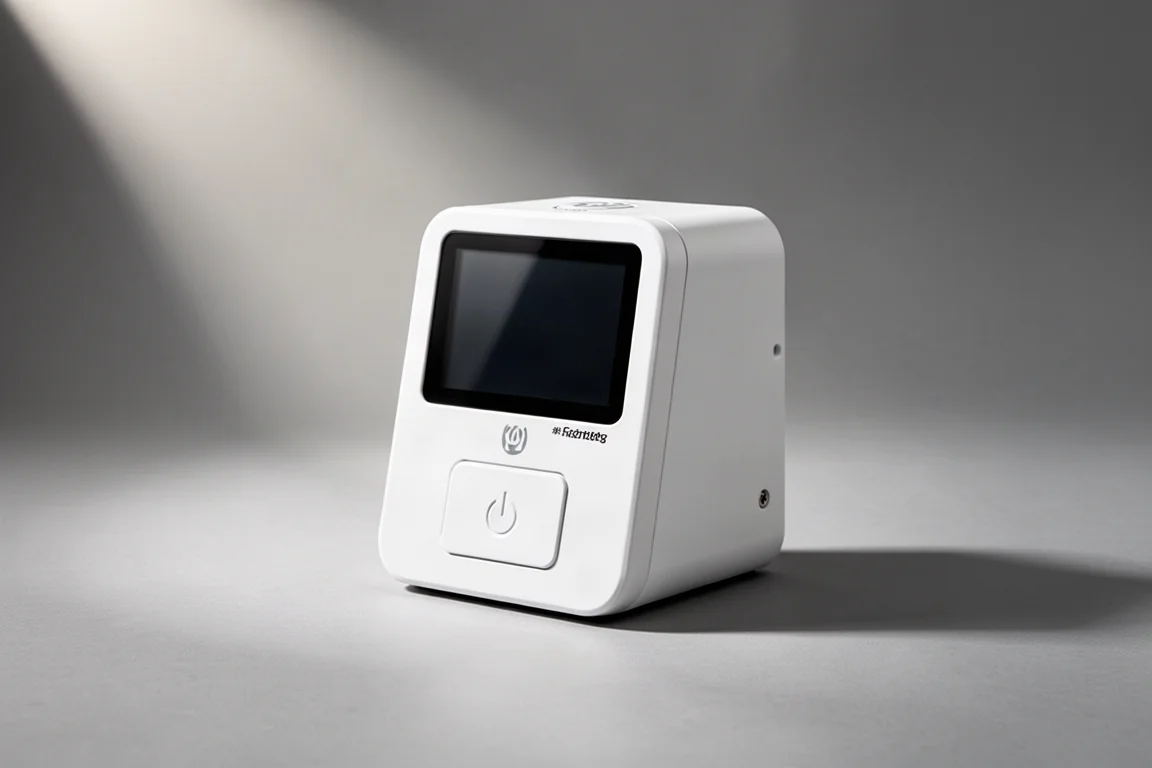
FlightScope’s Mevo Plus and the newer Mevo Gen 2 are both capable launch monitors, but after hitting hundreds of shots with each, the differences are hard to find. The software is exactly the same. The accuracy appears to be exactly the same. Distances and spin numbers are consistent between the two devices, and the overall confidence in the data is basically unchanged.
Holding the two units side by side, the older Mevo Plus actually feels better in some ways. It has slightly better build quality, better ergonomics, and it is more compact, making it easier to slip into a golf bag for a trip to the range. Both devices work indoors and outdoors and come with a case, which is a big part of their appeal.
The Mevo Plus currently sits around $1,099 to $1,100, while the Gen 2 is priced at $1,299. For a $200 difference, the older model offers the same software, the same accuracy, and a more portable design. Keeping the $200 and going with the Mevo Plus is the more sensible choice for most golfers.
Garmin G80: The Handheld That Does It All for Less
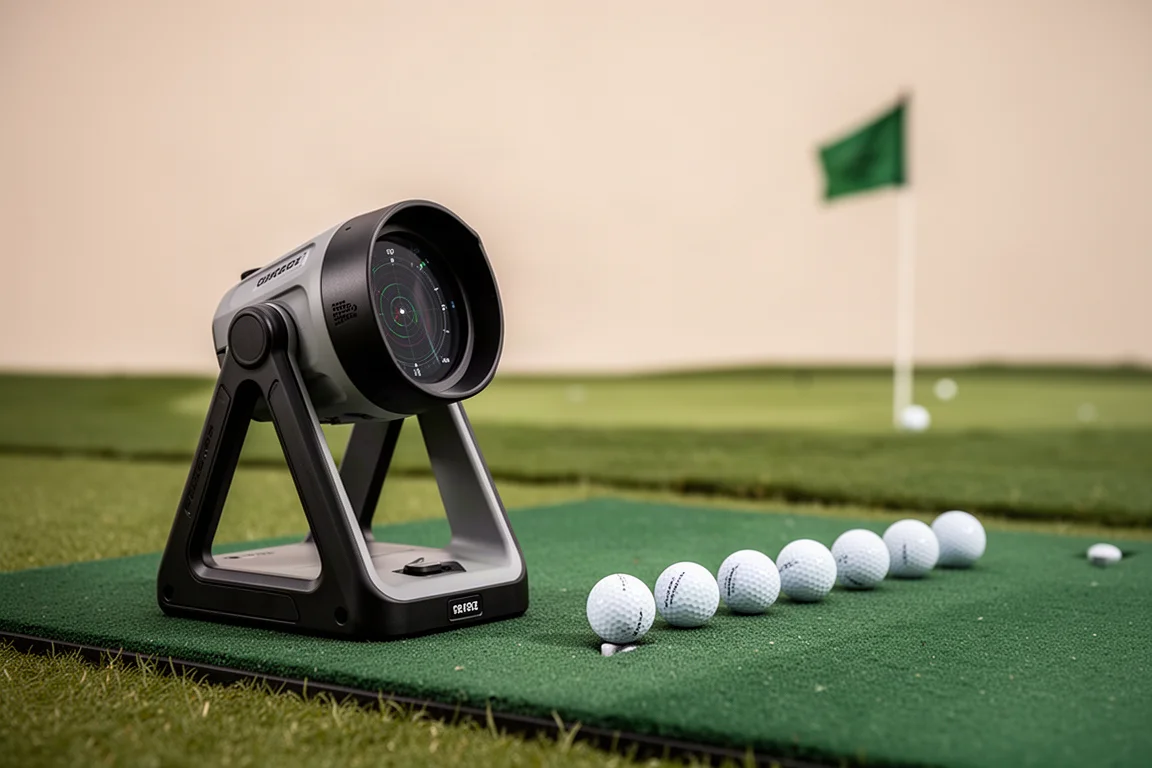
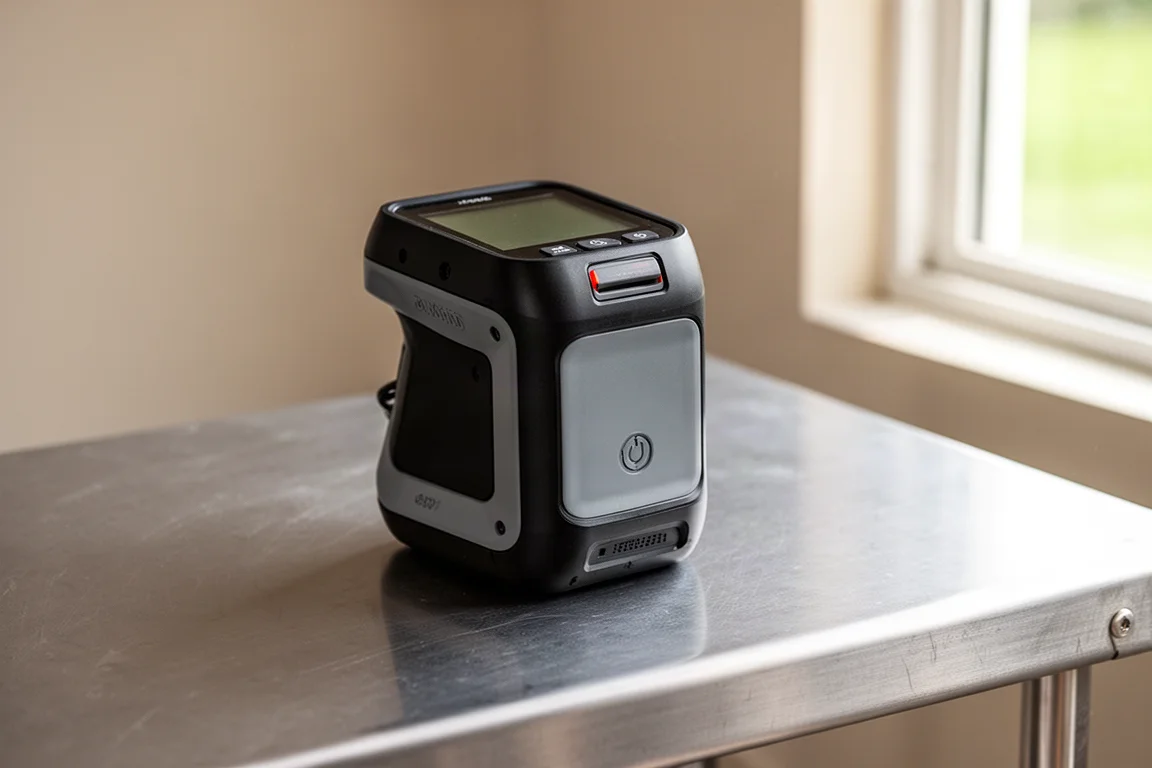
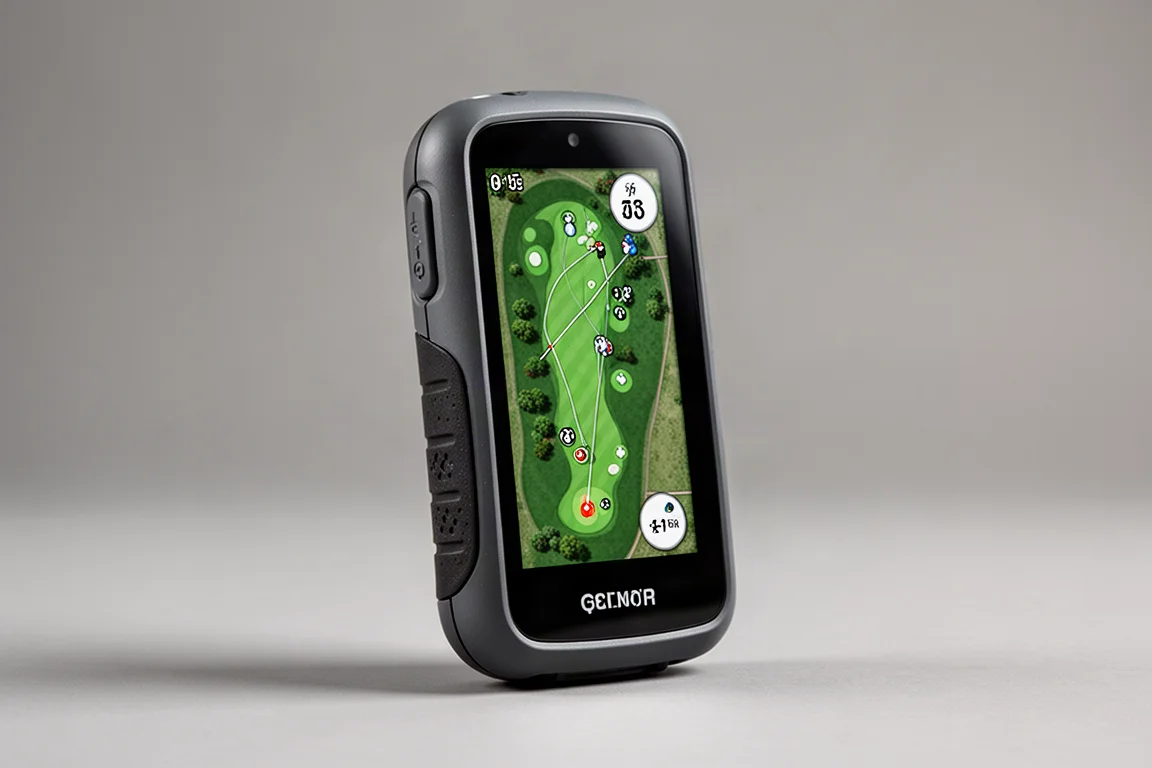
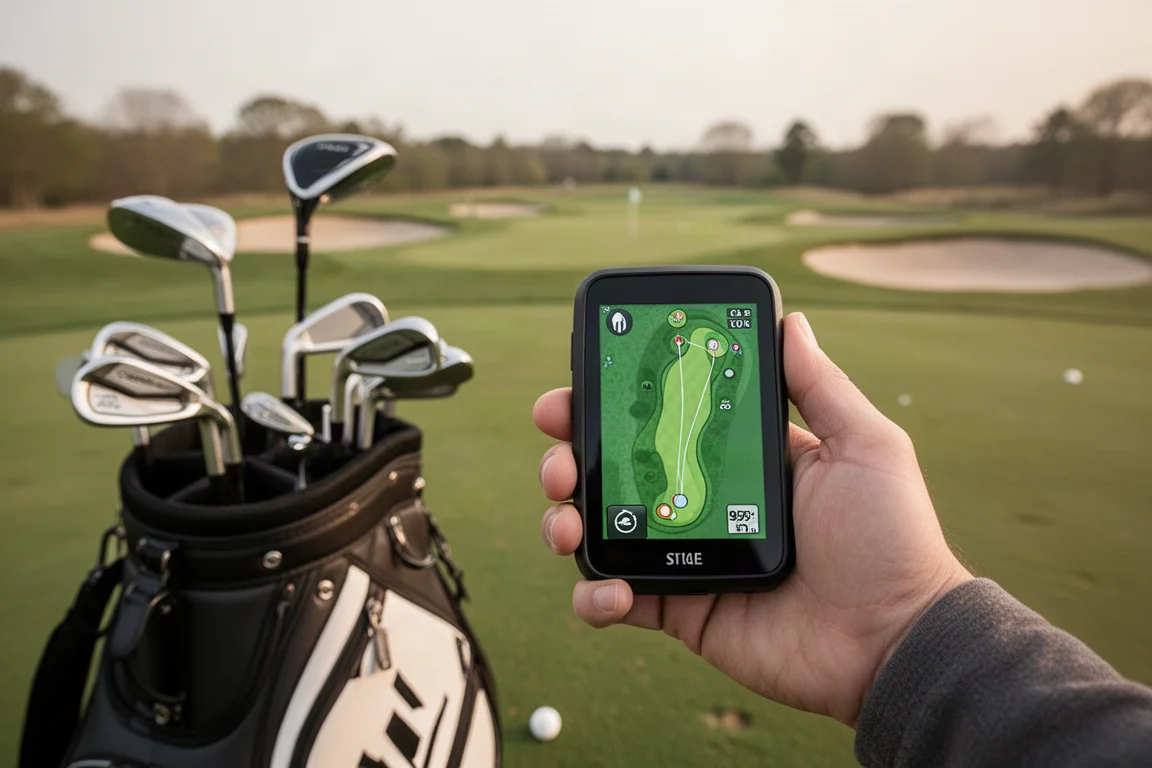
The Garmin G80 became incredibly popular because it combined a handheld GPS with a portable launch monitor in a single device. You can warm up on the range, check club speed, ball speed, smash factor, and estimated carry, then walk onto the course and get accurate GPS distances, hole maps, and course features in one seamless handheld product. It can even function as a simulator if you want it to.
In 2026, Garmin released the G82, which on paper sounds like a huge upgrade. It gets a much larger 5-inch touchscreen, putting metrics, magnetic mounting, USB-C charging, green contour mapping with a Garmin Golf membership, and a redesigned interface with expanded connected features. The AMOLED screen is beautiful, and the putting metrics are genuinely nice to have.
But the G82 is heavier and larger all around. While the G80 can slip into a pocket, the G82 needs to be mounted to a cart or clipped onto a bag because of its size. For warming up before a round, checking distances, and using GPS on course, the G80 already does everything you need. The G80 is available for around $299, while the G82 costs $599, roughly double the money. If you can live without the AMOLED screen and putting metrics, the G80 saves you a substantial amount.
Foresight GC Quad: Elite Accuracy Without the Premium
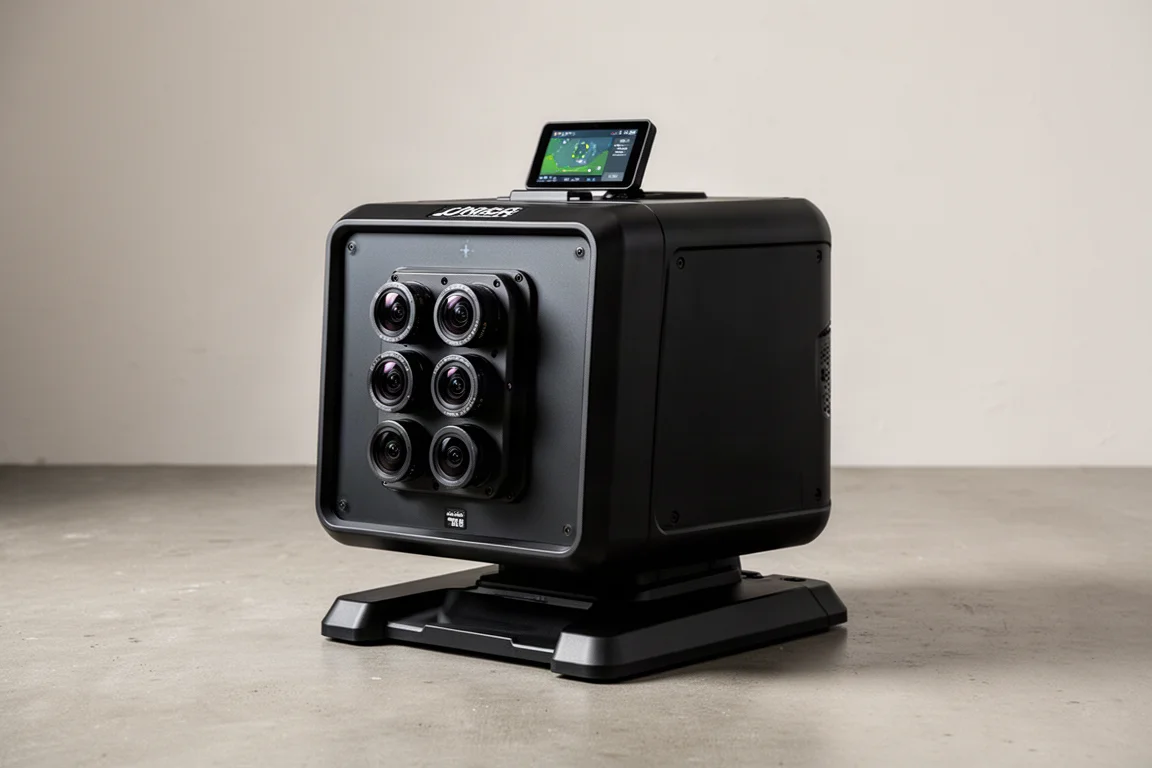
The original Foresight GC Quad has been considered one of the best launch monitors in golf for years. Tour players, club fitters, and equipment manufacturers trust it for a reason. A couple of years ago, Foresight released the GC Quad Max, which added a new display, workflow improvements, easier setup, and additional convenience features aimed at making the experience more seamless.
Those are legitimate upgrades, but the accuracy has not really changed. The original GC Quad did not stop being incredibly accurate. If your goal is measuring golf shots, the GC Quad was already elite. The current pricing shows the difference clearly: the GC Quad runs $11,999, while the GC Quad Max costs $14,999, roughly $3,000 more.
The GC Quad Max is probably the gold standard in launch monitors right now, along with Trackman. The bigger, brighter screen is appealing, and the upgraded ergonomics and larger battery are welcome. But paying an extra $3,000 for those conveniences is hard to justify when the core accuracy is unchanged.
Foresight GC3: The One-Time Purchase That Beats the Subscription
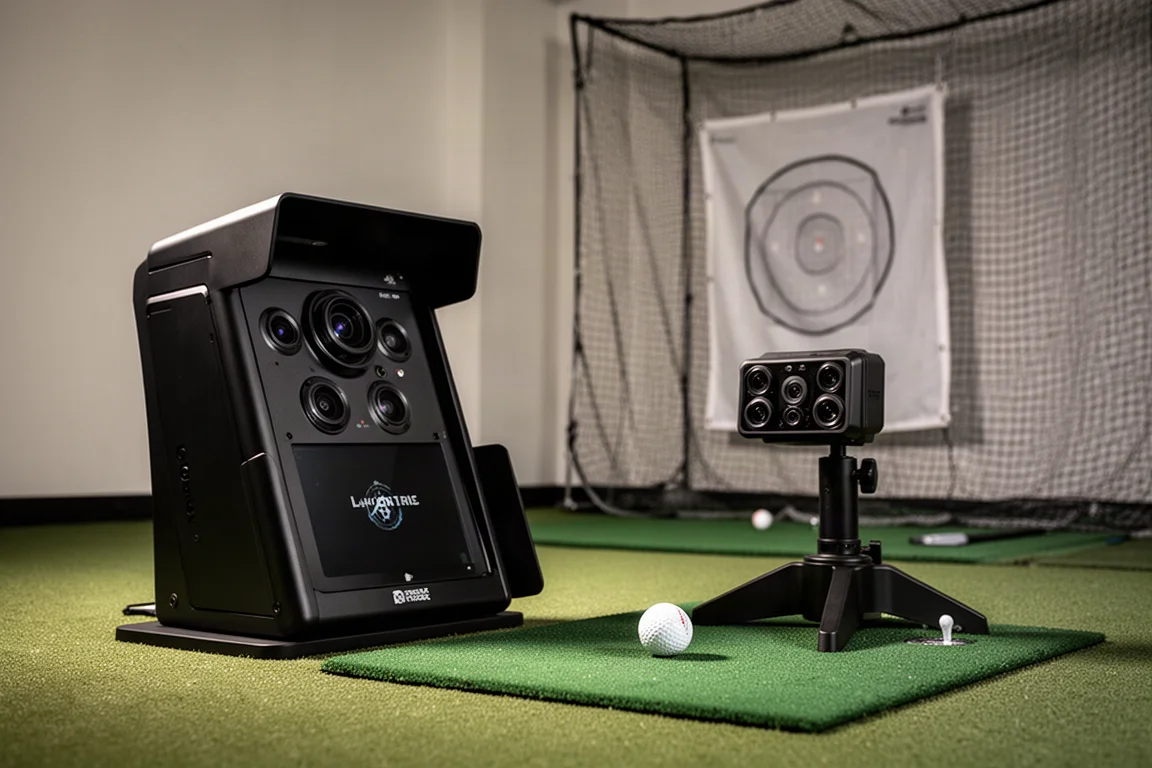
The final comparison is less about hardware and more about ownership. The original Foresight GC3 is straightforward: you pay once, it comes with everything, and you own it. Then Foresight released the GC3S, where the S stands for subscription. The hardware is exactly the same, but you now need a subscription to unlock all of the features.
At first glance, the GC3S looks like a bargain. But launch monitor ownership, especially in this price tier, should be viewed as a five- or ten-year investment. Most people keep their launch monitor for a long time, and over that period, a subscription-based model costs far more than the initial purchase price. Some people prefer to amortize the cost over the years, but in this case, the older GC3 is the way to go. You buy it once, and you are done.
Overall Buying Advice
The lesson here is not that companies should stop innovating, and it is definitely not that newer products are bad. They are certainly not. But the question is whether they are enough better to make financial sense. Sometimes companies add genuinely game-changing technology. Other times, they add convenience, a nicer screen, a few extra software features, and a significantly higher price tag.
When shopping for golf tech, do not just ask whether a product is newer. Ask whether it is substantially better, what you are actually paying for, and whether you can save money by going with the previous-generation model. In these five cases, the older products deliver the same accuracy and core functionality at a much lower cost.
Conclusion
The SkyTrak Plus, FlightScope Mevo Plus, Garmin G80, Foresight GC Quad, and Foresight GC3 all remain excellent choices in 2026. Each one holds up against its newer replacement in the areas that matter most: accuracy, reliability, and value. If you are in the market for golf technology, these five older products are worth a serious look before you commit to the latest release.
Further reading
Related Reviews

Golf Technology
Best Golf Tech by Budget: Smart Picks From $500 to $25,000
A practical guide to building a golf tech setup at every budget level, from launch monitors to rangefinders and simulators.

Golf Technology
Best Launch Monitors 2026: From Ultra Budget to Luxury
A practical guide to the best launch monitor deals in 2026, covering budget-friendly options, mid-tier favorites, and premium simulator setups.

Golf Technology
BlueTees Rainmaker Launch Monitor Review: A Promising First Effort
A week of testing the BlueTees Rainmaker launch monitor reveals a beautiful interface, subscription-free pricing, and some accuracy concerns worth knowing about.