Office Furniture
Office Chair Buying Guide: Seven Levels From Budget to Premium
A practical guide to office chair levels, from budget models to flagship ergonomic chairs, with picks at each tier.
Introduction
Most people start their office chair journey on whatever was lying around: a kitchen chair, a hardwood chair, or a folding chair. That setup works for about the first 20 minutes. Then the lower back starts complaining, the neck starts complaining, and it becomes clear that there has to be something better.
Few people jump straight from that kitchen chair to the best chair on the market. Most climb one level at a time, often learning some expensive lessons along the way. This guide walks through seven levels of office chairs, from budget models around $80 all the way up to the best of the best, with a clear pick at each tier.
Level One: The Budget Leather Chair
Level one is the $80 leather chair found at big-box retailers. It is a common sight in many home offices right now. The build is very basic: fake leather, a little padding, and if you only sit a few hours a week, it is fine.
Coming off a kitchen chair, it feels like a significant upgrade. There is some cushion, that soft leatherette finish, and it wins the five-minute sit test every time. You usually get armrests, a height adjustment, and a swivel function, so it is genuinely a better functioning chair than a standard wooden chair.

The problem is that it does not solve what is actually causing the discomfort. There are no ergonomic features, no ergonomic design, and no higher-end components. It is more comfortable than the kitchen chair for the first 30 minutes, maybe an hour, and then the same back and neck pain returns. That is exactly what sends people looking for something better.
Level Two: Entry-Level Ergonomic Chairs
Level two covers chairs in the $150 to $300 range. This is a real step up. Better foam holds you for four to five hours instead of 30 to 60 minutes, and you get a mesh back, height-adjustable arms, a bigger recline with locking positions, and a longer warranty. The leather chair is a one-year chair; a level two chair typically gets you up to three years.
At $300, this is still a cheap office chair. A ton of research and custom molds go into these chairs, and shipping a 40-pound chair across the country costs a fortune. What you get for $300 is still an entry-level ergonomic chair.
The catch with entry-level ergonomic chairs is that they will not fit everyone. The adjustment ranges are not big enough to fit the 5th to 95th percentile like higher-end chairs, so you are rolling the dice on fit. Better than level one, but if you are in it for eight hours a day, it is still not fixing that underlying pain.
Level Three: The Gaming Chair Trap
Level three is the gaming chair, roughly $300 to $600. People end up here mainly based on perception. Coming from a level one or level two chair, a gaming chair looks like an upgrade: more padding, a modern design, loaded with features, and the marketing is very persuasive.
The reality is that a gaming chair is not an ergonomic upgrade. It is arguably a step back from the level two chair below it. The racing-style bucket seat design is a car seat. The side bolsters are for cornering and do nothing at a desk. Hard bolsters lock you in place, the back is dead straight with no S-curve, and the leatherette runs hot and does not flex.
All of these things go against everything we are learning about modern ergonomic chairs. Most gaming chairs are a D or F tier, and the level two chair beats them at a C. They are a gimmick you buy for the looks. If you have back or neck pain, skip level three entirely and stay at level two or jump up to level four.
Level Four: Entry-Level Premium Chairs
Level four is where real mid-level ergonomics start, and premium quality shows up for the first time. This tier covers $400 to $700 and includes quality imports as well as entry-level chairs from big flagship brands. Getting a premium brand’s build, warranty, and service is what chair enthusiasts covet.
The pick at this level is the Hworth Soji. Picture the person leaving that gaming chair. Switching to a Soji is comparable in price, but the jump in ergonomics and comfort is palpable at five to ten hours a day. It is well-built top to bottom. It does not have any top-of-the-line components, but nothing low-end either. It does not rattle, it does not wiggle, and all of the functions work very nicely.
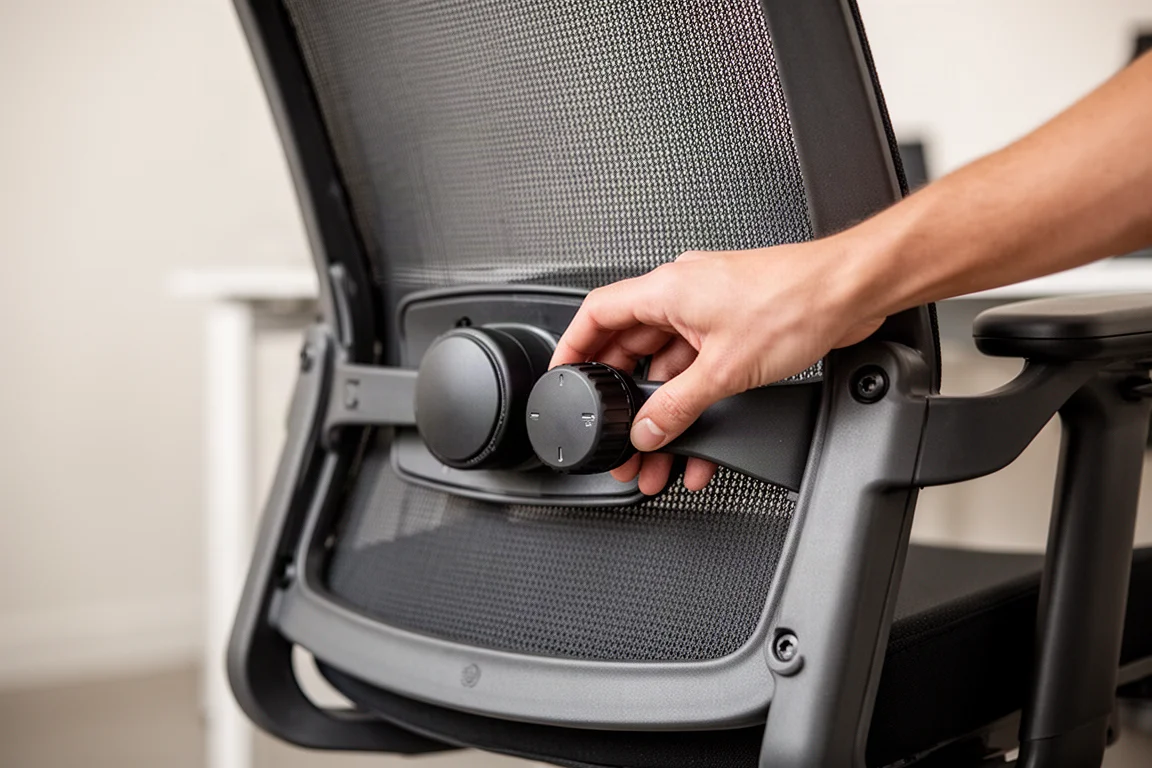
The adjustment ranges are the story. There is a huge seat slider, which gaming chairs do not even have, a massive four-way arm adjustment range, and a smooth lumbar adjustment that is supportive without being too aggressive, with no plastic digging in. The mesh back is flexible but still pushes back on you to keep you supported.
Will it wow you in any one category? No. It is not going to be an A or S tier chair, but it is a consistent B tier chair at an entry-level premium price point, and it is going to fit almost everyone. There are no major downsides.
Level Five: High-End Refurbished Chairs
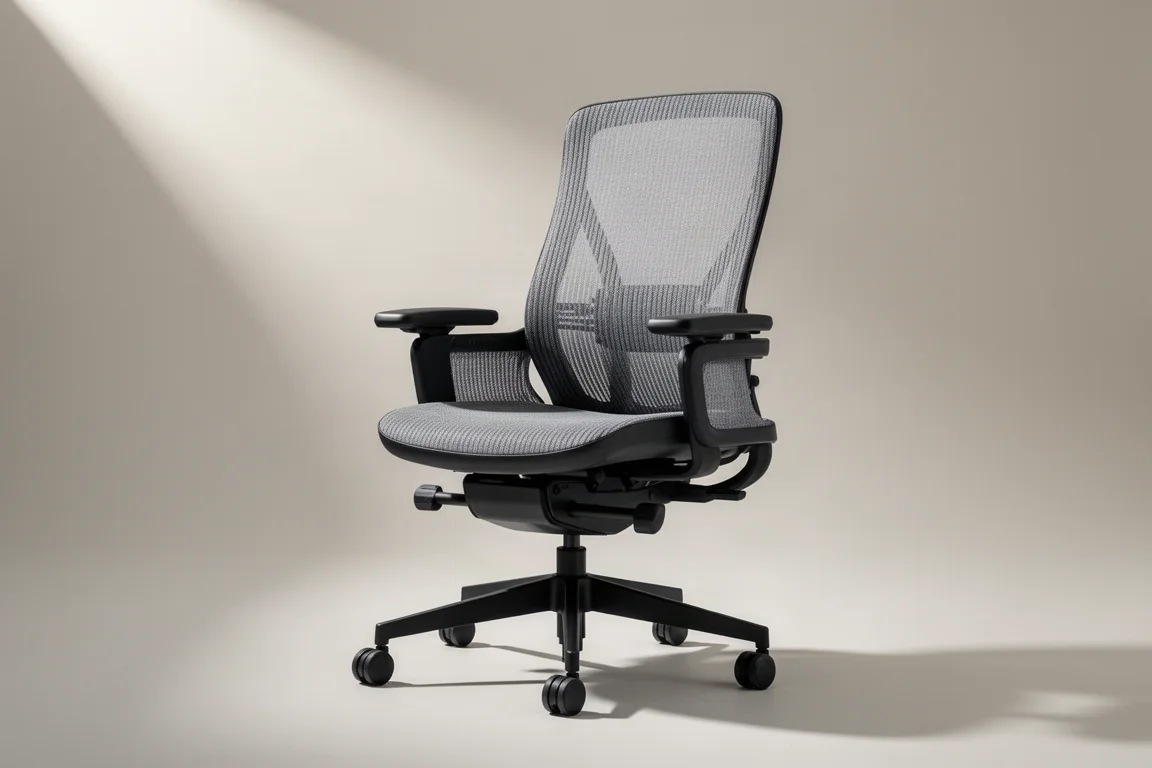
Level five is where you get the most value in the entire guide. This tier is for the person who knows they want the absolute best, a Leap, a Fern, an Embody, or an Aeron, but does not have the budget to pay $1,500 or $2,000 for an office chair.
Refurbished does not mean a beat-up hand-me-down. These chairs come with brand-new components throughout, new fabric, new foam, fully tested, usually with a warranty and free shipping with returns allowed. A new Leap is around $1,500 fully loaded, and an Aeron is around $2,000. Refurbished, you are getting these exact same chairs for $500 to $700, or around $900 for the Aeron. Either way, that is roughly 50% off retail for some of the best chairs on the planet.
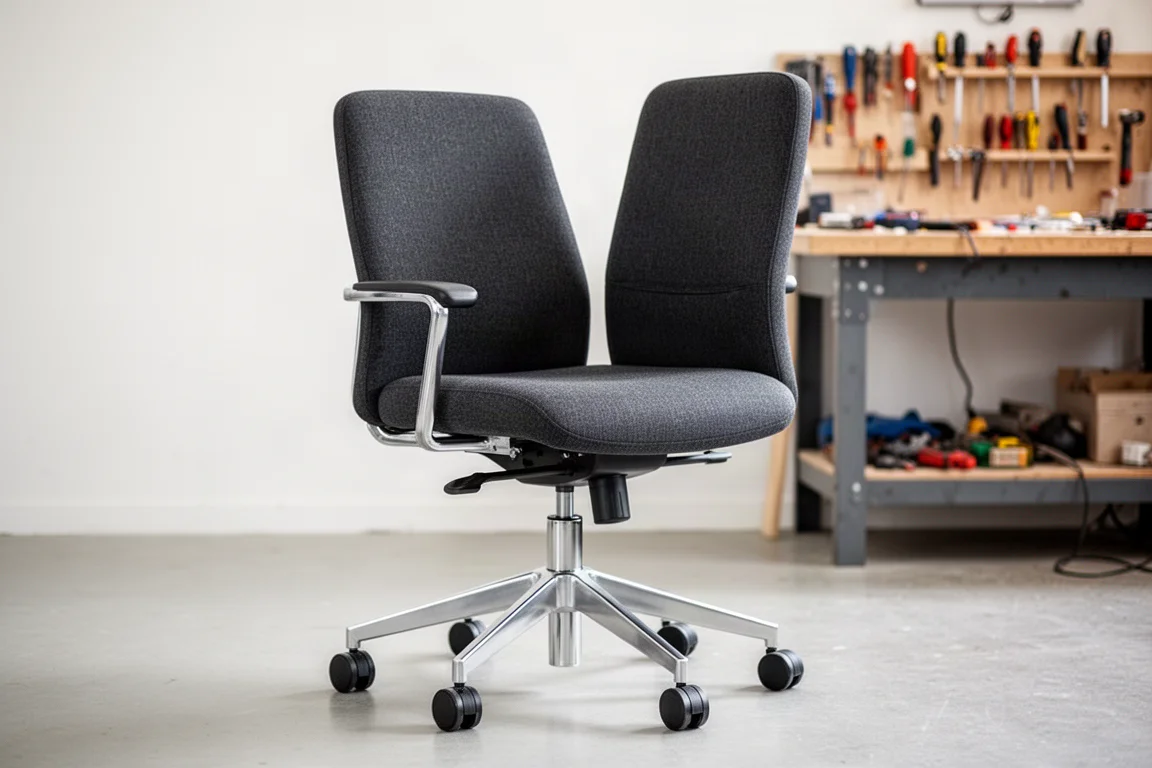
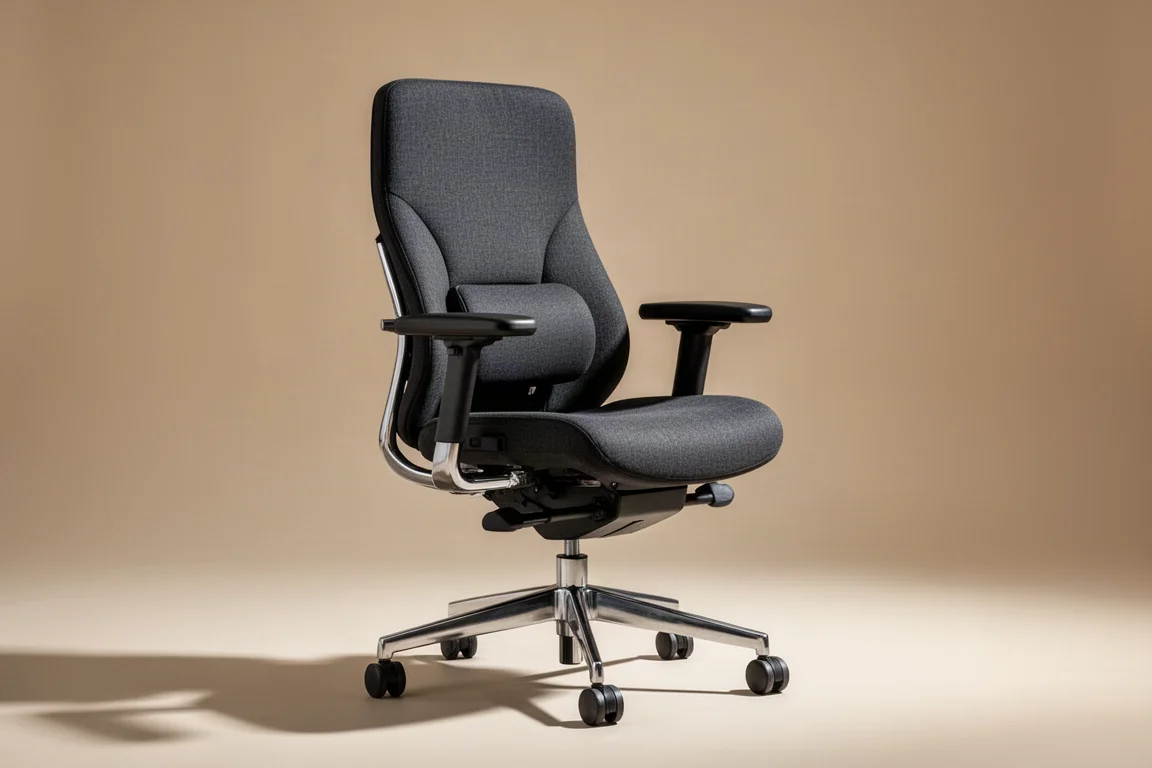
The pick at this level is the Steelcase Leap, a personal favorite. You can lock one in for about $600, and it is arguably the absolute best value in the entire office seating space. These are the best of the best: the most adjustable, the biggest ranges, the best materials, and the most comfortable, all at a massive discount.
Level Six: Second-Tier Premium Chairs
Level six is the best chair you can get that is not a flagship. The flagships are the Leap, the Gesture, the Embody, the Aeron, the Fern, plus an offshoot like the Anthros. Level six sits just below, covering second-tier chairs from premium brands and the best from lesser-known brands, roughly $900 to $1,200.
The value argument is simple: you get a ton of chair by not paying for the flagship. The pick here is the Liberovo. It is around $1,000, about half the price of an Aeron or an Embody, and many people would call it just as comfortable, if not more. It has very big adjustment ranges, a very soft seat and back, and it is very flexible, so you can move while you are using the chair. It also has a great headrest and huge arms.
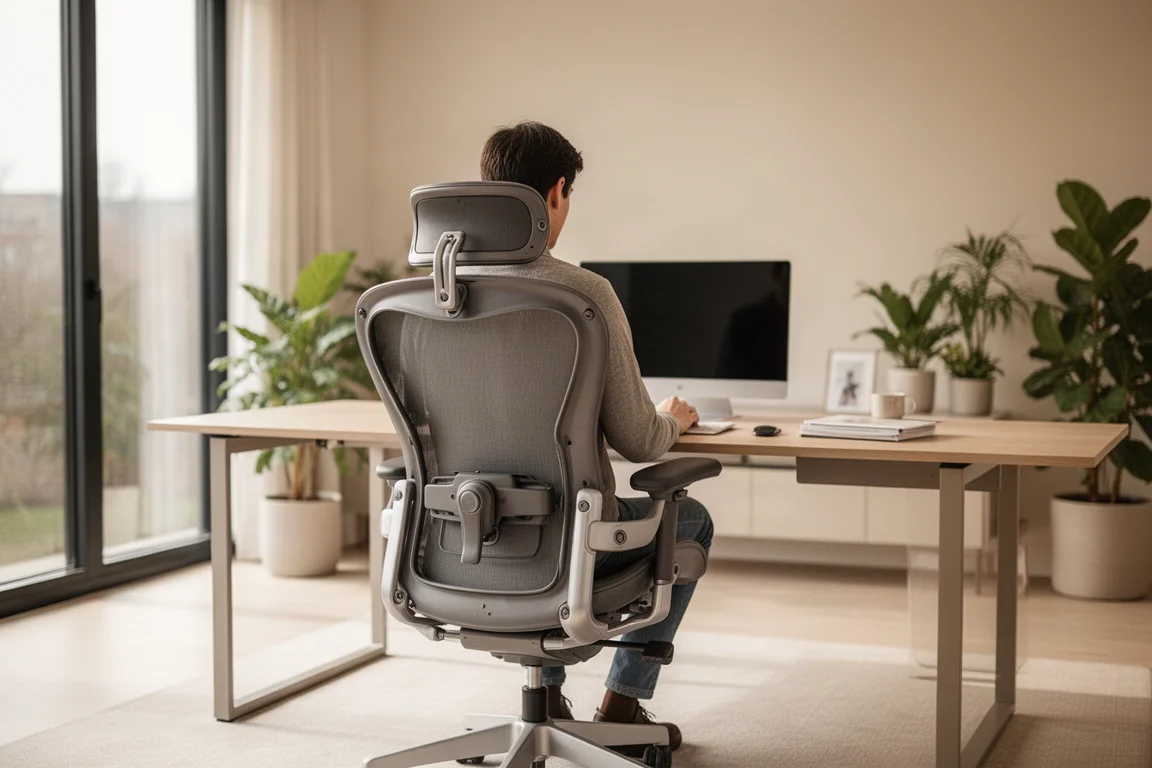
The biggest knocks on the chair are that it only comes in two sizes with no seat depth adjustment. But the real issue is the unknown with the brand. It is brand new, it does not have a track record like Herman Miller, and it does have electronics built into the chair, which raises question marks for a lot of people. Will the company even be around in 10 years to honor their warranty? Nobody knows.
Level Seven: The Flagship Chairs
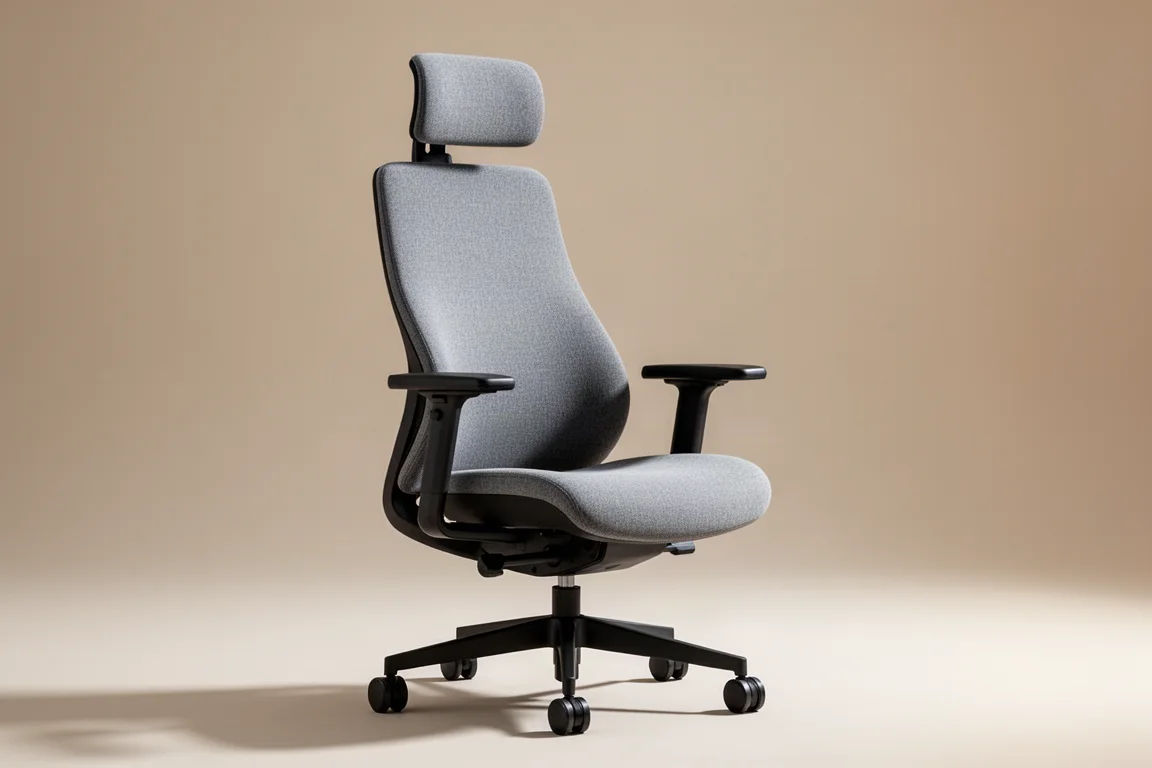
Level seven is the absolute best of the best, and there are not many chairs here. The Fern, the Leap, the Gesture, the Embody, the Aeron, and the Anthros. These run about $1,500 to $2,000, maybe even more.
The pick at this level is the Herman Miller Embody, which runs right around $2,000. The Embody is considered the pinnacle in office seating. Is it a personal favorite? No. And it is not perfect. It does not have adjustable lumbar, and it does not have four-way arms. But the technology on this chair is unmatched.
It has a pixelated support system for the seat and back that gives you a floating feeling that mesh chairs can only dream about. It is softer, it fits you better, and it disperses your weight better.

Buying Advice
The right level depends on your budget and how many hours you spend in the chair. If you only sit a few hours a week, a level one chair may be enough. If you are in the chair for eight hours a day, skipping the gaming chair trap and going straight to level four or five will save you money and discomfort in the long run.
For most people, level five refurbished chairs offer the best balance of quality and price. You get flagship-level comfort and adjustability at roughly half the retail cost. If you want a brand-new chair with a warranty and a well-known track record, level four entry-level premium chairs are a solid, consistent choice.
Conclusion
The office chair journey does not have to be a series of expensive lessons. Understanding the seven levels helps you make an informed decision based on your actual needs. Whether you start at an entry-level premium chair or jump straight to a refurbished flagship, the goal is the same: a chair that supports you through a full workday without the back and neck pain that sent you looking in the first place.
Further reading
Related Reviews
Office Furniture
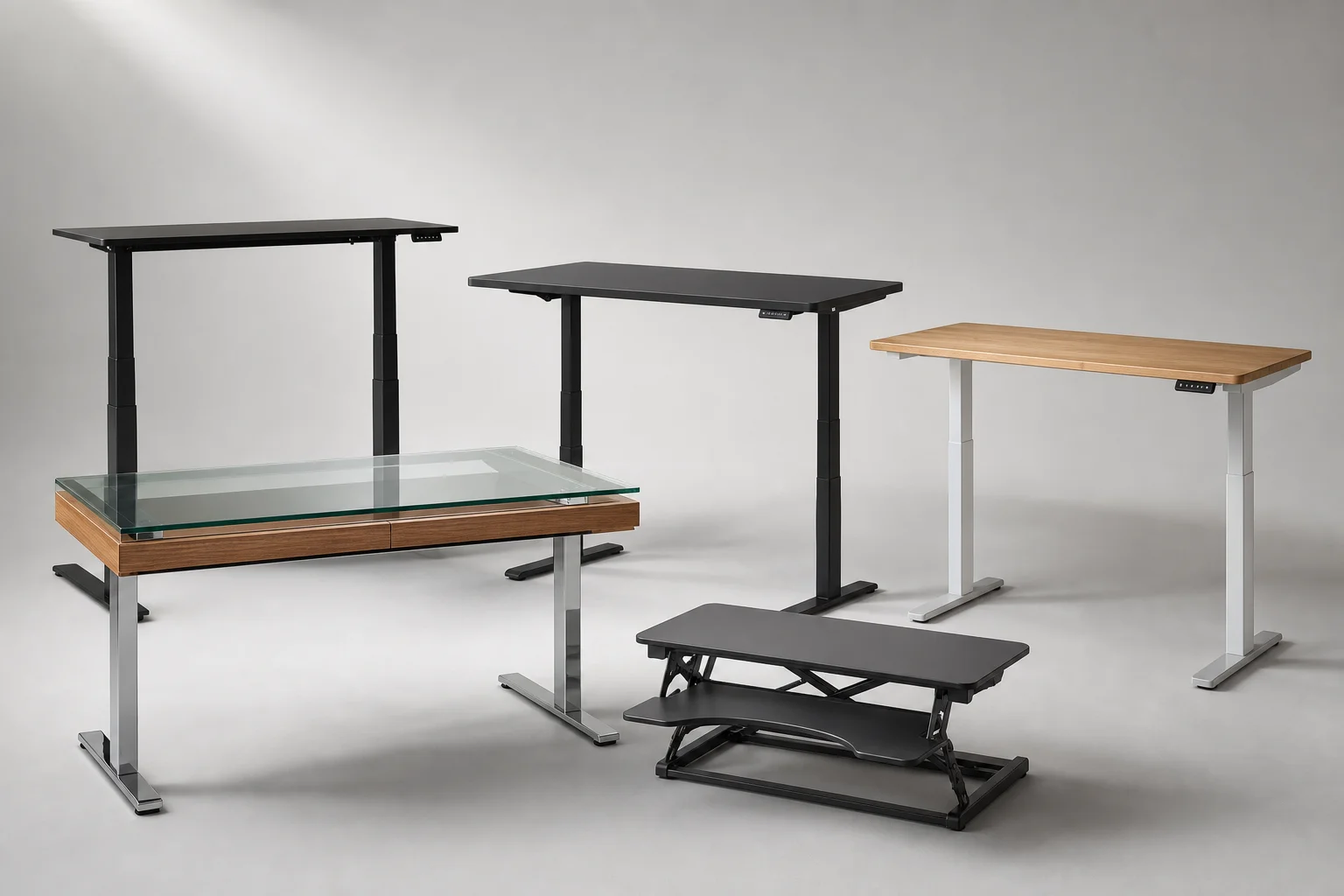
Best Standing Desks 2026: Five Options for Every Budget and Space
A practical roundup of five standing desks ranging from compact converters to full electric models, each with clear strengths and trade-offs to consider before buying.
Office Furniture
Seville Classics AIRLIFT Standing Electric Desk Review: Affordable Height Adjustment for Home Offices
The Seville Classics AIRLIFT brings electric height adjustment to standing desks at a fraction of premium brand prices. Here's what works and what to consider before buying.
Office Furniture
Standing Desk Buying Guide: Key Factors and Top Recommendations
A practical guide to choosing between manual and motorized standing desks, with recommendations for different budgets and workspace needs.