Hand Tools
Two OEM Tools Impulse Picks From the Auto Parts Counter: Worth It or Not?
A hands-on look at the OEM Tools 25247 Low Profile Disconnect Plier and the OEM Tools Fastener Removal Tool, with honest trade-offs for each.
Introduction
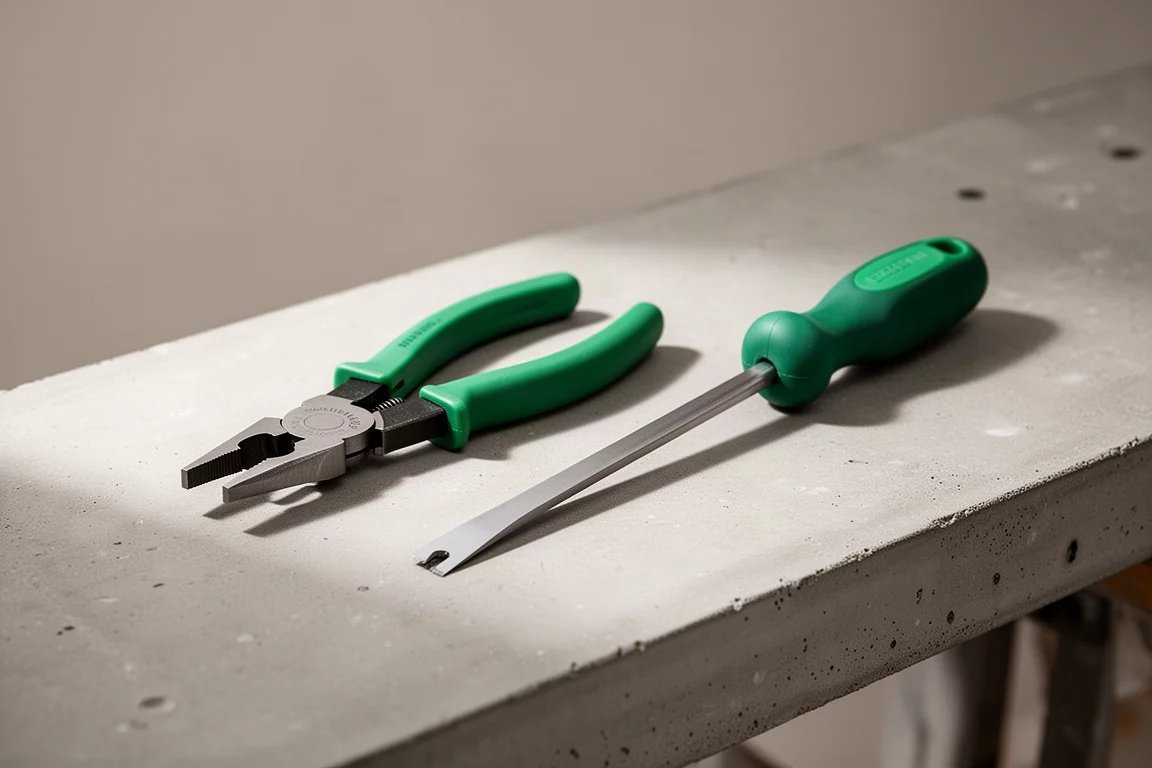
Standing in line at the auto parts store is dangerous for anyone who likes tools. You run in for brake pads, an oil filter, or wiper blades, and then a bright green pair of pliers on the rack quietly talks you into an unplanned purchase. That is exactly how two OEM Tools products ended up on the bench: the 25247 Low Profile Disconnect Plier and the Fastener Removal Tool. Both are affordable to mid-priced, and both are interesting in some ways and limited in others. Here is an honest breakdown of what each one does well and where it falls short.
Why These Two Tools Caught My Eye
OEM Tools is owned by the Great Neck Saw Company, a business with roots going back to 1919, and the brand covers a handful of product lines. The bright green handles are clearly doing their job on the retail rack, but there is more to consider than color. One tool is built for electrical connector work, the other for pulling trim clips. They serve different jobs, so the right question is not which one is better overall, but which one matches the work you actually do.
OEM Tools 25247 Low Profile Disconnect Plier
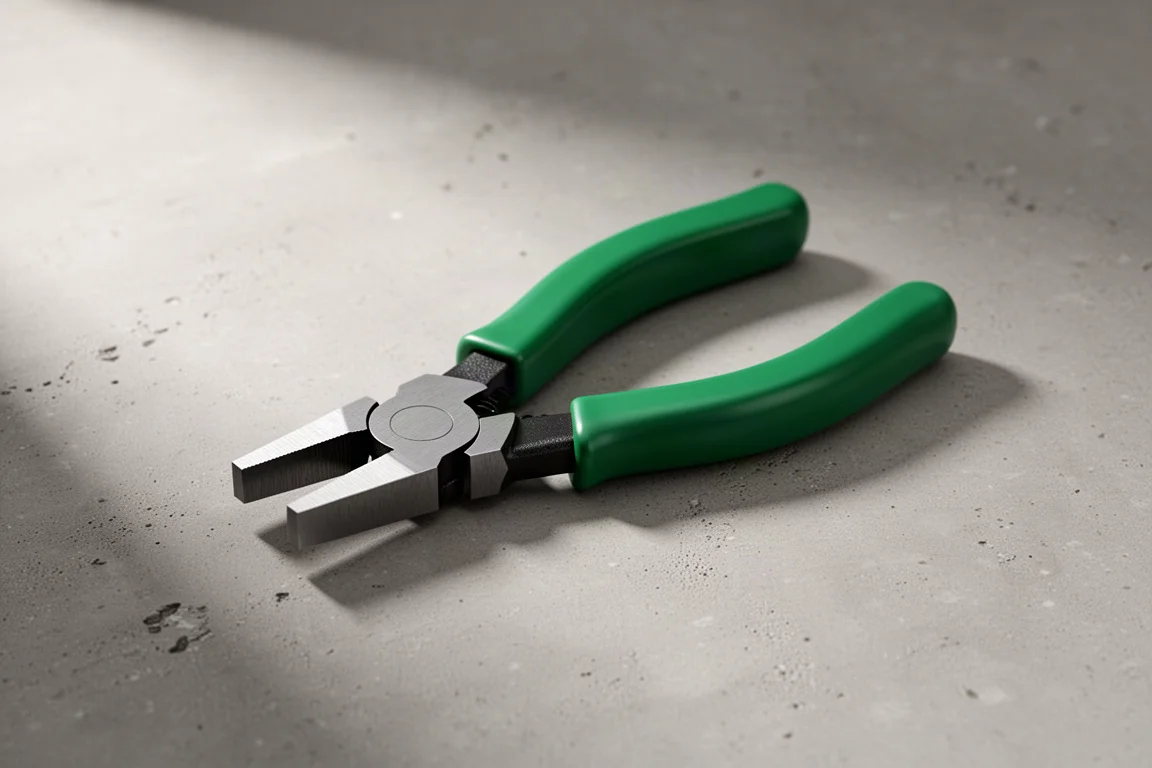
The 25247 is designed for any two-tab electrical connectors, which makes it a targeted tool rather than a general-purpose plier. Compared with other disconnect pliers, it has a very squared-off profile, and the jaws actually touch when closed, which many competing designs do not. It is also noticeably shorter and smaller than typical disconnect pliers, which is where the “low profile” name comes from.
There are trade-offs to know about before buying. The spring-loaded handles are on the loose side, and the springs are not very strong. The beaks also do not open very wide: at maximum opening, the jaw spread is roughly half of what a larger Lisle-style disconnect plier can grab. Fully stretched against the stop, the plier will just barely fit over a wider connector, and at that width you are driving on the corners of the jaw shape rather than the flat faces. That said, it does work in real connectors, at least in typical sizes. If you need a wider opening, the jaws could be ground open slightly on a bench grinder. The price sits around 26 dollars, which feels high for the size, though it is far below what a premium brand would charge for the same category.
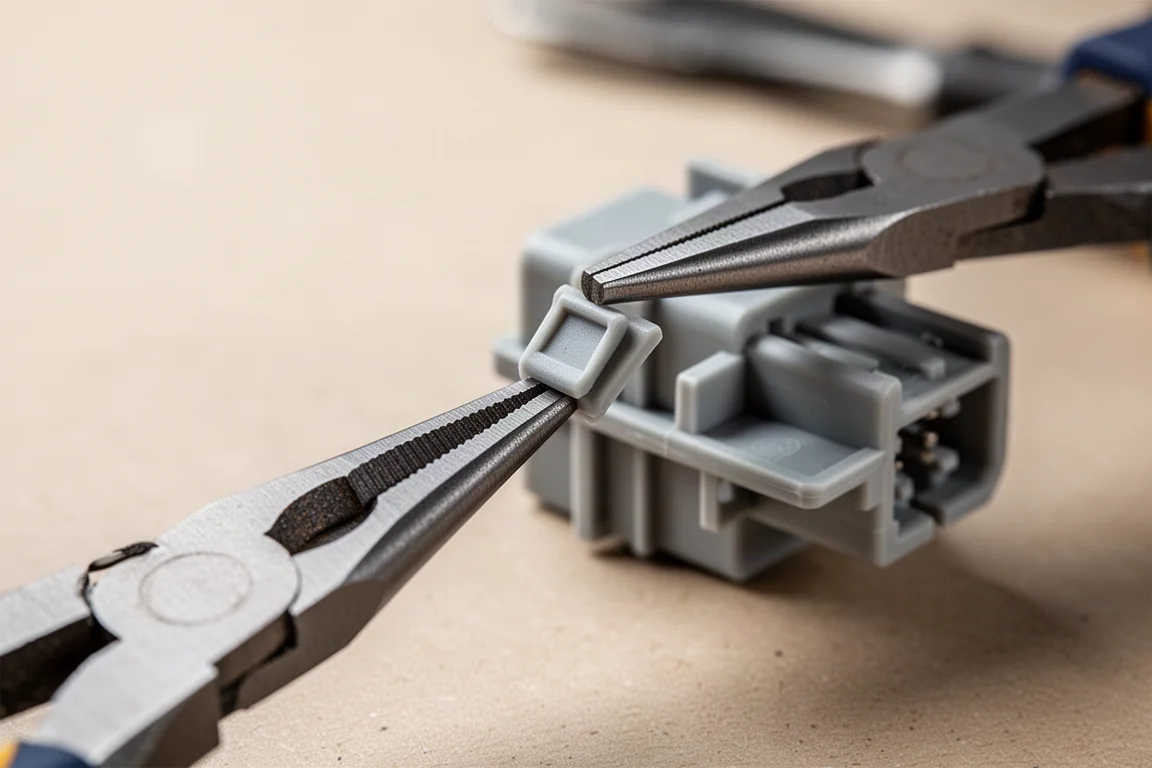
This plier suits someone who regularly works on small two-tab connectors and wants a compact tool that gets into tight spots. If you mostly deal with large, stubborn connectors, a wider-opening plier is the safer choice.
OEM Tools Fastener Removal Tool
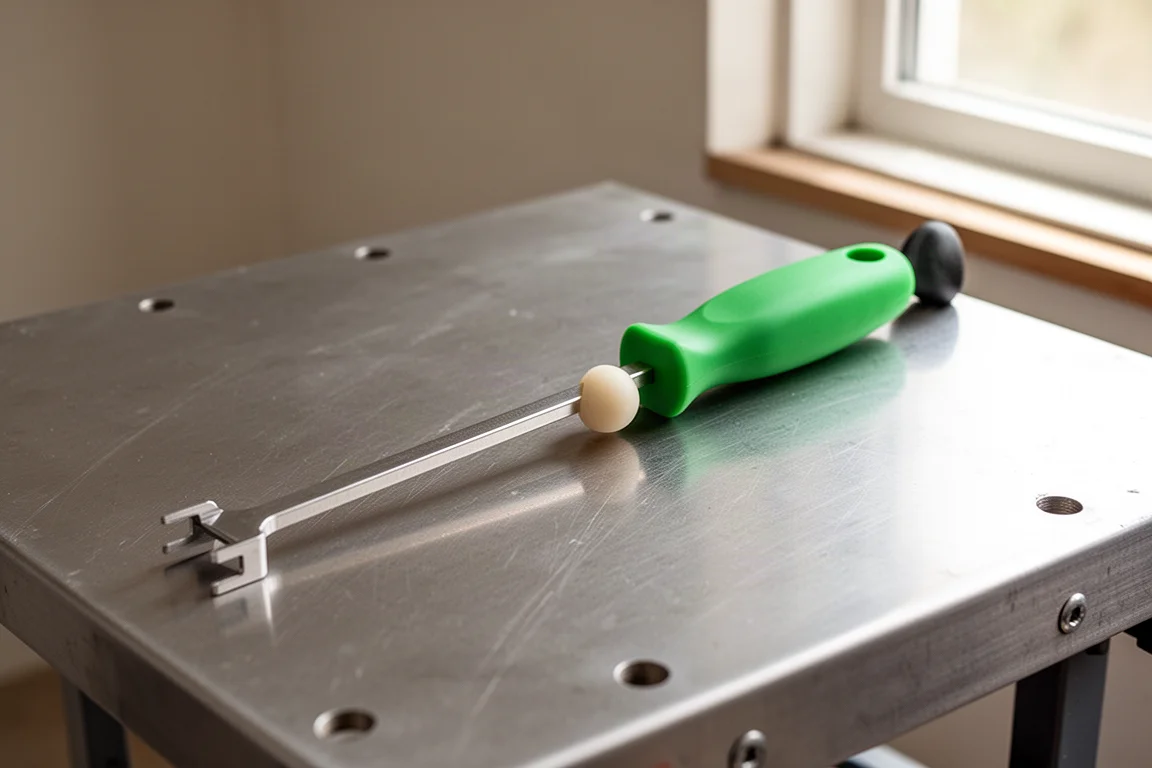
The second purchase is the Fastener Removal Tool, which is essentially a trim clip tool. It closely resembles one of the more useful Snap-on profiles, the narrow version, with a similar tip shape and overall end design. The handle is large, green, and comfortable, and while some people find Snap-on-style handles on these tools too bulky and in the way, the size works fine here. At around 15 dollars, it costs roughly a half to a third of what the Snap-on equivalent goes for, and it undercuts plenty of alternatives. There are cheaper options out there, including a Pittsburgh version, but those can break, and not every store will keep replacing them.
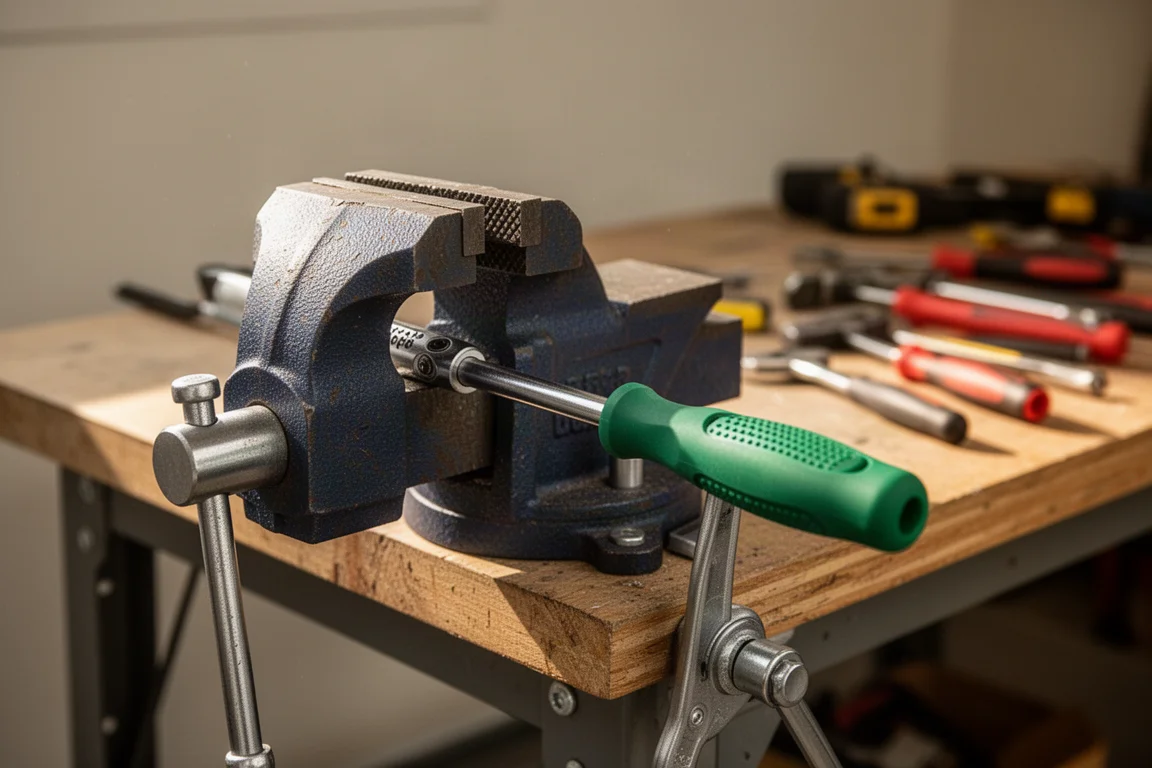
One quirk is the rubber ball on the shaft near the handle. It needs to be slid on before the handle is installed, because once the handle is on there is no way to fit it. The rubberized ball is described as being for leverage, but in practice it feels like it sits in the wrong spot to help much. This is the kind of tool that begs for experimentation: repositioning the leverage point, bending the handle in a vise, or modifying the shape so the tip can reach deep into cramped spaces, like a Subaru headlight housing behind a wheel well liner, and still give you something to pry against.
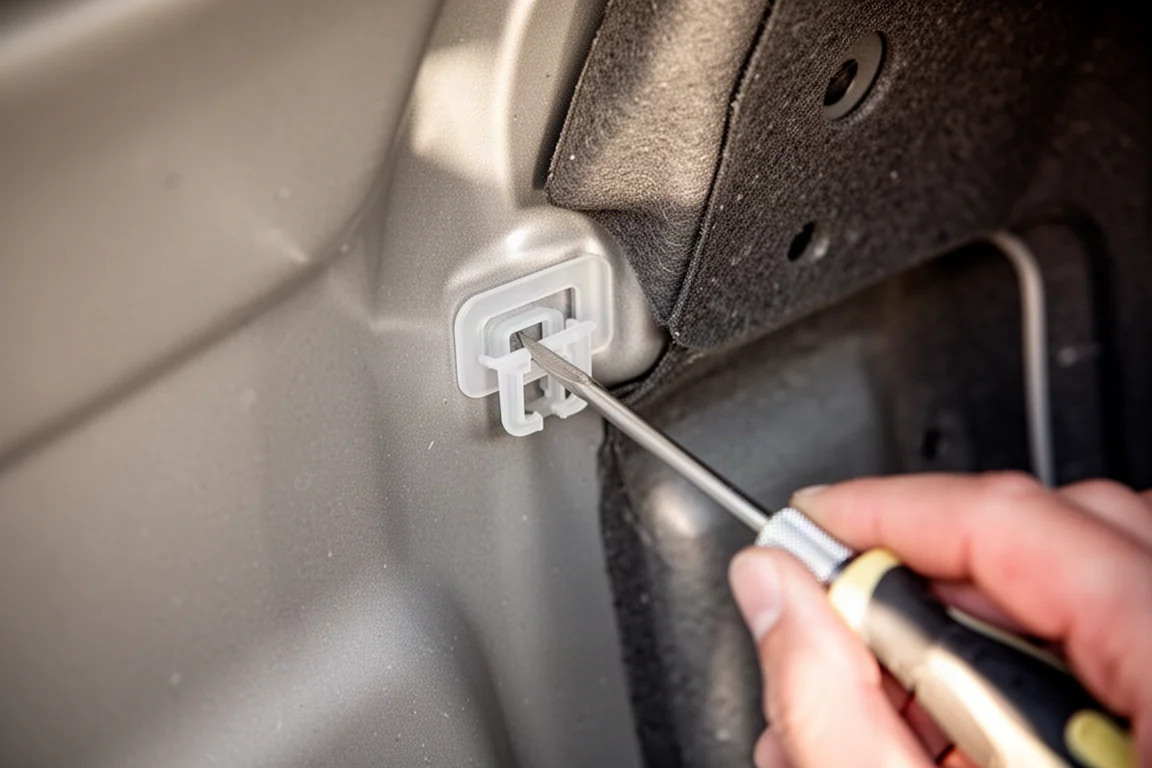
As delivered, this tool is great for straightforward trim clip removal but limited when space is tight, because the straight shaft needs a lot of clearance to lever anything out.
Overall Buying Advice
Both tools follow the same pattern: good build choices for the money, with one notable compromise each. The disconnect plier is compact and works on two-tab connectors, but the narrow jaw opening and soft springs cap what it can handle. The fastener removal tool is inexpensive and well-shaped for clip work, but the leverage ball is more of a conversation piece than a feature. Buy the plier if your connector work is mostly small and frequent; buy the trim tool if you need an affordable, useful profile that you would not mind experimenting with or modifying.
Should You Buy Either of These?
If bright colors pull you in at the parts counter, apply a simple test: does the tool solve a job you actually do this month? The 25247 earns its spot for connector-heavy electrical work, and the Fastener Removal Tool earns its spot as a budget trim tool with modification potential. Neither is a bad buy at its price point, but neither is flawless either, so set expectations accordingly.
Conclusion
The OEM Tools 25247 Low Profile Disconnect Plier is a compact, workable connector tool with a limited jaw opening, and the OEM Tools Fastener Removal Tool is an affordable trim clip puller with a leverage gimmick that does not fully deliver. Both are decent value next to premium-brand equivalents, and both reward buyers who match the tool to the job rather than the color to the impulse.
Further reading
Related Reviews
Hand Tools
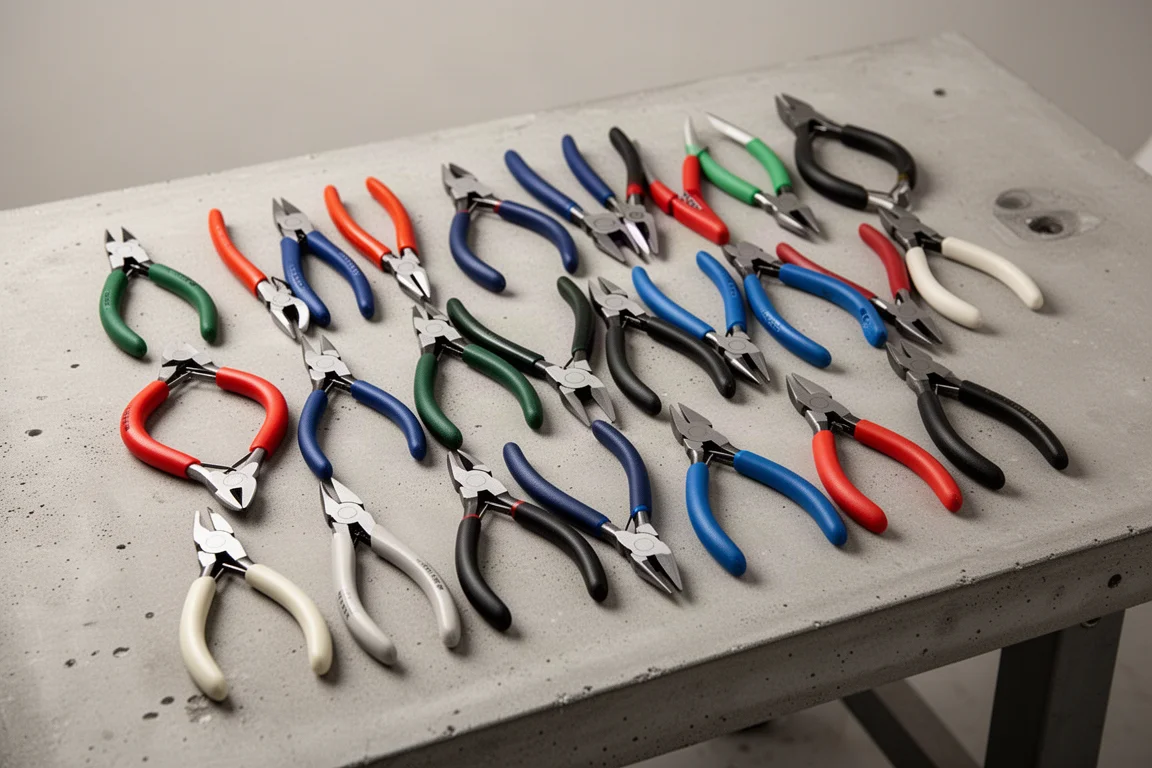
Best Diagonal Cutters 2026: 16 Pliers Tested for Cutting Power and Durability
We put 16 diagonal cutters through nail, screw, drill bit, and hex key tests to find the best value picks for your toolbox.
Hand Tools
Best Hex L Key Sets 2026: Nine Sets Tested for Real-World Torque
Nine hex L key sets from budget to premium, tested for torque, fit, and durability. See which sets deliver real performance and which ones to skip.
Hand Tools
Best Locking Pliers 2026: Top Picks Tested for Grip and Durability
We tested 18 brands of 10-inch locking pliers for grip strength, jaw bite, build quality, and ease of release to find the best options for tough jobs.