Running Gear
October Running Gear Roundup: 7 Picks Worth a Look, From Base Layers to a Follow-Me Drone
Seven tested picks for runners this month: a soft base layer, simple fueling, a belt light, prescription running glasses, an affordable waterproof jacket, energy bars, and an easy-to-use follow drone.
Introduction
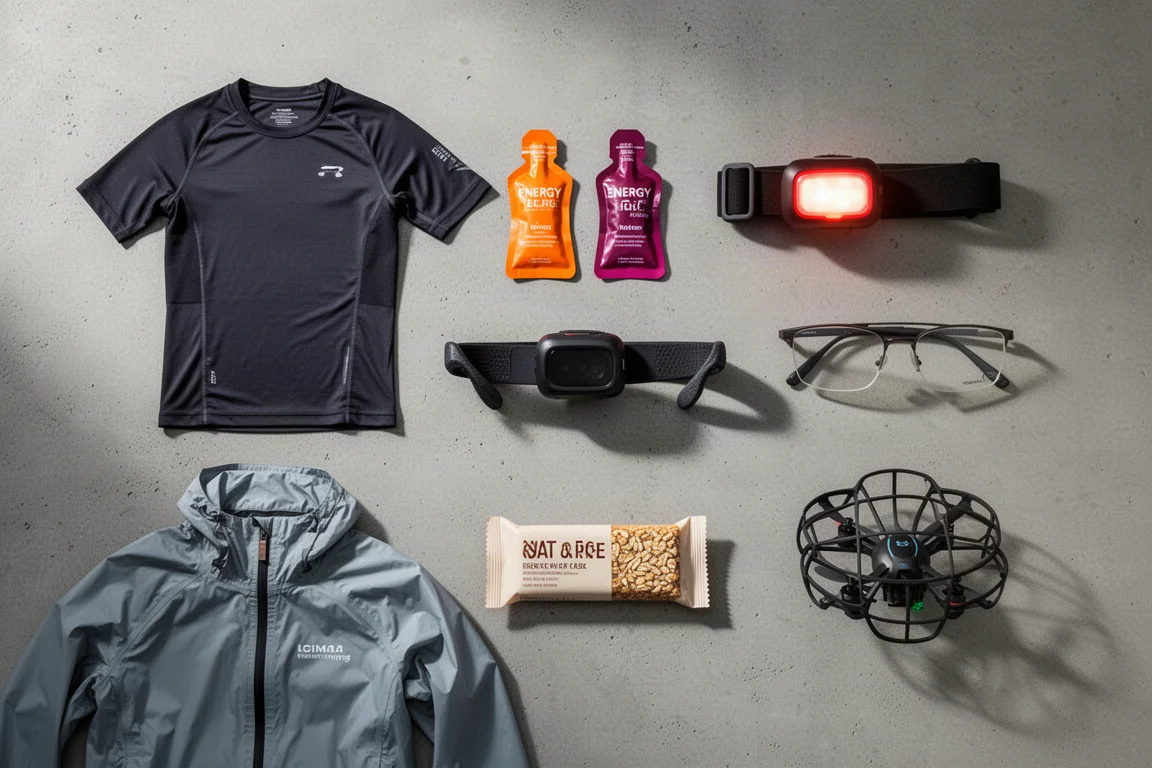
Every month we round up the gear that earned its place in our regular rotation without needing a full review of its own. This month’s list leans heavily into autumn running: a base layer that behaves in the cold, fueling that keeps things simple, a belt light for dark streets, prescription glasses you can actually run in, a waterproof jacket that does not demand a premium budget, an energy bar for race-morning emergencies, and a small drone that finally makes filming your own runs effortless.
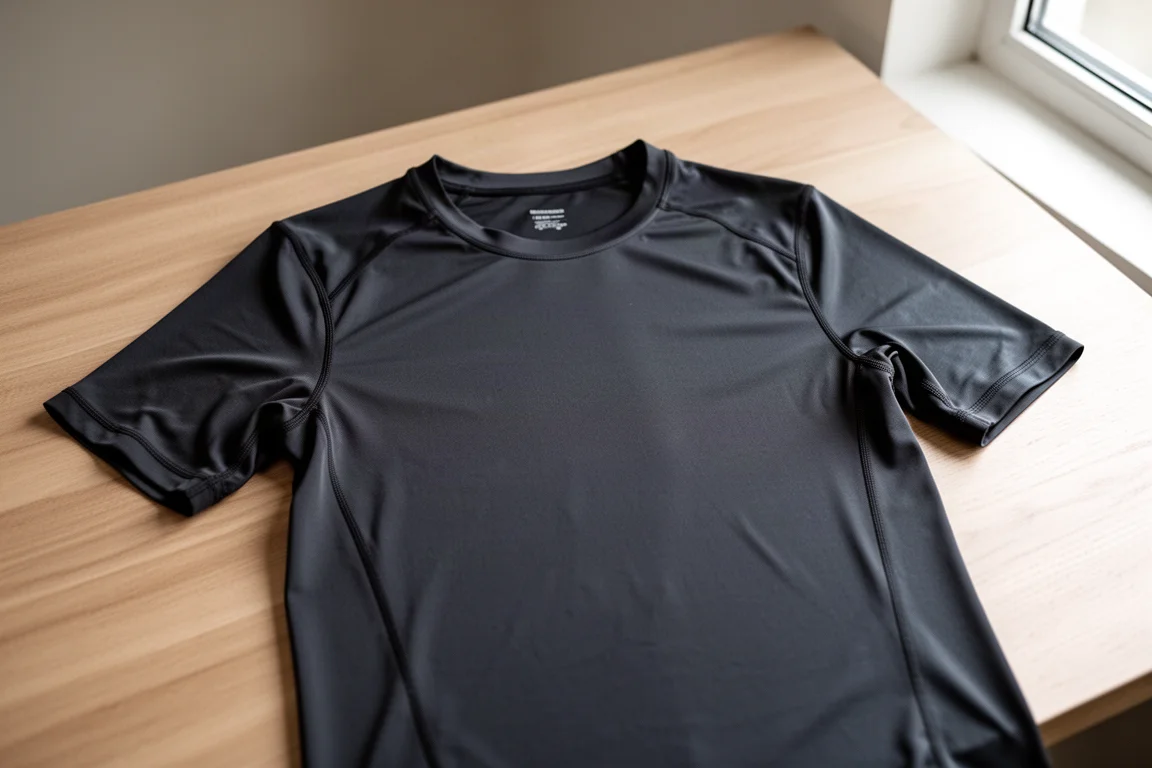
Under Armour Heat Gear Short Sleeve Base Layer
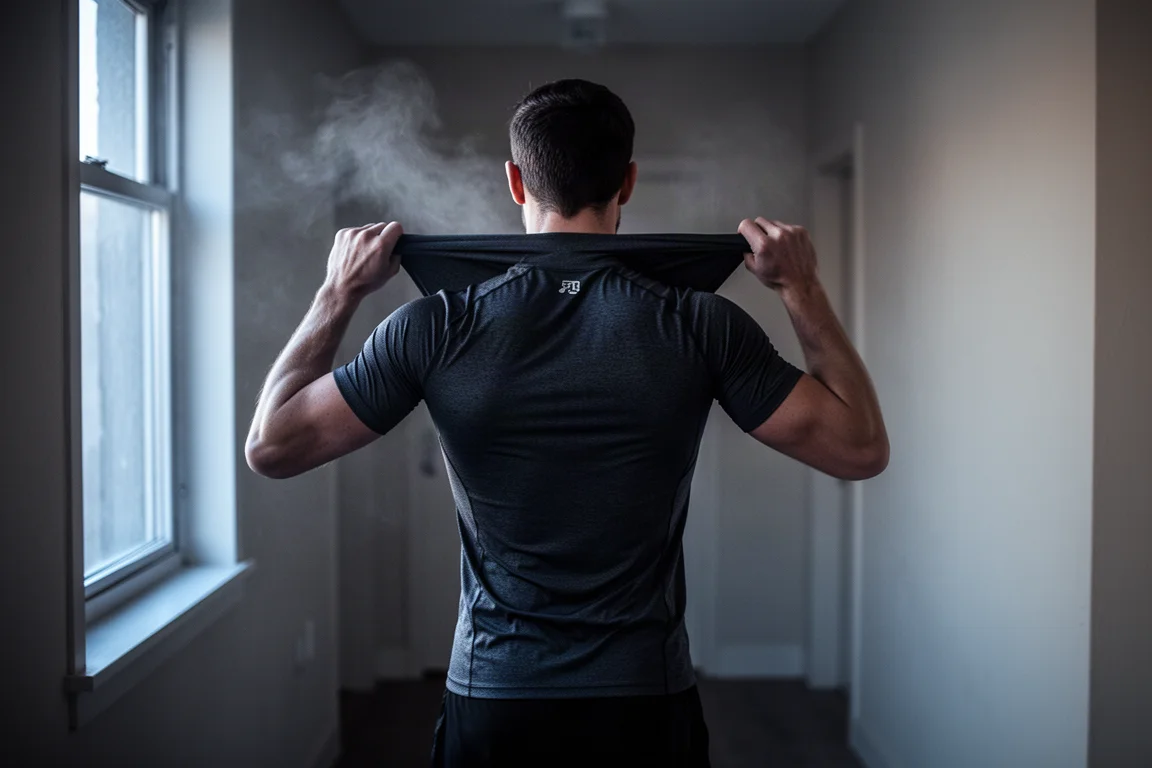
If you run in a base layer even when it is not freezing, you will understand the appeal here. The Heat Gear short sleeve base layer is silky, soft, and genuinely kind to sensitive skin, which matters more than almost any other feature once you have suffered through chafing on a long run. The fit is a true second skin without feeling restrictive, so it works well as a warm layer under a tee or a tee-and-jacket combo.
It wicks well too: once you warm up and start sweating, it does not turn heavy and soggy the way some base layers do. It has also proven versatile beyond running, doubling as a casual tee in a pinch and working as a standalone gym top for more muscular builds.
Pure Sport 30g Dual Carb Energy Gels
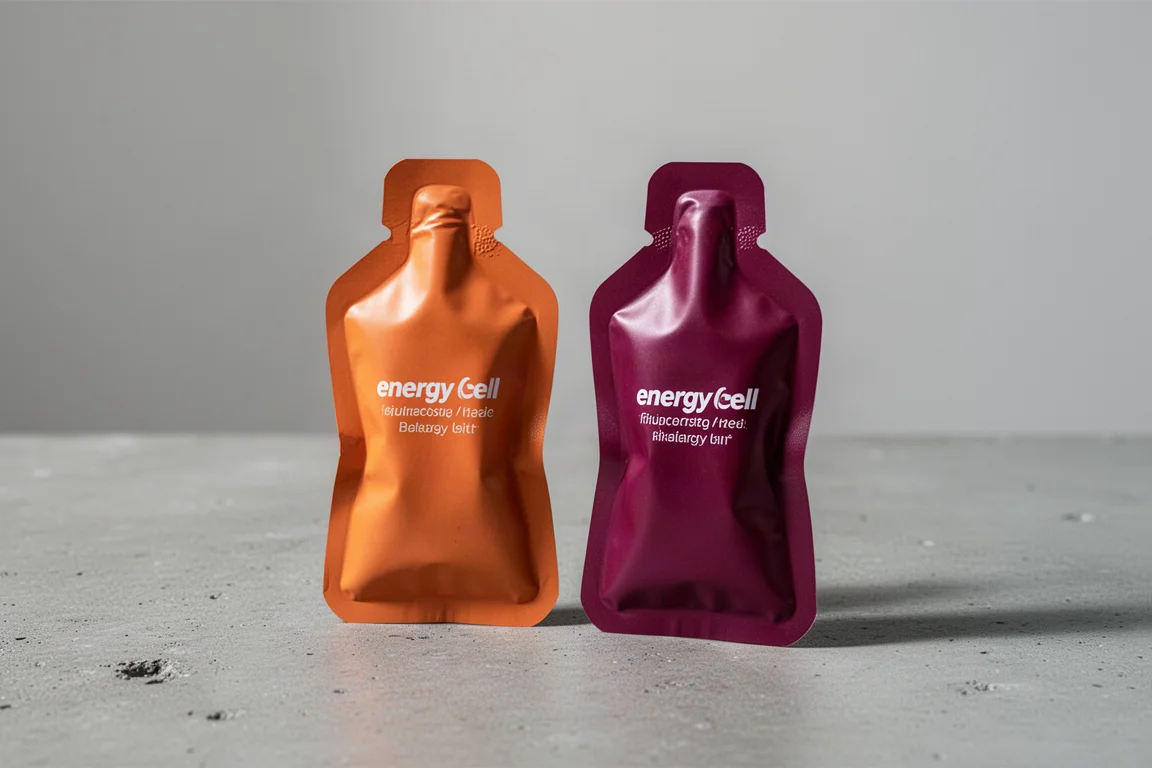
The energy gel market is crowded with the same promises: fast-acting, slow-burning, zero GI issues. What sets these apart is simplicity. Pure Sport leans into research suggesting most everyday runners process around 60g of carbohydrate per hour, so the message is deliberately uncomplicated: eat one 30g gel every 30 minutes.
Each gel uses a 1 to 0.8 glucose-to-fructose ratio designed around those uptake rates. The texture is loose and palatable enough to take water-free, which is the detail that matters most mid-run, and the orange and berry flavours taste fresh with a bit of zing rather than falling into the sickly-sweet trap. The compact format is another plus for race vest pockets.
Body Light Night Vision Belt Light
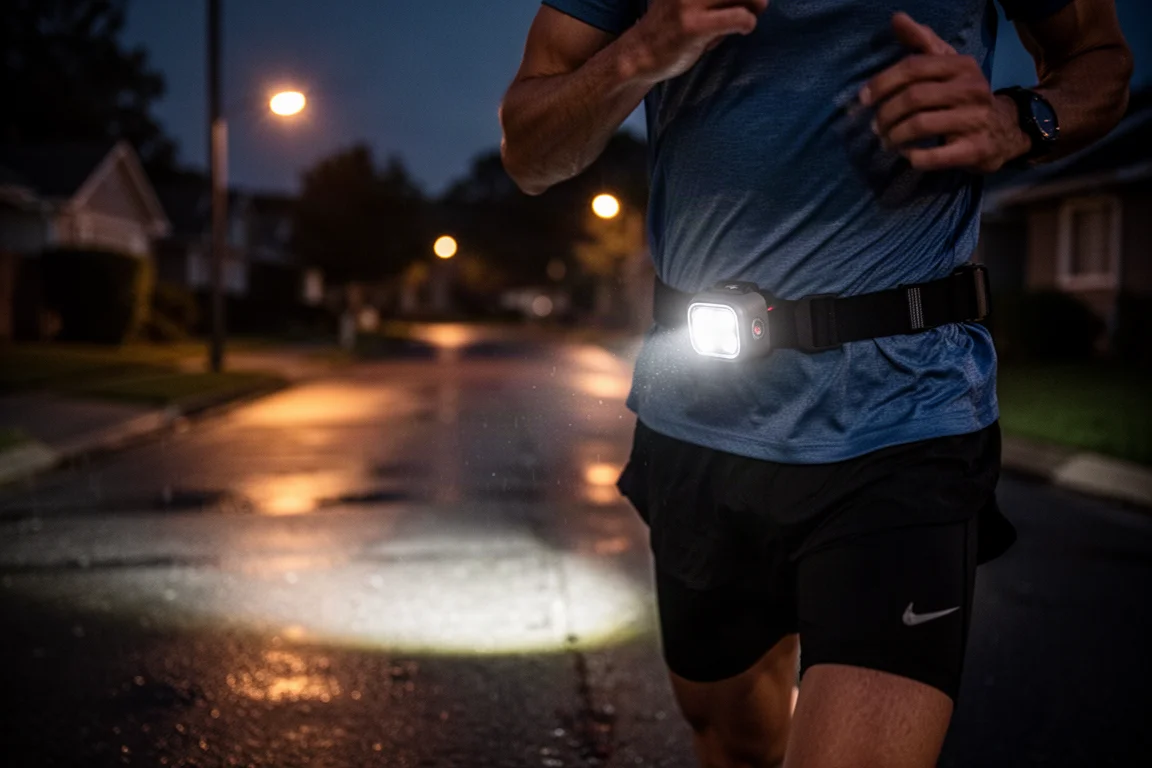
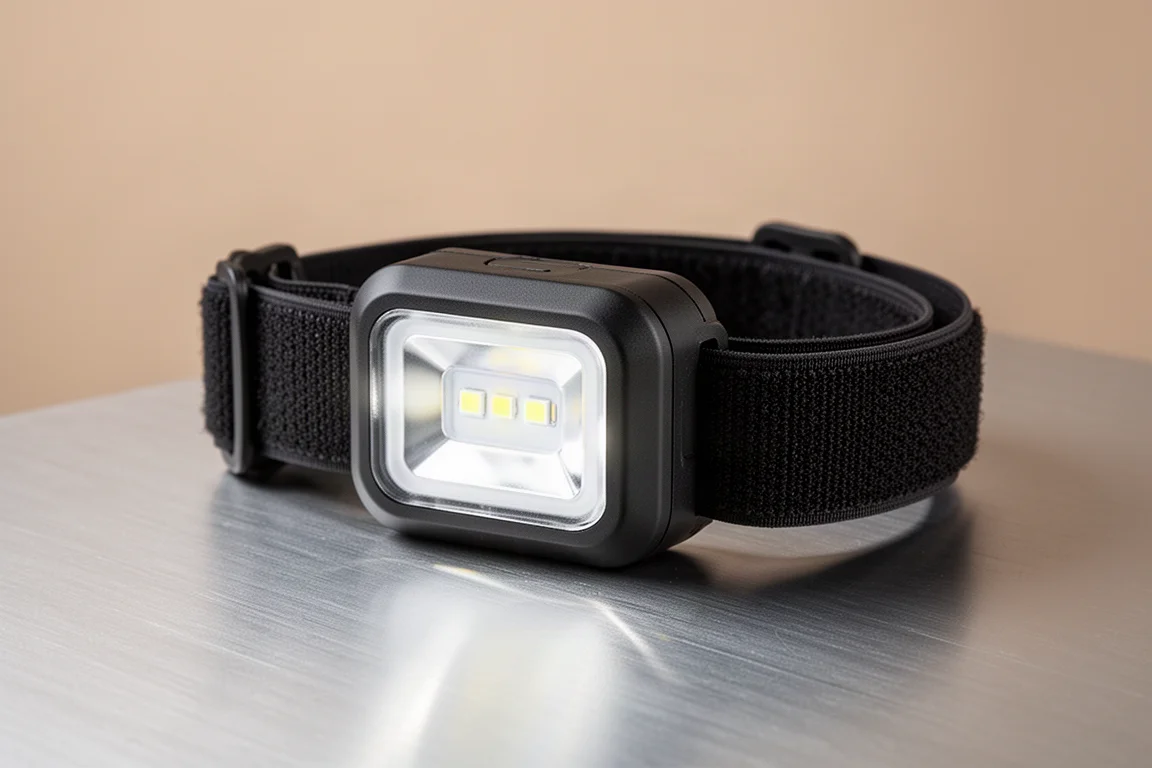
Dark evenings call for a light, and not everyone wants a head torch. This belt-worn light is one of the better alternatives we have used outside of a traditional head lamp. Worn around the waist, it throws a fixed, bright beam ahead of you, and because it attaches with velcro you can also fix it to clothes, bags, or helmets.
Runtime is respectable: around 2 hours on high, 9 hours on low, or 14 hours in red blinky mode. It is USB-C rechargeable and weighs roughly 78g, so it never feels like a burden. A subtle bonus for shared households: because it sits over your clothes rather than on your head, it does not get sweaty the way a head torch does.
Roka Barton 2.0 Eyeglasses
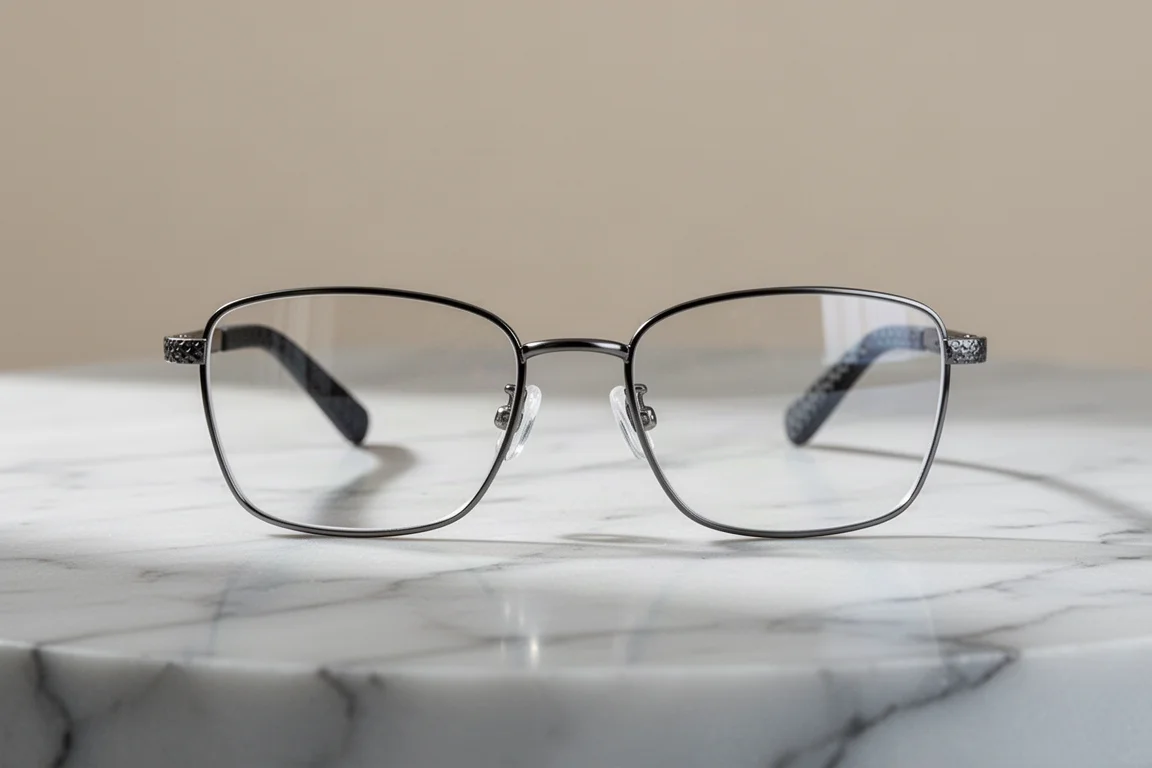
Finding regular-looking glasses that survive running is harder than it should be. The Barton 2.0 attempts to be the one pair you can wear at your desk and on the road, cutting out the faff of contacts when you just want to get out the door. Over a month of testing, they delivered on the fundamentals: the lenses feel high quality and have resisted scratches despite less-than-gentle handling, and the fit has stayed secure in both dry and rainy conditions.
The grippy temple arms keep them from bouncing, and a floating frame design keeps the frames from pressing too closely against your face and the sides of your head. The fit has not loosened over the month, which is a common failure point for glasses worn while running. For slightly longer runs without contacts, they inspire genuine confidence.
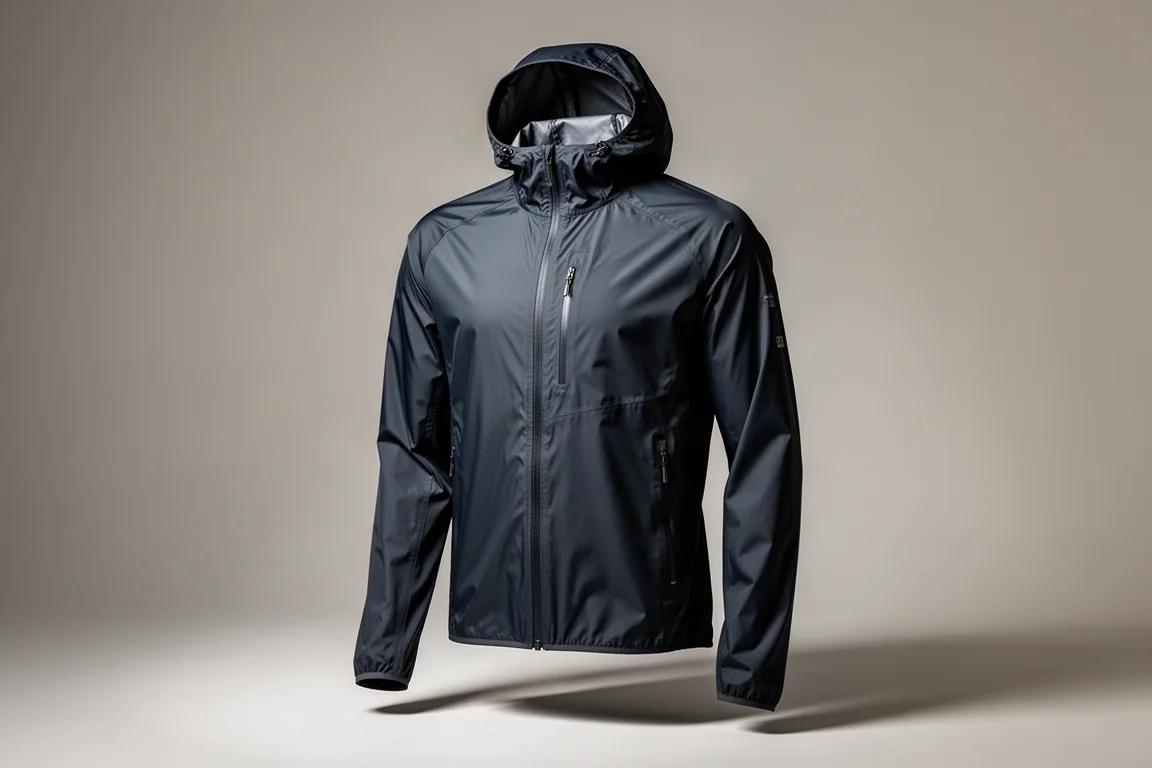
Decathlon Kiprun Run 900 Waterproof Jacket
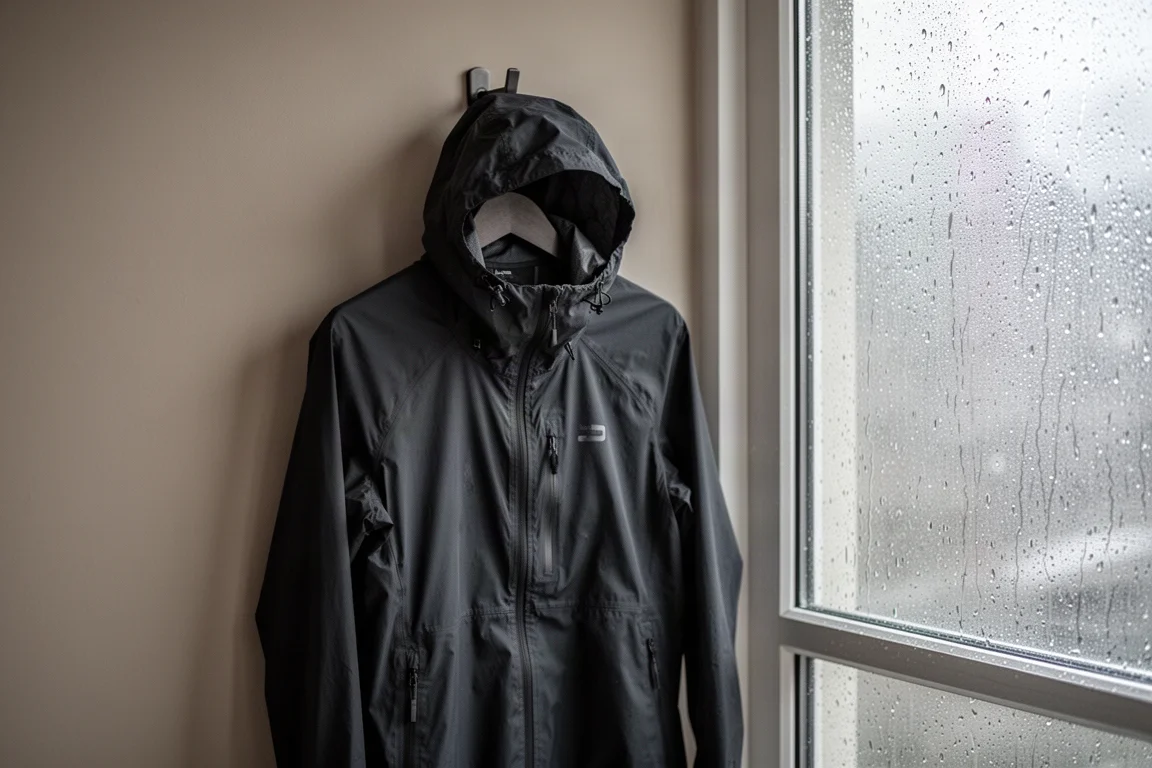
Waterproof running jackets are rarely cheap, so an option around £80 that still protects properly is worth flagging. The Run 900 is lightweight, which suits runners who dislike stacking layers, and its wet-weather performance scored close to a five out of five in our rough internal scoring across light and moderate rain.
Heavy downpours are where the details matter: sealing at the sleeves, a hood with an extra button for a more secure fit, and a solid front zip all help the jacket hold up when the rain really sets in. There are useful pockets for a phone and keys, and the jacket packs away into one of its own pockets if the weather clears mid-run.
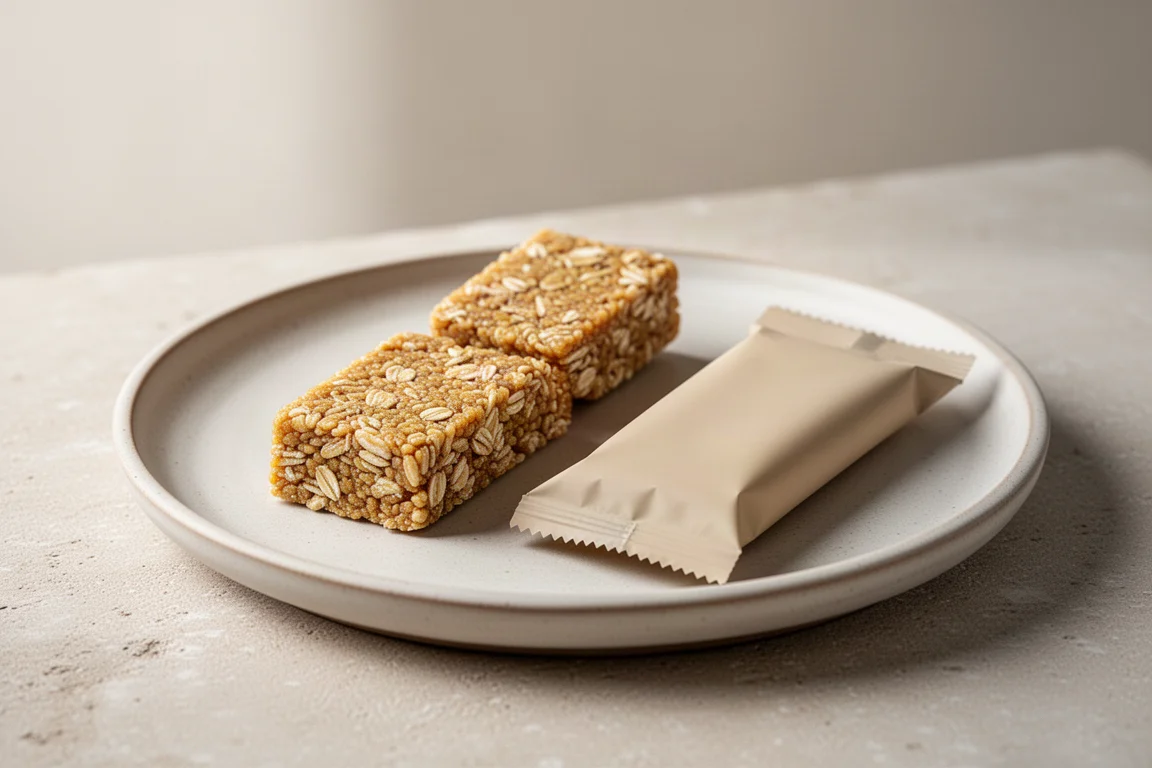
Morton Solid C160 Bars
The origin story here is a race morning with no breakfast, where a sugary, marshmallowy convenience snack turned out to be the best pre-marathon feed ever: light, energy-dense, and never heavy in the stomach. The Solid C160 is the closest reliable match found since. It is a blend of oats and rice, tastes good, feels light, and still delivers a proper hit of carbohydrate.
They are not cheap, which is typical of the brand, but they fill you up without the stodgy feeling of a cookie or similar pre-race indulgence. If you travel to races by train, skip breakfast more often than you should, or just want a trustworthy snack in your bag on race morning, these are a strong pick.
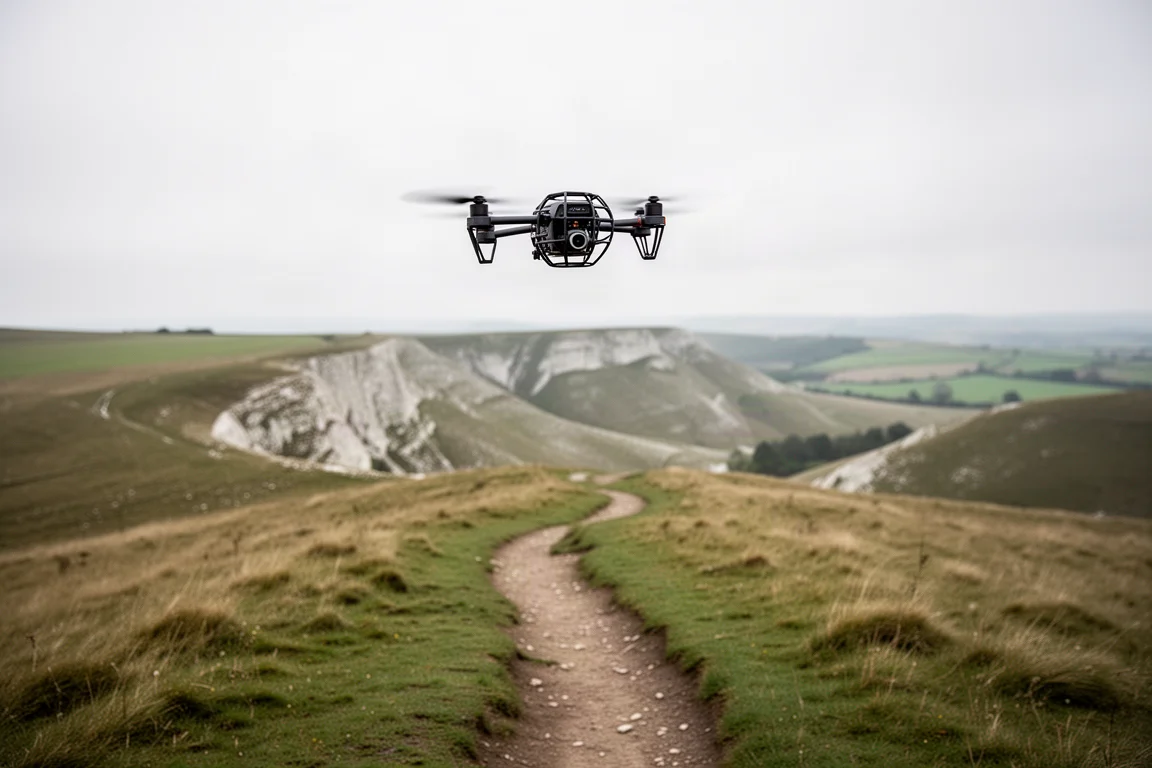
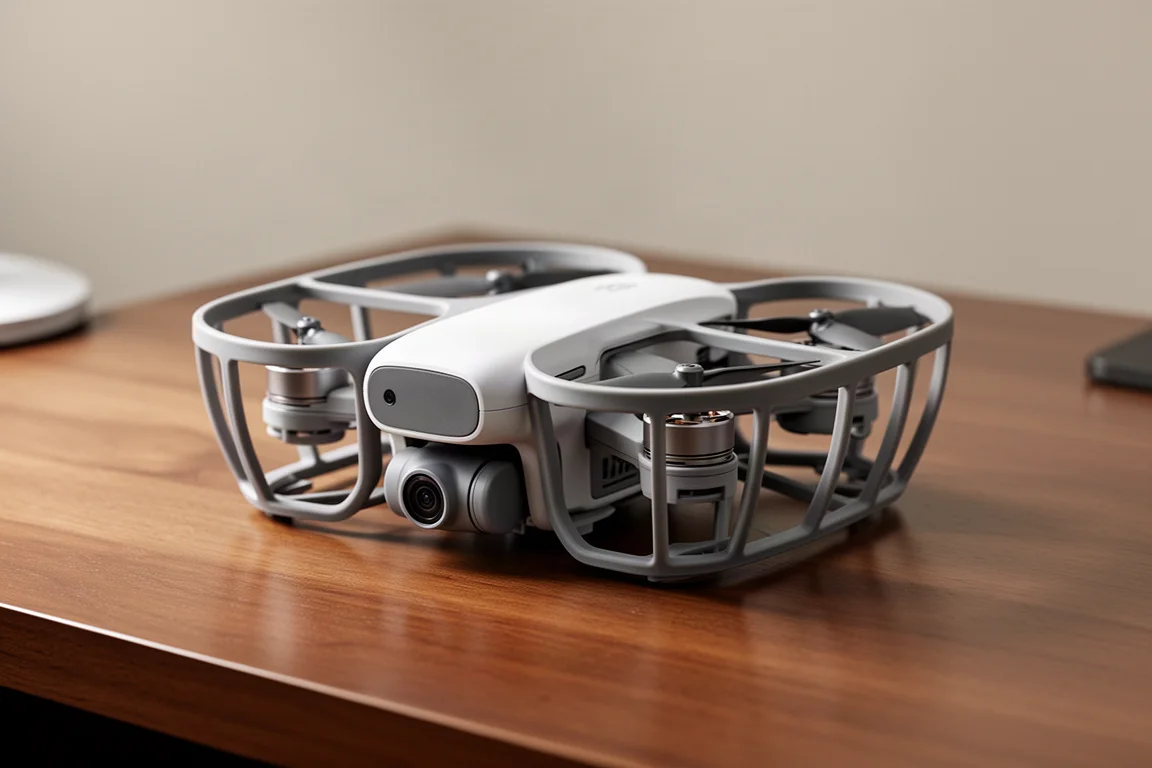
DJI Neo 2
Many runners have bought a drone with good intentions and never used it. The usual blockers: an expensive controller setup, a fiddly phone-in-controller configuration, and a fragile airframe you are scared to carry in a running backpack. The Neo 2, at just over £200, removes nearly all of that friction.
You do not need a controller at all. Switch it on, and it recognises you and follows automatically, controlled from the drone itself or your phone. Built-in preset moves include circling you, following you, rising above you, and a helix-style spiralling shot that closes in, all of which produce polished footage without manual flying. Object recognition and sensors let it detect trees and buildings, stop, and route around obstacles rather than into them.
The protective cage means it shrugs off minor knocks, and it is light enough that carrying it in a backpack no longer feels like a gamble. It is best suited to open spaces, trail runs, and quiet countryside rather than city streets, and it is not waterproof and only tolerates moderate wind given its small size. Used standalone, it flies modest heights and distances; pair it with a DJI controller and it works as a conventional drone flying several kilometres away, and it even supports first-person-view flying with optional goggles. For runners and content creators who want cinematic shots of themselves outdoors with minimal effort, it is a genuinely easy recommendation.
Overall Buying Advice
Most of this month’s picks solve small but recurring frustrations: chafing, fiddly fueling maths, dark streets, glasses that bounce, overpriced waterproofs, race-morning hunger, and drones that are too much hassle to bother with. If your budget only stretches to one or two, the belt light and the Kiprun jacket deliver the most immediate quality-of-life improvement for autumn and winter running, while the Neo 2 is the fun pick if you run somewhere scenic.
Conclusion
None of these products reinvent running, but each one removes a specific annoyance, which is exactly what good gear should do. Whether you are layering up, fueling smarter, lighting dark roads, or finally capturing footage of your favourite trails, there is something on this list that earns its spot.
Further reading
Related Reviews
Running Gear
Best Running Caps 2026: Nine Tested Options for Summer and Winter
A comprehensive guide to nine running caps tested across different conditions, from lightweight summer options to waterproof winter choices.
Running Gear
Best Running Caps: A Guide to Summer and Winter Options
A comprehensive review of nine running caps for different conditions, styles, and preferences, from lightweight summer options to waterproof winter choices.
Running Gear
Best Running Gear 2026: Five Picks That Earn Their Place
Five running upgrades covering heart rate, audio, fuelling, carrying and weather protection, with the trade-offs worth knowing before you buy.