Food & Drink
Magic Spoon, Astronaut Ice Cream and Jude's: Three Treats Worth a Second Look
A high-protein cereal, a freeze-dried space snack and a carbon-negative ice cream brand, tested and compared for curious food buyers.
Introduction
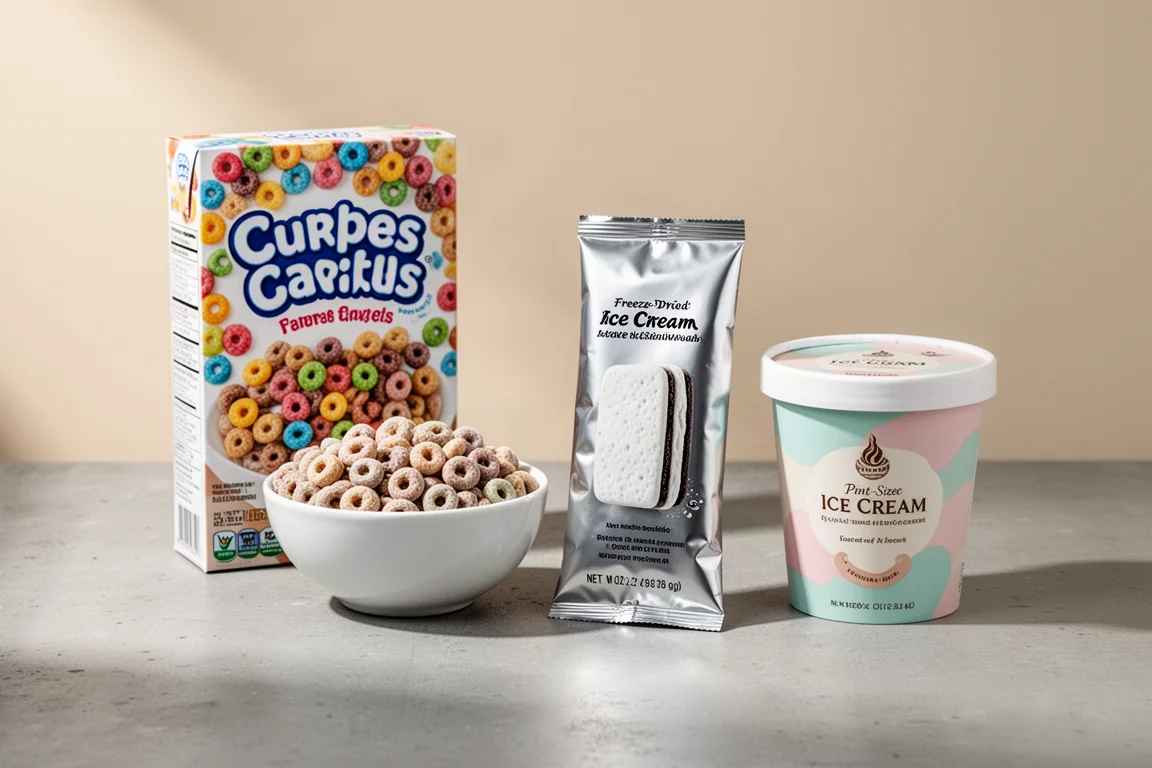
Some food products are built around nutrition, some around nostalgia, and some around novelty. We put three very different treats through the same reality check: what they actually are, what they cost, and who they genuinely make sense for. The result is a shortlist that covers a protein-packed breakfast cereal, a freeze-dried curiosity with space programme roots, and an ice cream brand doing unusually serious work on its carbon footprint.
How We Judged These Products
Each pick was evaluated on the same criteria: taste and texture, how honest the marketing claims are, value for money, and whether the product fits a real everyday use case rather than just a headline. One extra tool also earned a place because it changes how you can evaluate any packaged food, not just the three here.
Magic Spoon: Nostalgia Cereal, Upgraded
Magic Spoon is a grain-free cereal aimed at adults who grew up on Saturday morning cartoon cereal and want something closer to it nutritionally. Founded by two college friends who ate cereal every morning, the brand spent over a year developing a product inspired by those classic flavours, in peanut butter, frosted, cocoa and fruity varieties.
The headline claims are bold: complete protein, no gluten or grains, more protein than a dozen eggs per box, and fewer net carbs than a typical fruit smoothie. The cereal is essentially whey protein bound with oil, sweetened with a natural blend of monk fruit, stevia and allulose, then extruded. The brand states there is nothing artificial in it, and the sweetener blend is described as tasting like sugar with almost zero glycemic impact and almost zero calories.
In practice, it is extremely sweet. One taster compared a bowl to eating a chocolate bar, and noted it was so sweet that a full portion felt like plenty. On texture, it does not dissolve and vanish the way traditional cereal does; it sticks to the teeth a little more, closer to a rice cracker in that respect.
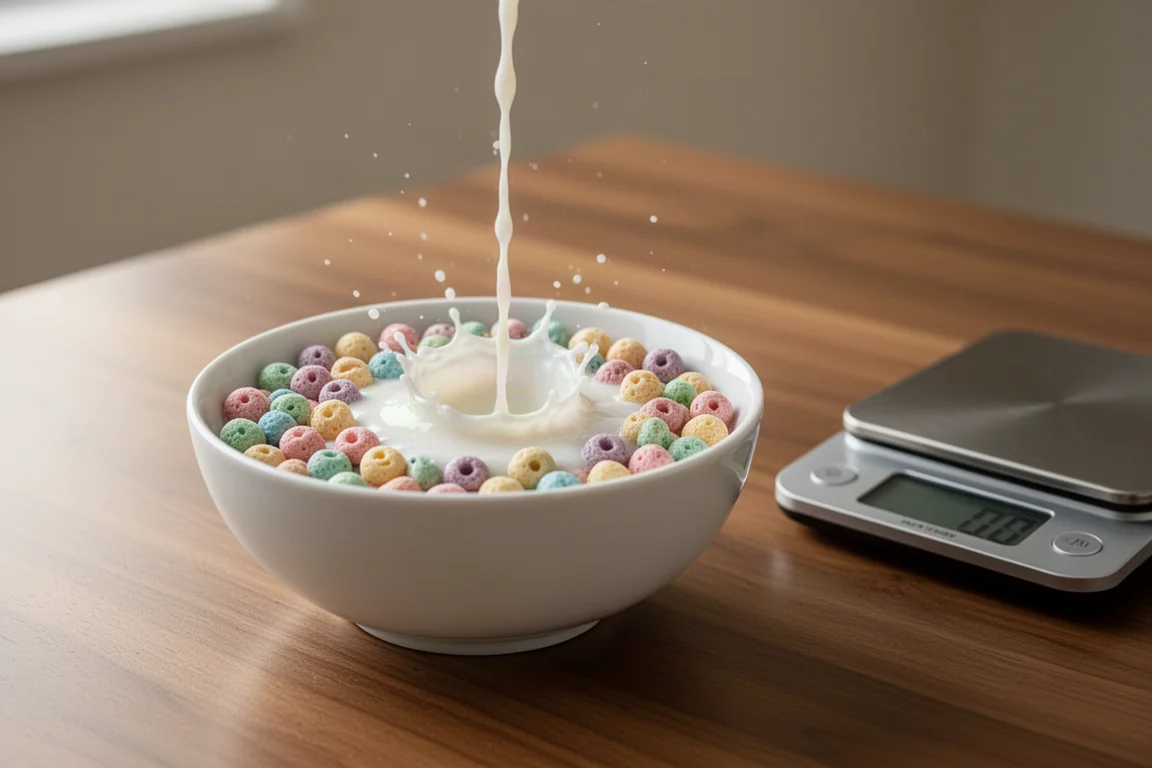
Portion size is worth watching. The suggested serving is one cup, around 36 grams, and a typical enthusiastic pour came out at 76 grams, just over double the recommendation. At that rate, the price matters: a box works out at roughly $9.99 in the US or £7.25 in the UK, which is significantly more than standard cereal. As an everyday breakfast replacement, that adds up fast. As an occasional high-protein treat or snack, it is much easier to justify.
The verdict from tasting was positive overall: sweet to the point of being slightly tickly, but genuinely enjoyable, and the high-protein, keto-friendly, gluten-free, soy-free and wheat-free credentials are all accurate to the label.
Open Food Facts: A Free Tool for Smarter Choices
Not every pick in this roundup is something you eat. Open Food Facts is a free website and app, launched in France about ten years ago and now available in the US, UK and across Europe, that lets you scan a product’s barcode and see its nutritional and environmental scores.
The nutrition side uses the Nova scale, which grades processing levels from one to four. Raw ingredients like a banana score Nova one, while ultra-processed products score Nova four. The newer eco-score rates environmental impact, and the platform is run by a not-for-profit NGO that stays independent of retailers and food manufacturers.
It works a little like an open-source encyclopedia: the database is community-built, and scanning products that are not yet in the system helps add to it. The information it surfaces goes beyond what the marketing on the front of the pack tells you, which is exactly what makes it useful for comparing two similar products on health or environmental grounds.
Astronaut Freeze-Dried Ice Cream: Novelty First, Snack Second
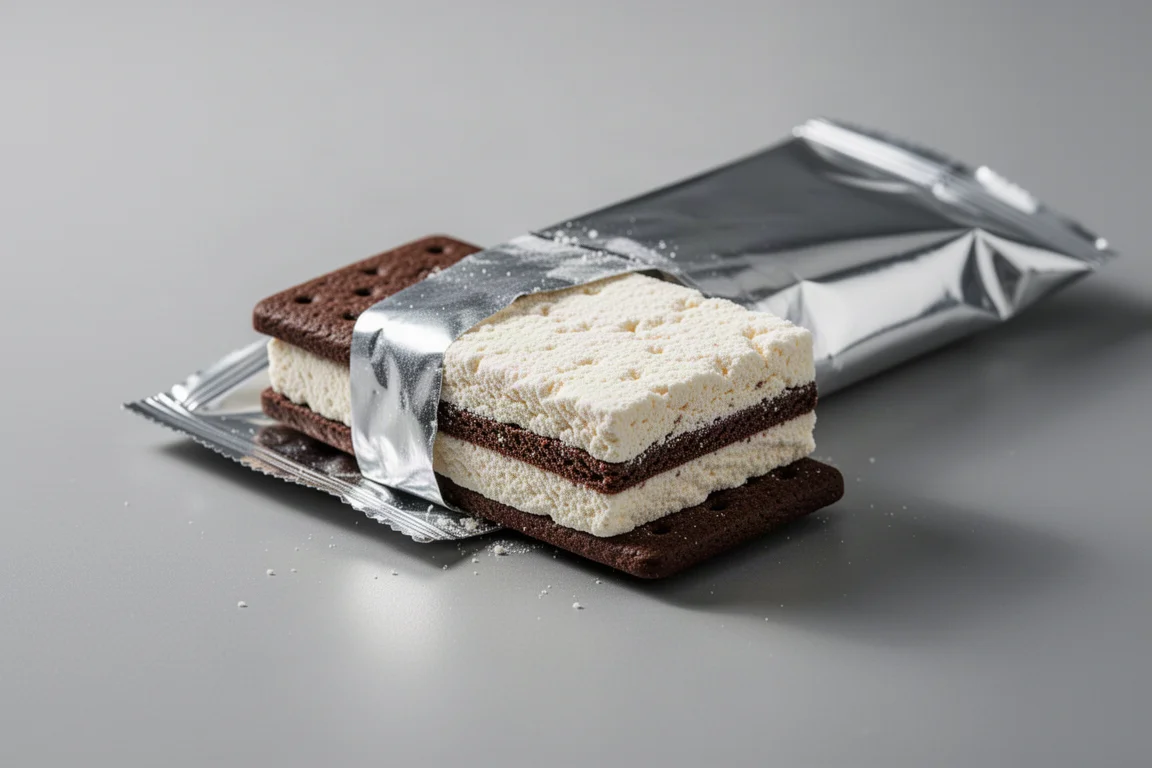
This is the classic Neapolitan ice cream sandwiched between two biscuits, except freeze-dried. Originally developed for space travel, it is described as creamy, sweet astronaut food that gives you a taste of outer space here on Earth.
The freeze-drying process itself is far from new: the product is frozen at very low temperatures, then placed under pressure so the water is removed through sublimation. Only water is removed, which leaves a crunchy, brittle texture that one taster compared to freeze-dried strawberries, very sweet and quite creamy, with a lot going on to keep it stable.
An important reality check: this was never a meal replacement for astronauts. It was one treat within a full range of space meals, included so crews did not feel they were missing out. Nutritionally, it is simply an ice cream sandwich with no water in it.
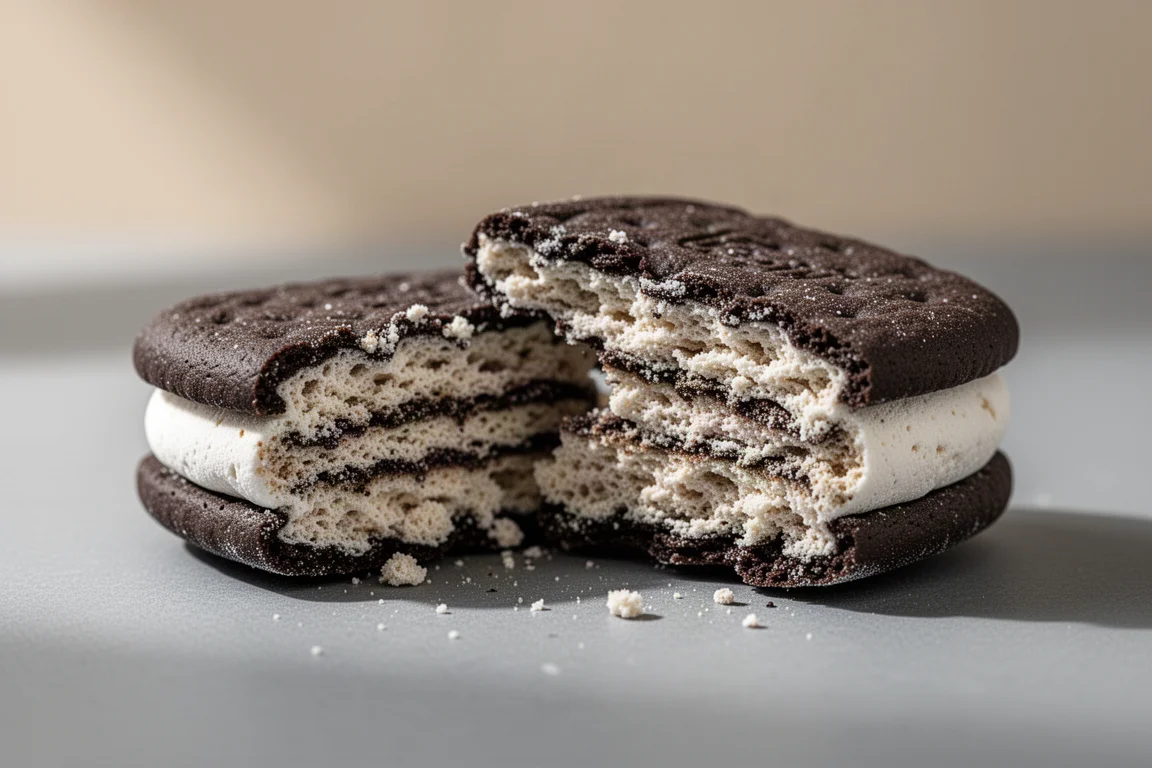
At around £5.30, the price is fair for what it is, but the honest assessment is that it is not something most adults would buy for themselves. Its real value is as a gift or an educational novelty, the kind of thing that gets kids excited about space. It is fun, it works, and it delivers exactly the experience you expect, which is why it earns its place here.
Jude’s: Britain’s First Carbon-Negative Ice Cream Brand
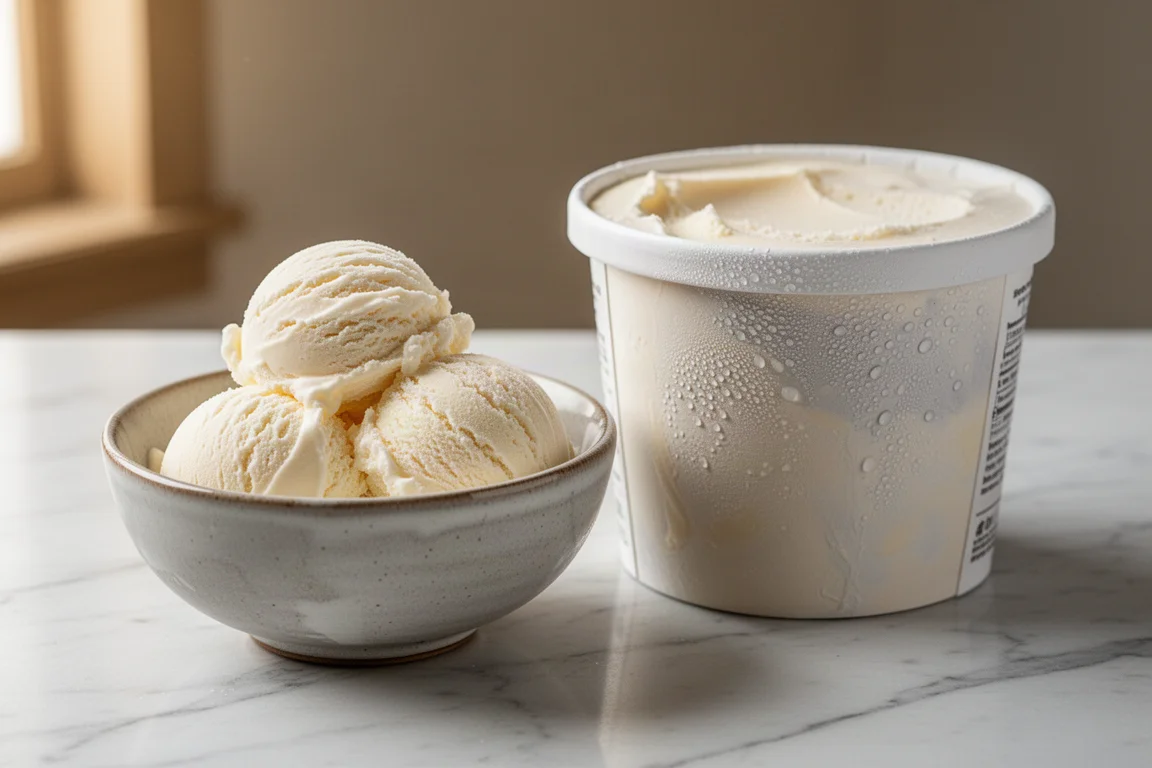
Jude’s holds the title of Britain’s first carbon-negative ice cream brand, meaning it removes more carbon dioxide from the atmosphere than its own footprint as a business. That claim has been independently audited by a team led by one of the world’s leading carbon footprinting experts, who also advises the brand on reducing and offsetting its impact.
The dairy question is the obvious one, given what is known about cattle farming. The honest answer is that a single tub of dairy ice cream may not be carbon negative on its own. The brand as a whole is, because of everything it does around the product: it has moved its entire factory to renewable energy, recycles heat given off as ice cream cools to warm the next batch of cold milk, and recycles water. It also works with farmers to reduce the impact of ingredients like dairy and oats, and offsets the remaining carbon through charities, including a large tree-planting project in Australia.
The brand is also expanding its oat-based range, acknowledging that dairy remains its most carbon-costly ingredient. That transparency matters. What started as one person churning ice cream in a dairy barn has become a business actively digging into the hard parts of sustainability rather than just planting trees and calling it done.
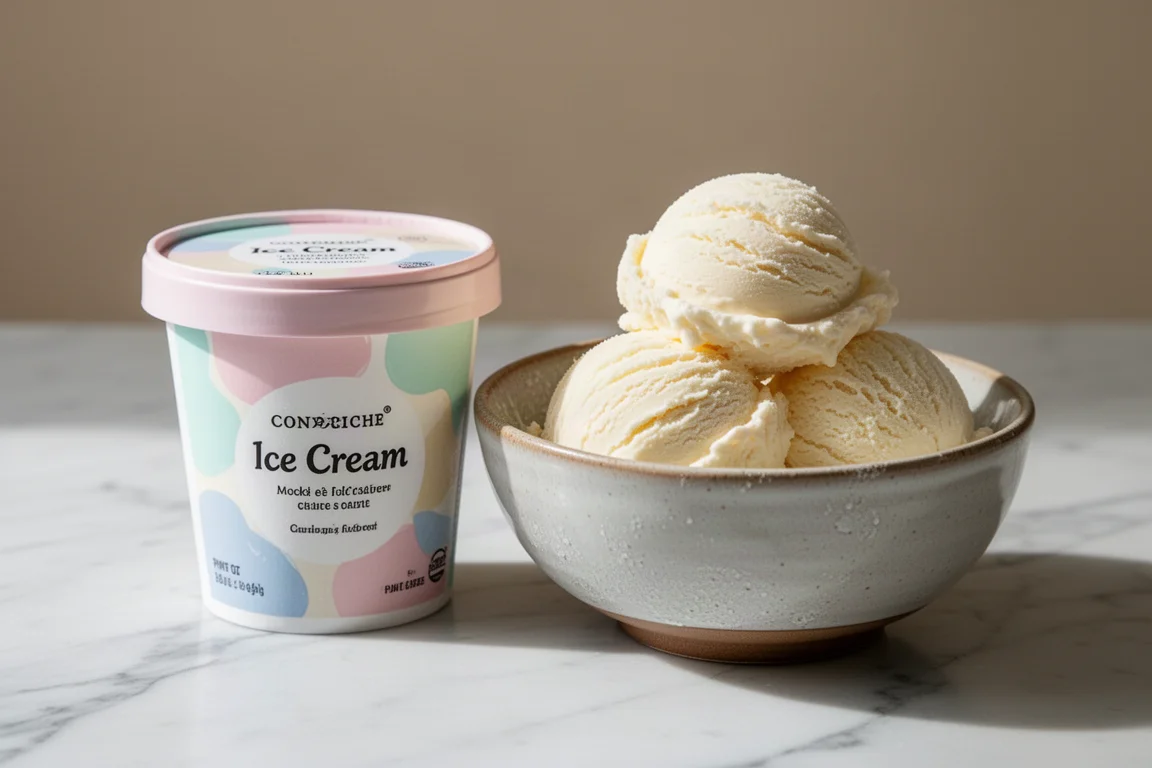
On taste, it holds up: the vanilla, including a clotted cream version, was described as exceptional by someone who already keeps it in the freezer. At around £4 a tub, it sits at a bog-standard price for quality ice cream, which makes the sustainability work feel like a genuine bonus rather than a premium you pay for.
Buying Advice: Which One Fits Your Kitchen
If you want a high-protein breakfast or snack with nostalgic cereal flavour, Magic Spoon delivers, but treat the portion guidance seriously and be realistic about the price per bowl before making it a daily habit.
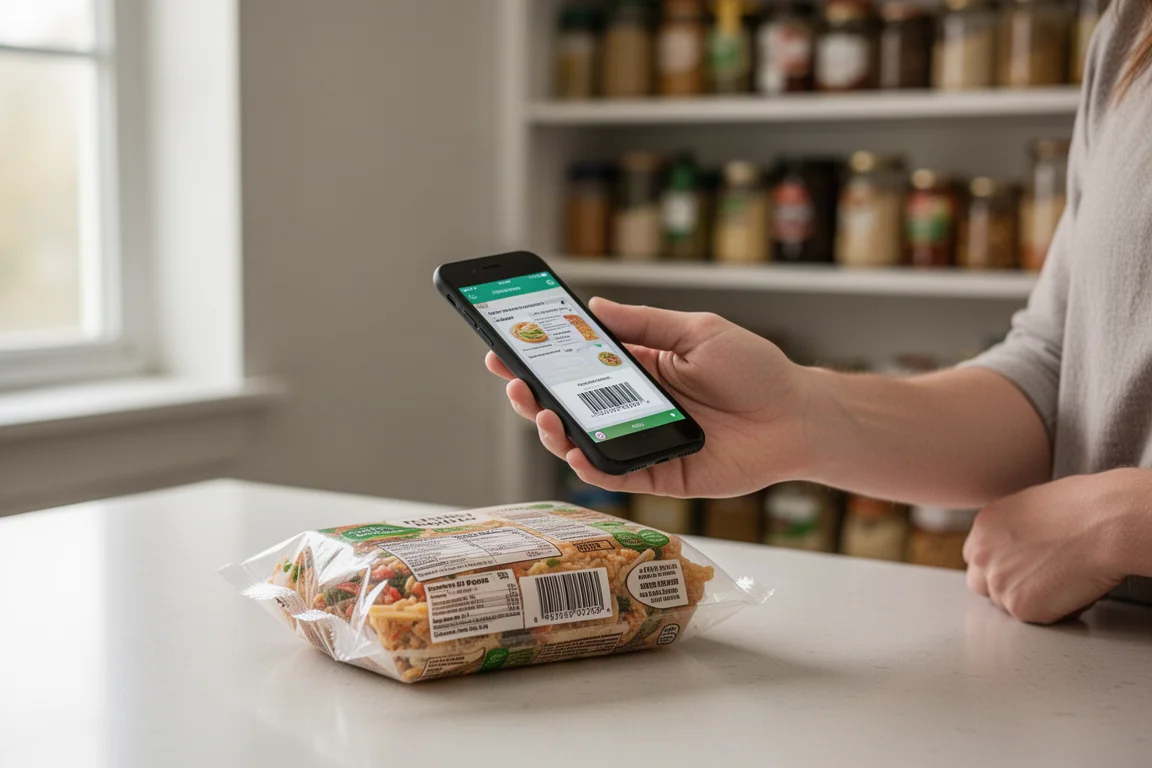
If your priority is making better choices across everything in your trolley, Open Food Facts costs nothing and gives you processing and environmental scores you cannot get from the front of a package. It is the easiest win of this entire list.
For gift-giving or sparking a child’s interest in space, the Astronaut freeze-dried ice cream is a fun, fairly priced novelty. For everyday dessert buying, Jude’s offers genuinely good ice cream at a normal price from a brand taking its environmental responsibilities seriously, which makes it the strongest repeat-purchase pick of the three foods here.
Conclusion
These products succeed in different ways: Magic Spoon on taste and protein credentials, Jude’s on substance behind its sustainability claim, and the astronaut ice cream on doing exactly what a novelty should do. Add the free Open Food Facts app and you have a small toolkit for eating more intentionally, whether that means more protein, less carbon, or simply better-informed choices.
Further reading
Related Reviews
Food & Drink
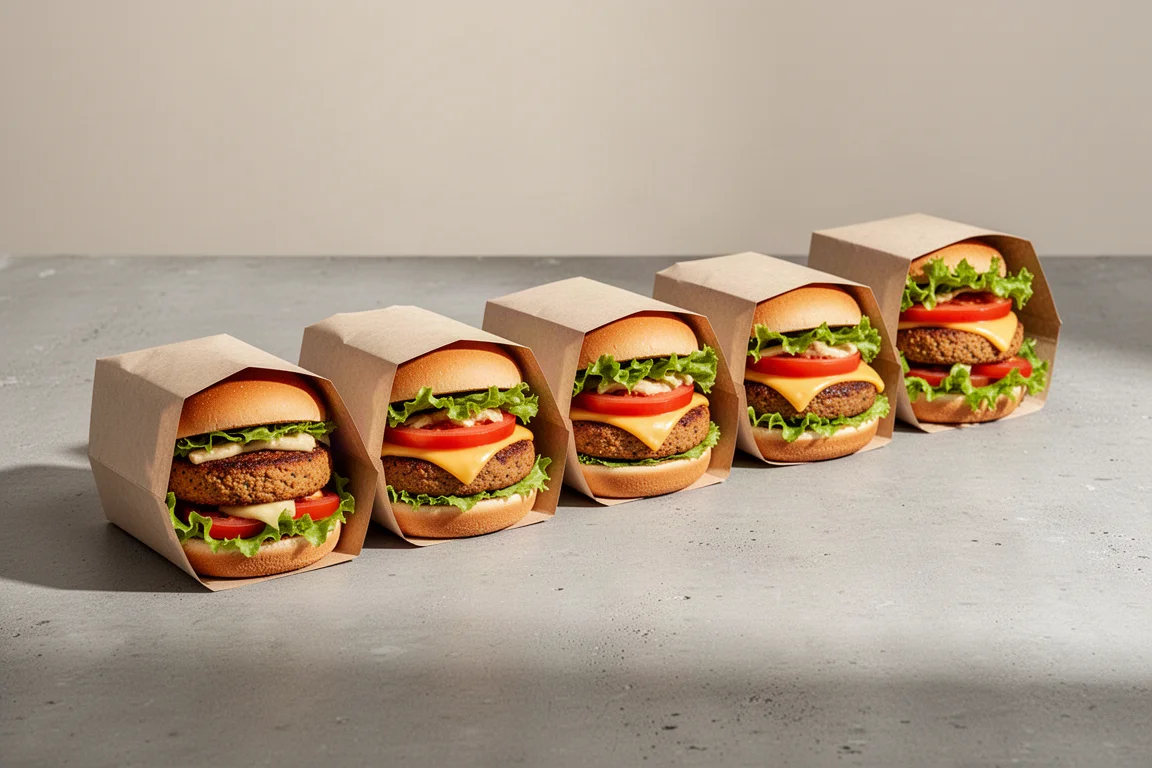
Best Plant-Based Burgers From Major Chains: Six Options Rated
Six plant-based burgers from KFC, Leon, McDonald's, Burger King, Shake Shack, and Honest Burgers put to the taste test to see which fast-food options are actually worth ordering.
Food & Drink
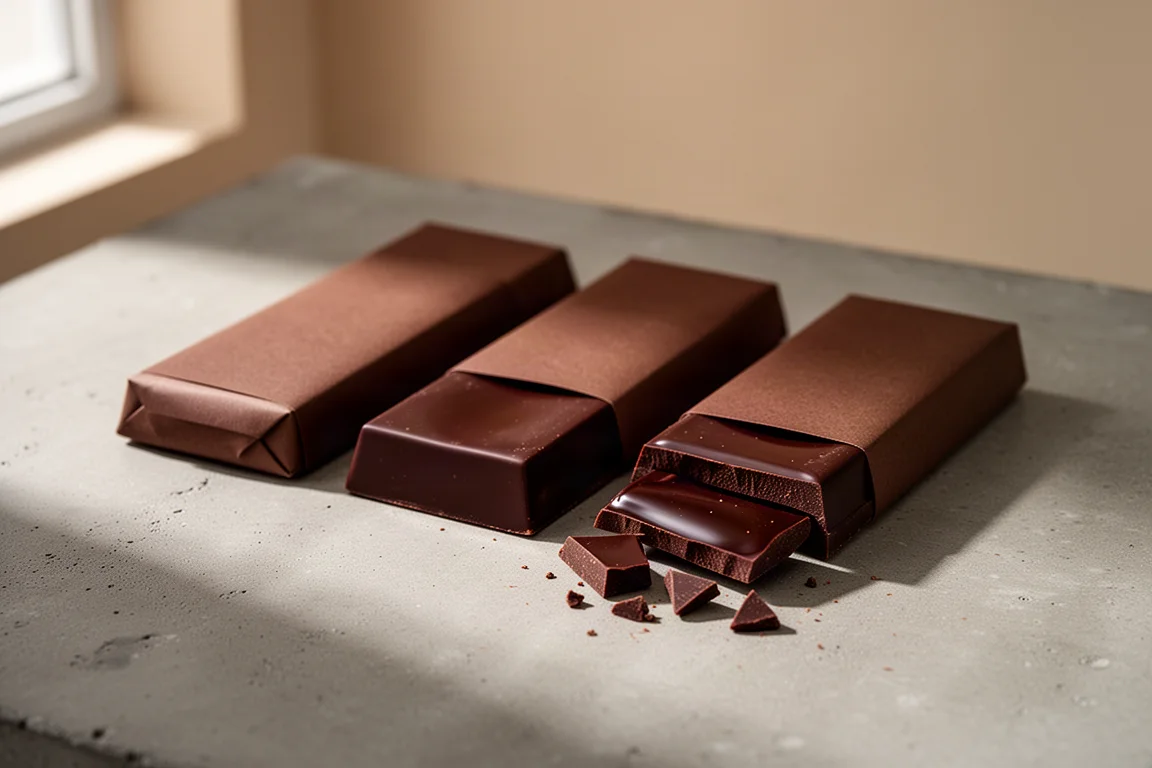
Best Dark Chocolate for Less Sugar: Four Picks From 60% to 90%
Four dark chocolates that deliver more cacao and less sugar, from an everyday baking bar to an intense 90% pick.
Food & Drink
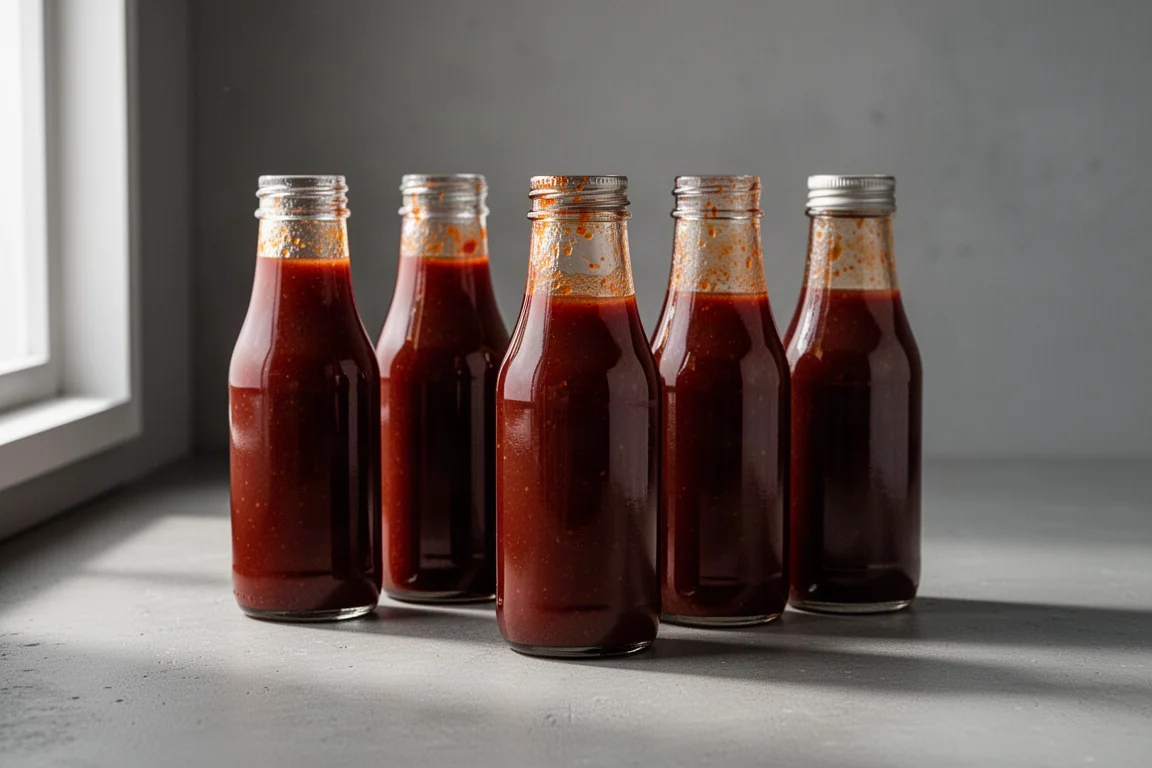
Four Kansas City Barbecue Sauces Worth a Spot on Your Table
We compare four very different Kansas City style barbecue sauces, from a classic sweet supermarket staple to three landmark restaurant sauces you can order online.