Kitchen Knives
Northwest Designs 180mm S-Grind Nakiri Review: A Prototype That Earns Its Grind
A month with the Bastogne series 180mm S-Grind Nakiri from Northwest Designs: food release, craftsmanship, and the small quirks worth knowing before you buy.
Introduction
Food release gets thrown around like a gimmick. In most knives, honestly, it is. But with an S-grind, the term finally means something, and this 180mm nakiri from Jesse at Northwest Designs in Kelowna, BC is the first proper S-grind knife we have spent serious time with.
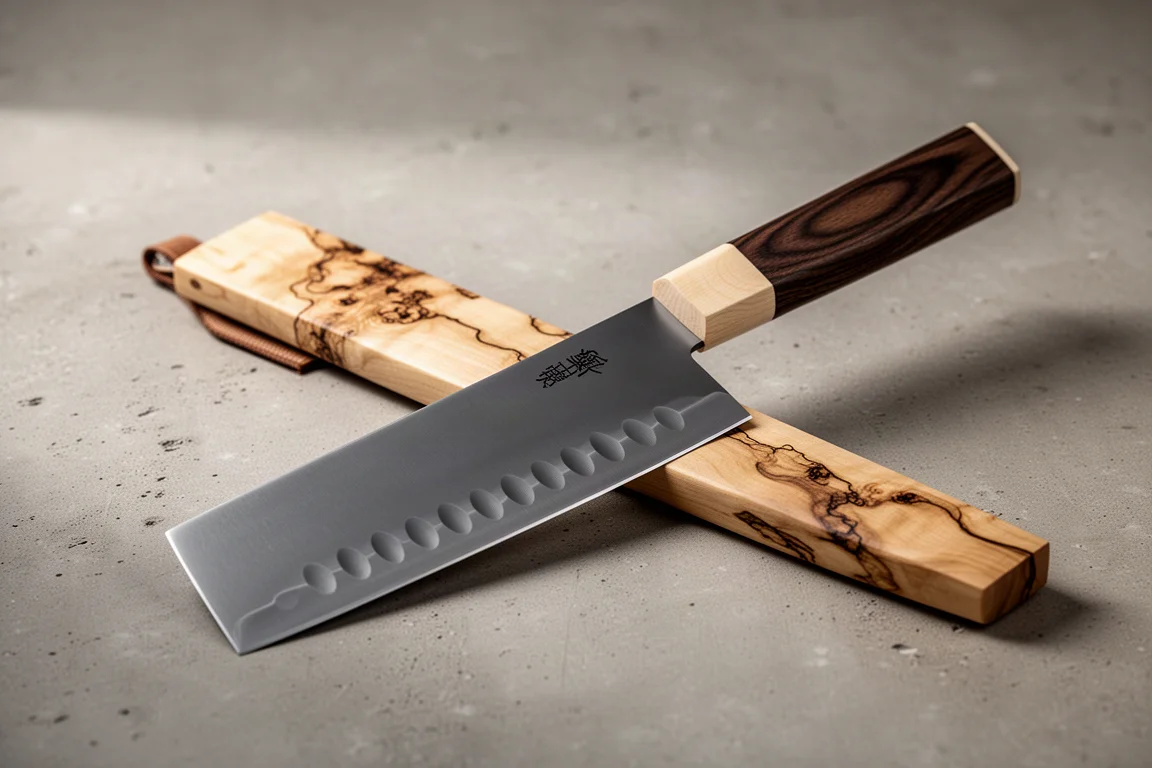
This is the prototype of the Bastogne series: a 52100 full carbon steel blade with a milled S-grind, a Bastogne walnut handle, and a spalted sycamore bolster. It arrived with a matching saya, hand-decorated with pyrography, making it feel like a complete artisan package rather than just a knife in a box. We used it almost non-stop for a month to find out whether the grind lives up to the theory.
Who This Knife Is For
The nakiri shape is built for vegetables, and the 180mm length is a meaningful choice here. Many nakiri blades sit around 165mm, which can feel a touch short. The extra length gives more cutting height and more food contact, which matters enormously for this grind.
This knife suits cooks who do a lot of vegetable prep, who appreciate handmade carbon steel tools, and who are genuinely curious about how an S-grind changes daily cutting. It is also a strong pick for collectors who value the story: this is a limited series, a collaboration between a maker, a pyrography artist, and a saya craftsman, and the prototype reflects that care.
Main Strengths
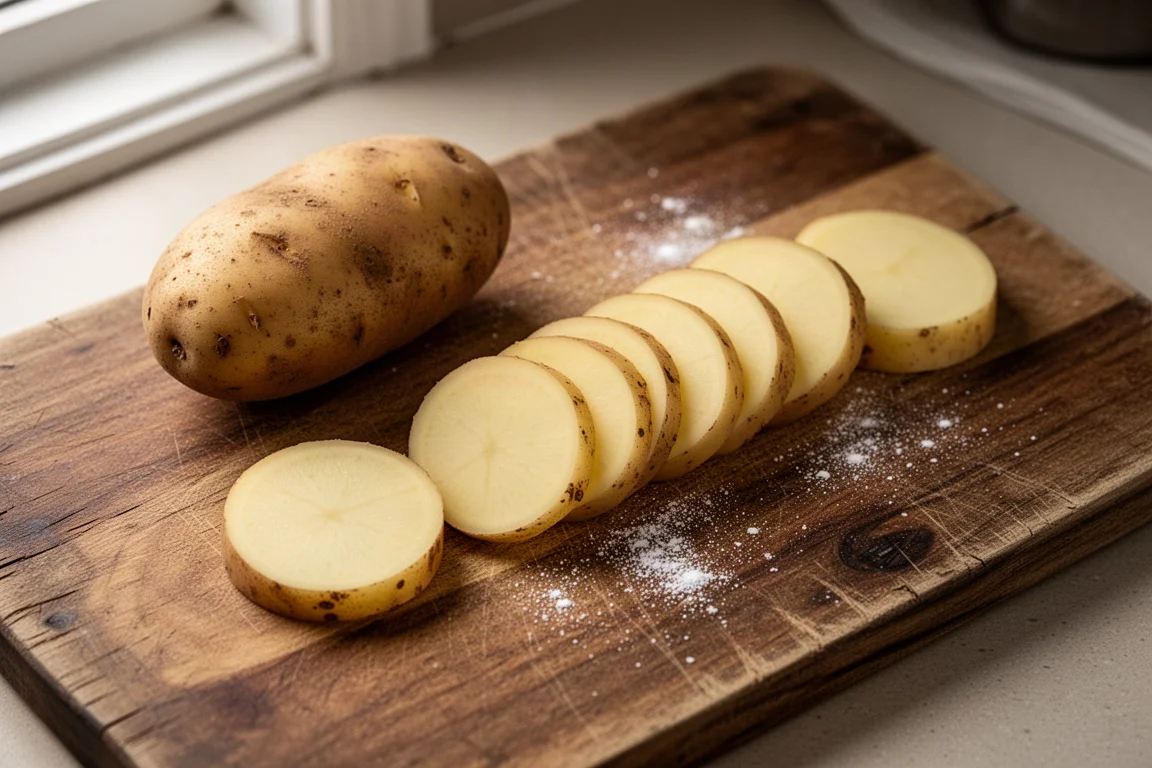
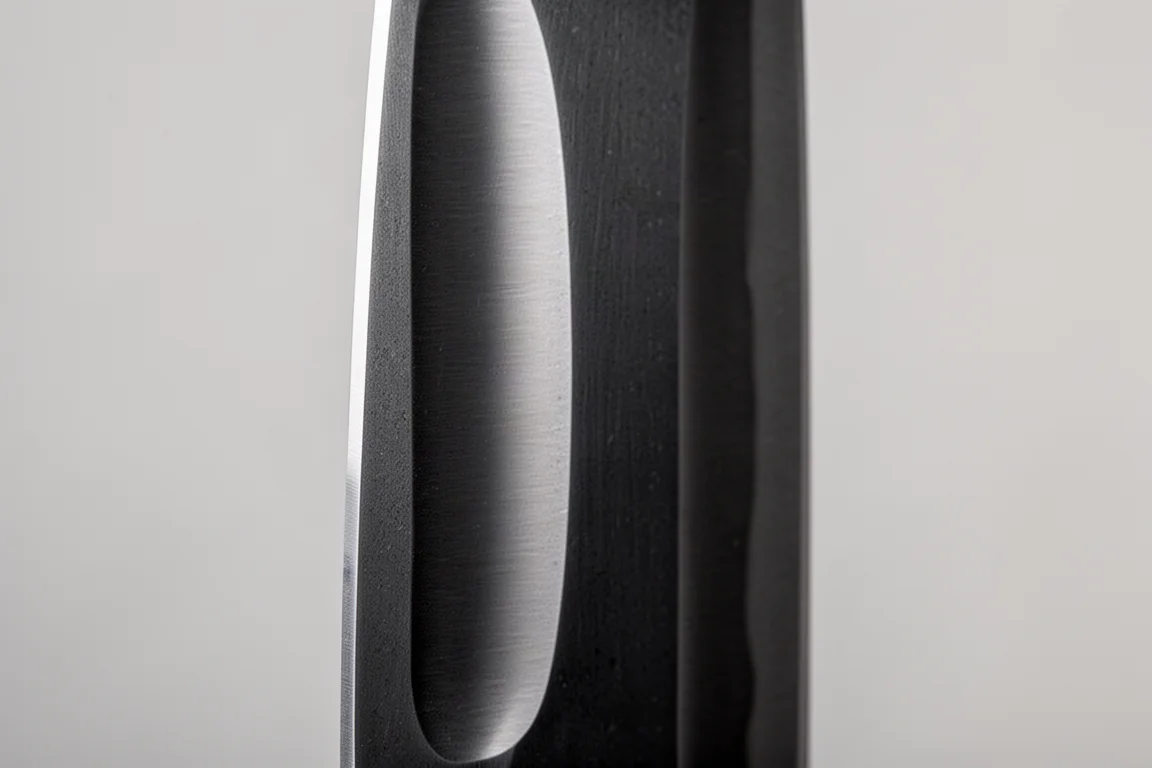
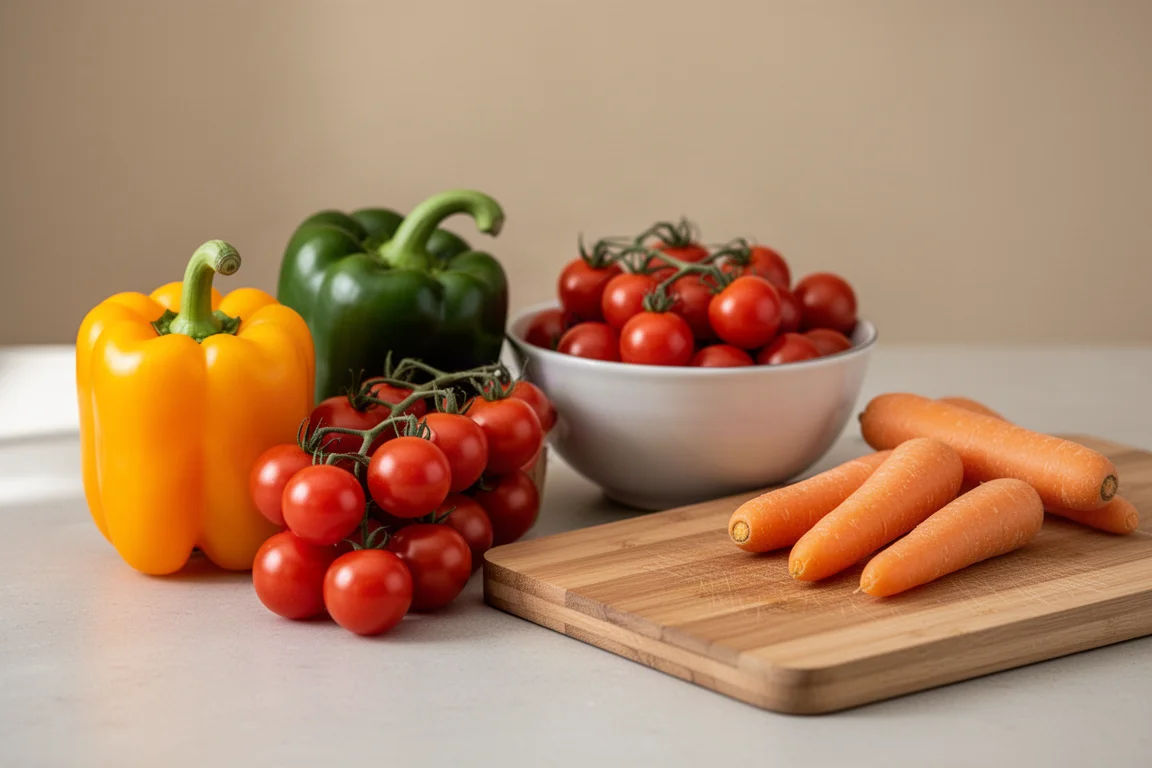
The headline feature is food release, and on the right ingredients it delivers. Potatoes were absolutely blown away, releasing with barely any sticking. Bell peppers performed well too. The mechanics are simple once you see them: the S-grind is a double bevel, but shortly above the primary cutting edge the steel is milled inwards on both sides. As food creeps past the edge, it enters a cavity where air pockets form, breaking the suction that usually pins slices to the blade.
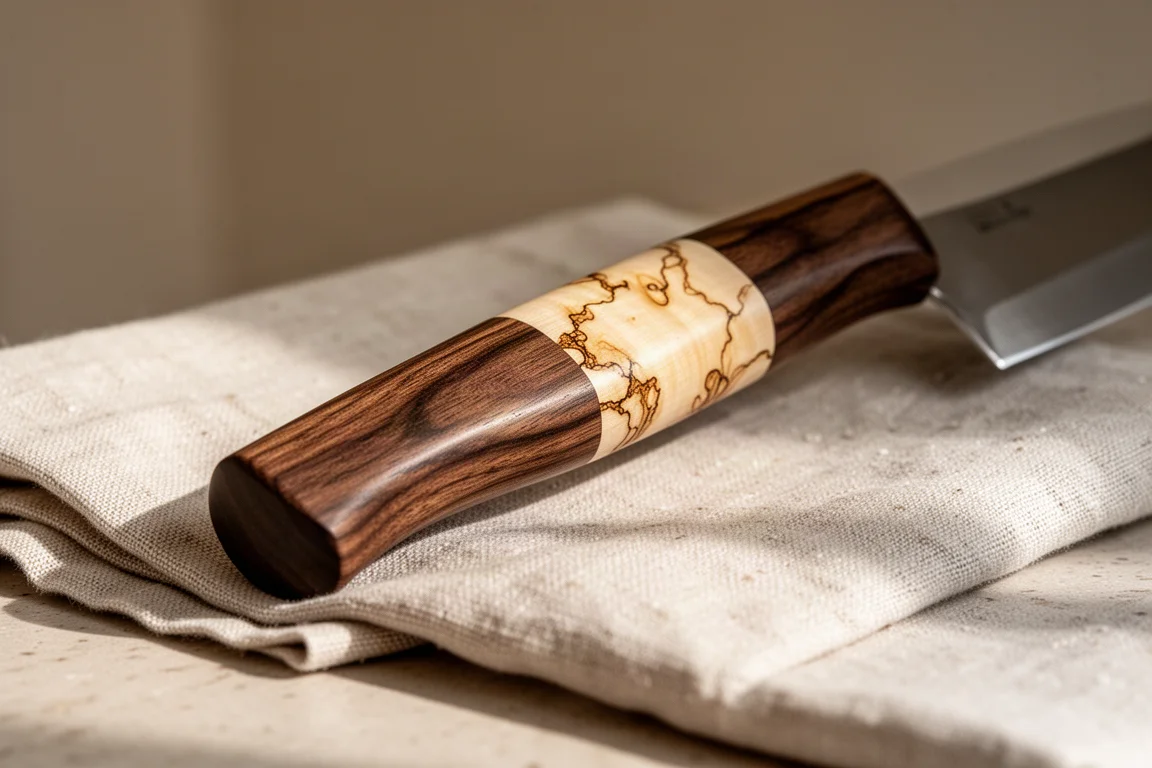
The handle deserves equal praise. The Bastogne walnut, a cross of walnut varieties, is generously sized but so well contoured that it fits comfortably even for smaller hands. The choil is polished and pleasant, the spine is thick yet tapers and rounds off beautifully, and the balance sits just slightly forward of the pinch grip. After sessions up to an hour, there were no hot spots or fatigue complaints.
Fit and finish sits at the level of top-tier Japanese kitchen knives. The calligraphy-style maker’s mark, the matching wood tones between handle, bolster, and saya, and the matte gunmetal blade finish out of the box all read as the work of someone with a designer’s eye, which is exactly what Jesse was before becoming a knifemaker.
One practical note: the blade ships with a protective residual oil coating, and the steel initially gave off a strong reacting smell. A thorough wash solved it completely. Treat any new carbon knife like a new glass and wash it before first use.
Things to Consider Before Buying
This is a full carbon steel blade with no stainless jacket, so it will react and patina. That is part of the charm for many, but it demands wiping down and care after use.
Out of the box, the edge lacked a bit of bite for slippery items like cherry tomato skins. A refinement to a 1,000-grit edge solved this completely, and the maker finishes blades on a 500-grit wheel, so a slightly coarser factory edge is worth knowing about rather than fearing.
Two small quirks: very small, sticky items like garlic can sit below the milled cavity, where the S-grind cannot do its job, so sticking is expected. And the small secondary tip slope can obstruct your line of sight when slicing garlic, an atypical task for a nakiri anyway. Also, if you store knives flush in a block, the heel protrudes slightly; angling it in the slot solves it at the cost of a neighbouring slot.
Buying Advice
If your cooking revolves around vegetables, especially taller cuts like potatoes, peppers, and cabbage, this knife is a joy that justifies its quirks. If your main need is precise work on small items like garlic, a standard profile will serve you better.
The best results come from pairing it with an edge finish around 1,000 grit, which transforms performance on tomato skins and pepper skins. Keep it dry, expect patina, and wash it before first use. As a limited Bastogne series piece, availability is expected to open up soon, so it is worth watching the maker’s announcements if the prototype’s qualities appeal to you.
Conclusion
After a month of constant use, the complaints are minor: a curious shipping oil smell that a wash erased, a factory edge that rewards refinement, and gripes that only surface far outside a nakiri’s job description. Everything this knife is meant to do, it does beautifully. The food release is real, the handle is a triumph, and the fit and finish is genuinely special. For anyone drawn to handmade carbon steel and the honest, practical magic of a well-executed S-grind, this 180mm nakiri is an easy recommendation.
Product link
View more details for Northwest Designs 180mm S-Grind Nakiri (Bastogne series)
This product is mentioned in the review. Check the specifications, options, and compatibility before buying.
View more details for Northwest Designs 180mm S-Grind Nakiri (Bastogne series)Further reading
Related Reviews

Kitchen Knives
Best Chef's Knives 2026: 27 Popular Options Tested and Ranked
A comprehensive review of 27 chef's knives ranging from $18 to $380, with honest assessments of handle comfort, blade balance, and real-world performance.

Kitchen Knives
Best Chef's Knives Under $75: Two Tested Recommendations
Two practical 8-inch chef's knives that balance sharpness, comfort, and durability without premium pricing.

Kitchen Knives
Best Chef's Knives 2026: 27 Options Tested and Ranked
A comprehensive review of 27 chef's knives ranging from $18 to $380, with honest assessments of handle design, balance, blade profile, and real-world performance.