Running Gear
The North Face Flight Series Race Vest Review: Ultra-Minimal, But Does It Stay Put?
A super-light race vest with smart storage and built-in soft flasks, undermined by one serious fit problem when fully loaded.
Introduction
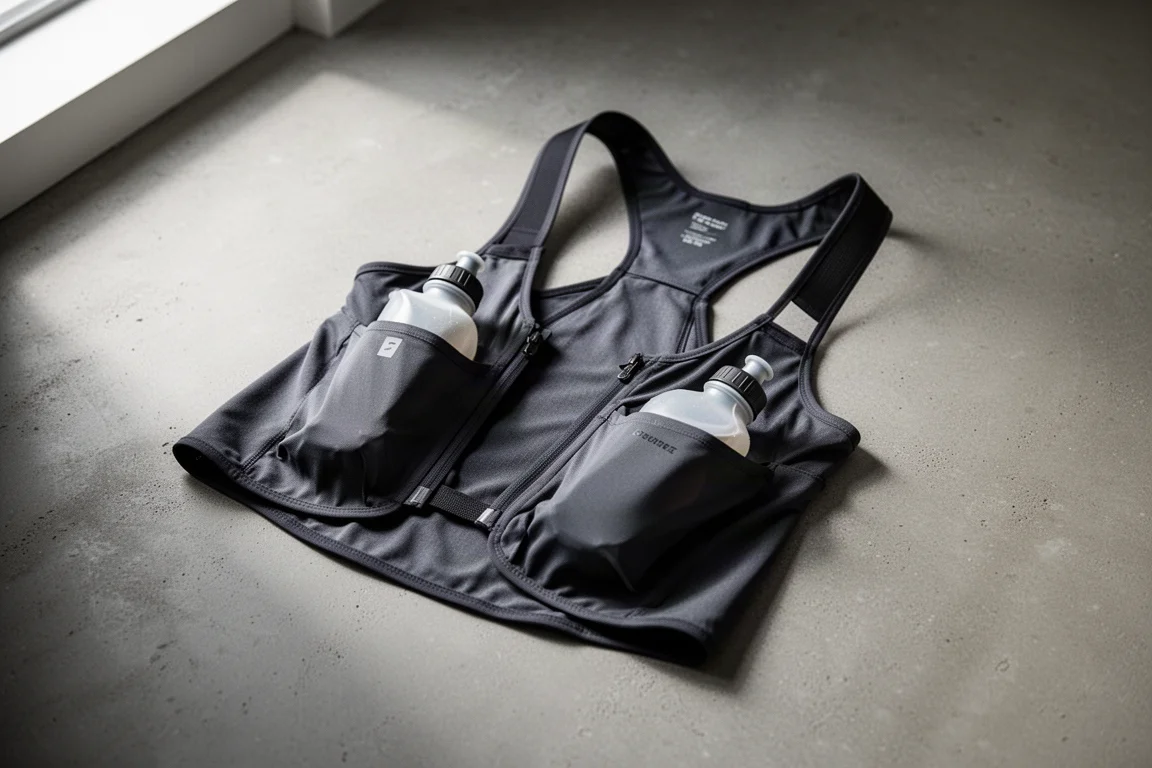
The North Face Flight Series Race Vest is aimed squarely at runners who want the absolute minimum on their back. It is an ultra-minimal, ultra-race vest: super light, super stripped back, and clearly designed around the idea that you will restock regularly. That philosophy shows in nearly every design choice, from the thin shoulder harness to the compact rear compartment.
But minimalism only works if the vest stays put when you load it up, and that is exactly where this one runs into trouble. After testing it, including during a race, the picture is mixed: excellent in some ways, genuinely frustrating in one key area.
Who This Vest Is For
The intended use case is clear: single-day ultras where you can restock at aid stations at regular intervals. Think a 100K-style event where you carry enough water and fuel for two to three hours between checkpoints, plus a few essentials, and stay light and free the rest of the time.

If that describes your racing, the vest’s layout makes a lot of sense on paper. The question is whether it holds up in motion, and that is where things get complicated.
Storage and Pocket Layout
Storage is arguably the strongest part of this vest. Up front you get one zippered pocket large enough for one of the bigger-size iPhones, plus two large stretch stash pockets on either side of the chest. Because there are two, you can compartmentalise: keep gloves separate from gels, or split different types of fuel between them.

They sit right at the front where everything is easy to reach, which matters more than it sounds. Some vests put these pockets too far around the back, making them awkward to access mid-run. Here your fuel and essentials are within easy reach without twisting.
The essentials genuinely fit. You can carry a range of gels, a head torch, a pair of gloves, and most of your must-have kit in the front pockets. Around the back there is one main compartment that sits tight to the back but stretches, with room for a jacket or other garments. Above that, an extra stretchy section lets you stash hiking poles horizontally across the back, out of the way rather than waving around your face.
Two soft flasks come built in, with small hooks and toggle attachments intended to anchor them down. That anchoring system, unfortunately, is where a notable annoyance lives.
The Soft Flask Hooks Are Frustrating
The hooks designed to keep the soft flasks anchored are hard to work with. Several people who tried the vest found them difficult and frustrating to clip on and off, requiring a real tug to engage. Reattaching them after refilling at an aid station, which means taking the flasks out of the pockets, becomes genuinely annoying. There is also a worry that the plastic could break over time.
The toggles that pull the flasks down into place help secure the bottles, but the mechanism feels like a feature that exists without adding much value. The practical workaround is to unclip the hooks once and simply forget about them.
Fit and Stability: The Big Problem
This is the dealbreaker. The chest straps are easy to slide and height adjustable, but adjusting their height did not solve the fit issue. Even pulled as tight as they go, in a medium vest that otherwise felt right in terms of size and design, the vest wobbled.
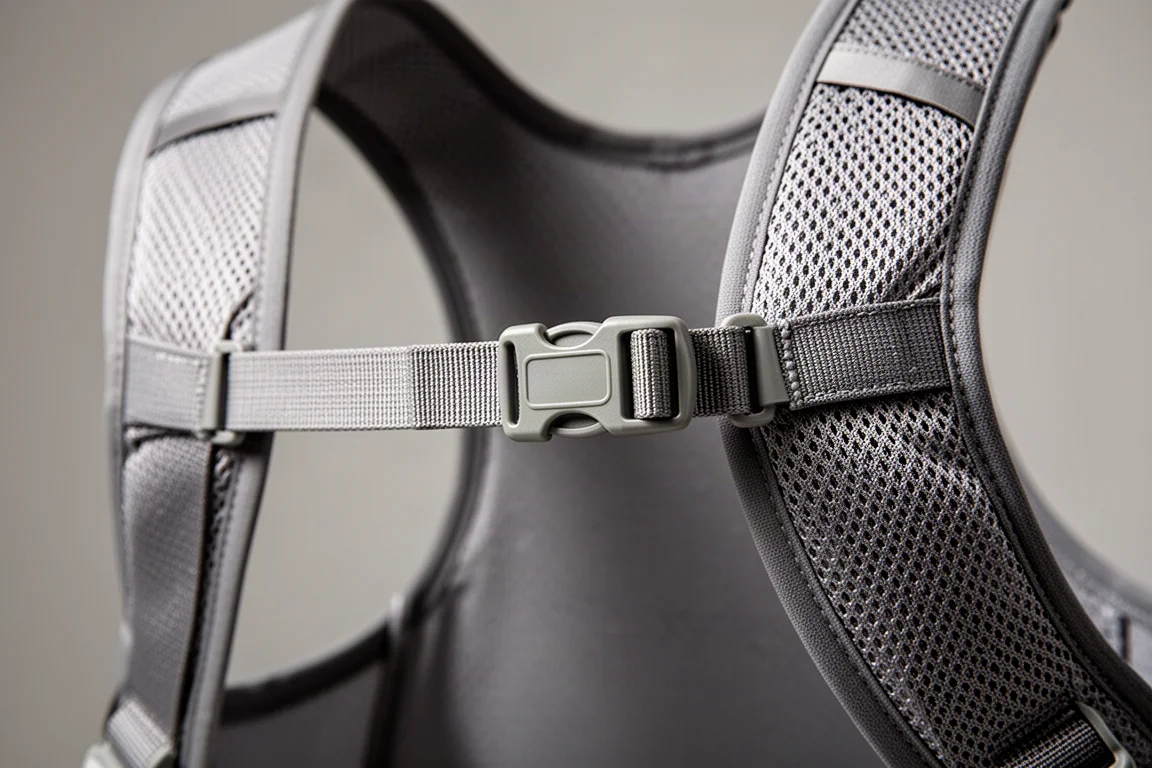
With full soft flasks, running in it was jiggly and unstable enough to be a genuine problem. During a half marathon at a fairly quick but not extreme pace, the discomfort was such that the only solution was stopping after a mile and emptying the water. Once the front was loaded with weight, the vest bounced around no matter what. For a race vest, whose entire job is to carry that load securely, this is a serious flaw.
The picture improves dramatically when the load lightens. Without full flasks, carrying just fuel and small items, the vest performed really well: comfortable, breathable, and light. The rear panel does not trap much heat, it wicks nicely, and it did not cause overheating, which is promising for longer, hotter ultra conditions.
The shoulder harness deserves credit too. Although thin, it has a slightly plastic-coated feel and does not bunch up or roll and cut into the shoulders the way some vests do over long hours. When things sit properly, the vest stays out of your arms’ way and never feels restrictive. The fit design is genuinely nice; it is a real shame the loaded stability does not match it.
Verdict
The Flight Series Race Vest had real potential straight out of the bag. It looks nicely minimal and appears ideal for a 100K where aid stations cover resupply and you only carry water, fuel, and essentials between them.
But once you start running with the soft flasks filled, the vest jiggles and shifts constantly, and that is off-putting at best and race-ruining at worst. At £135, it is not cheap, and at that price you would expect it to do more. Going into a 100K or 100-miler means wearing this for 24 hours or more, and the instability makes it hard to recommend.
Buying Advice
If you mostly run shorter, lighter efforts where you carry little more than a few gels and a phone, this vest’s comfort, breathability, and thoughtful pocket placement could work well for you. If you plan to run with full soft flasks for extended periods, the stability problem is significant enough to look elsewhere.

Try it loaded before committing: fill both flasks, run at your race pace, and see whether you can get the harness to lock down on your frame. If it wobbles in the first mile, it will not improve over an ultra.
Conclusion
The North Face Flight Series Race Vest gets a lot right: smart front storage, a breathable and light build, a shoulder harness that behaves over distance, and pole carry that stays out of the way. But a race vest lives or dies on how it carries weight in motion, and this one cannot keep full flasks still. At its price, that single flaw outweighs the many strengths for anyone racing long with a proper load.
Product link
View more details for The North Face Flight Series Race Vest
This product is mentioned in the review. Check the specifications, options, and compatibility before buying.
View more details for The North Face Flight Series Race VestFurther reading
Related Reviews

Running Gear
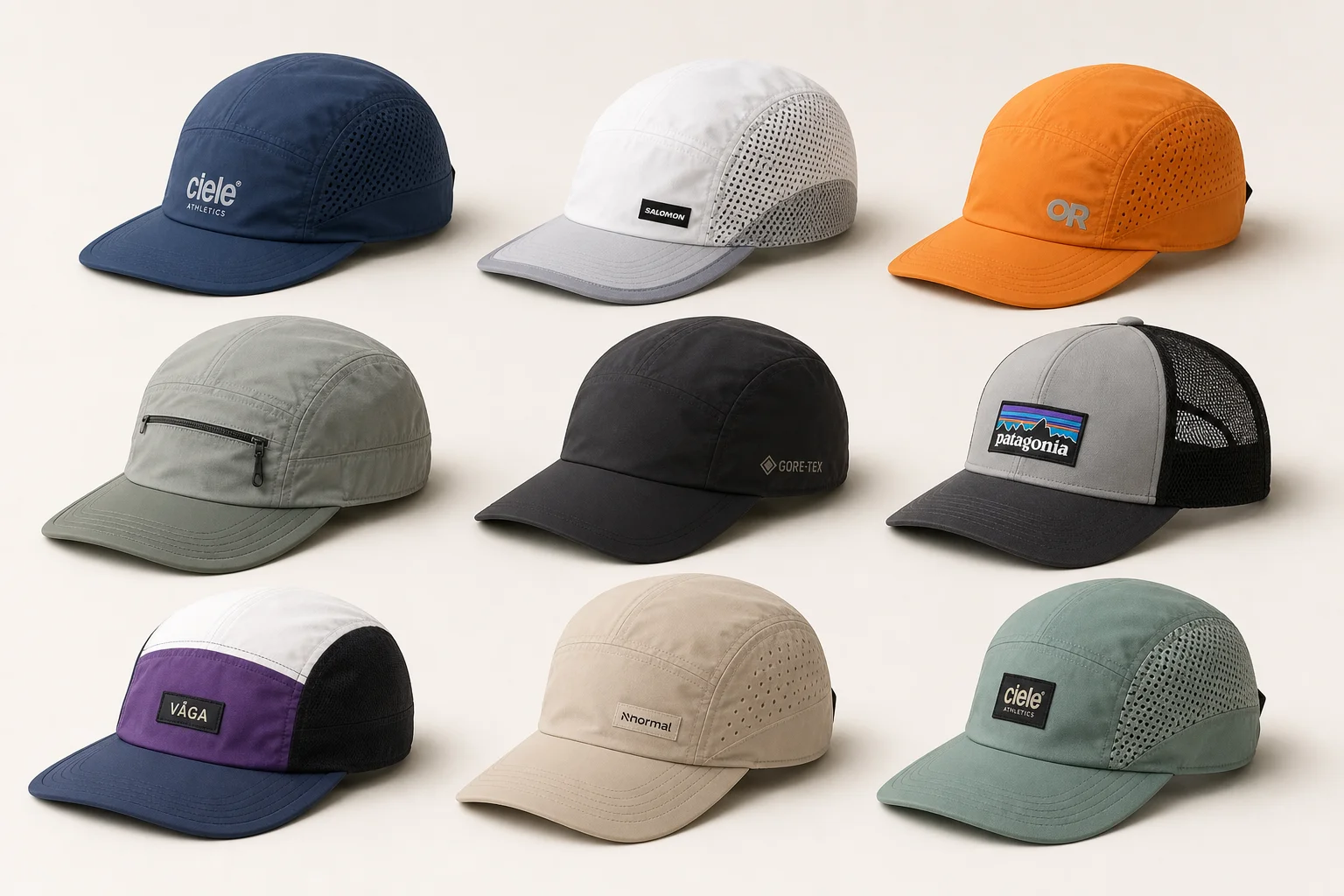
Best Running Caps 2026: Nine Tested Options for Summer and Winter
A comprehensive guide to nine running caps tested across different conditions, from lightweight summer options to waterproof winter choices.
Running Gear
Best Running Caps: A Guide to Summer and Winter Options
A comprehensive review of nine running caps for different conditions, styles, and preferences, from lightweight summer options to waterproof winter choices.
Running Gear
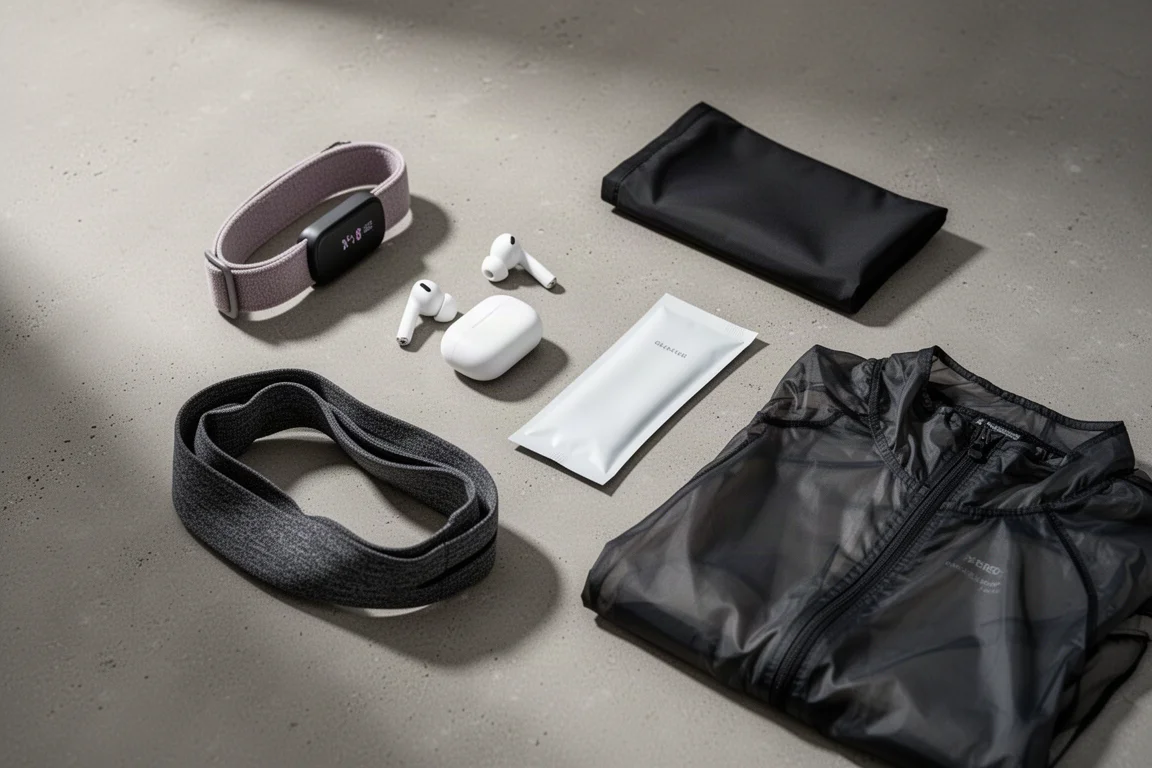
Best Running Gear 2026: Five Picks That Earn Their Place
Five running upgrades covering heart rate, audio, fuelling, carrying and weather protection, with the trade-offs worth knowing before you buy.