Skis
Nordica Unleashed 106 and Unleashed 106 CA: Two Freeride Skis Compared
Nordica's two new 106 mm freeride skis share a shape but not a personality. Here is how the metal and metal-free builds differ, and which rider each one suits.
Introduction
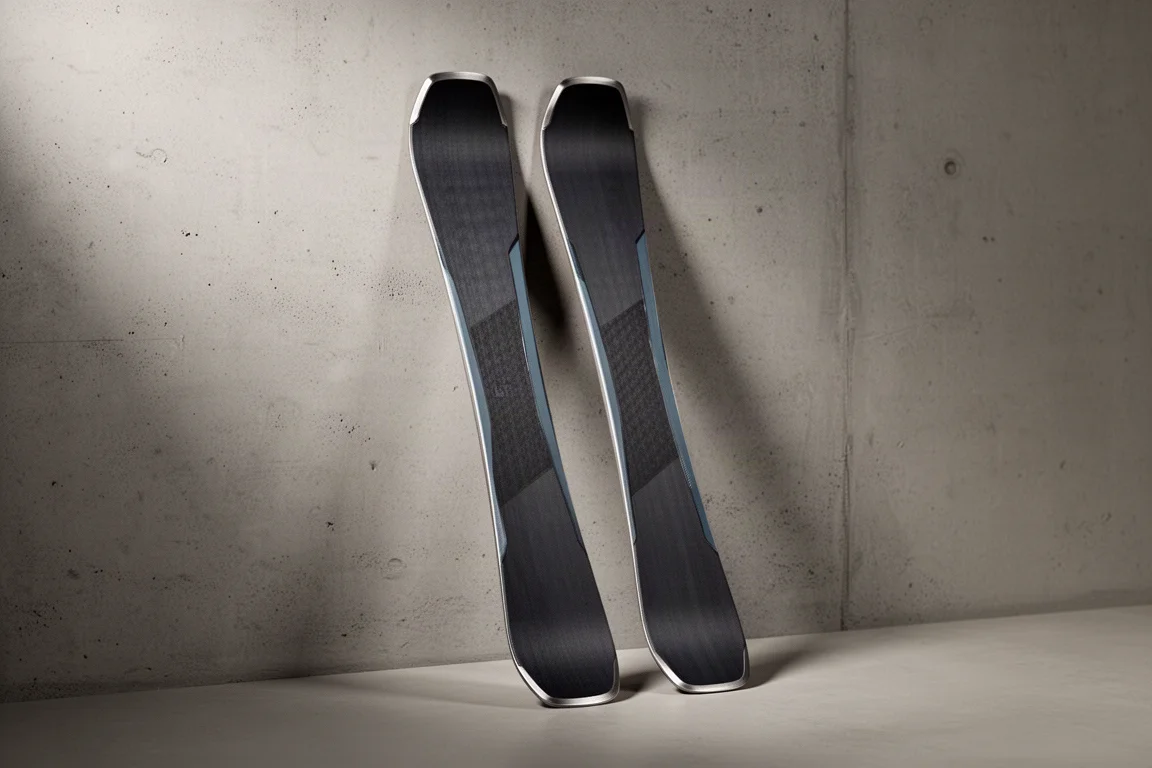
Nordica has announced two new freeride skis that share a mold, a shape, and a general intent, yet differ in one important way. The Nordica Unleashed 106 uses a metal laminate in its build, while the Nordica Unleashed 106 CA leaves that metal out in favor of a lighter, springier feel. Both sit at 106 mm underfoot, and both are positioned as directional freeride skis first, with a twin tip shape that plays a secondary role.
That distinction matters more than the naming suggests. The two models are not simply a softer and a stiffer take on the same idea. They reward different styles of skiing, different terrain, and different speeds, so choosing between them comes down to how you actually spend your days on the mountain.
This guide covers the shared design, the construction differences, the on-snow character of each model, and the sizing details worth knowing before you commit.
Shared Construction and Shape
Both skis come out of the same mold. The shape, the profile, and the rocker lines are identical, so everything in this section applies equally to either model.
The design is derived from the wider Unleashed 120, and the clearest inheritance is a more tapered shovel. That taper makes the ski easier to release, whether you are finishing a carved turn or pivoting in soft snow. Tip rocker is generous, while tail rocker is noticeably more modest, which gives the ski a directional bias. The stated turn radius is 18.7 m, and the recommended mount point sits roughly 9 cm back from true center.
The metal version uses what Nordica calls drift lock technology. A light poplar wood core is paired with a carbon strip along the top, plus a width-specific metal laminate that runs from the contact points through the middle of the ski. That laminate is only slightly wider than the binding platform, so it is neither full width nor full length. The intent is a suspension effect during a carved turn, leaving the tips and tails free of metal so they stay loose and drifty when you want them to.
The CA version keeps the same poplar core and the same carbon strip but leaves the metal out entirely. The result is a ski that is roughly 50 g lighter per ski, with a slightly different flex pattern.
Nordica Unleashed 106: The Metal Build
The metal build is the more charge-oriented of the two. It wants to run, and speed is where it feels most settled. Acceleration and long, committed arcs are its natural habitat, and it stays composed and smooth through choppy snow. When you try to tighten the turn shape and slow things down, the ski starts to talk back, and shorter turns take more focus and effort than the ski’s composure at speed would suggest.
Carving is a genuine strength. It holds up across a range of edge angles, from shallow and fast to steep and aggressive. Compared with the Unleashed 108, the 106 releases far more easily in soft snow, which makes it more forgiving when you need to throw the ski sideways.
One detail worth flagging is that the metal model is actually a touch softer than the Unleashed 108, with a thinner core profile, particularly around the heel, and a slightly rounder flex pattern. It is still a substantial ski with a stiff tail and a firm, damp feel, but it trades some of the 108’s energy for stability.
The tail is stiffer than the tip, and the build favors a forward, directional stance. Both of these skis were on the podium at the junior freeride world championships, which says something about the kind of skiing they are built to support.
Nordica Unleashed 106 CA: The Lighter Build
Removing the metal changes the personality in useful ways. The CA returns to its cambered shape more quickly, so it feels springier and builds rebound more readily. It gives up a little vibration damping in exchange, but the payoff is a ski that comes alive at slightly lower speeds and delivers clearer feedback earlier in the turn.
The finish of the turn is snappier, and the ski encourages you to move across the fall line rather than simply point and run. That makes it easier to maneuver in tighter spaces and easier to control in soft snow. It is still a strong, substantial ski. A rider without direct experience of the metal version would likely read the CA as a capable, powerful freeride ski in its own right.
The CA tops out at 185 cm, one step shorter than the metal model.
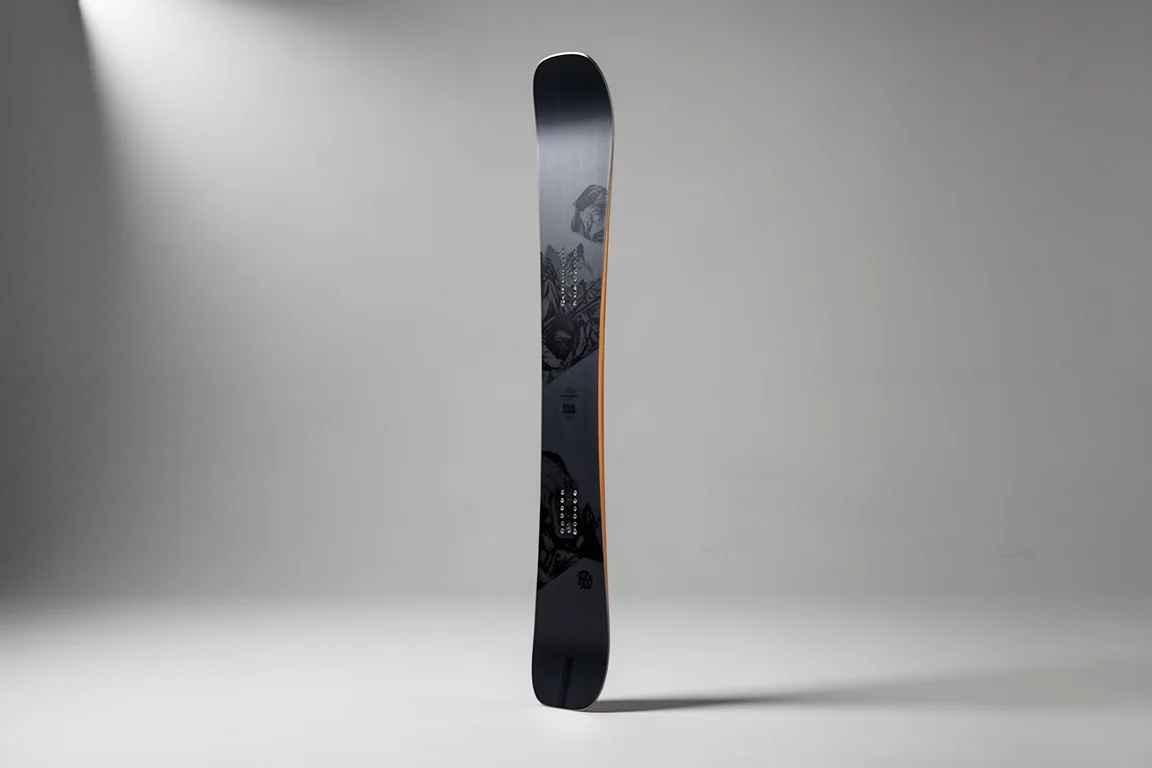
Sizing, Mount Point, and Terrain
The two models share a shape but not an identical size run. The metal version is offered in a 190 cm length, while the CA stops at 185 cm.
The mount point deserves attention. At roughly 9 cm back from true center, these skis are meant to be skied forward. Moving the binding forward is not advisable, because the tail is already thick and stiff, and the ski carries considerably more tip rocker than tail rocker. Sitting forward of the center of camber would put you in a less effective part of the ski. Treat them like directional freeride skis rather than park-oriented twin tips.
In trees, both models work, but a ski with a narrower tail profile steers more easily in tight lines. Where these two separate themselves is on open terrain, where their stability and composure at speed come to the fore.
Terrain and snow conditions should shape the decision as much as skiing style. For a strong skier dealing with softer snow in tighter, more technical terrain, the CA’s maneuverability is a real advantage. For a skier who spends most of the day on wide, fast lines and wants a planted, damp platform, the metal version is the more natural fit.
Who Each Ski Suits
The metal version suits strong skiers who like to let a ski run, who value stability in chop, and who are comfortable driving a directional ski from a forward stance. It also reads as a natural continuation of the Enforcer 104 Free line for anyone who has been waiting for something in that spirit. Riders coming off an Unleashed 108 should expect a different ski rather than a direct evolution of it.
The CA suits skiers who want more energy and quicker response at moderate speeds, who pop off natural features, and who value easy maneuvering in tighter terrain. It asks less of the skier in terms of speed and commitment, but it still has plenty of substance underfoot.
Both share the same directional bias and the same preference for a forward stance, so the decision is less about technique and more about the feel you want back from the snow.
Buying Advice
Start with an honest inventory of your typical day. If you spend most of your time searching out soft snow, popping off rollers, and working through tighter terrain at moderate speeds, the CA is the more rewarding choice. If you prefer wide open runs, high speeds, and a ski that feels planted and damp beneath you, the metal version is the one to pick.
Because the two share a mold and a shape, construction is the entire decision. There is no geometry trade-off to weigh, only a difference in how the ski builds and releases energy.
Sizing follows the usual logic. The metal version gives taller and heavier skiers a 190 cm option that the CA does not offer, while the CA’s 185 cm top length keeps the lighter build in a more maneuverable range for most riders.
Conclusion
The Nordica Unleashed 106 and Unleashed 106 CA are the same shape with two distinct personalities. The metal build is the damper, faster, more planted option, and the CA is the springier, more maneuverable one. Neither feels like a direct continuation of the Unleashed 108, so it is worth setting prior expectations aside and choosing based on the terrain, snow, and speed you actually ski.
Further reading
Related Reviews

Skis
Armada Anti Matter 82 W Review: A Light, Approachable All-Mountain Carver
Armada's Anti Matter 82 W pairs a lightweight Karuba and carbon build with an easygoing all-mountain shape, aimed at intermediates through lighter-footed advanced skiers.

Skis
Armada Anti Matter 88W Review: A Light, Playful 88mm All-Mountain Ski Plus Two Alternatives
The Armada Anti Matter 88W returns unchanged in spirit from its Reliance 88C days, and it remains one of the most versatile 88mm skis around. We also look at the Nordica Santa Ana 87 and Anti Matter 92 W as alternatives.

Skis
Armada ARV 100 vs Atomic Bent 100: Which 100mm Freestyle Ski Should You Buy?
Two of the best all-mountain freestyle skis of the season compared: one leans playful and park-ready, the other holds up better everywhere else.